
Acid Saddle Bags
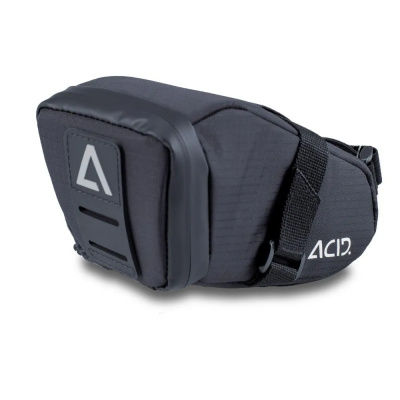
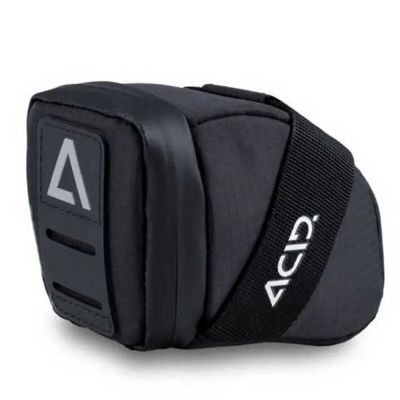
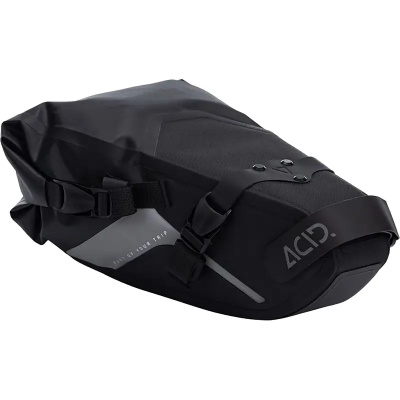
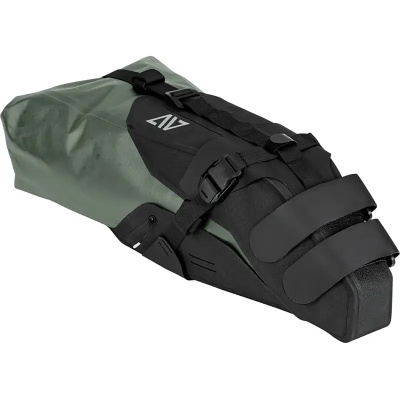
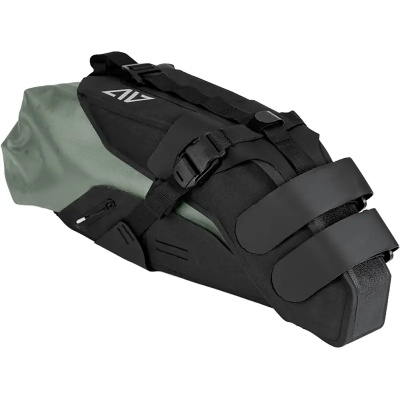
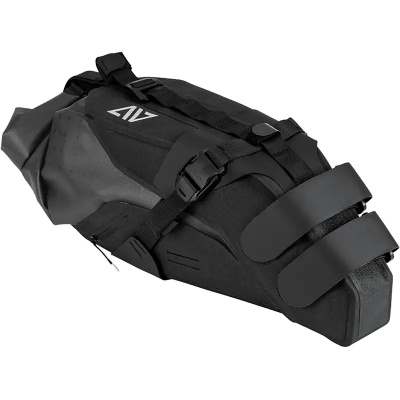
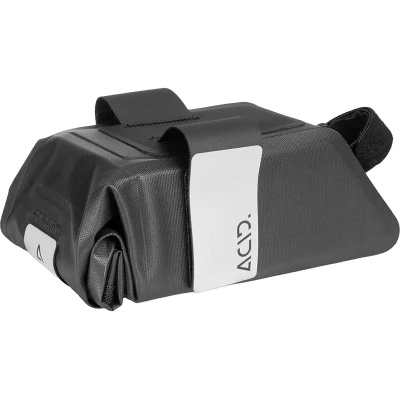
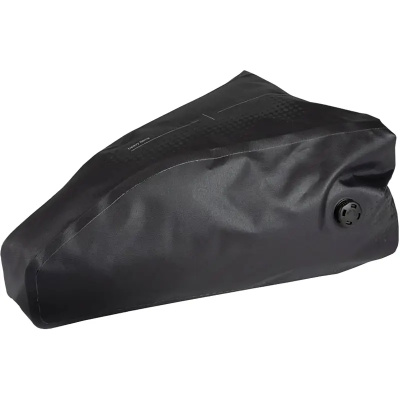
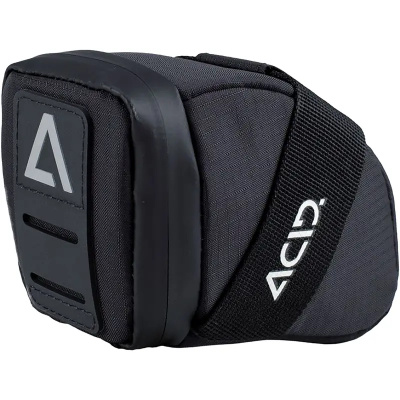
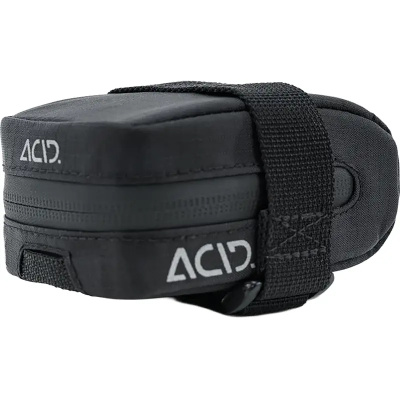
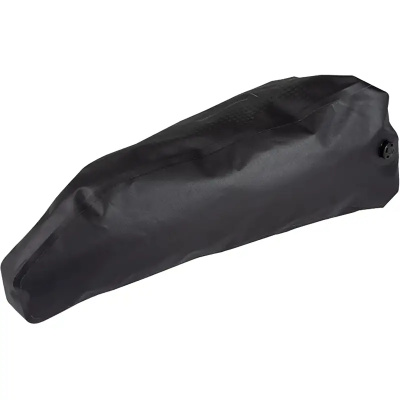
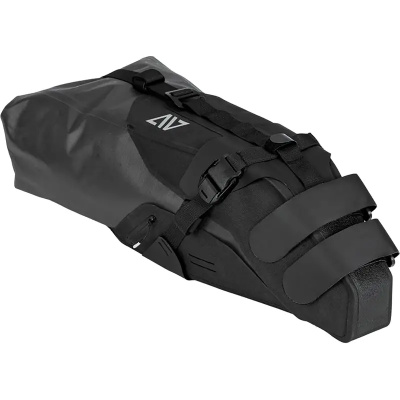
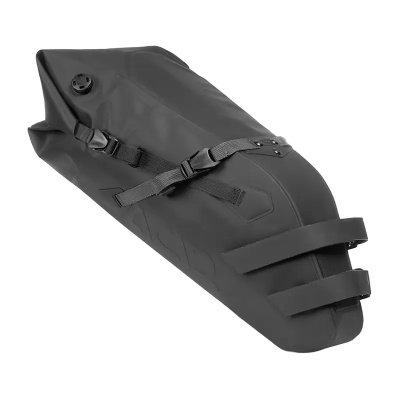
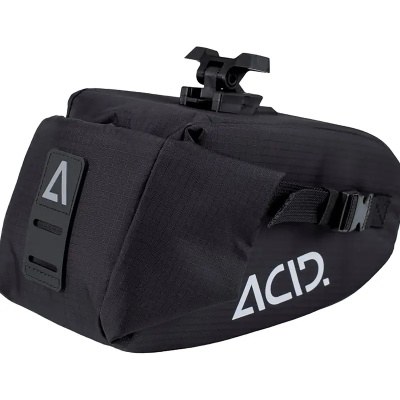
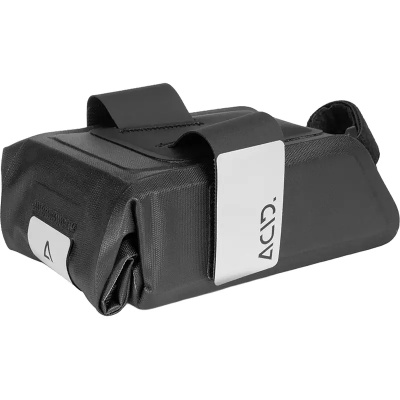
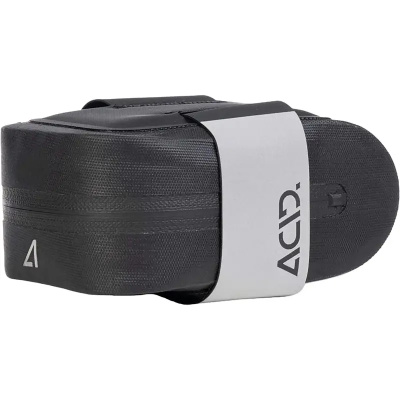
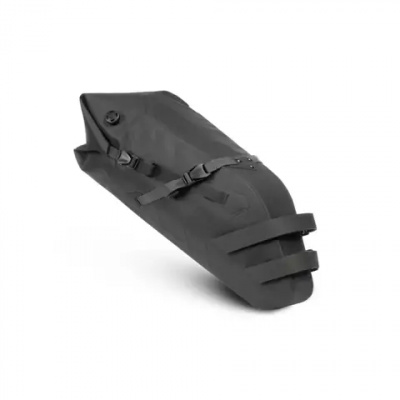
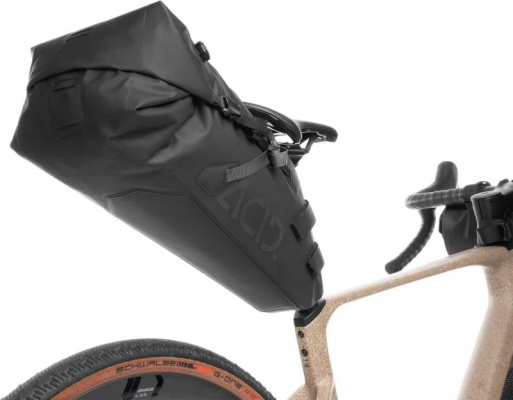
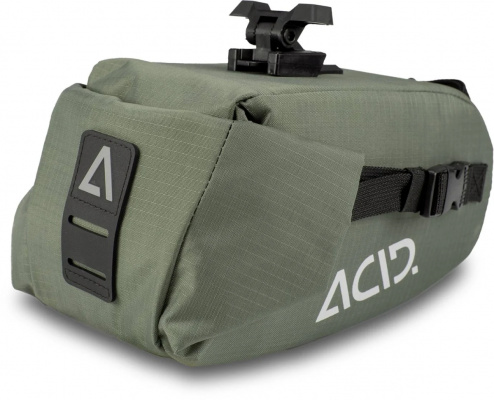
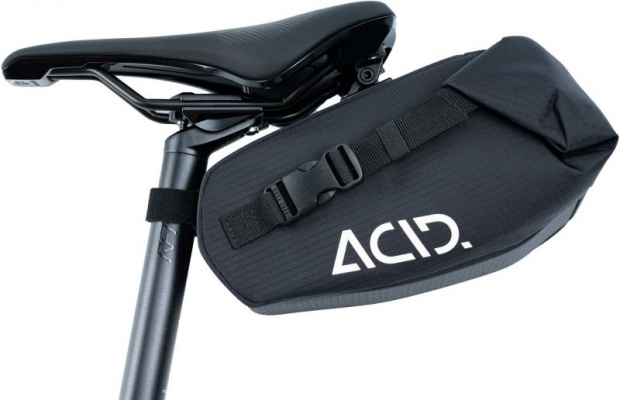
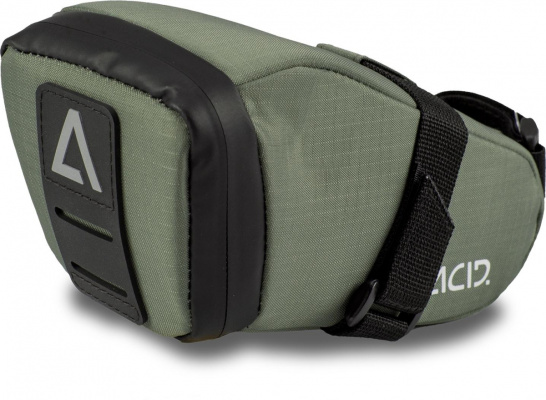
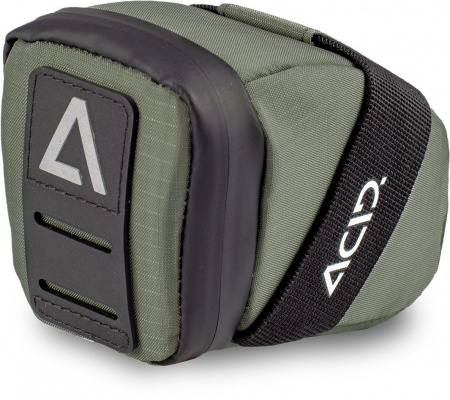
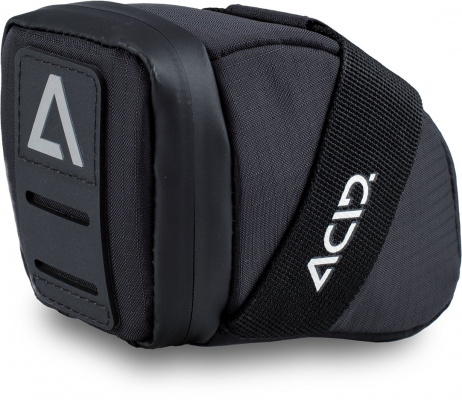
Acid saddle bags cover everything from a pocket-sized tube carrier to a full bikepacking rig, all designed by CUBE's in-house accessory team with a clear eye on what British riding actually demands. The range splits into three distinct mounting approaches - proprietary SILink integration, the quick-release Click bracket, and conventional Velcro straps - so whether you're on a CUBE road bike or a brand-new trail hardtail, there's a fit that works without bodging. Smaller bags in the 0.6L to 1L bracket keep your essentials tidy on road or XC rides, while the Pack Pro bikepacking series stretches to 15L for multi-day adventures across the Cairngorms or the South Downs Way. Waterproof ripstop fabrics, asymmetric waterproof zips, and high-frequency welded seams mean sustained Welsh rain or a filthy winter commute won't find their way into your spare tube. UK wheel spray is relentless from October through to April, and Acid have built these bags to handle the underside punishment that comes with it. If you're comparing options, Apidura saddle bags and Altura saddle bags are worth a look alongside, but the SILink system gives Acid a genuine edge for CUBE owners.
Prices and availability can change quickly. Delivery charges are not always included in listed prices.
Final price, stock status and delivery terms are set by retailer. We may receive a commission on purchases made.
Mounting Systems: Which One's Right for Your Setup?
Acid offer three ways to attach a bag to your bike, and picking the right one upfront saves a lot of faff. The CUBE SILink system is the slickest of the three - it's an integrated saddle adapter built into the base of compatible CUBE saddles, letting the bag clip directly into place with no straps involved. The result is a clean, rattle-free connection that doesn't require you to wrestle with Velcro every time you swap bikes. It's genuinely tidy, and if you're running a CUBE saddle already, it's the obvious choice.
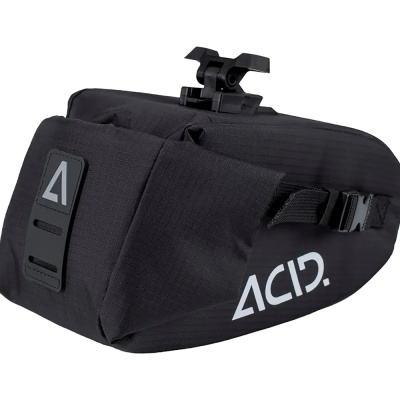
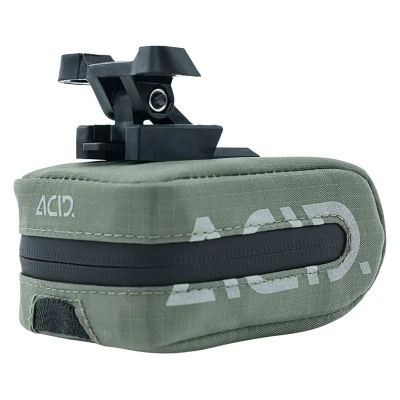
The Acid Click System is a quick-release saddle rail bracket aimed at riders who want fast bag-on, bag-off convenience without committing to the SILink ecosystem. It clamps to standard saddle rails and holds the bag rigid underneath the saddle - no bounce, no creep. Good for riders who share a bag between different bikes or swap it out for commuting versus weekend miles.
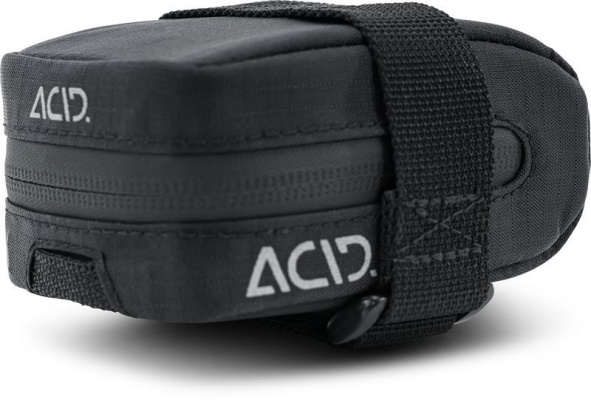
Universal Velcro strap models are the most flexible in terms of saddle rail compatibility, but they carry a maintenance consideration worth flagging: road grit works its way into the hook-and-loop fibres over time, and on carbon seatposts that abrasion adds up. A strip of clear frame protection tape on the post before fitting the straps costs next to nothing and takes two minutes - it's the kind of thing you'll thank yourself for six months down the line.
One more thing to check before ordering a larger Pack Pro bag: seatpost clearance. On bikes with a dropper post, dropping the post fully can bring the bag uncomfortably close to the rear tyre. Measure your minimum saddle height and compare it against the bag's listed dimensions. A 15L bag that buzzes on your tyre every time you drop the post on a descent is not a bag you'll keep using.
From Micro to Bikepacking: Picking Your Capacity
The Acid range doesn't try to do everything with one bag. At the compact end, the Pro and Click micro bags run between 0.6L and 1L - enough for a folded inner tube, a set of tyre levers, a multi-tool, and a CO2 inflator. That's your typical road ride or XC loop kit sorted without the bag bulging or swinging. Clip one on, forget it's there. If you also want to carry a mini pump, you'll want to go slightly larger - around 1.5L or above - or look at a pump mount on the frame instead.
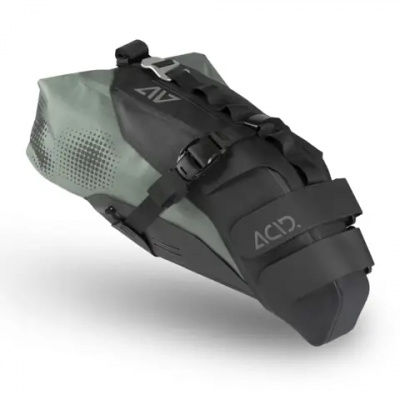
Step up to the Pack Pro bikepacking series and you're in different territory. Capacities from 11L to 15L open up overnight touring or multi-day loaded riding, with waterproof ripstop construction and welded seams doing the heavy lifting on weather protection. These aren't lightly water-resistant bags with taped seams - the welded construction means water genuinely doesn't get in during sustained downpours, which matters when you're crossing the Pennines in October and the rain has been going sideways for two hours.
If your trip needs front or centre storage to complement the seat pack, we've got dedicated pages for Acid bar bags and Acid frame bags - worth checking before you commit to one oversized seat pack and find yourself fighting the handling.
For riders who want to compare how Acid's bikepacking bags stack up against the broader market, Carradice saddle bags and Evoc saddle bags offer alternative takes on construction and volume - useful reference points when you're deciding how much you're prepared to spend for welded waterproofing versus traditional waxed canvas.
Keeping Everything Working Through a UK Winter
British riding conditions are hard on bag hardware. Heavy rear wheel spray drives water and grit directly into the bag's underside and around the zipper pulls from the moment it rains, which in practice means from September onwards. The asymmetric waterproof zips on Acid's higher-spec bags are designed to shed water rather than collect it, but they still need occasional attention to keep them running freely.
After a muddy ride - think Peak District grit roads or a wet Forest of Dean loop - rinse the zippers with clean water before the mud dries in place. Once they're dry, a light application of zip lubricant or a beeswax-based product keeps the teeth moving smoothly. Avoid silicone sprays on the zip teeth themselves; they attract dust and can degrade the waterproof coating faster than you'd expect.
For the Acid Click System bracket, grit ingress into the release mechanism is the main culprit behind stiff or reluctant clips. Flush the bracket with clean water after muddy rides, let it dry, then apply a dry PTFE spray rather than a wet lubricant - wet lubes collect grit and compound the problem. Takes thirty seconds and keeps the mechanism clicking cleanly through winter.
On Velcro strap models, pull the straps apart and brush out trapped grit every few rides. As mentioned, frame protection tape on the seatpost is cheap insurance against abrasion, particularly on carbon posts where the damage is invisible until it isn't. You can also pair the saddle bag with Acid lights mounted to the seatpost - just factor in the positioning so the light mount and bag straps don't compete for the same real estate.
For those running the full luggage setup on tour, Acid pannier bags are worth considering as a higher-capacity alternative when rack mounts are available, freeing the seat pack for lighter, faster day-ride use.
Acid Saddle Bags FAQs
How do you attach an Acid saddle bag?
Acid saddle bags use one of three systems: universal Velcro straps that fit most saddle rails and seatposts; the Click bracket, a quick-release saddle rail mount for tool-free removal; or the SILink adapter, which clips directly into the base of compatible CUBE saddles for a completely strap-free, integrated fit. Check which system your chosen bag uses before buying.
Are Acid saddle bags waterproof?
It depends on the model. Pack Pro bikepacking bags use high-frequency welded seams and asymmetric waterproof zips, making them fully waterproof in sustained rain. Smaller stitched models are highly water-resistant and handle typical showers well, but prolonged heavy downpours may eventually find their way through the seams. Check the product listing for confirmation of construction type.
What size saddle bag do I need for a spare tube and pump?
A 0.8L to 1L bag comfortably fits a folded inner tube, tyre levers, a multi-tool, and a CO2 inflator. If you want to add a mini pump, you'll generally need 1.5L or more, or consider a frame-mounted pump to keep the seat pack compact. Packing a pump inside a small bag usually means compromising on something else.