
Acid Pannier Bags
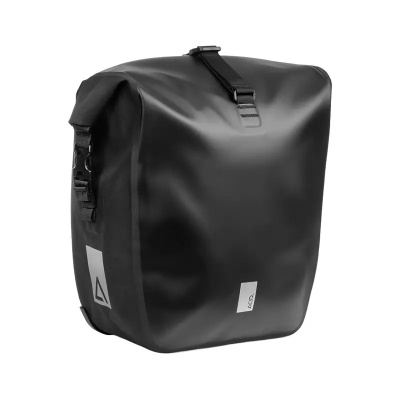
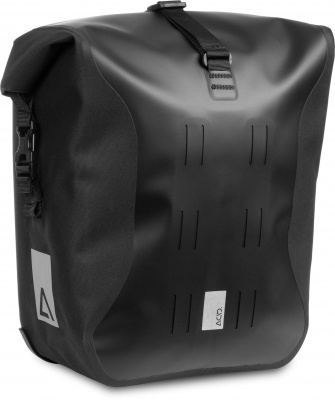
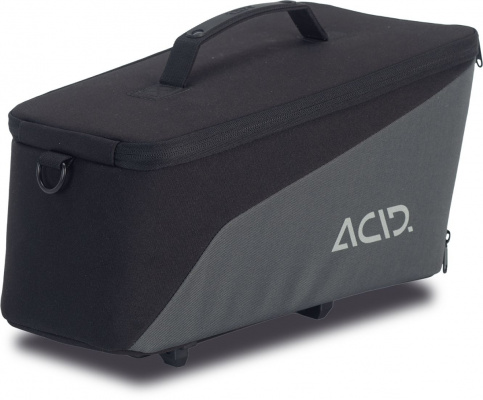
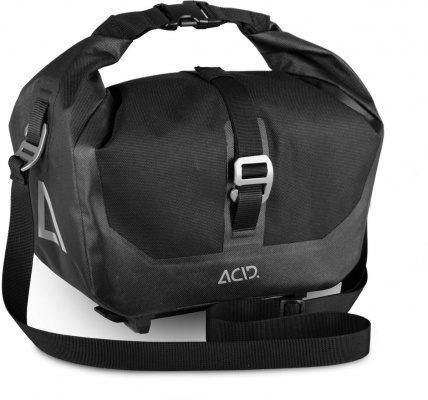
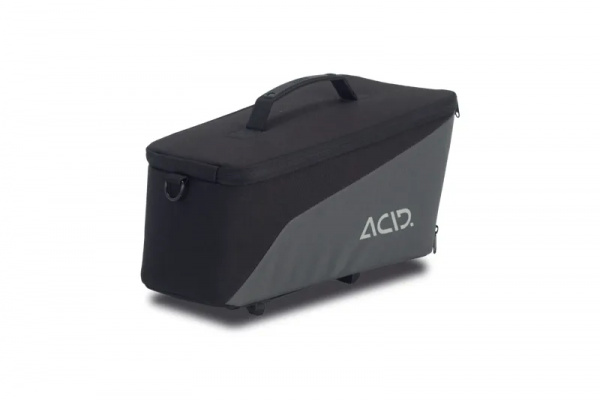
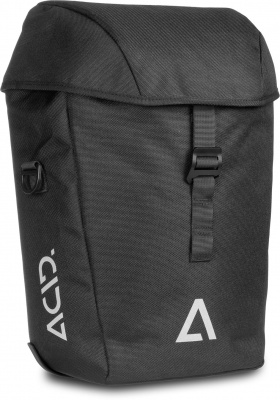
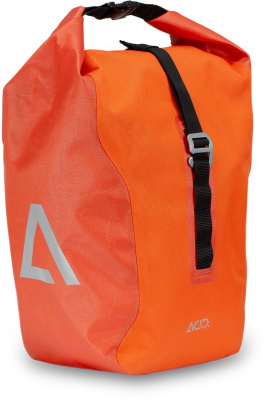
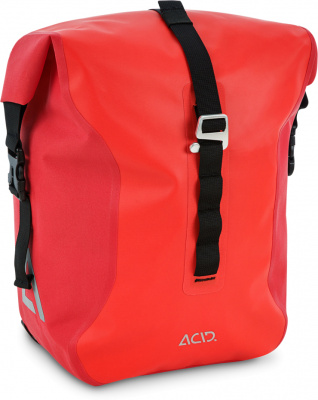
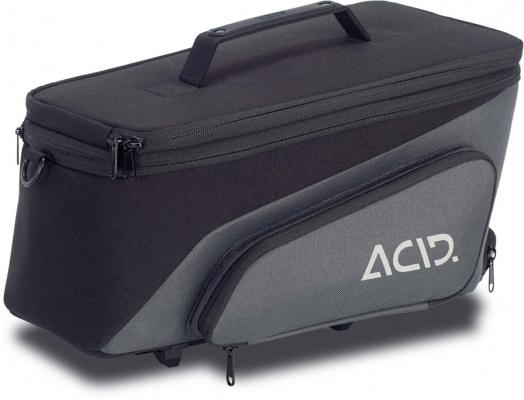
Acid pannier bags are the luggage arm of Cube's accessory range, and they're built with the kind of no-nonsense practicality that UK commuters and tourers actually need. Welded waterproof seams mean no needle holes for water to sneak through - so when you're grinding through a wet January commute or a soggy Scottish touring day, your laptop and kit stay dry. The roll-top closure backs that up, sealing the bag properly when you give it at least three full rolls before clipping down.
The standout feature for Cube riders is the RILink system - a proprietary rack interface that locks Acid panniers flush onto Acid and Cube carriers with zero rattle and no fussing about with finicky clips. That said, the standard hook hardware works on most tubular racks too, so you're not locked into the ecosystem if you're already running something else.
Reflective detailing on the rear and sides earns its keep in the dark months, and the PVC-free TPU coating keeps things durable without the environmental baggage of older materials. Want to build out a full setup? Our Acid bar bags, Acid frame bags, and Acid saddle bags pages cover the rest of the rig.
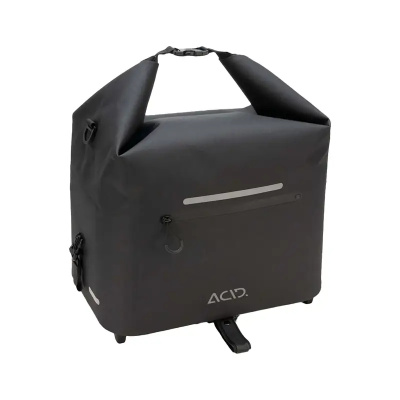
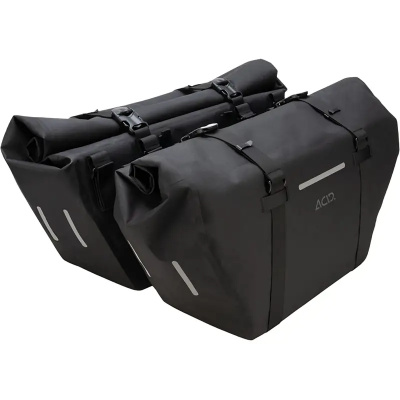
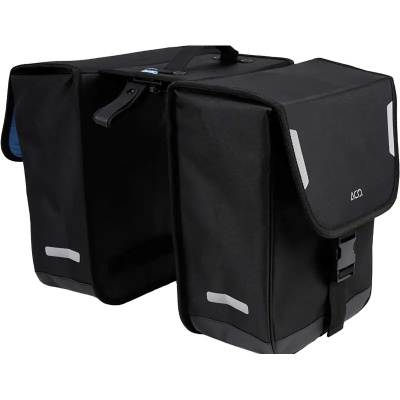
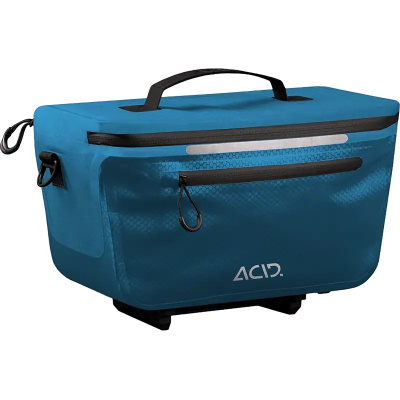
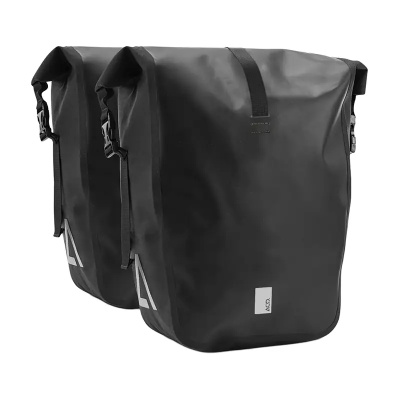
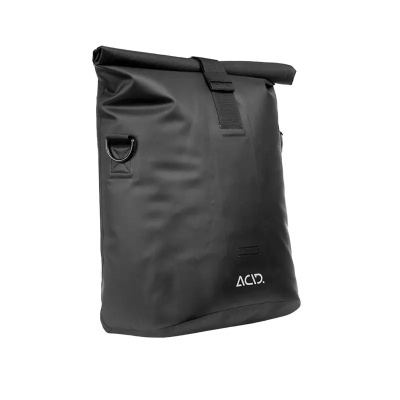
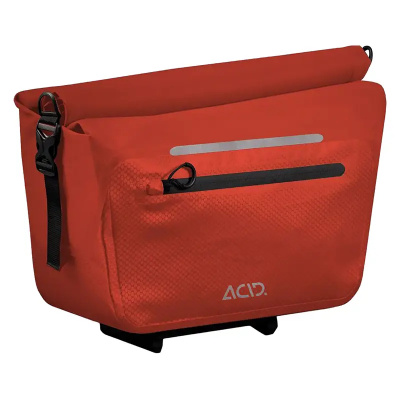
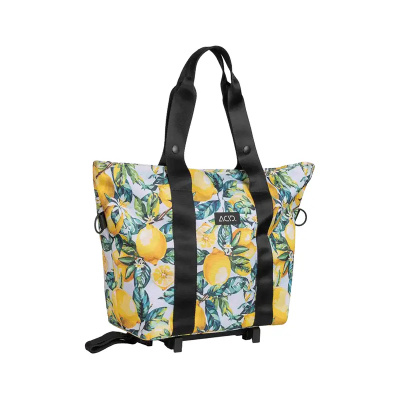
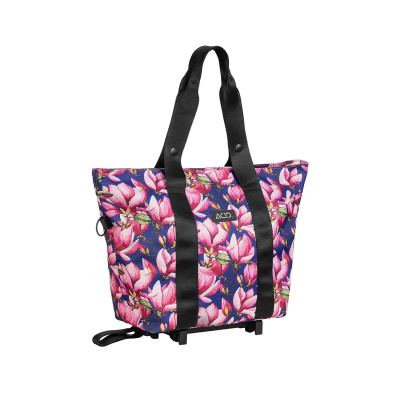
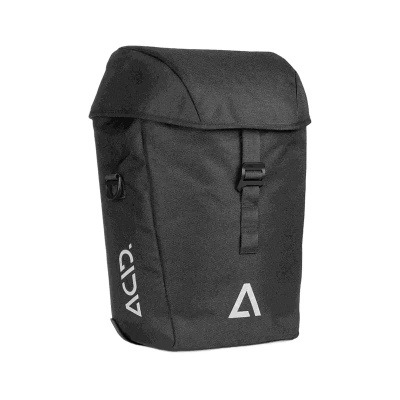
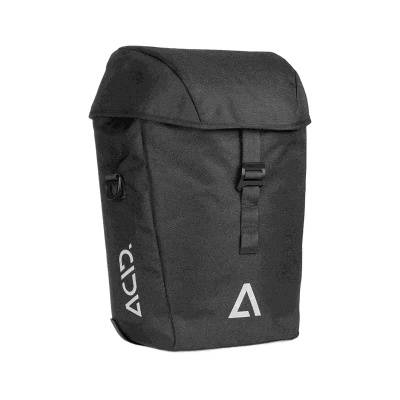
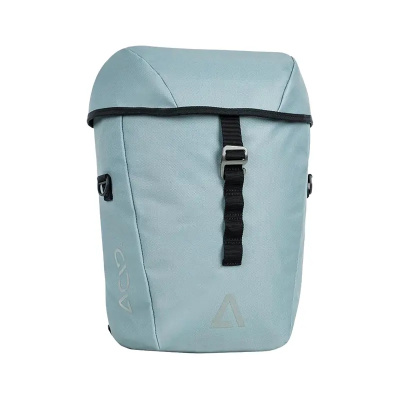
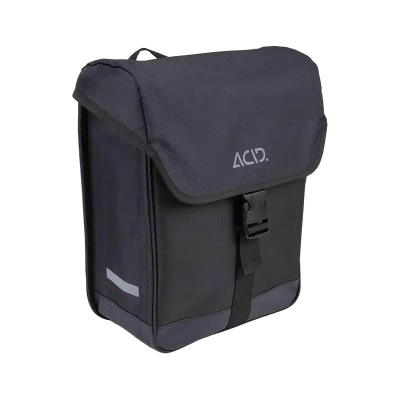
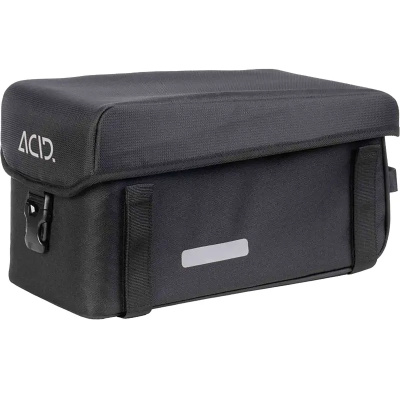
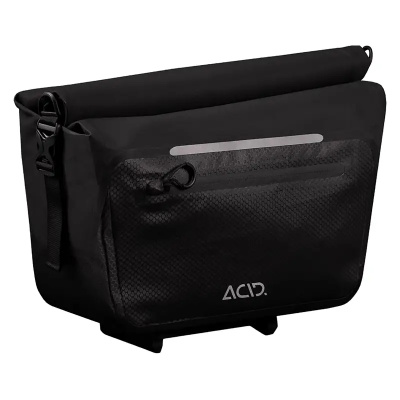
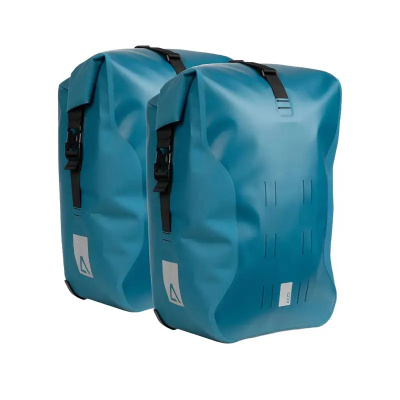
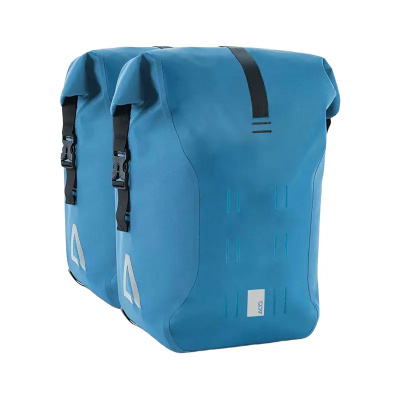
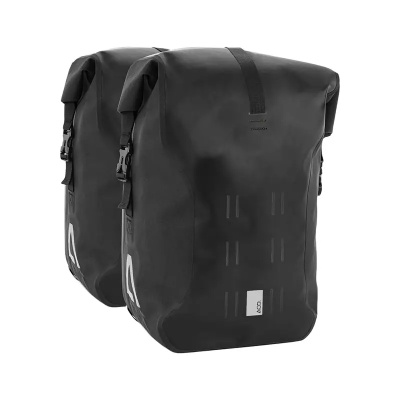
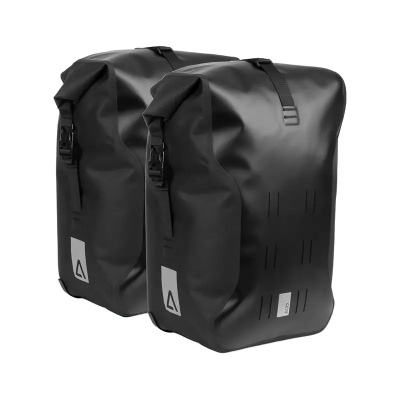
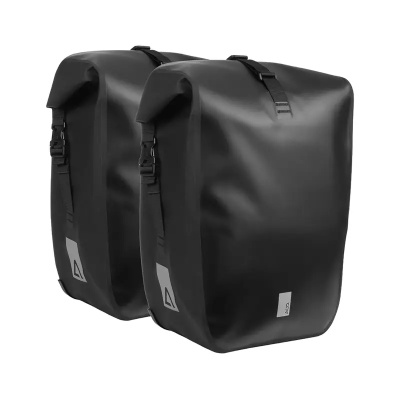
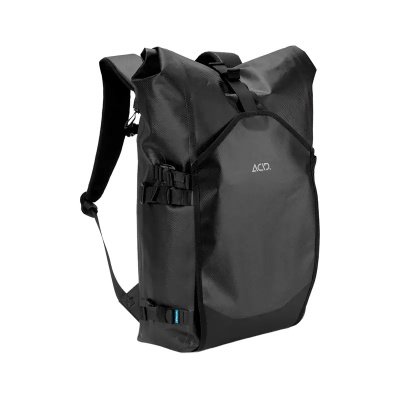
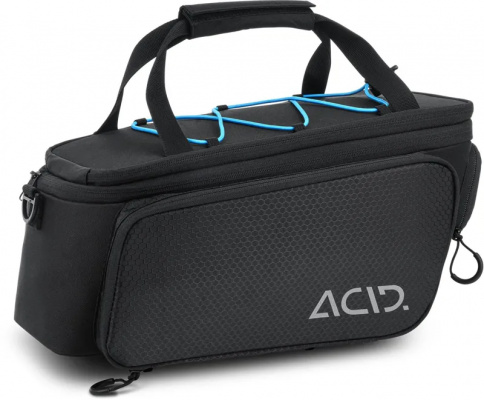
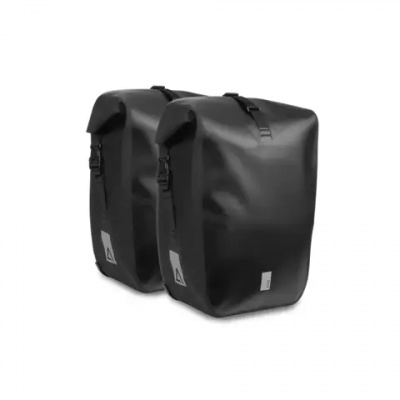
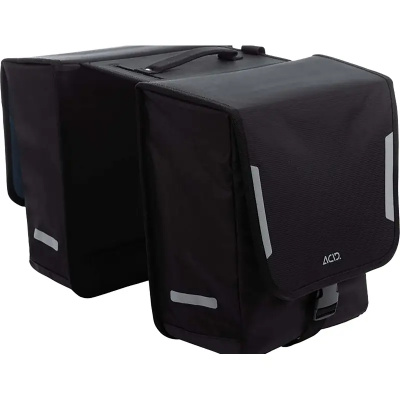
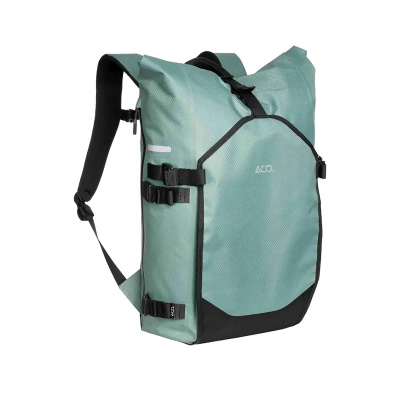
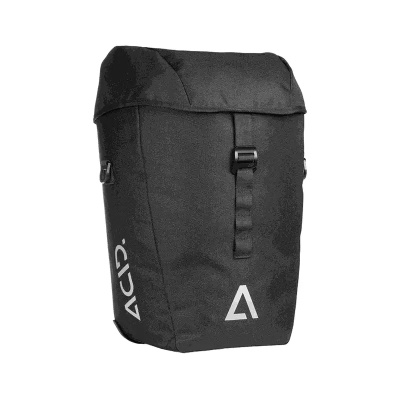
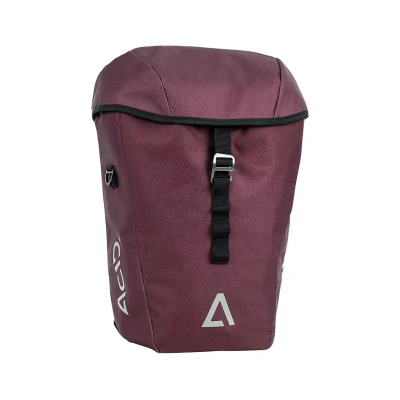
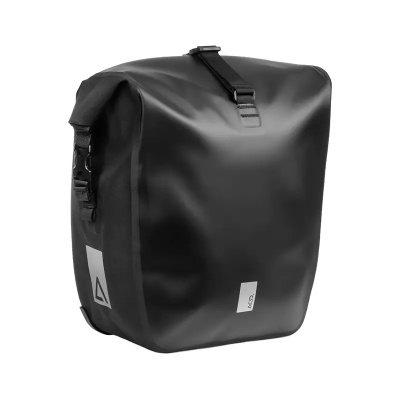
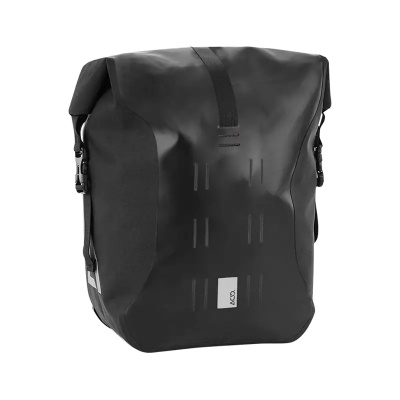
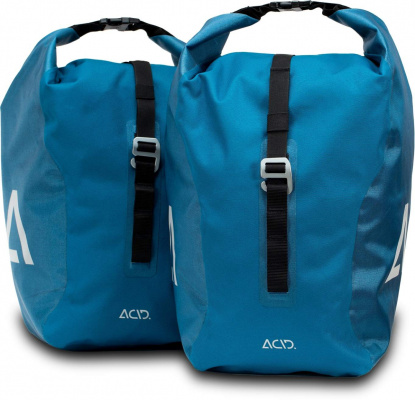
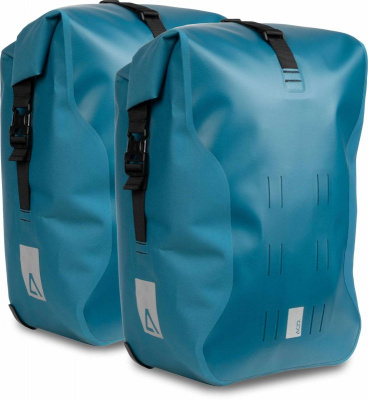
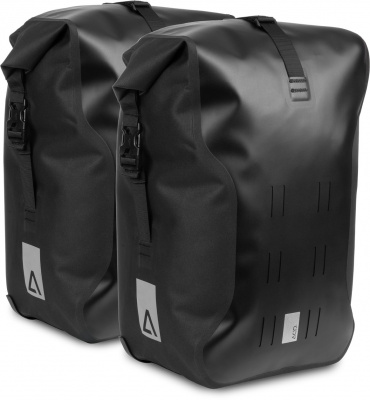
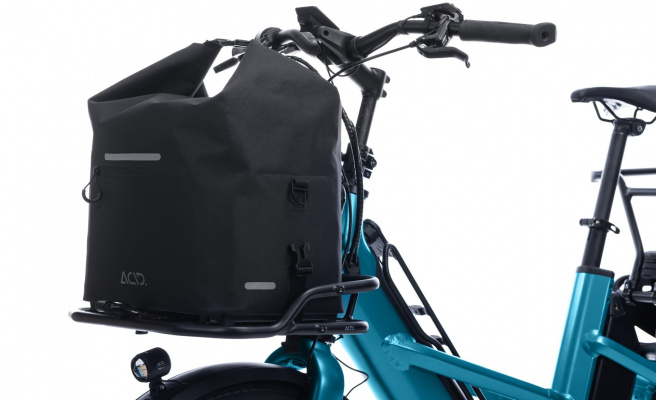
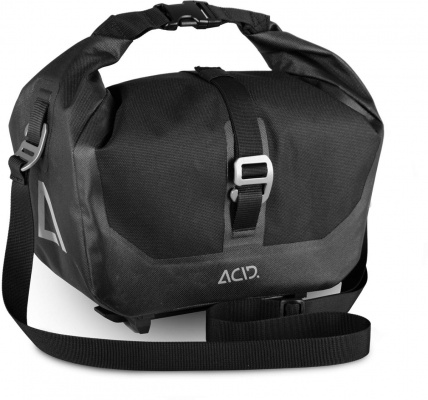
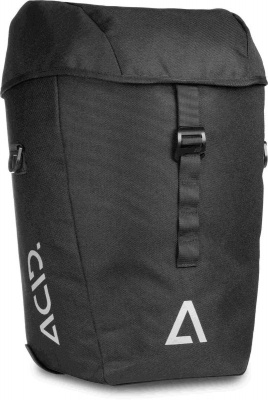
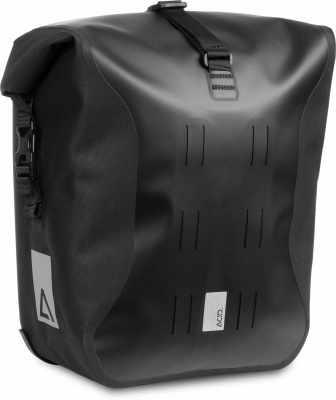
Prices and availability can change quickly. Delivery charges are not always included in listed prices.
Final price, stock status and delivery terms are set by retailer. We may receive a commission on purchases made.
Fitting Acid Panniers: Compatibility and Rack Standards
Get the fitment right first - everything else follows. The RILink system is Acid's proprietary rack interface, designed to click directly into matching Acid and Cube carriers. The connection is positive and rattle-free; there's no lateral play once locked. If you're running a Cube bike with a factory-spec Acid rack, this is the pairing to go for.
On third-party racks, Acid panniers use adjustable top hooks with interchangeable inserts to cover a range of carrier tube diameters - typically 8mm through to 16mm. That handles the vast majority of aluminium tubular racks you'll encounter. The key adjustment most riders miss is the lower stabilising hook. Get it positioned behind a rack strut, not just resting loosely underneath, otherwise the bag swings outward under load and can foul the rear wheel. Takes thirty seconds to sort, and you'll feel the difference immediately - the bag sits planted rather than pendulum-like on rougher road surfaces.
One hard limit worth flagging: don't use Acid panniers on carbon racks. The hook hardware is designed for metal tubing, and carbon racks aren't built to take the localised clamping forces. Stick to aluminium or steel carriers and you're fine. If you're shopping for a compatible rack at the same time, the Acid pannier racks range is the obvious starting point for guaranteed fitment.
City, Pro, and Travlr: Choosing the Right Series
Acid structures its pannier range into broadly three tiers, each aimed at a different kind of rider. Knowing which one suits you saves a lot of second-guessing.
The City series is urban-focused and commuter-friendly. Expect internal organisation - padded laptop sleeves, document pockets, that sort of thing - plus a detachable shoulder strap so the bag works off the bike without looking like you've just raided a cycle depot. Capacity sits around the 15 - 16 litre mark. The materials are solid for everyday use, though the waterproofing leans more on the roll-top than on fully welded construction throughout. Fine for most commutes; less convincing in prolonged downpours.
Step up to the Pro series and the construction gets more serious. Higher denier fabrics, more refined attachment hardware, and welded seams that genuinely keep water out rather than just resisting it. The asymmetrical design on some Pro models is worth paying attention to - the bag profiles away from the drivetrain side to give your heel clearance on the pedal stroke. If you've ever clipped a bag with your foot mid-ride, you'll know exactly why that matters.
The Travlr series goes biggest on capacity - 20 litres and upward - and is built for loaded touring rather than daily hops. The materials are the most robust in the range, the hardware is chunkier, and the overall construction is designed to take the kind of repetitive loading and unloading that a multi-day trip demands. You pay for that durability in weight, so if you're purely commuting short distances, the City series is lighter and leaner. But for a Cairngorms crossing or a loaded coast-to-coast, the Travlr's robustness makes more sense than saving a few hundred grams.
Compared to Ortlieb panniers, which dominate the welded waterproof end of the market, Acid's Pro and Travlr bags offer competitive weatherproofing with arguably better integration if you're already in the Cube ecosystem. Altura panniers sit at a similar price bracket to the City series and are worth comparing for commuter-specific features, while Basil panniers are a strong alternative if aesthetics and urban styling carry more weight for you than technical spec.
Keeping Acid Panniers Running Through a British Winter
UK roads from October onwards are basically a stress test for luggage hardware. Road salt, grit, and standing water will find any weakness in a hook mechanism - and once a quick-release slider seizes, it stops being quick-release and starts being a frustration at the end of every ride.
The fix is straightforward: wipe down the top hooks and lower slider after wet rides, and run a light coating of silicone spray on the moving parts every couple of weeks through winter. Don't use oil - it attracts grit and makes the problem worse. Silicone spray keeps things moving cleanly without the residue. Two minutes at the bike shed, and your hooks will still operate smoothly come March.
For the welded seams and PVC-free TPU coating, the main enemy isn't rain - it's abrasion. Road grit ground repeatedly into the base of the bag will eventually compromise the coating if you let it build up. A rinse with clean water after particularly gritty rides keeps the material in good shape for longer. The TPU coating is tougher than it looks, but it rewards basic maintenance.
Roll-top closure technique matters more than most people think. In genuinely heavy rain - the kind that's horizontal across a Yorkshire moor - a single fold and clip won't cut it. Three full rolls minimum before you clip the buckle down. That creates enough overlap to keep water out even under sustained spray from a passing lorry. It sounds pedantic, but it's the difference between a dry change of clothes and a wet one.
Pair the bags with Acid mudguards if you're commuting seriously through winter - they cut the wheel spray that hammers the lower section of the bag and reduce how often you need to clean the attachment hardware. And if visibility is on your mind, the reflective detailing on Acid panniers works alongside Acid lights to keep you seen on unlit roads. Don't forget a solid lock either - a well-loaded pannier is an obvious target when you leave the bike outside.
Acid Pannier Bags FAQs
Are Acid pannier bags waterproof?
The Pro and Travlr series are genuinely waterproof, using welded seams that eliminate the needle holes stitching would create, combined with a roll-top closure. The City series resists rain well but relies more on the roll-top than fully welded construction throughout. For heavy or sustained British rain, Pro and Travlr are the safer bet.
Do Acid panniers fit all bike racks?
They're optimised for Cube and Acid carriers via the RILink system, but the adjustable top hooks and lower sliders fit most standard tubular racks. Interchangeable inserts cover different carrier tube diameters from around 8mm to 16mm. The main exception is carbon racks - the hook hardware isn't suited to carbon tubing, so stick to aluminium or steel.
How do I attach an Acid pannier bag to my rack?
Lift the bag by its carry handle to open the quick-release top hooks, drop them over the rack's top rail, then release the handle to lock them in place. After that, position the lower adjustable hook behind a rack strut - not just underneath it - to stop the bag swinging outward when the rack flexes over bumps.