
Acid Track Pumps
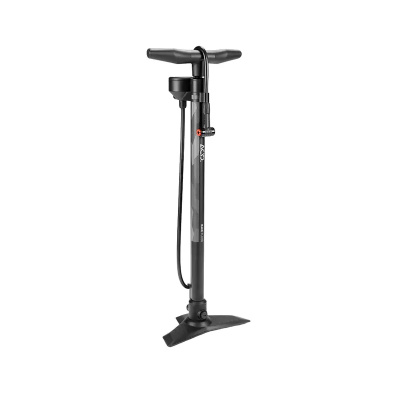
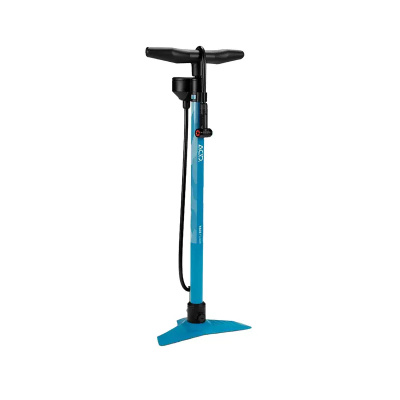
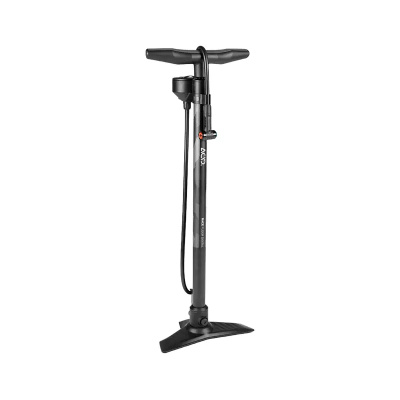
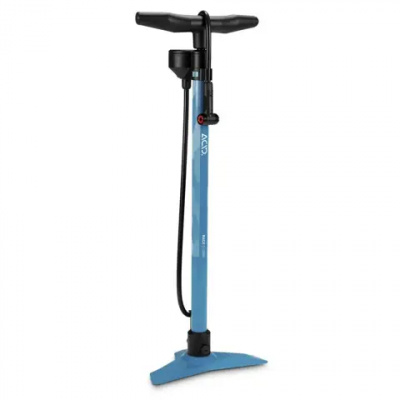
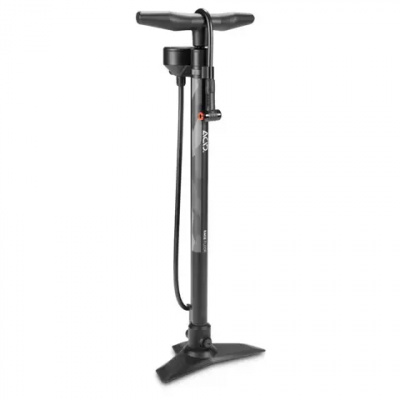
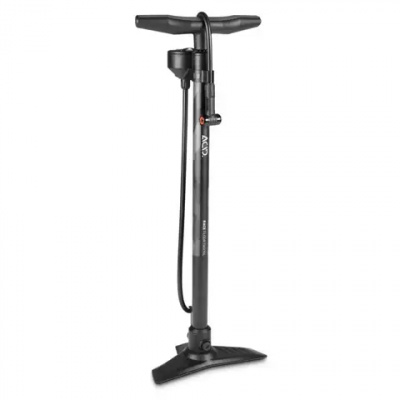
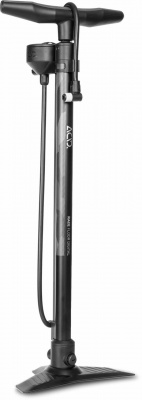
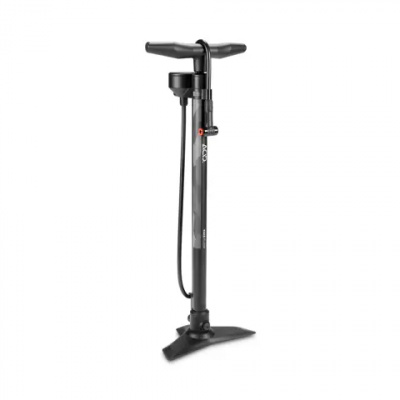
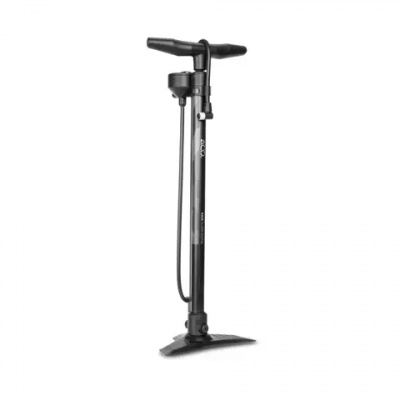
Acid track pumps sit at the practical heart of any home workshop - the piece of kit you reach for before every ride and after every puncture. Built around a steel or alloy barrel depending on the model, they pair robust construction with Acid's proprietary EZ-Head technology, which automatically selects the correct seal for either Presta or Schrader valves without fiddling with internal grommets. That matters when your hands are cold and your gravel bike is dripping mud on the garage floor.
The range splits cleanly into two jobs. High-volume models push a generous burst of air per stroke - ideal for mountain bike and gravel tyres, and capable of seating tubeless beads on most setups. High-pressure models are built for road and cyclocross work, hitting up to 160 PSI with precision. Top-mounted gauges - analog on entry-level pumps, digital on premium variants - keep you honest on bar pressure rather than guessing. Natural-Fit ergonomic handles give you the leverage to push through those final high-pressure strokes without your palms protesting.
If you store kit in a damp shed through a British winter, Acid's treated barrels and solid chuck construction hold up where cheaper pumps start to corrode and leak. Practical, dependable, no theatre.
Prices and availability can change quickly. Delivery charges are not always included in listed prices.
Final price, stock status and delivery terms are set by retailer. We may receive a commission on purchases made.
Need something portable for mid-ride fixes? Browse Acid Mini Pumps for pocket-friendly inflation, or check out Acid Shock Pumps for fork and rear-shock pressure. You'll also find replacement hoses and heads if your current pump just needs a refresh rather than replacing.
Valve Compatibility and Choosing the Right Volume
The EZ-Head dual head chuck is the feature that makes Acid floor pumps genuinely fuss-free. Rather than unscrewing a cap and flipping a rubber grommet - a faff at the best of times, a disaster with cold fingers - the EZ-Head reads the valve and compresses the correct internal seal automatically when you lock the lever. It works cleanly with Presta and Schrader, and most models also handle Dunlop valves, which still turn up on older commuter and touring bikes across the UK.
Choosing between high-volume and high-pressure comes down to what you're inflating. HV pumps shift a larger air column per stroke, typically maxing around 40 - 60 PSI - more than enough for a 2.4-inch MTB tyre or a chunky gravel setup, and often sufficient to pop a tubeless bead into place in one sustained push. HP pumps have a narrower barrel that builds pressure more efficiently, reaching the 100 - 160 PSI range your road or cyclocross tyres actually need. Running an HP pump on a fat MTB tyre isn't dangerous, just tedious - you'll be pumping for a while. Running an HV pump on a 28mm road tyre means you'll plateau well below target pressure.
One practical point worth knowing: if you use a workstand, check the hose length on your chosen model. A short hose with the bike raised to chest height means awkward angles at the valve. Most Acid track pumps come with a generously long hose, but it's worth confirming before you buy.
How the Acid Range Breaks Down
Entry-level Acid track pumps use a composite or basic steel barrel with an analog gauge and a standard chuck. They do the job reliably - accurate enough for most riders who aren't chasing exact PSI figures - and they're built solidly enough to live in a garage without falling apart. Think of them as the dependable workhorse: not glamorous, not fragile.
Step up to the premium end and you're looking at CNC machined alloy bases, which add stability on smooth floor surfaces and feel noticeably more planted when you're leaning into a hard pump stroke. The barrels are finished to tighter tolerances, which translates to smoother action and better longevity on the plunger seal. These are the models worth considering if you're maintaining multiple bikes or running tubeless across the whole family's fleet.
The Acid Digital Track Pump is the pick for anyone running tubeless or cyclocross setups where precision genuinely matters. Analog gauges on any pump - including premium ones - have a degree of tolerance; a digital readout removes that ambiguity. When you're setting a tubeless gravel tyre at 28 PSI for a wet ride versus 32 PSI for a dry one, that difference is real and a digital gauge earns its place. It's also useful for riders managing multiple bikes with different pressure windows. Compared to alternatives from Topeak or Lezyne at similar price points, Acid positions itself on durability and straightforward usability rather than feature count - fewer gimmicks, sturdier build.
Keeping Your Pump Working Through a British Winter
A track pump stored in an unheated garage takes a beating over a UK winter - temperature swings, damp air, and the inevitable muddy valve getting shoved into the chuck after a filthy ride. None of that is kind to rubber seals or metal parts.
The most important habit is wiping the steel barrel stanchion down after use, especially if condensation is getting into the garage. A thin smear of silicone grease on the main plunger seal every few months keeps the action smooth and stops the seal from cracking in the cold. It takes thirty seconds and adds years to the pump's life.
The EZ-Head chuck is where grit accumulates fastest. After attaching to a valve caked in Peak District mud or post-trail-centre grime, the internal rubber grommet can trap fine particles that wear it prematurely. A quick flush with clean water and a dry-off is enough for routine maintenance. If you start to feel the chuck gripping inconsistently, pull it apart and check for debris before assuming the O-ring has gone.
Speaking of which - a leaking chuck is almost always either a connection issue or a worn O-ring. If the pump head isn't fully seated and locked before you start pumping, air escapes around the valve rather than going into the tyre. Push the head down firmly before flipping the lever. If leaks persist after a clean and proper connection, the O-ring has likely perished and needs replacing. Acid sells replacement parts, and a new O-ring costs a fraction of a new pump. Don't skip that fix and end up buying a whole new floor pump when you don't need to.
If you're running tubeless, it's worth keeping a bleed valve check in your routine too - some Acid models include one on the hose to release trapped pressure cleanly after inflation without unseating the tyre. Compare this to the approach from SKS or Park Tool, where hose design varies considerably between models. Rounding out your workshop kit? An Acid Saddle Bag keeps a CO2 cartridge or mini pump within reach for when you're away from the garage, and Acid Mudguards reduce how much muck ends up on your valves in the first place.
Acid Track Pumps FAQs
How do you use an Acid track pump on a Presta valve?
Unscrew the Presta valve core a turn or two first - it needs to be open to accept air. Push the EZ-Head chuck firmly down onto the valve stem, then flip the locking lever up to compress the internal grommet and create an airtight seal. You'll feel it click into place. Then pump normally and release the lever to disconnect cleanly.
Can an Acid track pump seat tubeless tyres?
Acid's high-volume track pump models can seat most tubeless beads, particularly on wider rims and modern MTB or gravel setups where the bead channel isn't too tight. Very stubborn rim-and-tyre combinations - typically narrow road tubeless - may still need a dedicated tubeless inflator chamber to deliver the required burst volume.
Why is my track pump leaking air at the valve?
Usually it's one of two things: the chuck hasn't been pushed far enough onto the valve before locking, or the internal O-ring has worn out. Check for grit in the EZ-Head first, clean it out, then try again with a firm push-and-lock. If leaks continue, replace the O-ring - it's a cheap fix and Acid parts are widely available.