
Wellgo Pedals
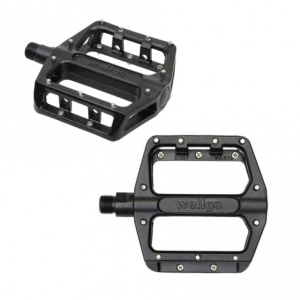
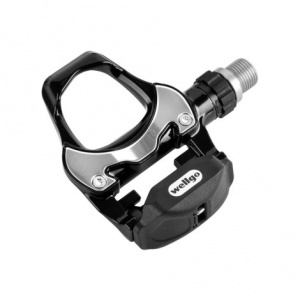
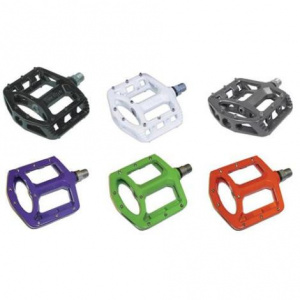
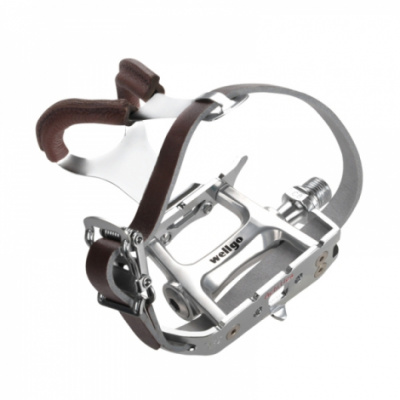
Wellgo Pedals come from the world's largest pedal manufacturer, a Taiwanese operation that's been churning out industrial-grade contact points since 1966. You'll find their work under countless house brands, but when you buy Wellgo direct you're tapping into decades of OEM expertise at a fraction of boutique pricing. The MG-1 has become a staple on UK trail centres - magnesium body, replaceable pins, sealed cartridge bearings - while the QRD quick release pedals are the go-to upgrade for Brompton owners who need to pack down fast. Commuters lean on the SPD-compatible clipless range, which accepts standard 98A cleats and runs Cr-Mo axles that shrug off wet Scottish winters. Whether you're after Wellgo flat pedals for grip on Peak District grit or Wellgo folding bike pedals that vanish into a pannier, the engineering is consistent: CNC machined aluminum or magnesium bodies, 9/16 inch thread compatibility, and serviceability that keeps them spinning long after flashier rivals have seized.
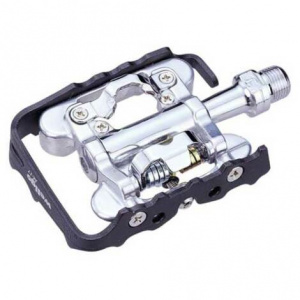
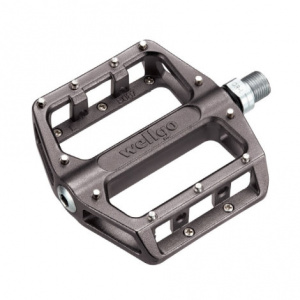
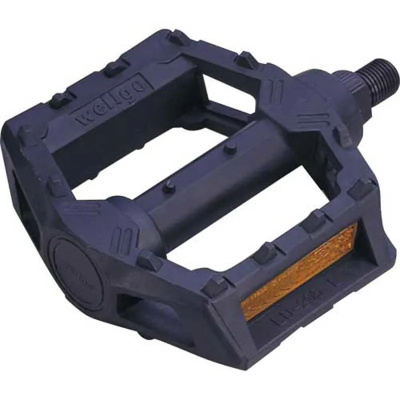
Prices and availability can change quickly. Delivery charges are not always included in listed prices.
Final price, stock status and delivery terms are set by retailer. We may receive a commission on purchases made.
Material Engineering: Magnesium vs. Aluminum
Wellgo's MG series uses magnesium alloy bodies, a choice that delivers serious weight savings without sacrificing impact resistance. The MG-1, for instance, tips the scales lighter than many aluminium rivals yet survives repeated rock strikes on Welsh singletrack thanks to magnesium's ability to flex slightly under load before returning to shape. The trade-off? Magnesium oxidises faster than aluminium, so Wellgo applies a multi-stage anodising and painting process to seal the surface. You'll still want to rinse off road salt after winter commutes, but the finish holds up well to everyday abuse.
The B series - aluminium-bodied models like the B087 - offers a different proposition. Heavier by 30-50 grams per pair, but more resistant to cosmetic wear and easier to refinish if you're the DIY type. Aluminium pedals also tend to run cooler underfoot in summer, a small but noticeable difference on long tarmac slogs. Both materials share the same sealed cartridge bearing internals and Cr-Mo spindles, so longevity comes down to how you treat the body finish rather than the guts. If you're chasing every gram for XC racing, magnesium makes sense. For bombproof commuting or hire-fleet duty, aluminium wins.
The QRD System: Optimising for Travel
Wellgo's QRD (Quick Release Device) is a patented collar mechanism that lets you pop pedals off in seconds without a 15mm spanner. Pull the knob, twist the pedal body, and the whole assembly slides free from the Cr-Mo stub that remains threaded into the crank. It's a godsend for folding bike owners - Brompton and Dahon users swap factory pedals for Wellgo QRD models to shrink their packed dimensions further - and it's handy if you're storing a bike in a narrow hallway or car boot.
The original QRD uses a pull-knob design; you yank it outward against spring tension, then rotate. The QRDII refines this with a push-collar system that's easier to operate one-handed, particularly useful when you're balancing a half-folded Brompton on a train platform. Both versions lock positively - there's a steel detent that clicks into place, so accidental release mid-ride isn't a concern unless you've severely under-tightened the collar during installation. Just remember to check the collar every few weeks; vibration can work it loose, especially on rough roads.
One quirk: the stub axle adds a few millimetres of Q-factor compared to traditional pedals. Most riders don't notice, but if you're running a narrow chainline or have knee tracking issues, measure twice before committing. The system works with any 9/16 inch threaded crank, so compatibility is broad.
Cleat Compatibility and Retention
Wellgo's clipless range spans road and off-road standards, but the SPD-compatible models are where the brand shines for UK riders. The WAM-D10 and similar double-sided pedals accept 98A cleats, which are fully cross-compatible with Shimano SPD (SH51 and SH56) systems. That means you can run Shimano cleats on Wellgo pedals or vice versa - a real advantage if you're mixing and matching kit or replacing worn hardware on a budget.
Tension adjustment is straightforward: a 3mm Allen key tweaks the spring preload on each side, letting you dial in release force to suit your confidence level. New riders often start with the tension backed right off, then gradually increase it as muscle memory builds. The retention plates are steel, not composite, so they hold their shape through thousands of clip-in cycles without developing the sloppy feel that plagues cheaper alternatives.
For road use, Wellgo also manufactures Look Keo-compatible pedals, though these are less common in the UK market. If you're shopping for a commuter setup and already own Look pedals on your road bike, check the model number carefully - Wellgo's naming convention isn't always intuitive, and mixing standards mid-order is frustrating. The SPD route offers more flexibility, especially if you're pairing pedals with touring shoes that let you walk normally at the café stop.
Serviceability and Axle Standards
Wellgo pedals are built to be serviced, not binned. The higher-spec models - anything with sealed cartridge bearings - use standard 6000-series bearings that cost pennies and press out with a socket and soft mallet. You'll find DU bushings (self-lubricating plastic sleeves) in mid-range commuter pedals; these last years in wet conditions and can be replaced if play develops, though most riders simply run them until the axle itself wears.
Loose ball bearing models, typically found in budget flats, require more frequent attention. Strip the pedal body off the axle every six months, clean out the old grease, pack fresh marine-grade grease into the cups, and reassemble. It's a 10-minute job that extends lifespan dramatically, especially if you ride through winter grit. The Cr-Mo axles themselves are tough - we've seen showroom samples with thousands of miles still spinning true - but the 9/16 inch thread can strip if you cross-thread during installation. Always start pedals by hand, and remember: right pedal tightens clockwise, left pedal anticlockwise.
For Wellgo flat pedals, replaceable pins are the key to longevity. The MG-1 and similar models ship with spare pins in the box; when traction drops after a season of riding, unscrew the worn pins (they're often steel grub screws) and thread in fresh ones. Some riders swap to longer aftermarket pins for extra bite, though this increases the risk of shin tattoos if you slip a pedal. If you're chasing more grip without the blood, DMR pedals and HT Components pedals offer similar serviceability with slightly different pin patterns. For a more premium option, Hope pedals and Burgtec pedals deliver UK-made refinement, though at a price jump that won't suit every budget.
Wellgo magnesium pedals deserve a mention here: the lightweight construction means you need to torque the axle to the crank with care. Over-tightening can crack the magnesium body where it meets the spindle, especially on carbon cranks. Stick to 35-40 Nm and use a proper torque wrench - your local bike shop will do it for a couple of quid if you're unsure. Aluminium-bodied models tolerate ham-fisted installation better, but it's still good practice to measure. If you're building a complete contact-point package, pairing Wellgo pedals with Crank Brothers pedals on a second bike gives you a useful comparison of retention feel and mud-shedding performance across different clipless designs.