
Look Pedals
Look Pedals sit at the origin point of clipless cycling - the French brand invented the mechanism in 1984, and everything since has been refinement. Today that refinement runs from the entry-level Keo Classic right up to the ceramic-bearing Keo Blade, with the X-Track family covering gravel and off-road duties in between. The range is broader than most riders expect, so knowing which family suits your shoes, your discipline, and your winter roads makes a real difference before you buy.
On the road side, Look's large contact surface area gives your foot a stable platform - less hot-spot risk on long days in the saddle, and more of your effort going where it should. Off-road, the X-Track's lateral contact support and mud-shedding body design keep things spinning when the Peak District clay is doing its worst. Neither range asks you to compromise unnecessarily; it's more a question of matching the pedal to the riding.
If you're after Look's power-measuring pedals, head to our dedicated Look Power Meters page. For replacement hardware, the Look Cleats collection has everything you need alongside spares.














Prices and availability can change quickly. Delivery charges are not always included in listed prices.
Final price, stock status and delivery terms are set by retailer. We may receive a commission on purchases made.
Shoe Compatibility and Fitment Standards
Get this wrong and you're walking. Look road pedals - the entire Keo family - need a 3-bolt road shoe. That's the same bolt pattern used by Shimano SPD-SL and Time road systems, but stop there: the cleat shapes are completely different. Look Keo pedals are not compatible with Shimano SPD-SL cleats, despite sharing the same shoe mount. You need Look Keo cleats specifically - the engagement geometry and release mechanics are unique to the system. Mixing them isn't a marginal risk; it's a safety issue.
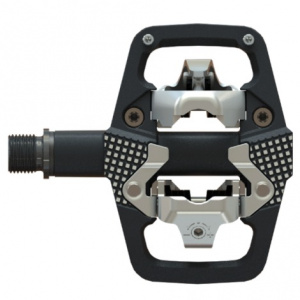
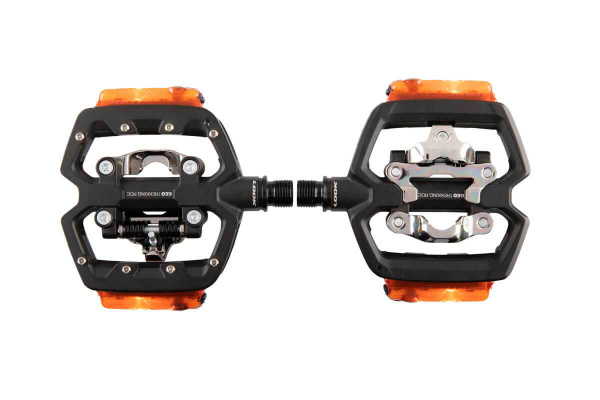
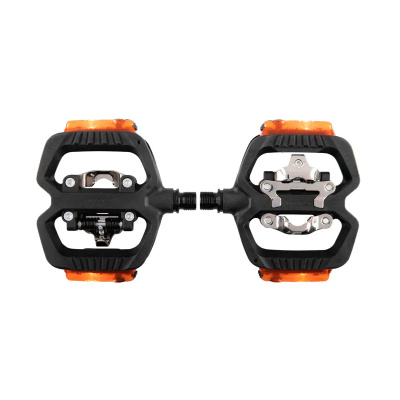
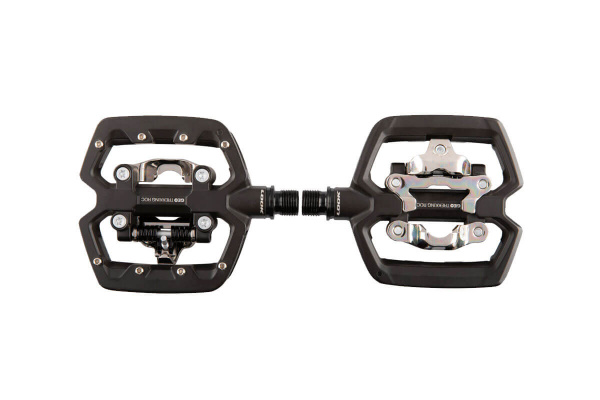
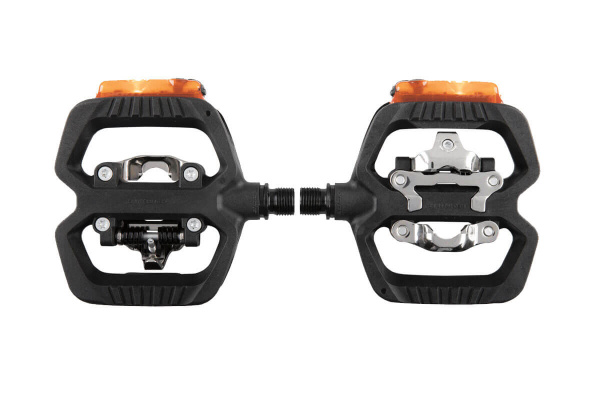
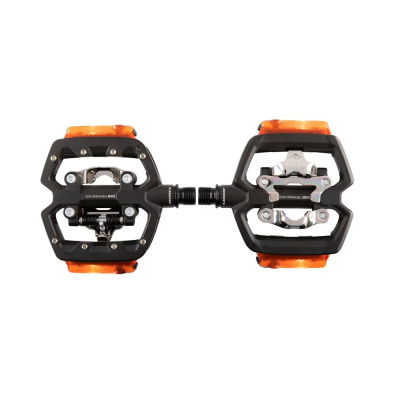
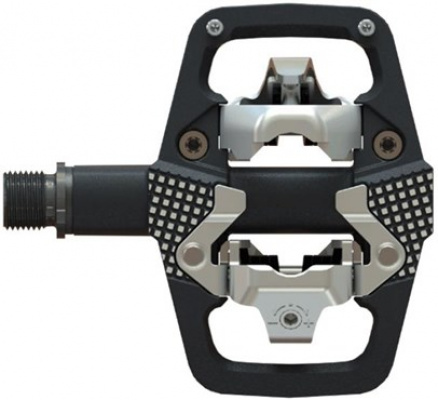
The off-road picture is simpler. Look X-Track pedals use the industry-standard 2-bolt MTB shoe mount and are fully cross-compatible with Shimano SPD cleats. If you've already got SPD cleats on your gravel shoes, they'll clip straight in. That makes the X-Track a practical choice for riders running mixed setups or switching between platforms.
Both families use standard 9/16" threading, so fitment to any modern crank is straightforward. Look also offers extended axle variants on certain models, useful if your natural pedalling stance puts you at a wider Q-factor - worth checking if you've had knee discomfort with previous pedals. If you're comparing options from other brands, Crank Brothers pedals also run SPD-compatible 2-bolt systems for gravel, while Hope pedals are worth a look if you want flat-platform off-road alternatives.
Breaking Down the Look Range
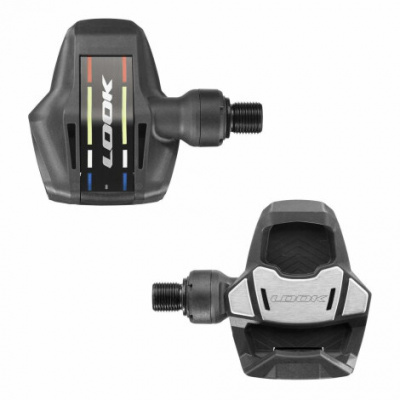
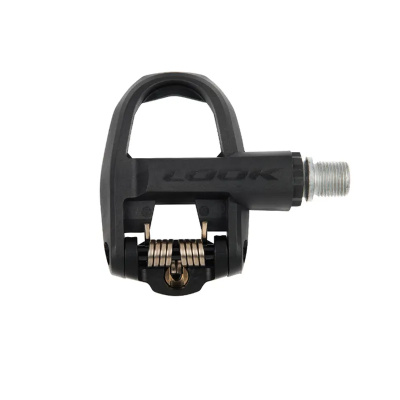
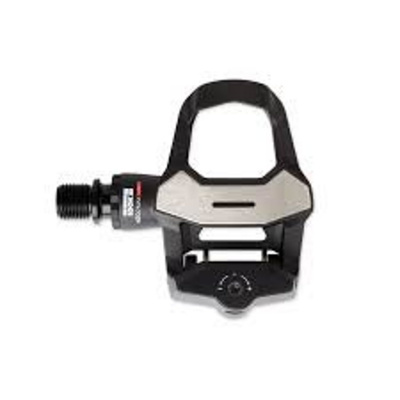
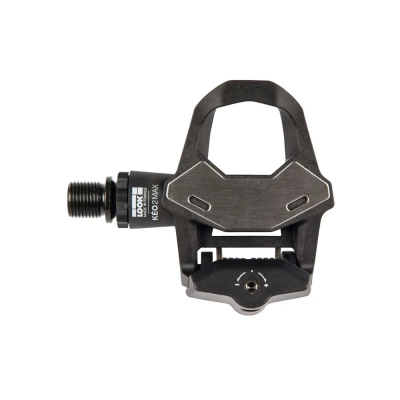
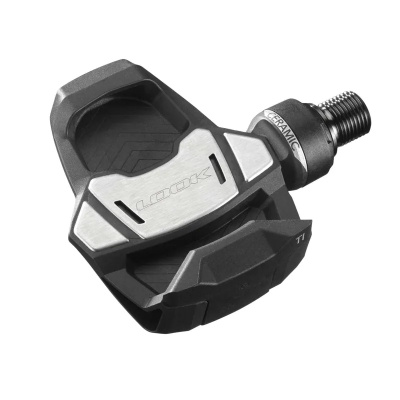
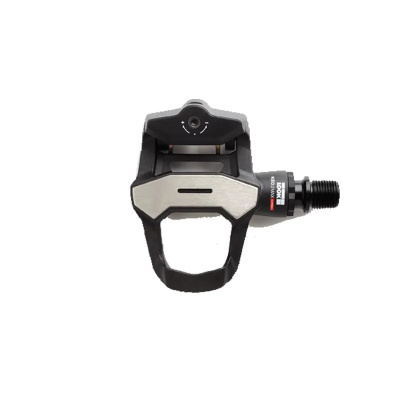
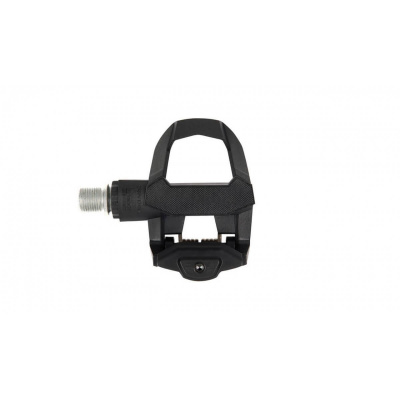
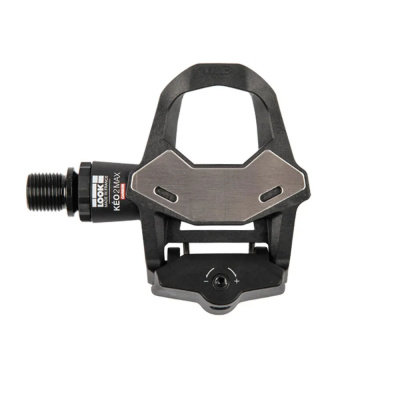
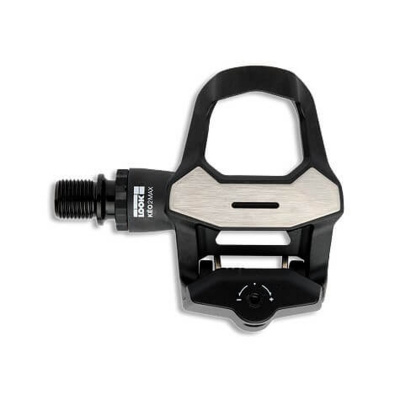
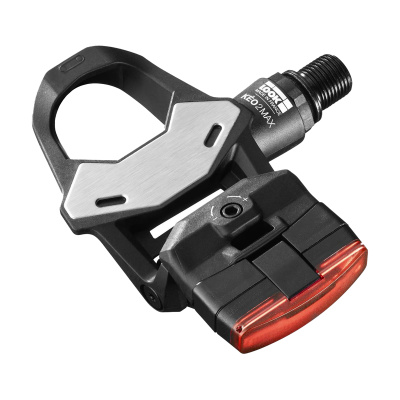
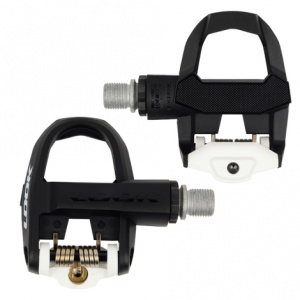
Look's road pedals follow a clear progression. The Keo Classic is the entry point - composite body, coil spring retention, straightforward to service, and perfectly honest about what it is. It does the job without drama. Step up to the Keo 2 Max and you gain a noticeably wider platform, which spreads load across more of the shoe sole. There's a carbon-body version here too, saving a few grams for those who want the feel without the Blade price tag.
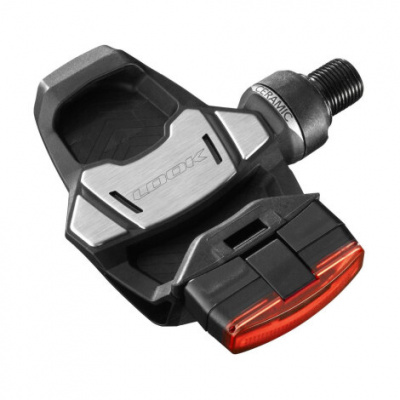
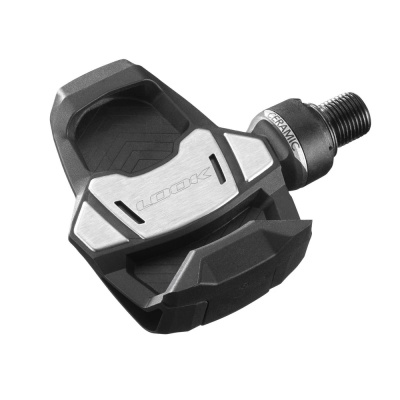
At the top sits the Keo Blade. This is where Look's Keo Blade technology - a carbon leaf spring replacing the traditional coil spring - changes the character of the pedal. The leaf spring delivers a cleaner, more consistent release feel and contributes to the Blade's notably slim aero profile. Ceramic bearing options are available at this level, reducing friction and extending service life, particularly relevant if you're putting in serious winter mileage. The weight saving over the Classic is meaningful; the stiffness of the carbon body means less energy lost in flex under hard efforts.
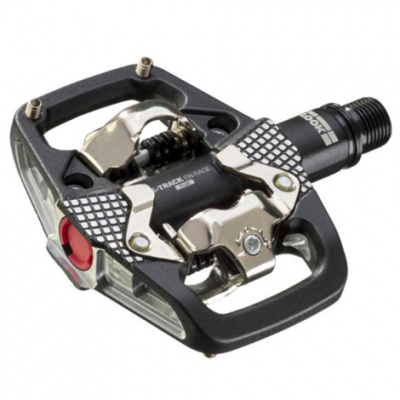
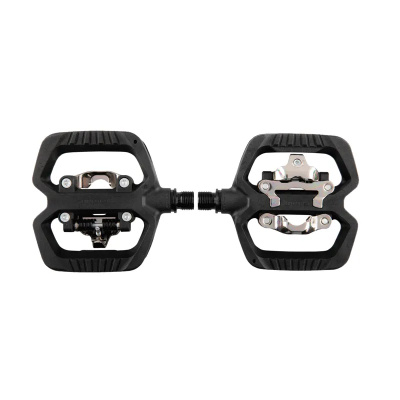
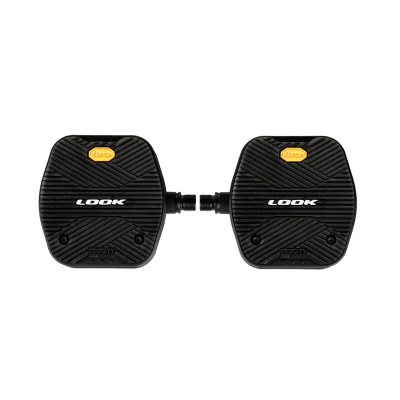
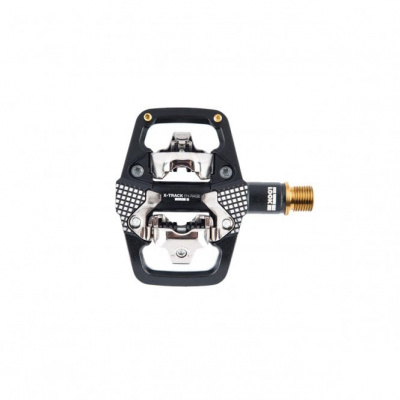
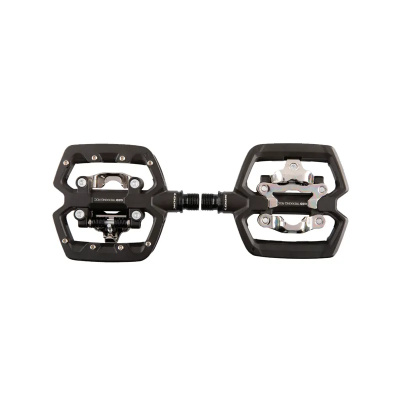
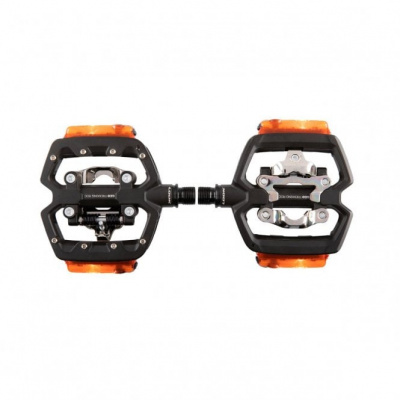
Off-road, the split is between the X-Track and the X-Track En-Rage. The X-Track suits gravel and XC riding - relatively low-profile, easy to clip into, and tidy enough for road shoes in a pinch. The En-Rage adds a wider alloy cage around the mechanism, giving your foot extra support on rough ground and protecting the internals from rock strikes. Trail and enduro riders will find the cage useful; gravel commuters probably won't need it. Garmin's Rally pedals occupy a different niche at this level - power measurement rather than pure mechanical performance - so the comparison isn't direct, but it's worth knowing if data is part of your decision.
Keeping Look Pedals Working Through a UK Winter
British winters are genuinely hard on pedal bearings. Road grit, salt spray, and repeated freeze-thaw cycles will find any weak point in a bearing seal - and cheap pedals often don't survive a full season of base miles intact. Look addresses this with Chromoly+ axles featuring dual bearing systems and sealed cartridges on mid and upper models. The Titanium axle variants available on flagship Blade models add corrosion resistance on top of the weight reduction.
Practically speaking, a sealed cartridge doesn't mean maintenance-free. Re-greasing the axle cartridge annually is worth building into your routine - it's a straightforward job with the right cartridge tool, and it keeps the bearings rolling smoothly rather than grinding through spring. If you're riding through November to February regularly, checking the axle for play every couple of months takes thirty seconds and saves a pedal.
Cleat wear matters too, especially in winter when you're stepping in and out on wet, gritty surfaces. Look cleats have wear indicators built in - once the indicator groove disappears, the cleat is past its working life and release behaviour becomes unpredictable. Check your Look cleats regularly and replace them before the mechanism starts feeling vague. Worn cleats also accelerate pedal body wear, so it's a false economy to run them too long. Replacement cleat bolts and hardware are straightforward to source if threads corrode over winter - keep a spare set in your toolkit if you're riding year-round.
For the X-Track in muddy conditions - Welsh trail centres, Scottish gravel, anywhere that generates real sticky mud - the open cage design sheds debris better than a fully enclosed pedal. It won't stay pristine, but it will keep engaging consistently. A rinse after muddy rides and a light lube on the mechanism is all the routine maintenance most riders need between annual services.
Look Pedals FAQs
Are Look Keo pedals compatible with Shimano SPD-SL cleats?
No - and this catches more riders out than it should. Both systems use a 3-bolt road shoe mount, but the cleat shapes are completely different. Look Keo pedals require Look Keo cleats specifically. Using Shimano SPD-SL cleats on a Look pedal won't engage correctly and creates a real safety risk. Don't mix them.
How do I adjust the release tension on Look pedals?
On standard Keo models - Classic and 2 Max - there's a small hex bolt at the rear of the pedal body. Turning it clockwise increases spring tension, anti-clockwise reduces it. On Keo Blade models it works differently: there's no adjustment bolt. You swap the carbon leaf spring itself for one with a different tension rating - 12Nm, 16Nm, or 20Nm - depending on how firmly you want the cleat to hold.
Are Look X-Track pedals compatible with Shimano SPD?
Yes, fully. Look X-Track pedals use the standard 2-bolt SPD mechanism, so Shimano SPD cleats clip straight in without any adaptation. It's one of the X-Track's practical strengths - if you're already running SPD cleats on your gravel or MTB shoes, you don't need to change anything.