
Van Rysel Headwear
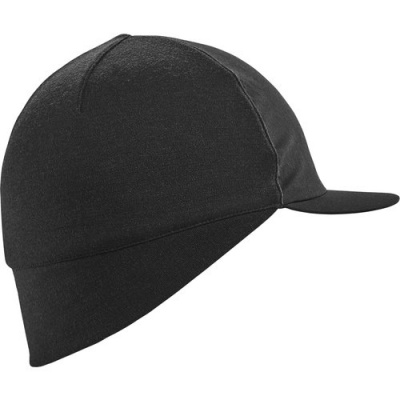
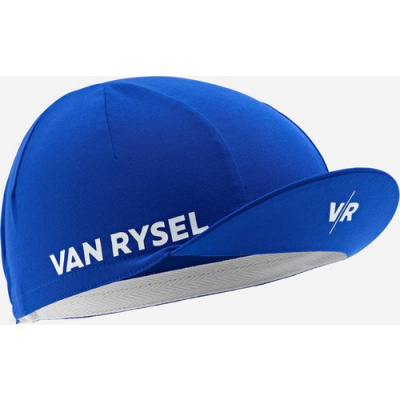
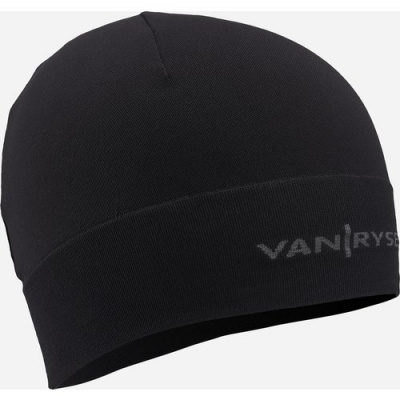
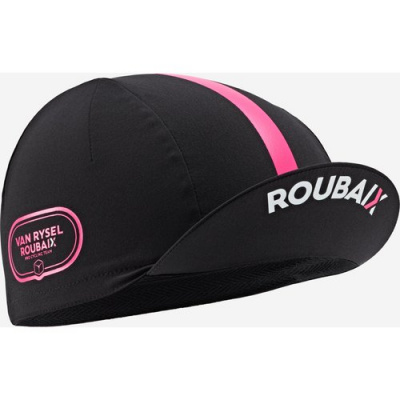
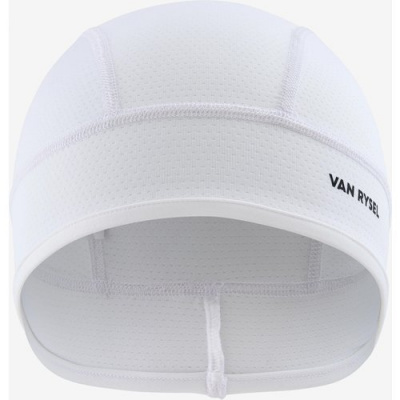
Van Rysel cycling headwear is where temperature regulation actually begins - not at your core, but at the extremities. A soaked brow on a humid August climb or a wind-blasted forehead grinding into a February headwind can end a ride faster than tired legs. Van Rysel's range covers both ends of the calendar: lightweight, moisture-wicking casquettes that pull sweat away from your eyes before it hits your glasses, and fleece-lined skull caps with windproof front panels that stop the chill cutting straight through your helmet vents.
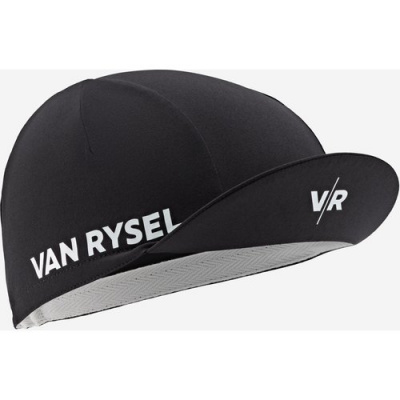
Every piece is engineered with low-profile seams, so there's no bunching or pressure points under your helmet. The flexible peaks on the casquettes are practical rather than decorative - they keep drizzle off your lenses on damp lanes and shade your eyes on bright days. Fit a deep winter skull cap and it pulls down to cover your ears properly, not just brush over them.
The range sits alongside Van Rysel's broader cold-weather kit - think Van Rysel base layers and Van Rysel gloves - so building a layered system is straightforward. Performance-focused headwear without the inflated price tag. That's the deal.
Prices and availability can change quickly. Delivery charges are not always included in listed prices.
Final price, stock status and delivery terms are set by retailer. We may receive a commission on purchases made.
Fabric Tech and What It Means Across the Seasons
The material choices across the Van Rysel headwear range are deliberate, not decorative. Winter skull caps use a windproof membrane panel across the forehead - the part that takes the full force of a headwind through open helmet vents. Without it, modern road and gravel helmets, with all their aerodynamic cutouts, act like a wind tunnel aimed directly at your skull. The membrane kills that chill at source while a thermal fleece lining - Van Rysel's Super Roubaix-weight fabric on colder-rated pieces - traps warmth across the crown and down over the ears.
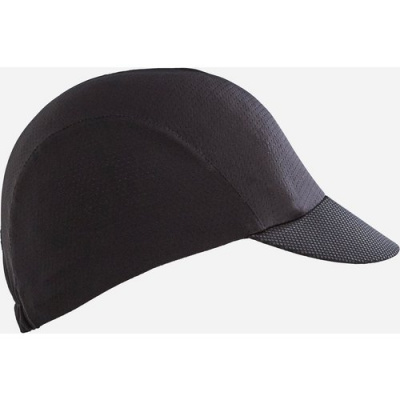
Flip to the summer side and the construction shifts entirely. Mesh panels dominate, using open-weave, moisture-wicking construction that draws sweat away from your brow before it pools and drips onto your sunglasses. On a steep effort - say, grinding up the Horseshoe Pass in July - that detail matters. A soaked fringe and stinging eyes are more than an irritation; they're a distraction. The lighter casquettes also dry fast, which counts when a shower rolls in from nowhere and passes just as quickly.
Some pieces in the range incorporate Merino wool blends, which handle the awkward in-between days particularly well. Merino regulates temperature in both directions - insulating when you're cruising, releasing heat when the effort climbs - and it resists odour on longer back-to-back days out. Worth considering if your riding week is varied rather than neatly seasonal.
If you're weighing up alternatives, Castelli headwear and GripGrab headwear operate in a similar technical space, with comparable windproof and thermal construction. Van Rysel's positioning tends to deliver that same functional brief at a noticeably lower price point.
How the Range Fits Together
Van Rysel's headwear splits into three distinct shapes, each with a different job. The classic casquette - the cycling cap with a flexible peak - is the most versatile. It sits low on the head, the peak flips up or down depending on whether you're climbing into sun or descending into spray, and the cotton-blend or lightweight synthetic construction makes it comfortable for hours. The shatter-resistant peak construction means it survives being stuffed into a jersey pocket without snapping, which matters more than it sounds on a long sportive when the weather changes mid-ride.
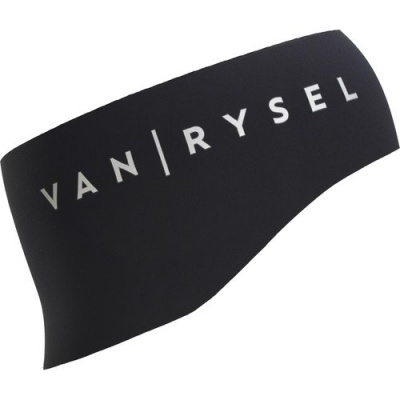
Headbands are the minimalist option. No crown coverage, just a fitted band that holds ears and temple in check on milder days when a full cap feels like too much. They fit under a helmet almost invisibly and suit riders who run warm or are doing shorter, harder efforts where overheating is the bigger risk.
Deep winter skull caps are the serious end of the range. These pull right down over the ears - proper ear coverage, not a vague suggestion of it - and function as a full helmet liner rather than just a comfort layer. The fit is close enough to avoid bunching under your helmet's retention cradle, but you will likely need to open your helmet's adjustment dial by a click or two to accommodate the extra layer. Do that before you leave the car park, not halfway up the first climb.
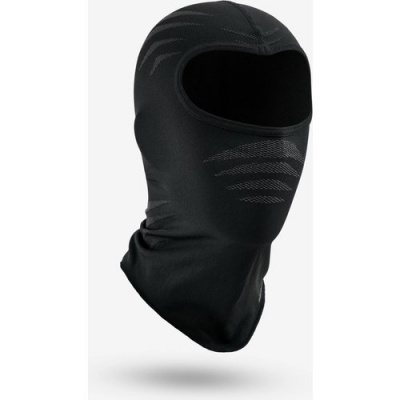
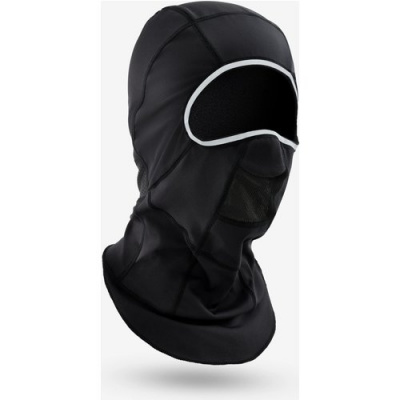
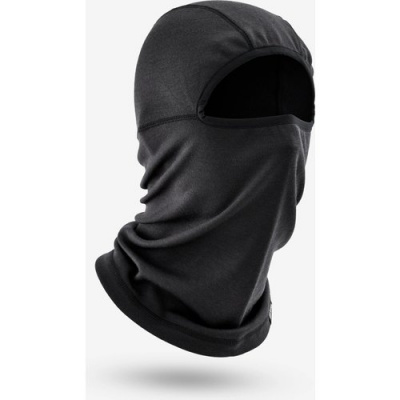
One thing this range doesn't cover: lower face and neck protection, or crash safety. For those, our Van Rysel jackets page covers integrated collar and packable wind protection, and you'll want to check dedicated neck warmer and helmet pages to complete your cold-weather setup.
Endura headwear is another strong option if you want to compare fit profiles and thermal ratings side by side - particularly their skull cap sizing, which runs slightly more generous than Van Rysel's close-fitting house style.
Layering Logic and Looking After Your Kit
Getting the layering right is mostly common sense, but there are a couple of things worth knowing before you head out on a cold one. A winter skull cap adds meaningful bulk under your helmet - usually three to five millimetres at the crown and more where the ear panels fold. Most modern road helmets with a dial retention system handle this fine if you wind the cradle out a notch before fitting. Ignore that step and you'll either end up with an uncomfortable squeeze or a helmet that's sitting higher than it should. Neither is ideal. Check the fit at home, not on a frosty January morning in a dark car park.
For under helmet cycling caps in summer, the adjustment is less critical - the thin mesh construction barely registers - but it's still worth a quick check if you've switched from a thicker winter liner.
Care is straightforward but specific. The flexible peak on casquettes contains either a plastic or compressed cardboard insert, and both are vulnerable to heat. Hand washing in cool water is the safest approach. If you use a machine, a cold, gentle cycle inside a laundry bag will protect the peak from bending under the drum's movement. Never tumble dry - the combination of heat and agitation will warp the brim and break down the elastane in the band, leaving you with a cap that fits like a tea cosy. Lay flat or hang to dry, peak facing up. That's all there is to it.
Merino-blend pieces need a touch more care - use a wool-safe detergent and keep the spin speed low. Treated well, they'll last several seasons without pilling or losing their shape.
Van Rysel Headwear FAQs
Do you wear a cycling cap under a helmet?
Yes, and that's exactly what they're designed for. Van Rysel cycling caps use low-profile seams to sit flat under a helmet without creating pressure points or compromising fit. The peak flips down to deflect rain off your glasses or shade your eyes on bright days - genuinely useful, not just traditional.
What is the point of a winter cycling skull cap?
Modern helmets are heavily vented, which is great in summer and punishing in winter. A skull cap with a windproof front panel blocks cold air from cutting straight through those vents, while the thermal fleece lining holds warmth across your crown and ears. It's a small piece of kit that makes a significant difference below about eight degrees.
How should I wash my cycling cap?
Hand wash in cool water, or machine wash cold on a gentle cycle inside a laundry bag. The peak - whether plastic or cardboard - can warp under heat or heavy agitation, and tumble drying will degrade the elastic band quickly. Lay it flat to dry with the peak facing up and it'll hold its shape for seasons.