
Van Rysel Gloves
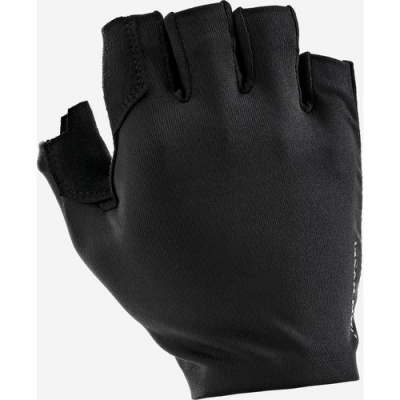
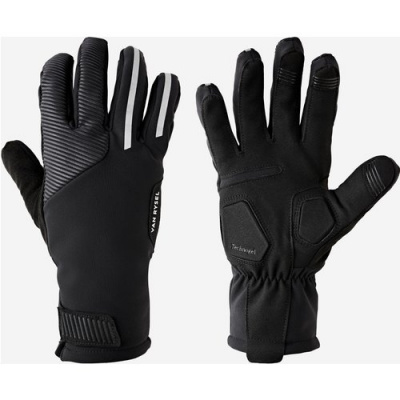
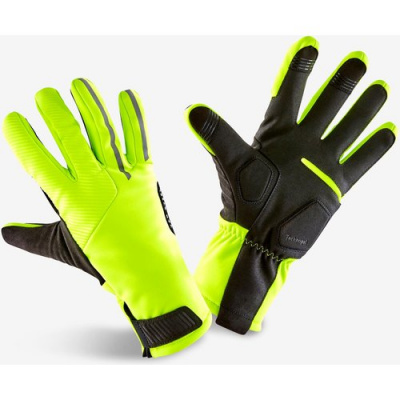
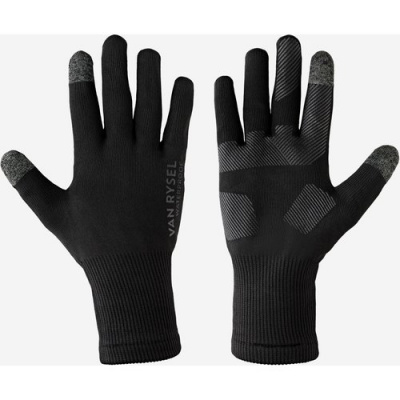
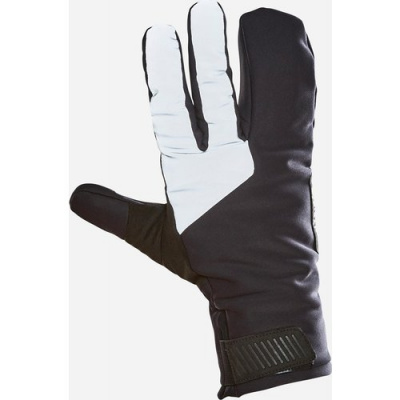
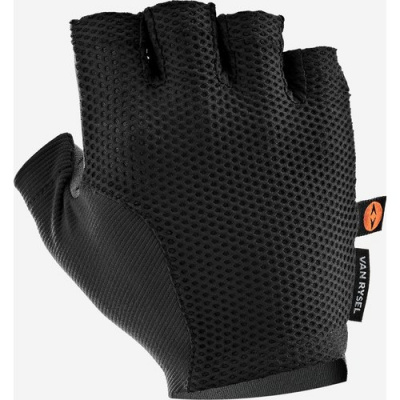
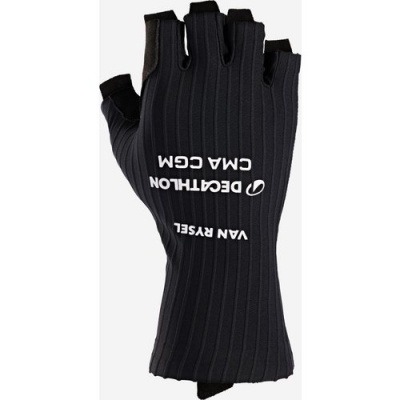
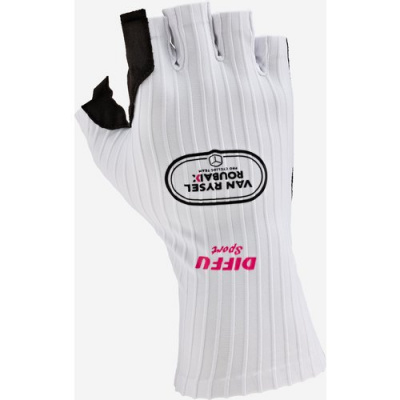
Van Rysel cycling gloves sit in an interesting spot in the market - race-spec ergonomics and proper fabric technology, without the premium boutique price that some Italian names carry. The range spans from stripped-back aero mitts built for hot summer centuries to heavily insulated, windproof deep-winter gloves that can handle a January blast along the Fenland flats or a freezing descent in the Brecon Beacons. What ties the collection together is a focus on tactile bar feel - you're not just keeping your hands warm or dry, you're staying connected to the hoods and shifters throughout. Key to that is Technogel padding in the palms, which targets high-frequency vibration dampening on the rough chip-seal roads that make up a large chunk of UK riding. Add DWR-treated shells on the cold-weather models to deal with road spray and drizzle, plus conductive fingertips on full-finger versions for GPS and phone use without stripping your gloves off at every junction, and you've got a well-considered range. Fit runs snug - a European race fit that keeps material away from the palm and out of the way of your shifters. Worth knowing before you order.
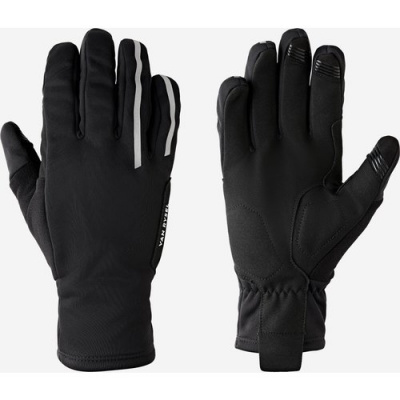
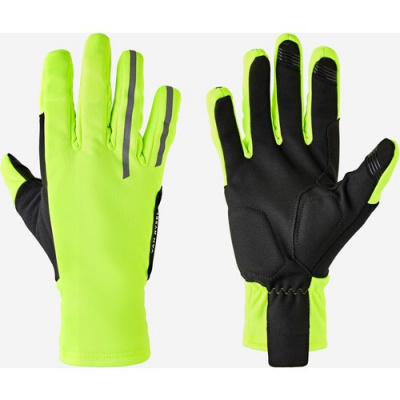
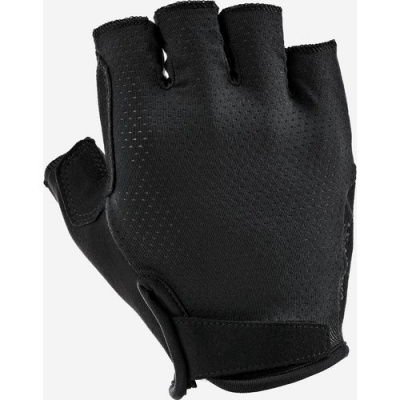
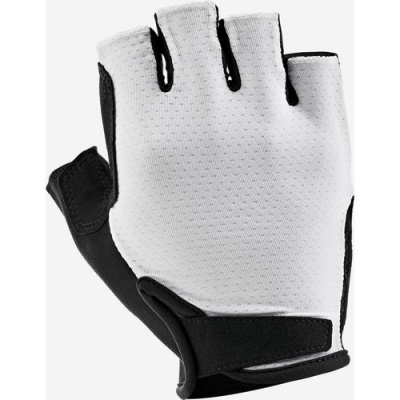
Prices and availability can change quickly. Delivery charges are not always included in listed prices.
Final price, stock status and delivery terms are set by retailer. We may receive a commission on purchases made.
Fabric Tech Across the Seasons
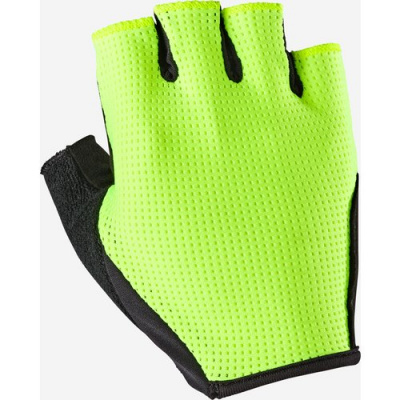
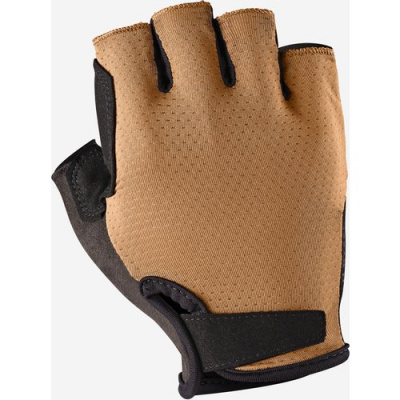
The materials Van Rysel use vary significantly depending on where a glove sits in the range, and it's worth understanding what each layer is actually doing. The summer aero mitts lean on lightweight mesh panels for airflow and moisture-wicking - your palms stay dry on long efforts rather than turning into a sweaty mess by the top of a long climb. The synthetic suede palm is a consistent thread across the range, giving a firm, tactile grip on bar tape without the hard, plasticky feel you get from cheaper gloves.
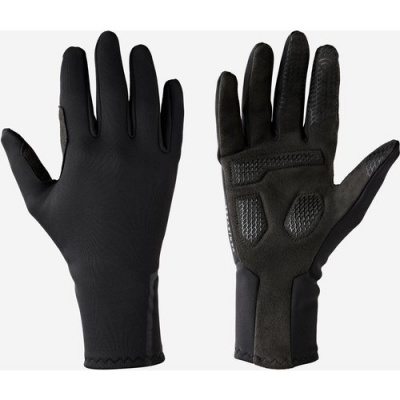
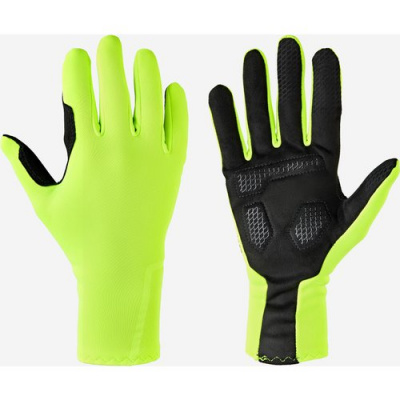
Step into the transitional and winter models and the engineering shifts considerably. Super Roubaix fleece - a dense, brushed fabric most familiar from winter tights and bib tights - lines the colder-weather gloves. It retains heat effectively without adding the kind of bulk that starts to compromise how precisely you can feel the brake levers. That's a real trade-off in winter gloves generally: pile on too much insulation and your hands get warm but your bar feel gets vague. Van Rysel's construction keeps that balance reasonably tight. The windproof membrane layered into the back of the hand blocks chill without turning the glove into a sealed bag - breathability is maintained for sustained efforts where your core temperature climbs even as the air stays cold.
DWR coating appears across multiple models, not just the deep-winter options. That's a sensible call given UK conditions - you can set off on a dry October morning and be riding through persistent drizzle an hour later. DWR won't keep you dry in sustained rain the way a waterproof shell does, but it sheds road spray and light showers effectively enough for most days. One thing to remember: DWR degrades with washing and heat, so care matters (more on that below). If you're comparing the weather-resistance approach to what Gore Bike Wear gloves offer with their GORE-TEX membranes, the Van Rysel models are lighter and more breathable but less suited to sustained downpours - a fair trade for most road riding scenarios.
How the Range Fits Together
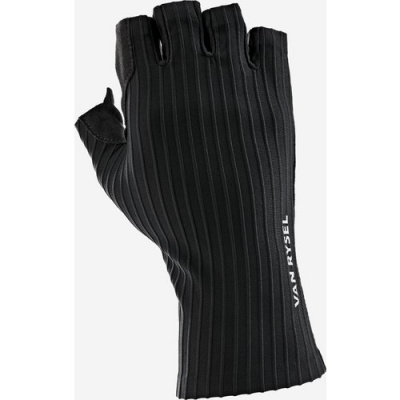
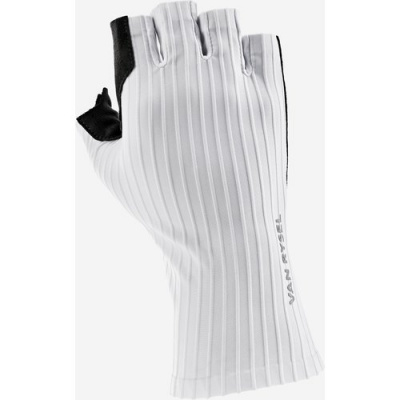
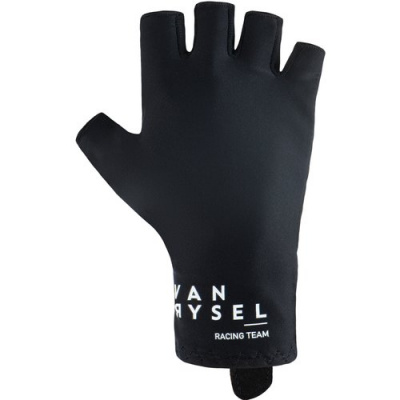
Van Rysel's glove lineup follows a clear logic once you know what to look for. At one end, the fingerless mitts - minimal coverage, slip-on construction, and a profile designed to reduce aerodynamic drag. These aren't a gimmick; on fast road rides or sportives where you're spending time in an aero position, excess material and fastenings genuinely create turbulence. The focus here is maximum breathability and a second-skin feel on the bars. If Castelli's aero mitt approach appeals to you, the Castelli gloves range is worth a look alongside Van Rysel for comparison - both chase the same aerodynamic goals but with slightly different palm constructions.
Full-finger models step up with hook-and-loop closures at the wrist that allow you to dial the fit, which becomes more important when you're fitting the glove over a base layer cuff or adjusting mid-ride. The deep-winter versions add the Super Roubaix fleece lining and windproof membrane discussed above, and these are the ones to reach for when temperatures drop below five degrees. They feel substantial without being clumsy - you can still operate a Wahoo or Garmin through the conductive microfiber fingertips without pulling the glove off.
Fit is the thing most riders get wrong with Van Rysel. The European race fit is cut close - intentionally so, to stop palm material folding and pressing into your hand under load, which causes pressure points on longer rides. If you've got wider hands, or if you want room to layer a thin liner glove underneath for extra warmth, go a size up. It's not that the gloves run small exactly; it's that they're cut for a specific, snug fit. Check the size guide on each model before ordering - hand circumference is more reliable than a generic S/M/L assumption. GripGrab, for comparison, tend to offer a slightly more relaxed fit profile, so if snug cuts have caught you out before, GripGrab gloves are worth considering as an alternative.
Getting the Most Out of Them on UK Rides
A single pair of gloves rarely covers the full UK riding year, and Van Rysel's range is best treated as part of a layered system. For spring and autumn - that long window where it's cold enough at 7am to need coverage but warm enough by 10am to want to shed layers - a mid-weight Van Rysel full-finger glove pairs well with arm warmers and a Van Rysel jacket that you can stuff into a back pocket once the temperature climbs. That combination covers most of the riding you'll do between March and May without over-committing to insulation you'll quickly regret. Pairing with a Van Rysel base layer underneath completes the system for those proper cold-morning starts.
Deep winter is a different calculation. When you're riding in sub-zero wind chill - think an exposed ridge road in the Peak District or a flat coastal route in Norfolk where there's nothing to break the easterly - the Super Roubaix lined models with windproof membranes are the ones to use. Some riders add a thin merino liner glove underneath for extra insulation on the coldest days; if you go that route, size up in the outer glove so the liner doesn't compress and kill its own warmth.
Care is straightforward but worth doing properly. Wash at 30 degrees, never with fabric softener - softener degrades the DWR coating and can break down the Technogel padding over time. Air dry at room temperature, away from radiators. Tumble drying will wreck the structure of the gel inserts and weaken any laminated membranes. If you notice the DWR starting to wet out (water soaks in rather than beading off), a DWR re-proofer spray applied after washing and activated with gentle heat from a cool iron will restore performance. Picking up a Van Rysel jersey alongside your gloves? Same wash rules apply - keep the softener out of the drawer entirely on wash days.
Van Rysel Gloves FAQs
Are Van Rysel cycling gloves true to size?
They run snug by design - the European race fit is cut close to stop material bunching against your palm on the bars. Most riders find the sizing accurate, but if you're between sizes or want room for a liner glove underneath in winter, go a size up. Check hand circumference against the size guide rather than relying on S/M/L alone.
Which Van Rysel gloves are best for UK winter riding?
The deep-winter full-finger models with Super Roubaix fleece lining and a windproof membrane are the pick for serious cold-weather riding. Many include DWR treatment to deal with road spray and the kind of persistent drizzle that makes up a large part of UK winter miles. For sub-zero days, a thin liner glove underneath adds meaningful warmth.
Do Van Rysel gloves have touchscreen compatibility?
Most modern Van Rysel full-finger gloves include conductive microfiber threading on the index finger and thumb, so you can operate a GPS computer or phone without pulling your gloves off. It works reliably for tapping and swiping - handy at junctions when you need to check navigation without losing heat from your hands.