
Van Rysel Base Layers
Van Rysel base layers start where every good ride actually begins - against your skin. Get this layer wrong and it doesn't matter how good your jersey or jacket is; you'll be cold, clammy, or both within the first hour. Van Rysel's approach is straightforward: fabric technology borrowed from the pro peloton, priced for riders who train through the week rather than just race on the weekend.
The range splits clearly by season. Lightweight mesh options use rapid-wicking synthetic construction to pull sweat away during hard summer efforts, so that featherweight jersey you're wearing on top can do its job properly. At the other end, thermal and Merino-blend options trap warmth and manage moisture on grim January mornings when the temperature hasn't crept above four degrees by the time you're rolling out.
What ties the range together is a second-skin fit and seamless construction throughout - no seams sitting under bib straps, no bunching under a race-cut jersey. For UK riders dealing with everything from humid Welsh climbs to sharp wind chill on long open descents, having the right base layer sorted is less a luxury and more a basic requirement.
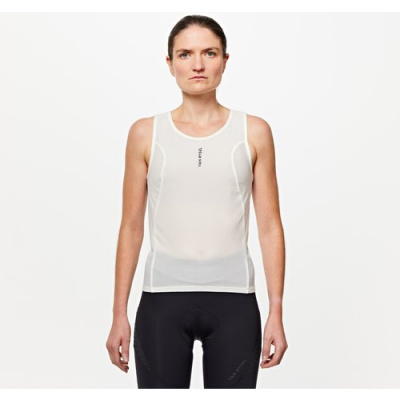
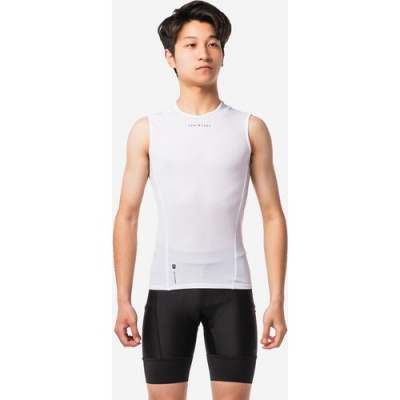
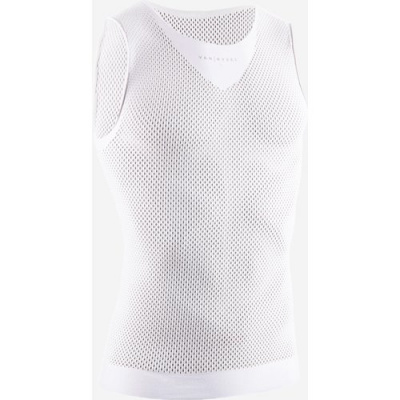

Prices and availability can change quickly. Delivery charges are not always included in listed prices.
Final price, stock status and delivery terms are set by retailer. We may receive a commission on purchases made.
Mesh vs. Merino: What the Fabrics Actually Do
The core job of any base layer is moisture management. Not warmth, not wind protection - those come from outer layers. The base layer's sole responsibility is keeping sweat off your skin fast enough that wind chill can't grip you on the descent after a hard climb. Van Rysel's synthetic mesh options use polypropylene and elastane blends to do exactly that. Polypropylene doesn't absorb moisture the way cotton does - it pushes sweat outward through capillary action so your skin stays drier for longer. On a punchy Peak District loop where you're sweating hard on every ramp and then hitting exposed moorland crosswinds at the top, that matters enormously.
The body-mapped mesh zones take this further by placing the most open, breathable fabric panels over the highest heat-output areas - typically across the chest and upper back. Denser knit sits elsewhere to retain a degree of warmth. It's a sensible, targeted approach rather than a one-size-fits-all weave. Think of it like having ventilation exactly where you need it, closed panels where you don't.
For colder riding, Van Rysel's thermal options and Merino wool integration work differently. Merino traps dead air to insulate, but its real advantage over pure synthetics is that it continues to provide warmth even when damp - useful when you're two hours into a wet winter ride in the Brecon Beacons and there's no staying dry. It also handles multi-hour use without building up odour the way some synthetics can, which makes it the sensible call for longer base miles or bikepacking days. The trade-off is that Merino dries more slowly than a pure polypropylene mesh, so for high-intensity racing or interval sessions, the synthetic option has the edge on pure wicking speed.
Fit, Construction, and Choosing Your Sleeve Length
Van Rysel base layers are cut to sit flush against the body - a genuine second-skin fit rather than a relaxed underlayer. This isn't a style choice; it's functional. Fabric that's loose or bunched can't maintain consistent contact with the skin, which breaks the wicking process. If you're between sizes, size down rather than up.
The seamless knitting technology across the range removes the seams that typically sit under bib strap contact points and across the shoulders. Anyone who's come back from a four-hour ride with chafe marks under their bibs will understand why this matters. It's a detail that separates a base layer designed around cycling-specific anatomy from a generic sports underlayer.
Sleeve length is where you make the seasonal call. Sleeveless suits peak summer - maximum shoulder ventilation, no sleeves bunching under a short-sleeve jersey, works well when you're also running Van Rysel jerseys in lighter fabrics. Short-sleeve is the most versatile option and the one most UK riders reach for across spring and autumn, when mornings are cool but mid-ride temperatures can shift considerably. Long sleeve earns its place from November through to March, adding meaningful warmth across the arms without adding the bulk of a second mid-layer - pair it with a Van Rysel jacket and you've got a system that handles proper winter riding.
If you're comparing the range against alternatives, Castelli base layers sit in a similar technical bracket with strong Merino options, while Craft base layers are worth considering if you prioritise Scandinavian cold-weather engineering. Van Rysel's position is strong value for the fabric technology on offer.
Building a Layering System for UK Weather
British riding weather doesn't ask permission before changing. A useful approach for spring and autumn rides is to pair a lightweight Van Rysel base layer with arm warmers and a windproof gilet - that combination covers a surprisingly wide temperature range and lets you strip back as the ride warms up. Stuff the gilet in a jersey pocket and the base layer is doing the work of keeping you dry through the sweaty bits while the gilet deals with the cold exposed sections. Simple, and it actually works.
For deep winter, a thermal or Merino base layer under a softshell or insulated jacket keeps your core temperature stable on long, low-intensity road rides. If you're running Van Rysel bib tights on the bottom half, the same logic applies - a base layer that manages moisture from your core stops the cold from building up during recovery periods on the bike.
Care is straightforward but worth getting right. Wash at 30 degrees, always. Fabric softener is the enemy of technical base layers - it coats the fibres and blocks the wicking pores in synthetic fabrics, and it degrades the natural scales in Merino wool that give it its moisture-handling properties. Air dry rather than tumble dry to preserve the elastane content and keep that close fit intact over time. A base layer that's been through a hundred washes properly will perform better than one that's been abused in a hot wash cycle.
For riders who want to compare the broader market, Rapha base layers and Gore base layers are worth a look at different price points - but the Van Rysel range punches well given what the fabrics deliver. Round out your setup with Van Rysel bib shorts for a complete foundation layer that works as a coherent system rather than a collection of unrelated kit.
Van Rysel Base Layers FAQs
Should a cycling base layer be tight?
Yes - it needs to sit against your skin with no loose fabric or bunching. The wicking process only works when the material stays in direct contact with your body to draw sweat away. Think second-skin rather than a loose underlayer. If you're between sizes, go smaller. Restricted breathing is too far; baggy is also wrong.
Do you wear a base layer under a cycling jersey in summer?
Worth doing, yes. A lightweight open-mesh base layer pulls moisture away from your skin and transfers it to the jersey, where it evaporates faster. The result is a cooler, drier feeling on climbs and less wind chill on descents. A thin mesh layer adds negligible warmth but makes a real difference to how your jersey performs.
How do I choose between a merino and synthetic cycling base layer?
Go synthetic for hard efforts - intervals, fast club rides, anything where you're generating heat quickly and want the fastest possible moisture transfer. Choose Merino for steady winter miles, longer sportives, or bikepacking, where sustained warmth, comfort over time, and natural odour resistance matter more than outright wicking speed.