
Gore Bike Wear Base Layers
Core temperature regulation starts at the skin, and Gore Bike Wear base layers are engineered from the ground up to manage that boundary layer before the weather gets a say. What sets Gore apart isn't just the fabric weights or the cut - it's the deliberate integration of GORE-TEX INFINIUM™ WINDSTOPPER® technology directly into the chest and kidney panels, giving you a windproof front without sealing in heat at the back. That asymmetric approach is tactically smart for UK riding, where a biting north-easterly on a descent can follow a sweaty moorland climb within minutes.
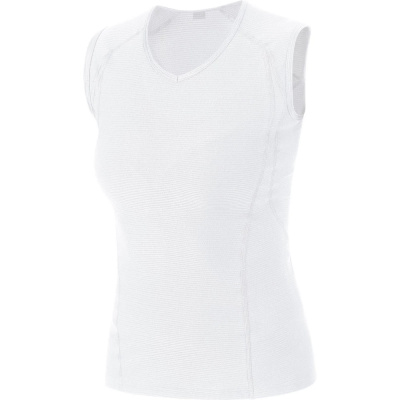
The range covers the full seasonal spread. At one end, ultralight sleeveless mesh layers pull sweat clear on high-summer efforts; at the other, long-sleeve thermal options sit flush against the skin to retain warmth through January grey. Moisture-wicking polypropylene and elastane blends keep the fabric active rather than passive - moving sweat outward rather than holding it against you. Flatlock seams sit low-profile under bib straps, and a dropped tail stops the lower back gap that opens up the moment you reach for the drops. Whether you're clipping in for a winter chain-gang or heading out for a long summer sportive, the foundation layer matters more than most riders give it credit for.
Prices and availability can change quickly. Delivery charges are not always included in listed prices.
Final price, stock status and delivery terms are set by retailer. We may receive a commission on purchases made.
The Windstopper Advantage: How Gore's Fabric Tech Actually Works
Most base layers do one job: wick sweat. Gore Bike Wear base layers do two simultaneously, and that distinction is worth understanding before you buy. The GORE-TEX INFINIUM™ WINDSTOPPER® membrane is laminated into the front panels - chest and kidneys - creating a physical barrier against wind chill without adding bulk you'd associate with a softshell. The back panels, by contrast, use open, highly breathable knits that let heat and vapour escape freely when you're working hard. It's a split personality, and it works precisely because cycling generates airflow from one direction.
On a long descent in the Dales or a straight, exposed headwind stretch across the Fens, a standard base layer simply can't stop wind chill from stripping warmth from your core. A Gore Windstopper base layer can. That means you can leave the gilet at home on marginal days - or carry it as genuine insurance rather than a default. The Gore windstopper base layer effectively collapses two items into one, which matters when jersey pockets are already doing overtime. For riders who find themselves constantly adding and removing layers mid-ride, that's a real practical gain rather than a spec-sheet flourish.
The breathable back construction relies on moisture-wicking polypropylene and elastane blends. Polypropylene doesn't absorb water - it pushes moisture outward through capillary action, keeping the next-to-skin surface dry even during hard efforts on damp, mild days. That's the difference between a climb that leaves you damp but comfortable and one that leaves you cold and clammy at the top. Standard synthetic base layers from brands like Craft work on similar wicking principles but lack the integrated windproof panel, which is where Gore carves its own path.
Fit, Range, and Choosing Your Weight
Gore designs its base layers around what they call a Form Fit - snug, close-contact, with no loose fabric to bunch under a jersey. That next-to-skin fit isn't about aesthetics; it's functional. Capillary action only works when fabric stays in contact with skin. If there's air between the two, moisture pools rather than transfers, and you feel the chill within minutes. So yes, it should feel close. Not restrictive, but close.
The range breaks down logically by season. Sleeveless mesh constructions are built for summer: minimal coverage, maximum airflow, primarily acting as a sweat-management tool so your jersey doesn't become a sponge. They're worth wearing even in warm weather - more on that below. Short-sleeve mid-weights bridge the shoulder seasons, where morning starts are cool but the ride warms up fast. These handle the widest range of UK conditions, which makes them the most-reached-for option for many riders from March through to October.
Long-sleeve thermals are the serious winter option. Heavier knit, more insulation, and paired with the Windstopper front panels, they're designed to sit under a Gore jacket or a windproof jersey without creating pressure points or restricting movement. The Gore thermal cycling base layer in long-sleeve form is what you reach for when the temperature drops below five degrees and you know the ride is going to hurt regardless - it just removes one variable. All weights share the dropped tail construction, which extends coverage at the lower back when you're folded over the bars. That small detail stops the cold strip of exposed skin that shorter base layers leave on long rides.
If you're comparing across the market, Assos base layers offer similarly precise fits with strong thermal options, while Castelli base layers lean into aggressive race cuts. Gore's point of difference remains the Windstopper integration - no equivalent from either of those brands delivers windproofing at the base layer level in the same way.
Building a UK Layering System and Looking After Your Base Layer
A Gore base layer works best as part of a considered stack, not a standalone fix. For most UK riding from October to April, the formula is straightforward: thermal base layer next to skin, a Gore jersey or mid-layer over the top, and a waterproof or windproof shell on the outside for anything exposed or wet. Because the Windstopper front panels are already doing wind-blocking work at the base, you've got more flexibility with your outer layer - you don't always need a fully windproof shell, just a breathable one. That shifts your kit choices and can simplify what you're carrying.
Pairing with Gore bib tights gives you a coherent system where the fabrics are designed to work together rather than fight each other for moisture transfer. It's not just brand loyalty - Gore's fabric weights and stretch directions are calibrated to stack without restricting pedalling mechanics. Worth checking sizing across base layer and bibs if you're between sizes, since a tight base layer under a close-cut bib tight can compress uncomfortably over longer efforts.
Care is straightforward but worth getting right. Wash at 30 degrees, inside out, on a gentle cycle. Skip the fabric softener - it coats the fibres and progressively clogs both the wicking structure and the Windstopper membrane, reducing their effectiveness after just a few washes. Air dry rather than tumble dry; heat degrades the laminate and the elastane over time. Treat it well and a Gore base layer holds its performance across a full season of hard use. Treat it like a regular t-shirt and you'll feel the difference by February.
Gore Bike Wear Base Layers FAQs
Should a cycling base layer be tight?
Yes - snug is the point. A close next-to-skin fit lets the fabric actively pull sweat away from your body through capillary action. If it sits loose, moisture pools against your skin instead of transferring outward, and you'll feel the chill fast, particularly on descents or whenever you ease up the pace.
What is the difference between Gore Windstopper and standard base layers?
Standard base layers focus on insulation and moisture wicking across the whole garment. Gore Windstopper base layers add a windproof GORE-TEX INFINIUM™ membrane to the front panels - chest and kidneys - blocking cold headwinds at skin level, while keeping the back panels open and breathable so heat can escape when you're working hard.
Do I need a base layer for summer cycling?
A lightweight sleeveless base layer is worth wearing even in summer. It acts as a moisture-management layer, pulling sweat away from your skin so it can evaporate through your jersey rather than soaking into it. The result is that you stay cooler and drier on climbs, and less clammy when you stop.