
Gore Bike Wear Jackets
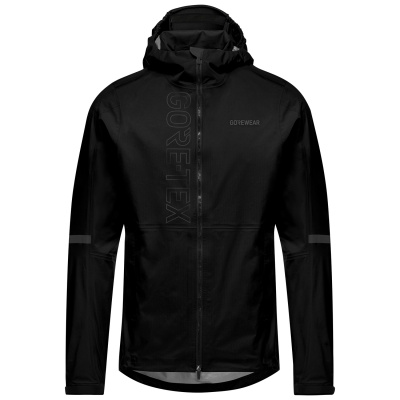
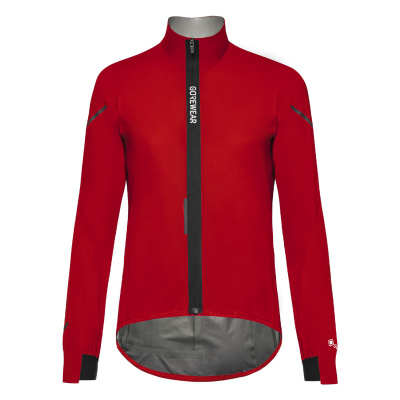
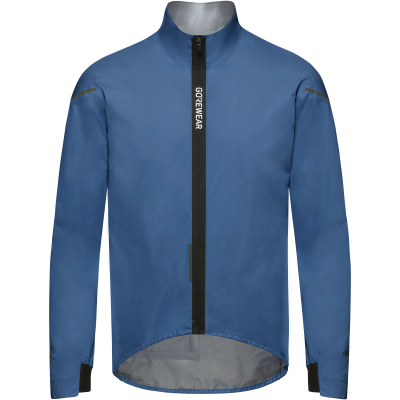
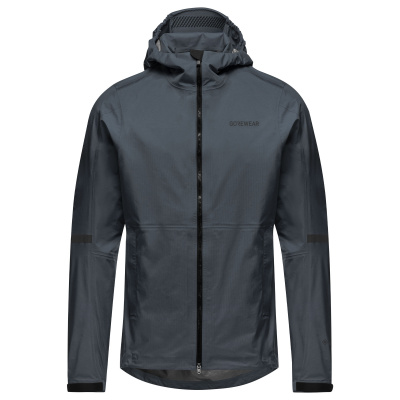
Gore Bike Wear jackets - now sold under the Gore Wear name - wrote the rulebook on cycling weather protection, and if you ride in the UK, that reputation means something. We don't get to pick our weather. We get drizzle on the South Downs, horizontal sleet in the Peak District, and that specific kind of damp cold that seeps through anything less than properly engineered kit.
Gore's answer is a range built around proprietary membrane technologies rather than marketing promises. Standard Gore-Tex - with its taped seams and hydrostatic head ratings that mean business - handles the proper downpours. Gore-Tex Infinium, formerly known as Windstopper, covers the cold, blustery days when you need total wind blocking and serious breathability more than you need full waterproofing. Then there's Paclite Plus for riders who want a genuinely packable shell that disappears into a jersey pocket until the sky turns grey.
Across the range you'll find cycling-specific details that actually matter: drop tails that deal with road spray, active fits that work in the drops, and DWR coatings that bead water on contact. Whether you're commuting, grinding out winter miles, or heading into the hills, there's a Gore jacket built around what you actually need.
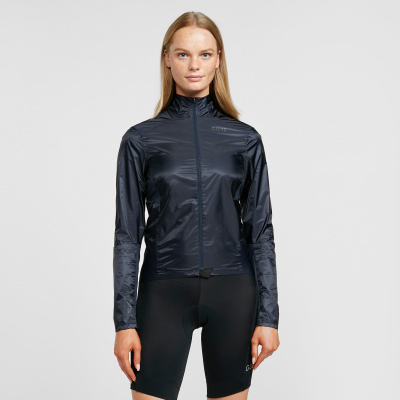
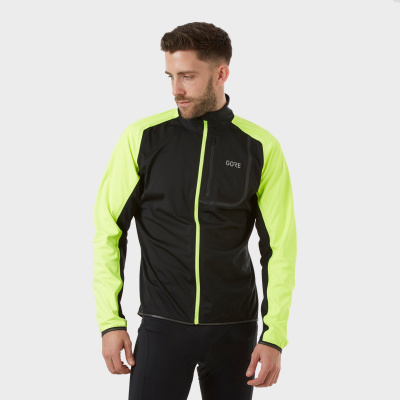
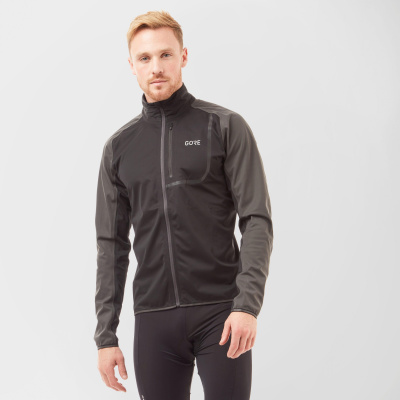
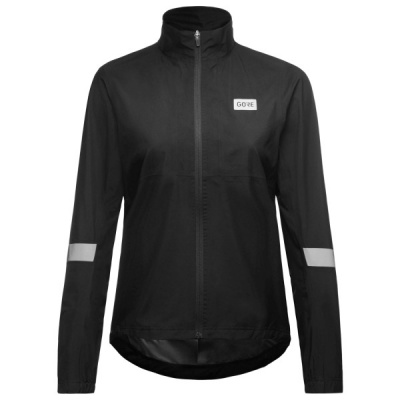
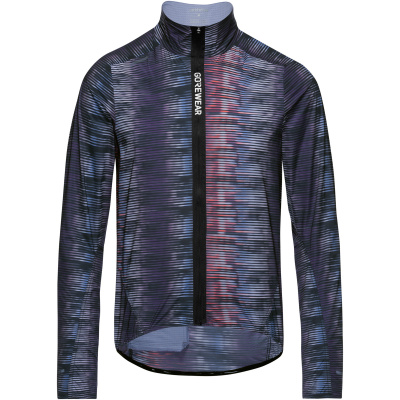
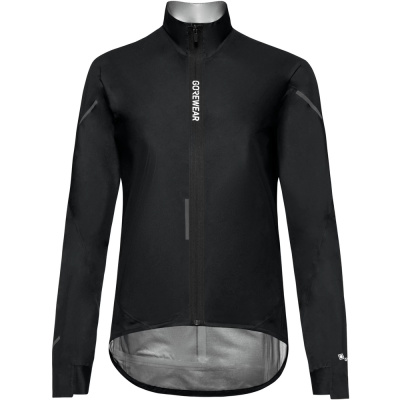
Prices and availability can change quickly. Delivery charges are not always included in listed prices.
Final price, stock status and delivery terms are set by retailer. We may receive a commission on purchases made.
Gore-Tex vs. Gore-Tex Infinium: Which Membrane Do You Need?
The choice between standard Gore-Tex and Gore-Tex Infinium is the most important decision you'll make when picking a Gore jacket - and the two technologies are more different than the naming suggests.
Standard Gore-Tex is fully waterproof. Full stop. Jackets built on this membrane use taped seams to seal every stitch hole, and they carry Gore's Guaranteed to Keep You Dry promise - which is an actual warranty, not a tagline. The Paclite Plus construction takes that waterproofing and compresses it into a lightweight 2.5-layer build that packs small enough for a back pocket. That's the jacket you reach for when the sky opens over the Yorkshire Moors and you've got 40 miles still to cover. The trade-off is breathability under hard effort: even the best Gore-Tex membrane has limits when you're pushing hard on a long climb, and you'll feel that if you're deep in the red.
Gore-Tex Infinium - the technology that carried the Windstopper name for years - approaches things differently. It blocks wind completely, sheds light rain and spray effectively, but it doesn't pretend to be a waterproof membrane in a downpour. What it gives you instead is significantly better breathability and a softer, more comfortable feel against a base layer. On a cold February morning in the Brecon Beacons - bitter wind, damp air, but no actual rain - an Infinium jacket manages your temperature far better than a fully waterproof shell. Think of it as the jacket for high-output riding in foul-but-not-soaking conditions.
At the top of the range sits Shakedry - a membrane so light it skips the outer fabric face entirely, giving you persistent water beading and near-negligible weight. It's fragile by conventional standards (no stuffing it into a bag carelessly), so it suits riders who prioritise performance above all else and treat their kit accordingly.
Navigating the Gore Range: Fit Profiles and the C-Series
Gore's naming system is more logical than it first appears, and understanding it saves you from buying the wrong jacket for your riding style.
Fit comes first. Form Fit jackets are cut close to the body, minimising fabric movement in an aggressive road position. There's no excess material flapping at speed, and the sleeves are long enough to cover your wrists properly when you're stretched out over the bars. If you're riding sportives or putting in serious road miles, this is the cut you want. Active Fit is a touch roomier - enough to layer a thermal gilet or a heavier base layer underneath without feeling compressed. That makes it the more versatile option for commuting, gravel, or days when you genuinely don't know what the weather's doing and want the flexibility to adapt.
The C-series numbering tells you where in the performance hierarchy a jacket sits. C3 covers everyday riding and commuting - solid protection, practical features, accessible price points. C5 is aimed at committed road and trail riders who want more refined performance: better fabrics, tighter construction, more considered details. C7 is race-focused, where every gram and every aerodynamic seam placement is deliberate. Most riders will find the C5 range covers their needs without the premium that C7 commands.
If you're comparing Gore against Castelli jackets or Endura jackets, the key difference is Gore's membrane ownership - they make the fabric, not just the jacket, which gives them tighter control over how the whole system performs. Assos jackets compete at a similar premium level with their own proprietary constructions, and it's worth comparing fit profiles directly if you're deciding between them.
Layering, Care, and Getting the Most From Your Gore Jacket
A Gore jacket performs as part of a system, not in isolation. Pair it with a decent wicking Gore base layer and the moisture management improves noticeably - sweat moves away from your skin, the membrane stays cleaner, and you avoid that clammy feeling that makes long rides miserable. Skip the base layer and even the best waterproof shell starts to feel uncomfortable under hard effort.
Don't overlook your hands and legs either. A Gore jacket paired with Gore gloves and Gore bib tights gives you consistent weather protection across your whole kit - the Infinium Windstopper technology works across the range, so the system is coherent rather than mismatched.
Care matters more with Gore jackets than with standard kit, and this is where a lot of riders go wrong. The DWR coating - the treatment that makes water bead off the outer face - degrades over time and with washing. When it fails, the outer fabric wets out and starts to feel heavy, even though the membrane underneath may still be working fine. The fix is straightforward: wash the jacket at 40°C using a small amount of liquid detergent. No powder detergent. No fabric softener - it clogs the membrane and kills breathability. Then tumble dry on a low, gentle heat for around 20 minutes. That heat reactivates the DWR and brings the beading back. Do this regularly and the jacket performs the way it should for years. If the DWR is genuinely worn through, a dedicated reproofing spray applied after washing will restore it.
One practical note on sizing: if you're between sizes and planning to layer heavily underneath, size up. If you're running the jacket over a single base layer or jersey in milder conditions, your standard size will give you the intended fit.
For riders on a tighter budget who still want credible wet-weather protection, dhb jackets offer a practical entry point - though you're trading Gore's membrane technology for a more conventional waterproof construction.
Gore Bike Wear Jackets FAQs
Are Gore cycling jackets true to size?
Generally yes, but the fit profile changes how they feel on your body. Form Fit models are cut aggressively for a race position and sit close - if you're between sizes or planning to layer, go up. Active Fit models have more room built in, so your standard size works well even with a thermal layer underneath.
What is the difference between Gore-Tex and Gore-Tex Infinium?
Standard Gore-Tex is fully waterproof with taped seams - it handles persistent rain and carries Gore's Guaranteed to Keep You Dry warranty. Gore-Tex Infinium (formerly Windstopper) is completely windproof and highly water-resistant, but trades absolute waterproofing for much greater breathability. It's the better choice for cold, hard efforts where sweat management matters more than staying dry in a downpour.
How do I wash my Gore-Tex cycling jacket?
Wash at 40°C with a small amount of liquid detergent - no powder, no fabric softener, both damage the membrane and kill breathability. After washing, tumble dry on a low, gentle heat for around 20 minutes. That heat reactivates the DWR coating and restores water beading. If the jacket still wets out after drying, apply a dedicated reproofing spray while the fabric is warm.