
Assos Base Layers
Assos base layers - now officially called Skin Layers - form the foundation of the Assos Layering System (ALS), and they do a job that no jersey or jacket can replicate: keeping your core temperature steady while everything above it adapts to the conditions. Whether you're grinding up a sweat-soaked July climb in the Peaks or grinding out January base miles in sub-zero Surrey, this is where comfort starts or falls apart.
The range has moved on from the older Skinfoil name, but the engineering logic remains sharp. Circular seamless construction means no side seams pressing against your skin under bib straps. Carbon yarn blends drive moisture away from your body fast, and the fabric weights are body-mapped to sit heavier where you need insulation and lighter where you generate the most heat. Every model slots into the ClimaCode system - a numbered scale that matches garment weight to season - so pairing your base layer with an Assos jersey or Assos jacket becomes genuinely straightforward. Get the Skin Layer right and everything else works harder. Get it wrong and no amount of expensive mid-layer fixes the problem.
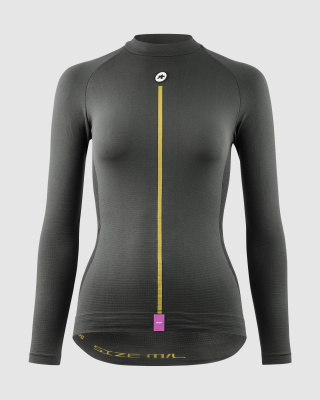
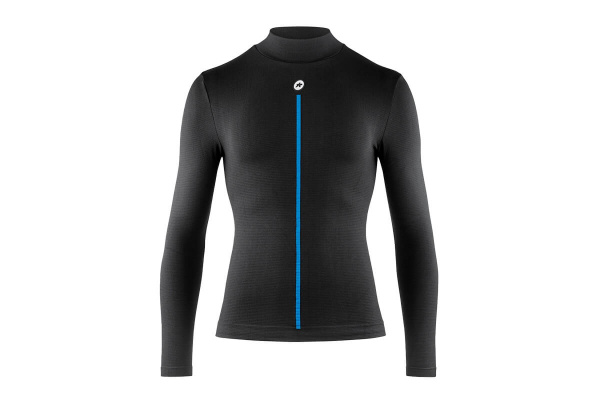
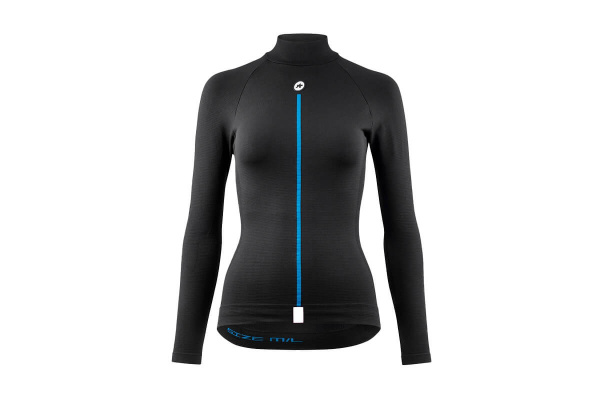
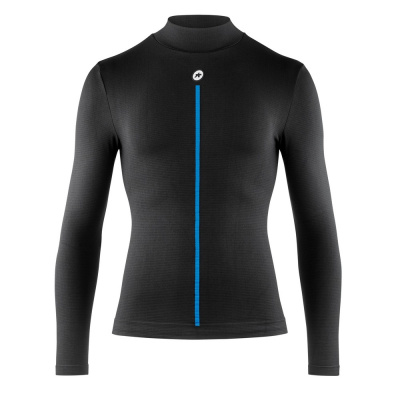
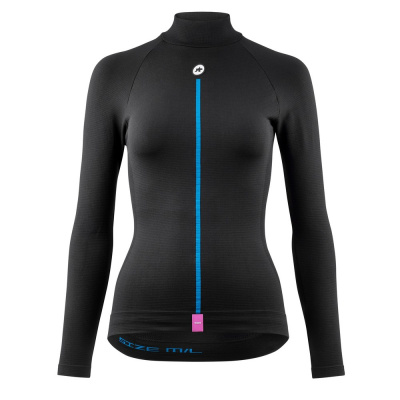
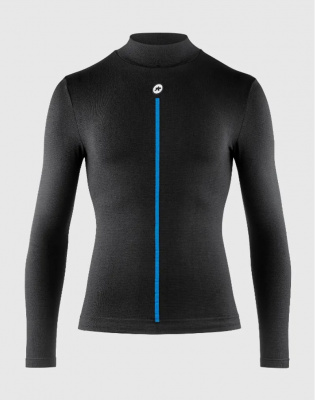
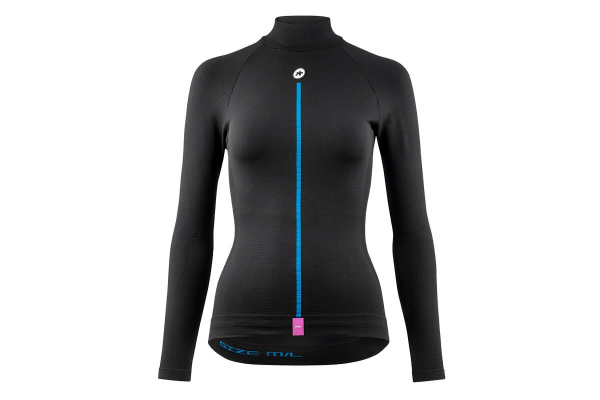
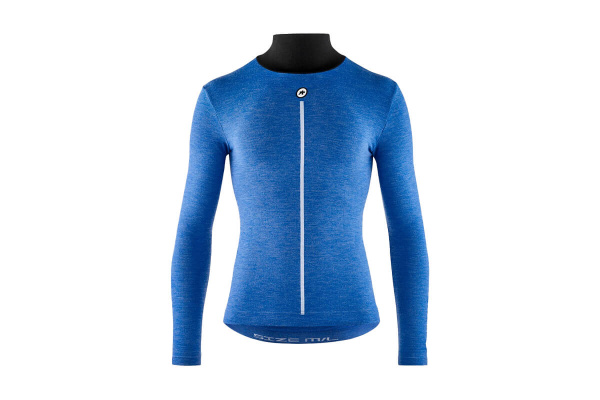
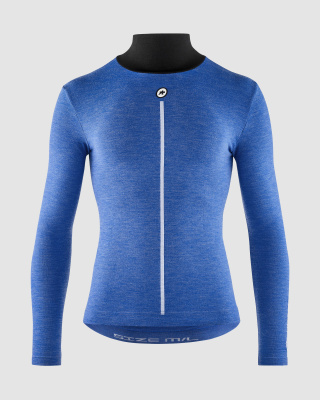
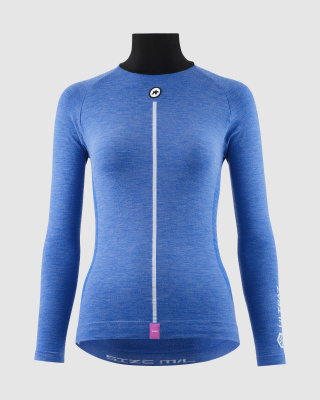
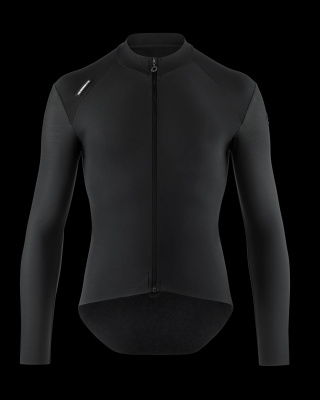
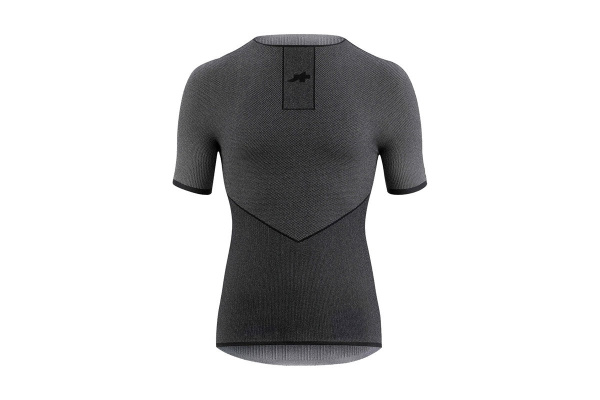
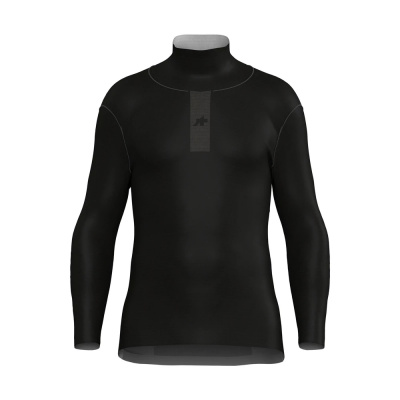
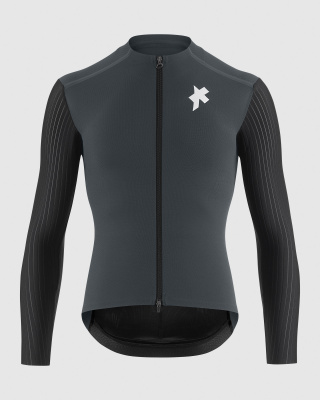
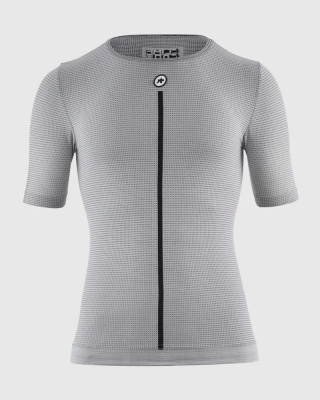
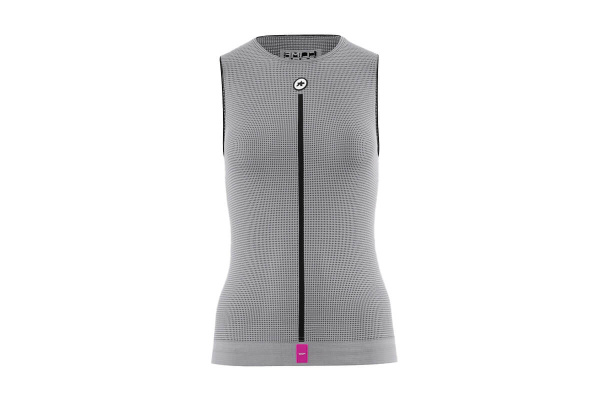
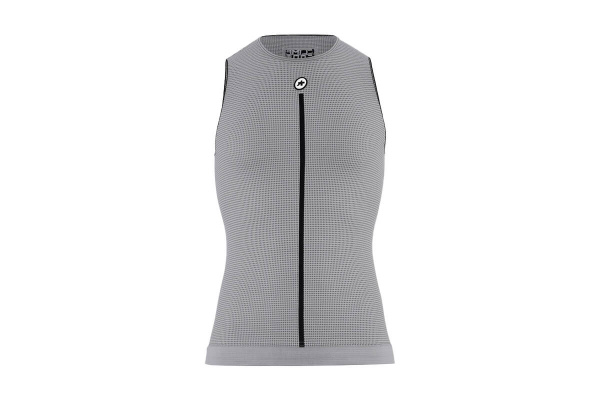
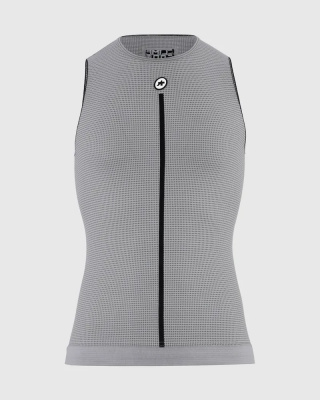
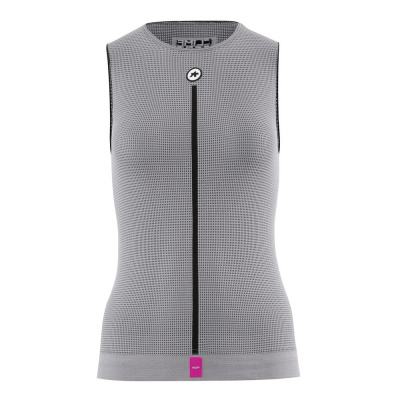
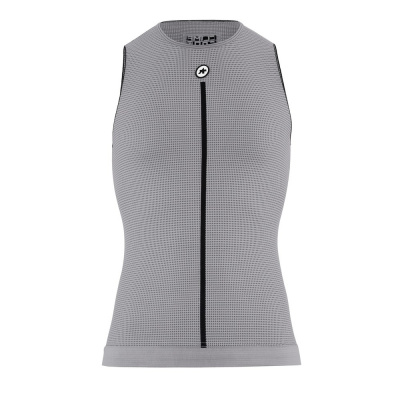
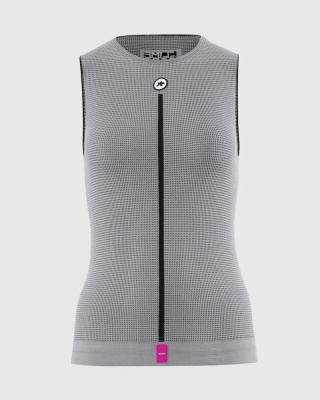
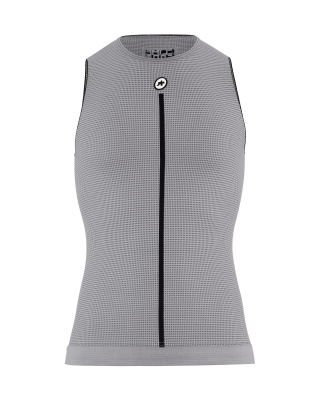
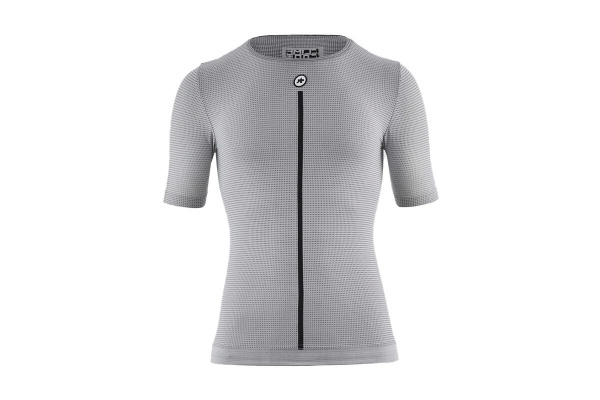
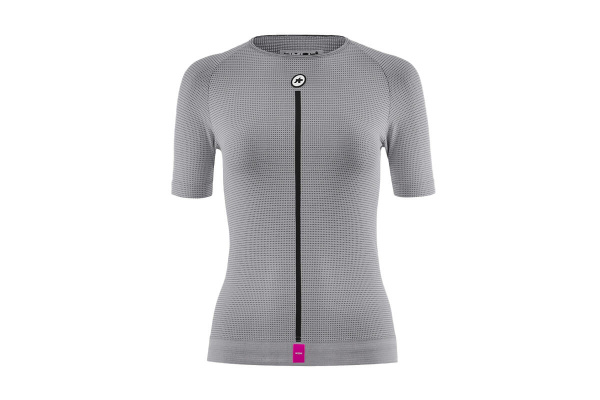
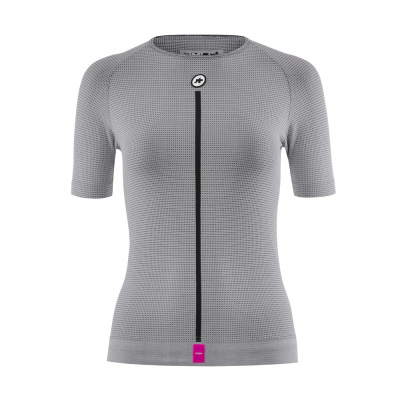
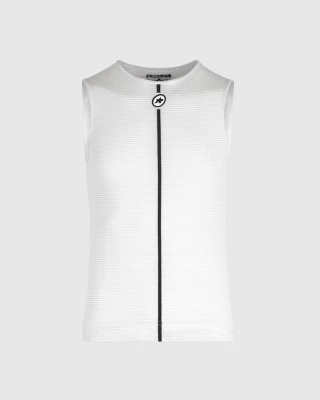
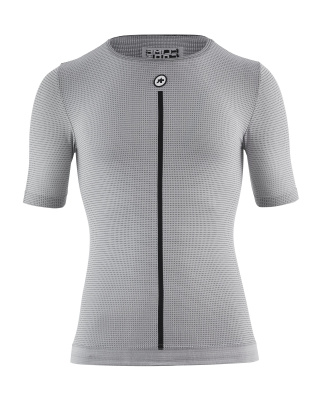
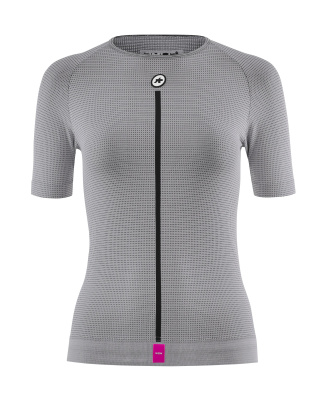
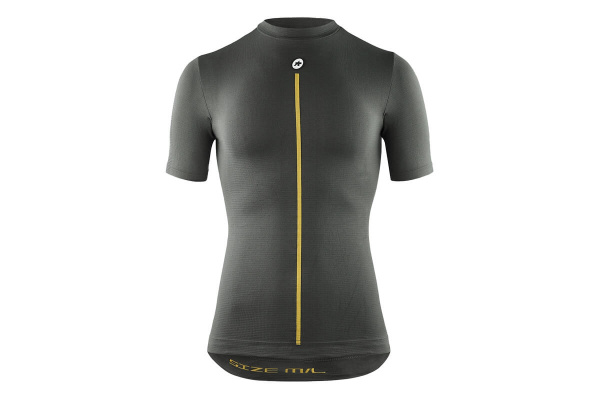
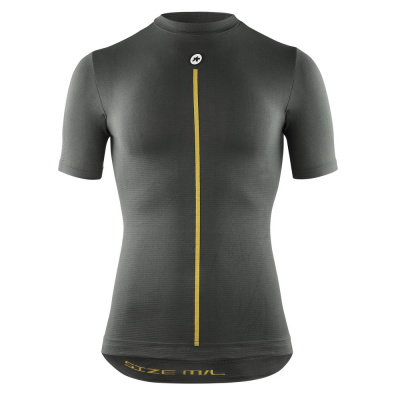
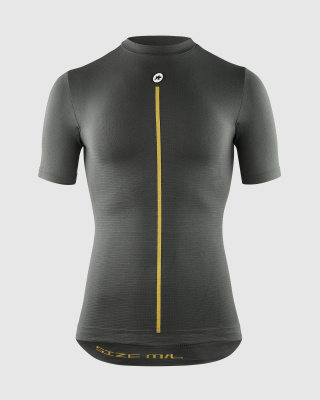
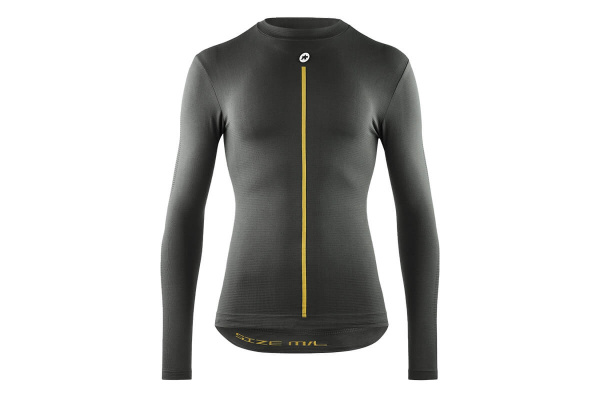
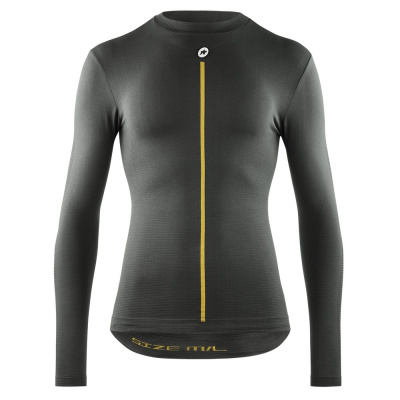
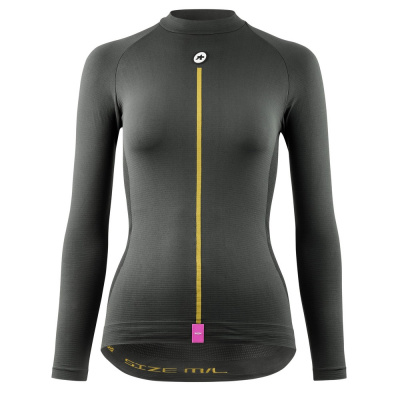
Prices and availability can change quickly. Delivery charges are not always included in listed prices.
Final price, stock status and delivery terms are set by retailer. We may receive a commission on purchases made.
Fabric Tech and What It Actually Does on the Bike
The shift from the Skinfoil name to Skin Layer isn't just a rebrand - Assos used it as a chance to sharpen the fabric architecture across the range. The defining construction detail is circular seamless construction: the body of the garment is knitted as a single tube, eliminating the side seams that traditional cut-and-sew pieces carry. On a long day in the saddle, that matters. Seams that sit under bib straps or against a jersey hem become pressure points surprisingly quickly, and removing them entirely is a cleaner solution than padding over them.
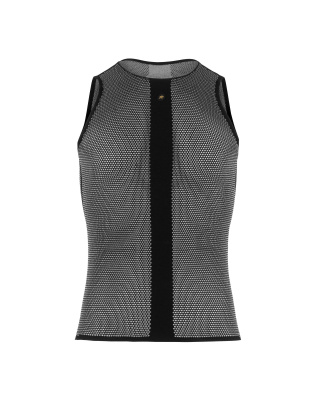
In the summer-weight (1/3) models, the dominant material story is carbon yarn. Carbon fibres are naturally antimicrobial - they resist the bacterial build-up that turns a base layer unpleasant after hard efforts - and they're exceptionally efficient at pulling moisture along their surface and spreading it across the fabric face for rapid evaporation. The result on a humid climb in Wales or a fast Cotswolds loop is a drier feeling against your skin for longer. That matters most on the descent, when sweat-soaked fabric becomes a cold compress against your chest.
Winter weights work on a different principle. The heavier, lofted knits in the 3/3 and Assos Ultraz models trap dead air close to your body, creating a thermal buffer before the cold reaches your core. Body-mapped fabric thicknesses mean the construction isn't uniform - panels are adjusted so the areas that overheat first get lighter, more breathable zones, while the chest and lower back stay insulated. It's a more considered approach than a blanket heavy-weight fabric, and it shows in how these perform across a four-hour winter ride where your effort level shifts constantly.
The ClimaCode System and Getting Your Fit Right
Assos uses a numbered ClimaCode system to map every base layer to a season: 1/3 for Summer, 2/3 for Spring and Autumn, 3/3 for Winter, and Ultraz for deep winter conditions. It's a practical shorthand once you understand it, though it takes a moment to click. Think of it as a thermal dial - turn it up as the temperature drops. For most UK riders buying a first Assos Skin Layer, the 2/3 Assos Spring Fall base layer is the most logical starting point given how often British shoulder seasons refuse to commit to one thing.
Fit is non-negotiable with these garments. An Assos Skin Layer has to sit flush against your skin with no bunching, no sagging, and no loose fabric at the hem. This isn't just an aesthetic point - if the fabric isn't in contact with your skin, the moisture-wicking mechanism breaks down. Sweat pools rather than travels. Size up and you've spent a lot of money on a slightly expensive regular base layer. When in doubt between sizes, go smaller; the fabrics have enough stretch to accommodate without restricting movement.
One note for female riders: if you're after a supportive foundation layer to pair with your Skin Layer, our Assos Sports Bras page covers that side of the kit separately - worth a look before you build out your full system.
At the top of the range, the Assos Ultraz base layer is a specific tool for specific conditions: sub-zero temperatures, long slow rides where your effort level stays low, or anyone who simply runs cold. It's not the right call for a hard winter chaingang where you'll be deep in the red within twenty minutes - you'll overheat and the advantage flips negative. Match the ClimaCode to your actual riding intensity as much as the air temperature.
Compared with alternatives like Castelli base layers or Rapha base layers, the Assos range sits at the technical end of the market - the system thinking and seamless construction push the price up, but so does the fabric R&D behind the carbon yarn blends. If budget is the primary constraint, Craft base layers offer strong moisture management at a lower price point, though without the same integration depth with a complete layering system.
How to Layer for UK Riding and Keep Them Lasting
UK riding throws the full range of conditions at you, sometimes on the same day. The most reliable approach for the shoulder months - March through May, September through November - is a 2/3 Skin Layer under a summer jersey with arm warmers accessible in your back pocket. That combination covers a surprisingly wide temperature band and lets you adapt without stopping. A Assos gilet over the top handles the early-morning cold snaps without adding bulk once the pace lifts.
For December through February, pair the 3/3 or Ultraz Skin Layer with a dedicated Assos winter cycling base layer-compatible mid-layer and a windproof outer. The high humidity on UK climbs is what catches people out - you arrive at the top damp from effort, and the wind on the descent turns that moisture into a chill fast. Rapid moisture transport from the base layer is doing critical work in that scenario; it's not just about warmth.
Care is worth taking seriously with these. Wash them at 30 degrees on a delicate cycle, no fabric softener (it coats the fibres and kills the wicking performance), and put them in a mesh wash bag. The carbon yarns can snag on velcro or exposed zip teeth if they're tumbling loose with the rest of your kit. Air dry rather than tumble dry. It sounds fussy but it's a two-minute habit that keeps a premium base layer performing for several seasons rather than one.
Assos Base Layers FAQs
How should an Assos base layer fit?
It needs to sit flush against your skin - no bunching, no loose fabric, nothing shifting around when you're in the drops. That close contact is what allows the technical yarns to actively move sweat away from your body. If it feels slightly tight when you pull it on, that's correct. If you're questioning whether to size up, stay where you are.
What is the Assos ClimaCode system for base layers?
ClimaCode is Assos's season-matching numbering system: 1/3 covers summer, 2/3 covers spring and autumn, 3/3 is for winter, and Ultraz handles deep winter conditions. It runs across their whole clothing range, so once you know your base layer ClimaCode, pairing it with the right jersey or jacket becomes straightforward. For most UK riders, 2/3 covers the widest spread of unpredictable days.
What is the difference between Assos Spring Fall and Winter base layers?
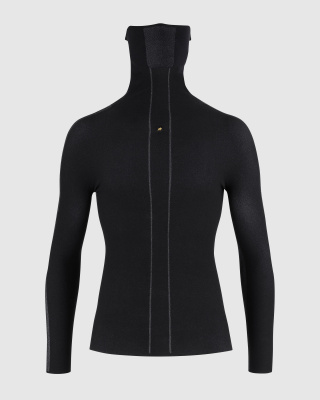
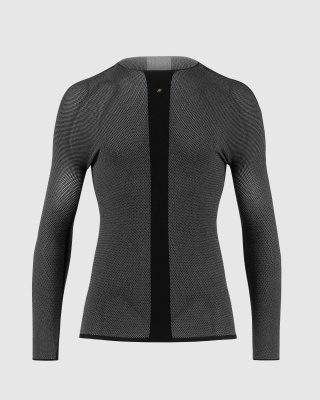
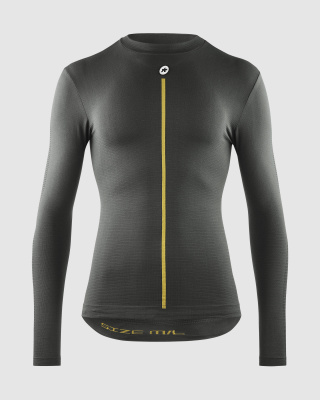
The Spring Fall (2/3) uses a medium-weight blend - enough insulation to take the edge off cool mornings, light enough not to cook you when the pace goes up. The Winter (3/3) runs heavier and loftier, with a higher neck, designed to hold heat during freezing rides where your output stays lower. Two different tools; choosing wrong in either direction makes a long ride uncomfortable fast.