
Rapha Base Layers
Rapha base layers sit at the heart of a well-built cycling kit - and getting this layer right makes a bigger difference than most riders expect. Whether you're grinding out winter miles in the Peaks or sweating through a August sportive in the Cotswolds, the base layer is what stands between your skin and everything else. Rapha's range covers both ends: ultra-light, open-mesh fabrics for hot, high-effort days, and Merino wool blends that insulate, breathe, and resist odours across the damp, unpredictable conditions that define British riding.
What makes the difference at skin level is sweat management. A good base layer pulls moisture away from your body before it chills you on the descent - and that's exactly what Rapha's fabrics are engineered to do. The Pro Team mesh maximises surface area so sweat evaporates fast; the Merino options regulate your core temperature naturally, keeping you comfortable whether the effort is hard or steady. Seamless construction throughout means no irritation under bib straps on long days. Fit is close - intentionally so - to make the moisture-wicking actually work. These are base layers built for real UK riding, not just catalogue shoots.
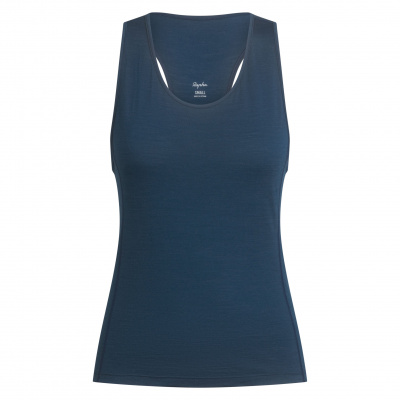
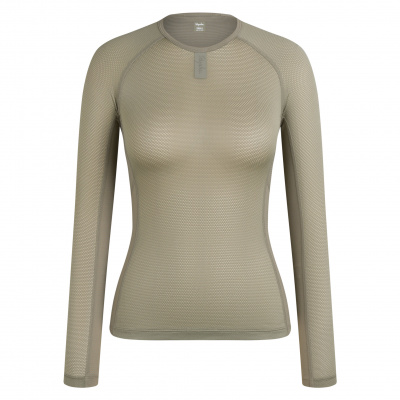
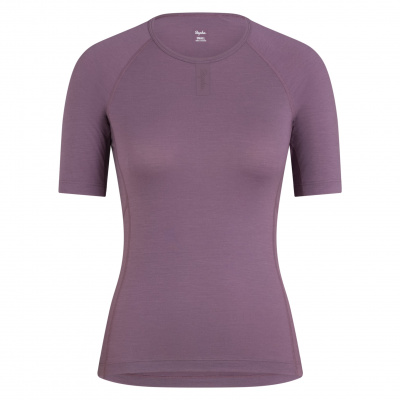
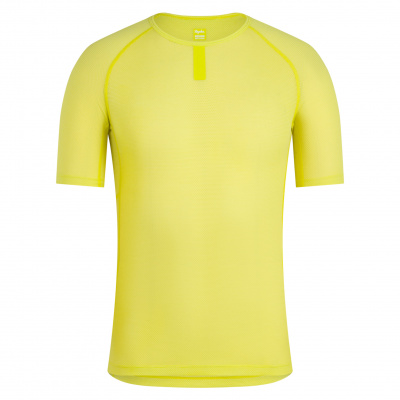
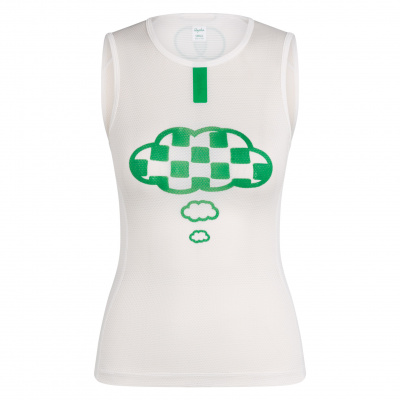
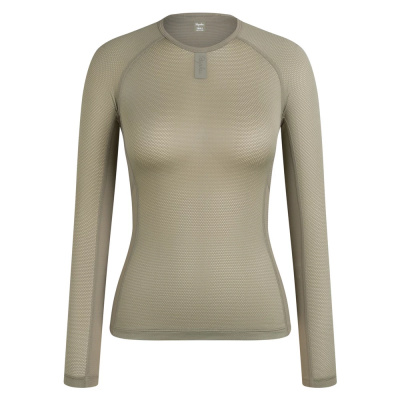
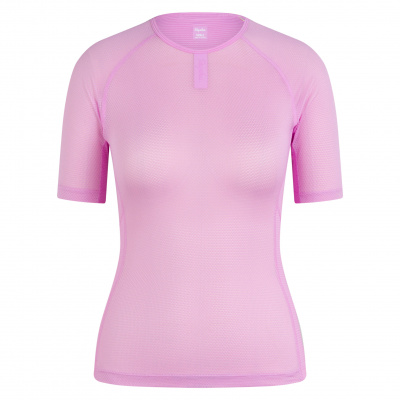
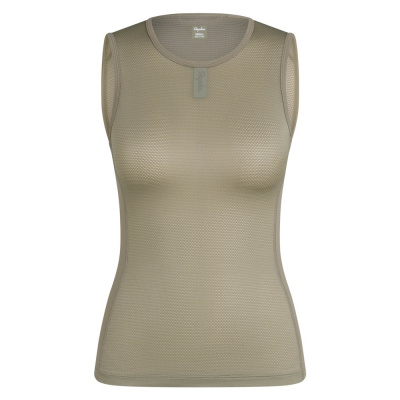
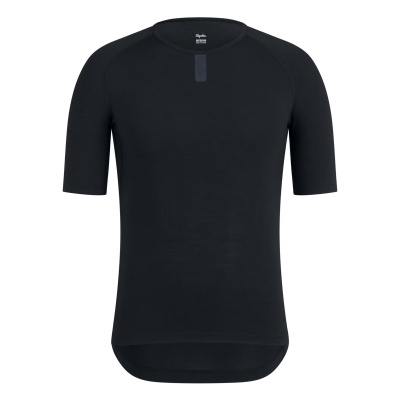
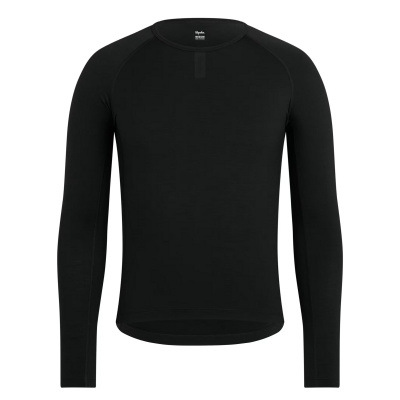
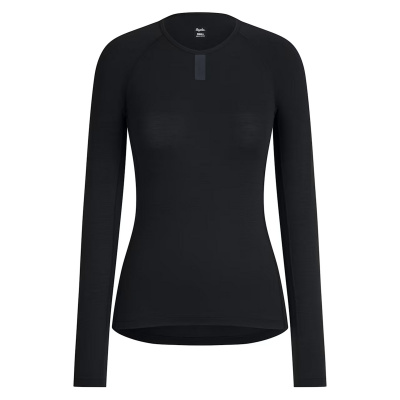
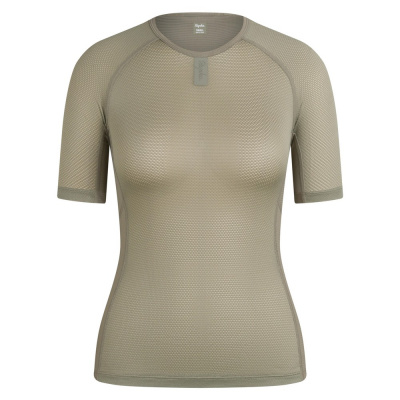
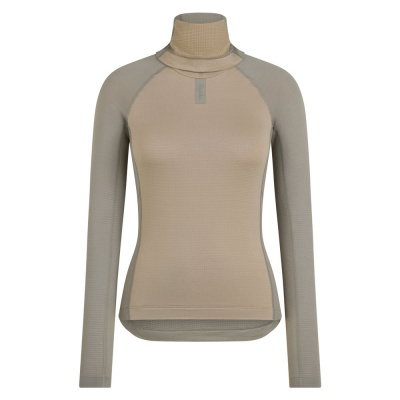
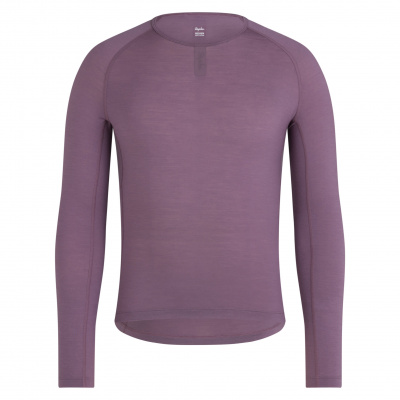
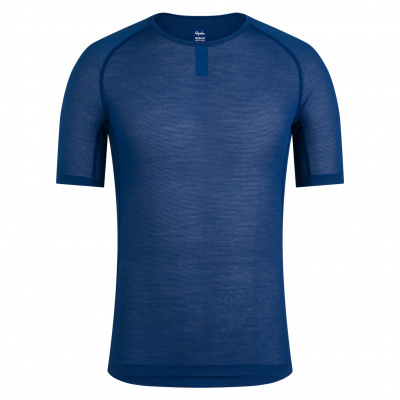
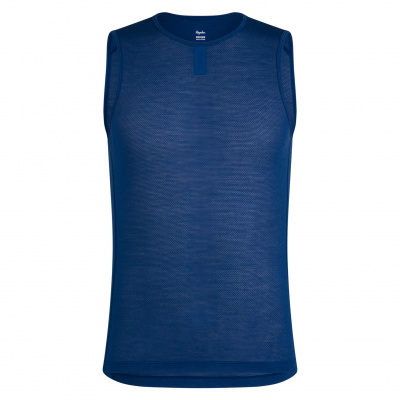
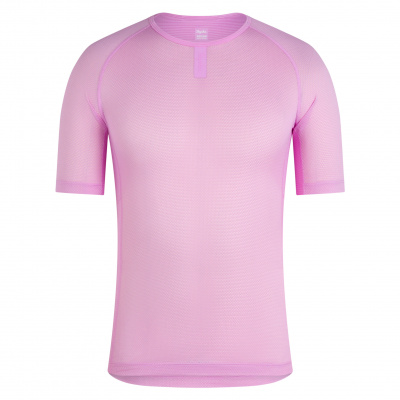
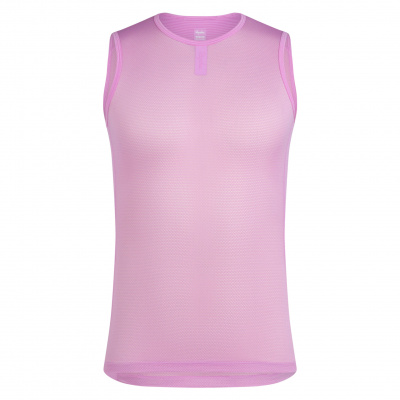
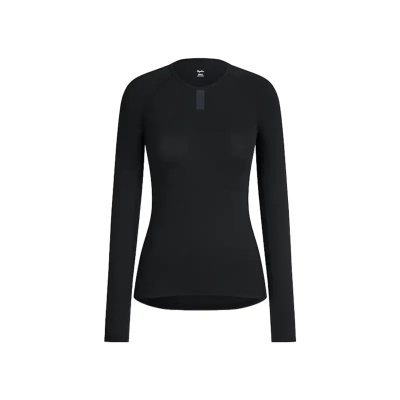
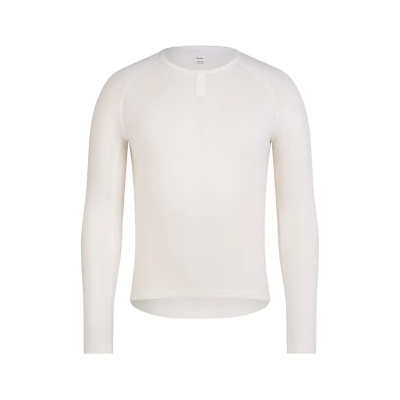
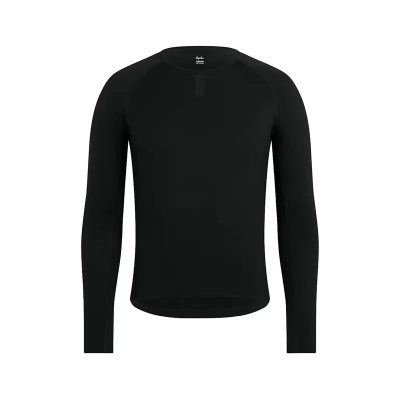
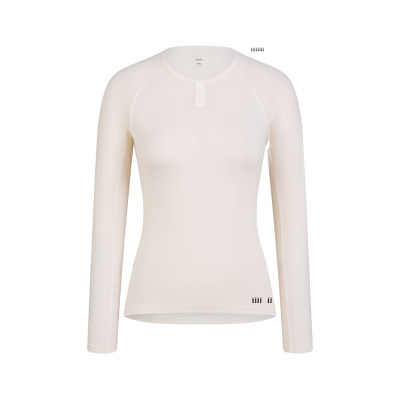
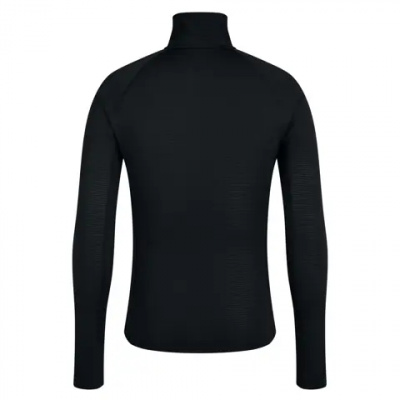
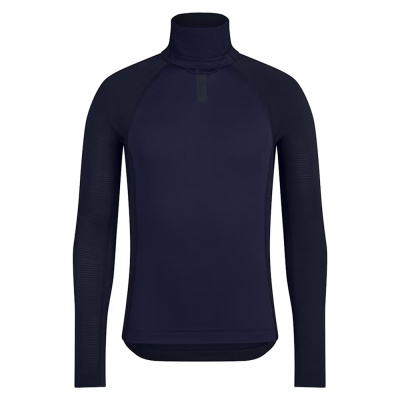
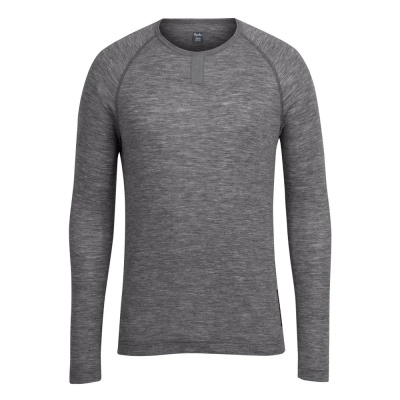
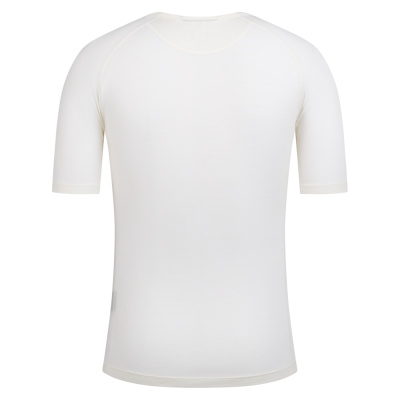
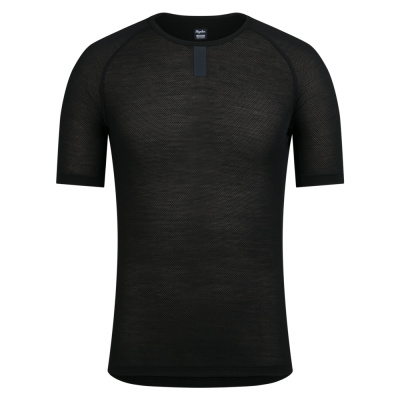
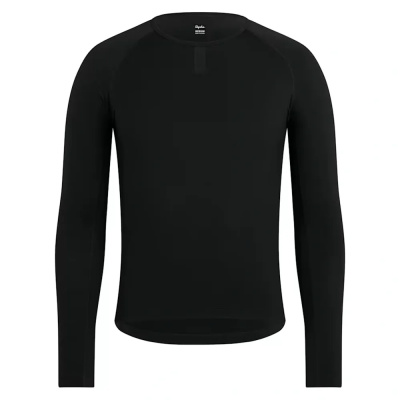
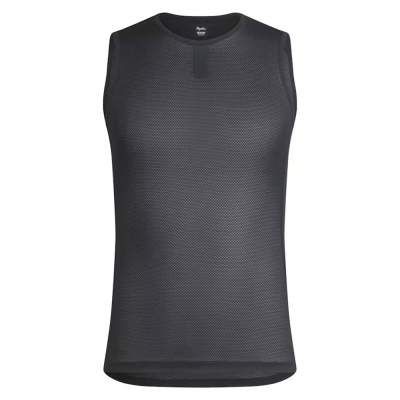
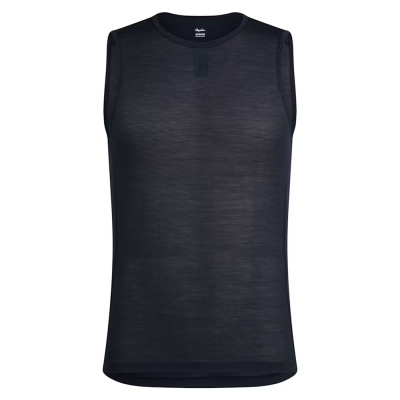
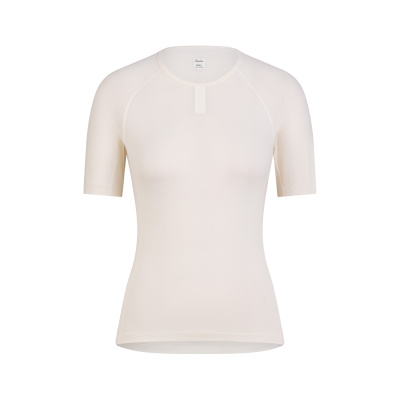
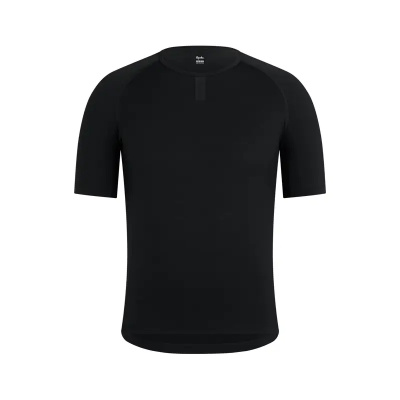
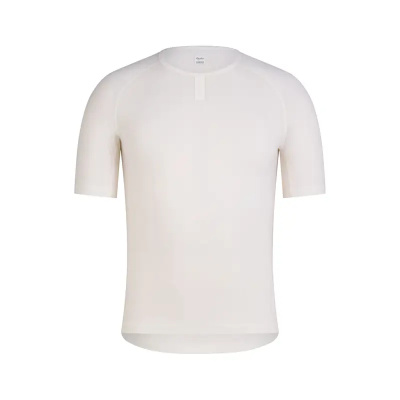
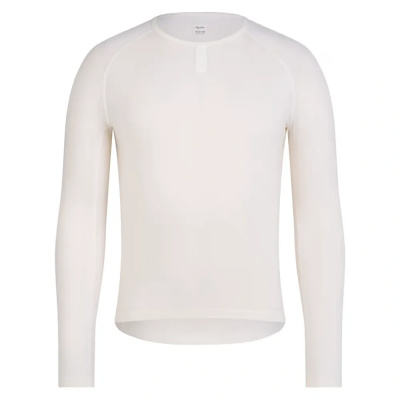
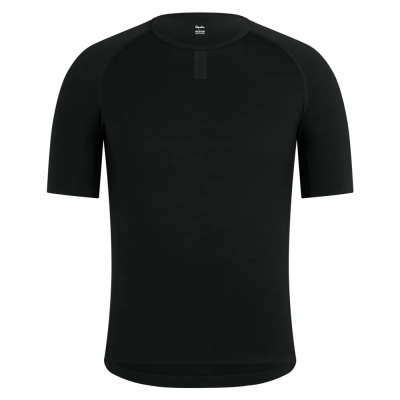
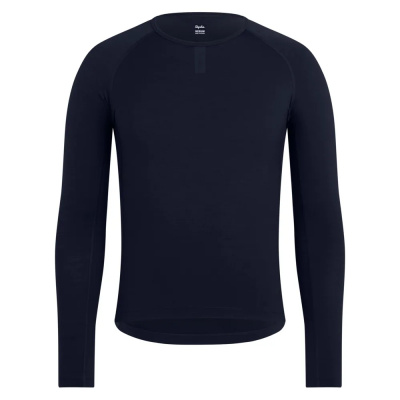
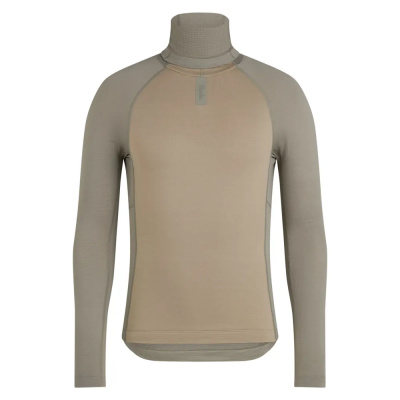
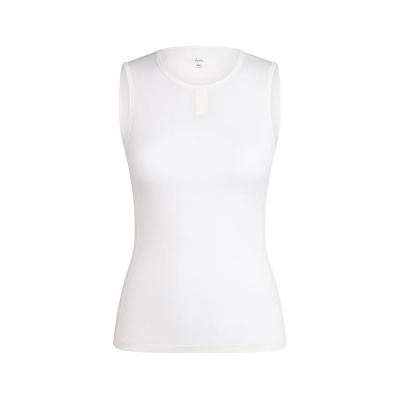
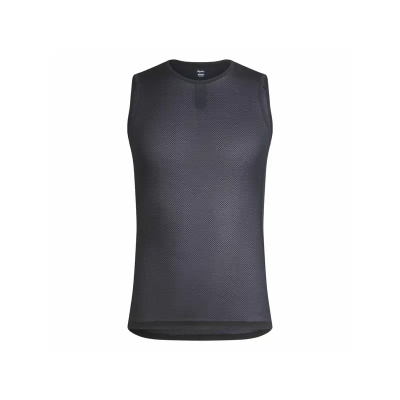
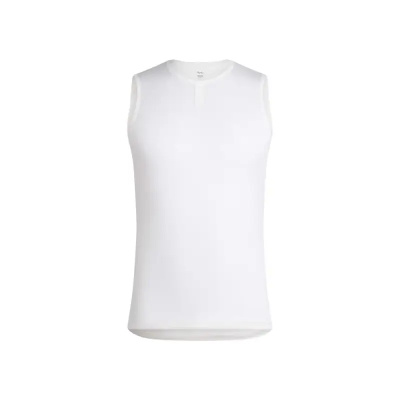
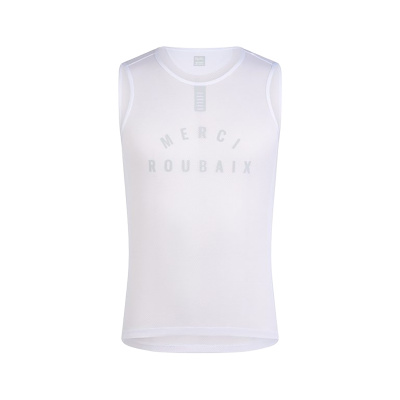
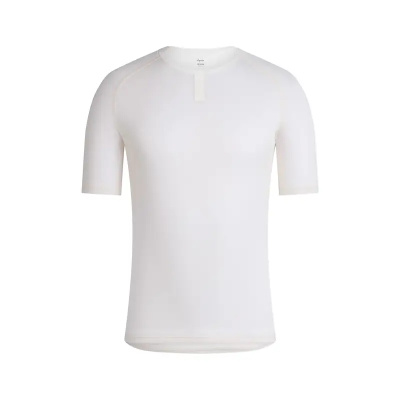
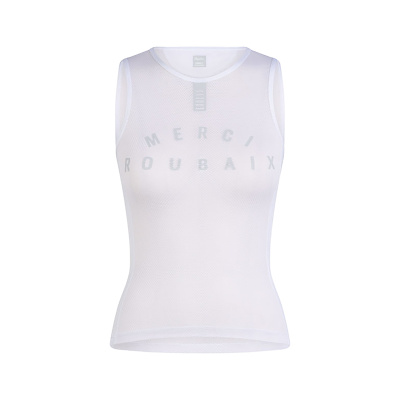
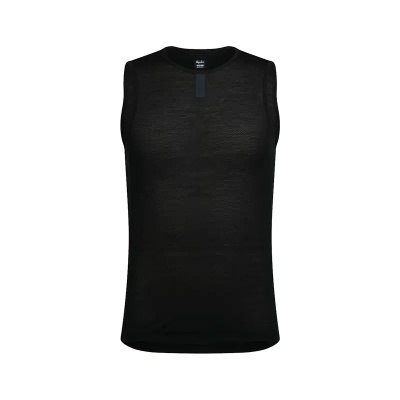
Prices and availability can change quickly. Delivery charges are not always included in listed prices.
Final price, stock status and delivery terms are set by retailer. We may receive a commission on purchases made.
Merino vs Mesh: What Each Fabric Actually Does
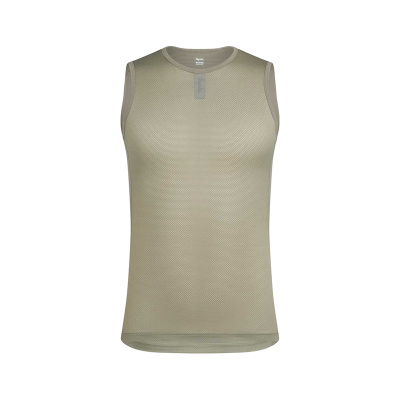
Rapha's base layer range splits cleanly into two fabric philosophies, and understanding the difference helps you pick the right one rather than just the most expensive. The Rapha Pro Team mesh base layer uses a lightweight, open-knit synthetic fabric with a large surface area. That structure pulls sweat away from your skin rapidly and spreads it across the mesh so it evaporates before it can cool you down. On a steep summer climb in the Surrey Hills, where you're working hard and the air is warm, that fast-wicking action keeps you feeling drier for longer. A standard jersey alone can't do this - it just soaks up what your skin produces.
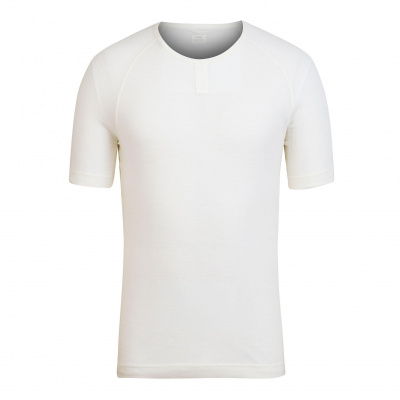
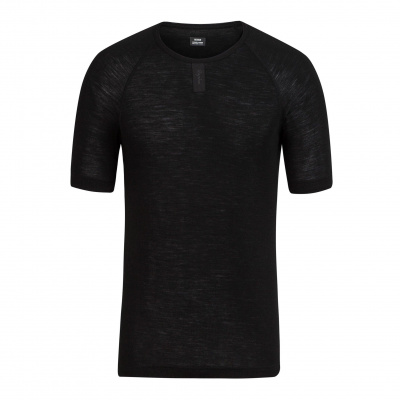
The Merino wool blends work differently. Merino fibres trap small pockets of dead air close to the body, which is what creates warmth without bulk - similar in principle to how a good insulating mid-layer works, but far thinner and more breathable. Crucially, Merino continues to wick moisture even when wet, so it doesn't go cold and clammy against your skin mid-ride the way a saturated synthetic can. It also resists odour naturally, which matters on multi-day trips or back-to-back commutes where washing daily isn't always practical. For damp, cold UK conditions - Scottish drizzle, November dusk rides, anything December through February - Merino is the more forgiving choice.
Both fabric types feature seamless construction, which removes the pressure points that a standard sewn seam creates under tight bib straps. Over four or five hours in the saddle, that detail earns its place.
Range Breakdown: Finding the Right Rapha Fit
Rapha structures their base layers in a clear hierarchy, and fit varies meaningfully across it. The Pro Team range is the most compressive - it's cut to sit flush under close-fitting aero jerseys without bunching or rolling. If you're racing or riding in form-fitting kit, this is the line to look at. It's close enough that you'll notice it when you put it on, but it shouldn't restrict breathing or movement if you've sized correctly.
The Classic line offers a more relaxed next-to-skin fit. It's still snug enough to function properly - a base layer needs contact with skin to wick sweat - but there's slightly more ease through the torso, which suits riders who find the Pro Team cut too restrictive or who prefer a less compressive feel on longer, steadier efforts. The Brevet range, aimed at endurance and all-road riding, shares a similar philosophy: all-day comfort over race-day precision. If your rides regularly run past four hours, or you're packing kit for a bikepacking trip, the Brevet cut tends to reward you later in the day.
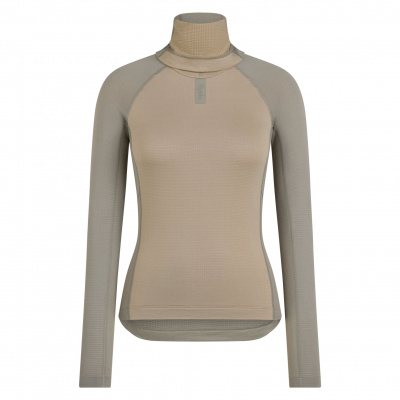
On sleeve length: sleeveless options suit hot days or riders who run warm and want maximum airflow at the shoulder. Short sleeve adds a little coverage for shoulder-season riding without the commitment of full-length. Long sleeve is where the Merino base layers really come into their own - worn under a Rapha jacket on a cold morning, they add genuine warmth without the thickness that makes layering feel awkward. Pair them with Rapha arm warmers on changeable days and you've got a flexible system that adjusts as the temperature does.
Layering for UK Conditions and Keeping Your Base Layer in Good Shape
The UK doesn't do neat seasonal transitions. A March morning can start at four degrees and end at fourteen, and summer in Wales means you might get all four seasons in a single climb. That variability is why layering strategy matters more here than anywhere with a predictable climate.
In summer, a Rapha mesh base layer under a lightweight Rapha jersey is genuinely the most effective pairing for hot, humid efforts. The mesh does the sweat management; the jersey handles wind and sun. Don't skip the base layer thinking it'll be cooler without it - on a long descent after a sweaty climb, you'll feel the difference immediately.
For winter, a Rapha thermal base layer or long-sleeve Merino worn under a Rapha winter jacket gives you a warm, breathable foundation that doesn't add restrictive bulk. On the hardest winter days, layering Rapha bib tights into the mix rounds out a system that handles real December riding without leaving you either sweating at the top or frozen on the way down.
Care matters more than most riders realise, especially with Merino. Wash it on a cool, gentle machine cycle - thirty degrees maximum - using a non-bio detergent. Avoid fabric softeners, which coat the fibres and reduce their natural wicking ability. Dry flat rather than hanging, because a wet Merino garment will stretch under its own weight. Treat it right and it lasts for years; treat it like a training jersey and it'll felt up within a season. Synthetic mesh options are hardier, but still benefit from a mesh laundry bag to protect the open-knit structure.
If you're building out a full Rapha system, Rapha bib shorts pair well with any of these base layers - the bib straps sit over the base layer without friction thanks to the seamless edges, which is exactly the detail seamless construction is there to solve.
Rapha Base Layers FAQs
Should a cycling base layer be tight?
Yes - snug is the point. A base layer needs to sit against your skin to wick sweat effectively. If it's loose, moisture just pools rather than being drawn away. That said, snug doesn't mean breathless: you should be able to move freely and breathe normally. If you're between sizes, size up rather than down.
Which Rapha base layer is best for winter?
For genuinely cold conditions, the Rapha Merino Long Sleeve base layer is the go-to. Merino wool traps heat naturally while still breathing under hard efforts, so you don't end up in a cold sweat when the pace drops. The Deep Winter base layer adds more insulation for the harshest days. Either pairs well under a windproof jacket.
Do I need a base layer in the summer?
Worth having, yes. A lightweight mesh base layer like the Rapha Pro Team Sleeveless actively pulls sweat away from your skin and spreads it across the fabric to evaporate. Without it, sweat just sits on your skin and chills you on descents. In humidity, it makes a noticeable difference to how you feel mid-ride.