
Rapha Arm Warmers
Rapha arm warmers are one of the smartest pieces of kit you can stuff into a jersey pocket before a ride - a short-sleeve jersey becomes genuinely multi-season in seconds. That matters when a bright 7am start in the Peaks can turn damp and grey by the first café stop without a moment's notice.
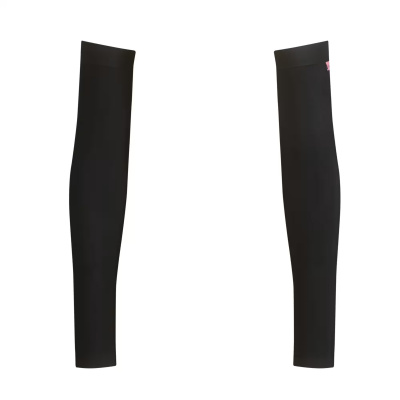
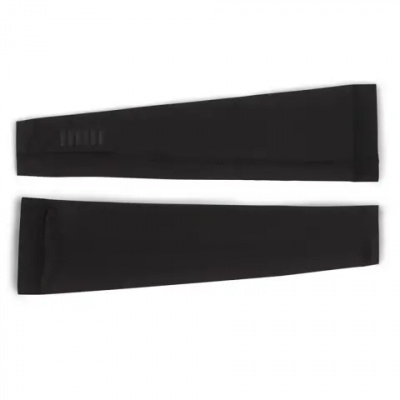
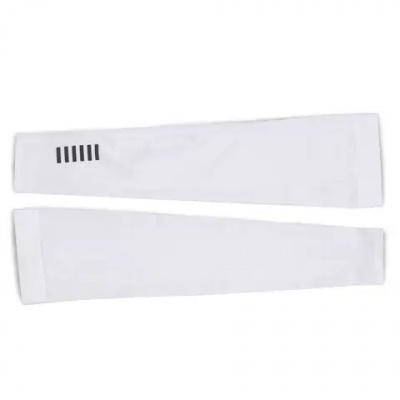
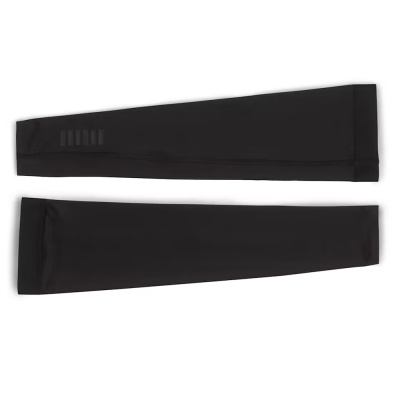
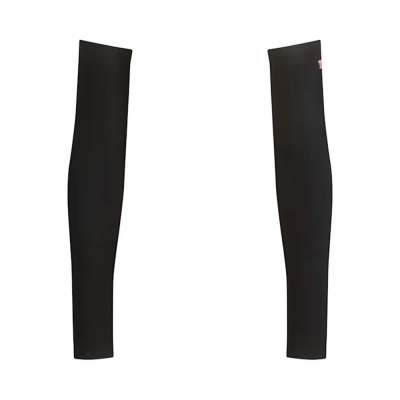
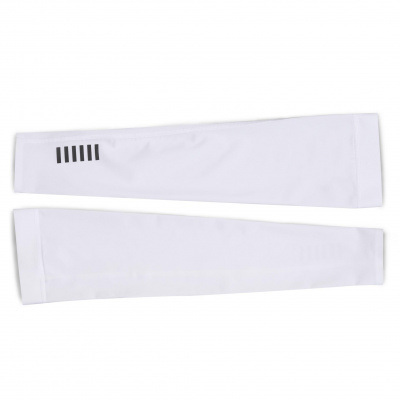
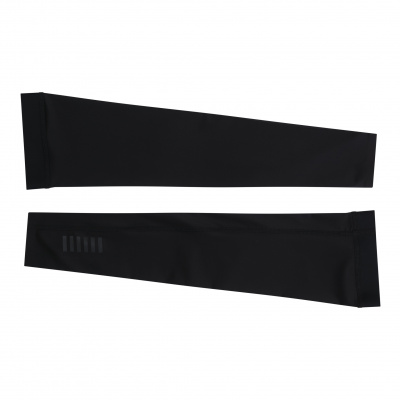
Rapha builds warmers across a few distinct lines, each pitched at different conditions and riding styles. The Rapha Classic arm warmers use Merino-blended fabrics that breathe naturally and resist odour on longer days in the saddle. Step up to the Rapha Pro Team arm warmers and you get a compressive, close-to-the-skin fit with a DWR coating that sheds drizzle and road spray - useful when you're pushing pace and can't afford to stop and layer up. The thermal cycling arm warmers in the range use a brushed Roubaix fleece interior that traps warm air against the skin, so they pull real weight on cold-morning starts that need more than a thin layer.
All Rapha warmers share articulated elbow seams - cut specifically to follow the bent-arm riding position - and low-profile silicone bicep grippers that hold firm without pinching. No bunching, no mid-ride faffing. They sit close enough to feel like part of the kit, not an afterthought.
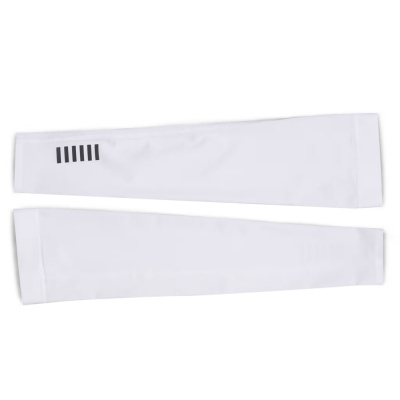
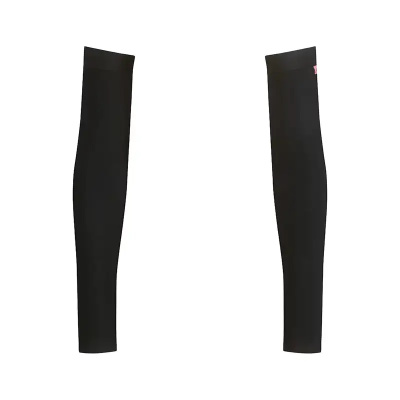
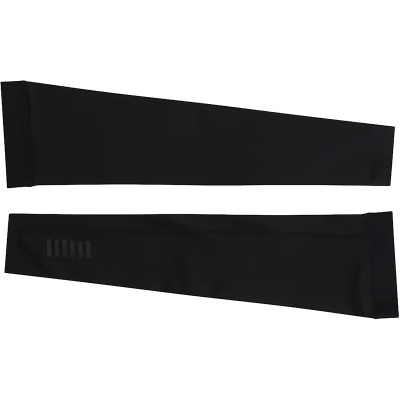
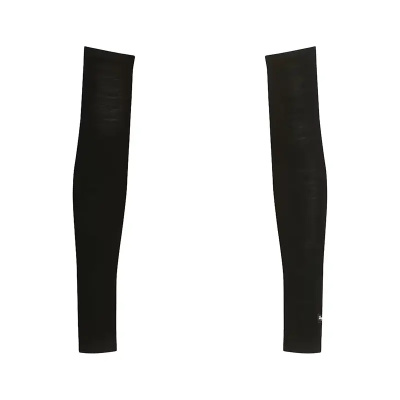
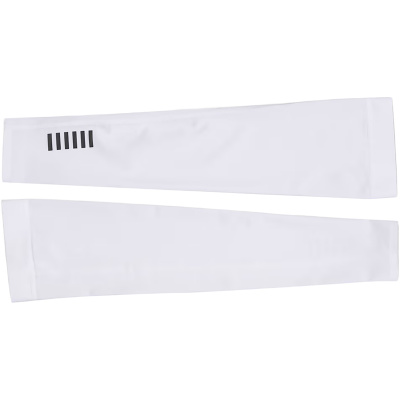
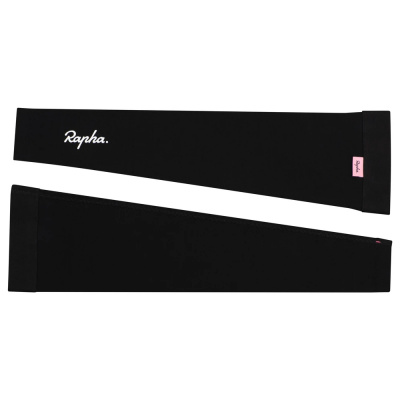
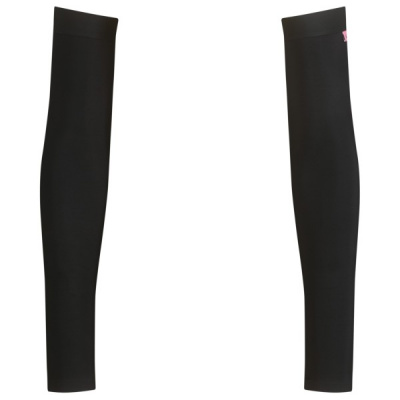
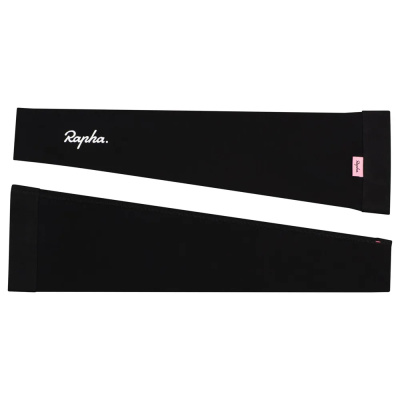
Prices and availability can change quickly. Delivery charges are not always included in listed prices.
Final price, stock status and delivery terms are set by retailer. We may receive a commission on purchases made.
Fabric Tech and Weather Performance
The material differences across Rapha's arm warmer range are worth understanding before you buy, because they determine where each option actually earns its place. The Roubaix fleece interior found in Rapha's thermal warmers works by trapping a thin layer of dead air against your skin - the same principle as a down jacket, just at a lower weight. It's effective down to temperatures where a bare arm would leave you stiff and miserable within the first few kilometres, and it doesn't add much bulk in the pocket when conditions improve.
Merino-blended warmers take a different approach. Moisture-wicking by nature, Merino fibres pull sweat away from the skin and manage temperature passively - warming when you're cold, not suffocating you on the climbs. They also resist odour better than synthetics, which matters on multi-day touring or back-to-back riding days. The Rapha merino arm warmers suit steady, varied-effort riding where you're not pinning it for hours but conditions keep shifting.
At the performance end, the Pro Team and Shadow lines add a DWR coating - Durable Water Repellent treatment applied to the outer fabric. This isn't a waterproof membrane; it's a surface treatment that causes light rain and road spray to bead and roll off rather than soak in. On a wet British morning where the rain is more persistent mist than downpour, that's often enough to stay comfortable without reaching for a full jacket. Breathability is preserved because there's no film blocking vapour transfer, so you won't overheat on effort. Worth noting: DWR does degrade over time, especially if you use fabric softener - more on that below.
Understanding the Rapha Fit and Range
Fit is where arm warmers succeed or fail, and Rapha's different lines aren't interchangeable on that front. The Rapha Pro Team arm warmers are cut for a high-compression, aerodynamic fit - they're close, intentionally so, with minimal excess fabric. If you're riding at pace or racing, that's exactly what you want. If you're on a relaxed endurance build and prefer something that doesn't grip quite so firmly, the Classic or Core ranges offer a high-stretch but slightly more forgiving fit that's easier to pull on with cold fingers at the start of a ride.
Sizing tends to run true for most riders, but the key marker is the bicep gripper. The silicone gripper band should sit flat against your upper arm just below the armpit - snug enough that it doesn't migrate south on a two-hour ride, but not so tight it leaves a visible ridge or cuts into circulation. If you're between sizes, going slightly smaller is usually the better call with arm warmers; they'll stretch to fit rather than slip down. A loose warmer on a descent is a distraction you don't need.
The articulated fit at the elbow is a detail that separates Rapha's cut from cheaper alternatives. Arm warmers with straight seams bunch at the elbow when you're in the drops or on the hoods - it's uncomfortable and looks messy. Rapha's elbow seams are shaped to follow the natural bend of the arm in the riding position, so there's no excess fabric gathering under the joint when you're grinding up a long climb.
For summer vs winter arm warmers, think of it this way: lightweight, DWR-treated or Merino options cover most of the UK riding calendar from spring through autumn; the brushed Roubaix thermal versions are the ones you reach for when the temperature drops into single figures and the morning air has a bite to it.
Layering and Care for UK Riding
Arm warmers go under your jersey sleeves, not over them. Pull them up to your bicep, then pull the jersey sleeve down over the top. This creates a smooth overlap that stops wind and rain from getting in at the cuff, and it keeps the whole setup sitting tidily against your arm rather than flapping. It also looks considerably less chaotic. If you're pairing warmers with a Rapha jersey, the sleeve lengths are designed to work together, so the transition sits naturally without a visible gap.
On changeable days - the kind that are basically the default in the UK - arm warmers compress small enough to roll into a back pocket in about ten seconds. Combined with a Rapha gilet over the top, you've got a layering system that handles most of what British weather throws at you between March and October. A Rapha base layer underneath adds another degree of warmth and moisture management on the colder end of that range.
To cover your legs on the same unpredictable days, pair your arm warmers with Rapha knee warmers for milder conditions, or step up to Rapha leg warmers when the temperature drops further. It keeps the kit consistent and the layering logic simple.
Wash care is worth getting right. Machine wash on a cool cycle, turn them inside out, and skip the fabric softener entirely. Softener coats the fibres and kills the DWR treatment faster than anything else, and it degrades the silicone grippers over time too. Air dry flat rather than tumble drying - it takes longer but preserves the shape and the technical finishes for considerably more seasons of use.
Rapha Arm Warmers FAQs
How should Rapha arm warmers fit?
They should sit close to the skin like a second sleeve - snug enough that they don't slip during a ride, but not so tight they restrict circulation or leave a ridge. The silicone gripper band should lie flat against your upper bicep, just below the armpit, and the articulated elbow seam should sit without bunching when you're in the riding position.
Do arm warmers go under or over jersey sleeves?
Always under. Pull the arm warmer up to your bicep first, then bring your jersey sleeve down over the top of it. That overlap blocks wind and rain from sneaking in at the cuff, keeps the fit aerodynamic, and stops the warmer from rolling down mid-ride.
Are Rapha arm warmers waterproof?
Not fully waterproof, no. Standard and Merino warmers offer no water resistance to speak of, but the Pro Team and Shadow ranges carry a DWR coating that repels light drizzle and road spray effectively. In heavier, sustained rain you'll still want a waterproof jacket - the DWR treatment is for damp British conditions, not a full soaking.