
Rapha Leg Warmers
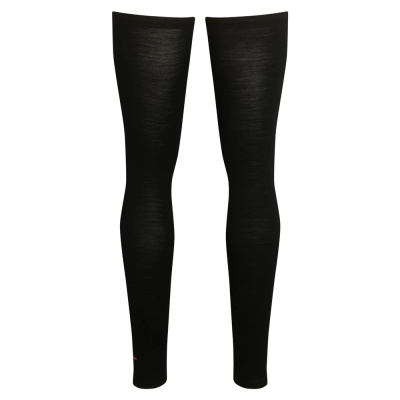
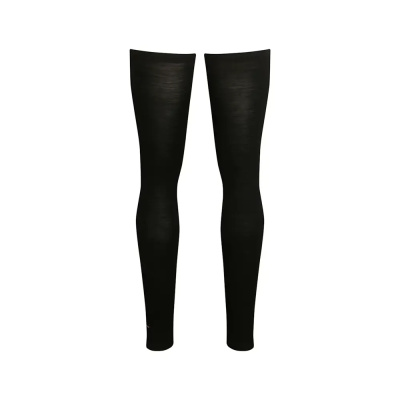
Rapha leg warmers are the sensible answer to that classic British dilemma: it's 7°C at the start, the forecast says 14°C by noon, and you're not quite ready to commit to full tights. Rather than swapping your favourite chamois for a heavier pair of bibs, you pull on a set of warmers and carry on as normal. That's the logic behind them, and Rapha execute it well across a tiered range that covers everything from no-fuss everyday riding to race-day precision.
Every pair in the range uses a brushed fleece inner to trap warmth close to the leg without making you cook on the climbs. Articulated panelling follows the natural bend of your knee, so there's no fabric bunching or that tight-across-the-back sensation mid-pedal stroke. Wide silicone grippers anchor the warmer to your leg without slipping down on longer rides. On the premium Pro Team and Shadow models, a DWR coating deals with the road spray and persistent drizzle that UK shoulder season riding reliably delivers. And when the sun does show up? Roll them down to a compact tube and stuff them in your back pocket. They're that packable.
Whether you're covering winter miles on the South Downs or navigating cold October mornings in the Dales, these are a practical, well-considered layering tool.
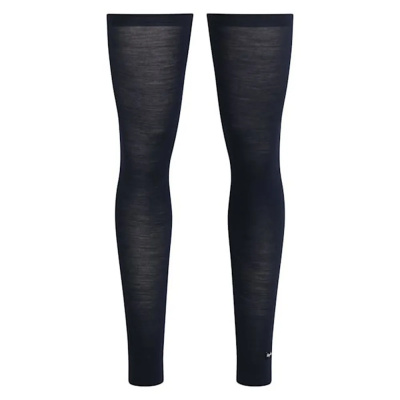
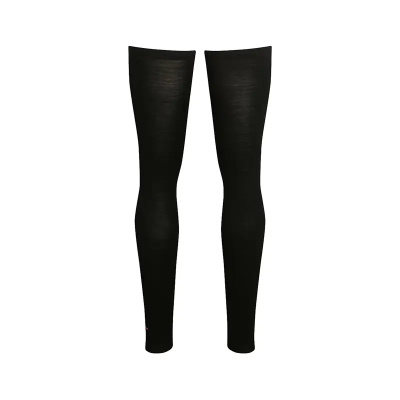
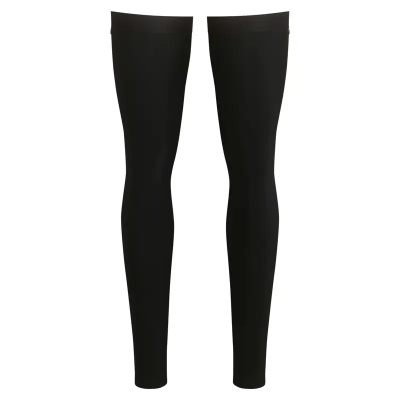
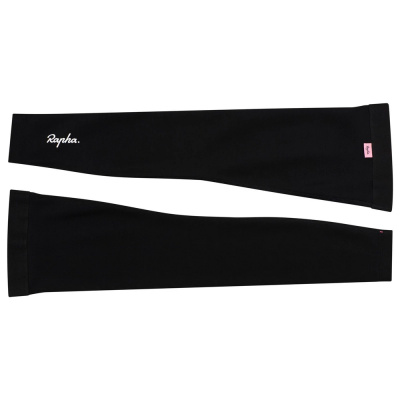
Prices and availability can change quickly. Delivery charges are not always included in listed prices.
Final price, stock status and delivery terms are set by retailer. We may receive a commission on purchases made.
Fabric Tech and Weather Performance
The foundation of Rapha's leg warmer range is brushed Roubaix fabric - a bi-elastic material with a soft, fleeced interior that traps dead air against your skin. That trapped air is what does the insulating work. It keeps you warm at a standstill and, crucially, remains breathable enough when you're pushing hard on a climb that you won't overheat. Roubaix construction stretches in every direction, so the warmers move with you rather than fighting your pedal stroke.
On the Pro Team and Shadow lines, Rapha adds a DWR (Durable Water Repellent) treatment to the outer face of the fabric. Think of it as a first line of defence - road spray beads and rolls off rather than soaking through, which keeps the insulating layer dry and doing its job for longer. It won't replace a waterproof layer in sustained rain, but for UK drizzle, sudden showers, and that relentless fine spray off wet roads, it makes a meaningful difference. Reflective detailing on several models adds a degree of visibility on grey autumn afternoons when the light drops earlier than you'd like.
Packability is a genuine practical advantage here. Unlike Rapha bib tights, which stay on for the duration, leg warmers roll into a compact cylinder that fits a standard jersey pocket. That makes them the right call for rides where the temperature swings ten degrees between the start and the halfway café stop.
Understanding the Rapha Range and Fit
Rapha organises its leg warmers into a clear hierarchy. The Core range is the entry point - well-made, relaxed in fit, and built for everyday training miles without a premium price. The Classic sits in the middle ground: better materials, a more considered cut, and traditional Rapha styling that works for sportives as readily as long club runs. At the top, the Pro Team is built around compression and aerodynamics. It fits closer to the leg, uses the most technical fabrics, and carries the most thorough DWR treatment. It's the one to reach for if fit precision and on-bike performance matter more than versatility.
Across all three, the articulated fit is worth understanding. Each warmer is pre-shaped with a bent-knee geometry, meaning the fabric isn't pulled flat when you're on the bike. The result is no bunching behind the knee and no restriction at the top of the pedal stroke - two things that become very noticeable on longer rides if a warmer gets the cut wrong.
On Rapha leg warmers sizing: the straightforward rule is to match your warmer size to your bib short size. If you have particularly muscular thighs or calves, size up. The silicone grippers are wide and grippy by design, but on a thicker leg they can dig in and restrict circulation if you're in the wrong size - not comfortable over three hours. If you only need coverage around the joints on milder days rather than full-leg warmth, our Rapha knee warmers page covers that option separately.
It's also worth knowing where leg warmers sit relative to arm warmers in your layering system. On cooler days, pairing leg warmers with Rapha arm warmers gives you a modular setup that you can strip down piece by piece as the ride warms up - far more flexible than a single heavyweight jacket.
Layering, Wearing Order, and Keeping Them Working
Do leg warmers go under or over bib shorts? Under, always. The top of the warmer should sit beneath the gripper band of your bib shorts, not over it. This means the silicone grips directly against your skin and thigh, which is what keeps them in place. It also means water runs off your shorts and down the outside of the warmer correctly, rather than pooling under a folded-over band. Get the layering order wrong and they'll creep down within twenty minutes - every time.
For a complete lower-body cold-weather setup, Rapha bib shorts underneath with leg warmers pulled up over the thigh, and a pair of Rapha overshoes covering the foot and ankle, deals with most conditions from around 5°C upward. The overshoes close the gap at the ankle that leg warmers leave open, which makes a disproportionate difference to how warm your feet and lower legs feel in the cold.
What temperature should you wear cycling leg warmers? Generally, they're the right call between 5°C and 15°C - your classic shoulder season range that covers most UK spring and autumn mornings. Below 5°C, especially if you're riding for more than ninety minutes, full bib tights start to make more sense because they also protect the hips and lower back, which leg warmers don't address.
Care matters more than people think, particularly with DWR-treated models. Wash at 30°C on a gentle cycle with a non-biological detergent. Avoid fabric softener completely - it coats the fibres and kills the DWR treatment, turning a water-repellent warmer into something that absorbs road spray like a sponge. After several washes, the DWR can be partially restored with a low-heat tumble dry or a careful pass with a cool iron over a cloth. It's worth the small effort to keep the coating functional.
Rapha Leg Warmers FAQs
How do you choose the right size Rapha leg warmers?
Match your leg warmer size to your usual Rapha bib short size as a starting point. If you have muscular thighs or calves, go up a size - the silicone grippers are firm by design, and on a larger leg they can pinch and restrict blood flow over longer rides if you're in too small a size.
Do leg warmers go under or over bib shorts?
Always under. The top of the warmer sits beneath your bib short's gripper band so the silicone grips directly to your skin and holds the warmer in place. It also lets water run off your shorts and down the warmer as intended - wear them over your shorts and they'll slip and pool moisture at the band.
What temperature should you wear cycling leg warmers?
Leg warmers work well between 5°C and 15°C, covering most UK spring and autumn riding conditions. Drop consistently below 5°C and full bib tights are the better option - they extend coverage to the hips and lower back, which leg warmers leave exposed and which matter a lot on longer cold rides.