
Rapha Knee Warmers
Rapha knee warmers are the piece of kit you'll reach for more than almost anything else in your cycling wardrobe - that awkward shoulder-season stretch where it's too cold for bare legs but too warm for full tights. We're talking about those crisp April mornings in the Peak District where the car park is still frosted and the forecast says 14°C by noon. You need something you can actually pocket when it warms up.
Rapha builds these with a brushed fleece interior - the same Roubaix-style construction you'll find in their cold-weather bib shorts - which traps warmth against your knees without bulk. A DWR coating deflects road spray and light drizzle, so a damp lane doesn't soak straight through. The offset seams are a quiet but genuinely useful detail: they sit away from the back of the knee crease, so there's no pressure point grinding away on a long climb.
Wide silicone grippers at the top keep things anchored without cutting off circulation, and when the sun finally shows up, the whole lot compresses into a jersey pocket without much fuss. If you ride through spring and autumn in the UK, these aren't optional - they're the difference between a good ride and one you cut short.
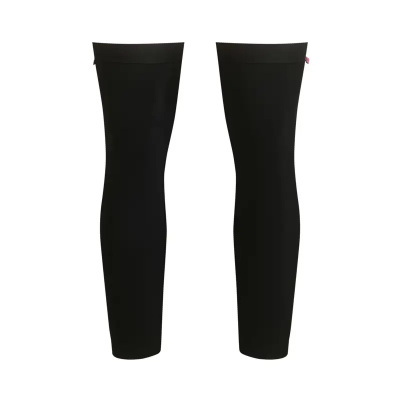
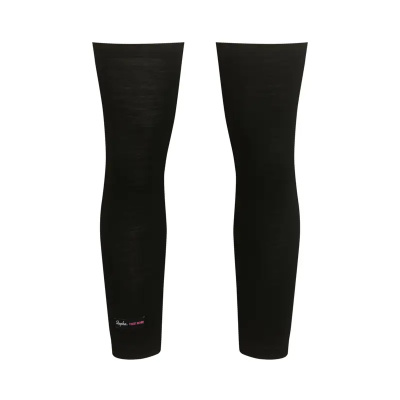
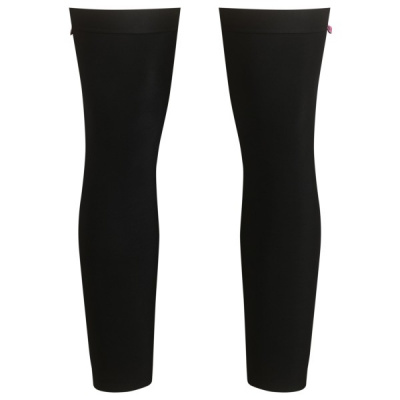
Prices and availability can change quickly. Delivery charges are not always included in listed prices.
Final price, stock status and delivery terms are set by retailer. We may receive a commission on purchases made.
Fabric Tech and Weather Performance
The core of what makes Rapha knee warmers work in UK conditions is the brushed Roubaix fleece lining. It's a looped, textured inner face that holds a thin layer of warm air against your skin - effective enough for rides down to around 8°C without feeling clammy when your effort level climbs. On a steady moorland grind into a headwind, that matters more than raw warmth figures suggest.
The outer face carries a DWR (Durable Water Repellent) treatment. This isn't waterproofing - road spray and light drizzle bead off, but sustained rain will eventually work through. For most UK riding that's absolutely fine; these are transitional warmers, not wet-weather armour. What the DWR does well is stop that cold, damp cling you get when a fabric saturates on a fast descent. It keeps the weight down and the warmth in.
Breathability is part of the picture too. Roubaix constructions can trap heat aggressively, which becomes a problem on harder efforts. Rapha's versions vent reasonably well through the fabric structure itself, so you're not cooking your knees on a 20-minute climb - though if you run hot, something like a lighter Rapha arm warmers pairing might signal you'd prefer a thinner knee option from the Classic range rather than the heavier Pro Team cut.
The offset seam placement is one of those details you only appreciate after a long ride. Standard seams positioned dead-centre behind the knee create a pressure ridge that digs in as your leg bends repeatedly. Rapha moves the seam slightly to the side, which sounds minor until you've done a four-hour autumn sportive without any irritation back there at all.
Fit, Range, and Getting the Right Cut
Rapha's knee warmer range splits broadly along the same lines as their clothing - Pro Team at the top end, then Classic and Core options below that. The Pro Team knee warmers are cut close. Compressive, anatomically shaped, pre-curved at the knee to match a riding position rather than a standing one. If you spend most of your time on a road bike at a reasonably aggressive angle, they wrap cleanly and don't bunch.
The Classic and Core lines give you a bit more room. Not baggy - still fitted - but the kind of cut that works across a wider range of leg shapes and is easier to pull on over Rapha bib shorts in a cold car park. For most riders doing sportives, club runs, or mixed-pace weekend rides, this is probably the more practical choice.
The silicone grippers along the top band do most of the work in keeping these from sliding. Wide bands distribute the grip across a broader area, which prevents the tourniquet effect you get from narrow elastic. They hold firm through most rides without leaving a red ring on your thigh. That said, if your legs are on the slimmer side, going a size down rather than sizing up is the better call - a slightly snug fit activates the grippers properly.
Sizing generally follows Rapha's standard clothing sizes. Match to your bib short size as a starting point, then check the thigh circumference guide if you're between sizes. The light compression these provide is part of the function, so a warmer that's too large will migrate downward regardless of how good the gripper is.
If you need full-leg coverage for winter rides rather than transitional use, knee warmers won't do the job. Have a look at Rapha leg warmers for that - they cover hip to ankle and make more sense once temperatures drop consistently below 8°C.
Layering and Looking After Them
Always wear knee warmers under the hem of your bib shorts, not over the top. The bib short's lower gripper sits over the warmer's upper gripper, which keeps everything locked in place and stops rain running down your leg into the gap. It also creates a cleaner line aerodynamically, for whatever that's worth on a Sunday club run.
For a typical UK spring or autumn ride - say, 10 to 15°C, possibly damp - pair them with a good base layer, a mid-weight jersey and a Rapha gilet over the top. The gilet handles wind and upper-body chill without adding sleeve bulk; the knee warmers handle the one part of your leg most exposed to cold air flow on the bike. It's a combination that covers a genuinely wide temperature range without piling on layers you'll immediately regret at the first proper climb.
Care is where a lot of riders quietly ruin good warmers. Wash them inside out in cold or lukewarm water with a non-biological detergent - biological enzymes attack the elastic fibres over time. Skip fabric softener entirely. Softeners coat the DWR treatment and gradually destroy its ability to repel water, which defeats a significant part of the warmer's purpose. Line dry rather than tumble dry; heat degrades both the Roubaix fleece loft and the elastane that gives the garment its shape.
If the DWR stops beading water after a season or two of regular use, a low-heat tumble dry (no more than 30 minutes) can temporarily re-activate it. Alternatively, a specialist DWR re-proofer spray will restore the coating more reliably. Worth doing before the autumn riding season starts rather than noticing mid-ride that they've gone clammy.
The broader Rapha range follows the same care logic across their technical pieces - it's worth treating all of it consistently if you want the fabrics to perform across multiple seasons rather than just one.
Rapha Knee Warmers FAQs
Do knee warmers go over or under bib shorts?
Under, always. Pull the knee warmers on first, then pull the bib short hem down over the top of the warmer's gripper band. This locks them in place, stops rain trickling into the gap, and gives you a cleaner silhouette. Wearing them over the top lets them migrate downward and creates a pressure point at the hem.
When should you wear cycling knee warmers?
They're most useful between roughly 10°C and 15°C - the spring and autumn window where bare legs feel punishing on the first descent but full tights would have you overheating within twenty minutes. Below 8°C consistently, leg warmers make more sense. Above 16°C, most riders find they come off within the first hour anyway.
How do I choose the right size Rapha knee warmers?
Start by matching your knee warmer size to your Rapha bib short size. They need to fit snugly enough for the silicone grippers to work - too large and they'll slide regardless. If you're between sizes and your thighs are on the slimmer side, go smaller. Check Rapha's thigh circumference guide if you're unsure; it's more reliable than height and weight alone.