
Assos Gilets
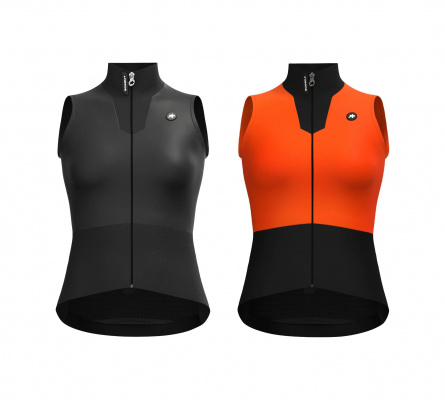
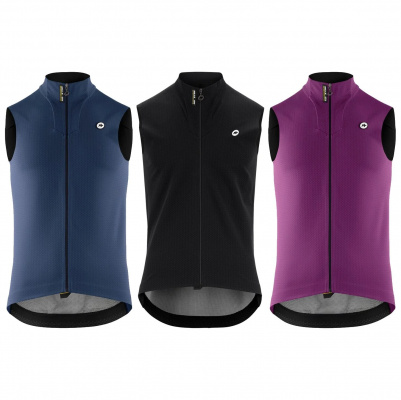
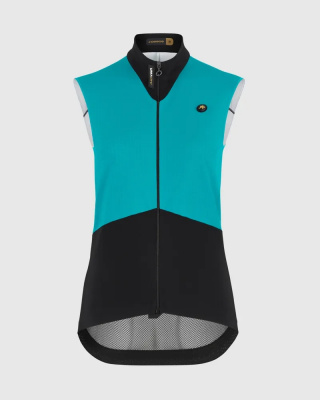
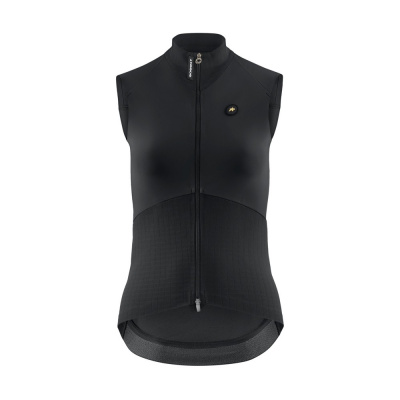
Assos gilets are the layer you'll reach for more than almost anything else in your kit bag - and once you've used one on a blustery spring morning in the Peaks or a damp autumn loop through the Surrey Hills, it's hard to justify leaving home without one. Engineered in Switzerland, Assos cycling vests are built around a simple idea: keep your core warm and dry without making you feel like you're riding wrapped in a carrier bag. Proprietary fabrics like Schloss Tex and Foil Ultra do the heavy lifting - blocking wind and shedding light drizzle while staying light enough to stuff into a back pocket when the sun eventually shows up. That packability matters on UK rides, where you can start a morning in full winter mode and be peeling off layers by the first café stop. The range splits into two distinct fits - regularFit for endurance comfort and racingFit for a second-skin, aero tuck - so whether you're grinding long sportive miles or chasing segments, there's a cut designed around how you actually ride. These gilets are also built to slot straight into the broader Assos layering system, working alongside base layers, jerseys, and arm warmers as a cohesive kit rather than an afterthought.
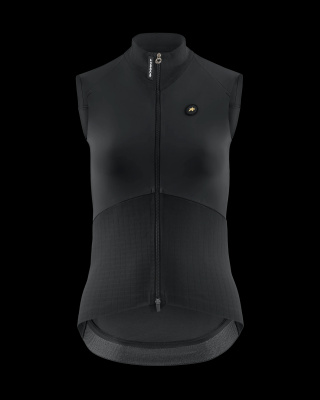
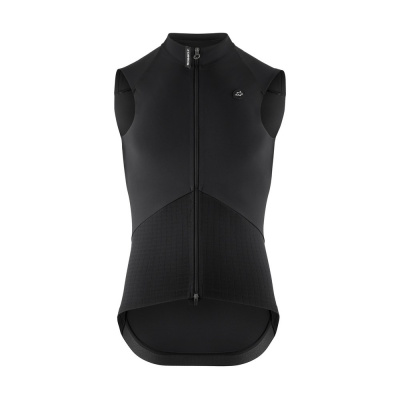
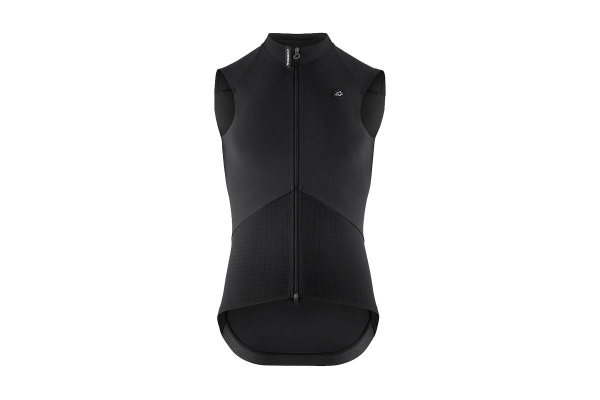
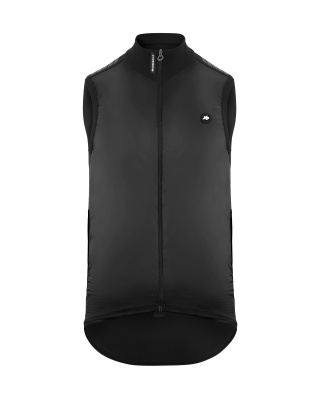
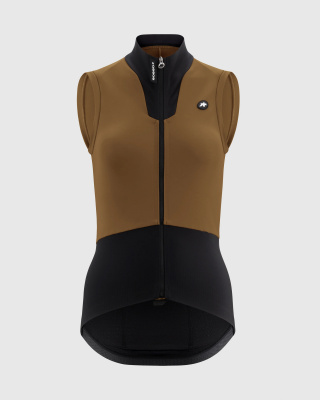
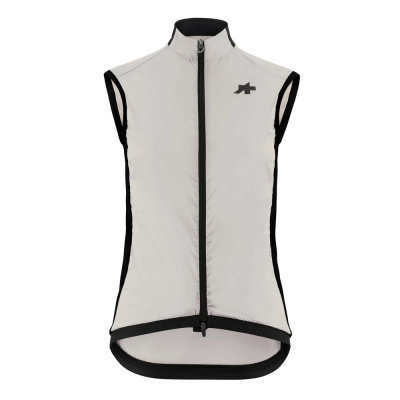
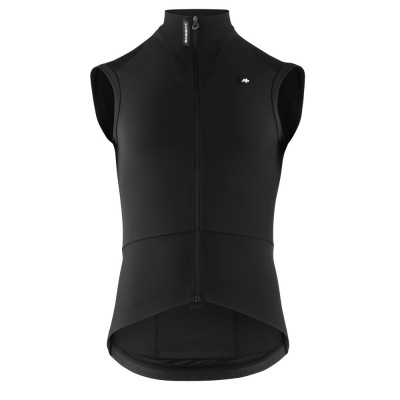
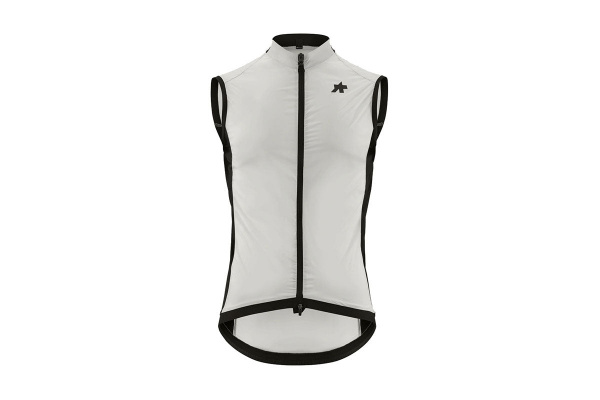
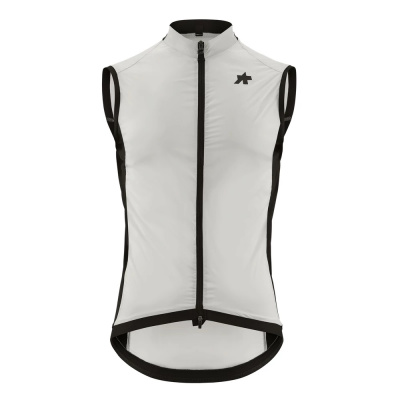
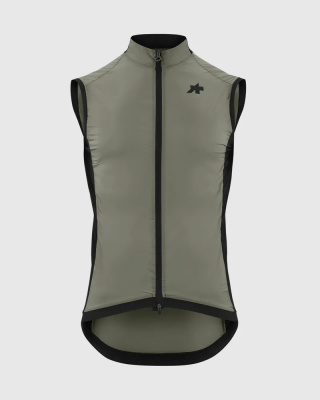
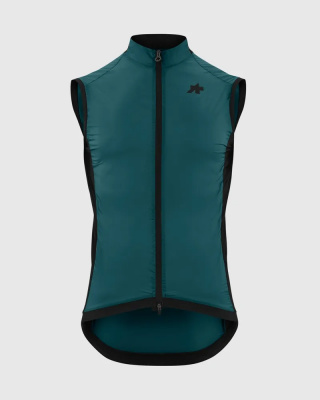
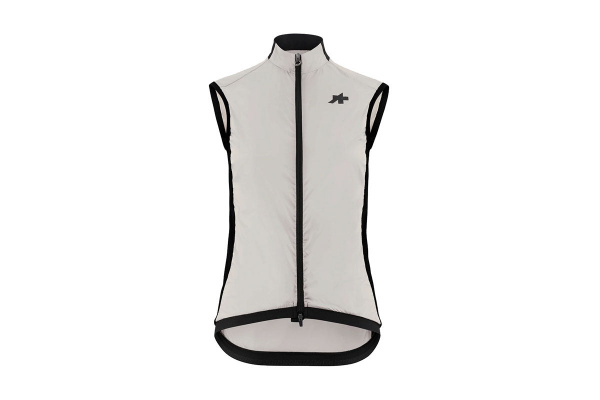
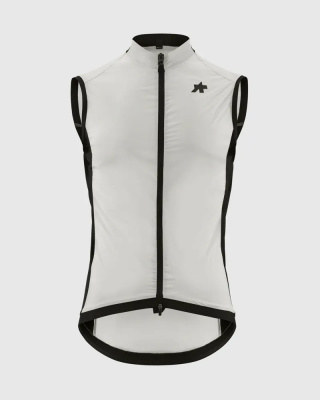
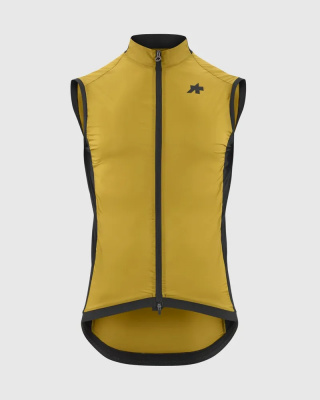
Prices and availability can change quickly. Delivery charges are not always included in listed prices.
Final price, stock status and delivery terms are set by retailer. We may receive a commission on purchases made.
Fabric Tech and Weather Performance
The two fabrics you'll see referenced across the Assos gilet range do very different jobs. Foil Ultra is a windproof, water-repellent ripstop woven material - tough, relatively light, and effective at blocking the kind of persistent headwind that turns a flat road into a slog. It's the fabric of choice in the Mille GT line, where durability and consistent protection across long miles take priority. Schloss Tex, meanwhile, is Assos's lightest 3L waterproof softshell construction, reserved for the premium Equipe RS race models. It's noticeably softer against the skin and packs down smaller, which matters when you need to stuff the gilet into a jersey pocket mid-ride without ending up with a fist-sized lump in your back.
Both fabrics carry a DWR coating - Durable Water Repellent treatment that beads off light rain and drizzle rather than letting it soak through. On a typical UK ride, where you might hit three different kinds of weather before you're halfway round, that DWR layer is the difference between arriving at the turnaround point dry and arriving soggy. It won't replace a full waterproof jacket in heavy, sustained rain, but for the brief showers and mizzle that characterise most British riding, it holds up well.
Thermal regulation is handled by pairing those windproof fronts with breathable mesh back panels. When you're grinding up a long Welsh climb, your back is generating serious heat - a solid windproof panel there would cook you. The mesh construction vents that heat efficiently, keeping you comfortable rather than overheated. The double-slider zipper adds another layer of control: you can open it from the bottom upwards to dump heat on a climb without the whole front flapping open in the wind. Small detail, but genuinely useful in practice.
Mille GT vs. Equipe RS: Choosing Your Range
The Assos gilet range splits cleanly into two families, and picking the right one comes down to how you ride rather than how much you want to spend. The Mille GT (and the women's UMA GT) uses a regularFit cut - there's room to layer a thermal base layer or long-sleeve jersey underneath without feeling pinched, and the proportions are forgiving enough for riders who aren't tucked into a race position for hours at a time. It's the choice for sportives, club runs, and the kind of endurance riding where comfort across four or five hours matters more than aerodynamic marginal gains. The Foil Ultra fabric makes it robust and practical, and it's built to wash and wear repeatedly without losing its weather protection.
The Equipe RS range (women's: DYORA RS) is a different proposition. The racingFit tailoring is compressive and close - it's designed to sit against your skin like a second layer rather than sit over it, eliminating any wind catch or flap at speed. Schloss Tex keeps weight down and packability high, so when you're no longer racing the descent and the sun comes out, it compresses to almost nothing in your pocket. If you're comparing with race-focused competitors like Castelli gilets or MAAP gilets, the Equipe RS sits in the same bracket - uncompromisingly performance-led, priced accordingly, and built for riders who know exactly what they need from a vest.
There's also a practical middle ground worth considering. If you run between sizes or prefer not to size up for layering, the regularFit Mille GT is more forgiving. If you're a racer or a rider who lives in a tight aero position, the racingFit Equipe RS earns its place. For riders who aren't sure, Endura gilets offer a broader fit range at a lower entry point, which can be a useful benchmark for figuring out what cut suits you before committing to the Assos price point.
Layering for UK Riding and Keeping Your Gilet in Good Shape
A gilet works hardest as part of a system rather than a standalone layer. The classic UK spring and autumn setup pairs the gilet with Assos arm warmers and a mid-weight long-sleeve jersey - you get full arm coverage and core protection for the cold start, then strip the gilet and arm warmers into pockets as the temperature climbs. It's a flexible approach that covers a wide range of conditions without needing to carry a full jacket. For colder days, layering over an Assos base layer under a short-sleeve jersey adds core warmth without bulk, and the regularFit Mille GT has enough room to accommodate that combination comfortably. If you're heading into deep winter and the gilet isn't cutting it anymore, an Assos jacket is the logical next step up.
Paired with the right Assos jersey, the gilet integrates cleanly - the cuts are designed around the same body mapping, so you won't get bunching at the collar or a hem that rides up when you're stretched over the bars. That integration is one of the genuine advantages of buying within the same system rather than mixing brands at random.
Care matters more with technical fabrics than most riders realise. Wash your gilet at 30°C, use a dedicated activewear detergent - Assos's own Active Wear Cleanser is formulated for the job - and never use fabric softener. Softener coats the fibres and destroys the DWR treatment over time, leaving you with a gilet that wets out rather than beads water. Hang to dry rather than tumble drying; the heat degrades the elastic properties of the fabric and can compromise seam integrity. Done right, a well-maintained Assos gilet will hold its weather performance for years rather than seasons. If the DWR starts to fail after heavy use, a low-heat tumble dry or a dedicated DWR re-proofer spray will often revive it before you need to consider a replacement.
Assos Gilets FAQs
Are Assos gilets true to size?
Yes, Assos gilets run true to size, but the fit varies noticeably between ranges. The Equipe RS uses a compressive racingFit that sits close to the body, so if you're between sizes or plan to layer underneath, size up. The Mille GT's regularFit is more forgiving and accommodates a base layer or jersey beneath without needing to go up a size.
What is the difference between Assos Mille GT and Equipe RS gilets?
The Mille GT is built around endurance comfort - regularFit cut, Foil Ultra fabric, and enough room to layer up for long sportive or club-run days. The Equipe RS is race-focused: Schloss Tex construction keeps it ultralight and highly packable, and the racingFit tailoring is compressive enough to eliminate any wind flap at speed. Different tools for different riding.
How should I wash my Assos gilet to maintain its weather resistance?
Wash at 30°C with a dedicated activewear detergent - Assos Active Wear Cleanser is the obvious choice. No fabric softener, ever; it breaks down the DWR coating and leaves the fabric wetting out instead of shedding water. Hang dry rather than tumble drying to preserve the fabric's elasticity and seam integrity.