
Van Rysel Jackets
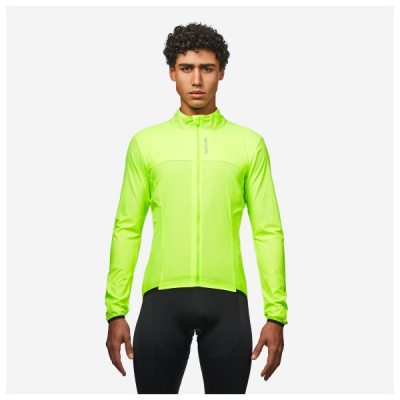
Van Rysel cycling jackets bring WorldTour-level fabric technology to riders who don't want to pay WorldTour prices for the privilege. Designed in Flanders - where the weather has been making a mockery of race schedules for over a century - these jackets know what a proper soaking feels like. That background shows in the detail: thoughtful seam placement, fabrics that actually breathe when you're pushing a climb, and fits that stay put rather than ballooning at 30mph.
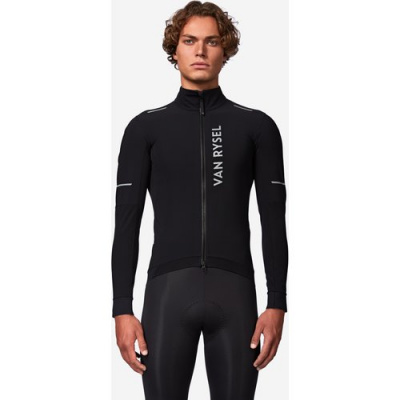
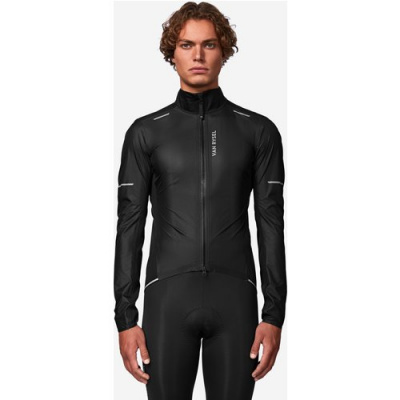
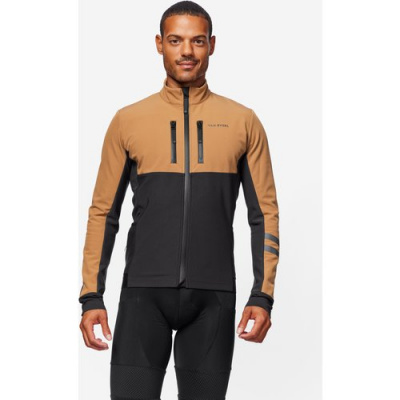
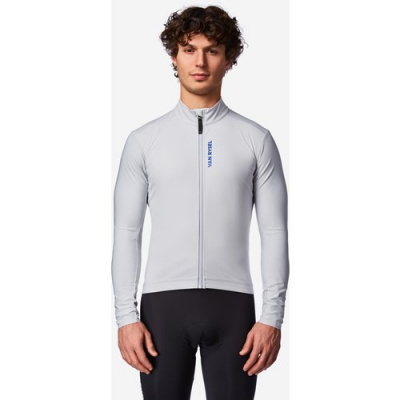
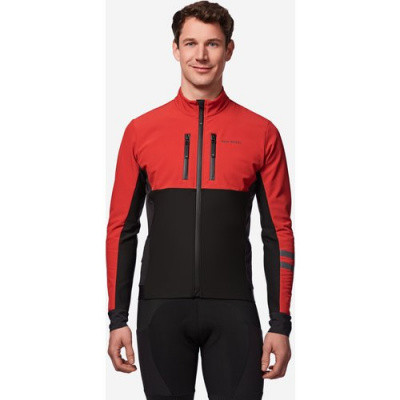
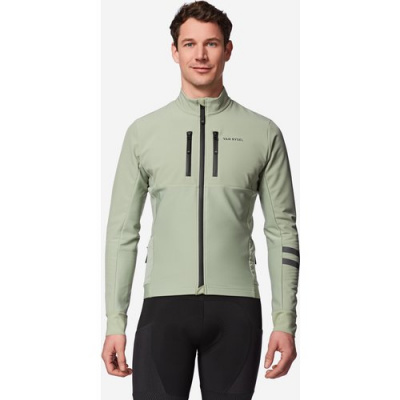
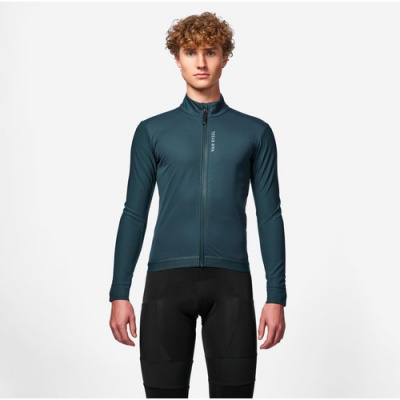
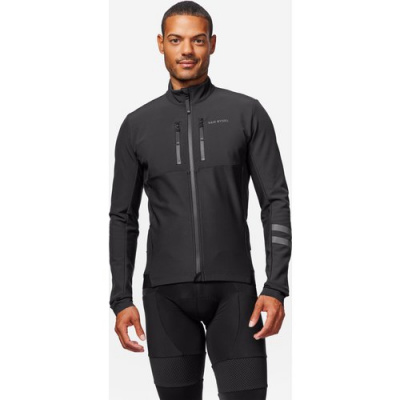
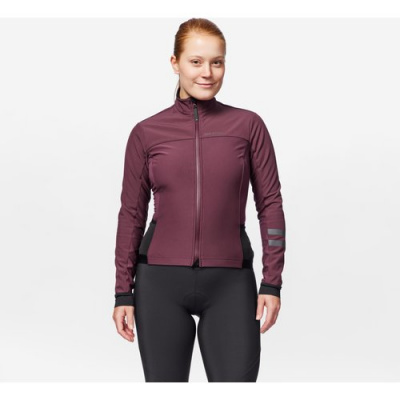
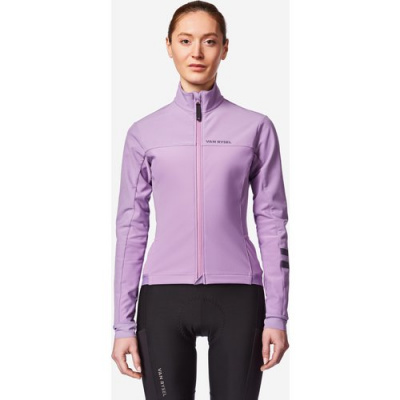
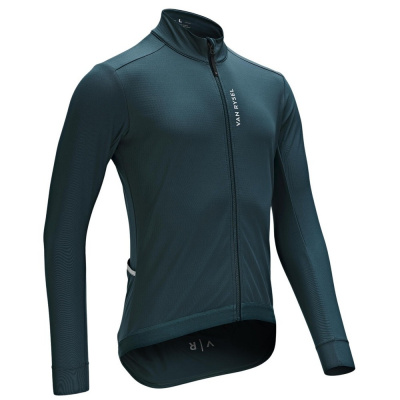
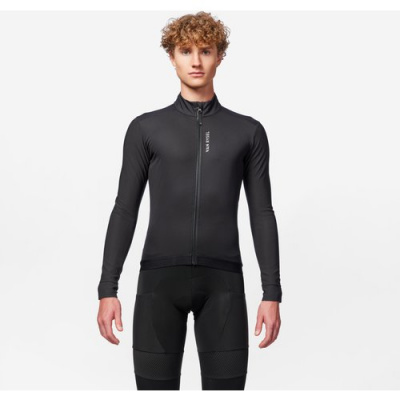
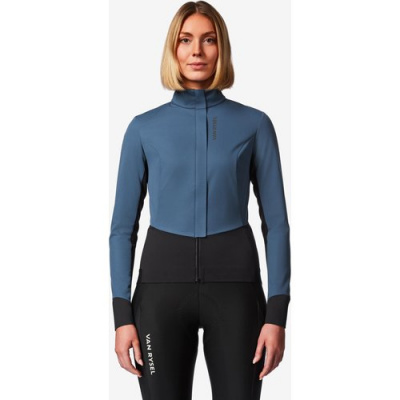
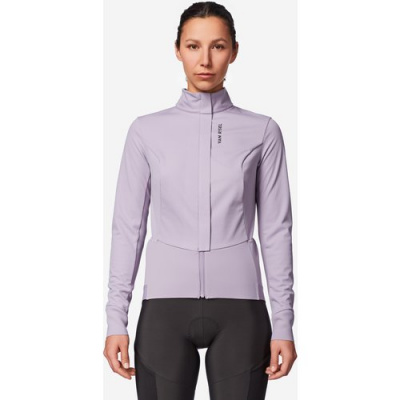
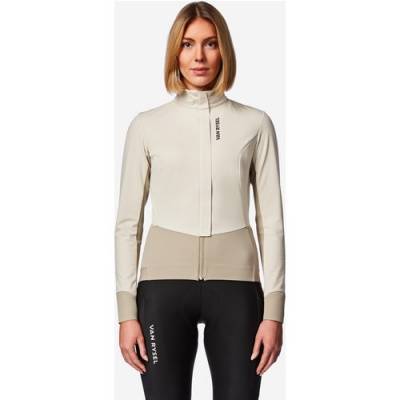
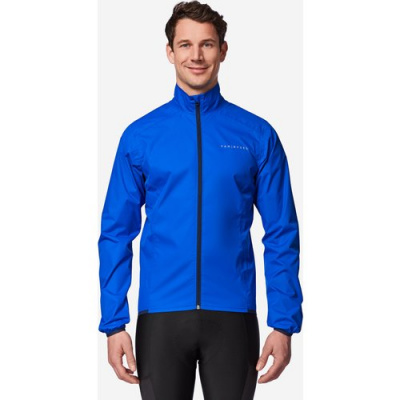
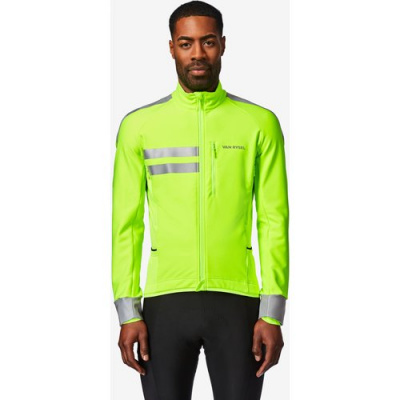
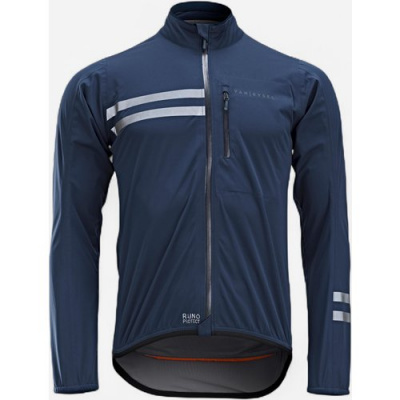
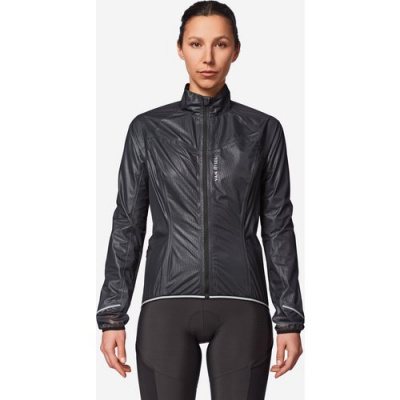
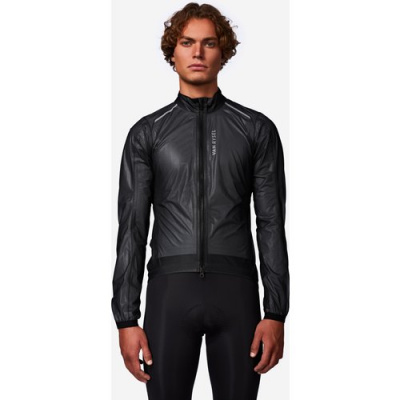
The range splits broadly into two camps. You've got the dedicated rain shells - fully waterproof hard shells with taped seams and DWR coatings designed to bead away road spray on a wet Welsh descent - and the thermal softshell winter jackets built for freezing base miles where wind chill is the real enemy. There's also a packable middle ground: lightweight windproof layers you can stuff into a back pocket when the forecast looks optimistic but you know better. High-vis detailing and drop tails feature across the range, keeping you visible and covered where it counts. Whether you're grinding out winter miles before work or caught in a Pennine squall mid-ride, there's a Van Rysel jacket that fits the brief.
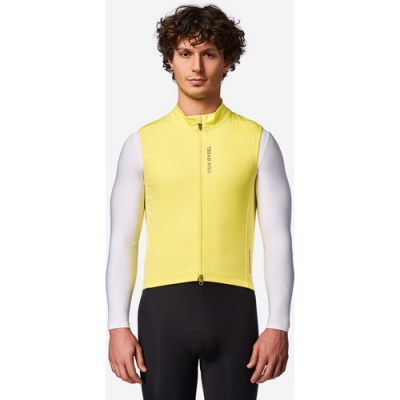
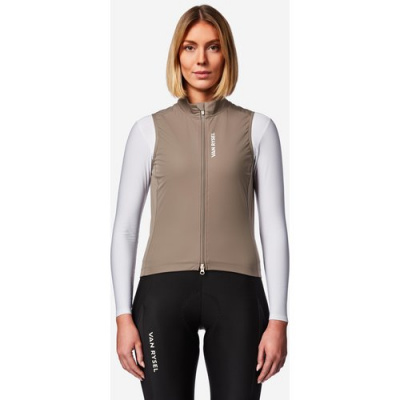
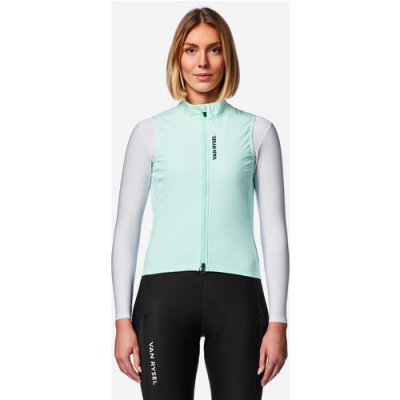
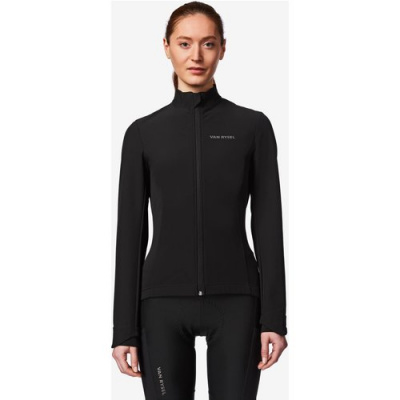
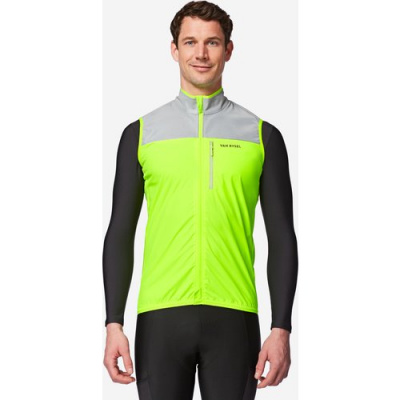
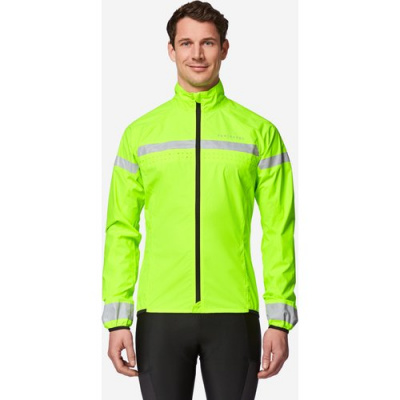
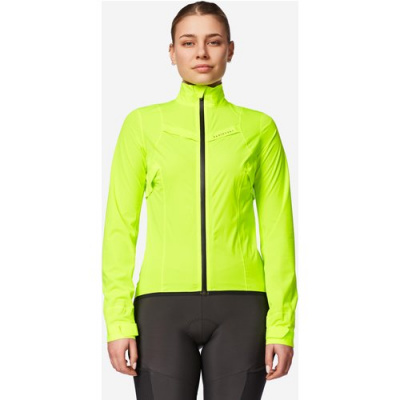
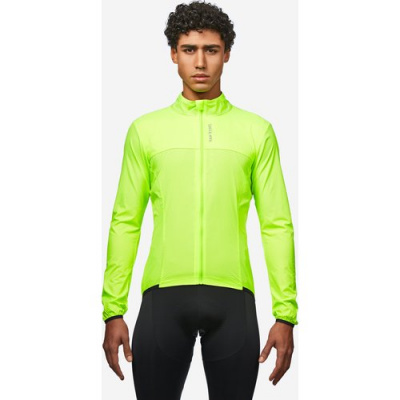
Prices and availability can change quickly. Delivery charges are not always included in listed prices.
Final price, stock status and delivery terms are set by retailer. We may receive a commission on purchases made.
Fabric Tech and Weather Performance
The headline on Van Rysel's top-tier rain shells is Neo-membrane technology - a breathable membrane that sits between the outer face fabric and the inner lining, blocking water ingress while letting heat and moisture escape as you work hard. On dedicated waterproof models, fully taped seams seal every stitch line, so sustained rain doesn't find a way in through the back of your shoulder. That matters on a long road ride far more than it does on a short commute where you're barely out long enough for the jacket to get properly wet.
The DWR (Durable Water Repellent) coating on the outer fabric does the first line of work - water beads and rolls off rather than soaking into the face fabric and adding weight. It's worth knowing that DWR degrades with use and washing, but it's also reversible (more on that in the care section below). On the waterproof shells, YKK Vislon zips with storm flaps close off the obvious entry points; these are proper heavy-duty zips, not the type that start leaking after a season.
The thermal softshell jackets work on a different principle. Rather than blocking rain outright, they pair a windproof front panel with a breathable, thermal fleece-grid lining at the back. That grid traps air close to the body, keeping your core temperature stable when you're grinding into a headwind on an exposed ridge. The trade-off is straightforward: softshells breathe better than hard shells and feel more comfortable on dry but bitterly cold days, but they won't keep you dry in heavy, sustained rain. If your ride involves both - which in the UK it often does - a packable rain shell stuffed in your pocket alongside the softshell is the sensible call. A drop tail on most models gives you rear coverage when you're bent over the bars, stopping the jacket from riding up and leaving your lower back exposed to spray.
Understanding the Van Rysel Fit and Range
Van Rysel structures its jacket range around two core lines: RCR (Racer) and Endurance. The RCR cut is aggressive - a close, aerodynamic profile that removes any excess fabric that might catch the wind. The sleeves are cut long and forward-rotated to sit correctly when you're in the drops, the body is short in front and longer at the back, and the whole thing is essentially moulded around a rider in a race position. If you spend your rides on a road bike with a fairly committed setup, this is the fit to look at. It's also the fit that feels restrictive the moment you stand upright, which is perfectly normal and intentional.
The Endurance line gives you a few centimetres of extra room through the torso and shoulders. It's still a proper cycling-specific cut - not a baggy commuter jacket - but you can move more freely, and it accommodates a thermal base layer underneath without pulling across the back. For sportive riders, club runs, or anyone doing longer days where comfort compounds over hours, the Endurance fit makes more sense than fighting a race fit for six hours. Both lines share the same fabric and protection technology; the difference is purely in the cut.
Sizing runs to European conventions, which means the fit is close to the body by default. If you're between sizes or planning to layer up for winter, size up. The Van Rysel winter cycling jacket in RCR cut, for example, is genuinely snug - fine over a thin base layer, less comfortable when you add a heavier mid-layer underneath. It's the kind of thing worth checking the size guide on before you order, rather than assuming your usual medium will work.
Looking for core protection without the sleeves? Check out our dedicated range of Van Rysel Gilets for highly packable, versatile mid-ride layers.
For comparison, Castelli jackets sit at a similar race-fit philosophy with Italian precision sizing, while Endura jackets tend to offer slightly more generous UK-friendly cuts across their range - worth considering if you find European sizing consistently runs narrow for you.
Layering and Care for UK Riding
Getting the layering right for a UK winter ride is less about finding one magic jacket and more about stacking the right pieces. For sub-zero mornings, the combination that works is a Van Rysel thermal base layer against the skin, the softshell jacket over the top, and Van Rysel bib tights on the legs. That stack handles most of what a British winter throws at you. Add a packable waterproof shell in your back pocket and you've got cover for when the drizzle turns serious. Don't forget Van Rysel gloves - cold hands kill a ride faster than most other discomforts.
The key layering principle is keeping the breathable membrane next to your efforts. A waterproof shell worn over a thick fleece mid-layer that can't breathe turns the whole system into a sweat trap. Thin, wicking base layer, windproof or waterproof shell on the outside - that's the order that works.
On washing: this is where jackets get ruined more often than they wear out. Fabric softener is the enemy. It coats the fibres and destroys the DWR treatment, and once you've done it a few times the jacket stops beading water altogether. Use a dedicated tech-wash - products designed specifically for waterproof and technical fabrics - and wash at 30 degrees. When it comes out, a short run in the tumble dryer on a low heat setting reactivates the DWR coating; the heat essentially refreshes the treatment. If your jacket is shedding water less effectively than it used to but you've been washing it correctly, a DWR reproof spray applied after washing will restore performance. It's a five-minute job that extends the life of the jacket significantly. dhb jackets follow the same care logic, for what it's worth - this isn't Van Rysel-specific, it applies to any technical cycling jacket with a DWR finish.
Van Rysel Jackets FAQs
Are Van Rysel cycling jackets true to size?
They run to a European race fit, which means close to the body by default. Most riders find they're accurate to the size guide if you're wearing a thin base layer underneath, but if you want a more relaxed feel or you're planning on layering heavier winter kit beneath, go up a size. Check the brand's size chart rather than assuming your usual size translates directly.
How waterproof are Van Rysel winter jackets?
The dedicated rain shells - featuring fully taped seams and Neo-membrane technology - handle heavy, sustained downpours properly. The thermal softshell winter jackets are a different proposition: they're windproof and water-resistant enough for light showers, but breathability and insulation are the priority rather than full waterproofing. If your ride involves serious rain, reach for the hard shell.
How should I wash my Van Rysel waterproof jacket?
Wash at 30 degrees using a tech-wash made for waterproof fabrics - never use fabric softener, it strips the DWR coating and shortens the jacket's life considerably. After washing, a short tumble dry on low heat reactivates the DWR treatment. If beading performance has dropped, a DWR reproof spray applied post-wash will bring it back.