
Endura Headwear
Endura cycling headwear starts where most brands stop thinking - at the Scottish border, where the weather does whatever it likes and your kit has to keep up. Born in Edinburgh, Endura has spent decades making gear for riders who can't afford to guess wrong about conditions, and their headwear range reflects exactly that pragmatism. From classic peak caps that keep driving rain off your riding glasses to thermal BaaBaa Merino skull caps that hold warmth on a January descent, the collection covers every moment between June sunshine and February misery.
What ties it all together is the under-helmet fit. Endura engineer their caps and liners to sit flat against your head - low-bulk flatlock seams mean no pressure points, no helmet shifting, no distraction mid-ride. The peak cap shields your eyes from glare and catches the rain before it reaches your lenses. The winter skull caps wrap your forehead in windproof panels that genuinely take the edge off biting windchill. And the summer mesh options wick moisture fast enough to keep you comfortable on a long, humid climb. Whether you're commuting through Glasgow drizzle or grinding up a Welsh pass, there's a piece here that earns its place in your kit bag.
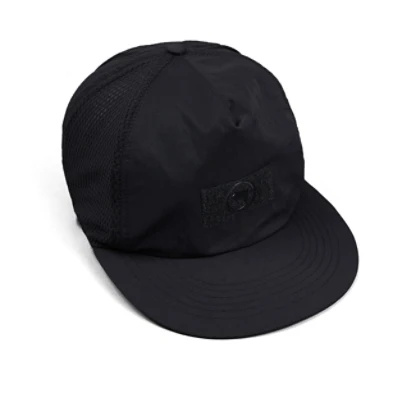
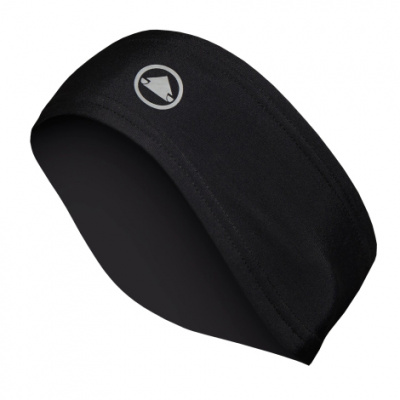
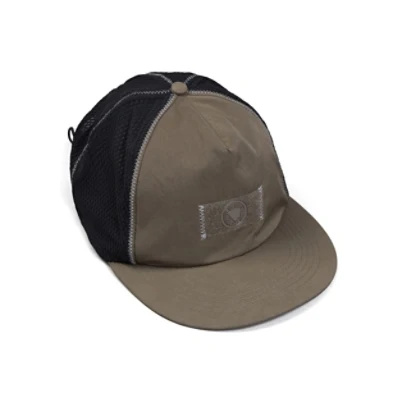
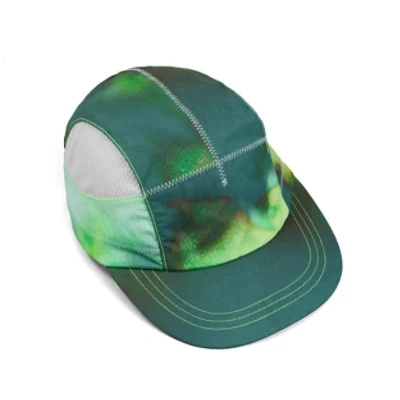
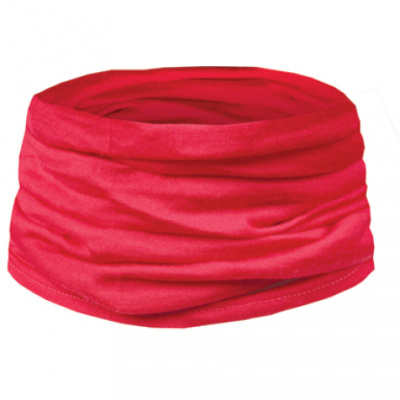
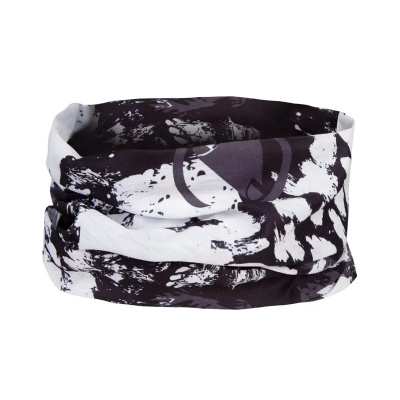
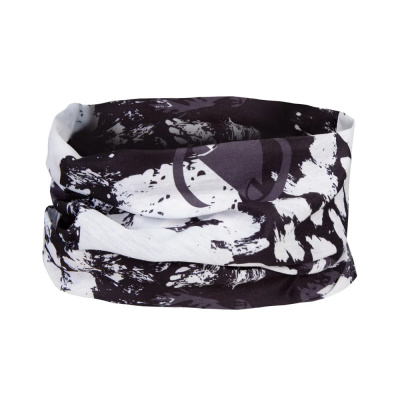
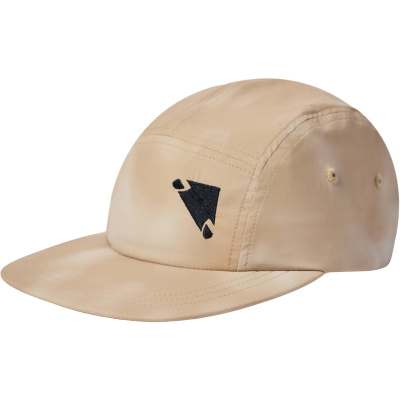
Prices and availability can change quickly. Delivery charges are not always included in listed prices.
Final price, stock status and delivery terms are set by retailer. We may receive a commission on purchases made.
Fabric Tech and Weather Performance
The material story behind Endura headwear is worth understanding, because it explains why different pieces suit different conditions so well. BaaBaa Merino wool is the headline act for winter and shoulder-season riding. Merino's natural crimp traps warmth without bulk, but its real strength is temperature regulation - it keeps you warm when you're stationary at a junction and stops you overheating once you're back up to pace. It also resists odour far better than synthetics, which matters when a skull cap is pressed against your head for three hours in damp air.
For colder days when wind is the enemy rather than cold air alone, windproof front panels change the calculation entirely. Descending off the Brecon Beacons in October, you'll feel the difference in the first thirty seconds. These panels block the windchill across your forehead without adding noticeable weight, and they're cut precisely so the rest of the cap retains breathability where you generate the most heat.
At the other end of the calendar, Thermolite insulation sits in a useful middle ground - lightweight enough not to add bulk under your helmet, but warm enough to extend your riding season into the colder months without committing to full winter Merino. For genuinely hot days, moisture-wicking mesh construction pulls sweat away from your scalp quickly. That sounds straightforward, but poorly constructed summer caps can leave you with a damp, cold layer on your head the moment you stop - Endura's wicking fabrics dry fast enough to avoid that.
DWR coating on some pieces adds a layer of light rain resistance, useful for the brief showers that catch you out rather than sustained downpours. It's not a waterproof membrane - manage expectations accordingly - but it sheds light drizzle well and keeps the fabric feeling light rather than sodden.
The Range and What Each Style Does
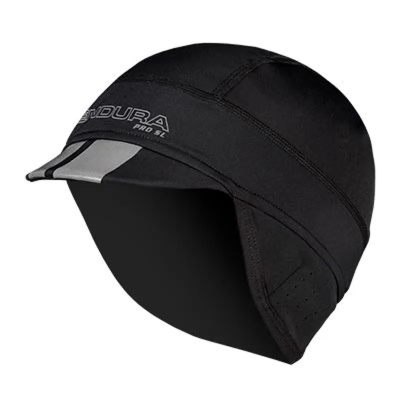
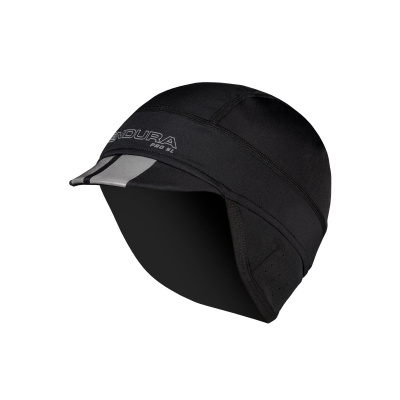
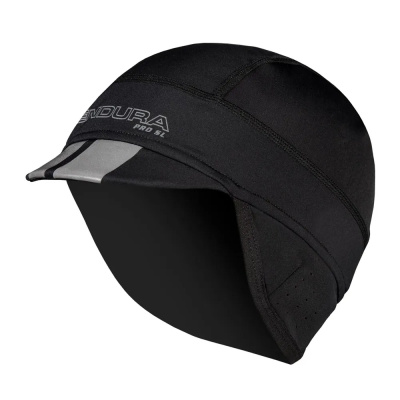
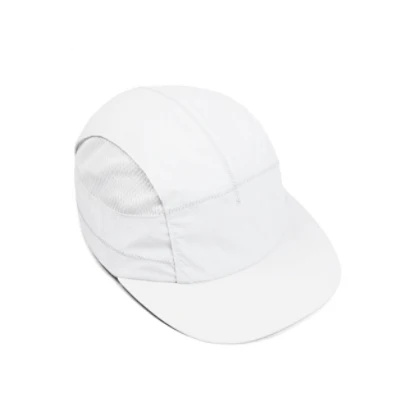
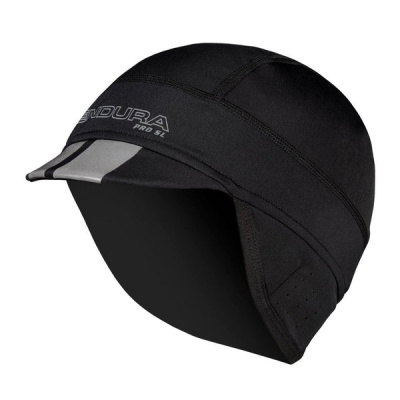
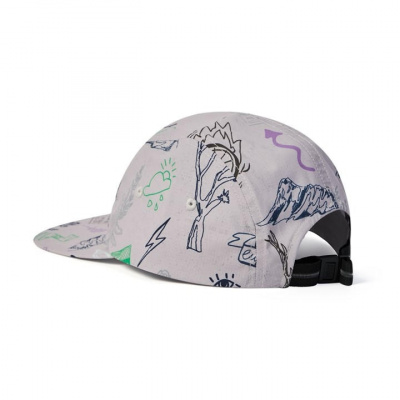
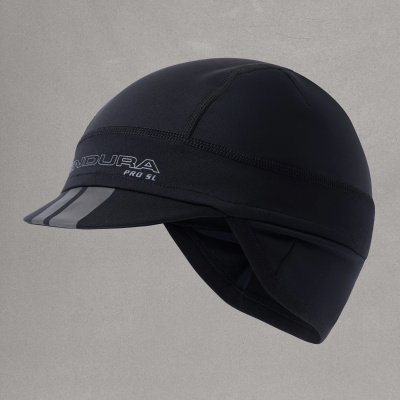
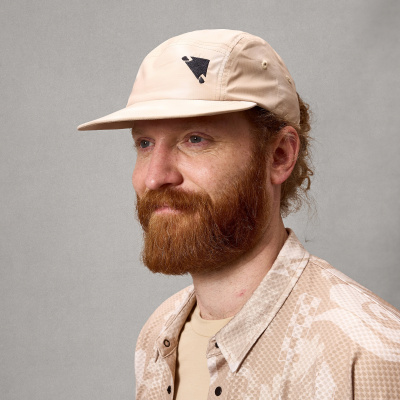
Endura's headwear splits into a few clear categories, and knowing which one fits your riding makes the choice simple. The peak cap (or casquette, if you prefer the road tradition) is the most versatile piece. Worn peak-forward under your helmet, it deflects rain before it reaches your sunglasses or Endura cycling sunglasses, and the peak folds up neatly if conditions improve. It's the one item worth stuffing in a jersey pocket on any UK ride where the forecast is optimistic but not trustworthy.
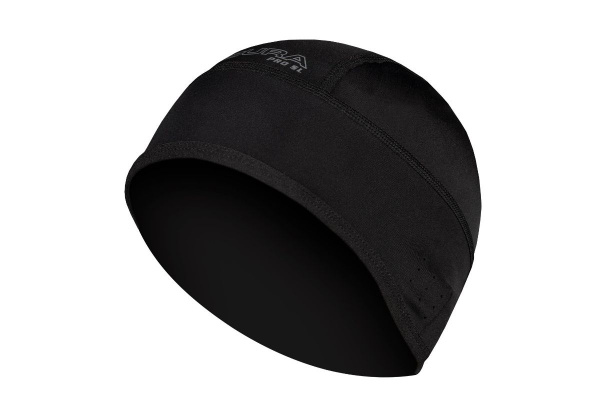
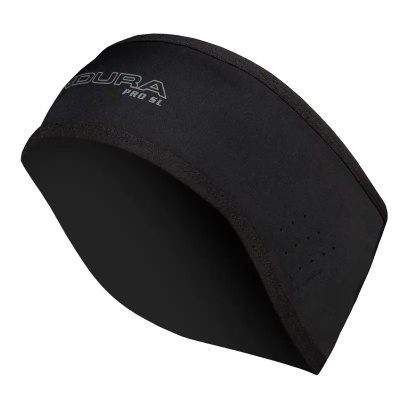
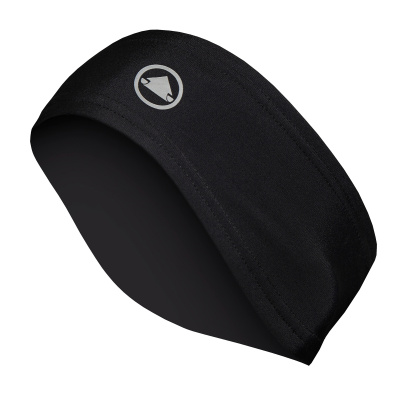
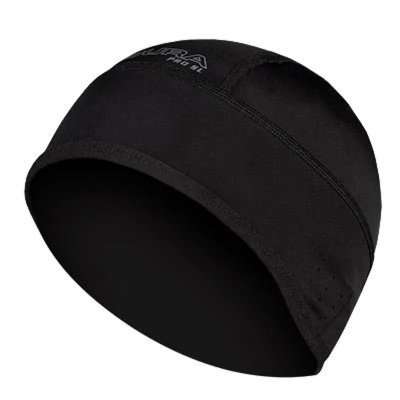
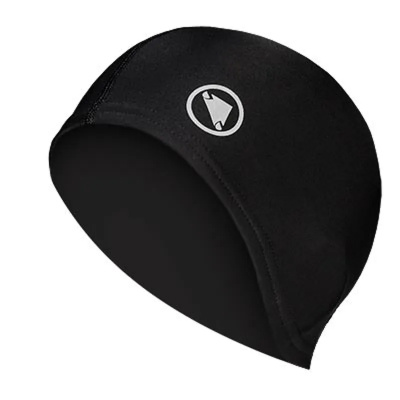
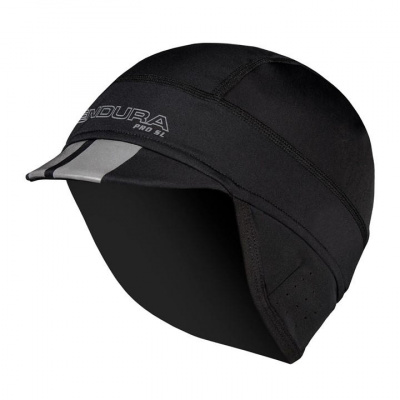
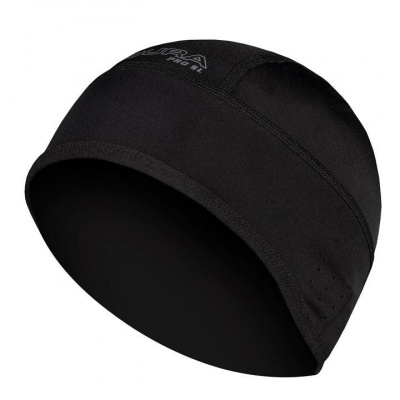
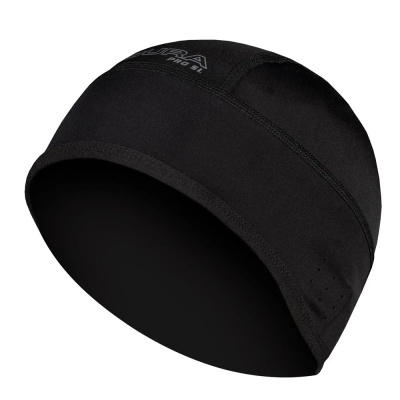
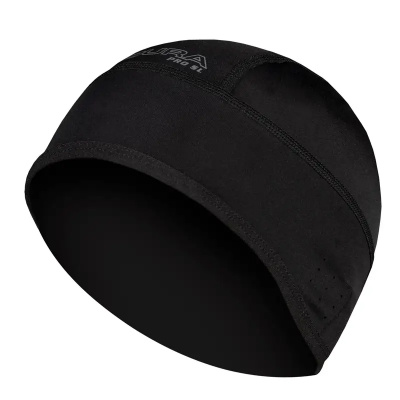
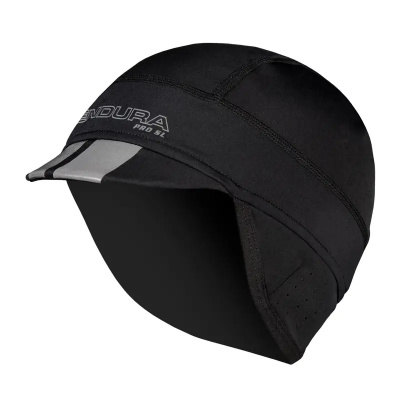
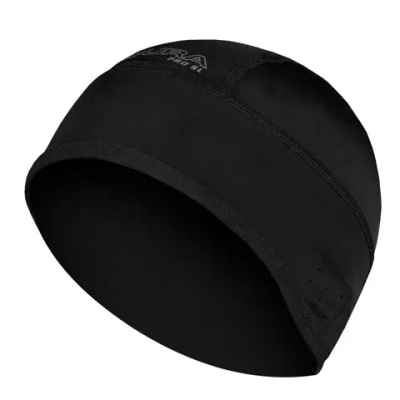
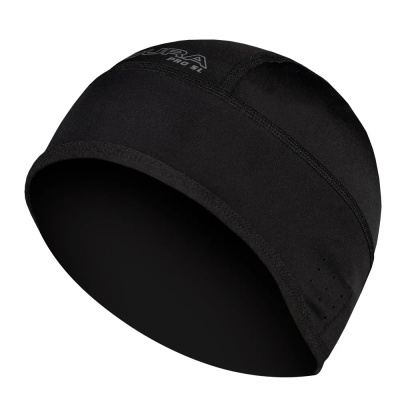
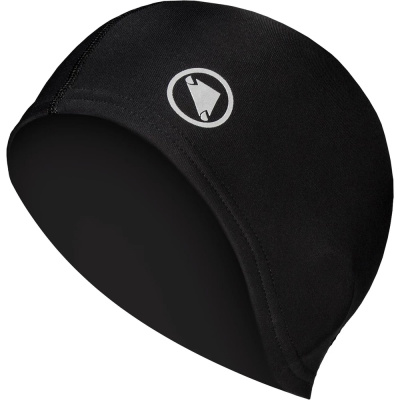
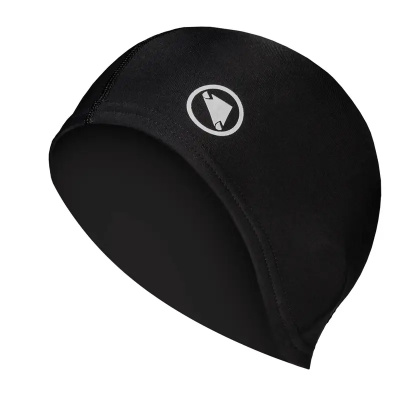
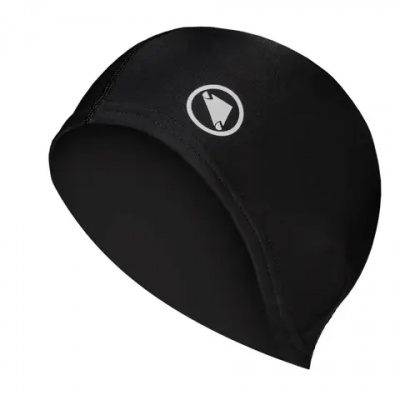
Thermal skull caps are built for autumn through to early spring. They sit lower on your head than a casual beanie, covering your ears properly and wrapping your forehead without the excess fabric that causes helmet fit issues. The windproof panel placement is deliberate - it protects the areas that lose heat fastest on the bike rather than insulating evenly like a static hat would. Pair one with an Endura cycling jacket on cold mornings and you're genuinely sorted from the first pedal stroke.
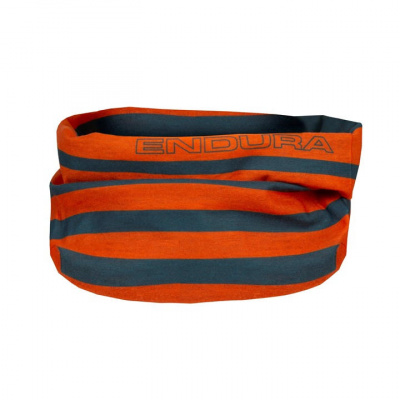
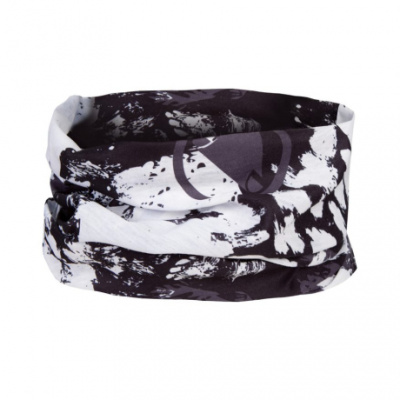
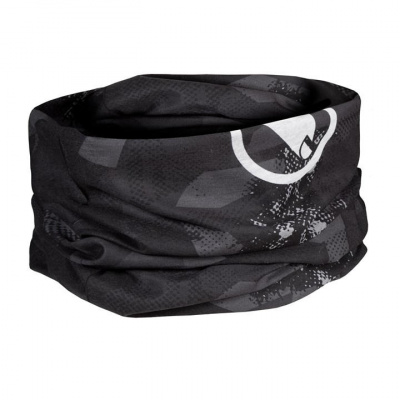
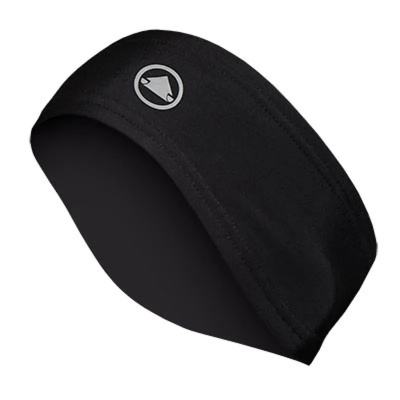
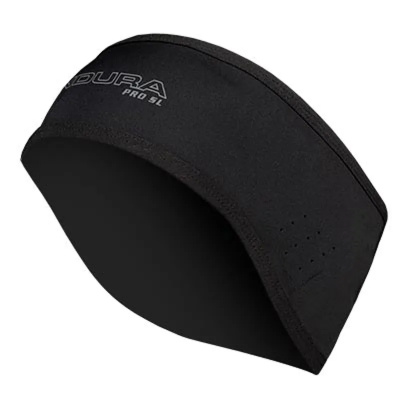
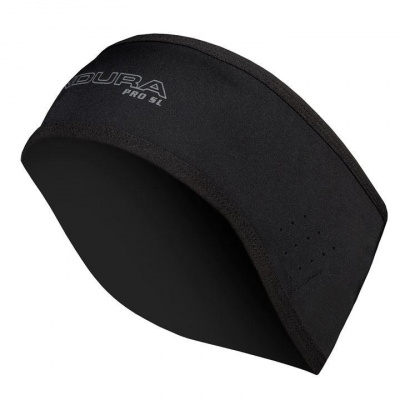
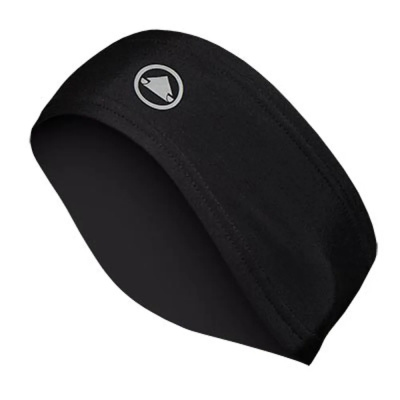
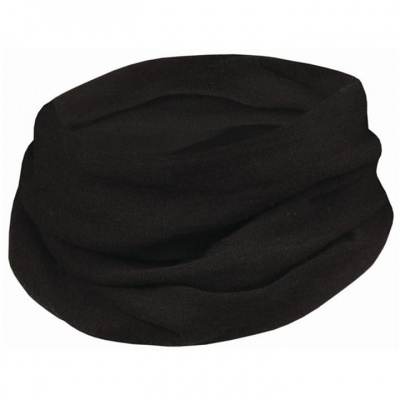
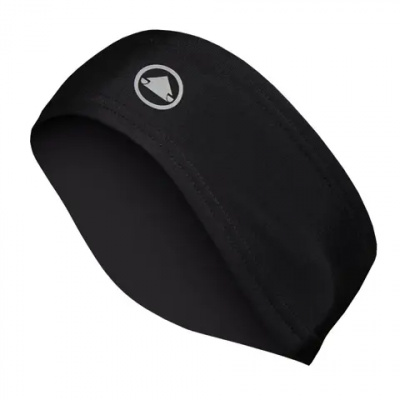
Lightweight headbands sit at the simpler end - useful for warmer winter days when a full skull cap creates too much heat but bare ears are still a problem. They pack to almost nothing and work well as a backup piece tucked into a jersey pocket during spring riding.
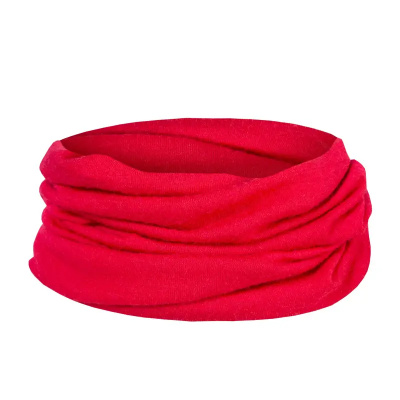
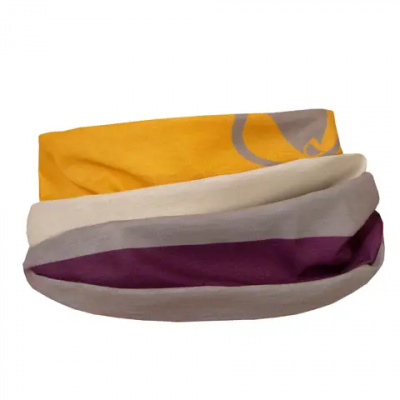
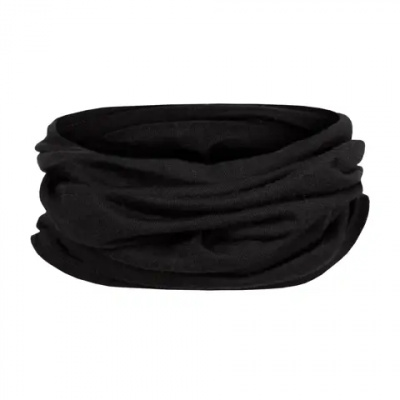
A note on what this collection doesn't cover: for full head protection, our Endura helmets page covers the full lid range, and if you're looking at draft and cold-air exclusion around your neck, the dedicated Endura neck warmers collection is the right place to look.
Layering and Care on UK Rides
The peak cap earns its keep most when it's working alongside your eyewear. Wear the peak low and it channels rain off your forehead and past your lenses rather than onto them - a small detail that makes a real difference on a wet descent where you need clear vision. On sunny days, the same peak kills glare that comes from below (road reflection, water) better than sunglasses alone. It's genuinely worth pairing with a decent Endura jersey that has a rear pocket deep enough to take it when conditions change.
For winter layering, a Merino skull cap under a helmet works best when you're not also wearing a heavy balaclava. Adding too many layers under a helmet shifts the fit and can compromise the helmet's retention system. One well-chosen skull cap, fitted properly, gives you the insulation you need without that problem.
Washing Merino correctly is worth doing properly. Turn the garment inside out, use a cool machine wash (30°C maximum), and choose a non-bio detergent. Fabric softener is the enemy here - it coats the fibres and kills the moisture-wicking properties that make Merino worth buying. The same applies to any piece with a DWR treatment: softener destroys the coating. Reshape the cap while damp and dry it flat rather than hanging it, which can distort the panels. Synthetic pieces are more forgiving, but the same no-softener rule applies if you want the wicking performance to last.
Store your headwear flat or loosely rolled - creasing windproof panels repeatedly along the same fold line can eventually affect the membrane. It's a minor point, but a skull cap that's looked after lasts considerably longer than one that's been balled up in a kit bag for two seasons.
Related searches:
Endura Headwear FAQs
Do I need a cycling cap under my helmet?
It's not mandatory, but it does a lot of useful work. In summer, a cap manages sweat and stops it running into your eyes on a long climb. In winter, it adds meaningful insulation and ear coverage. The peak is arguably the most practical feature - it keeps rain off your glasses and cuts glare, which you'll appreciate on any exposed UK ride.
Are Endura skull caps windproof?
Several Endura winter skull caps include dedicated windproof front panels across the forehead and temples - the areas that feel windchill most acutely on the bike. The rest of the cap typically uses a breathable knit or Merino fabric, so heat can still escape on climbs. Critically, the low-bulk construction means your helmet sits and adjusts normally over the top.
How should I wash my Endura Merino headwear?
Use a cool wash at 30°C maximum with a non-bio detergent. Avoid fabric softener entirely - it coats the Merino fibres and degrades the moisture-wicking performance. The same goes for pieces with DWR coating. Dry flat after reshaping while damp, and keep it away from direct heat sources. Done right, BaaBaa Merino headwear holds up to regular washing without losing its properties.