
Specialized Socks
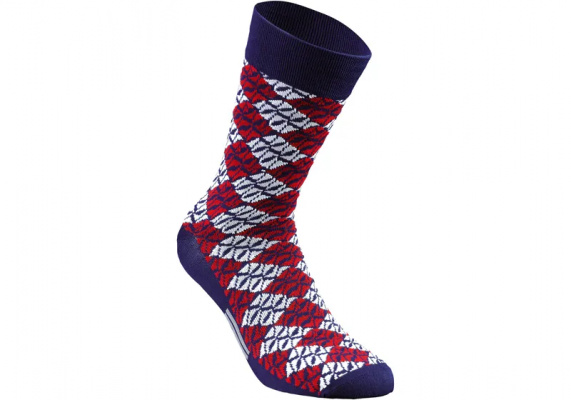
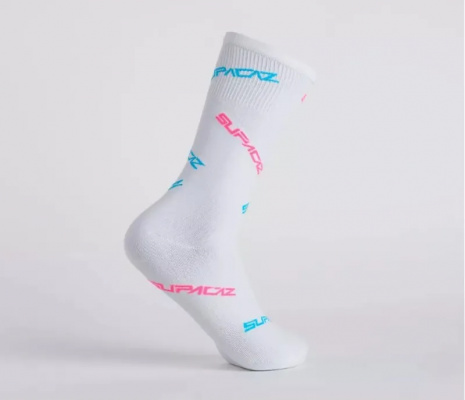
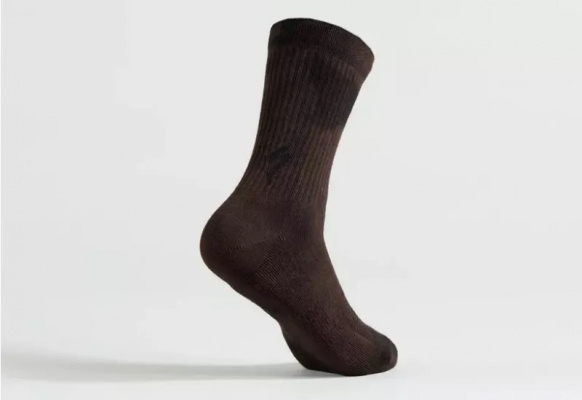
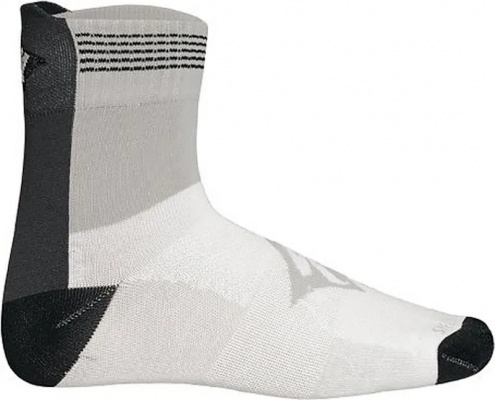
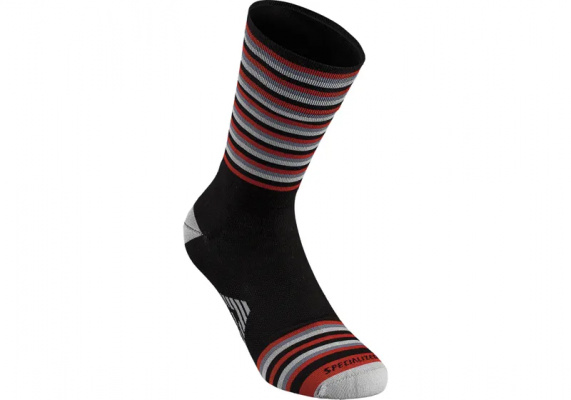
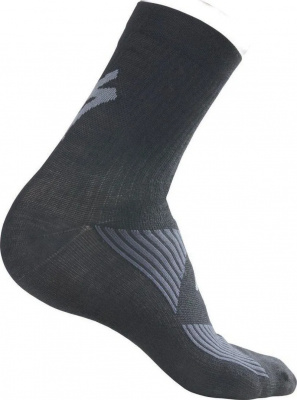
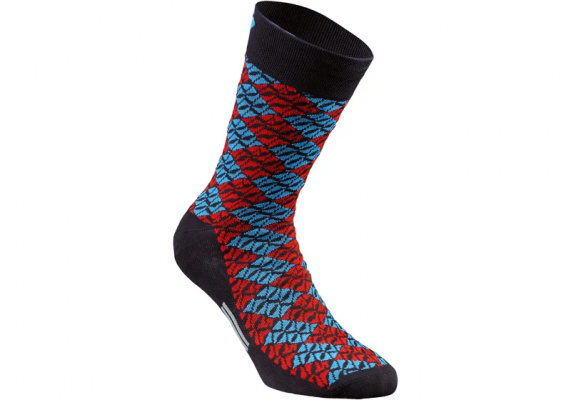
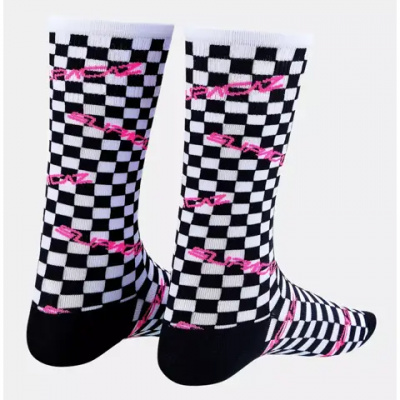
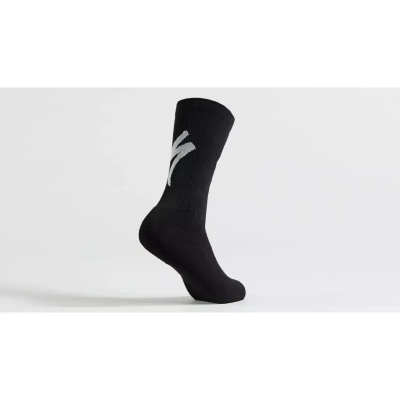
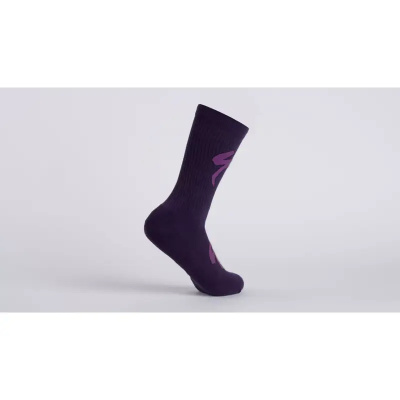
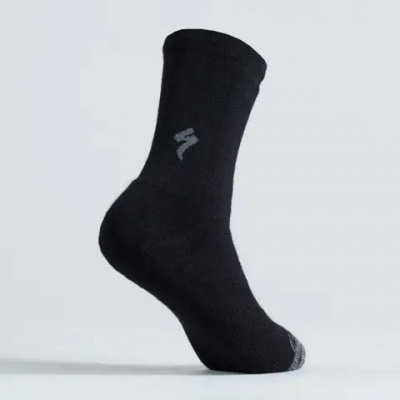
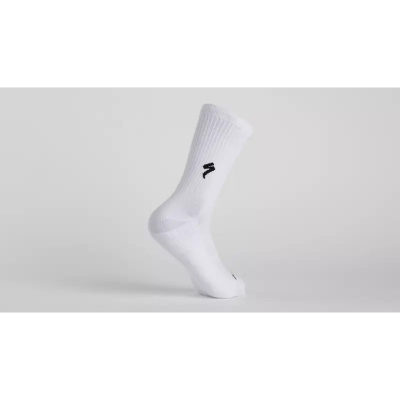
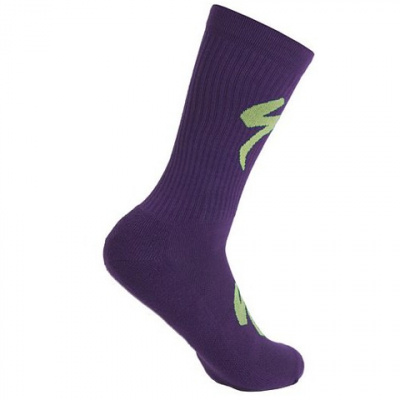
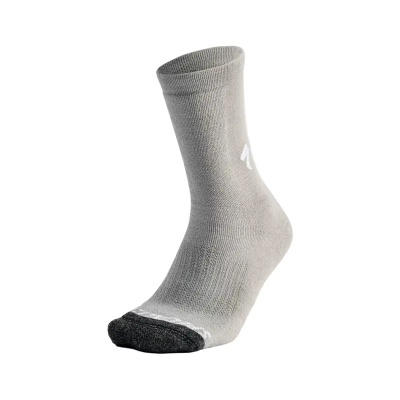
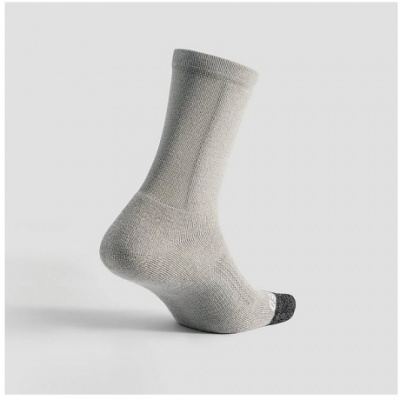
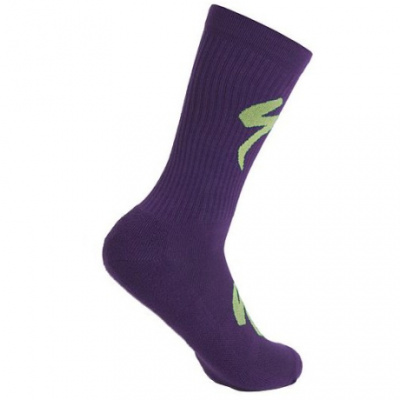
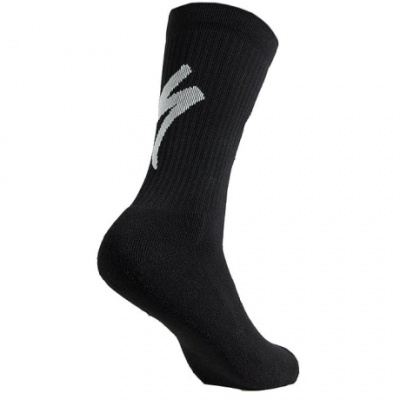
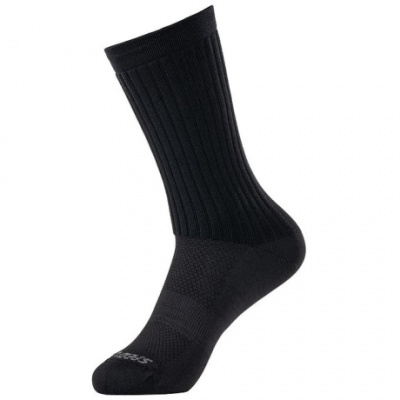
Specialized cycling socks apply the brand's Body Geometry thinking to the one contact point most riders overlook - your feet. The principle is straightforward: eliminate hot spots, stop blisters before they start, and keep the sock exactly where you put it, whether you're grinding up a Welsh climb or sprinting through the closing laps of a summer crit. Every model in the range is cut for the snug interior of a proper cycling shoe, so there's no bunching under the insole and no excess fabric wrinkling around the heel.
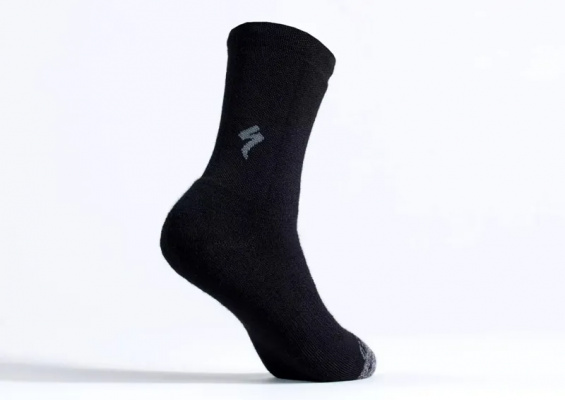
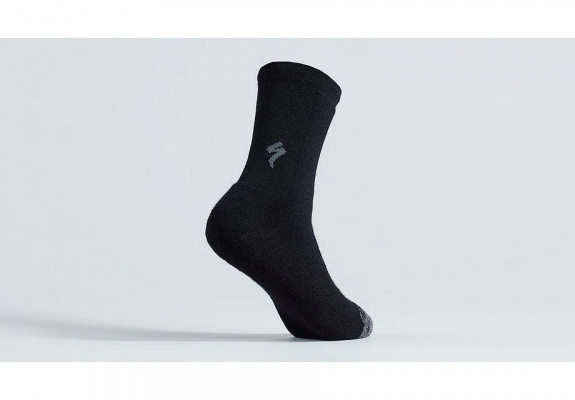
The range spans lightweight, highly breathable options for high-output summer riding through to Merino wool blends that hold warmth even when road spray has soaked them through - genuinely useful for UK winters where damp cold is the real enemy. Compressive arch support keeps the structure of the sock locked in place during out-of-the-saddle efforts, and seamless toe construction means nothing rubs on long days in the saddle. Specialized also brings moisture-wicking Soft Air yarn into most of the range, moving sweat away from skin before it turns into friction. It's a low-cost upgrade that makes a noticeable difference to comfort across every ride length and season.
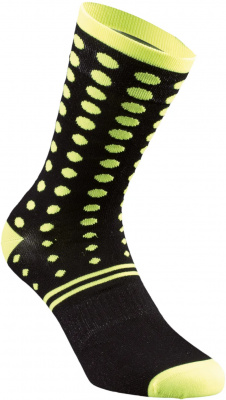
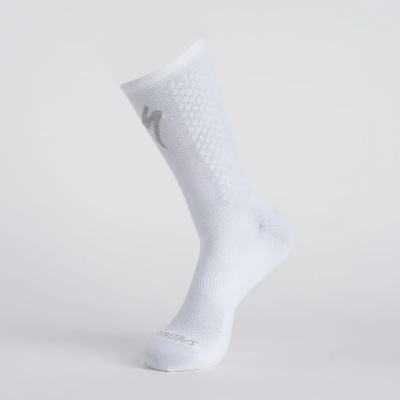
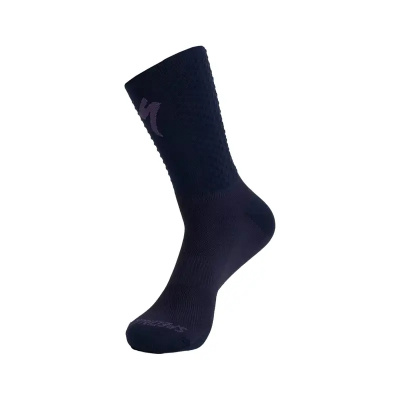
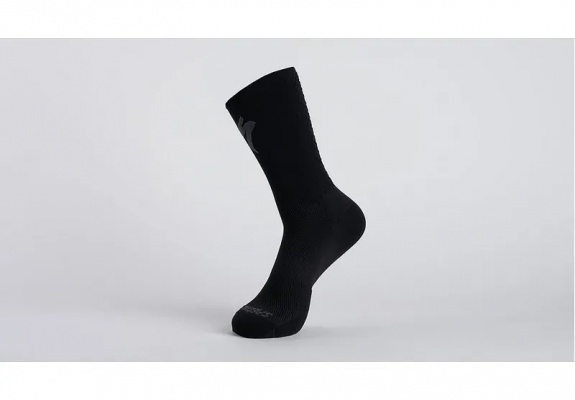
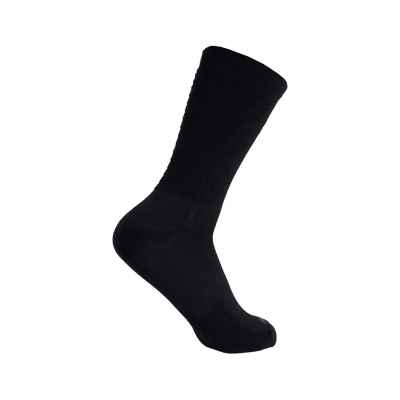
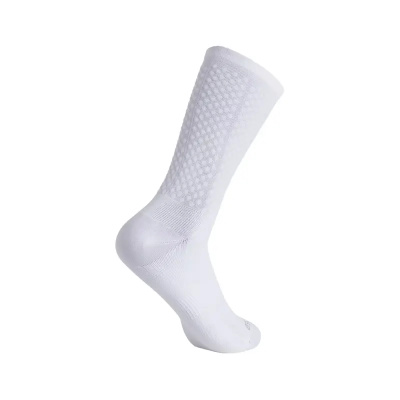
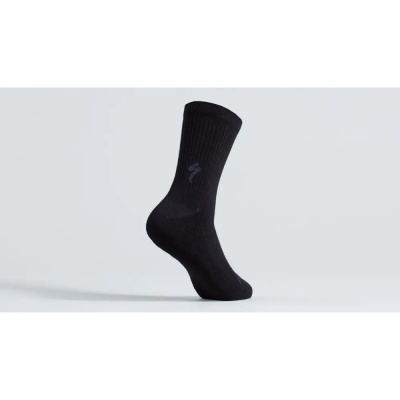
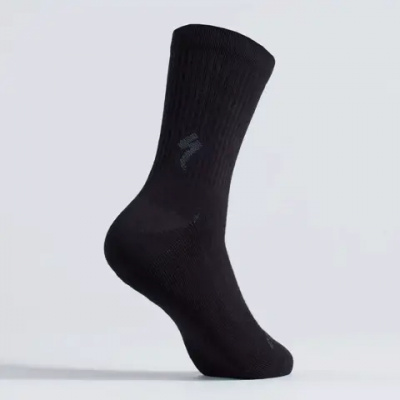
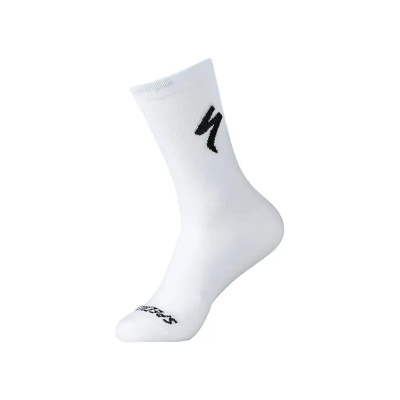
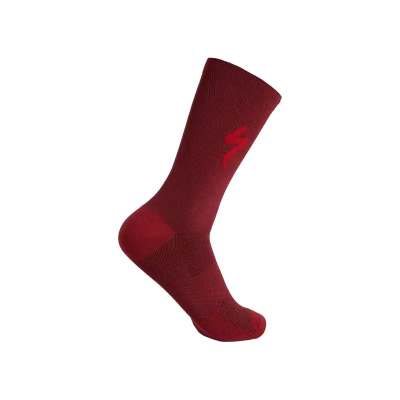
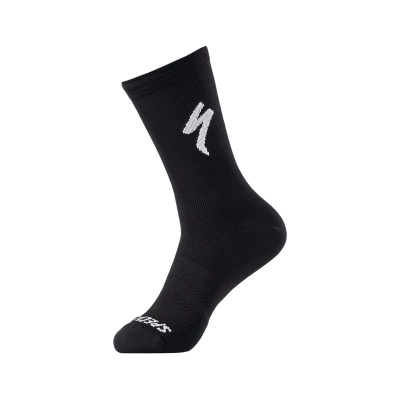
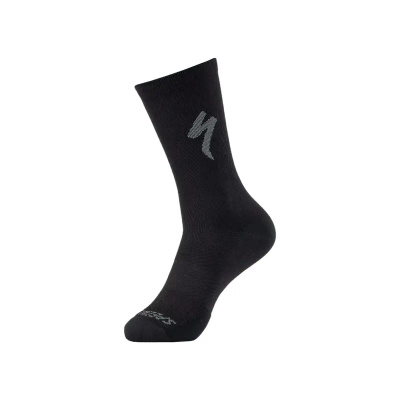
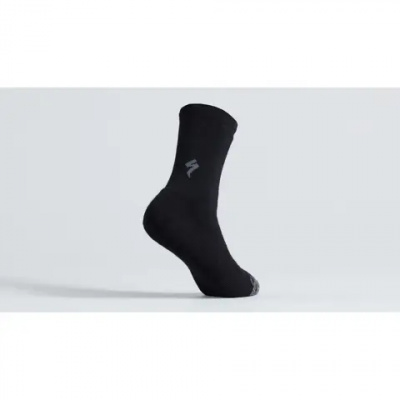
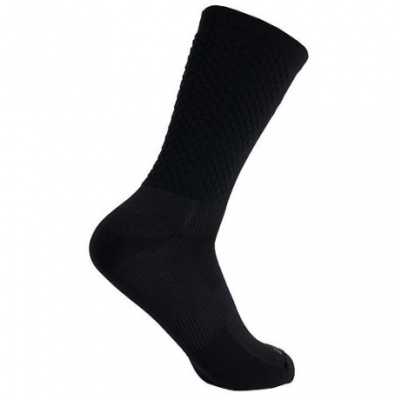
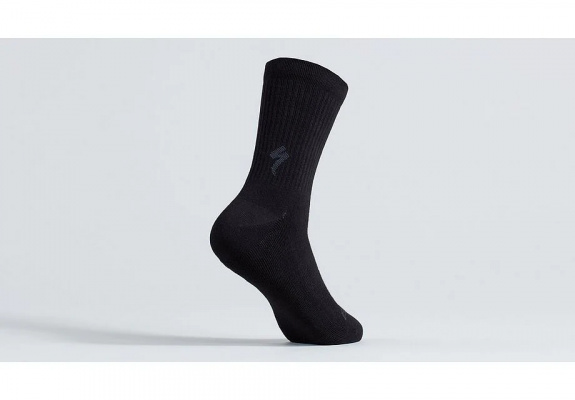
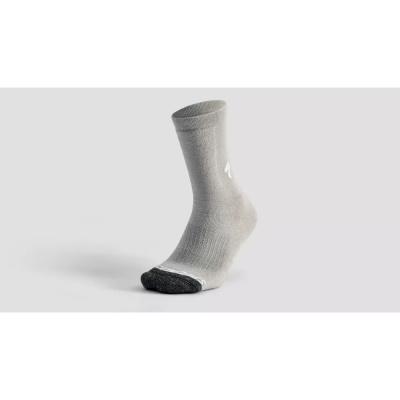
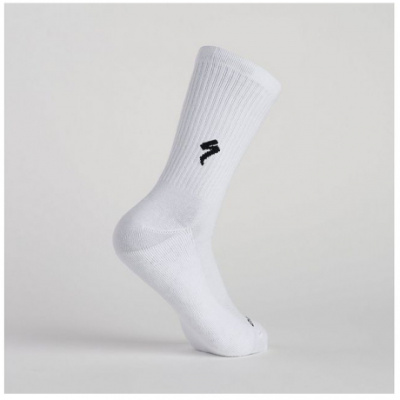
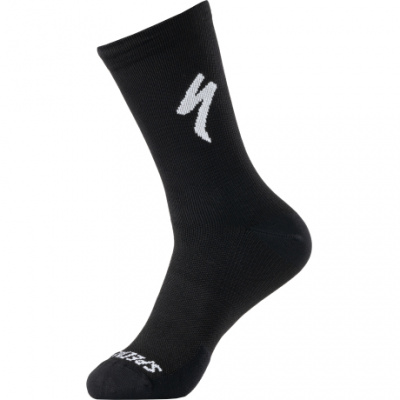
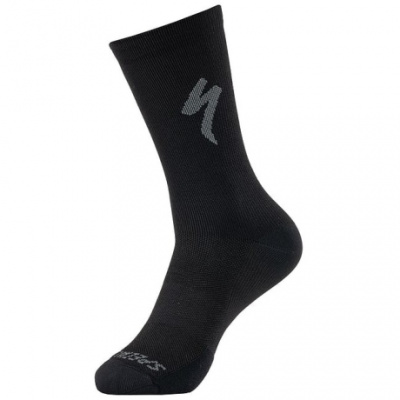
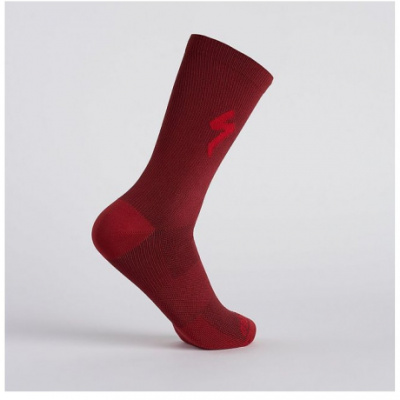
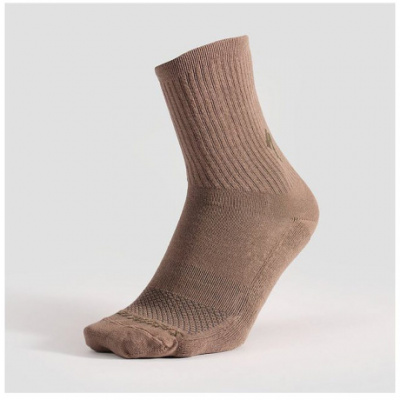
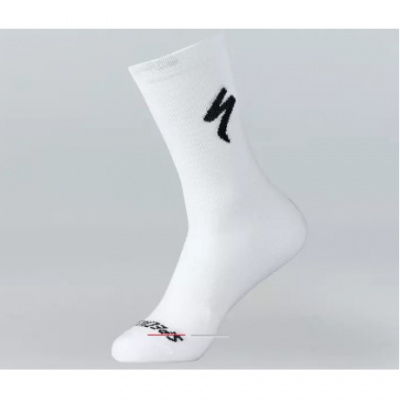
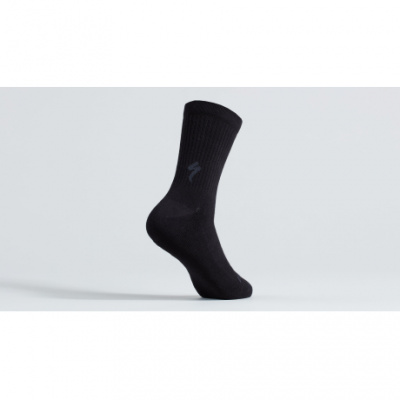
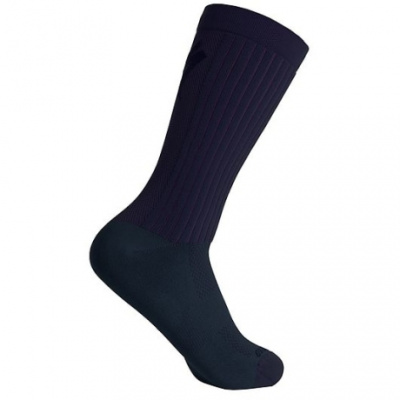
Prices and availability can change quickly. Delivery charges are not always included in listed prices.
Final price, stock status and delivery terms are set by retailer. We may receive a commission on purchases made.
Fabric Tech and Weather Performance: Built from the Yarn Up
The foundation of most Specialized road and gravel socks is Soft Air yarn, a synthetic construction engineered to shift moisture away from the skin quickly and keep the sock feeling dry even when you're pushing hard on a humid summer climb. At the structural level, that wicking action reduces the friction that causes blisters - a small detail that matters considerably on a five-hour ride in August. The yarn is also notably fine, which means the sock sits close against your foot without adding unwanted bulk inside a tight-fitting shoe.
Breathable mesh panels reinforce the ventilation story, typically placed across the forefoot and toe box where heat builds fastest. Pair that with seamless toe construction and you remove the most common source of chafing in cycling socks entirely. There's no ridge pressing against your skin, no seam migrating under your little toe - just a clean, even surface. Compressive mid-foot arch support is woven directly into the fabric rather than added as a separate band, which stops the sock from creeping and bunching under the insole when you're pushing hard out of the saddle on a steep pitch.
For winter and transitional riding, Specialized's Merino blends use Meryl Skinlife yarn alongside natural wool fibres. Merino retains a reasonable amount of warmth even when wet, which is what you need during a January base ride in the Peak District when road spray is constant. The natural fibres also resist odour better than pure synthetics - useful if you're doing back-to-back training days and the washing machine hasn't quite kept up.
Understanding the Specialized Range and Getting the Fit Right
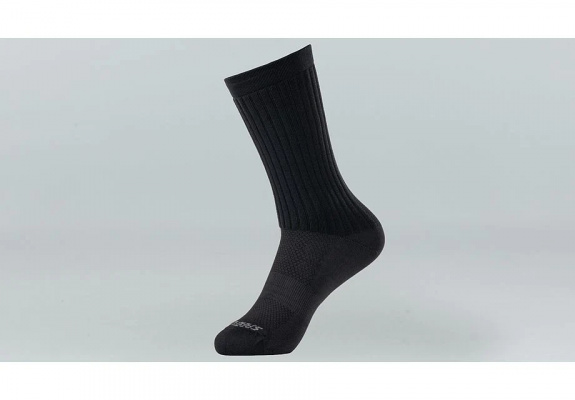
The Specialized Hydrogen line sits at the sharp end of the range. These are ultra-lightweight, built around maximum breathability and a close, precise fit. Ribbed knit cuffs on certain Hydrogen models serve a functional purpose: they reduce drag at the ankle, which matters if you're racing or time-trialling and want every marginal gain accounted for. They're the sock you reach for when it's warm, the pace is high, and you want as little between your foot and your shoe as possible. If you're comparing options at this end of the market, Castelli socks offer a similarly race-focused cut, though the Hydrogen's Soft Air yarn construction has a distinctly soft hand feel that sets it apart.
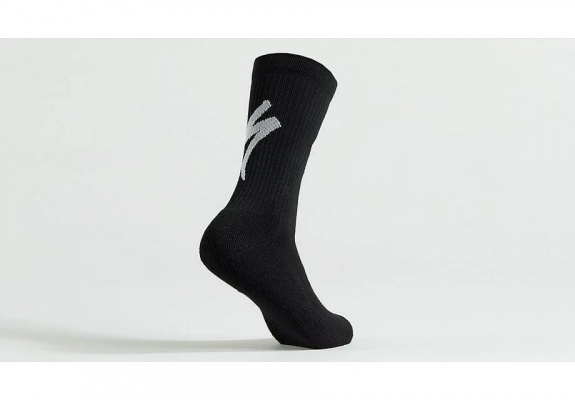
The Techno and Prime lines use slightly heavier, more durable yarns. They're the better call for long endurance days, gravel riding, or everyday training where you want a sock that holds up to repeated washing without losing its shape. The fit is still snug and performance-oriented, but there's a little more substance underfoot. For MTB riding, Specialized offers options with added abrasion resistance around the ankle - handy when your leg occasionally meets a chainring or a rock face. These sit in a similar space to DeFeet socks in terms of their blend of durability and breathability, though the Body Geometry fit philosophy gives Specialized's MTB options a more performance-specific shape.
On cuff height: the modern default is a tall cuff sitting just below the calf muscle, and Specialized offers this across most of the range alongside mid-cut options. Taller cuffs offer more compression and, on certain models, better aerodynamics. If you're racing under UCI rules, note that socks can't extend above the midpoint between ankle and knee in sanctioned events. For everything else, it comes down to personal preference and what looks right to you.
Sizing runs true, but these are compressive socks by design - if you're sitting between sizes and prefer a less aggressive fit, go up. Zero excess material at the heel or toe is the goal; the sock should feel like a second skin rather than something you've pulled on loosely. That precision fit also matters when you're pairing them with Specialized saddles and dialling in your overall contact-point comfort - every element of the fit system works better when there's no slack anywhere.
Layering and Care for UK Riding
A lightweight Specialized sock paired with neoprene overshoes handles far more of the UK riding calendar than most riders expect. That combination works well from early spring through to late autumn - the overshoe blocks the wind and most of the wet, while the sock itself stays thin enough not to compromise shoe fit. Jumping straight to a thick winter sock can make your shoes feel uncomfortably tight, which creates pressure points and, eventually, numbness on longer rides. Thin sock plus overshoe is almost always the smarter move until temperatures drop consistently below freezing.
When you do step up to the Merino blends for proper winter riding, care matters. Wash at 30 degrees, turn them inside out, and skip the fabric softener - it clogs the moisture-wicking structure of synthetic yarns and leaves them feeling clammy on the next ride. Never tumble dry Merino; the heat attacks the elastane that gives the sock its compressive snap, and the wool fibres can felt and shrink unevenly. Lay flat or hang to dry and they'll last considerably longer. If you're pairing these socks with Specialized road tyres or heading off-road on Specialized MTB tyres, taking the same care-and-maintenance approach to all your kit means less replacement cost over a full season.
Brands like GripGrab and Assos also offer strong winter sock options if you're weighing alternatives, but Specialized's integration of Body Geometry principles across the range - particularly the arch support and seamless toe - gives them a consistent performance edge for riders who spend serious time on the bike across all four seasons.
Specialized Socks FAQs
Are Specialized cycling socks true to size?
Yes, they run true to size, but the fit is deliberately compressive and performance-oriented. If you're between sizes and prefer a slightly more relaxed feel, go up one. The goal is a sock that sits flush with no excess material at the heel or toe - snug, not restrictive.
What is the difference between Specialized Hydrogen and Techno socks?
Hydrogen socks are ultra-lightweight with maximum breathability and, on certain models, ribbed aero cuffs for road racing and time-trialling in warm conditions. Techno and Prime socks use slightly thicker, more durable yarns better suited to everyday training, long endurance rides, and gravel - where longevity and all-day comfort matter more than outright weight.
How high should cycling socks be?
Mostly personal preference, but the current standard is a tall cuff sitting just below the calf. Specialized covers several heights across the range. If you're racing under UCI rules, socks can't extend beyond the midpoint between your ankle and knee in sanctioned events - worth checking before race day.