
Specialized Saddles
Specialized saddles are built around one idea: that discomfort on the bike is a fit problem, not something you ride through. The Body Geometry system underpins every model in the range - medically tested ergonomic shaping designed to maintain blood flow to sensitive arteries and take perineal pressure off the table entirely. That's not marketing copy; it's the reason Specialized had physiologists involved in the process from the start.
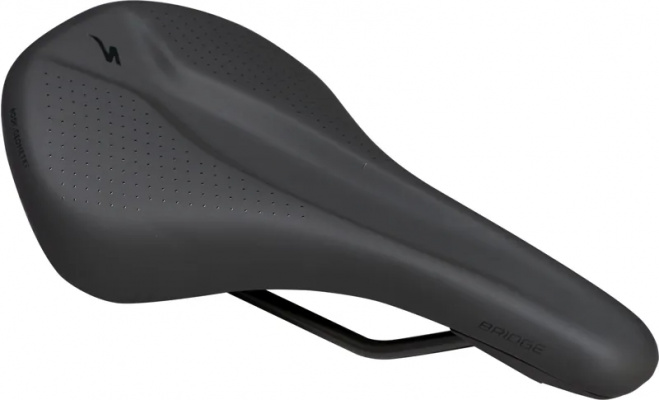
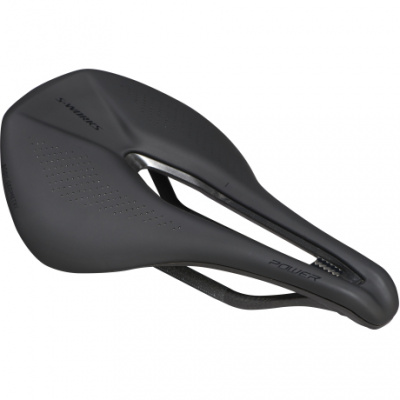
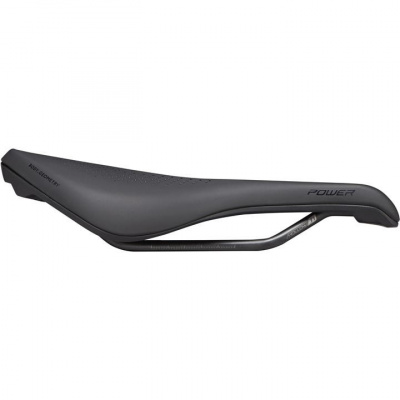
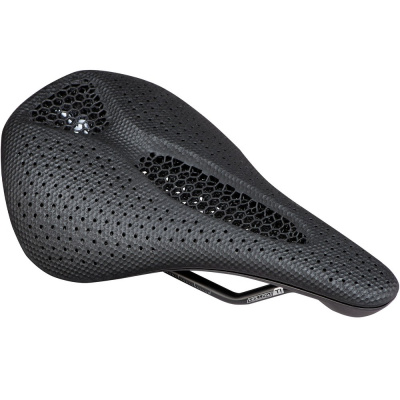
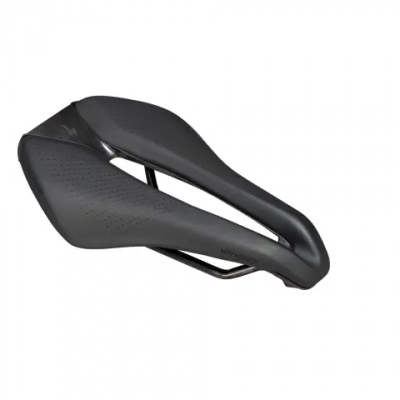
You'll find the range splits cleanly by shape, padding, and rail spec. Short-nose Power saddles for riders locked into an aero tuck. Romin for traditional road positions where you're moving around in the saddle on long climbs. Phenom for MTB and gravel where your weight's constantly shifting. Each comes in multiple sit bone widths - typically 130mm, 143mm, 155mm, and 168mm - so you're not just picking a saddle, you're picking your saddle.
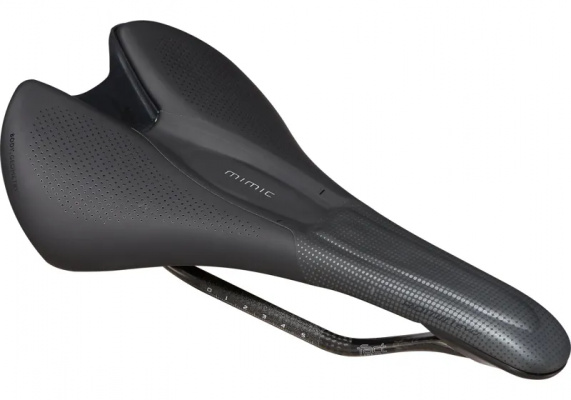
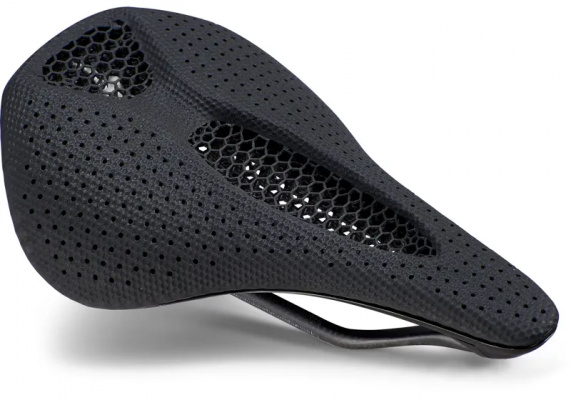
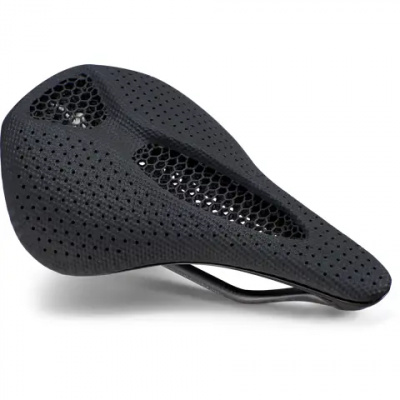
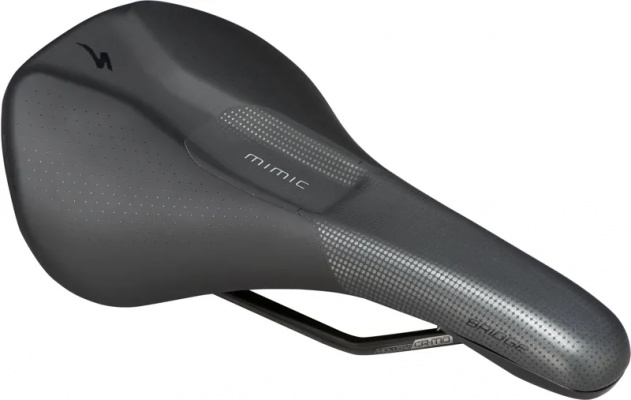
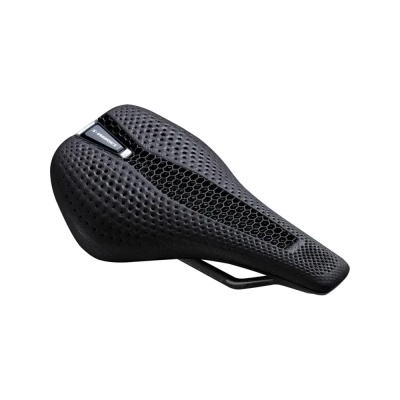
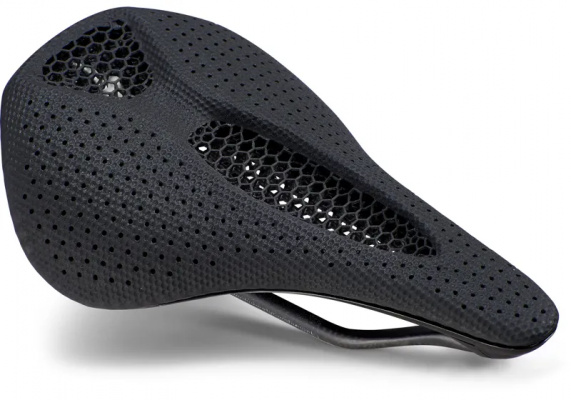
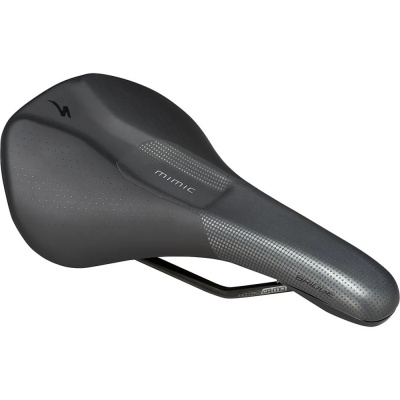
MIMIC technology adds multi-layered soft-tissue support for riders who've historically struggled with pressure, while Elaston foam bead padding outperforms traditional PU foam for cushioning without feeling dead underfoot. If you run a dropper or SWAT-compatible setup, some models include moulded storage mounts in the base. Practical, tidy, and worth knowing about before you buy.
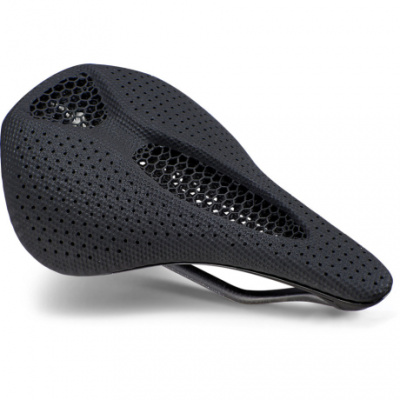
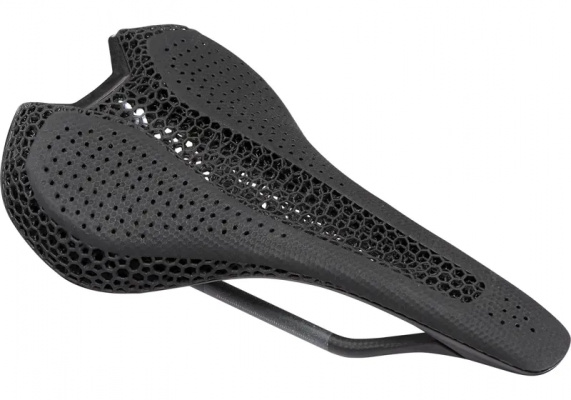
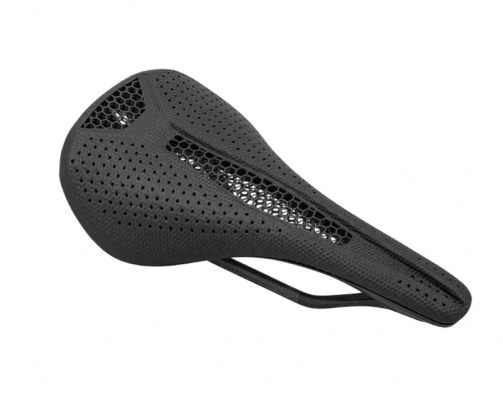
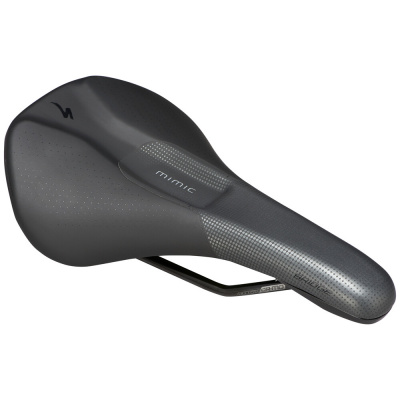
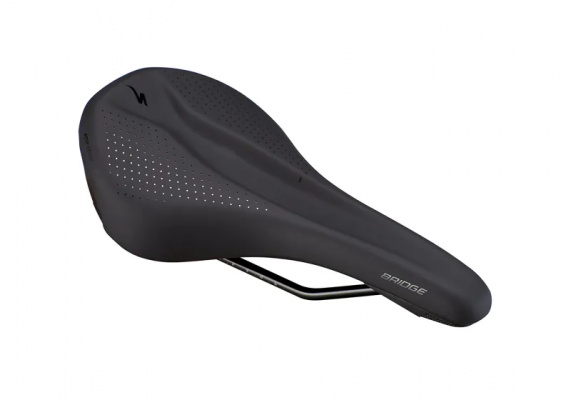
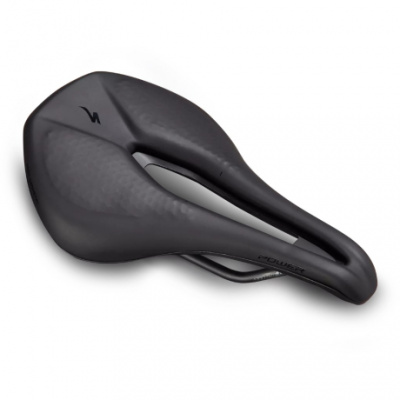
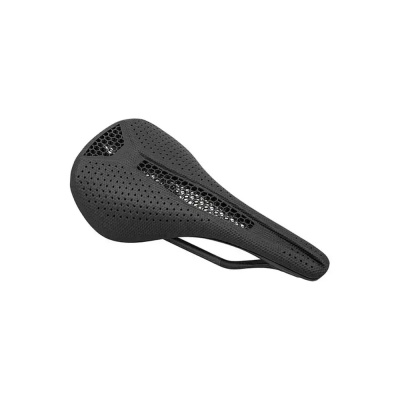
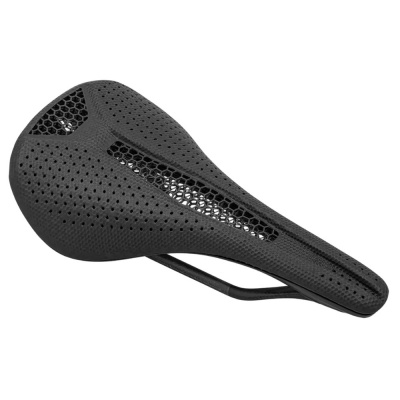
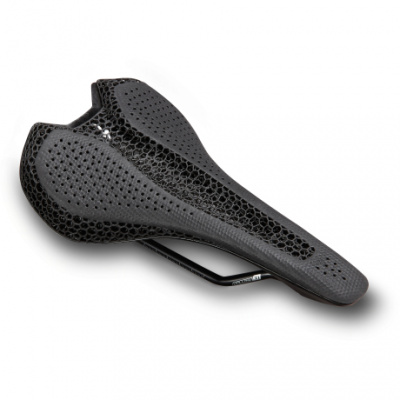
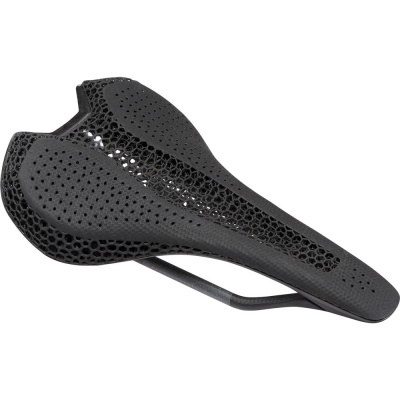
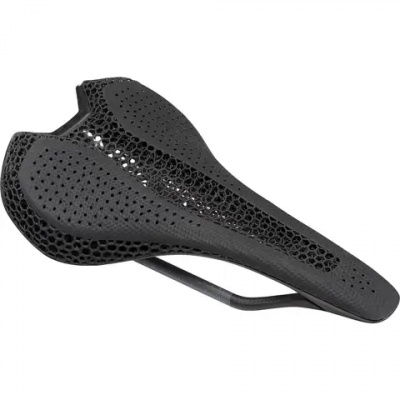
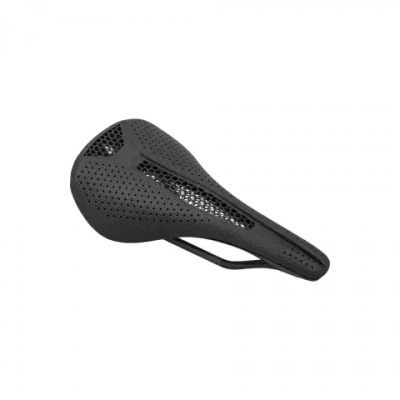
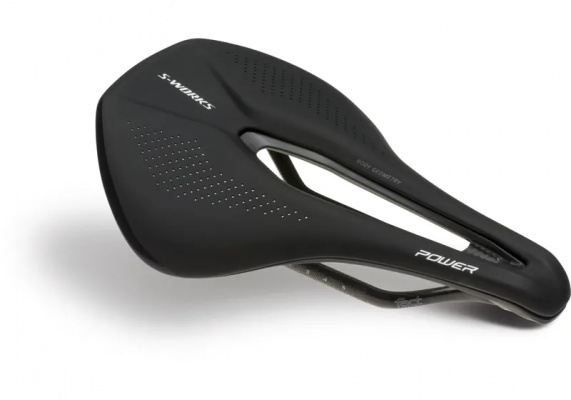
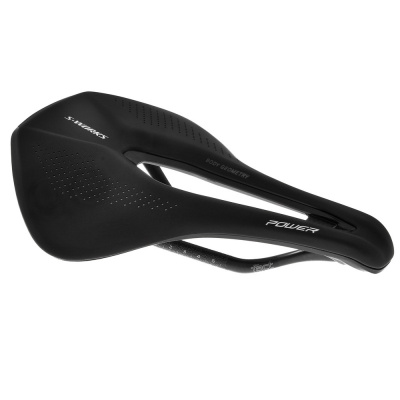
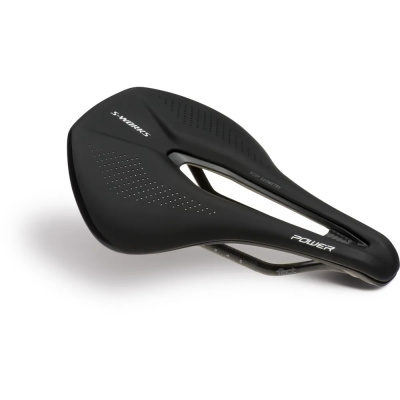
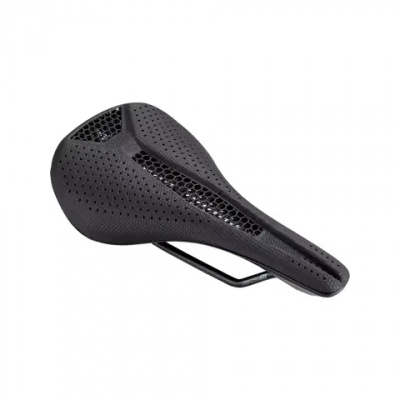
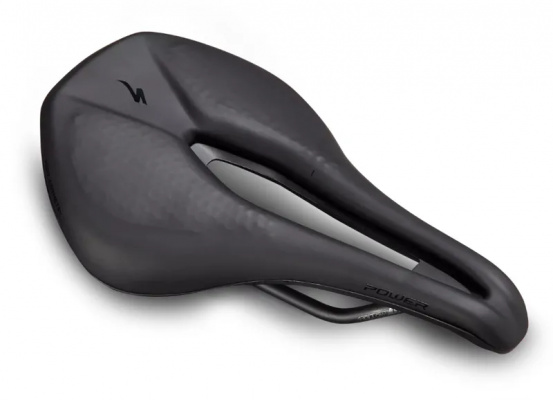
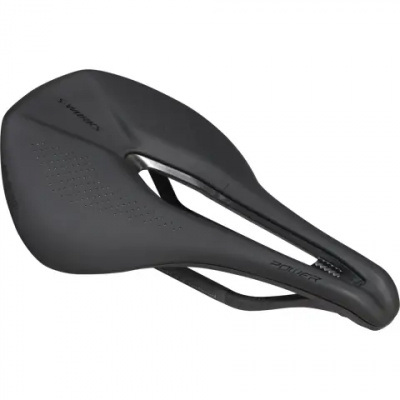
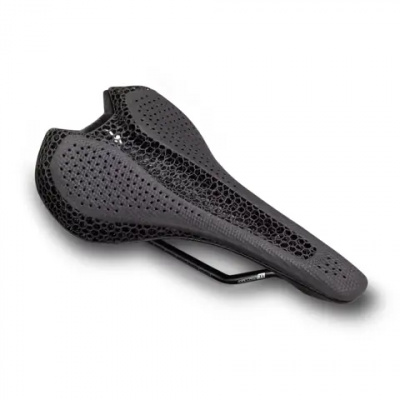
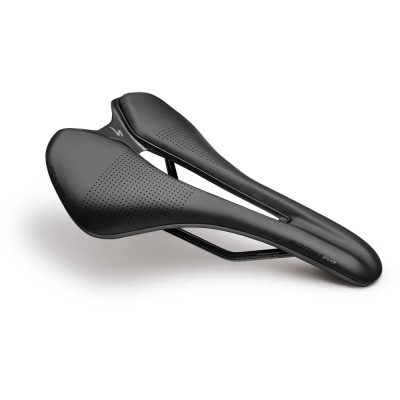
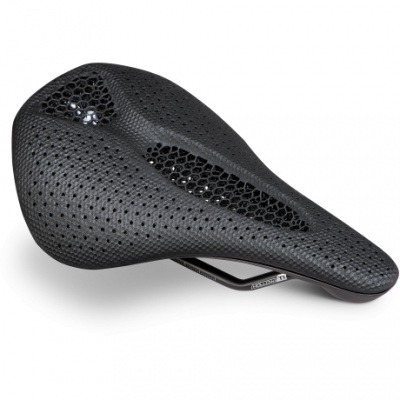
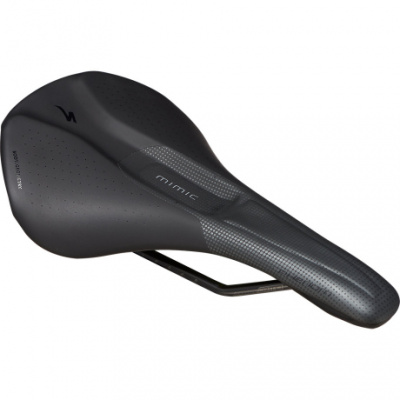
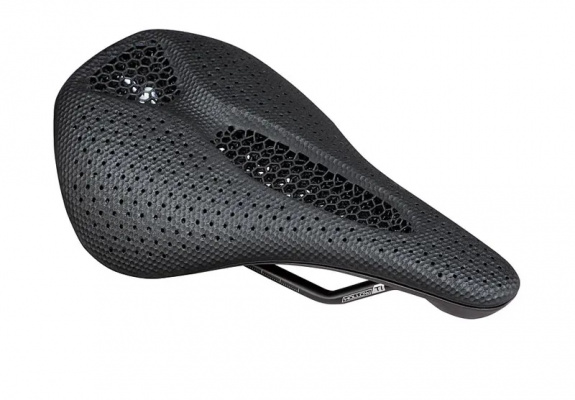
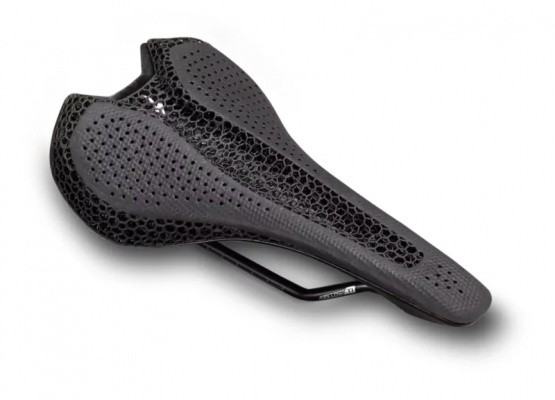
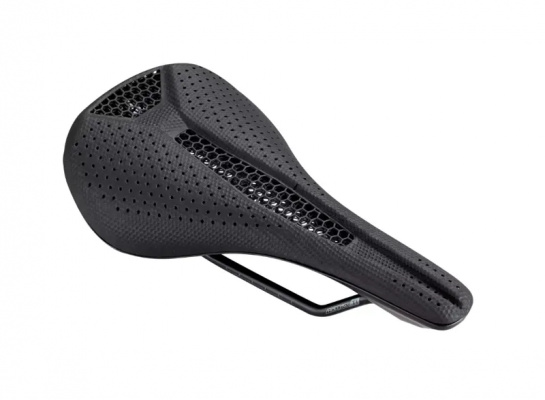
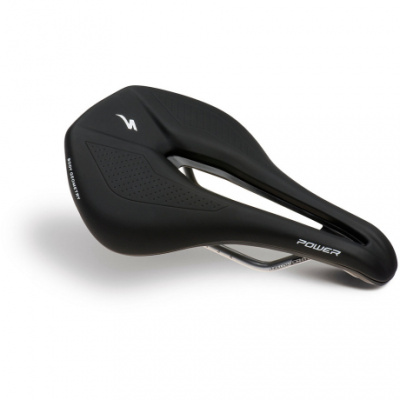
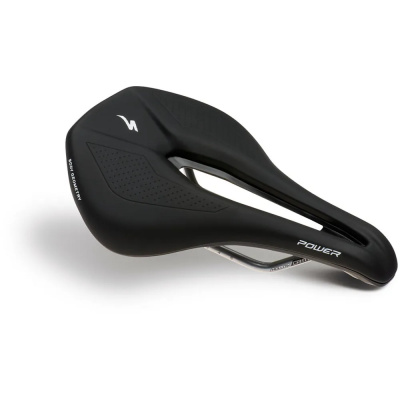
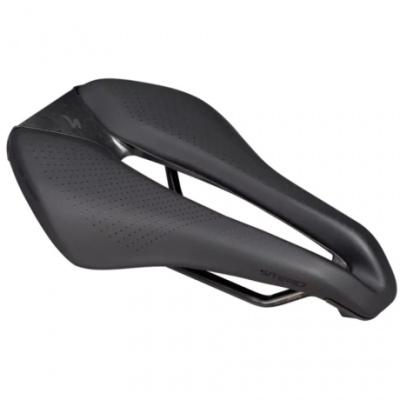
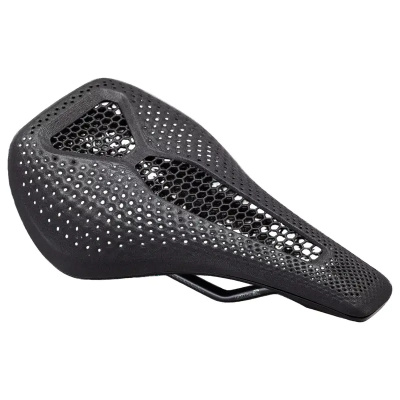
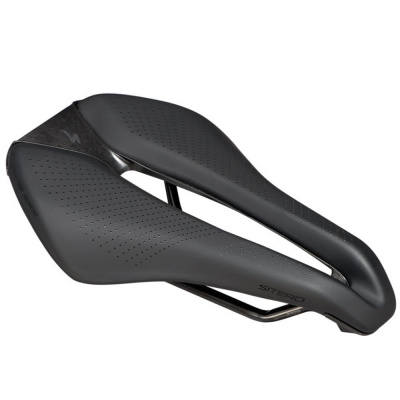
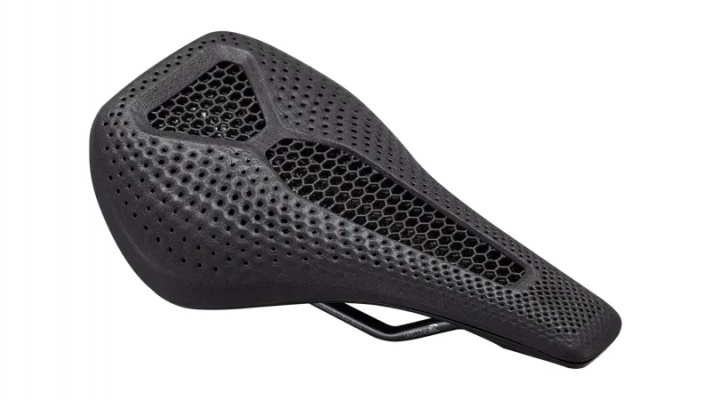
Prices and availability can change quickly. Delivery charges are not always included in listed prices.
Final price, stock status and delivery terms are set by retailer. We may receive a commission on purchases made.
Rail Standards and Sizing: What You Need to Know Before You Order
Get this wrong and you'll either crush a carbon rail or spend a week waiting for the right clamp ears. Specialized's Comp and Expert saddles use standard 7x7mm round rails - Cr-Mo on the Comp tier, titanium on the Expert - and these will slot into virtually any seatpost clamp on the market without a second thought. Straightforward.
It's the Pro and S-Works tiers where you need to pay attention. These use 7x9mm oval FACT carbon rails, and that oval profile is not compatible with standard round-jaw clamps. You need either a side-clamp seatpost or top-down clamp ears specifically machined for 7x9mm oval rails. Crush a carbon rail with the wrong clamp and it's not a warranty job - it's a bin job. Check your seatpost compatibility before you order, and if in doubt, the manufacturer's spec sheet will confirm the clamp interface.
Sit bone width options across most models run at 130mm, 143mm, 155mm, and 168mm. Choosing correctly here matters far more than picking the right colour. A saddle that's too narrow leaves your sit bones unsupported and transfers pressure exactly where you don't want it; too wide and you'll get inner thigh chafe on harder efforts. For spares, clamp hardware, or protective covers to keep your saddle looking sharp through a Scottish winter, check out our dedicated Specialized saddle bags page for integrated storage options too.
Power, Romin, Phenom - Picking the Right Shape for How You Ride
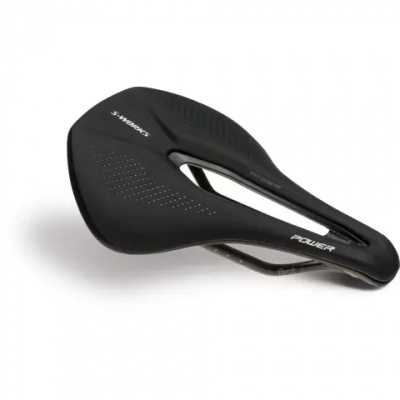
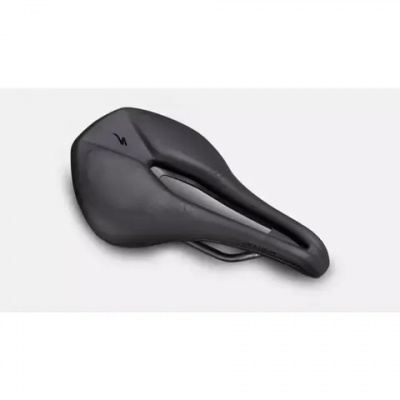
Three core shapes, each solving a different problem. The Power saddle has a short nose - significantly shorter than a traditional road saddle - which removes the bit that digs into your soft tissue when you're rotated forward in an aggressive position. If you spend most of your time in the drops or on aero bars, the Power's geometry locks your pelvis in place and lets you push harder without the discomfort that creeps in after an hour. It's a popular choice among time triallists and road racers, and it's the model that put short-nose saddles on the mainstream map.
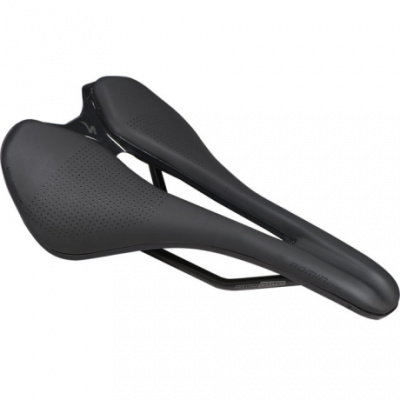
The Romin is the traditional-length alternative. It has a curved longitudinal profile that encourages micro-adjustments fore and aft as your position changes - useful on long sportives or hilly routes where you're constantly shifting between climbing and descending. If you're not committed to a single locked-in position all day, the Romin's the more versatile choice. Worth comparing against Fizik saddles if you prefer a flatter profile for similar riding.
The Phenom is the MTB and gravel option. Flat profile, built for weight shifts - nose-dipping on steep descents, sitting back on technical climbs. The edges on the Phenom are reinforced to handle abrasive mud thrown up from the rear wheel, which matters when you're riding gritty Peak District trails through November. SWAT-compatible versions include moulded base mounts so you can carry a tube and tyre levers without a saddle bag flapping around. Pair it with Specialized CO2 inflators for a genuinely clean setup.
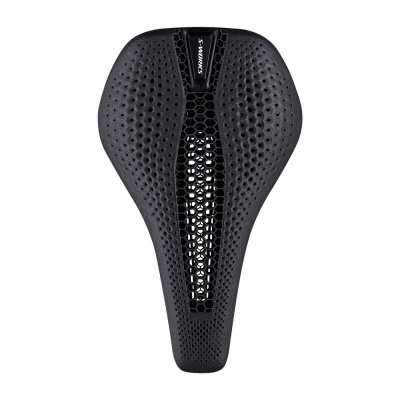
Across all three shapes, the pricing tiers follow a clear logic. Comp gets you Cr-Mo rails and a nylon base - robust, no drama. Expert steps up to titanium rails and a stiffer base for better power transfer. Pro adds carbon-injected base material and FACT carbon rails (remember: oval profile, check your clamp). S-Works is the full carbon shell with FACT rails - measurably lighter, no padding concessions, built for riders who've already dialled everything else. If you're weighing options from other brands at similar price points, Ergon saddles and Fabric saddles are worth a look for comparison, particularly if you sit wider or prefer a more relaxed geometry.
Keeping Your Saddle in Good Shape Through a UK Winter
British winters are hard on saddle covers. Abrasive grit paste sprayed off the rear tyre will wear through the side panels of softer covers faster than you'd expect - this is especially true on MTB and gravel bikes where the rear wheel is closer to the saddle nose and the mud's thicker. The Phenom's reinforced edges help, but no cover is indestructible. Rinse your saddle after muddy rides with clean water before the grit dries and becomes sandpaper.
For cleaning, mild soapy water and a soft cloth is all you need on synthetic Micromatrix covers. Degreasers and solvent-based cleaners will lift the coating and crack the material over time. Rinse, wipe, leave to dry - it takes two minutes and keeps the cover looking decent for seasons longer than it otherwise would. A Specialized mini pump clipped under the saddle is also worth considering for trail rides where a flat is more likely on rough ground.
If you're running Pro or S-Works carbon rails, build a habit of checking them visually after any incident where the bike's been dropped or the clamp's been over-tightened. Carbon doesn't deform like metal - it can develop micro-fractures that aren't obvious until the rail fails. When fitting or re-fitting a carbon-rail saddle, use a calibrated torque wrench and stick strictly to the seatpost manufacturer's clamp torque spec, which typically sits between 7 and 9Nm. Go over that and you risk compressing the oval profile enough to damage the carbon internally. Under-torque it and the saddle creaks and rotates. Neither is ideal mid-ride on the South Downs.
Specialized Saddles FAQs
How do I measure my sit bones for a Specialized saddle?
Grab a piece of corrugated cardboard, put it on a hard chair, sit on it and lean forward slightly as you would on a bike. Stand up and measure the distance between the two deepest impressions in millimetres. That's your sit bone width. Most riders land on 143mm or 155mm, but measuring properly is the only way to be sure - guessing usually ends in discomfort.
What is the difference between Specialized Power and Romin saddles?
The Power has a short nose, designed for aggressive forward-leaning positions where your pelvis is locked in place. Less nose means less pressure on soft tissue when you're in the drops. The Romin is a full-length saddle with a curved profile that lets you move fore and aft as your position shifts - better suited to varied riding where you're not glued to one position all day.
Are Specialized carbon saddle rails compatible with all seatposts?
No. Pro and S-Works models use 7x9mm oval FACT carbon rails, not the standard 7x7mm round profile. You'll need a seatpost with a side-clamp mechanism or top-down clamp ears rated for 7x9mm oval rails. Fitting oval carbon rails into a standard round clamp risks crushing the rail - check your seatpost spec before ordering.