
Specialized Road Tyres
Specialized road tyres cover a wider spread of riding needs than most brands manage - from Grand Tour-spec rubber that obsesses over every gram of rolling resistance, to training tyres tough enough to laugh off a winter's worth of glass-strewn British tarmac. The range is built around two core technologies: Gripton compound, Specialized's dual-density rubber that balances straight-line speed with real cornering grip, and 2Bliss Ready tubeless compatibility, which lets you run lower pressures and seal small punctures on the road without pulling out an inner tube at the side of a wet A-road.
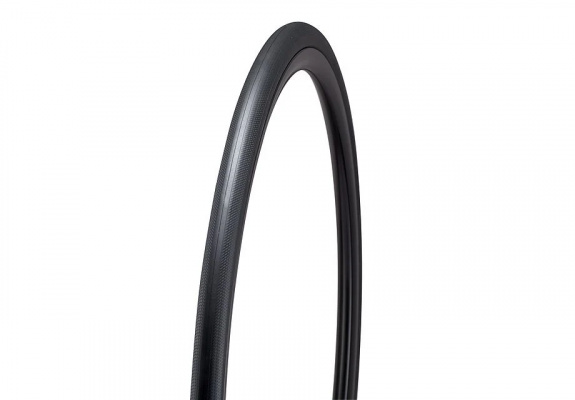
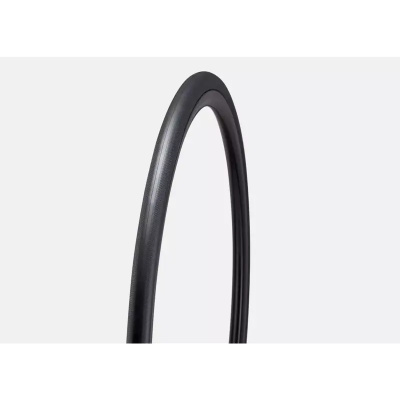
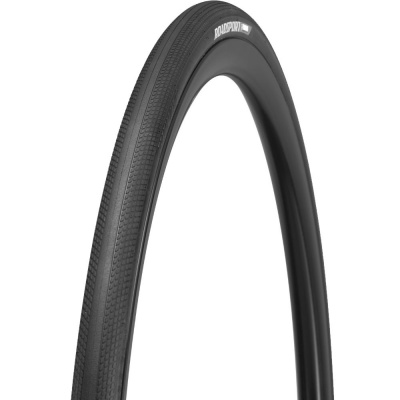
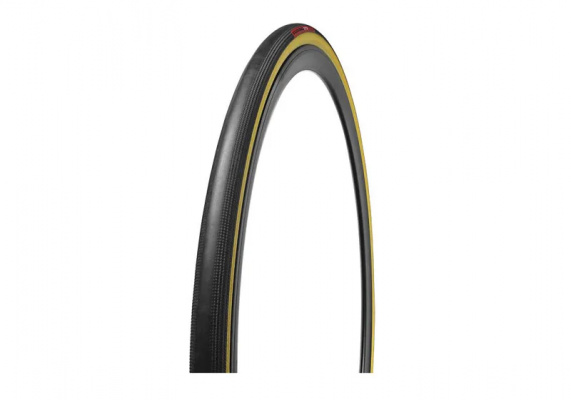
At the top sits the S-Works Turbo family - featherlight casings, minimal rolling resistance, and the T2/T5 Gripton rubber that gives you a faster centre strip without sacrificing shoulder grip when you're leaning into a damp roundabout. Step down to the Pro and Elite tiers and you pick up BlackBelt puncture protection under the tread - a sensible trade for riders who train through October to March. The Specialized Roubaix Pro adds more casing volume and compliance, worth considering if your regular roads involve more patched tarmac than smooth race circuit.
Browse the full range below and compare prices across UK retailers.
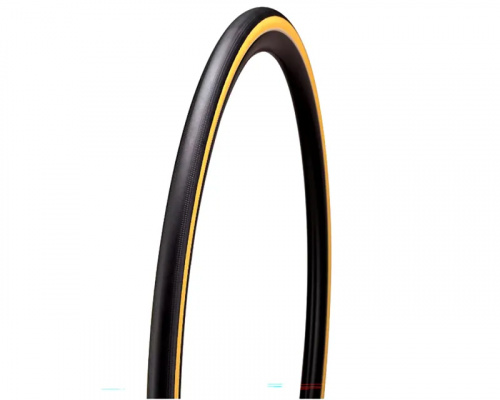
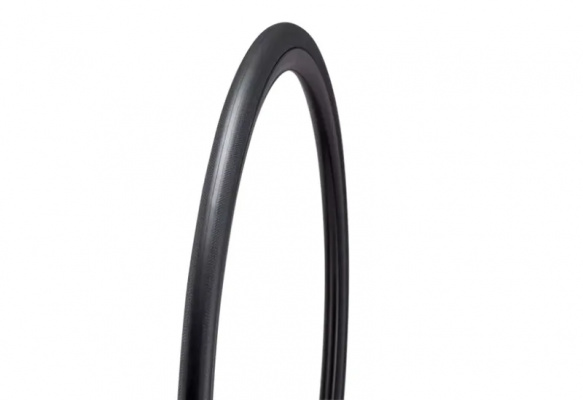
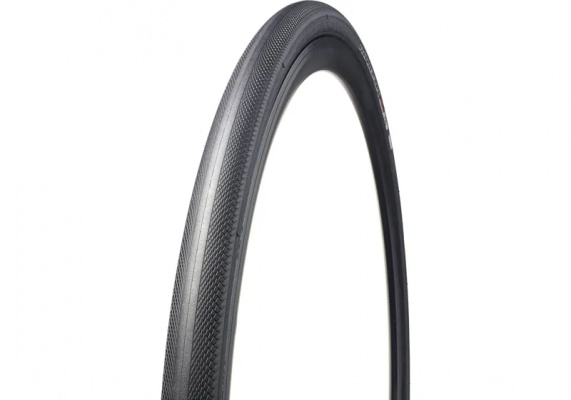
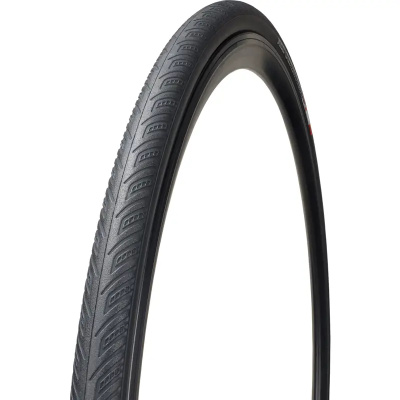
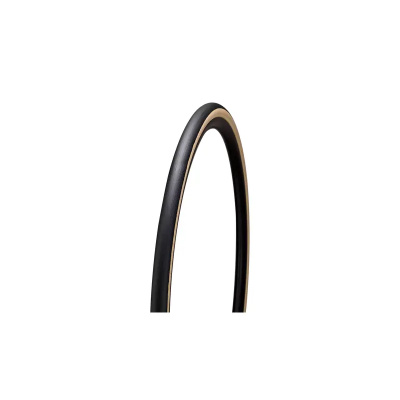
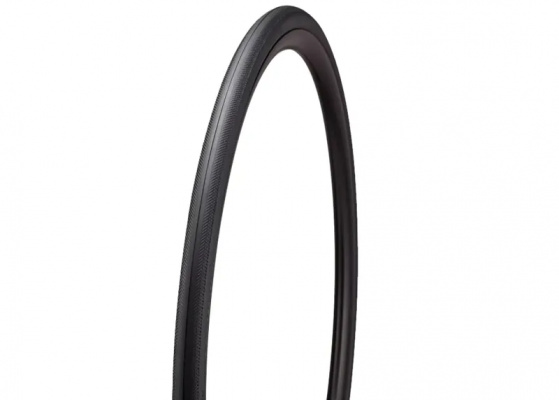
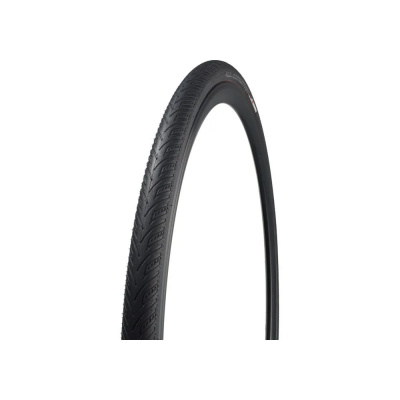
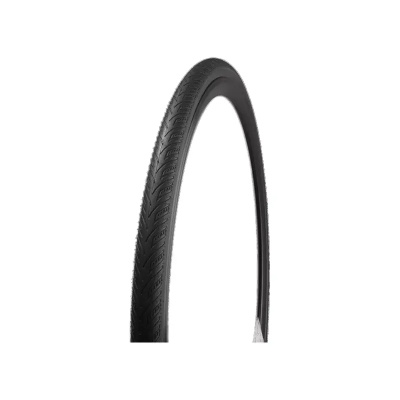
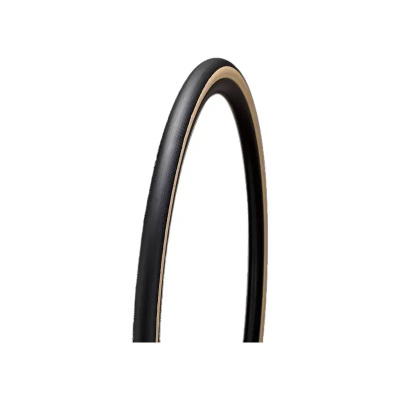
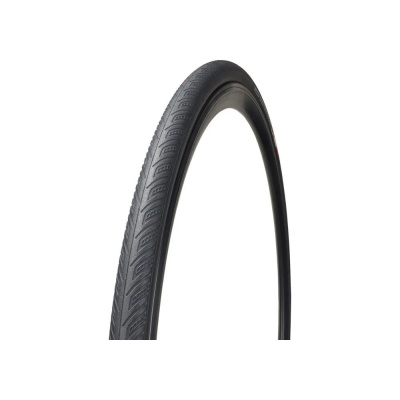
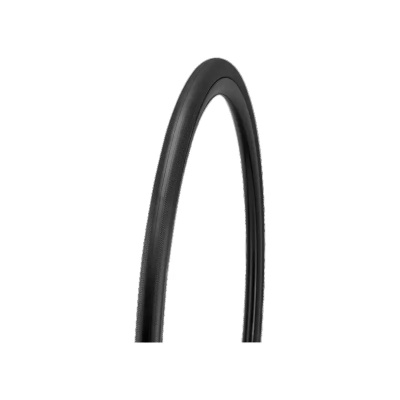
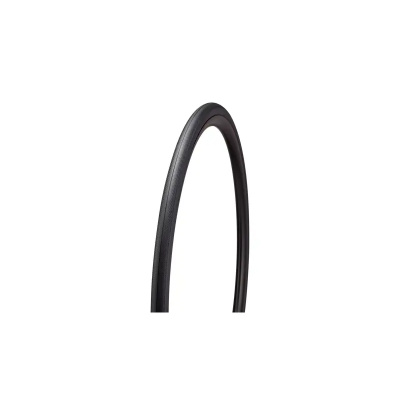
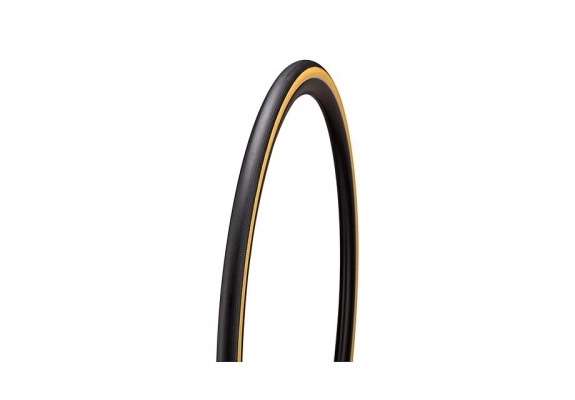
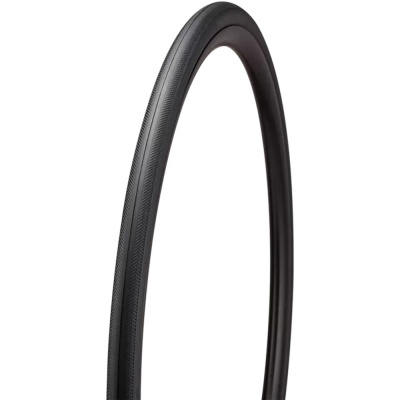
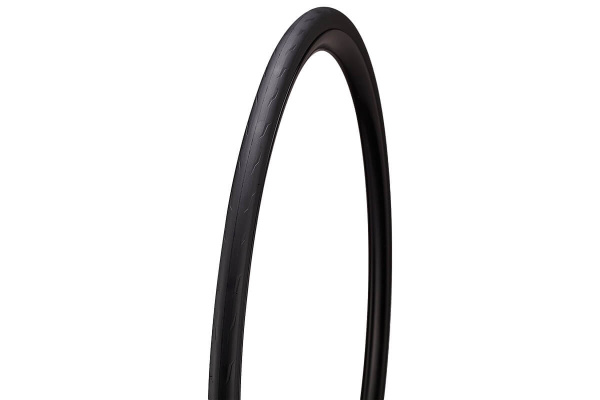
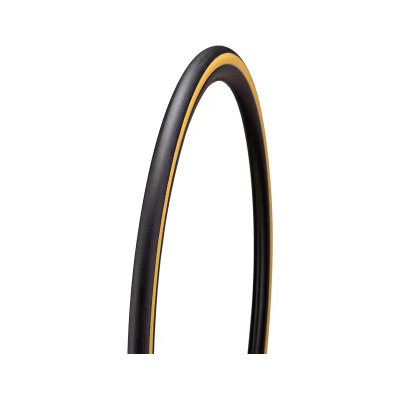
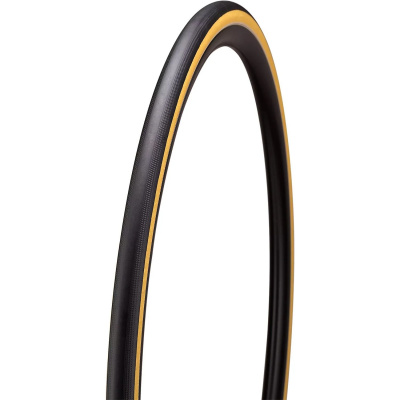
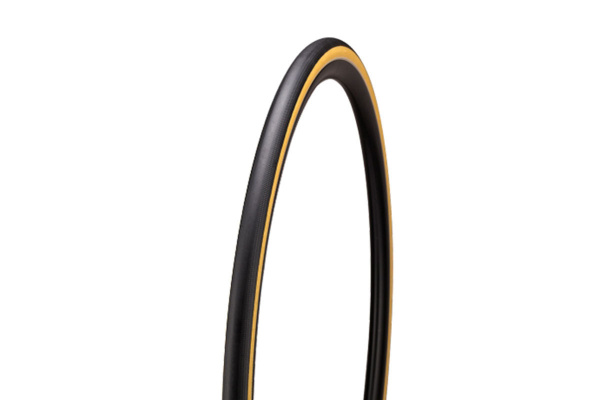
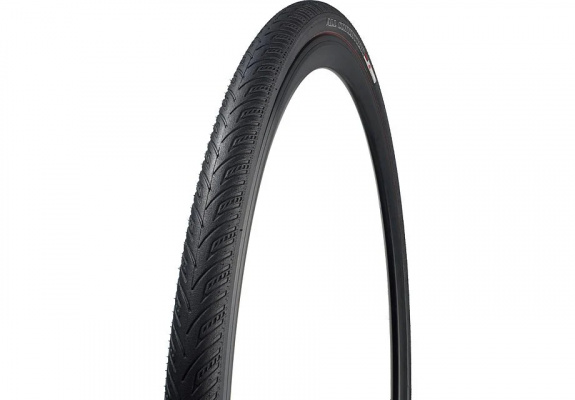
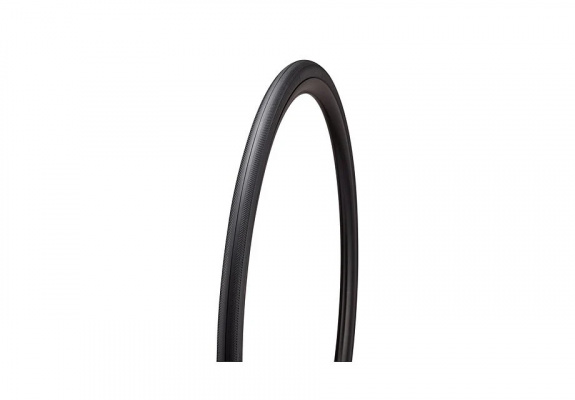
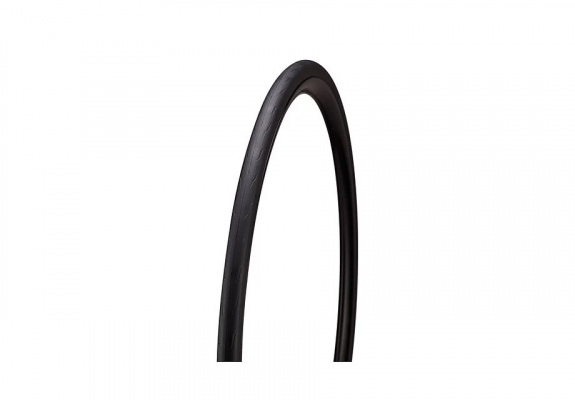
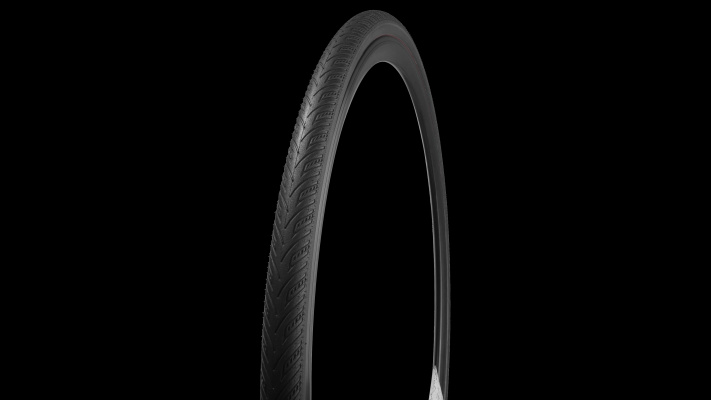
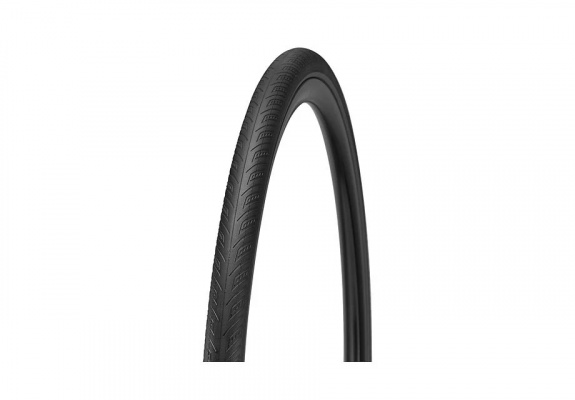
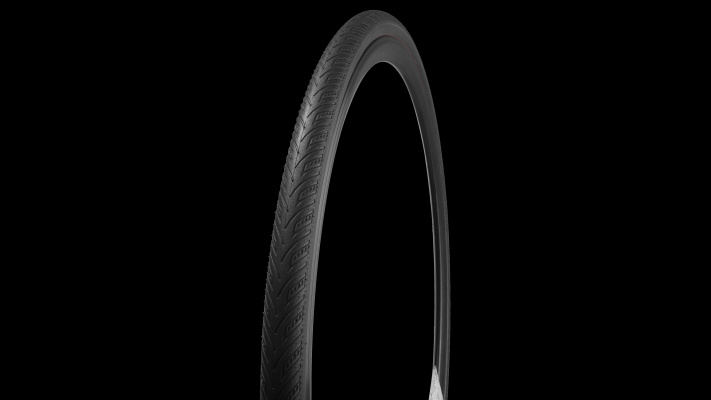
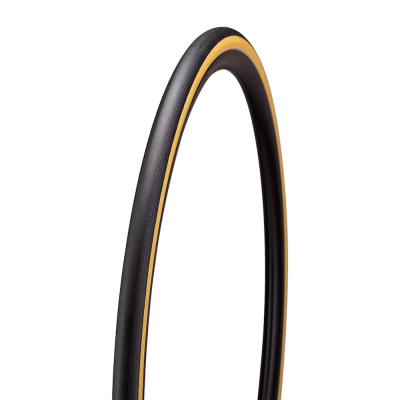
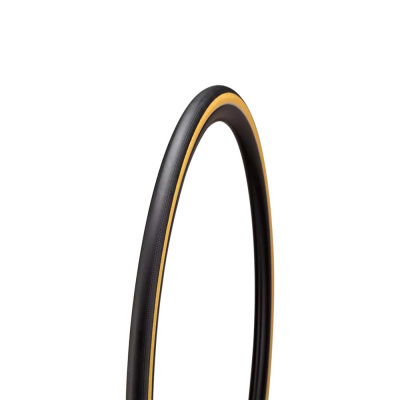
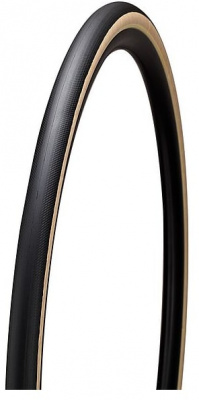
Prices and availability can change quickly. Delivery charges are not always included in listed prices.
Final price, stock status and delivery terms are set by retailer. We may receive a commission on purchases made.
Fitting Specialized Tyres: Clincher, Tubeless and Rim Standards
Most Specialized road tyres come in two distinct formats. Standard clinchers - including wire-bead Sport models - work with any conventional hooked rim and a Specialized inner tube. The 2Bliss Ready models use a tighter bead profile designed to seat and seal against tubeless-compatible rims without requiring tape on most modern wheelsets. Practically speaking, 2Bliss tyres can still run with a tube if you're caught short, which makes them a flexible choice for mixed-condition riding.
Hookless rims are increasingly common on carbon wheels, and most current Specialized tubeless road tyres - including the S-Works Turbo range - are approved for hookless fitment. The hard limit here is 72.5 PSI (5 bar). Exceed that on a hookless rim and you're risking a catastrophic bead failure, so check the tyre sidewall before you pump up and never assume. If your rim is hooked, normal pressure recommendations apply.
Frame and fork clearance is worth measuring before you buy, particularly with 28c, 30c, and 32c options. Actual inflated widths run a few millimetres wider than the marked size depending on internal rim width, so a 28c on a wide-section rim might measure closer to 30c. Tight clearance on older frames can cause mud and grit to jam between tyre and chainstay - annoying at best, dangerous at worst.
One important scope note: this page covers road-specific tyres only. If you're after glued track or race setups, head to our Tubulars page. Riders running mixed surfaces should check our Gravel and Cyclocross Tyres or Commuter and Hybrid Tyres sections instead.
S-Works, Pro, and Sport: What You Actually Get for the Money
The Specialized S-Works Turbo sits at the top of the pile, and the differences versus lower tiers are tangible rather than marginal. The casing uses a high TPI (Threads Per Inch) construction - finer threads woven more densely - which makes the tyre supple enough to deform and absorb road texture rather than bouncing over it. Less energy lost to vibration means more forward momentum. The T2/T5 dual Gripton compound works in layers: the T2 centre strip is harder for low rolling resistance on straight roads, while the softer T5 shoulders come into play when you lean the bike over. On a greasy roundabout or a fast descent with damp tarmac, that transition matters.
The RapidAir tubeless system pairs with the S-Works casing for the full race-day tubeless setup - lighter than running a tube, and the sealant handles most small punctures before you'd even notice a pressure drop. Worth pairing with Specialized tubeless sealant and a decent CO2 inflator in your back pocket for longer rides.
Pro and Elite models trade a small amount of that outright suppleness for added robustness. The BlackBelt layer sits directly beneath the tread - a reinforced strip that resists the sharp flint and glass fragments that accumulate on UK road shoulders through winter. You won't feel it under normal riding, but it does add a few grams and very slightly raises rolling resistance compared to the S-Works casing. For most riders doing five-day-a-week training, that's a trade worth making. Brands like Continental and Pirelli take similar tiered approaches, so the logic maps across if you're comparing options.
Sport and wire-bead models drop further in weight and price. The casings are stiffer and heavier, and there's no tubeless compatibility. Durability is solid for the money - the Armadillo casing version runs protection bead-to-bead rather than just under the tread, making it a reasonable pick for high-mileage winter commuting where you'd rather not faff with sealant. The ride quality won't match a supple S-Works casing, but that's not the point of the Armadillo.
If the Specialized Roubaix Pro is on your radar, it's worth treating it as a different tool rather than a cheaper S-Works. The higher volume and more compliant casing absorb road buzz across longer rides - useful on the kind of patched, undulating roads you get across much of rural England and Wales. It's not built for outright speed; it's built to still feel decent after four hours.
Winter Roads, Puncture Protection and Keeping Tubeless Running
UK roads are particularly punishing from October through to March - wet flint on country lanes, broken glass on urban commutes, and potholes that appear overnight and don't get fixed until spring. For best Specialized tyres for UK winter use, the BlackBelt Pro models and Armadillo variants are the most pragmatic choices. BlackBelt sits under the central tread where most punctures happen. Armadillo extends that protection across the full tyre width, which helps on roads where you're forced into the gutter alongside debris.
Running Specialized 2Bliss Ready tyres tubeless adds another layer of defence. Small thorns and glass fragments that would deflate a tubed tyre are often sealed instantly by the latex sealant before pressure drops enough to affect handling. The maintenance side of tubeless is straightforward but needs attention: in UK conditions, sealant dries faster than in warmer climates. Top up every three to four months, or sooner if the tyre starts feeling like it's losing pressure overnight. Shake the wheel before you start - if you can hear liquid moving, you're probably fine. Silence means it's time for a refill.
Check the T2 centre compound periodically for squaring off - that flat-topped wear profile that develops on high-mileage tyres. Once you can see it clearly, the tyre's rolling efficiency drops and the risk of puncture through the worn section increases. On a track pump check, also look for sidewall cracking, particularly if the bike's been stored in a cold garage. Cracked sidewalls on a tubeless setup won't seal reliably and are worth replacing before they become a roadside problem.
Alternatives like Vittoria offer comparable graphene-based compounds if you're shopping around, but the Specialized range holds its own on Specialized road bike tyres puncture protection across most UK conditions, particularly at the Pro tier and above.
Specialized Road Tyres FAQs
Are Specialized road tyres hookless compatible?
Most modern Specialized 2Bliss Ready road tyres, including the S-Works Turbo range, are approved for hookless rims - but always confirm on the tyre sidewall before fitting. The hard pressure ceiling on hookless rims is 72.5 PSI (5 bar). Go over that and you risk a bead failure, so treat it as an absolute limit, not a guideline.
What is the difference between Specialized S-Works and Pro tyres?
S-Works tyres use the lightest, most supple high-TPI casings alongside T2/T5 Gripton dual compound for minimum rolling resistance and maximum cornering confidence - genuinely race-day rubber. Pro models add BlackBelt puncture protection beneath the tread, making them more suitable for daily training on UK roads. You pay a small penalty in weight and rolling resistance, but gain meaningful durability.
How much sealant do I need for Specialized 2Bliss road tyres?
For 28c to 32c road tyres, use 30 - 40ml of tubeless sealant per tyre. In UK conditions, check levels every three to four months - cold temperatures and damp air dry sealant out faster than you'd expect. Shake the wheel; if you can't hear any liquid movement, top it up before your next ride rather than after your next puncture.