
Defeet Socks
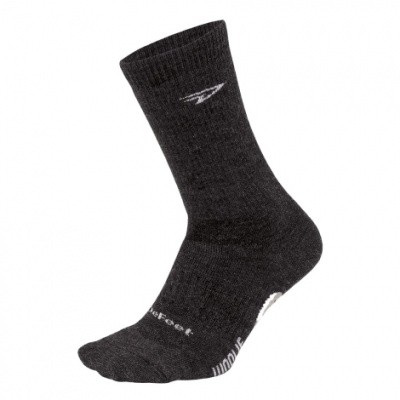
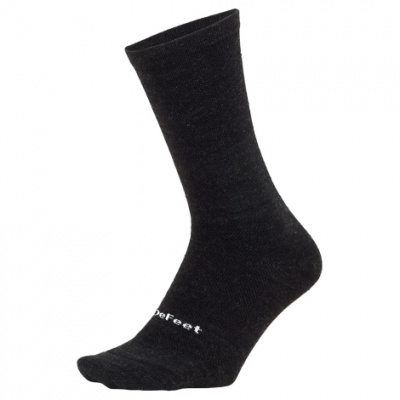
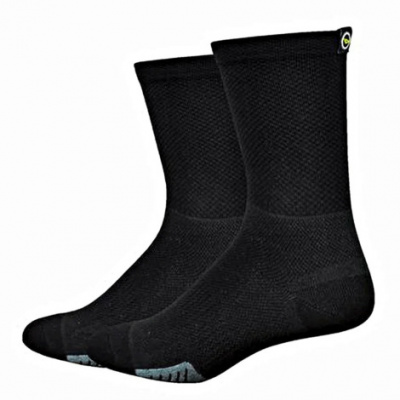
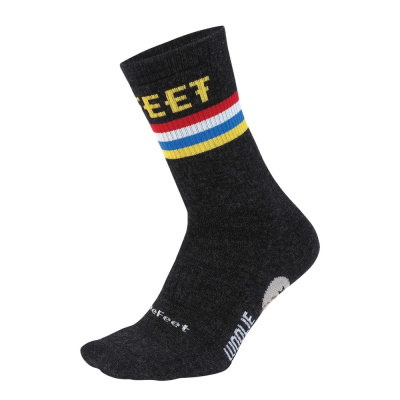
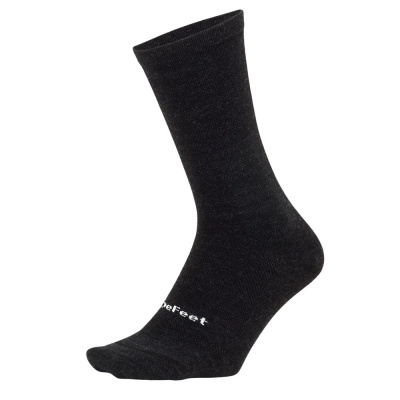
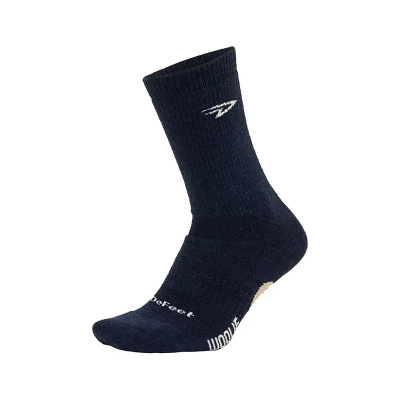
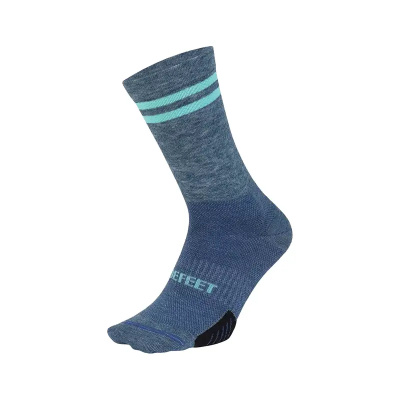
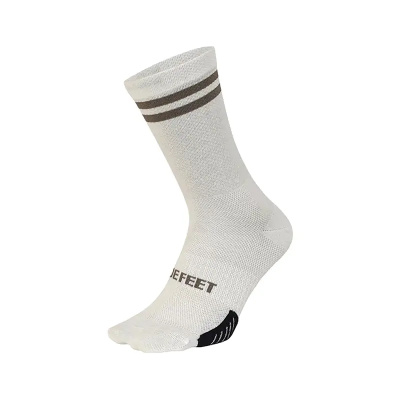
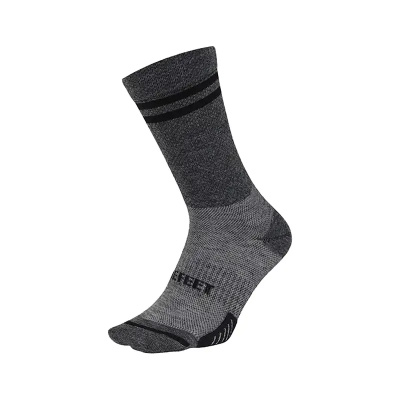
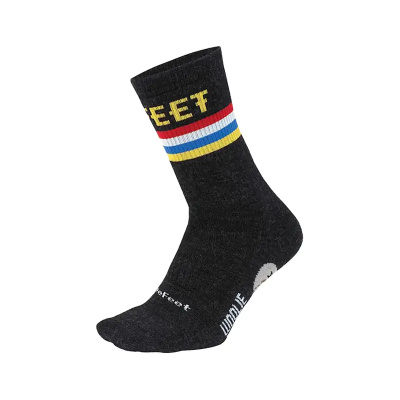
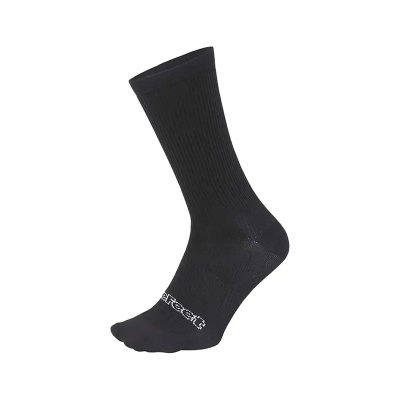
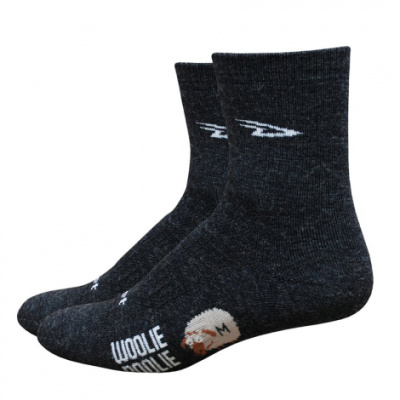
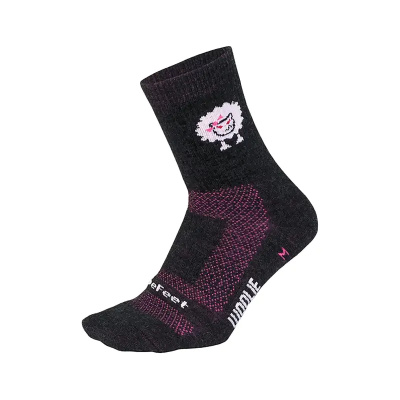
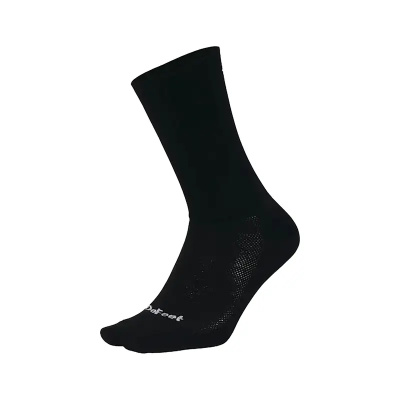
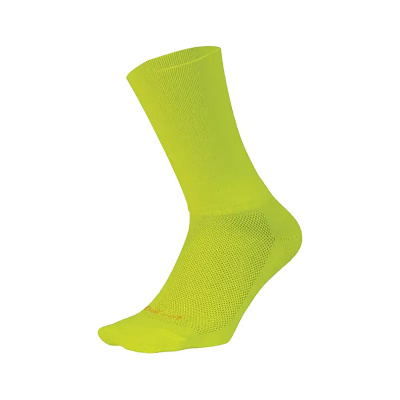
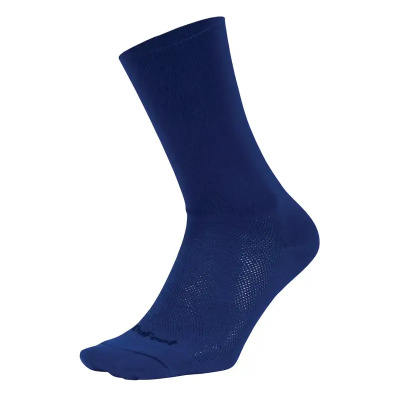
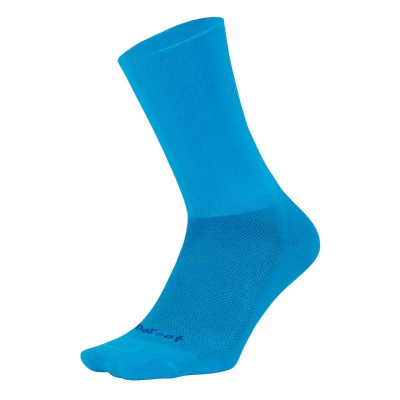
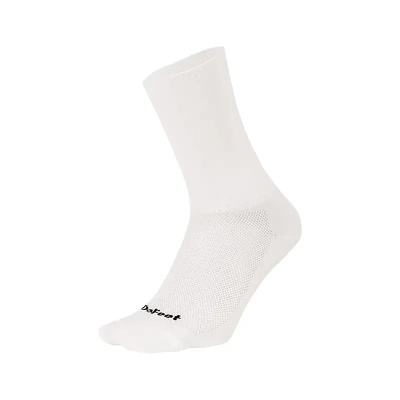
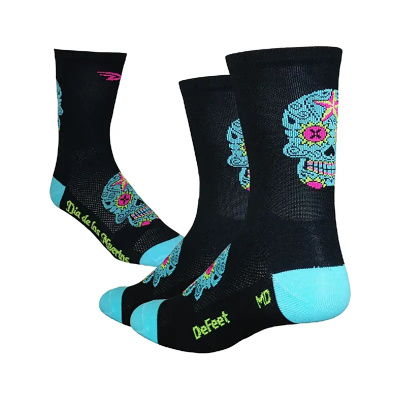
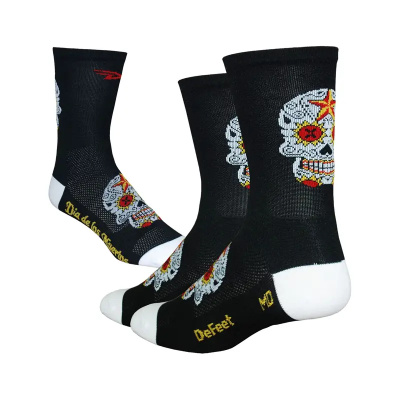
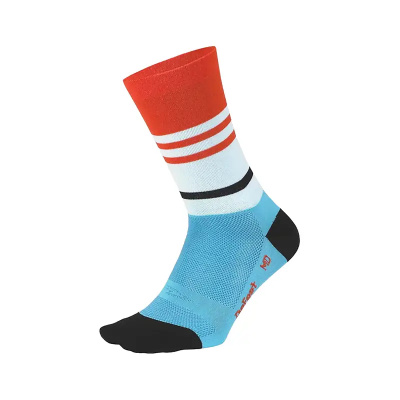
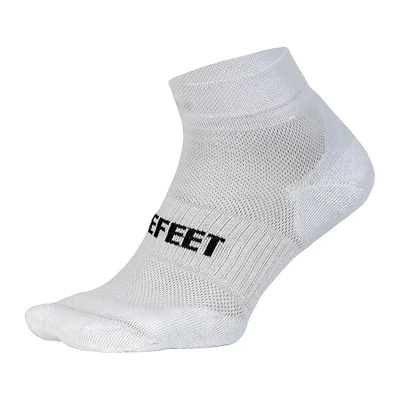
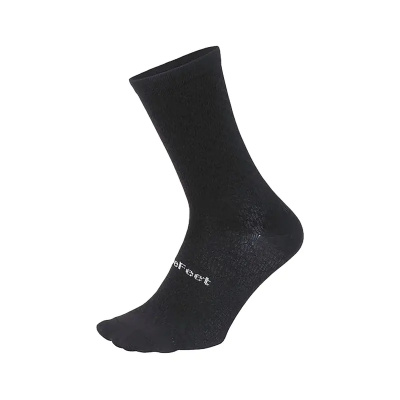
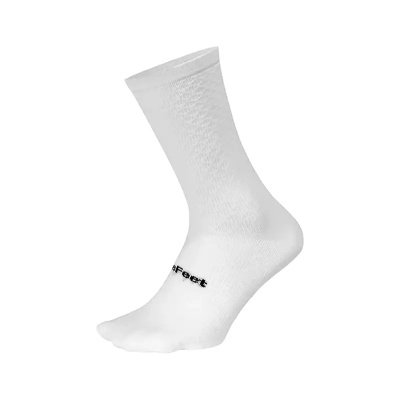
DeFeet cycling socks have earned their place in the peloton and on club runs across the country through sheer consistency - bombproof durability, distinctive designs, and fabric engineering that actually does what it claims. The range splits cleanly into two jobs: keeping your feet cool when summer makes climbing miserable, and keeping them warm when a January ride through the Peak District turns your shoes into a paddling pool. The Aireator handles the warm end, built around an open mesh weave and Repreve® recycled polyester yarns that pull moisture away and let air circulate freely. At the cold end, the Woolie Boolie uses a Merino wool blend that holds warmth even when road spray has soaked everything below the knee. Both lines share the same seamless toe closure that stops hot spots forming on longer efforts, and a compressive fit that keeps the sock locked in place rather than bunching under your footbed. DeFeet also uses eco-friendly materials including CoolMax eco-made fibres alongside the Repreve yarns, so there's a sustainability angle if that matters to your buying decision. Cuff heights run from a discreet 1-inch micro cut right up to an 8-inch tall option - plenty of choice across the range below.
Prices and availability can change quickly. Delivery charges are not always included in listed prices.
Final price, stock status and delivery terms are set by retailer. We may receive a commission on purchases made.
Fabric Tech and Weather Performance: Aireator vs. Merino
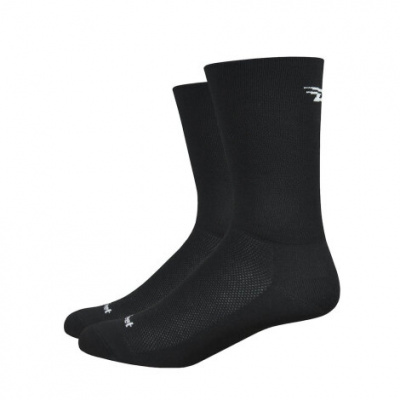
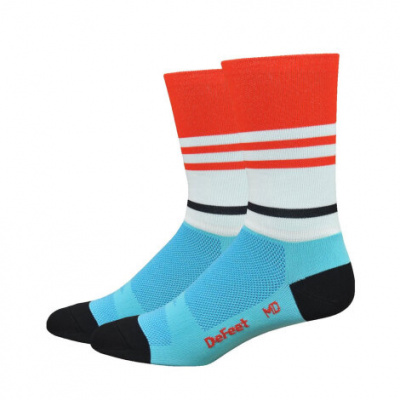
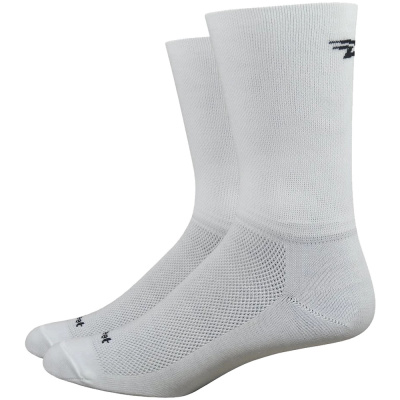
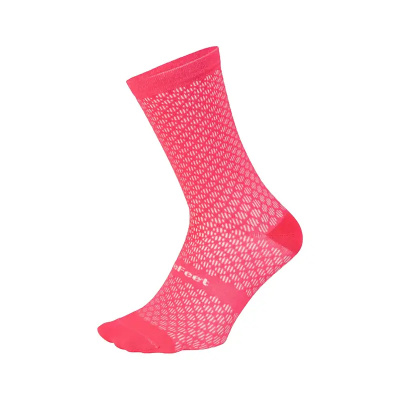
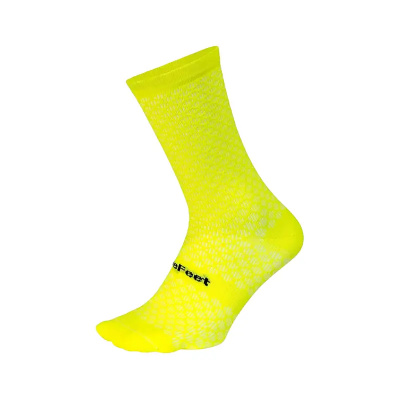
The DeFeet Aireator socks are built around a large-hole mesh weave that's almost architectural in how openly it's constructed. That structure isn't just about looking lightweight - it creates genuine airflow across the foot during muggy summer climbs, the kind of humid days where lesser socks turn your shoes into a sauna. The Repreve® recycled polyester yarns used throughout are moisture-wicking in a functional rather than marketing sense: they move sweat away from the skin quickly and dry fast enough that even a long sportive in changeable weather doesn't leave you squelching. The Aireator is the sock you reach for on anything from a dry Surrey Hills loop to a humid August sportive where your feet are the first thing to overheat.
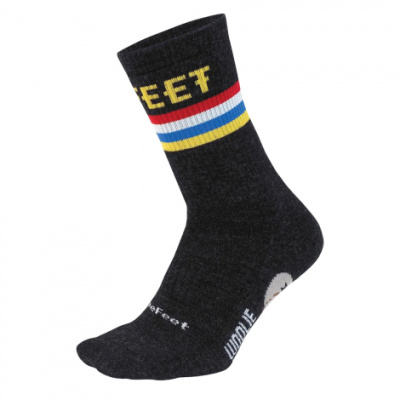
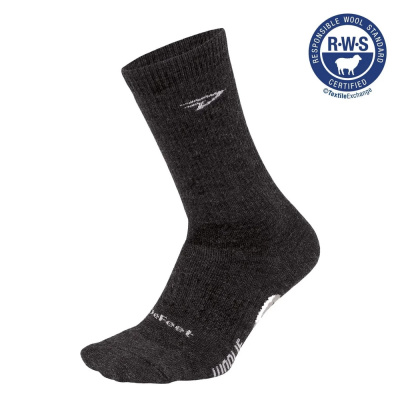
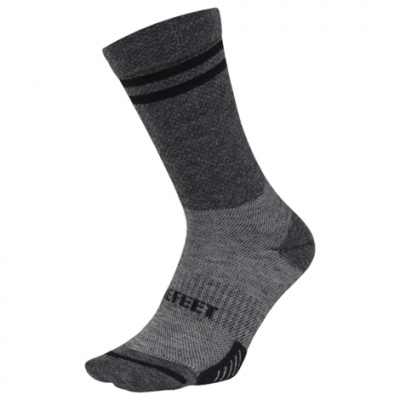
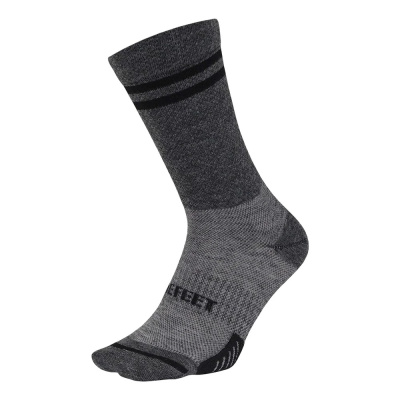
Flip the calendar to November and the Woolie Boolie earns its keep. The Merino wool blend at its core is a genuinely useful fibre for UK riding - it regulates temperature across a wide range and, critically, retains insulating properties when wet. Road spray on a Welsh back lane will soak through almost any shoe eventually; Merino keeps working where a purely synthetic sock gives up. The fabric also resists odour better than standard polyester, which matters if you're doing back-to-back winter commutes. Paired with the same seamless toe closure found across the DeFeet range, the Woolie Boolie avoids the pressure points and friction that thicker winter socks can create. If you run towards cold feet, these are among the more honest winter options available without stepping into heavyweight expedition territory.
Making Sense of the DeFeet Range and Fit
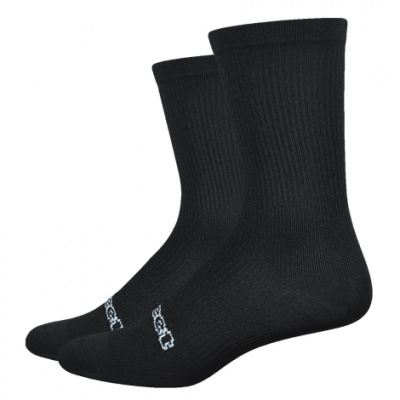
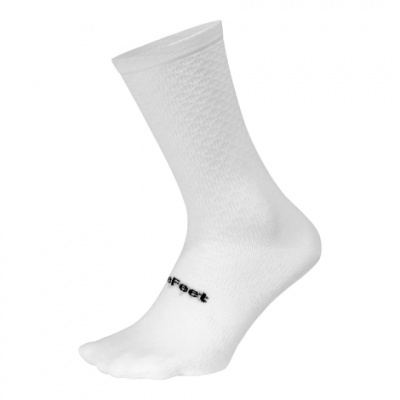
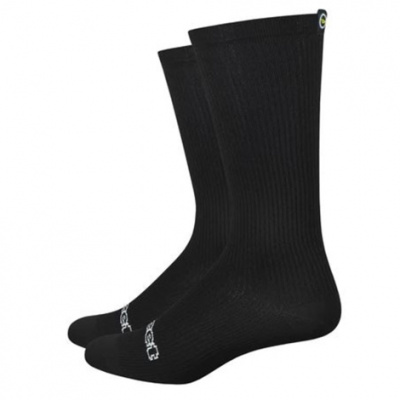
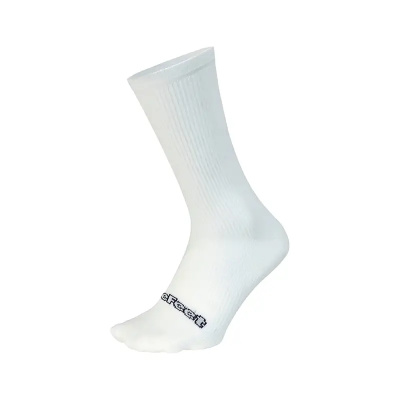
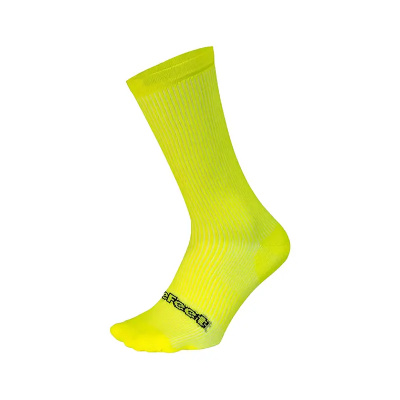
Three models do most of the work across the DeFeet lineup. The Aireator is the everyday choice - a relaxed, breathable club fit that works across road, gravel, and light off-road use without being fussy about context. The DeFeet Evo aero socks sit at the other end: a tighter, ribbed construction with a noticeably more compressive fit designed to reduce aerodynamic drag at race pace. If you're not actively chasing marginal gains in a crit or a TT, the Evo's compression is more than most riders need for day-to-day riding. The Woolie Boolie sits apart from both - a thicker profile that prioritises thermal protection over aerodynamics, and that's entirely the right call for its job.
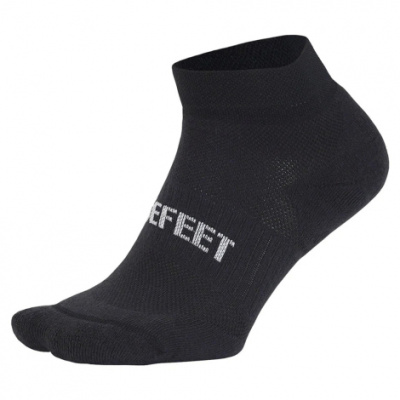
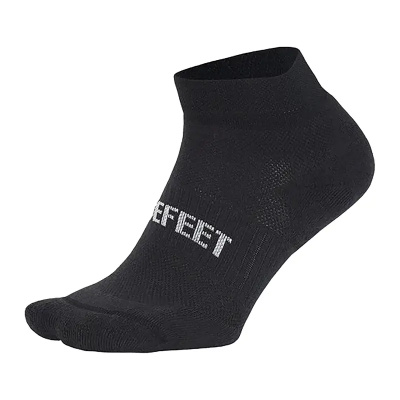
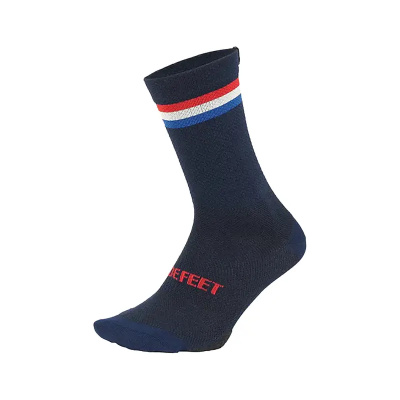
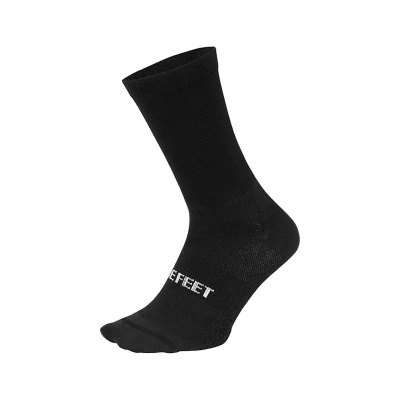
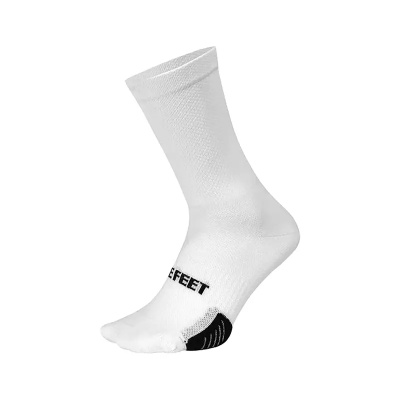
Cuff height is worth thinking about before you buy. DeFeet offers a 1-inch micro cut that disappears inside most shoes, a 3-inch option that suits riders who prefer a clean ankle line, the classic 6-inch length that's been the club-run standard for years, and an 8-inch tall version that offers more calf coverage for cold mornings or riders who simply prefer the look. Taller cuffs give you more coverage to tuck under bib tights; shorter cuts work better with low-cut road shoes where a tall cuff looks out of proportion.
On sizing: DeFeet socks fit true to size against standard cycling shoe sizing in most cases. If you sit between two sizes, go down rather than up. A slightly snugger fit keeps the fabric flat inside the shoe and stops the toe box from folding - a small detail that becomes a noticeable irritant on a four-hour ride. The En-Duro-Skin construction used on key wear areas adds longevity at the heel and toe without building in extra bulk, so the fit stays consistent wash after wash. Riders who've found Castelli socks or Assos socks running slightly small will find DeFeet sizing more straightforward.
Layering and Care for UK Riding Conditions
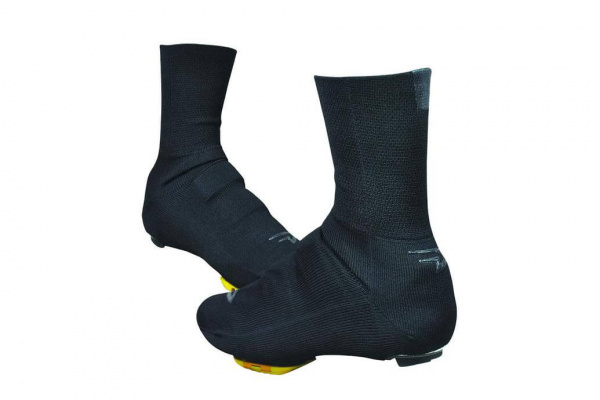
For deep winter riding, the Woolie Boolie works best as part of a layered system rather than a standalone solution. Pair them with DeFeet overshoes and you've got a combination that handles most of what a British winter throws at you - wind, road spray, and the kind of cold that settles in on longer efforts. The overshoe blocks wind and water; the Merino sock manages temperature and stays warm when damp. It's a more effective combination than trying to find a single heavier sock that does everything.
On warmer days, DeFeet arm warmers alongside the Aireator socks give you an easy system to manage temperature on variable days - peel the arm warmers off at the top of a climb, keep the breathable socks working throughout. It's a simple approach that avoids overdressing. If you're building out a full DeFeet kit, DeFeet base layers use similar recycled yarn technology and sit well alongside both sock lines.
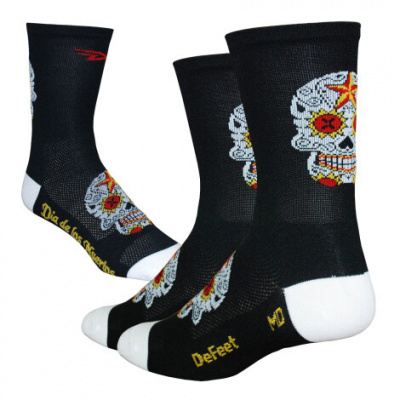
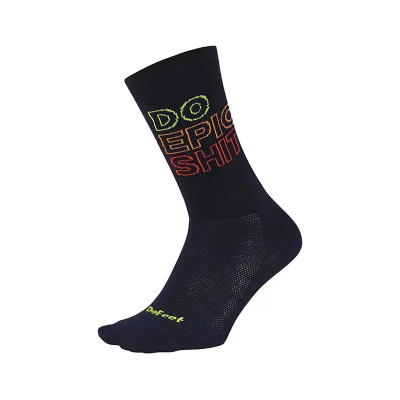
Washing DeFeet socks correctly makes a real difference to how long they last and how well the cuffs hold their shape. For the Merino Woolie Boolies, cold wash only - 30°C maximum - and always air dry flat rather than tumble drying. Heat shrinks Merino and breaks down the elastic in the cuff faster than anything else. The Aireator and Evo models are more forgiving but still benefit from a cooler wash and air drying if you want the compressive fit to stay consistent over time. Turn them inside out before washing to protect the outer surface and the printed designs, which are part of what makes DeFeet worth buying in the first place. Compared to the care requirements of, say, Fingerscrossed socks or GripGrab socks, DeFeet's Merino models need slightly more attention - but it's a two-minute habit that pays off across dozens of washes.
Defeet Socks FAQs
Are DeFeet socks true to size?
Generally, yes - DeFeet socks size against standard cycling shoe sizing and fit accurately for most riders. If you're sitting between two sizes, go smaller. A snugger fit keeps the fabric flat inside the shoe, prevents bunching under the footbed, and holds the compressive fit that DeFeet design for.
What is the difference between DeFeet Aireator and Evo?
The Aireator is DeFeet's core breathable sock - open mesh weave, relaxed club fit, works well for everyday riding across all conditions where ventilation matters. The Evo is a race-specific option with a tighter ribbed construction and notably higher compression, built for aerodynamic efficiency. Unless you're racing or chasing a TT, the Aireator is the more practical everyday choice.
Are Woolie Boolie socks good for winter cycling?
Yes, and particularly so for UK conditions. The Merino wool blend retains heat when wet - which matters when road spray is a fact of life from October through March. They insulate reliably, manage odour well over consecutive rides, and the seamless toe construction avoids the pressure points that thicker winter socks often create. Pair them with overshoes for serious cold.