
Specialized MTB Tyres
Specialized MTB tyres are one of the most systematically tunable tyre ranges you can buy - and once you understand how their compound and casing matrix fits together, picking the right rubber for your riding gets a lot more straightforward. The range is built around GRIPTON® compounds and a tiered casing architecture, which means you're not just choosing a tread pattern; you're dialling in grip, weight, and puncture resistance as separate variables.
For UK riders, that matters. Wet chalk on the North Downs, off-camber roots in the Quantocks, flint-strewn bridleways across the South Downs - each calls for a different balance of mechanical grip and casing protection. Specialized's 2Bliss Ready tubeless bead design is standard across the modern lineup, so running sealant rather than tubes is straightforward, provided your rims and tape are up to it.
If you're building a dedicated gravel or commuter setup, we've covered those separately - this page focuses on mountain bike fitments. What follows breaks down exactly which tyre suits which position on the bike, which compound matches your conditions, and how to keep the whole setup rolling through a British winter without constant trailside drama.
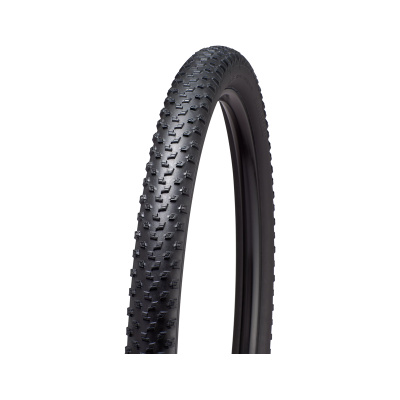
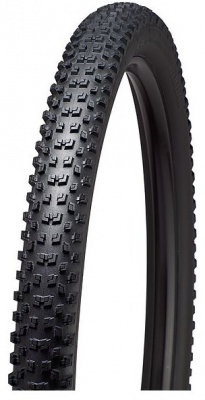
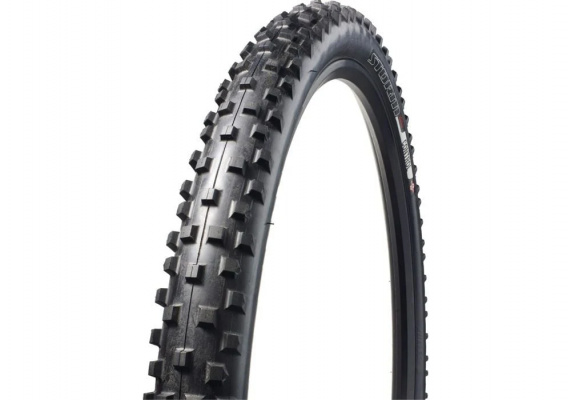
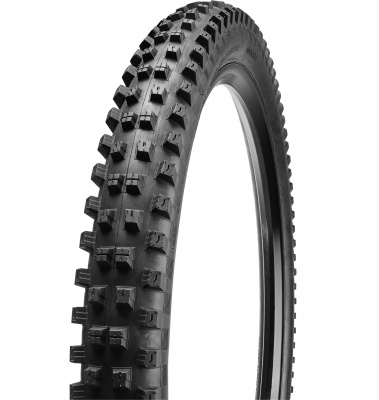
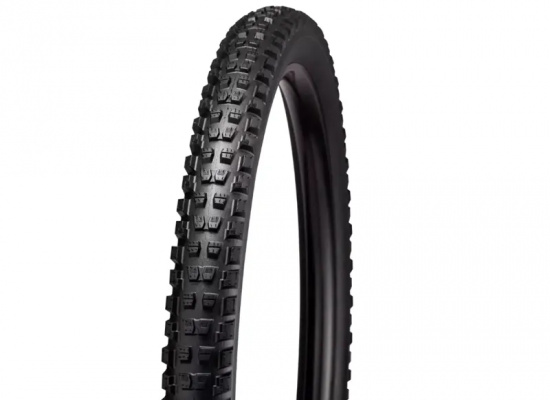
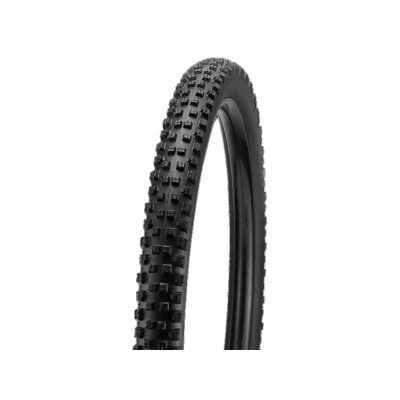
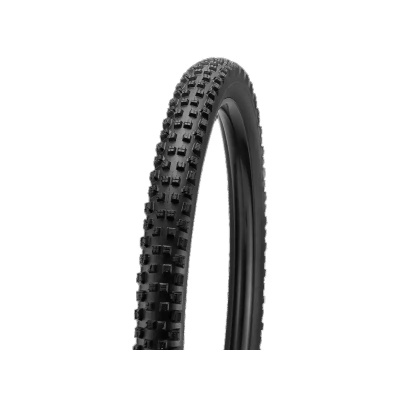
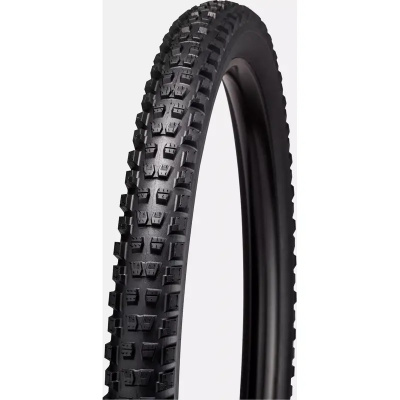
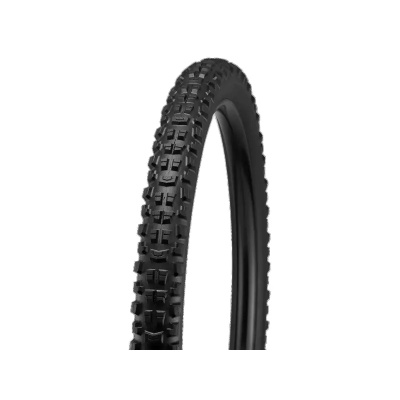
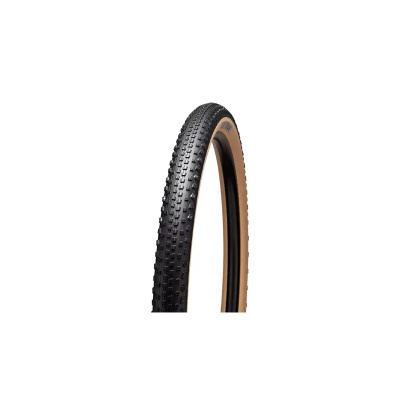
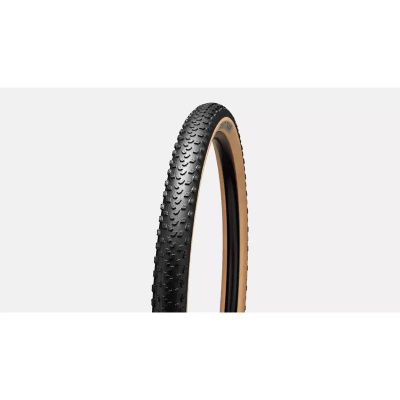
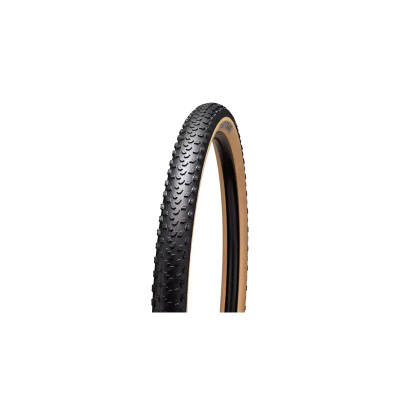
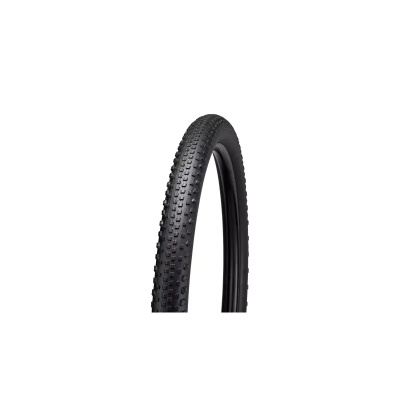
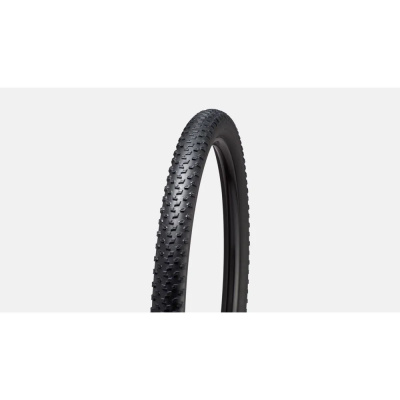
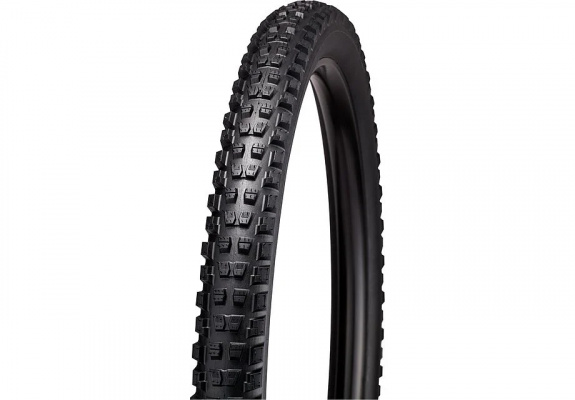
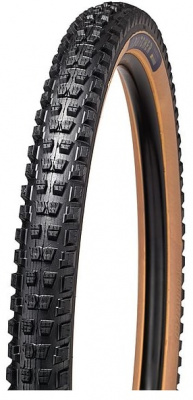
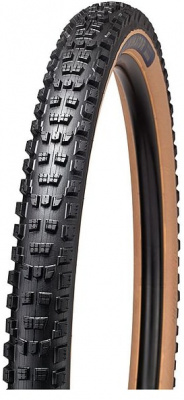
Prices and availability can change quickly. Delivery charges are not always included in listed prices.
Final price, stock status and delivery terms are set by retailer. We may receive a commission on purchases made.
Getting the Fit Right: Wheel Sizes, Rim Widths, and Tubeless Basics
Before you pick a tread pattern, check your rim's internal width. Specialized's MTB tyres in the 2.3" to 2.6" bracket perform as designed when mounted on rims with a 28mm to 35mm internal width - this is where the tyre profile inflates to the correct shape and the sidewall sits at the right angle for cornering support. Mount a 2.6" tyre on a sub-25mm internal width rim and the casing balloons unpredictably, which causes tyre roll under hard cornering loads. Older trail bikes are particularly prone to this, so measure before you order.
The 2Bliss Ready bead design is Specialized's proprietary tubeless standard. It seats reliably against most modern hookless and hooked tubeless-ready rims, but you still need compatible rim tape, tubeless valves, and a decent sealant - Specialized's own sealant is an obvious starting point. A track pump and a bit of washing-up liquid on the bead will seat most 2Bliss tyres without a compressor, though a stubborn 2.6" on a wider rim sometimes needs a short blast of CO2 to pop the bead. Keep a CO2 inflator in your pack for trailside reseating, too.
Tread Patterns, Compounds, and Casings: How the Matrix Works
Specialized MTB tyres are best understood as a grid with three axes: tread pattern, GRIPTON® compound, and casing. Get all three right and the tyre feels like it was made for your riding. Get one wrong and you're either fighting for grip or hauling unnecessary weight up climbs.
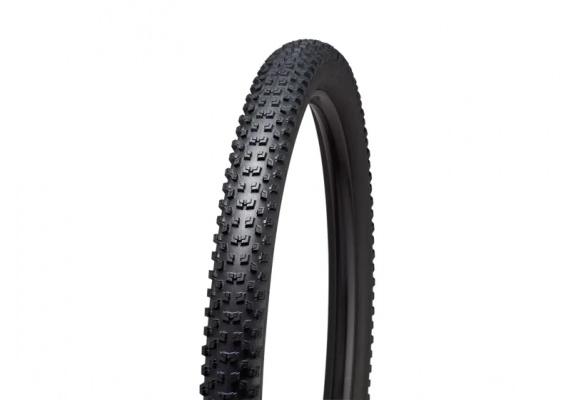
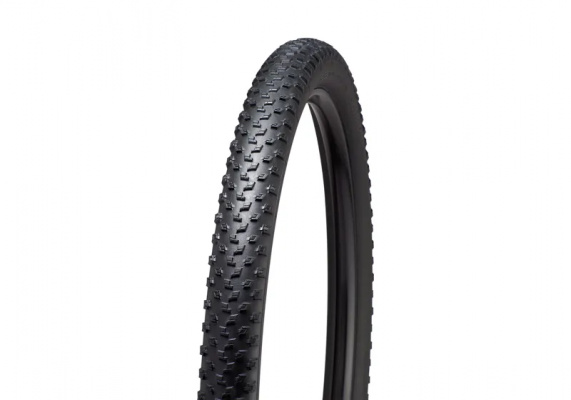
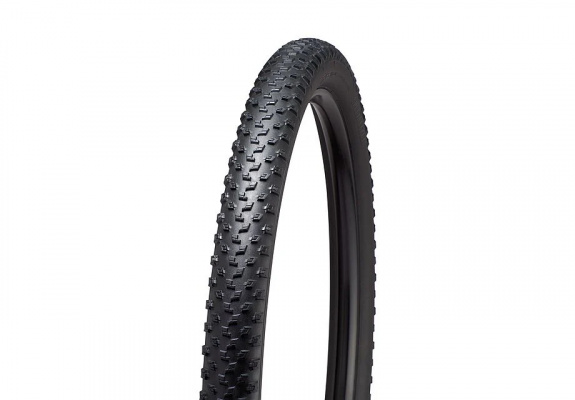
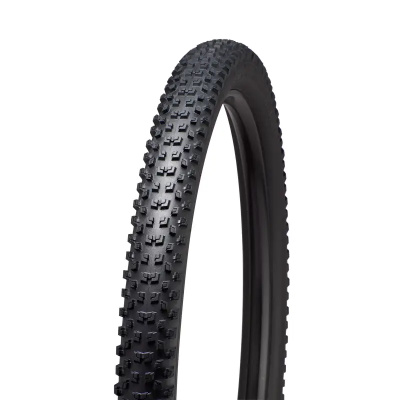
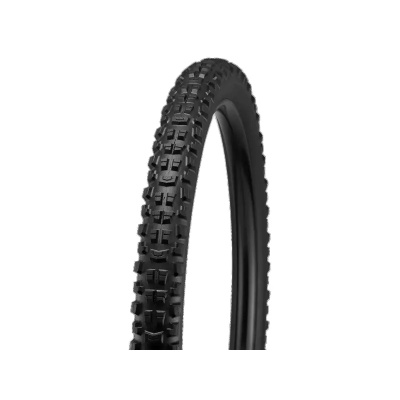
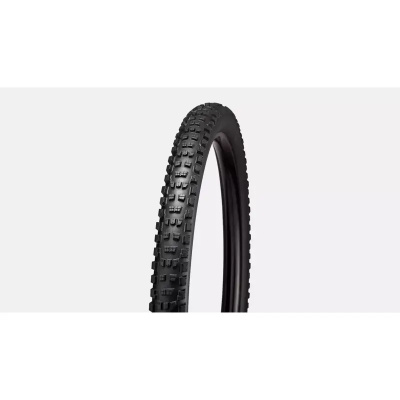
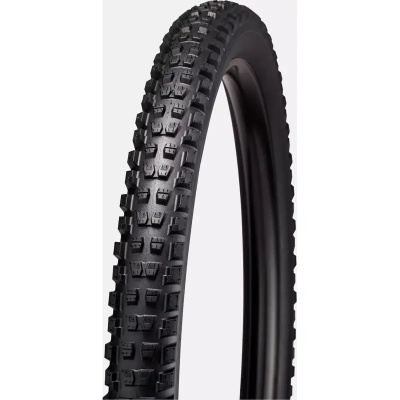
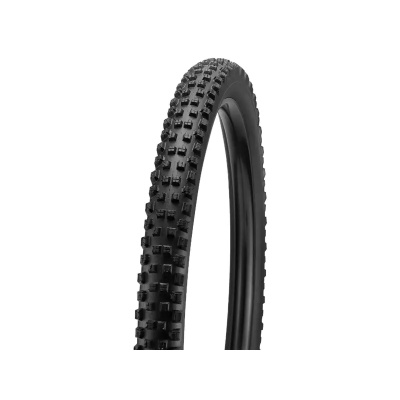
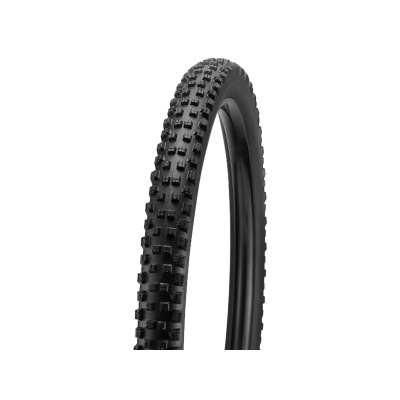
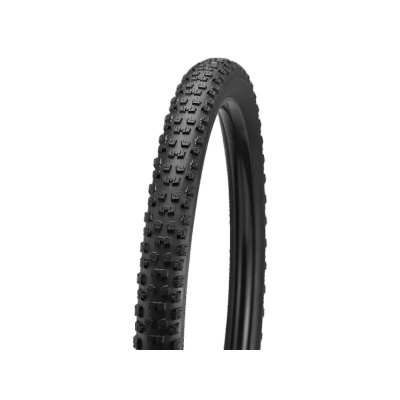
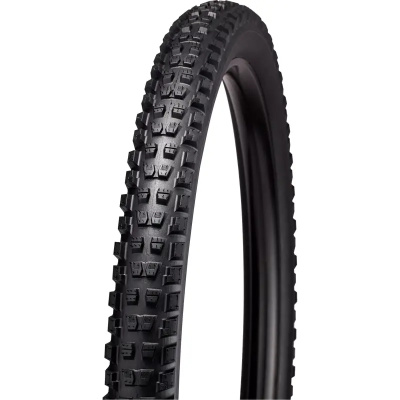
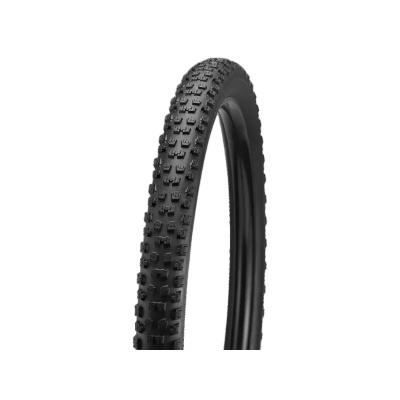
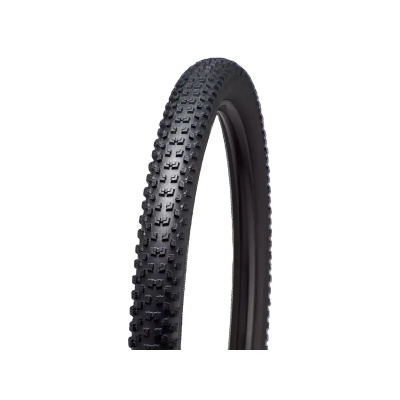
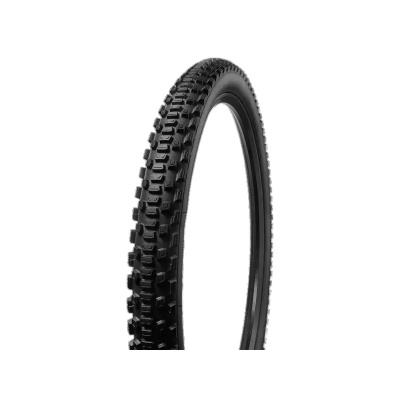
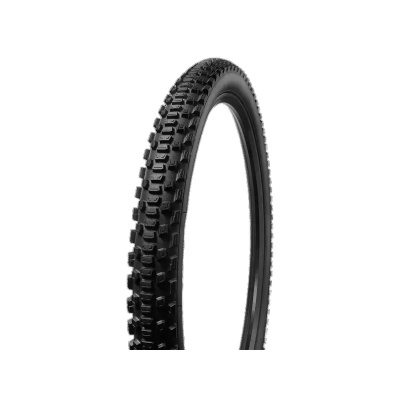
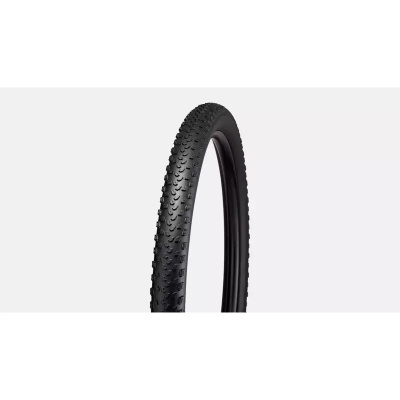
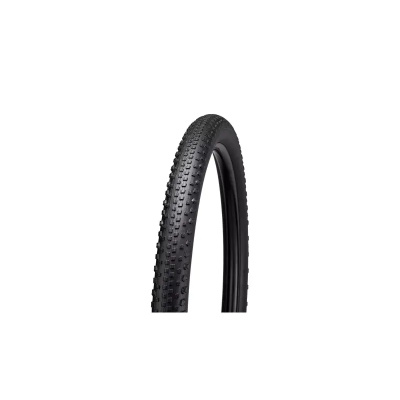
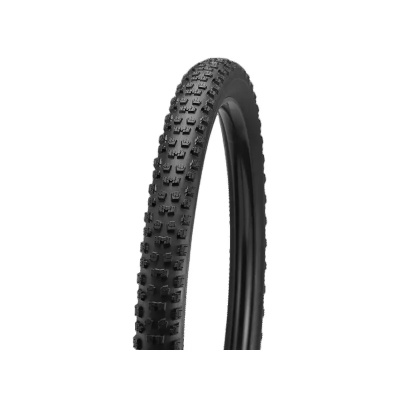
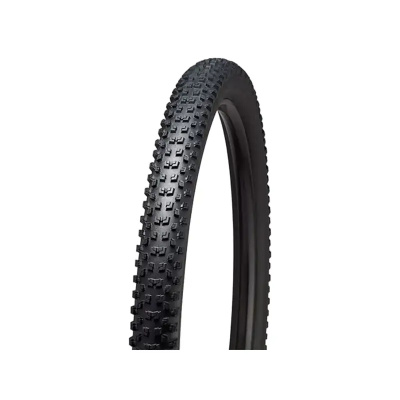
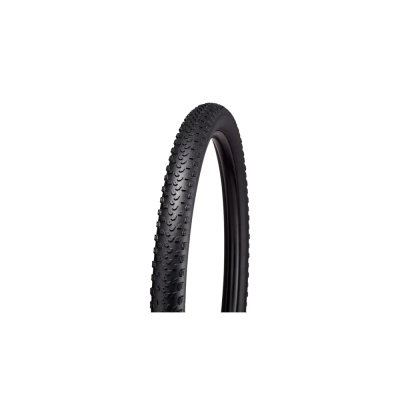
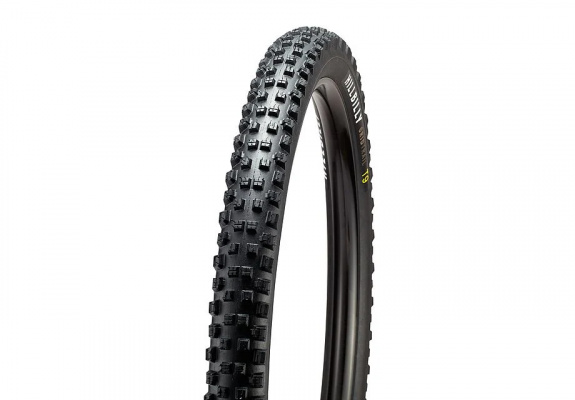
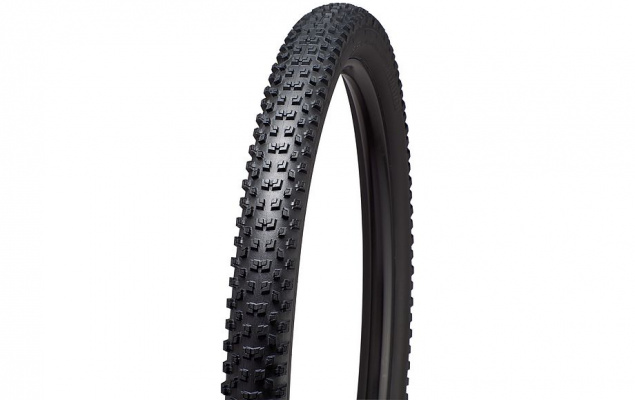
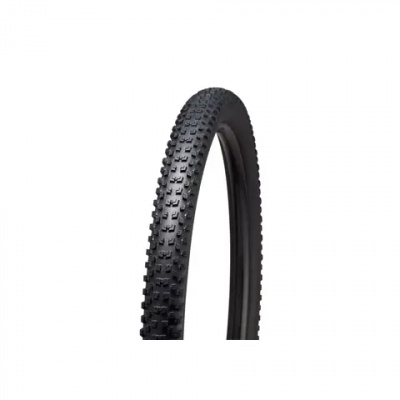
Tread patterns split roughly into four families. The Butcher is an aggressive, ramped-knob all-rounder - wide shoulder knobs for cornering, ramped centre knobs for predictable braking. The Eliminator runs a tighter, faster-rolling layout that suits the rear wheel on enduro and trail bikes where you want speed between corners. The Hillbilly goes the other way entirely: widely spaced, deep blocks designed to clear heavy clay and deep winter slop rather than roll efficiently. The Purgatory and Ground Control sit at the XC and light-trail end, with lower-profile knobs and faster rolling resistance for riders covering big distances.
GRIPTON® compounds are where Specialized MTB tyres really earn their reputation. T5 is the hardest, fastest compound - cross-country racing and marathon distances where rolling efficiency outweighs raw grip. T7 sits in the middle: firm enough to roll well on a rear tyre across mixed UK conditions, grippy enough for most trail centres in the dry and moderate wet. T9 is the one that gets riders talking. It's a highly damped, slow-rebounding rubber - think of it as the compound that stays in contact with a surface rather than bouncing off it. On wet roots or glassy chalk, T9 grips where T7 slides. The trade-off is wear rate and rolling resistance; T9 on a rear tyre on rocky natural trails will wear faster than T7. Front tyre, though? T9 is hard to argue with.
Casings govern puncture resistance and ride feel. Control is the lightest, aimed at XC where every gram counts and the riding is less aggressive. GRID is the standard trail casing - adequate for most blue and red trail centre riding. GRID Trail adds bead-to-bead reinforcement and is the one to specify if you're riding technical natural trails with sharp rock or buried flint; it's noticeably heavier than GRID but significantly more resistant to pinch flats and sidewall tears. GRID Gravity goes dual-ply for downhill and gravity racing - serious protection, serious weight. If you're comparing Specialized's casing approach to what Maxxis MTB tyres offer in their EXO and EXO+ range, the principle is similar, though the rubber compounds behave differently.
UK Durability and Keeping Things Rolling Through Winter
The classic UK enduro pairing that comes up repeatedly among riders who've spent time on natural trails is a Butcher T9 on the front with an Eliminator T7 on the rear, both in GRID Trail casing. The front tyre does most of your cornering and braking work - T9's damped compound grips wet roots and off-camber chalk where a harder compound deflects. The rear is under pedalling load and takes the brunt of rocky landings, so T7's firmer rubber rolls faster and wears more slowly. GRID Trail casing on both ends handles the flint and exposed rock that would slash through a standard GRID sidewall on a bad line.
Tubeless sealant needs attention in the UK's climate. Temperature swings between seasons cause sealant to dry out faster than the 6-month intervals some manufacturers suggest - top up every three to four months as a habit, and check consistency before a big day out rather than after a flat. You can keep inner tubes as a backup; a 2Bliss tyre will accept a tube if the sealant fails to plug a gash on the trail.
In wet winter months, drop your tyre pressure by 2 - 3 PSI compared to your dry-weather baseline. This lets the T9 compound deform more across roots and rocks, increasing the contact patch and the mechanical grip it can generate. It also takes the edge off the chatter on frozen, rutted trails. Carry a mini pump so you can adjust pressure between the car park and the descent rather than committing to one setting all day.
If you're not set on Specialized rubber, it's worth comparing against Continental MTB tyres in the Der Baron and Kryptotal range, or WTB MTB tyres for riders who want a different sidewall profile. Each brand has a distinct rubber feel - Specialized's GRIPTON compounds tend to offer a particularly damped, planted sensation that suits loose-over-hard UK conditions well.
Specialized MTB Tyres FAQs
Are Specialized MTB tyres tubeless ready?
Yes. Every current Specialized MTB tyre in the range uses the 2Bliss Ready bead design, which means they're set up to run tubeless without modification. You'll still need a tubeless-compatible rim, proper rim tape, and valves - and a sealant to seal the bead and plug small punctures. Pair all that correctly and the setup seats reliably on most modern rims.
What is the difference between Specialized T7 and T9 compounds?
T7 is the firmer, faster-rolling GRIPTON compound - suited to rear tyres where rolling efficiency and durability matter more than outright grip. T9 is a softer, more highly damped rubber that stays in contact with slick surfaces rather than bouncing off them. It's slower rolling and wears faster, but on wet roots, chalk, or greasy rock it grips considerably better than T7. Most riders run T9 front, T7 rear.
Which Specialized tyre combination is best for UK enduro?
A Butcher T9 front and Eliminator T7 rear, both in GRID Trail casing, is the setup that comes up most consistently for UK enduro riding. The Butcher's shoulder knobs and T9 compound handle cornering grip and wet braking; the Eliminator rolls faster under pedalling load. GRID Trail casing on both ends gives you the pinch flat resistance you need on rocky or flint-heavy natural trails.