
Specialized Commuter And Hybrid Tyres
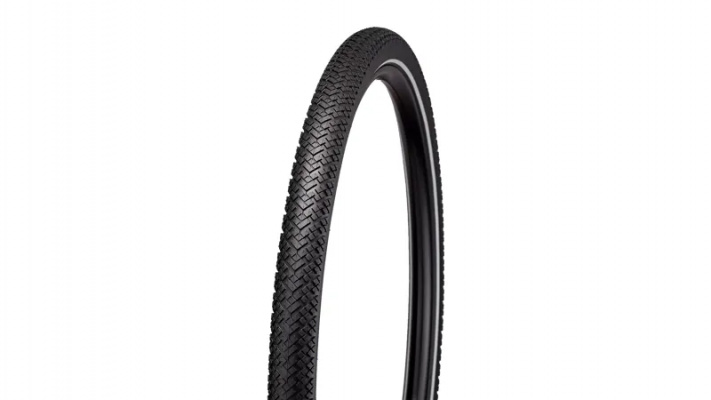
Specialized commuter tyres are built around one core idea: getting you to work and back without a roadside repair session in the rain. Whether you're threading through broken glass on a city cycle lane or dodging potholes on a suburban B-road, the range covers the full spectrum of urban riding needs - from fast-rolling slicks to grippier treaded options for wetter months.
The puncture protection story is genuinely worth understanding. Specialized runs three distinct systems across the commuter range. Armadillo is the full bead-to-bead nylon casing - heavy-duty, confidence-inspiring, the sort of tyre you fit when you simply can't afford a flat. Flak Jacket sits a tier below: a Kevlar layer under the tread that stops most glass and flint without piling on the weight. BlackBelt is the lighter, more flexible option - still protective, but with noticeably lower rolling resistance for riders who want a snappier commute. There's also Gripton compound on select premium models, which brings all-weather grip into the mix.
Sizing runs to both 700c and 650b standards, with widths broad enough to suit city hybrids, loaded tourers, and e-bikes alike. If you want reliable rubber that doesn't ask much of you, you're in the right place.
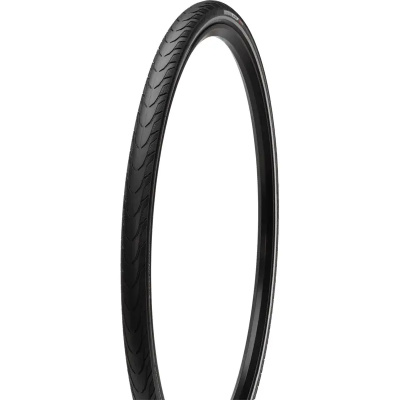
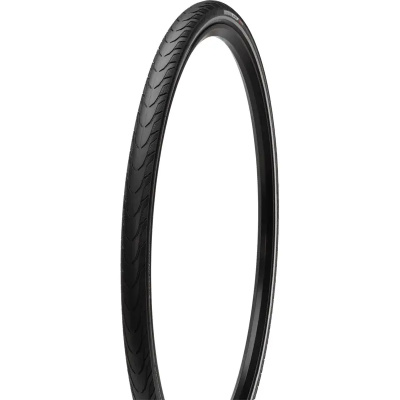
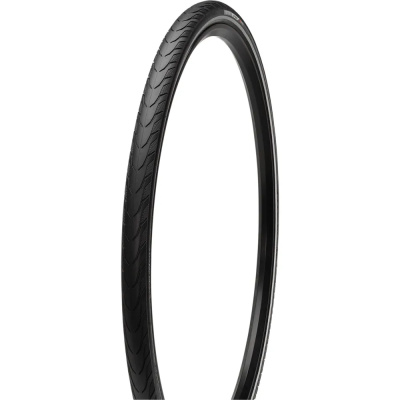
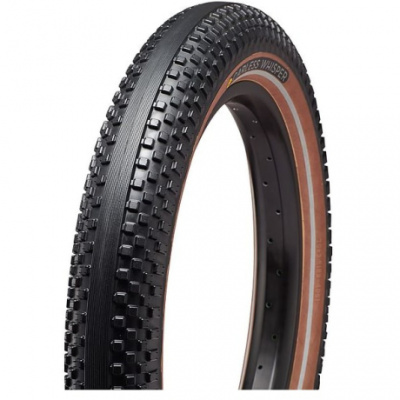
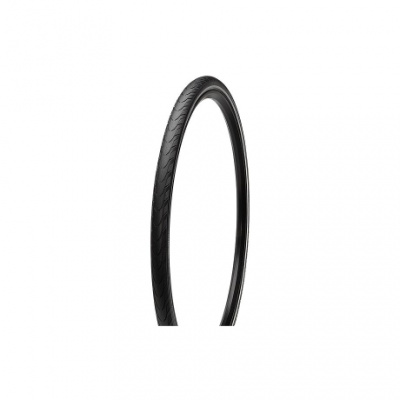
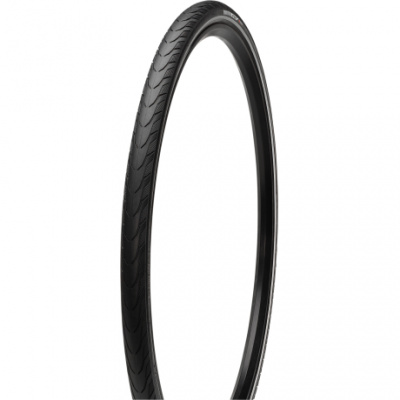
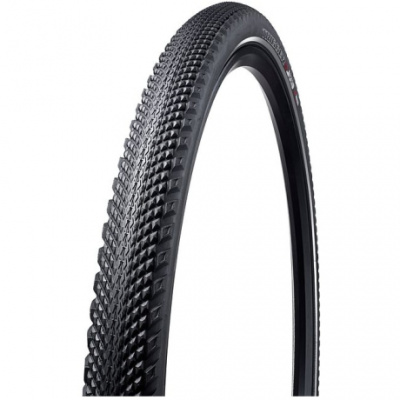
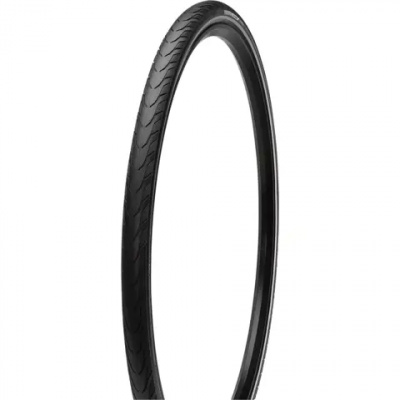
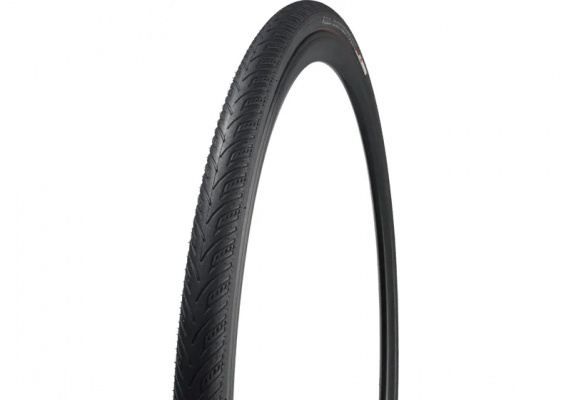
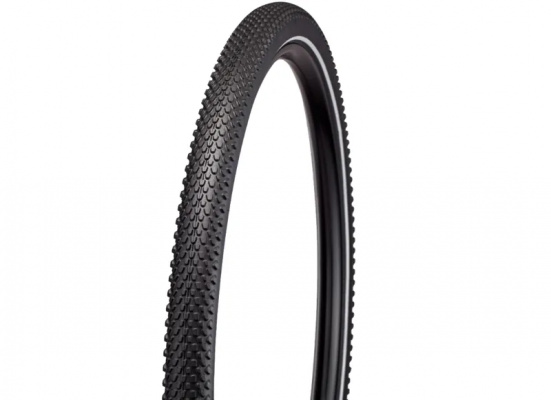
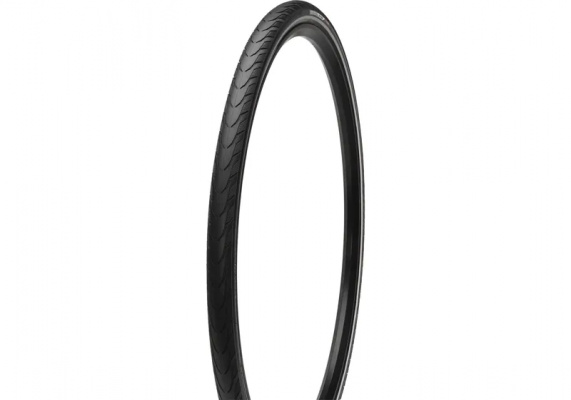
Prices and availability can change quickly. Delivery charges are not always included in listed prices.
Final price, stock status and delivery terms are set by retailer. We may receive a commission on purchases made.
Getting the Size Right: 700c, 650b, and Frame Clearance
Most Specialized hybrid and commuter tyres come in 700c - the standard road-derived sizing you'll find on a Sirrus, a CrossTrail, or most flat-bar city bikes. Widths typically run from 28mm up to 42mm, so check your frame's clearance before buying. A 700x38c tyre sounds modest, but add a set of Specialized mudguards and you might find things tighter than expected, especially on older frames with tighter fork crowns.
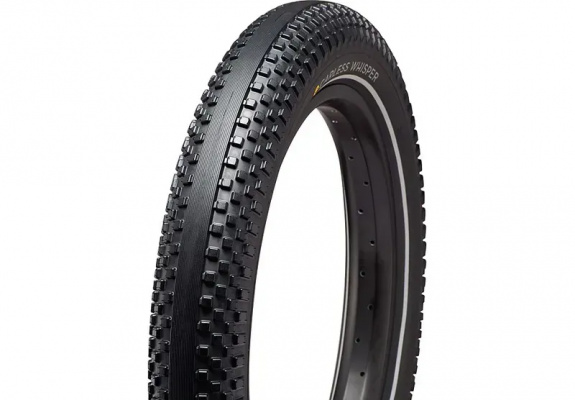
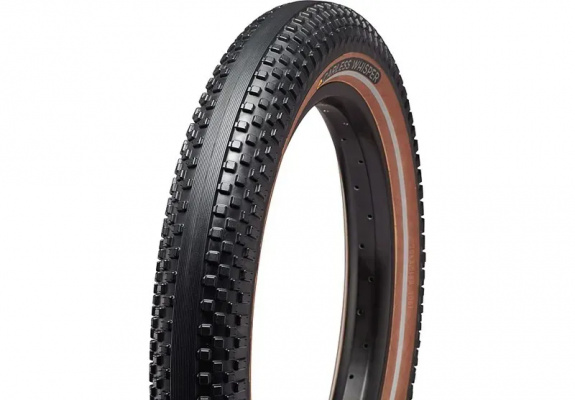
650b (also sold as 27.5-inch) appears on some of Specialized's wider-clearance hybrids and e-bikes - it's a shorter wheel diameter that allows a larger tyre volume without the overall wheel getting unwieldy. If you're on an e-bike platform, check whether your model is specced for 650b before ordering; fitting a 700c tyre simply won't work.
On bead type: most commuter models use a wire bead, which is heavier than a folding bead but tougher, cheaper, and perfectly suited to a tyre that lives on one bike for a couple of years. Folding bead versions do appear in the range and save a few grams, but for commuting that weight difference is academic. If you're building a dedicated drop-bar racer or a pure off-road machine, these urban tyres won't offer the right performance. Head over to our Specialized road tyres, Specialized MTB tyres, or Specialized gravel and cyclocross tyres pages instead.
TPI (threads per inch) is worth a glance too. Higher TPI casings are suppler and roll faster; lower TPI casings are thicker and more cut-resistant. For commuting, mid-range TPI hits the practical balance - you don't need race-level suppleness, but you don't want a casing so stiff it buzzes your hands on rough tarmac all the way into the office.
Armadillo, Flak Jacket, and BlackBelt: Picking Your Protection Level
Specialized's puncture defence lineup isn't just marketing layering - there are real, tangible differences between tiers, and choosing the wrong one for your route is a genuine mistake worth avoiding.
Armadillo is the serious option. The bead-to-bead nylon casing wraps the entire tyre, not just the crown, so sidewall cuts from kerb strikes or broken glass are significantly less likely to end your day. It's the heaviest construction in the range, and you'll feel that on a long climb, but on a flat urban commute the extra rolling resistance is modest. If your route crosses the sort of debris-strewn cycle paths you get after heavy rain washes gravel and glass across the lane, Armadillo is the one to fit. Pair it with a set of quality Specialized inner tubes and a Specialized mini pump clipped to your frame and you've got a genuinely dependable setup.
Flak Jacket sits in the middle of the range. The Kevlar breaker layer sits beneath the tread and catches the sharp stuff before it reaches the tube - flint shards, glass fragments, the usual UK cycle-lane hazards. It's lighter than Armadillo and rolls noticeably better. For most commuters on reasonably well-maintained roads, Flak Jacket protection is plenty. Think of it as a sensible compromise rather than a budget choice.
BlackBelt is the fastest-rolling of the three protection systems. The flexible breaker strip adds meaningful defence without stiffening the casing, so the tyre can still deform and absorb road texture rather than bouncing off it. If your commute is mostly smooth tarmac - a cycle path along a canal, say, or well-resurfaced urban roads - BlackBelt lets you move at a better pace without abandoning all protection.
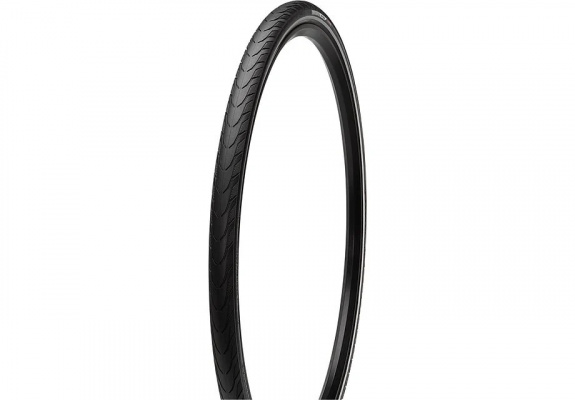
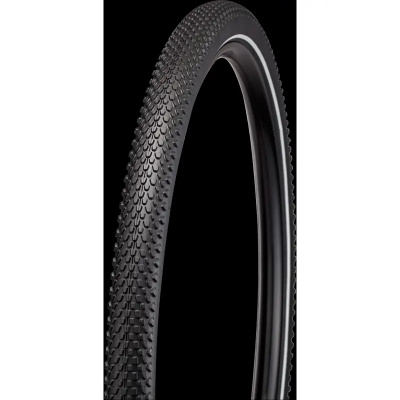
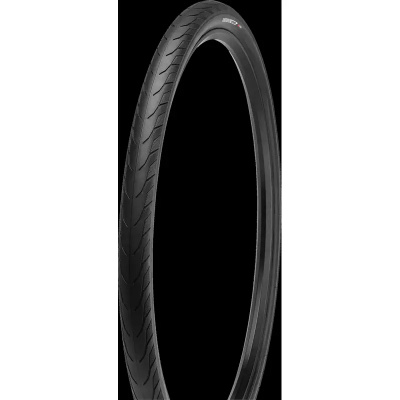
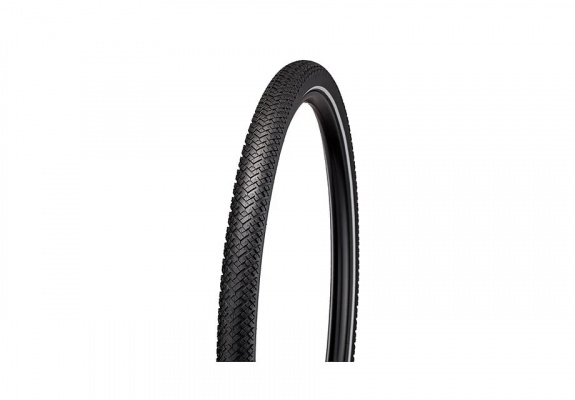
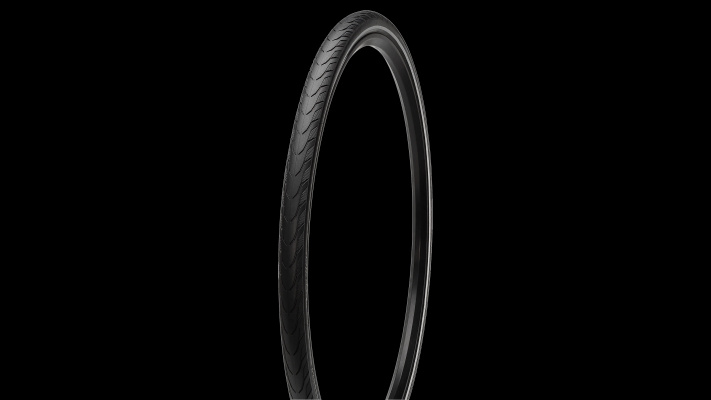
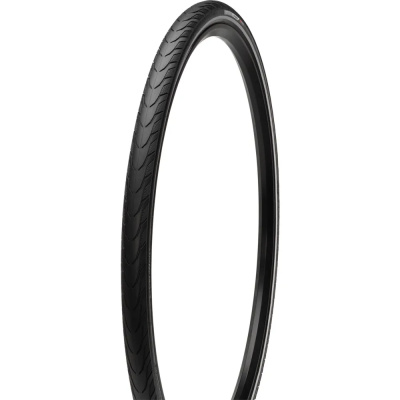
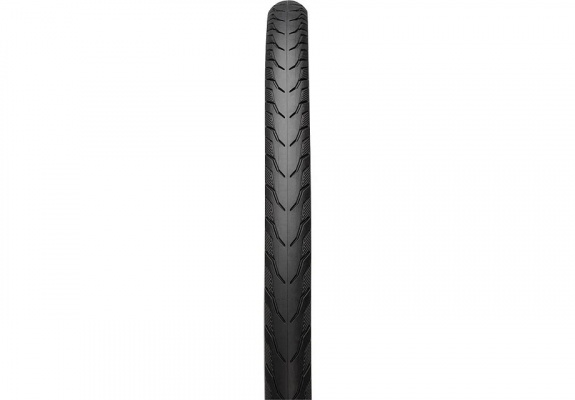
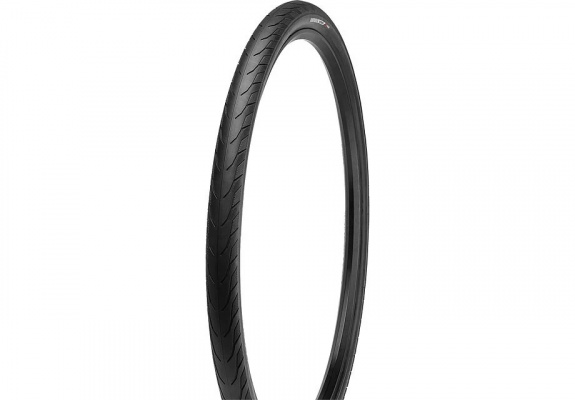
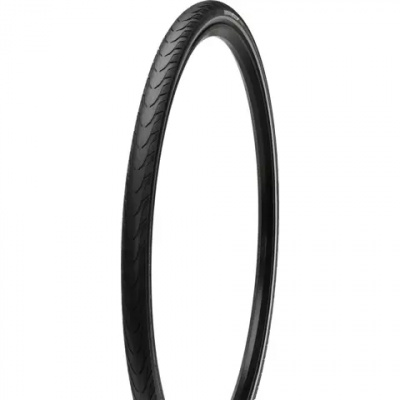
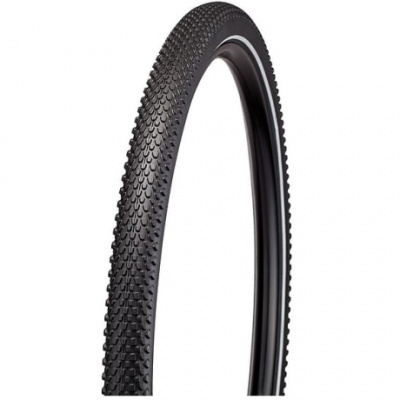
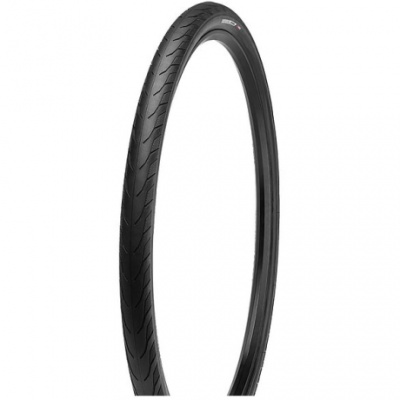
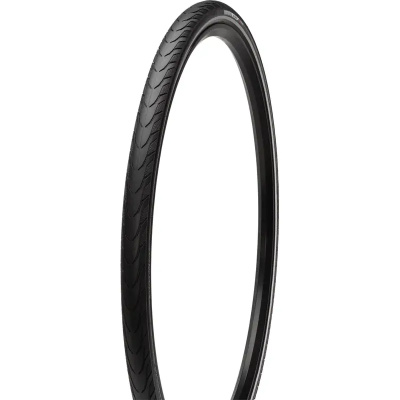
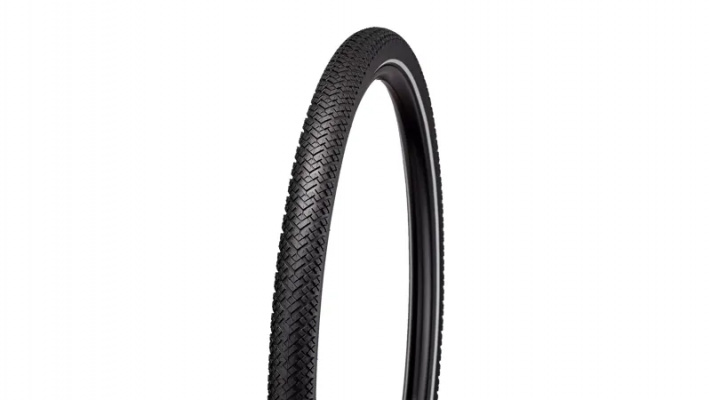
In terms of specific models: the Nimbus runs a smooth, low-profile slick tread, designed for paved surfaces where rolling speed matters. The Infinity uses a deeper inverted tread pattern that channels water away from the contact patch - better wet grip, slightly more rolling resistance. The Crossroads adds a more defined centre ridge with side knobs, making it genuinely capable on light gravel or packed dirt as well as tarmac. Worth noting that alternatives from Continental, Bontrager, and Michelin cover similar ground if you want to compare protection tiers across brands before deciding.
E-bike riders should look specifically for e-bike certified options in the range. The additional motor-assisted speed and heavier overall weight put more stress on the casing and compound than standard commuter use - a non-rated tyre can degrade faster and lose its structural integrity under those loads. Specialized's Gripton compound appears on select premium urban models and is worth seeking out if wet tarmac grip is your main concern; it maintains traction in cold, greasy conditions where a standard compound starts to feel vague.
Keeping Them Alive Through a UK Winter
A tyre that looked clean on Friday can have three pieces of embedded glass by Monday morning without you noticing. Get into the habit of running a gloved finger around the tread after every commute - you're feeling for anything that's started to work its way in but hasn't yet reached the tube. Pull it out with a pick or a small flathead before it does. Takes thirty seconds. Saves you a cold roadside fix.
Pressure management matters more than most riders think. UK roads - particularly in autumn and winter - are a mix of smooth resurfaced sections and genuinely vicious hidden potholes where the tarmac has broken away beneath a puddle. Running a 700x38c tyre at the top of its pressure range on dry summer roads makes sense for efficiency. Drop it by 10 PSI or so in wet conditions and you widen the contact patch, which improves grip on greasy tarmac. Just don't go so low that you're risking pinch flats - on a heavily loaded commuter or an e-bike, that lower pressure threshold is higher than you might expect.
If you're not already using Specialized sealant in your tubes or running a tubeless-compatible setup, it's worth considering for winter riding. Minor punctures from thorns or small glass fragments often seal before you've noticed them. It won't save you from a full blowout, but it dramatically reduces the number of times you're standing in the rain with your wheel off.
Reflective sidewall markings appear on several models in the range and are worth prioritising if you're riding before dawn or after dusk. They don't replace good lighting, but they add a useful secondary visibility layer on unlit sections of your route.
Specialized Commuter And Hybrid Tyres FAQs
Are Specialized Armadillo tyres completely puncture proof?
No pneumatic tyre is completely puncture-proof - but Armadillo gets closer than most. The thick bead-to-bead nylon casing stops the vast majority of glass, flint, and thorns from reaching your inner tube. You can still get a sidewall impact flat from a particularly aggressive kerb strike, but for everyday UK urban riding, the protection is as good as it gets without going solid.
What is the difference between Specialized Nimbus and Infinity tyres?
The Nimbus runs a smooth slick tread - fast-rolling on dry tarmac, efficient on a standard city commute. The Infinity uses a deeper inverted tread pattern that channels water away from the contact patch, giving better grip on wet or greasy roads. If you commute year-round in the UK, the Infinity's wet-weather performance is the more practical choice for most riders.
What tyre pressure should I run on my Specialized hybrid bike?
For a 700x32c to 38c hybrid tyre, 50 - 70 PSI covers most situations. Heavier riders and smooth, dry tarmac push you towards the upper end; wet winter conditions and rougher roads pull you lower. Don't drop below around 45 PSI on a loaded commuter or e-bike - the pinch flat risk on hidden potholes goes up sharply below that threshold.