
Continental Commuter And Hybrid Tyres
Few things derail a morning commute faster than a flat, which is exactly why Continental commuter and hybrid tyres have become the default choice for UK riders who need to actually get there. Continental's urban range is engineered in Germany around one core idea: keep you rolling no matter what the road throws at you. That means proprietary puncture protection like the Plus Breaker - a highly elastic rubber insert that sits between the tread and the casing - and the PolyX Breaker, a polyester fibre layer borrowed directly from car tyre technology. Together, they deal with the glass, flint, and general grime that litters British cycle lanes with impressive consistency. If you ride after dark, look for Reflex sidewall models, which carry reflective strips to keep you visible on unlit roads. Riding an electric hybrid? Continental's E50-rated options are built to handle the extra weight and torque that a standard tyre simply wasn't designed for. From a quick 700c city slick to a robust 26-inch tourer, there's a tyre in this range for virtually every hybrid and commuter setup - and comparing models side by side is the fastest way to find the right one for your ride.
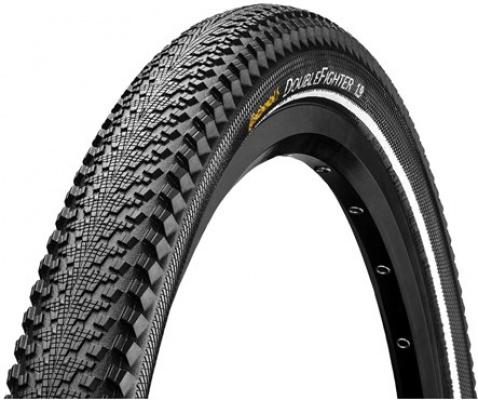
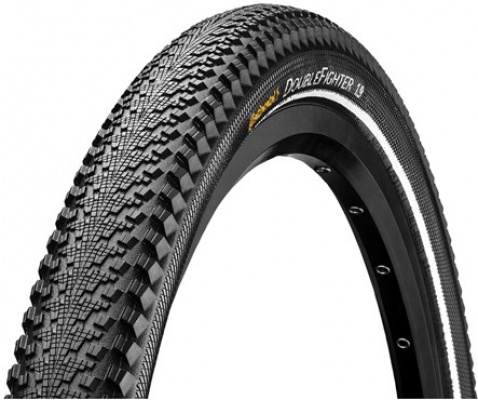
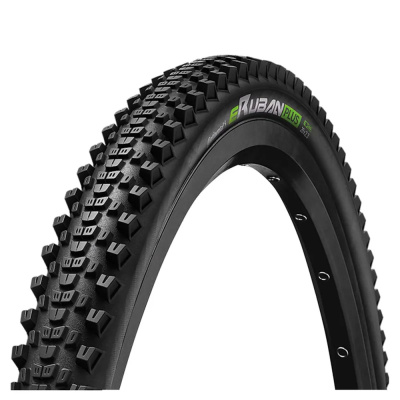
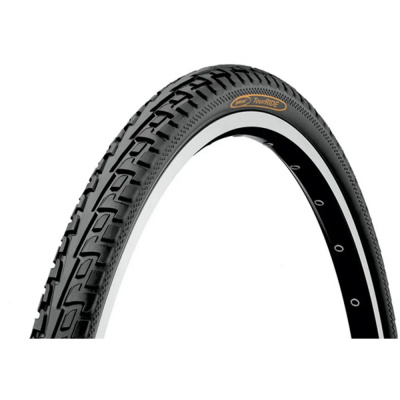
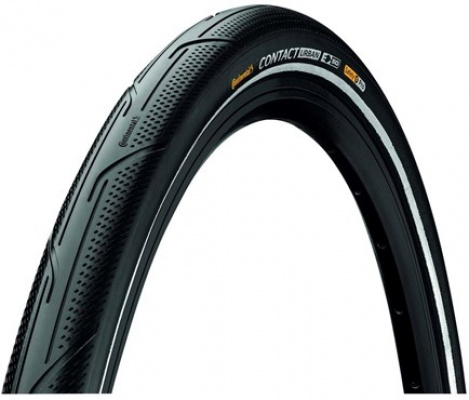
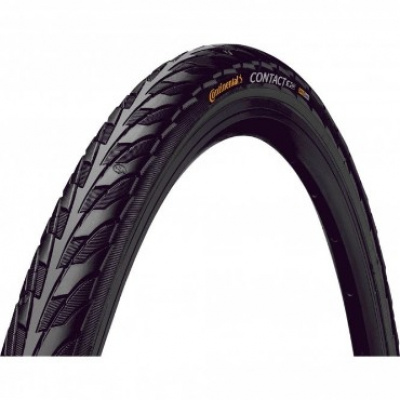
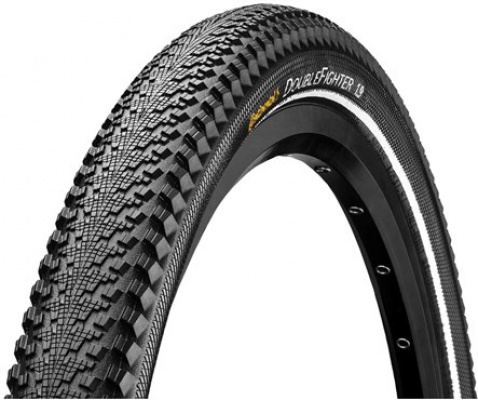
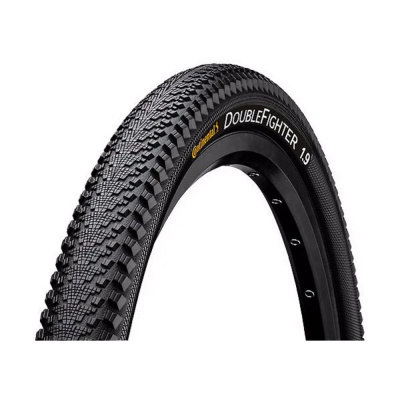
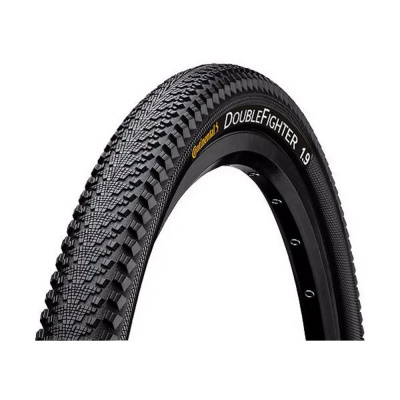
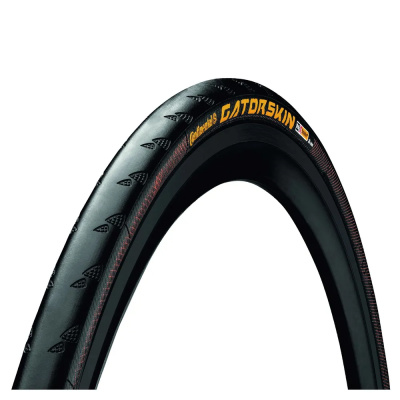
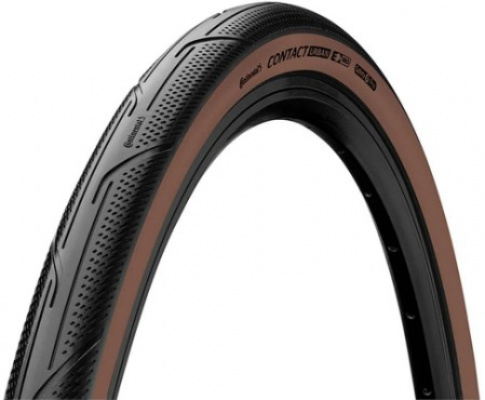
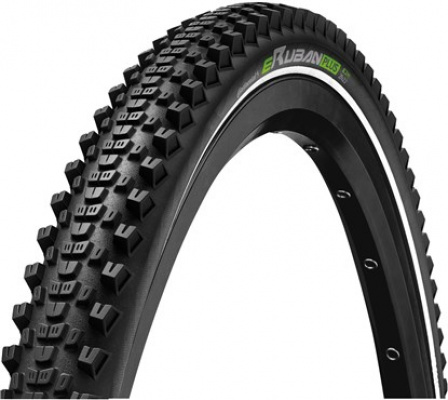
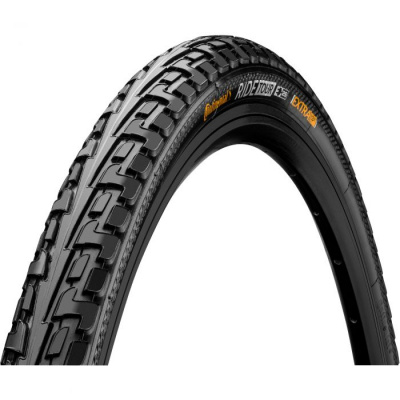
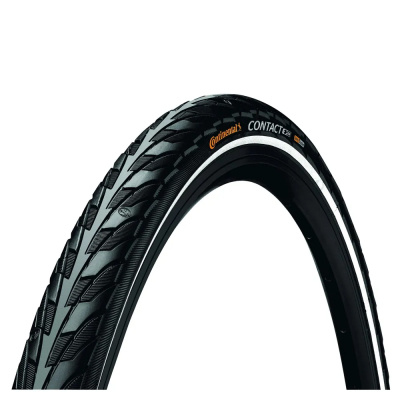
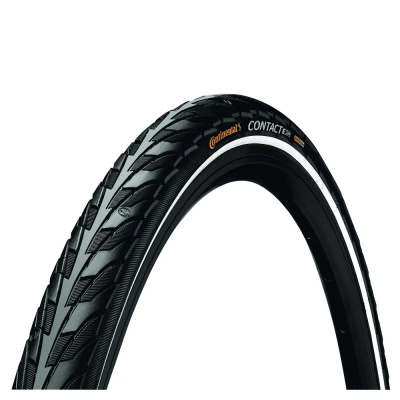
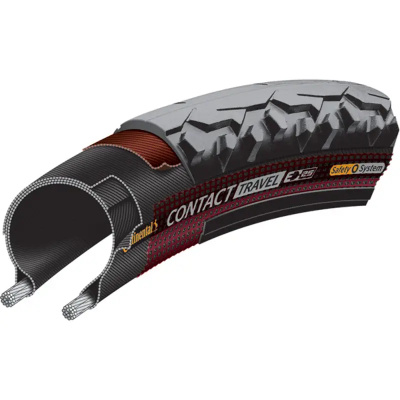
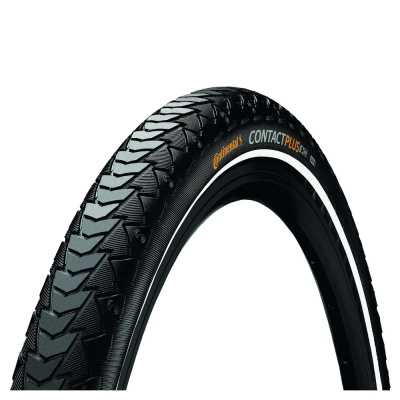
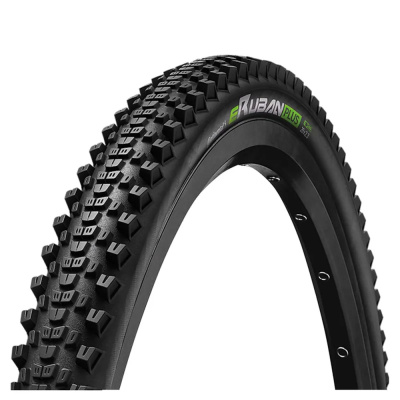
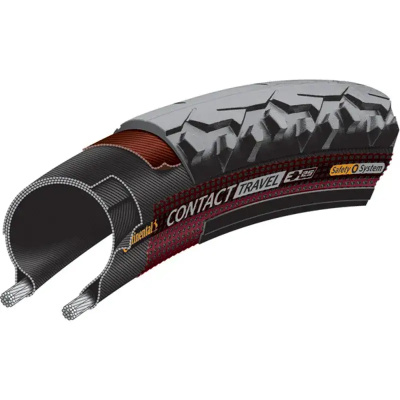
Prices and availability can change quickly. Delivery charges are not always included in listed prices.
Final price, stock status and delivery terms are set by retailer. We may receive a commission on purchases made.
Sizing, Bead Types, and What Fits Your Bike
Getting the right Continental tyre starts with knowing your wheel size. Most hybrid and commuter bikes run 700c wheels (ETRTO 622mm rim diameter), but older or smaller-framed bikes may use 26-inch (559mm) or 27.5-inch/650b (584mm) hoops. Check the sidewall of your current tyre - you'll see two numbers like 37-622. The first is the tyre width in millimetres, the second is the rim diameter. Match both when buying a replacement.
Width matters more than people think. Sizing up from a 32c to a 42c tyre sounds like an easy upgrade for more comfort, but on a bike fitted with SKS-style mudguards, you might find the tyre brushes the guard on every rotation. Measure your frame's tyre clearance and mudguard gap before you commit. A rough rule: allow at least 5mm either side of the tyre for mud and debris clearance on wet commutes.
On bead type - almost every Continental commuter tyre uses a wire bead. It's heavier than a folding Kevlar bead, but it's also cheaper to produce and robust enough to handle repeated fitting and removal with tyre levers. For commuting, that's a sensible trade-off. Folding bead versions exist at the premium end of the range and save a little weight, but the practical difference on a daily hybrid is marginal.
E-bike riders need to pay close attention to ratings. E25 certification covers standard UK e-bikes that assist to 15.5mph - the legal limit here. E50 certification is for speed pedelecs assisting to 28mph, and it's not just a label; E50 tyres have reinforced sidewalls specifically designed to resist casing roll under the extra load and torque of a heavier motor system. Running a non-rated tyre on a speed pedelec is a structural risk, not just a compliance issue.
Continental's Tyre Range, from Entry-Level to Armoured
There's a clear hierarchy here, and picking the wrong tier is the most common buying mistake. Start at the bottom with the Ride Tour. It's an entry-level tyre with a versatile block tread, a basic PunctureBelt layer, and a compound that prioritises durability over outright rolling speed. It's fine for mixed-surface riding - canal towpaths, light gravel paths, and tarmac - but it's not what you'd choose if your commute is pure urban tarmac every day.
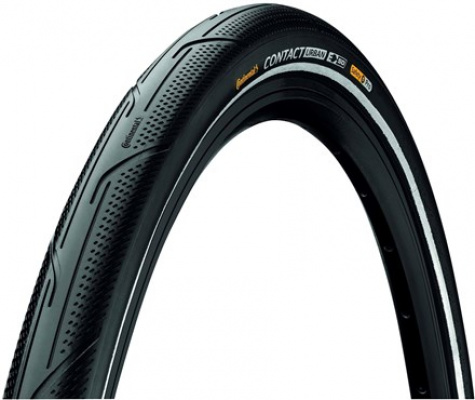
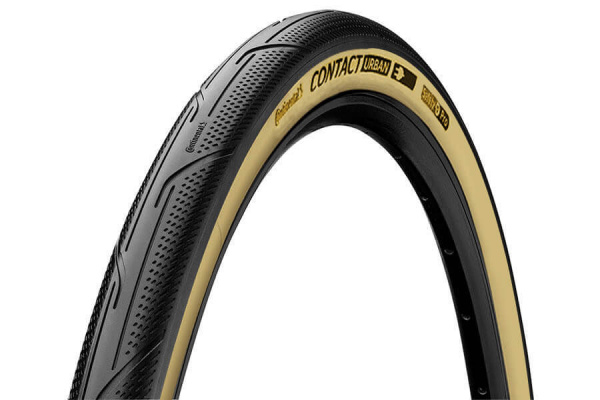
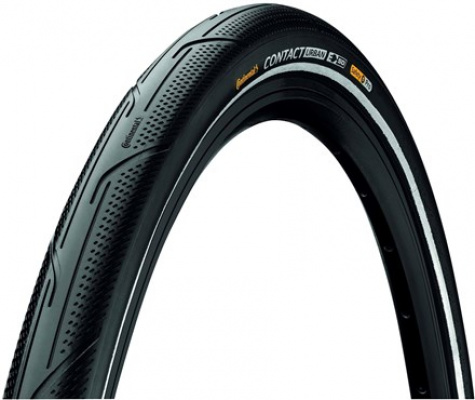
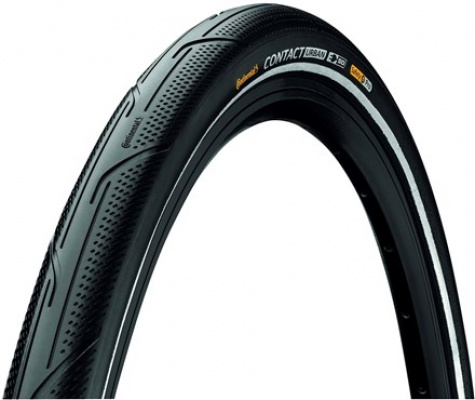
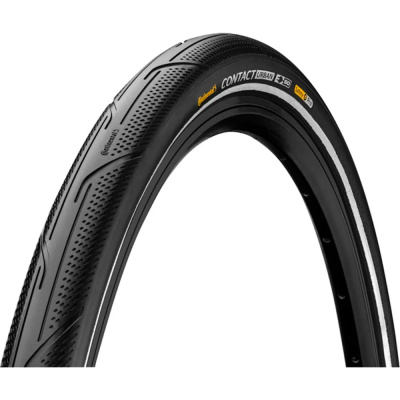
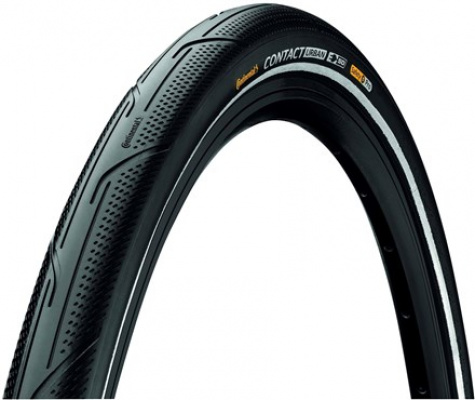
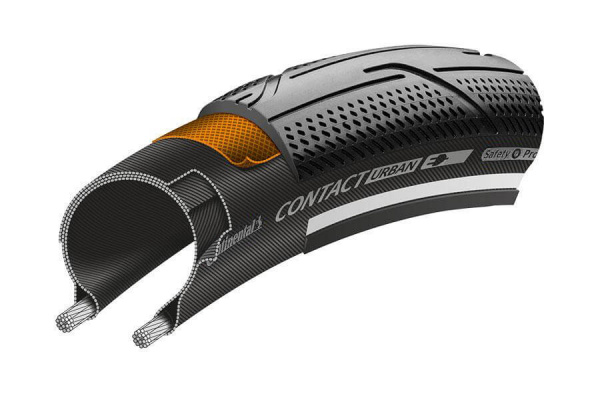
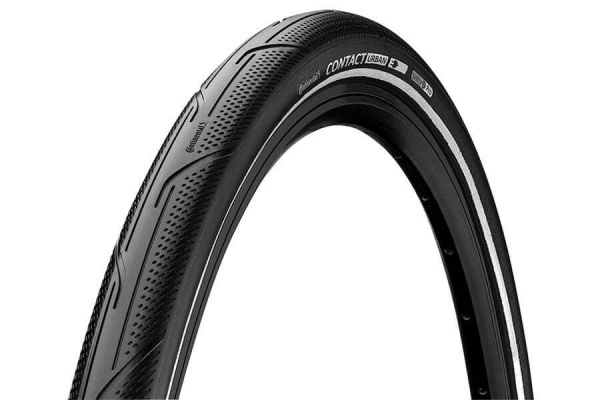
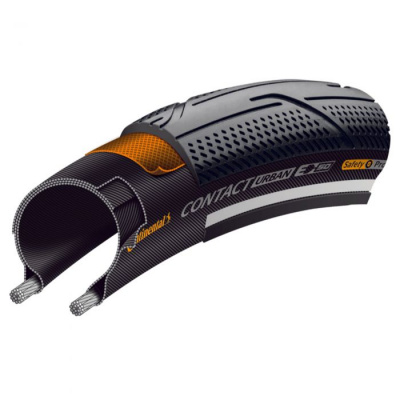
Step up to the Contact Urban and the character shifts. It's a faster-rolling tyre with a smoother centre tread, lighter construction, and Continental's SafetySystem breaker underneath. The SafetySystem uses a multi-layer belt to deflect debris before it reaches the inner tube. It's the tyre that makes sense for riders on sealed city roads who want to keep their average speed up without constantly patching tubes. If Michelin commuter tyres are on your shortlist, the Contact Urban competes directly with that kind of fast-rolling urban compound.
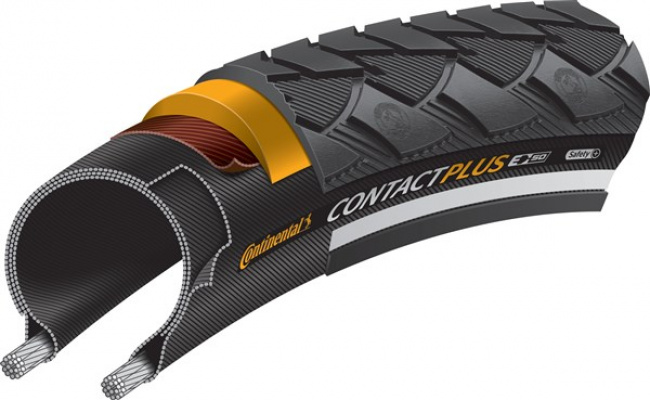
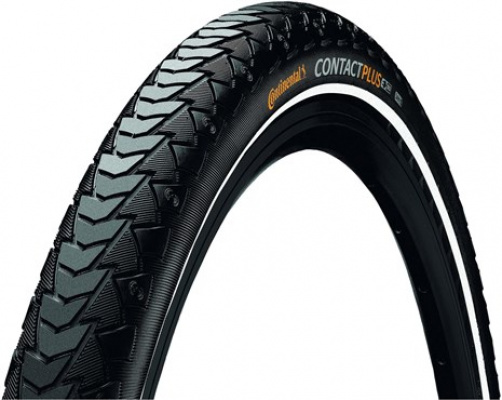
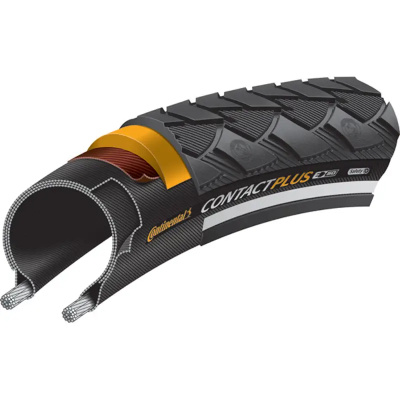
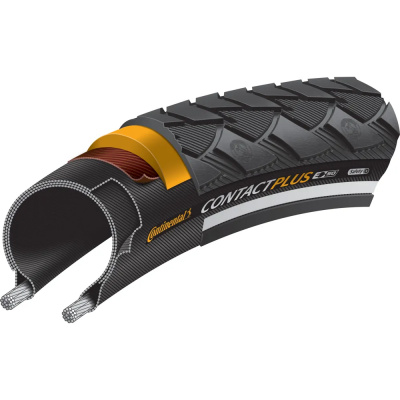
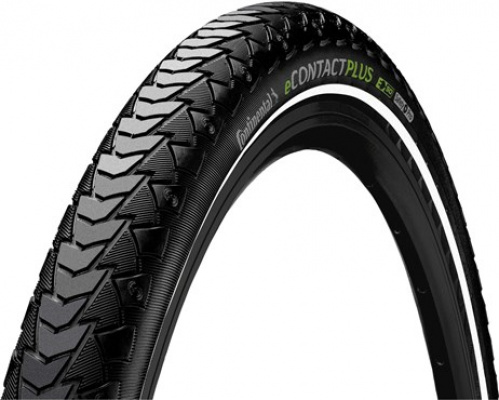
The Contact Plus is where puncture protection becomes the headline feature. The Plus Breaker insert is substantially thicker and more elastic than the SafetySystem layer - it absorbs and deflects sharp debris rather than just passively resisting it. Riders who commute through industrial estates, past building sites, or along poorly maintained cycle paths consistently rate it as one of the most reliable tyres they've used. It does carry a weight penalty, and it's not as fast-rolling as the Contact Urban. That's the trade-off. If your priority is never changing a tube on a Tuesday morning, the Contact Plus is worth carrying those extra grams.
At the top of the winter-specific range sits the Top Contact Winter II, which uses a silica-enriched compound formulated to retain grip in near-freezing temperatures. If your commute runs from October through to March and you've ever slid on a painted junction line or a wet drain cover, a dedicated winter compound makes a tangible difference. Worth pairing with Continental inner tubes and fresh rim tape when you're doing a seasonal tyre swap.
If you're after pure speed on tarmac or need clearance for off-road use, these commuter models aren't the right tool. Check out Continental road tyres for fast-rolling slicks, or Continental gravel and cyclocross tyres if you need something that handles loose surfaces. Specialized commuter tyres and Vittoria commuter tyres are worth a look if you want to compare across brands before committing.
Keeping Them Rolling: Pressure, Wear, and UK Road Reality
UK urban riding is hard on tyres. Broken glass from bus stops, flint fragments washed onto cycle lanes after rain, and the general debris around city-centre roadworks - your tyre is fighting all of it on every commute. The Plus Breaker's elastic rubber compound is designed to do more than just block sharp objects; it's formulated to push debris sideways as the tyre deforms and rolls, which reduces the chance of a shard working its way through the casing over repeated contact.
Tyre pressure is where a lot of commuters go wrong. Running too low increases rolling resistance and creates the conditions for pinch flats - where the tube gets pinched between the tyre casing and the rim edge when you hit a pothole. On heavier hybrid and e-bikes, this risk is amplified. Run too high and you lose the compliance that keeps you gripping slippery drain covers and painted road markings in the wet. Most 700x35c to 700x42c commuter tyres work well in the 50 - 70 PSI range for average rider weights; check the sidewall for the manufacturer's recommended range and stay within it.
After wet rides - especially in autumn when leaves are plastering debris onto the road surface - it's worth spinning the wheel slowly and running a thumb along the tread to feel for embedded glass or flint. Small fragments that haven't yet reached the tube can be picked out with a tyre lever or the tip of a spoke. Catches it early, saves you a tube. Also check the sidewall for cracking or cuts; sidewall damage on a wire bead tyre is hard to repair and a sign it's time to replace rather than continue. Most Continental commuter tyres feature a moulded tread wear indicator - a small raised dot or groove depth marker - that tells you when the casing is getting close to the surface. Don't ignore it. Pair new tyres with tyre levers from the same brand and the fitment process is noticeably easier, particularly on tighter 700c rims.
Continental Commuter And Hybrid Tyres FAQs
Are Continental Contact tyres good for commuting?
Yes, solidly so. The Contact range uses Continental's SafetySystem Breaker - a multi-layer belt that deflects glass and urban debris before it reaches the tube. The tread compound is built for longevity rather than outright speed, which is exactly the right priority for daily riding. They're a reliable, well-proven choice for UK commuters on sealed roads.
What is the difference between Continental Ride Tour and Contact Plus?
The Ride Tour is the entry-level option - a versatile tread pattern, basic puncture protection, and a compound suited to mixed surfaces. The Contact Plus is a different proposition entirely: its thick, highly elastic Plus Breaker insert gives it significantly more resistance to sharp debris. It's heavier, but if your commute involves glass-strewn cycle lanes or poorly maintained roads, that weight is worth carrying.
Do I need E50 rated tyres for my electric hybrid bike?
It depends on your e-bike's assist speed. For standard UK e-bikes limited to 15.5mph, E25 certification is sufficient - though E50 tyres still offer a sidewall durability advantage worth considering on heavier battery-equipped bikes. If you're on a speed pedelec assisting to 28mph, E50 is both a legal requirement and a structural necessity; the reinforced casing handles the extra torque and load that a standard tyre isn't designed to manage.