
Continental Road Tyres
Continental road tyres have set the benchmark for tarmac performance long enough that most UK riders treat them as the default reference point - everything else gets measured against them. From the Grand Prix 5000 chasing personal bests on dry summer roads to the Gatorskin grinding through dark, glass-strewn January commutes, Continental's range covers more riding situations than most brands manage across their entire catalogue.
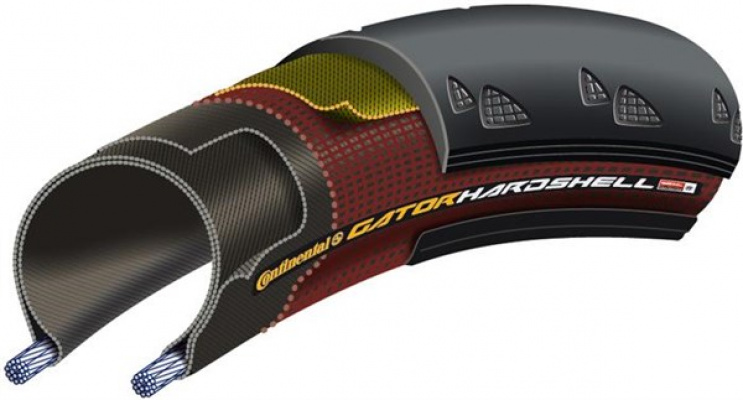
The core reason riders keep coming back is the BlackChili compound - Continental's proprietary rubber mix that balances grip, rolling resistance, and longevity rather than sacrificing one for another. Pair that with Vectran Breaker reinforcement (a high-tech synthetic fibre that resists tears without piling on weight) and you've got tyres that work hard whether you're clipping along a smooth A-road or picking through debris-heavy country lanes after a wet week.
UK conditions are genuinely tough on tyres: flint-heavy chalk roads, greasy chip-seal, and drains that seem designed to destroy sidewalls. Continental's range is structured specifically to let you match protection level to how and where you ride. Compare prices across the full range below and find the tyre that fits your wheelset, your roads, and your riding.
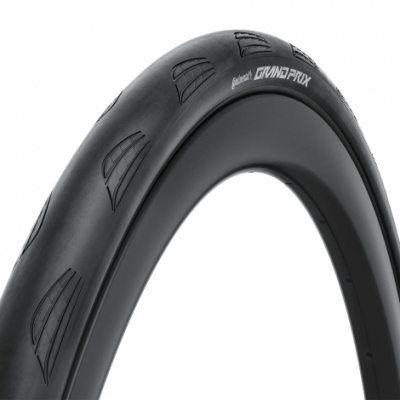
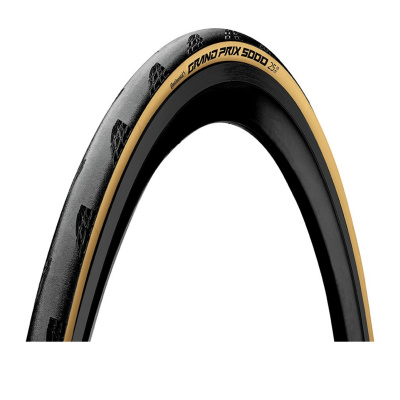
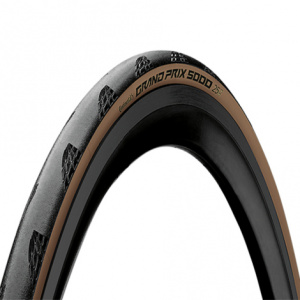
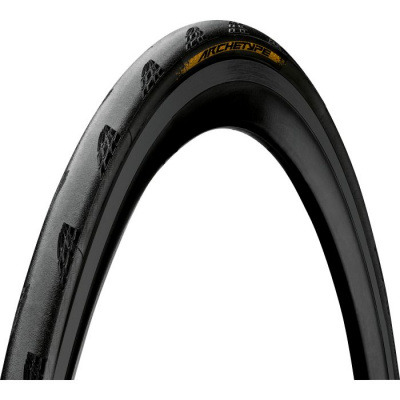
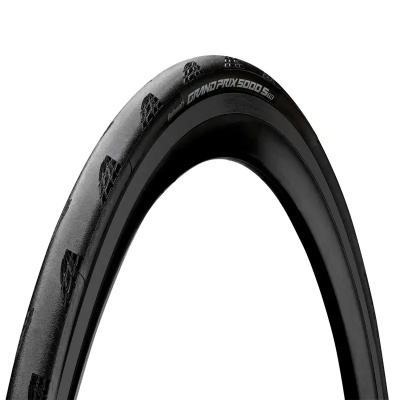
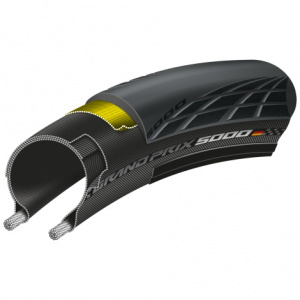
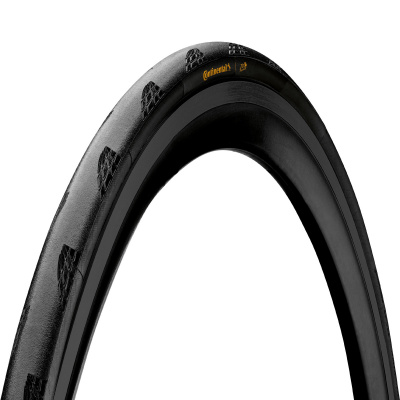
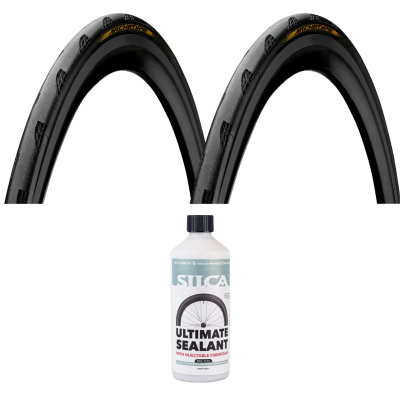
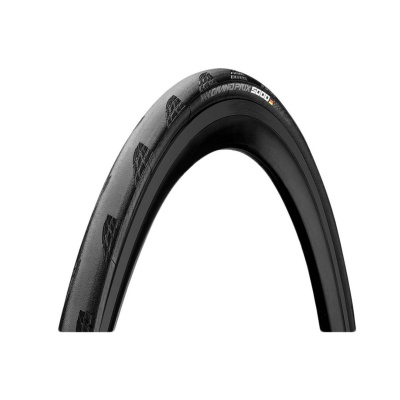
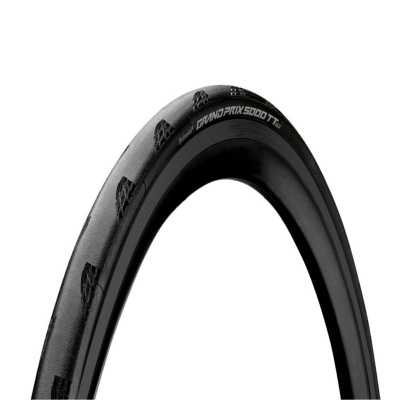
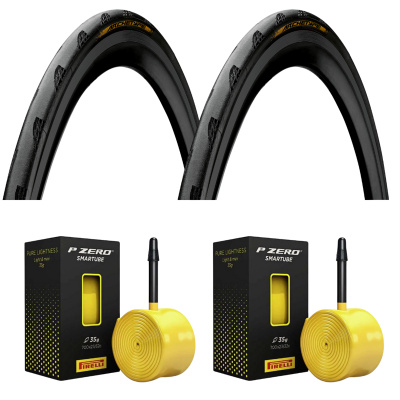
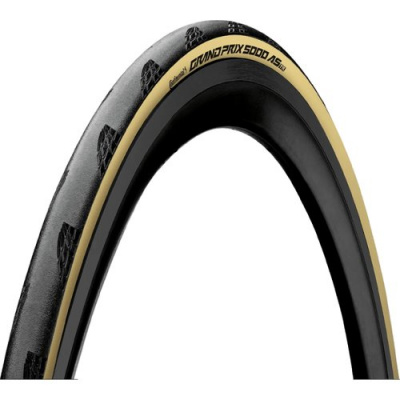
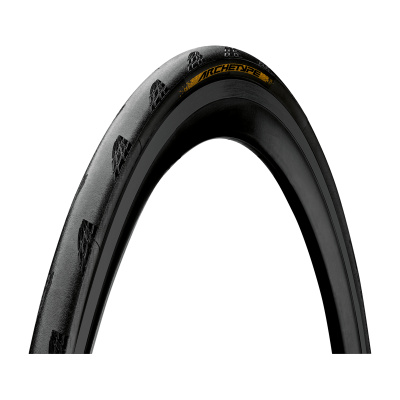
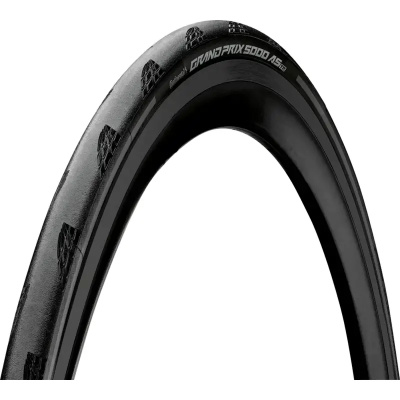
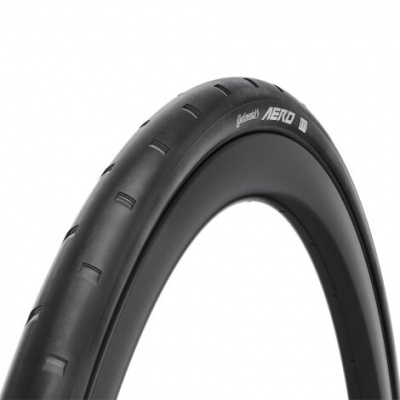

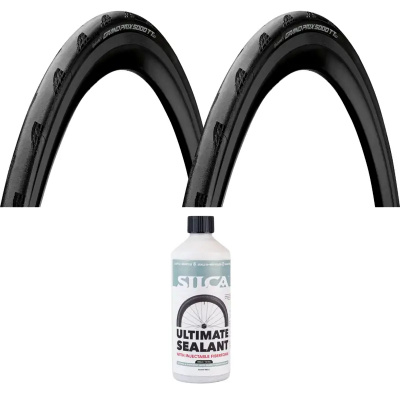
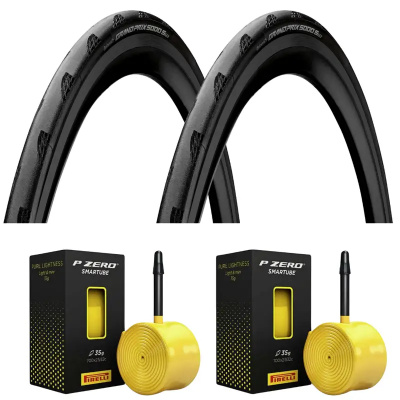
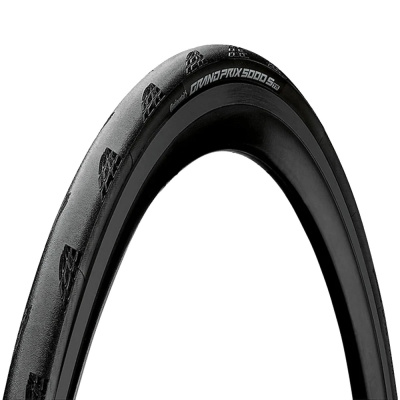
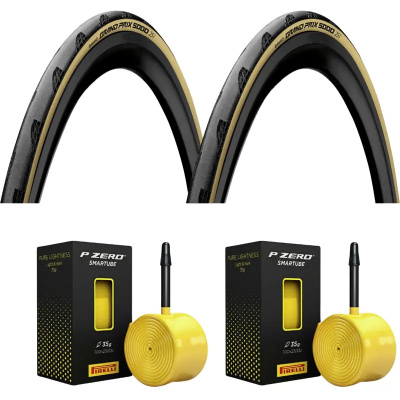
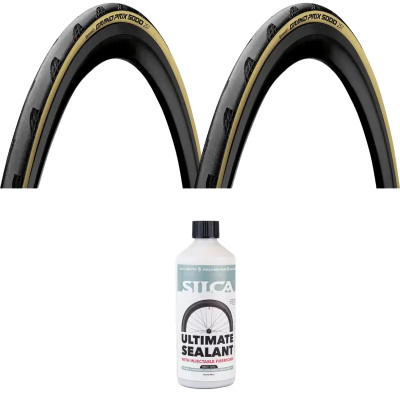
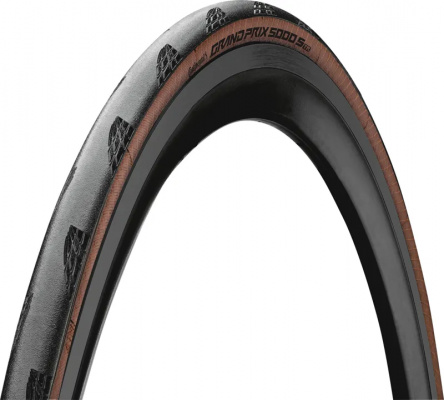
Prices and availability can change quickly. Delivery charges are not always included in listed prices.
Final price, stock status and delivery terms are set by retailer. We may receive a commission on purchases made.
Clincher, Tubeless Ready, and Hookless: What You Actually Need to Know
Continental's road tyre range splits into two clear camps: traditional clinchers that need an inner tube, and TR (Tubeless Ready) models that'll run with sealant and no tube at all. Getting this wrong before you buy is the kind of mistake you only make once - so it's worth being clear up front.
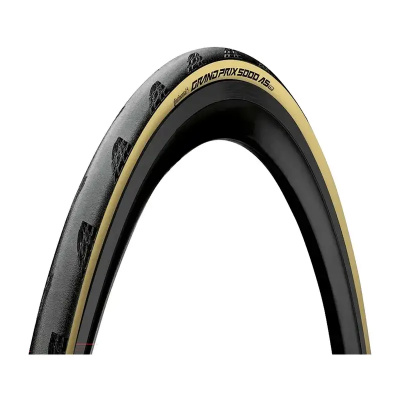
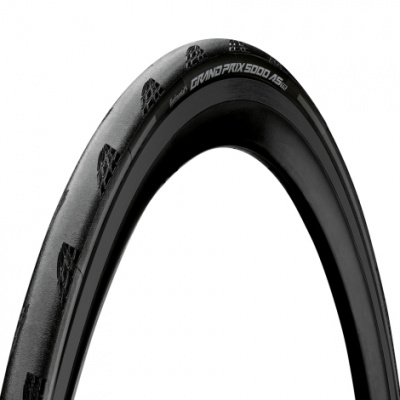
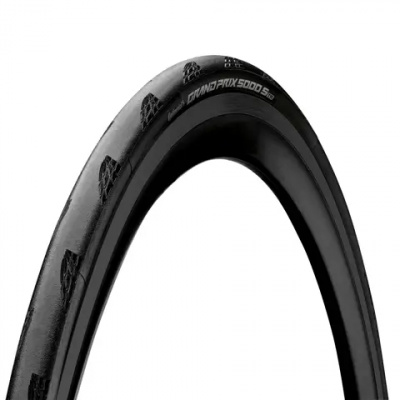
The standard GP5000 is a clincher. Full stop. It takes a tube, fits hooked rims, and that's it. The GP5000 S TR and GP5000 AS TR are the tubeless-compatible versions, and they're also cleared for hookless rims - but with a firm caveat. Hookless rim compatibility comes with a strict maximum pressure of 73psi (5 bar). Go over that and you're voiding manufacturer guidance and risking a catastrophic bead failure. If your rims are hookless, check the rim manufacturer's own pressure ceiling too; the lower of the two limits is the one that counts. Continental tubeless road tyres do seat tight - you'll likely need soapy water on the bead and a proper track pump or a blast from a compressor to get them to pop into place. Don't fight them dry.
Width clearance is increasingly relevant on modern frames. Continental's 28c, 30c, and 32c options fit a wide range of endurance and sportive bikes, but check your fork and chainstay clearance before ordering - measured tyre widths often run 1 - 2mm wider than the label suggests, particularly on wider internal-width rims. If you're running traditional glued wheelsets or training indoors, take a look at our dedicated Continental Tubulars and Continental Turbo Tyres ranges instead.
The Continental Road Tyre Range, Tier by Tier
Continental structures its road range in a way that actually makes sense once you understand what each tier is optimising for. Spend the time to match the tyre to the job, and you'll get noticeably more from it.
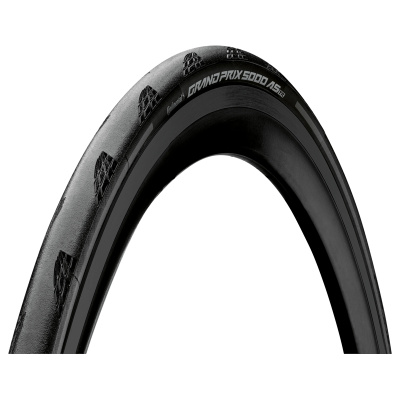
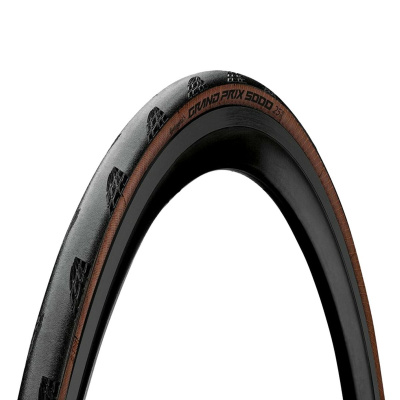
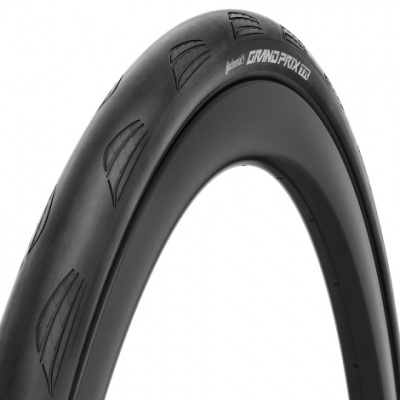
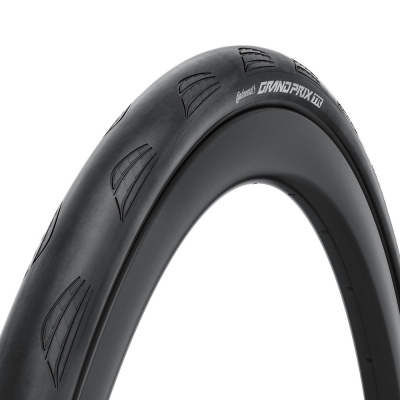
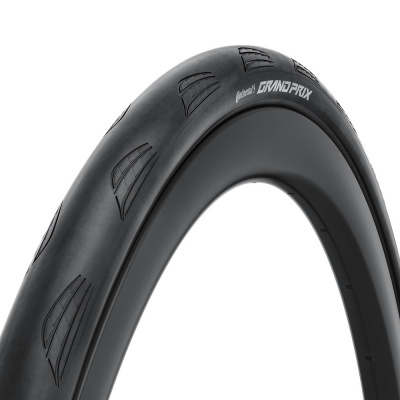
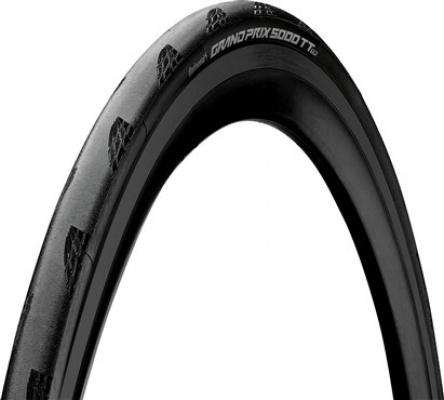
Grand Prix 5000 / GP5000 S TR / GP5000 TT - This is the flagship. The GP5000 S TR is the tubeless-ready version that's become the default recommendation for riders who want the lowest rolling resistance available without going tubular. The BlackChili compound does its best work here: the grip in the dry is sharp, cornering confidence is high, and the rolling efficiency is measurable. Lazer Grip is part of what makes the shoulder work - a lasered micro-texture across the tyre's flank that expands grip as you lean into a corner. The GP5000 TT is stripped further for time trial use, thinner-cased and faster still, but noticeably more fragile. These aren't winter tyres.
If you want to see how the GP5000 S TR compares to alternatives like Vittoria road tyres or Michelin road tyres, the rolling resistance difference between top-tier models is genuinely small - but the BlackChili compound's grip in mixed conditions gives Continental a practical edge for UK riding.
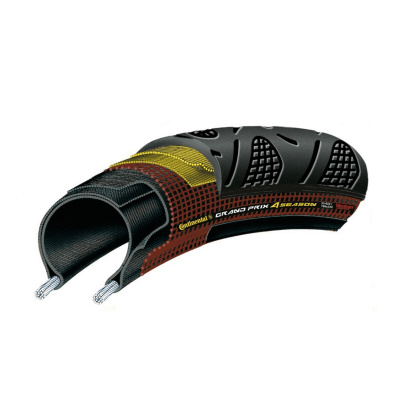
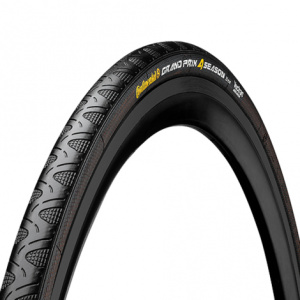
Grand Prix 4-Season - Where the GP5000 prioritises speed, the 4-Season prioritises survival. It runs a dual Vectran Breaker layer plus a DuraSkin sidewall reinforcement, which together handle the kind of flint-and-glass combination that makes South Downs roads a lottery in November. The compound is harder than BlackChili - it rolls a fraction slower and grips a fraction less in the dry - but it doesn't crack in cold temperatures and it resists cuts that would eat through a race tyre in metres. For riders who train through winter rather than sitting it out, this is the sensible default rear tyre at minimum.
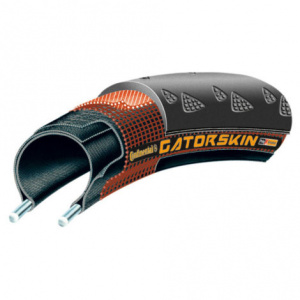
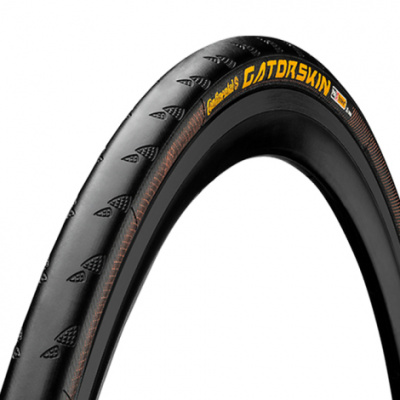
Gatorskin - The Gatorskin is an urban workhorse with a PolyX Breaker instead of Vectran, making it essentially flat-resistant rather than just puncture-resistant. The trade-off is rolling weight and slightly dead road feel compared to the race-oriented models. Commuters on glass-heavy city routes will barely notice - and significantly fewer roadside tube changes is a fair exchange. Pirelli and Goodyear both offer credible commuter-grade options, but the Gatorskin's longevity figures are hard to argue with.
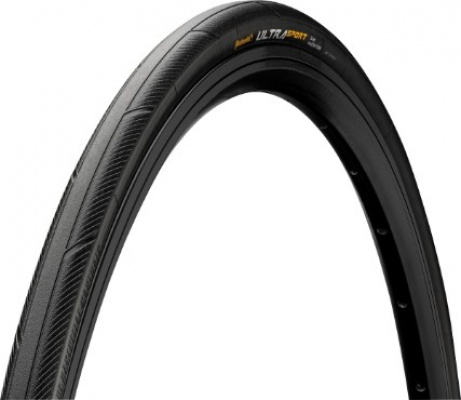
Ultra Sport III - The entry-level option runs a PureGrip compound with a lower TPI casing, which means it rolls heavier and grips less than the BlackChili tiers above it. It's a perfectly reasonable tyre for winter training bikes, turbo spares, or riders building up miles on a budget. Don't expect race-day feel, but don't dismiss it either - it does the basic job reliably. Active Comfort Technology is embedded in the casing construction, absorbing road buzz across the contact patch, which helps on rough surfaces even at this price tier.
Keeping Continental Tyres in Good Shape on UK Roads
Tread Wear Indicators are two small dimples pressed into the centre tread of most Continental road tyres. When those dimples disappear, the tyre's done. It's that simple - and worth checking every few hundred miles rather than waiting for a puncture to confirm what the tread already told you.
For tubeless setups, sealant doesn't last forever. Top it up every three to six months, or after any significant puncture repair. In winter especially, sealant dries faster with cold temperatures and higher pressures, so check it more often than you think you need to. A 60ml refill through the valve core (remove the core with a valve core tool first) takes two minutes and saves a roadside disaster. Pair your tyres with Continental inner tubes if you're running clinchers, and pick up proper Continental rim tape for any tubeless conversion - cheap tape lets moisture under the bead and causes more problems than it solves.
Tight beads are a Continental trademark. When seating a fresh tubeless tyre, get the bead into the well of the rim on both sides before you start inflating, coat the bead with soapy water, and use a compressor or a high-volume floor pump with a charge chamber if your standard pump can't get it seated. Trying to force it with a CO2 cartridge rarely ends well and wastes a cartridge you might need later. For valve access on deep-section wheels, Continental valve extenders are the tidy solution.
Inspect sidewalls after any ride that involved hedge-scraping or rough verge riding. A small cut in the casing can go unnoticed until it works its way through, and sidewall failures give very little warning. The Gatorskin and 4-Season's DuraSkin protection helps here, but no tyre is immune to a sharp edge at the right angle.
Continental Road Tyres FAQs
Are Continental GP5000 tyres tubeless compatible?
Only the GP5000 S TR and GP5000 AS TR models are tubeless compatible - the 'TR' in the name is the tell. The standard GP5000 is a traditional clincher and needs an inner tube. Don't try to run it tubeless; the bead design isn't made for it and it won't seal reliably.
How many miles do Continental Gatorskins last?
A rear Gatorskin typically covers 3,000 to 4,000 miles depending on rider weight, road surface, and tyre pressure habits. The front, which wears more slowly, can go well past 5,000 miles. Use the TWI dimples in the centre tread as your wear guide - when they're gone, replace the tyre regardless of mileage.
What is the difference between Continental GP5000 and 4-Season?
The GP5000 is built for speed - BlackChili compound, low rolling resistance, sharp dry grip, best suited to fair-weather and race use. The Grand Prix 4-Season trades a little pace for durability: double Vectran Breaker layers, DuraSkin sidewalls, and a harder compound that resists cold cracking and winter punctures. It's the better choice for year-round UK training miles.