
Smith Optics Helmets
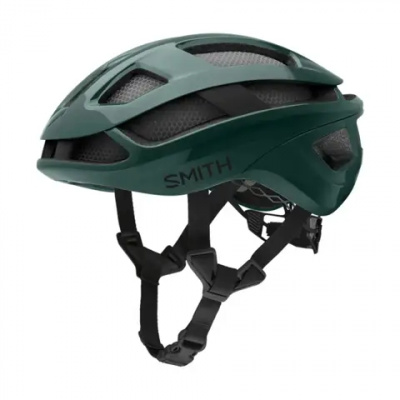
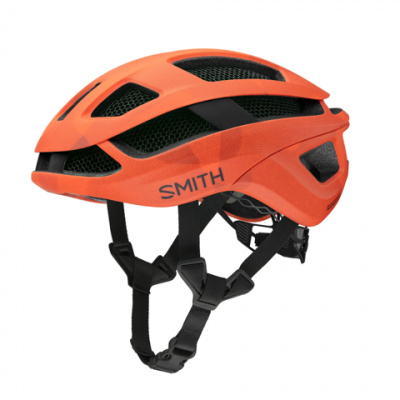
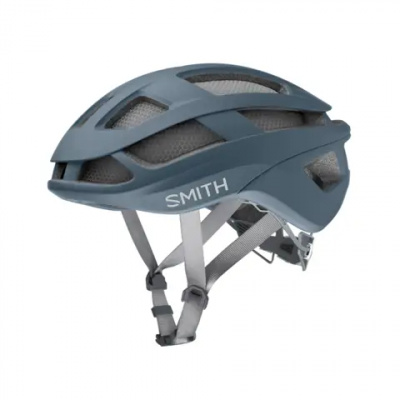
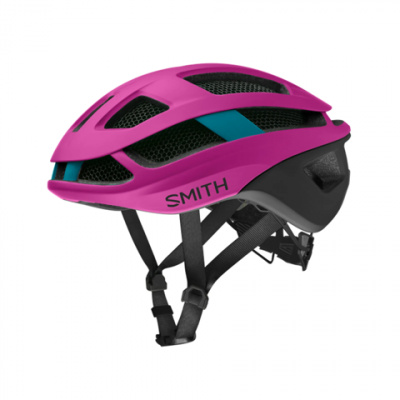
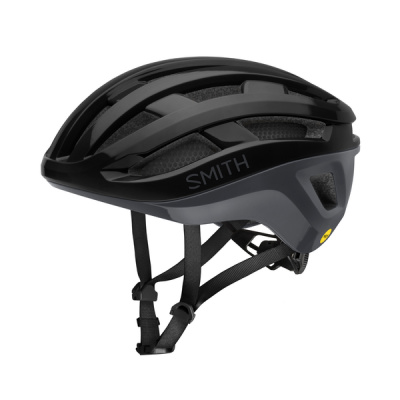
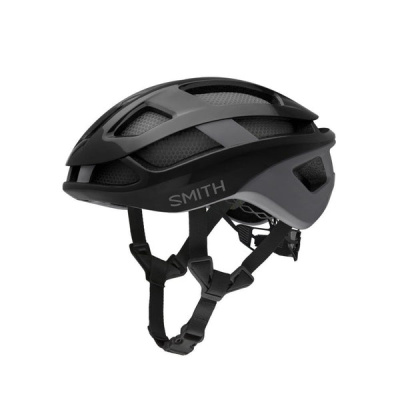
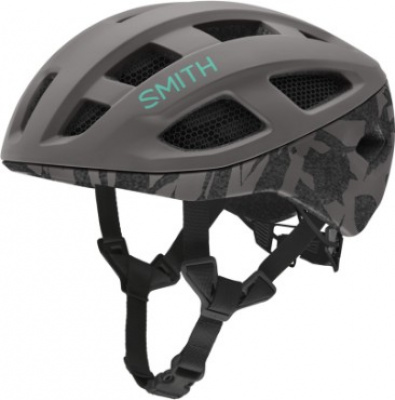
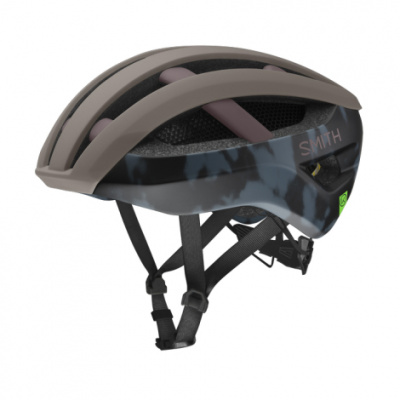
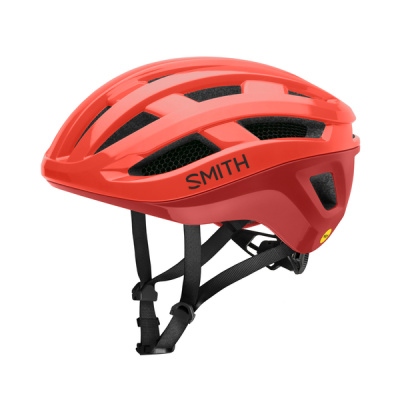
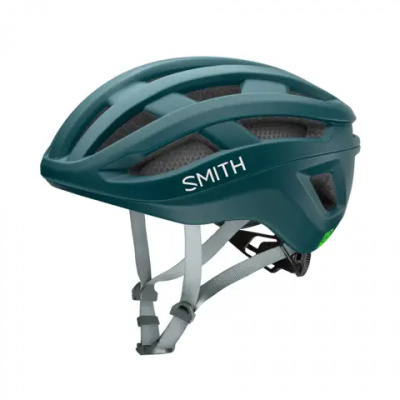
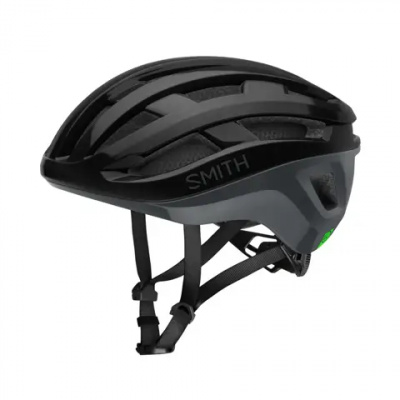
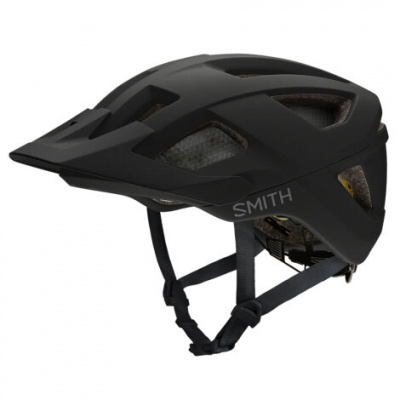
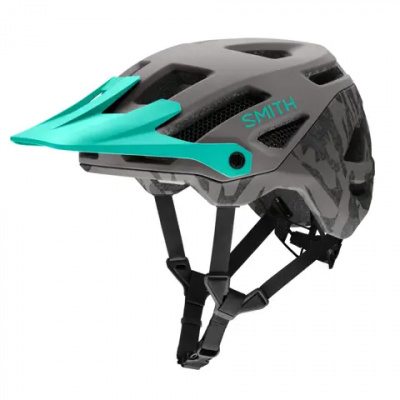
Smith Optics helmets sit at the sharper end of cycling head protection - not through marketing noise, but because the safety architecture genuinely earns it. Two technologies define the range. Koroyd lines the shell with thermally welded miniature tubes that crumple on impact far more efficiently than a solid block of EPS foam, while simultaneously opening up airflow channels that most helmets can only gesture at. Layer MIPS on top of that and you've got rotational force management too - the stuff that matters in the oblique impacts that real crashes actually deliver.
Then there's AirEvac. For UK riders, this is quietly one of the most practical features Smith builds in. The ventilation system is tuned to pull warm, humid air away from your eyewear, so your lenses stay clear on those damp Welsh climbs where the air can't decide if it's raining or just thinking about it. Pair a Smith lid with Smith sunglasses or Smith goggles and the integration is deliberate - brow vents align precisely with the frame to keep airflow working rather than bouncing hot air back at your lenses.
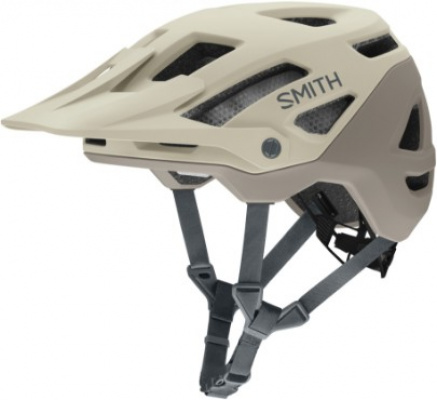
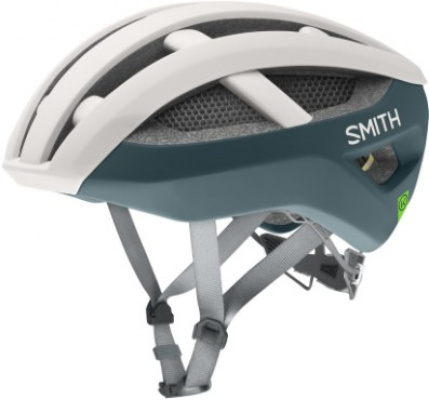
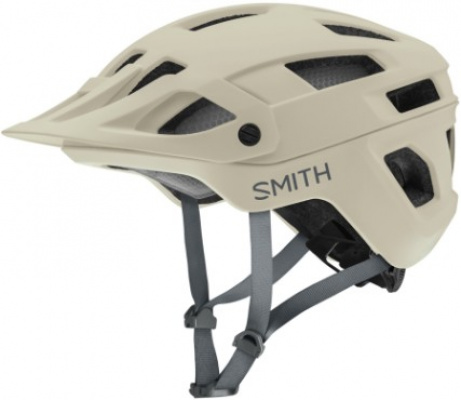
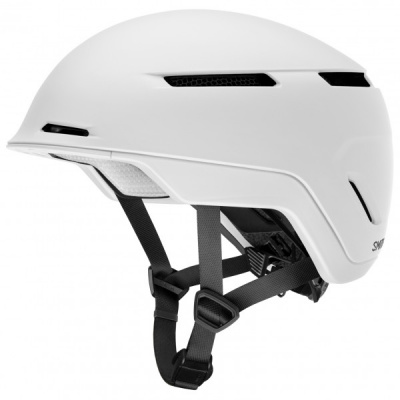
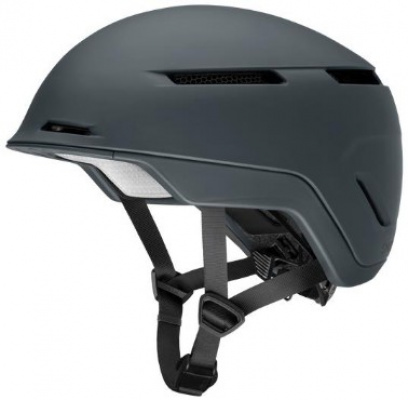
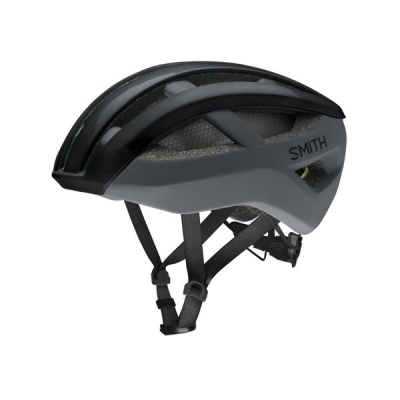
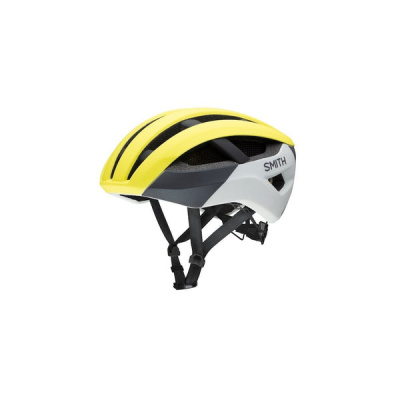
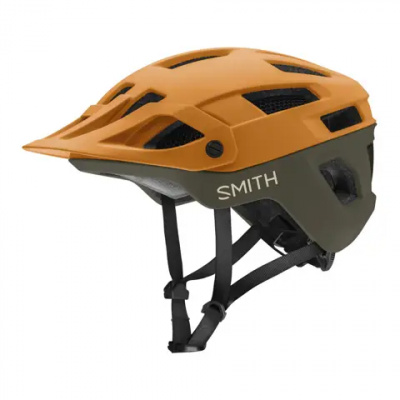
The range covers road, gravel, and trail riding, with VaporFit dial adjustment offering enough micro-tuning to suit a wide spread of head shapes. Whether you're chasing PRs on Peak District tarmac or picking lines on Scottish singletrack, there's a Smith cycling helmet engineered to the task.
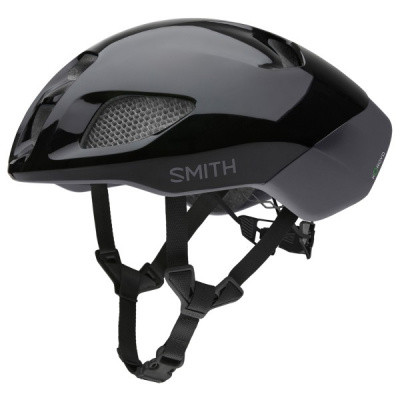
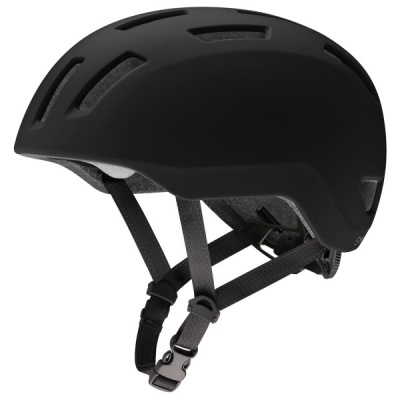
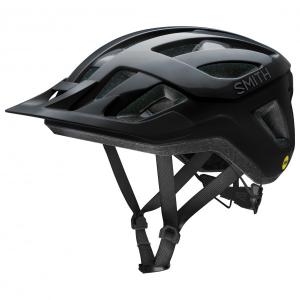
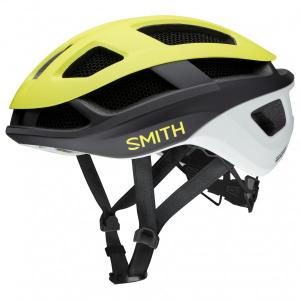
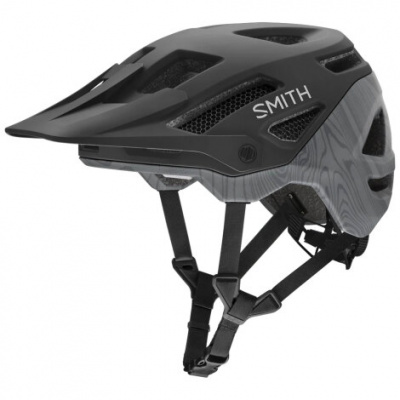
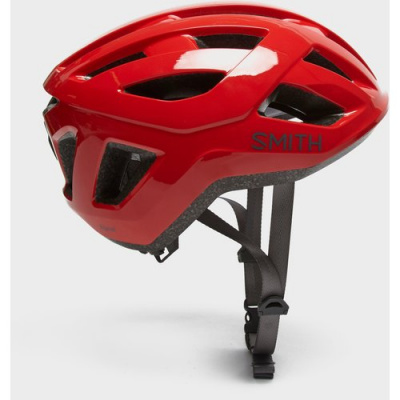
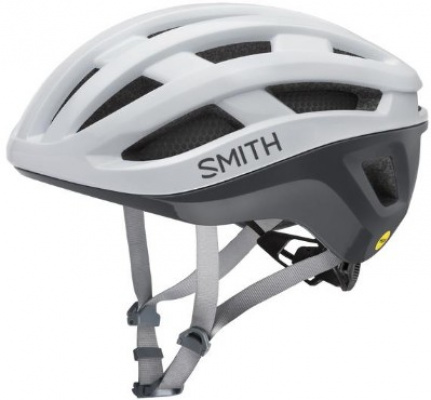
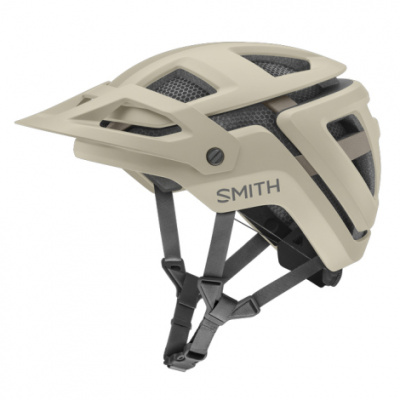
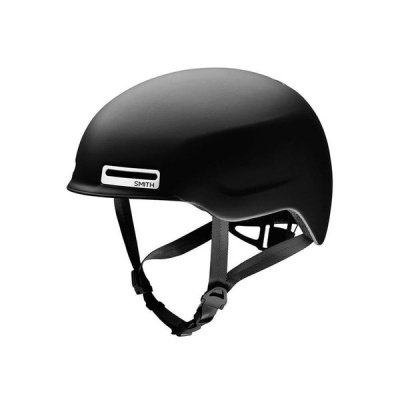
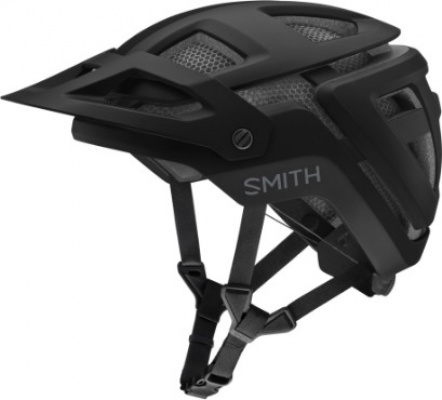
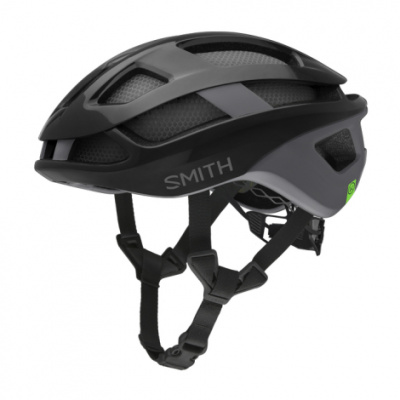
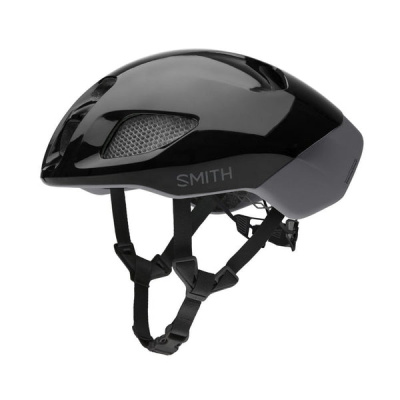
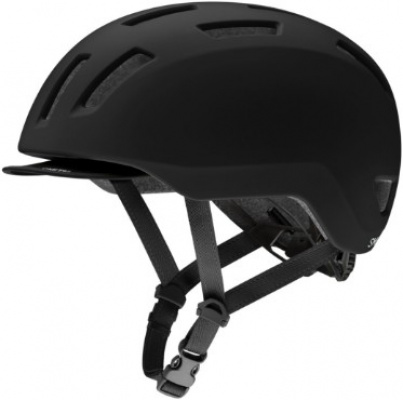
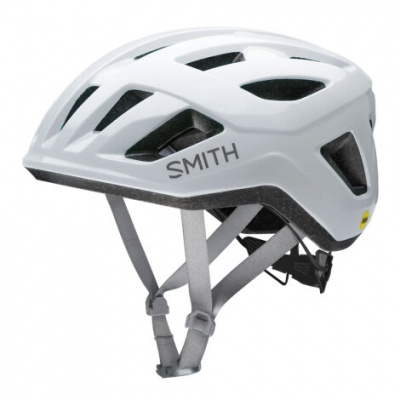
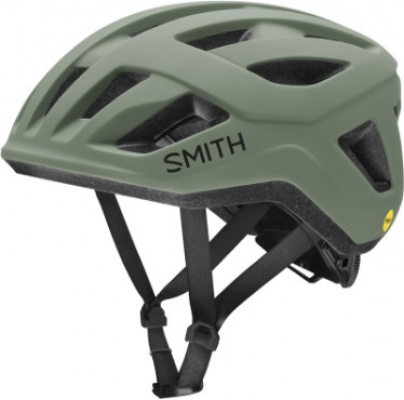
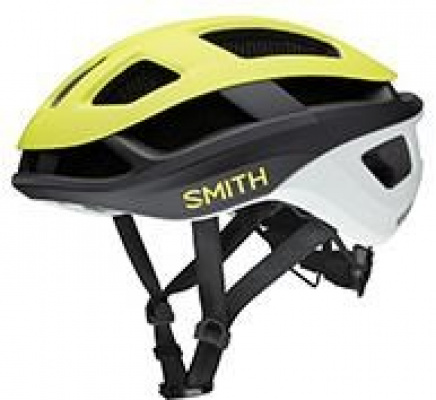
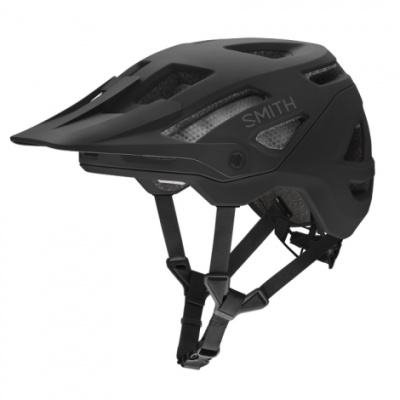
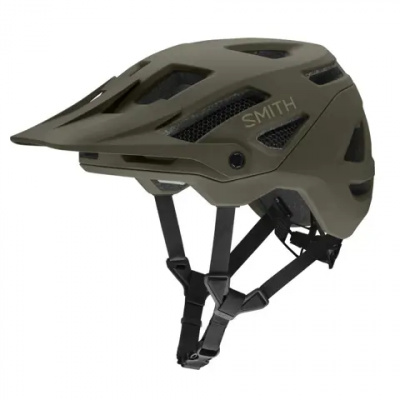
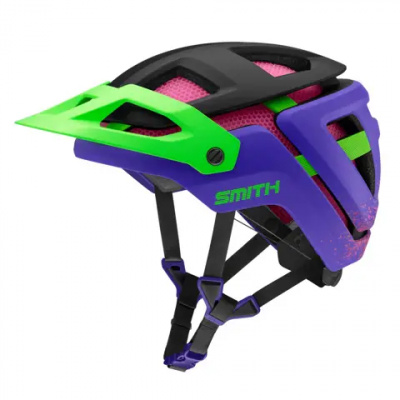
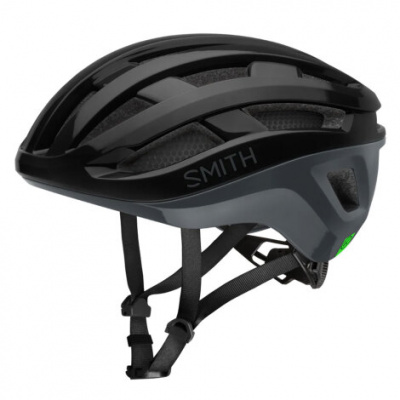
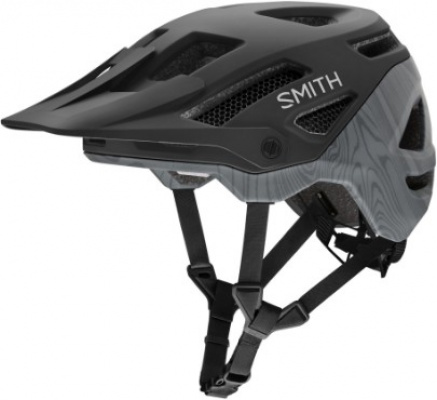
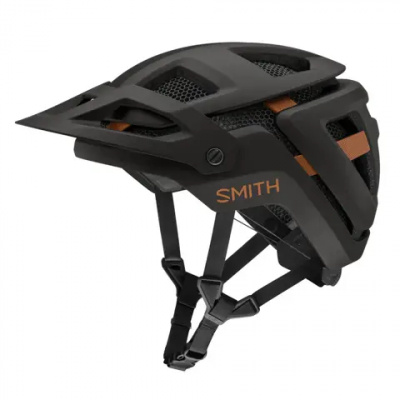
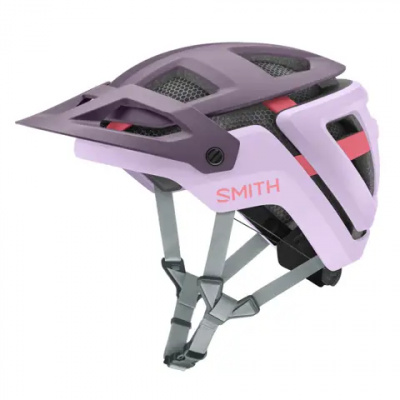
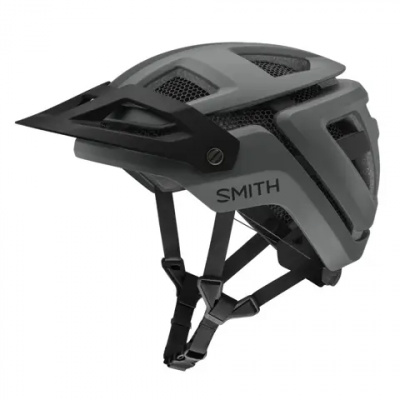
Prices and availability can change quickly. Delivery charges are not always included in listed prices.
Final price, stock status and delivery terms are set by retailer. We may receive a commission on purchases made.
Safety Tech and Ventilation That Actually Works
Start with Koroyd, because it's what separates Smith from the field. Traditional EPS foam is a single dense layer - effective, but it blocks airflow and offers relatively linear energy absorption. Koroyd replaces or supplements that foam with a matrix of thermally welded polymer tubes, each one microscopic in diameter. On impact, those tubes crush uniformly across the contact zone, dissipating energy across a wider area than foam can manage. The practical upshot: more consistent protection across a broader range of impact speeds, and a structure that's inherently porous - so air moves through it freely rather than being routed around a solid core.
MIPS works alongside Koroyd rather than replacing it. The Multi-Directional Impact Protection System adds a low-friction slip plane between your head and the helmet shell, allowing the helmet to rotate slightly on oblique impact. Most real crashes aren't straight-on; MIPS is built for the ones that aren't. It adds minimal weight and zero noticeable presence when you're actually riding - you won't feel it, which is exactly the point.
AirEvac ventilation deserves more attention than it usually gets in spec sheets. The system channels air through brow vents in a pattern designed to draw heat up and away from the space between your forehead and your eyewear. On a long, muggy drag up a Welsh valley or a humid Surrey Hills loop, that matters. Fog on your lenses mid-descent isn't just annoying - it's a genuine hazard. Smith's approach here is about Aerocore construction working in concert with eyewear geometry, not just drilling holes in a shell and hoping for the best. The result is a helmet that keeps you cooler on the climbs and your vision cleaner on the way back down.
Fit, the VaporFit System, and Choosing Your Lid
The VaporFit rotary dial sits at the rear of Smith helmets and offers around 5cm of adjustability - enough to bridge the gap between different head shapes within a size band rather than just tightening or loosening a basic cradle. The dial gives you precise micro-adjustments, so you can lock the fit down properly before a fast descent rather than fiddling mid-ride. It's a retention system you can operate with gloves on, which matters when you're in a layering session on a cold Pennine morning.
Road-oriented Smith helmets tend to sit slightly higher with a more compact profile that prioritises aerodynamic efficiency and ventilation across long efforts. Trail and enduro lids drop lower at the rear and sides, offering more coverage over the occipital area without the bulk of a full-face. The fit philosophy differs slightly between categories - road profiles generally suit narrower, more elongated head shapes, while trail helmets are more accommodating of rounder profiles - but the VaporFit system softens those differences meaningfully.
If comparing Smith cycling helmets against alternatives from Giro or Bell, the Koroyd construction is the clearest differentiator - neither brand uses it, and the ventilation characteristics are noticeably different in direct comparison. Fox helmets compete more directly in the trail and enduro space, though Smith's eyewear integration remains a distinct advantage for riders already in the Smith ecosystem.
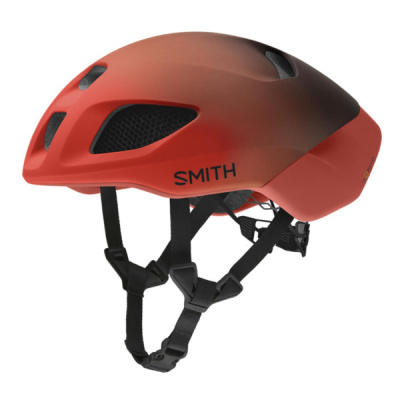
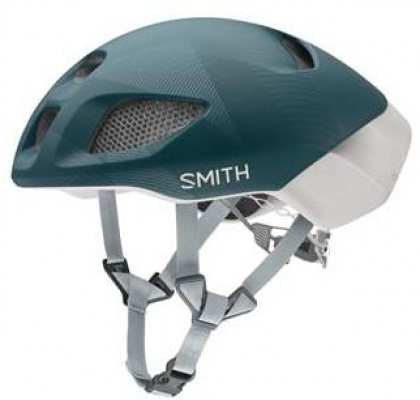
A note on sub-niches: if you're racing against the clock, explore our dedicated Aero TT Helmets. For downhill and enduro riders needing maximum coverage, check out our Full Face Helmets, and for the little shredders, visit our Kids Helmets collection.
Eyewear Integration and Keeping Your Kit Clean
The AirEvac system isn't just about keeping your head cool - it's designed around the geometry of Smith's own eyewear, with brow vent positioning calculated to move air across the lens surface rather than bouncing warm air back at it. Clip a pair of Smith sunglasses into the helmet's integrated dock and the alignment is immediate; the frame sits flush with the shell and the vents do their job without obstruction. It works with third-party eyewear too, though the fit is less precise.
For goggles - particularly relevant on wet Lake District or Tweed Valley rides - the wider brow channel accommodates most MTB goggle frames and helps prevent the fogging that plagues helmets with less considered vent geometry. Warm, humid air rising from your face needs somewhere to go; Smith's approach gives it a clear exit route.
On maintenance: the antimicrobial pads that line Smith helmets pull out without tools. After a sweaty summer sportive or a muddy trail session, rinse them separately in lukewarm water with a small amount of mild soap, then leave them flat to dry rather than wringing them out - wringing degrades the foam backing faster. The Koroyd tubes themselves can pick up grit and mud on trail rides; a soft brush and cold water clears them without damaging the welded structure. Avoid pressure washers and anything solvent-based.
The EPS foam layer beneath Koroyd is where you need to look carefully after any drop or knock. Micro-dents in EPS aren't always obvious to the naked eye - run your fingers across the surface in good light and press gently on any areas that took contact. If you feel any give or spot compression marks, the helmet has done its job and it's time to replace it. That's not a failure; that's the system working exactly as intended. A Smith road bike helmet or MTB lid that's absorbed an impact should be retired regardless of how intact it looks from the outside.
Frequently Asked Questions
Do Smith cycling helmets run true to size?
Generally, yes - Smith helmets fit true to size, and the VaporFit dial system gives you meaningful room to fine-tune within your size band. Measure your head circumference at the widest point and cross-reference the specific model's size chart before you buy, since sizing can vary slightly between road and trail lids.
What is Koroyd technology in Smith helmets?
Koroyd is a crumple-zone system built from thermally welded polymer tubes that collapse uniformly on impact, absorbing energy more efficiently than solid EPS foam alone. The tubular structure also allows air to pass straight through it, so better crash protection and improved ventilation come from the same material - no compromise between the two.
How often should I replace my Smith bike helmet?
Replace it immediately after any significant impact, even if you can't see obvious damage - compressed EPS foam doesn't recover, and the protection is gone whether it looks it or not. If the helmet hasn't taken a hit, plan on replacing it every three to five years; UV exposure and sweat gradually degrade the materials in ways that aren't visible on the surface.
Smith Optics Helmets FAQs
Do Smith cycling helmets run true to size?
Generally, yes. Smith helmets fit true to size, and the VaporFit dial system gives you meaningful room to fine-tune the fit within your size band. Measure your head circumference at the widest point and check the specific model's size chart - sizing can vary slightly between road and trail lids.
What is Koroyd technology in Smith helmets?
Koroyd is a crumple-zone system made from thermally welded polymer tubes that collapse uniformly on impact, absorbing energy more efficiently than solid EPS foam. The open tubular structure also allows air to pass straight through it, so you get better crash protection and improved ventilation from the same material.
How often should I replace my Smith bike helmet?
Replace it immediately after any significant impact, even if there's no visible damage - compressed EPS foam doesn't recover. If the helmet hasn't taken a hit, plan on replacing it every three to five years, as UV exposure and sweat degrade the materials in ways that aren't always visible from the outside.