
Smith Optics Full Face Helmets
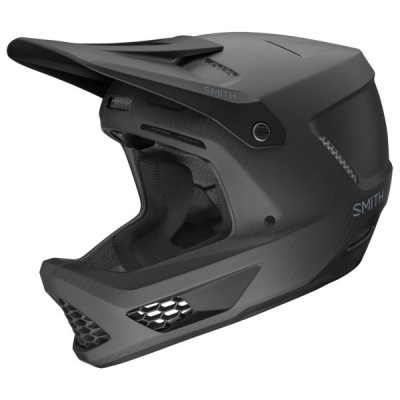
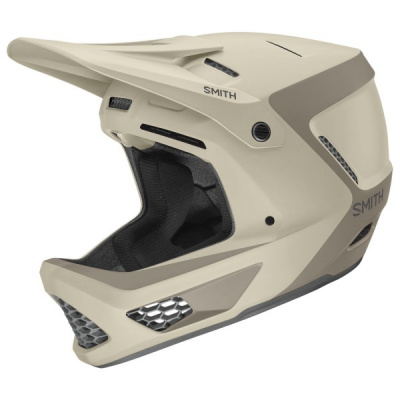
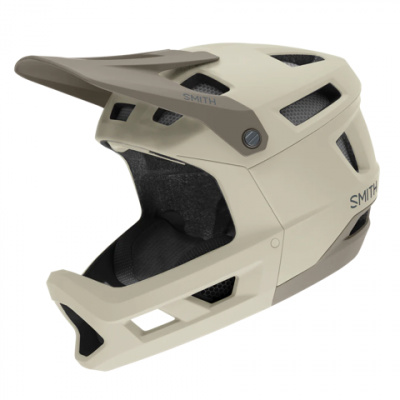
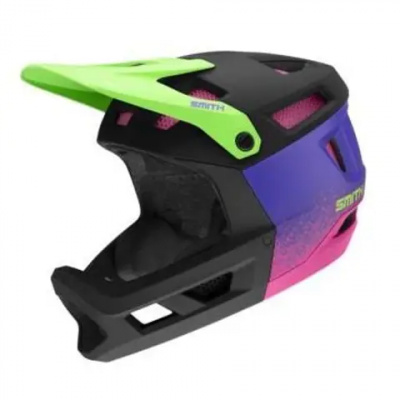
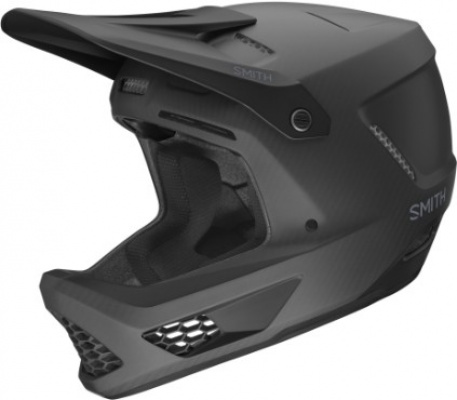
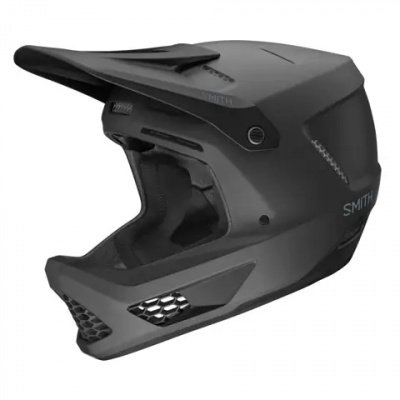
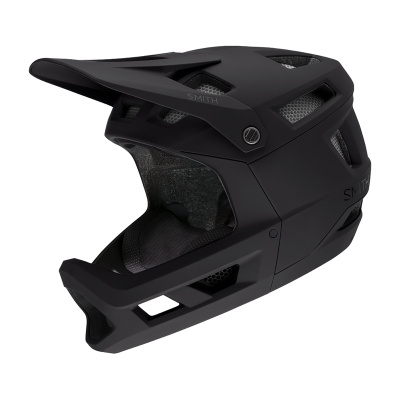
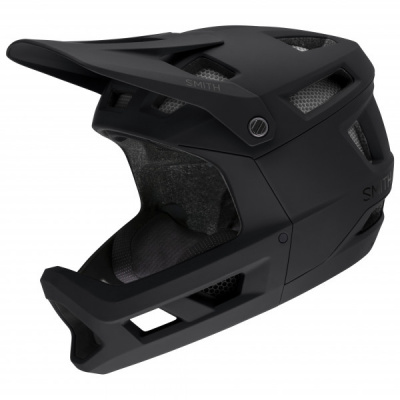
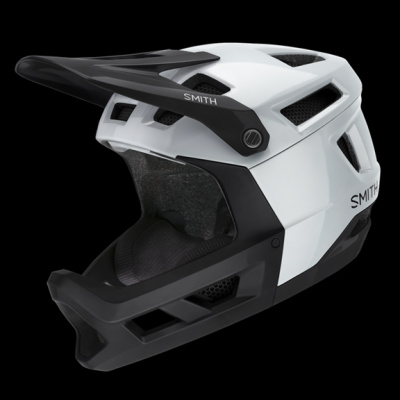
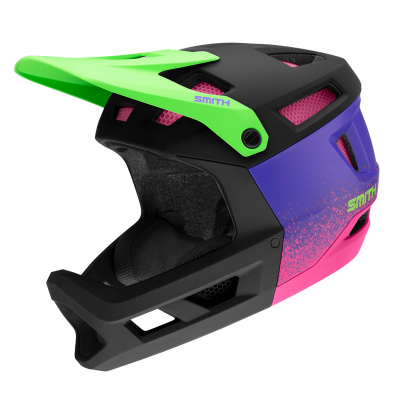
Smith Optics full face helmets are where gravity riding meets serious engineering - and the flagship Smith Mainline makes that very clear. Point the front wheel downhill and you want a lid that absorbs the hit, manages rotational forces, and doesn't cook your head on the climb back up. Smith does all three. The Mainline pairs MIPS brain protection system with Koroyd technology - a tubular crumple-zone core that absorbs impact energy more efficiently than standard EPS foam, and happens to let a remarkable amount of air pass straight through the shell. That matters on a long Welsh enduro stage or a steamy summer lap of Glentress. These helmets are DH certified to ASTM F1952, so they meet the demands of race-day gravity riding, not just trail centre laps. They're also designed to work in harmony with Smith's own goggle range - the fit between lid and lens is genuinely considered, not an afterthought. If you're comparing options, Fox full face helmets and Troy Lee Designs full face helmets are the obvious alternatives, but Smith's Koroyd construction gives them a distinct approach to impact management. Worth understanding before you decide.
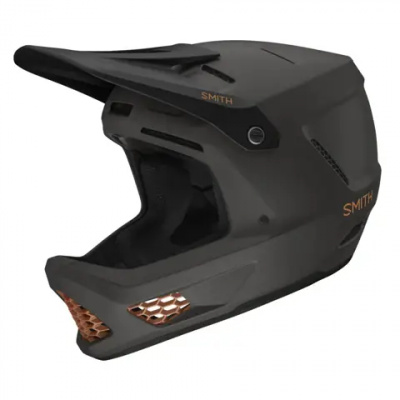
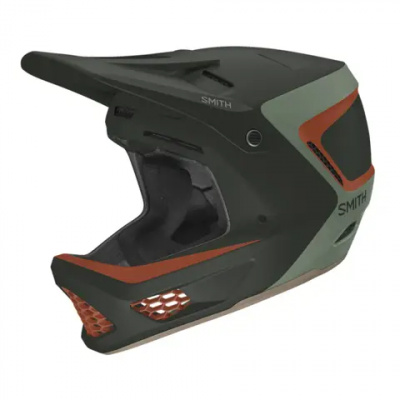
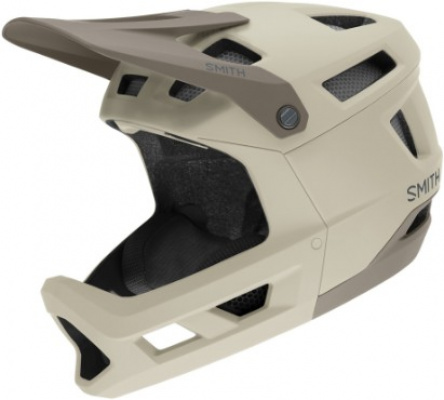
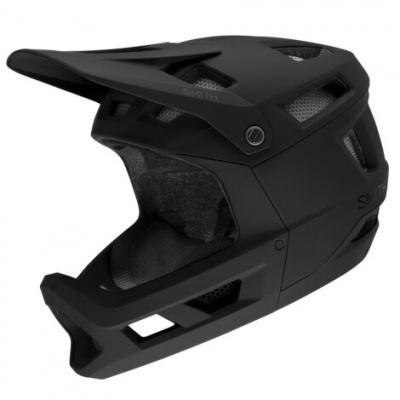
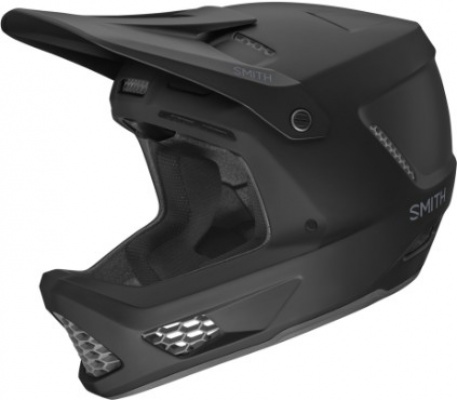
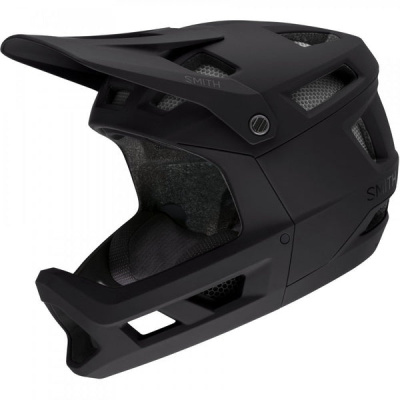
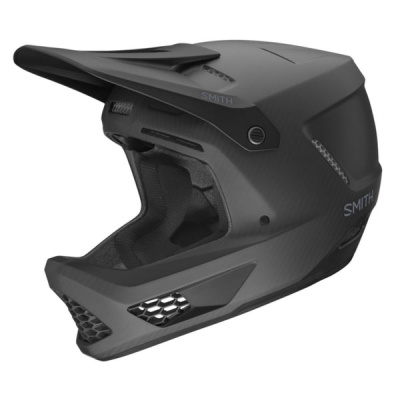
Prices and availability can change quickly. Delivery charges are not always included in listed prices.
Final price, stock status and delivery terms are set by retailer. We may receive a commission on purchases made.
Impact Tech and Ventilation That Actually Works
Two separate forces act on your head in a crash: direct impact and rotational acceleration. Smith addresses both. MIPS - the Multi-Directional Impact Protection System - sits between the liner and your head as a low-friction slip plane, allowing the helmet to rotate slightly on impact rather than transferring that angular force straight to your brain. It's become the benchmark in gravity lids for good reason. Alongside it, Koroyd technology does the heavy lifting on direct impacts. The material is made from thermally welded polymer tubes - think of it as a structured crumple zone that collapses in a controlled way to manage energy, then allows air to pass freely through the same structure. That dual function is the clever bit.
On the ventilation side, AirEvac is Smith's active airflow system designed to draw warm, moist air up and away from the goggle-to-helmet interface. On a damp Pennine descent or a humid Forest of Dean afternoon, that's genuinely useful - goggle fog mid-run is a safety issue, not just an inconvenience. AirEvac works with compatible Smith goggles to create a channel that keeps the lens clear. Ventilation is one area where Smith's full face helmets compare favourably even against strong competition like Bell full face helmets, where airflow management varies more across the range.
Fit, Sizing and What Comes in the Box
Smith helmets fit true to size based on standard head circumferences - measure in centimetres around the widest part of your head and you'll land in the right bracket. That said, head shapes vary, and the Mainline accounts for this properly. Multiple sets of cheek pads, neck rolls, and crown liners ship in the box, letting you dial the internal volume until the helmet sits snug without pressure points. A wobble-free fit at speed isn't optional - it's the whole point - and having those options without a trip to a specialist fitter is a genuine practical advantage.
The Mainline is Smith's enduro and DH-focused offering, sitting at the top of their gravity range. It's the helmet you'd look at for bike park days, enduro racing, or any riding where you want full facial protection and DH-level certification. If you're still weighing up whether a full face is right for your riding style or want to browse trail and cross-country options alongside, the full Smith Optics helmets range gives you the broader picture. There's also a Smith kids' helmets range worth bookmarking if you're kitting out younger riders at the same time.
Goggle Pairing and Looking After Your Lid After a Muddy Run
Smith's goggle integration isn't marketing shorthand - there's a real functional relationship between the Mainline and goggles like the Squad MTB. The goggle outriggers sit flush against the helmet's brow, the AirEvac channel aligns correctly, and there's no gap for mud or cold air to funnel through. Using a third-party goggle doesn't break anything, but you lose the seamless interface that makes the system work as intended. If you're investing in a Smith full face, pairing it with Smith goggles is the logical call - and spare lenses or accessories are available through the Smith sunglasses and goggle spares section if you want to build a lens kit for different light conditions.
After a proper UK ride - think clay-heavy Peak District singletrack or a wet Cannock Chase session - the helmet needs attention. The XT2 anti-bacterial performance pads pull out cleanly, and hand-washing with mild soap is all they need. Let them air-dry fully before refitting. Don't machine wash. While the pads are out, check the Koroyd tubes for packed mud - dried grit blocking the core reduces airflow noticeably. A soft brush and running water sorts it. Inspect the shell and liner for any signs of deformation after heavy impacts; if it's taken a proper knock, replace it regardless of how it looks on the outside. That rule applies to any helmet, not just Smith's.
On the trade-off side: Smith Optics full face helmets sit at the premium end of the market, so the price reflects that. Riders on a tighter budget will find capable options from brands across the category. And while the Mainline is impressively light for a DH-certified lid, it's still a full face - if the majority of your riding is XC or moderate trail work, a half-shell might be the more practical daily choice. The protection level here is built for gravity-focused riding.
Smith Optics Full Face Helmets FAQs
Are Smith full face helmets true to size?
Generally, yes - Smith sizes run to standard head circumference measurements, so measure up and you'll land in the right size. The Mainline also ships with multiple cheek pad, neck roll, and crown liner options, so you can fine-tune the internal fit to your specific head shape rather than relying on size alone to do all the work.
Is the Smith Mainline helmet DH certified?
Yes. The Mainline carries full ASTM F1952 downhill certification, meaning it meets the impact standards required for gravity racing, not just trail riding. That's the certification you want if you're racing enduro or spending serious time in a bike park - and it comes without the oppressive weight you'd expect from older DH-spec lids.
Can you wash the pads in a Smith full face helmet?
You can, and after a muddy UK ride you probably should. The XT2 anti-bacterial pads are fully removable - pull them out, hand-wash with mild soap, and leave them to air-dry completely before putting them back. Avoid machine washing, and check the Koroyd core for packed mud while the pads are out to keep airflow running as it should.