
Fox Full Face Helmets
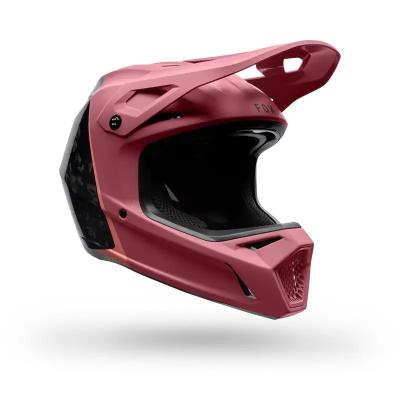
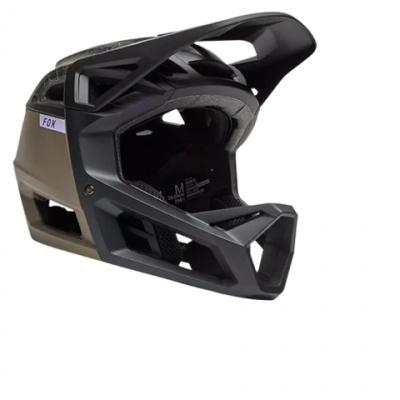
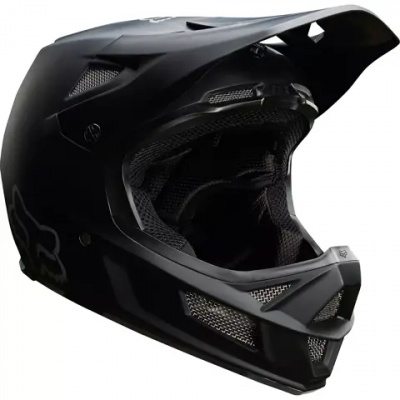
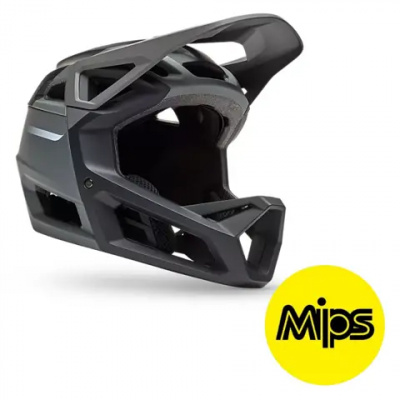
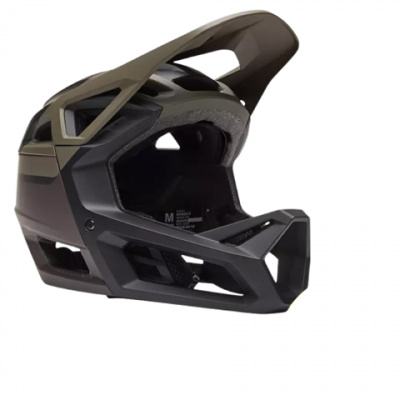
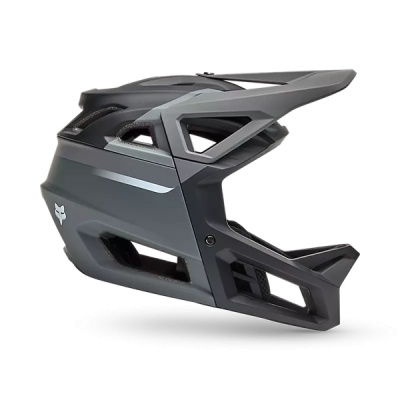
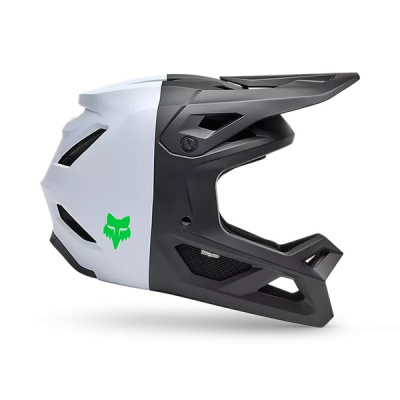
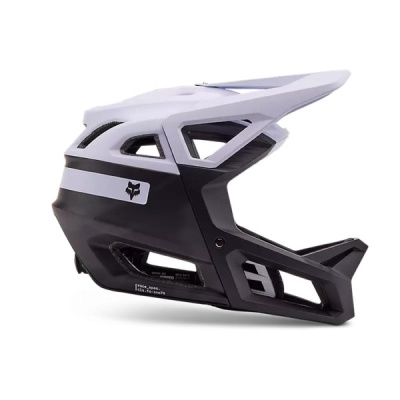
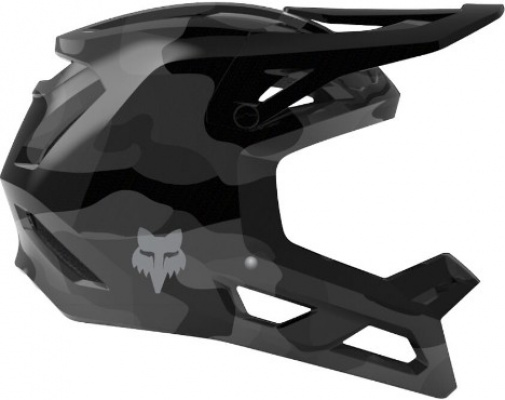
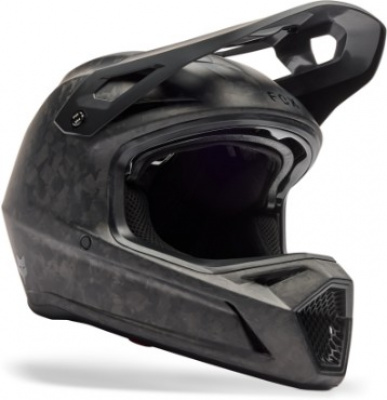
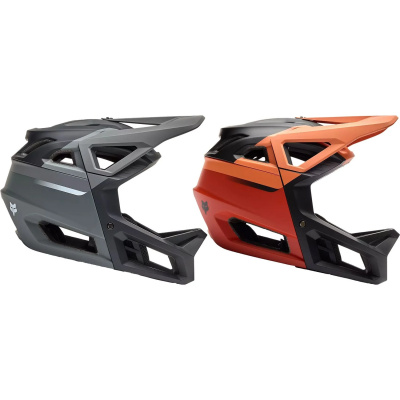
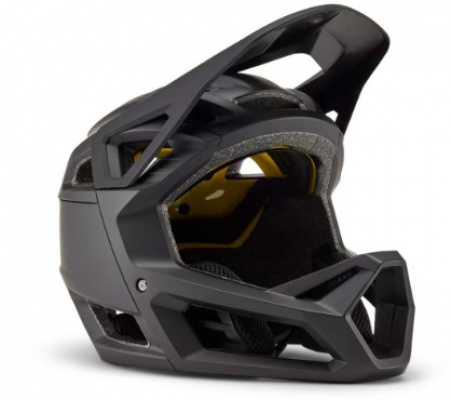
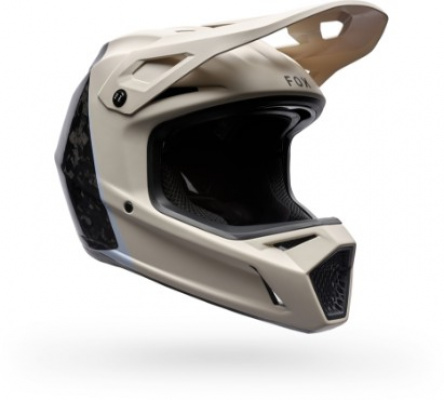
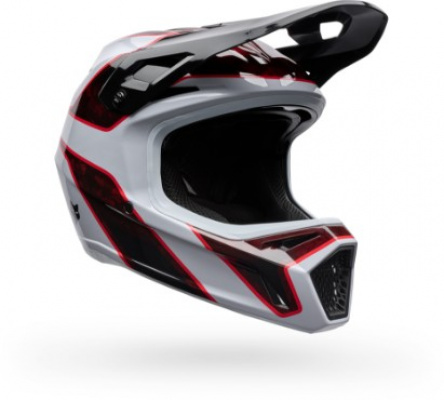
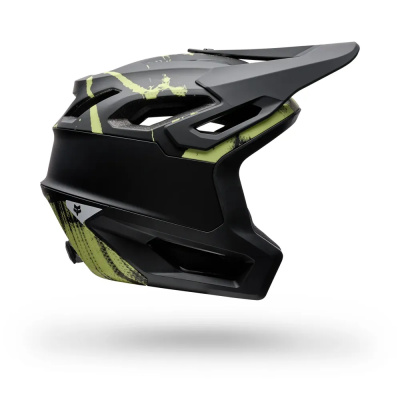
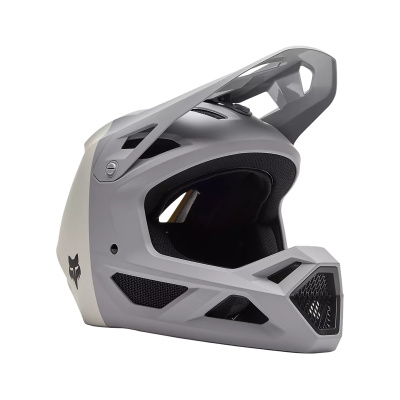
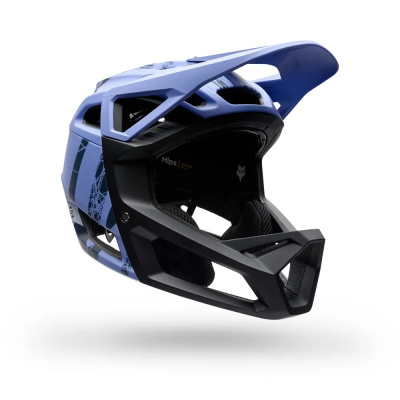
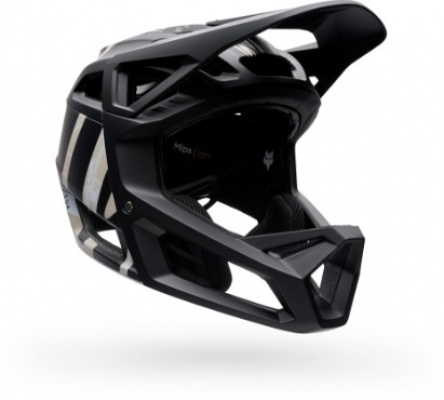
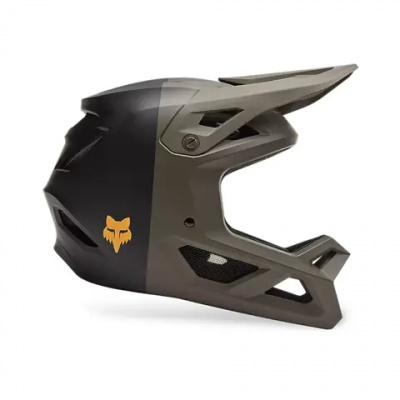
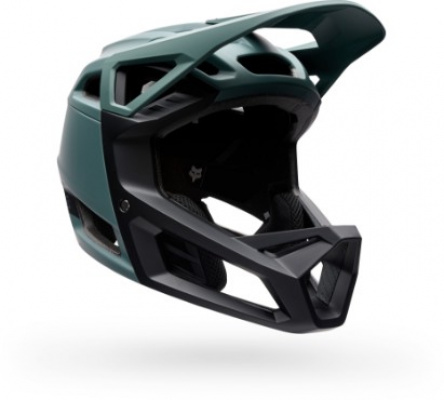
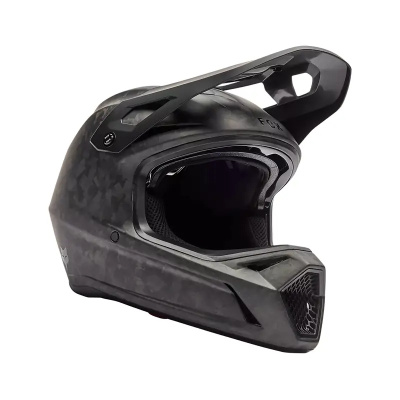
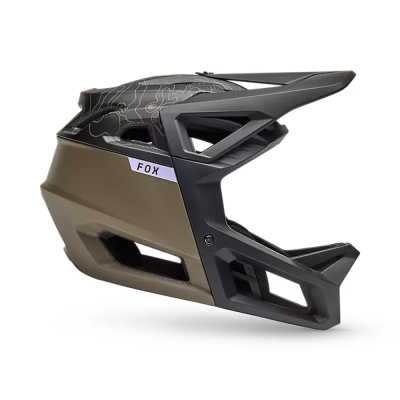
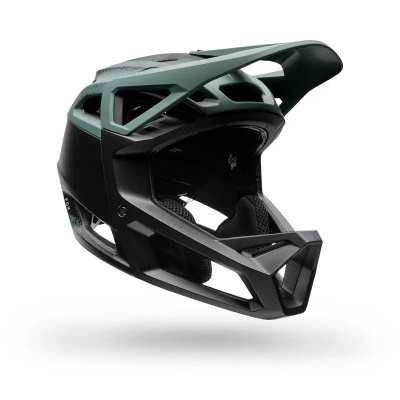
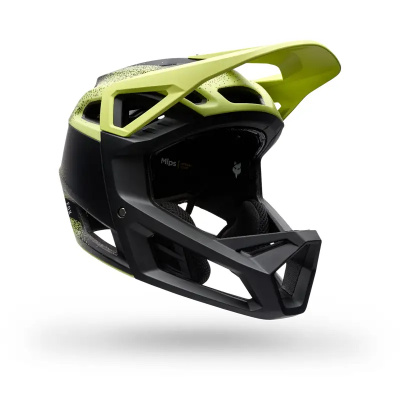
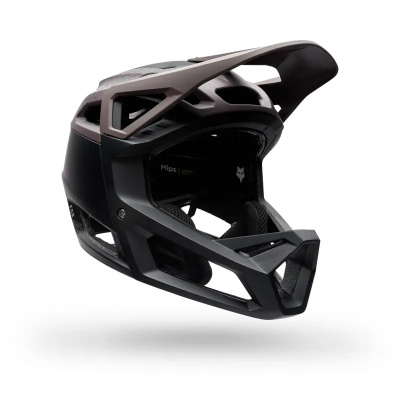
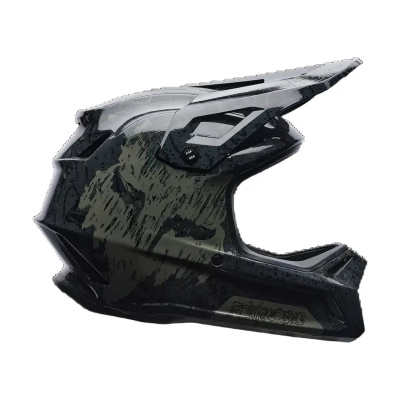
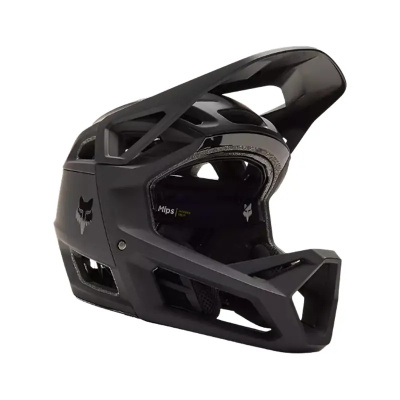
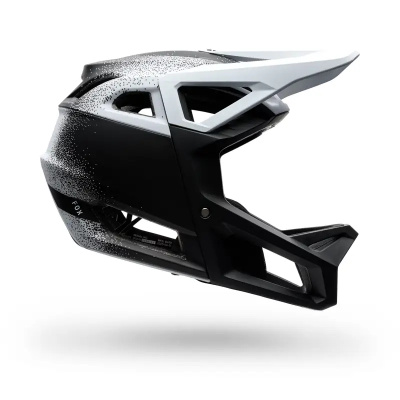
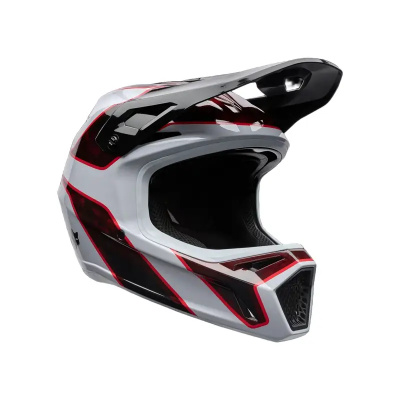
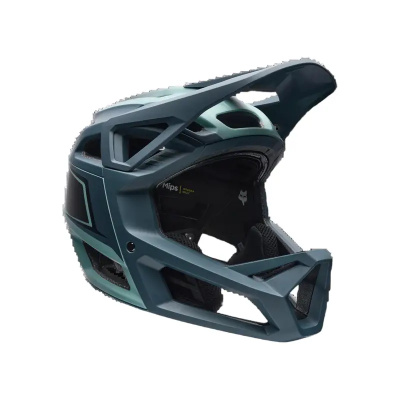
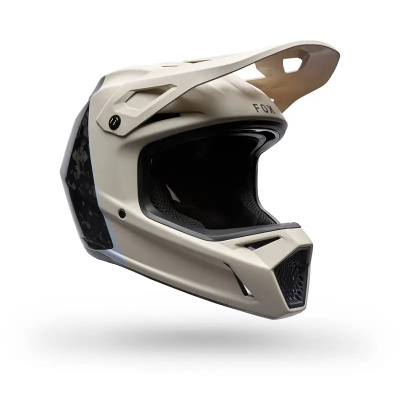
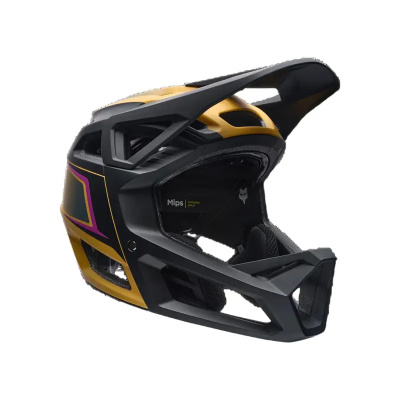
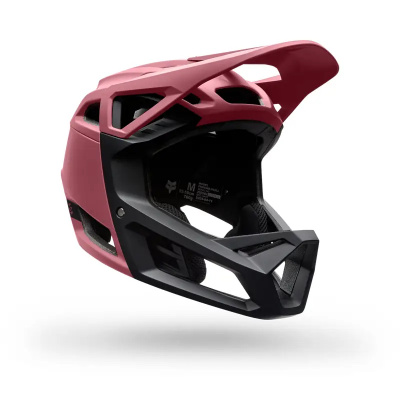
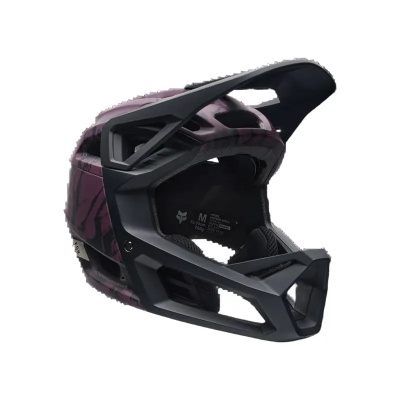
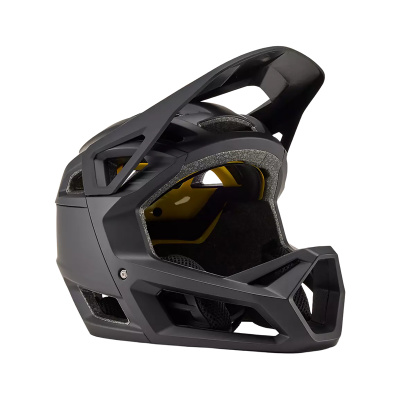
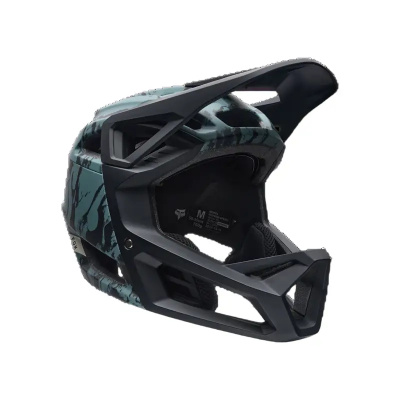
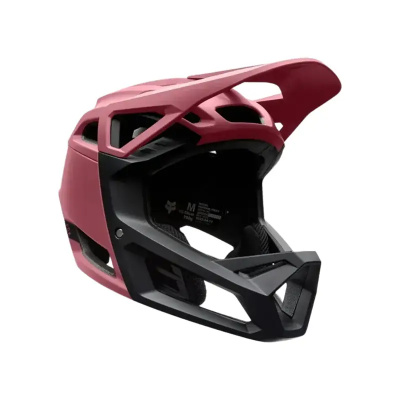
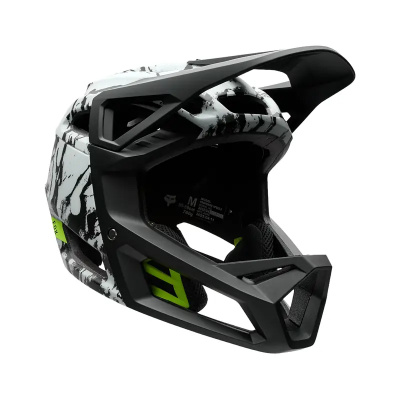
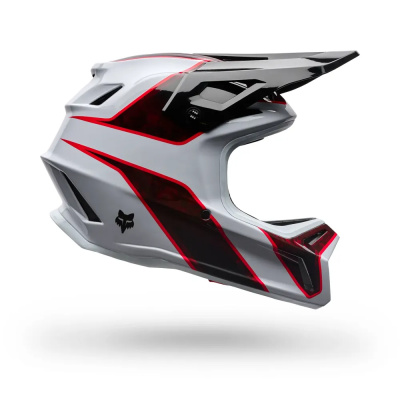
Fox full face helmets sit at the sharp end of gravity MTB protection - built for riders who aren't willing to compromise between coverage and comfort. Whether you're lapping the uplift at Nevis Range or grinding out long enduro days through the Tweed Valley, Fox has a lid engineered for the job. MIPS technology sits across the range, managing the rotational forces that straight-line EPS can't deal with alone, while the Varizorb dual-density EPS liner adds a second layer of impact management that handles both big hits and secondary knocks. Ventilation is serious too - the Big Bore vent system moves enough air to keep you clear-headed on the climb and your goggles fog-free when you finally point the bike downhill. Fox downhill helmets carry ASTM F1952 certification where it counts, so you know the rating matches the riding. Two main models do most of the work: the Proframe for enduro and long-effort days, and the Rampage for park laps and dedicated DH. Both share the same design DNA but are tuned very differently. We'll break down exactly what separates them - and which one belongs on your head.
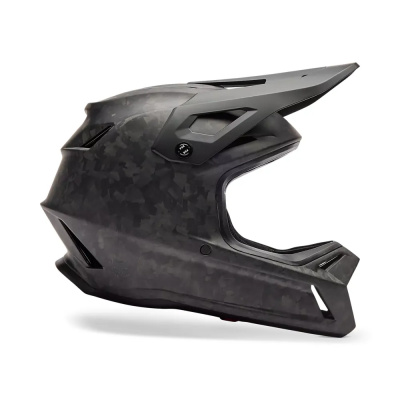
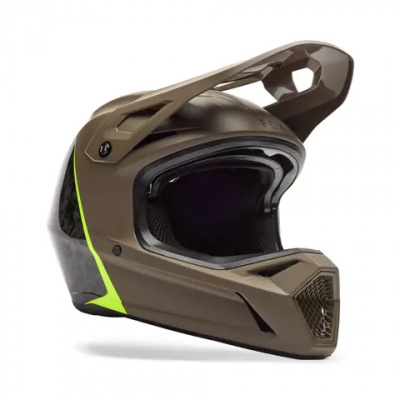
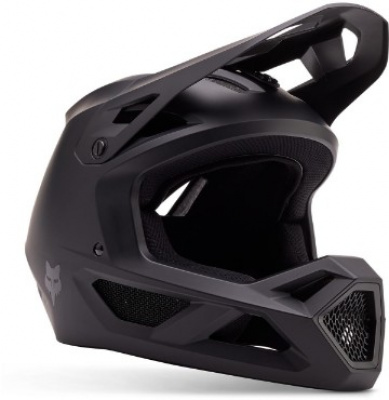
Prices and availability can change quickly. Delivery charges are not always included in listed prices.
Final price, stock status and delivery terms are set by retailer. We may receive a commission on purchases made.
Impact Management and Airflow When It Matters Most
The protection story in Fox full face helmets starts with MIPS - Multi-Directional Impact Protection System - which adds a low-friction layer between your head and the EPS shell. In a real crash, heads rarely take a perfectly straight hit; they glance, rotate, and torque. MIPS is designed to redirect that rotational energy away from the brain during the critical milliseconds of impact. It's not a gimmick: independent testing consistently shows measurable reductions in rotational force transfer compared to non-MIPS equivalents.
Beneath that, the Varizorb dual-density EPS liner does the structural work. Dual-density means the foam is tuned differently across the liner - softer zones absorb lower-speed knocks, stiffer zones handle the big impacts. Think of it like a car's crumple zone; the whole thing is working in sequence rather than as one blunt slab of foam. For UK riding, where trails tend to throw a mix of steep, rooty chutes and awkward off-camber catches, that graduated response matters.
Ventilation gets serious attention too. The Big Bore vent channels aren't decorative - they're wide enough to move meaningful volumes of air through the helmet even at moderate speed. On a humid Welsh valley climb in August, that's the difference between arriving at the top clear-headed and arriving cooked. It also keeps goggles fog-free on the transition from sweaty push to cold descent, which any UK rider will tell you is a genuine problem worth solving.
Proframe or Rampage: Choosing the Right Fox Full Face
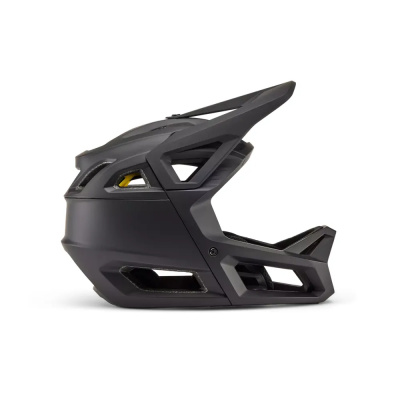
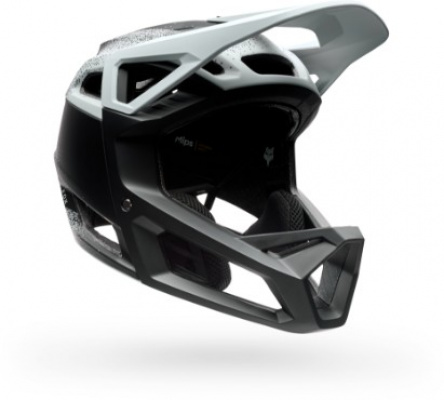
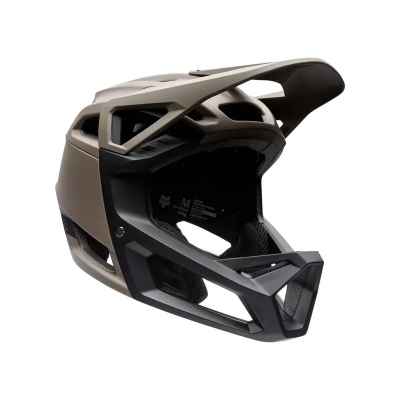
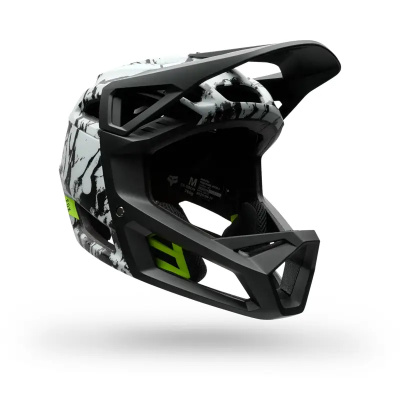
The Fox Racing enduro helmet you want depends on one honest question: how much are you pedalling? The Proframe is built around the assumption that you're riding up as well as down. It's a lightweight full face MTB helmet with a dramatically vented shell - more open than most full face designs - and a chin bar that's shaped to reduce bulk without cutting coverage. The weight saving over a traditional DH lid is real, and over a long enduro stage or a bike park day where you're pedalling the cat track back up, you'll notice it. It's DH certified for park use too, so you're not sacrificing safety standards for the weight reduction.
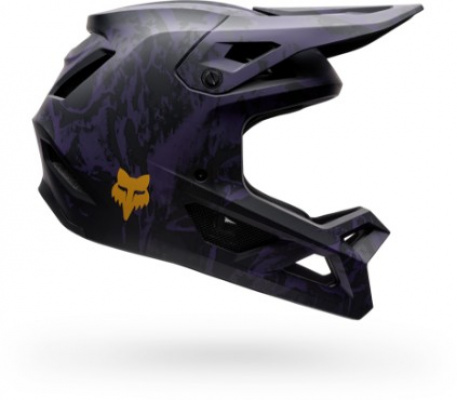
The Rampage is a different animal. Maximum coverage, a more enclosed shell, and a construction tuned for the kind of repeated, high-consequence impacts that dedicated downhill and bike park riding can generate. It's heavier, and it runs warmer - but on an uplift-only day at BikePark Wales or a Scottish DH track, neither of those things is a problem. The Rampage is also where you'll find the Fidlock SNAP magnetic buckle, which makes helmet management between runs genuinely quick: one-handed, intuitive, and much easier with gloves on than a traditional clip.
If you're after an open-face lid for trail riding rather than a full face, our broader Fox helmets category covers that end of the range. For younger riders, the kids' helmets section has youth-specific sizing and coverage. Comparing Fox against the wider market? Bell full face helmets and Troy Lee Designs full face helmets are the names most often in the same conversation - both strong, both worth a look if the Fox sizing or fit shape doesn't work for your head. Giro full face helmets round out the comparison if you want a slightly different retention system approach.
Goggle Pairing, Mud Clearance, and Keeping Your Lid in Shape
Fox full face helmets are designed with goggle integration built in from the start, not bolted on as an afterthought. The brow area is shaped to accept standard MTB goggle frames without creating a forehead gap - that gap where cold air, rain, and Welsh mud funnel directly into your eyes. For UK winter riding, check that your goggle strap sits cleanly in the retention channel and that the foam-to-foam interface seals properly. A rolled or twisted strap causes most of the gap problems riders complain about.
Lens choice matters too. Low-light or clear lenses are worth having for the flat, overcast days that make up a solid chunk of the UK riding season. Goggles with a quick-change lens system make this less of a faff when conditions shift mid-session.
Helmet care is straightforward but worth doing properly. The cheek pads on both the Proframe and Rampage are removable and washable - pull them out, hand wash in cool water with mild soap, and let them dry away from direct heat. The antimicrobial treatment in the liner padding will last longer if you're not machine-washing it repeatedly. After any significant crash, inspect the chin bar and EPS shell carefully. EPS foam can absorb impact damage invisibly; if there's any compression or cracking in the liner, or if the chin bar took a direct hit, the helmet needs replacing regardless of how it looks on the outside. That's not overcaution - it's just how EPS works. Pair your lid with Fox gloves for Fidlock buckle ease, and if you're building out a full kit, Fox MTB baggy shorts and a Fox jacket keep the protection consistent from head to hip.
Frequently Asked Questions
How should a Fox full face helmet fit?
Snug and stable, with no pressure points. The cheek pads should make firm contact with your face - not painfully tight, but enough that you can feel them. Rock the helmet front to back and side to side; if it moves independently of your skin, it's too big. The chin bar should clear your chin by roughly two fingers when your mouth is closed.
What is the difference between Fox Proframe and Rampage?
The Proframe prioritises low weight and ventilation for enduro and pedal-heavy days, with a more open shell design. The Rampage is a heavier, more enclosed DH and park lid built for maximum coverage and repeated high-impact use. Both carry full face certification, but they suit very different riding contexts. If you're doing uplift-only days, the Rampage. If you're pedalling the climbs, the Proframe.
Are Fox full face helmets true to size?
Generally yes, but head shape matters as much as head circumference. Fox uses a specific internal geometry that works well for intermediate-oval head shapes. Measure your head circumference with a tape measure just above your brow line, then cross-reference the Fox size chart - don't rely on what size you take in another brand. If you're between sizes, go smaller and let the cheek pads bed in rather than going larger and relying on the retention system to compensate.
Fox Full Face Helmets FAQs
How should a Fox full face helmet fit?
Snug and stable, with no pressure points. Cheek pads should make firm contact with your face - not painful, but definite. Rock the helmet front to back and side to side; independent movement means it's too big. The chin bar should sit roughly two fingers above your chin when your mouth is closed. If in doubt, size down and let the pads settle.
What is the difference between Fox Proframe and Rampage?
The Proframe is built for enduro and pedal-heavy days - lighter, more ventilated, less bulk on the climb. The Rampage is a dedicated DH and bike park lid: heavier, more enclosed, and tuned for repeated high-consequence impacts. Both are full face certified, but they're designed for genuinely different types of day out. Uplift only? Rampage. Pedalling the ups? Proframe.
Are Fox full face helmets true to size?
Broadly yes, but measure your head rather than assuming. Use a tape measure just above your brow line, then check the Fox size chart directly - sizing can vary between brands. Fox helmets suit intermediate-oval head shapes well. If you land between sizes, go smaller; the cheek pads will bed in, and a slightly snug fit is safer than relying on the retention dial to take up slack.