
Troy Lee Designs Full Face Helmets
Troy Lee Designs full face helmets have spent decades at the sharp end of gravity MTB - World Cup DH podiums, EWS podiums, and the kind of real-world abuse that UK trails dish out on a soggy Tuesday. That reputation isn't decoration. It's baked into every shell, liner, and buckle they make.
The core promise across the TLD full face MTB helmet range is straightforward: DH-certified protection that doesn't cook your head on the climb up. MIPS technology handles rotational forces in an impact, while dual-density EPP and EPS foam liners split the job between high-speed crashes and the lower-speed tumbles that enduro riding throws at you regularly. Whether you're shuttling at BikePark Wales or grinding up to a Tweed Valley descent under your own steam, there's a lid in the range built for that specific ask.
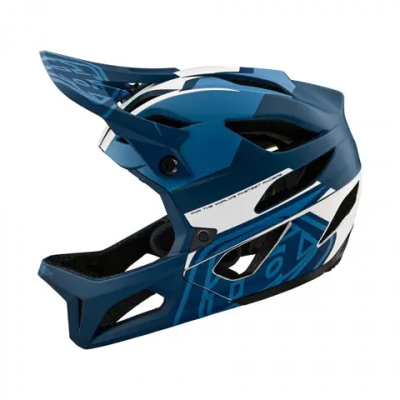
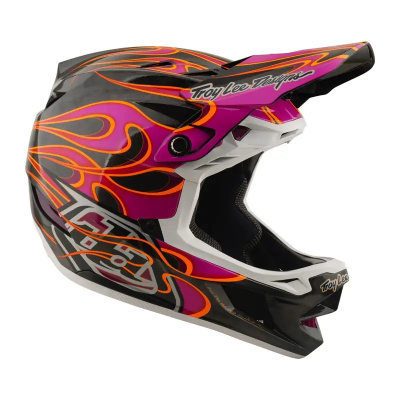
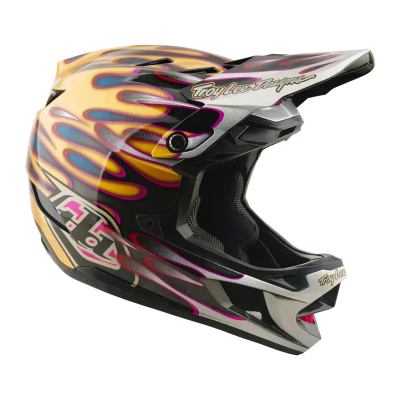
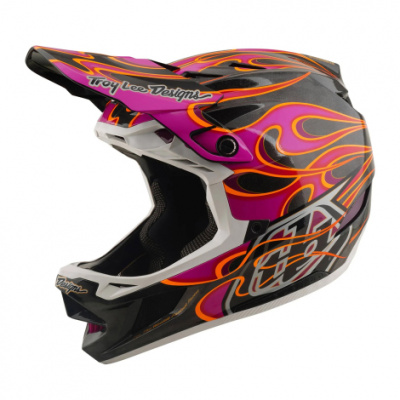
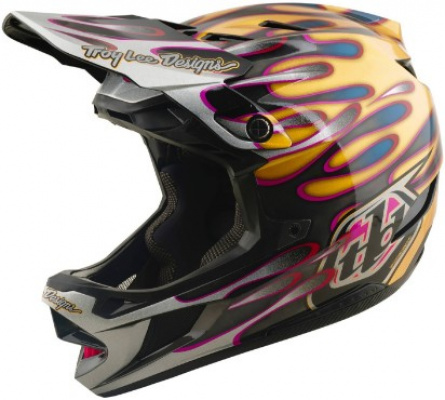
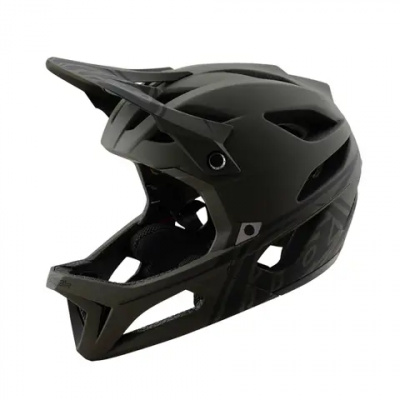
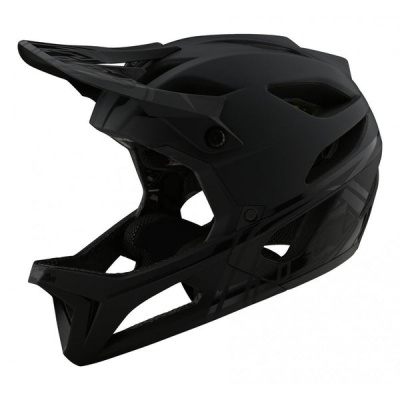
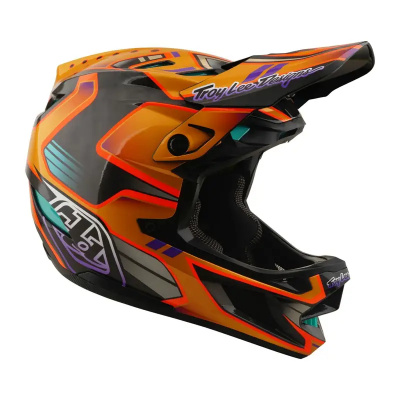
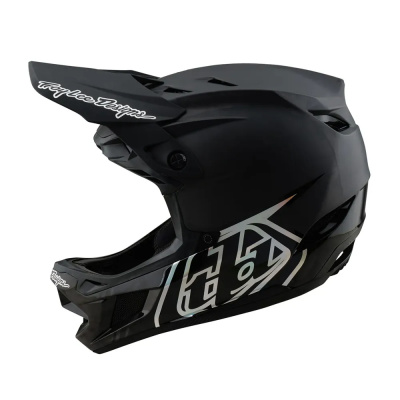
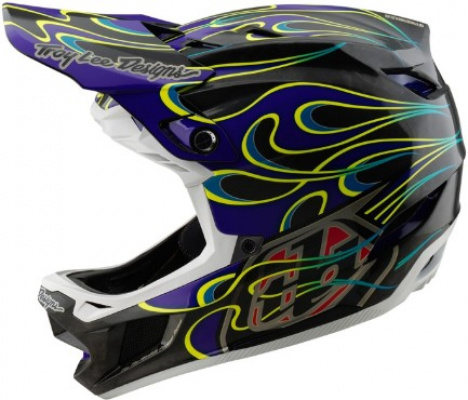
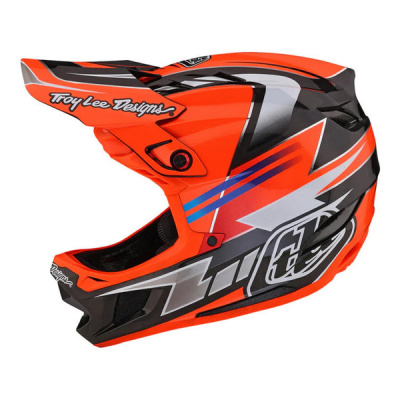
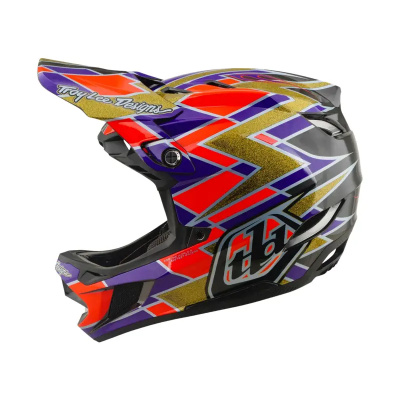
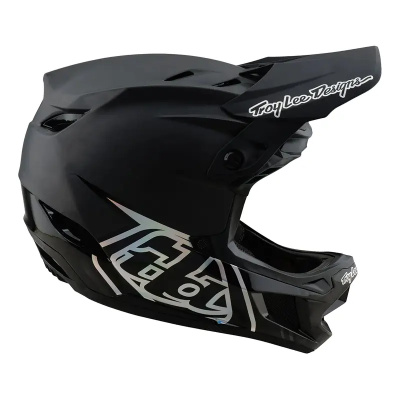
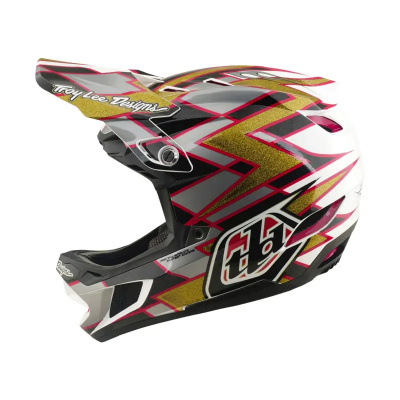
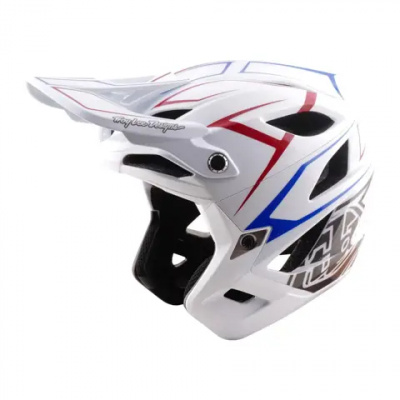
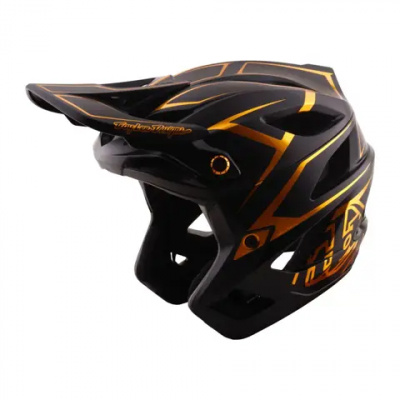
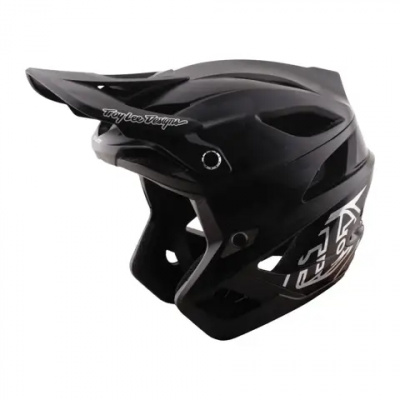
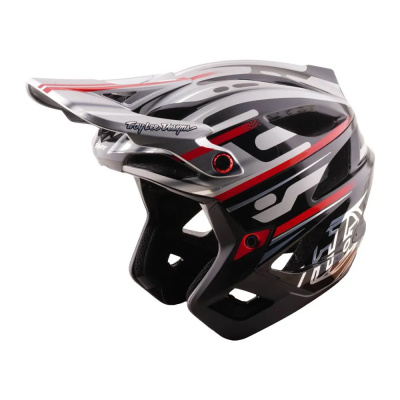
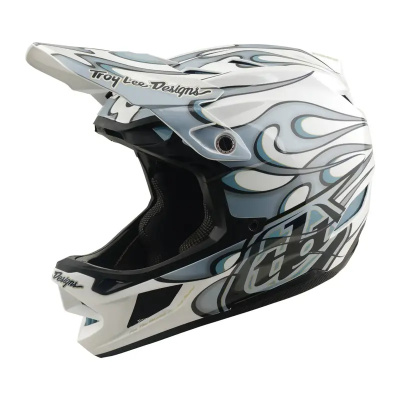
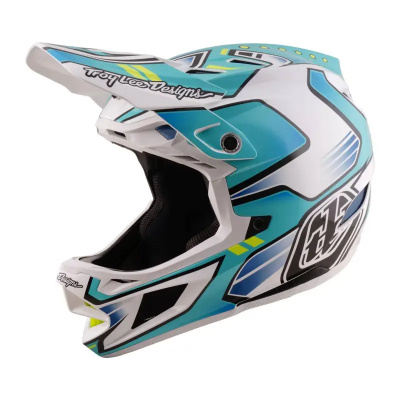
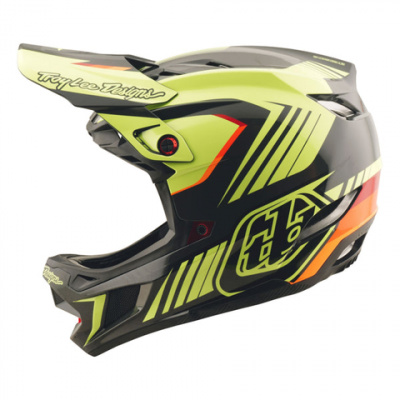
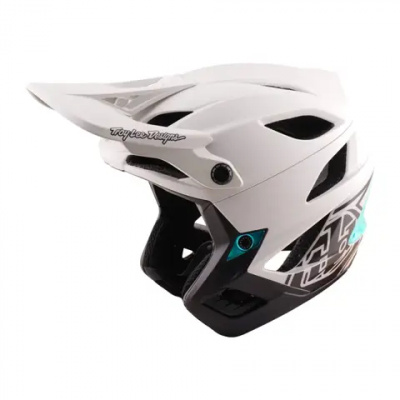
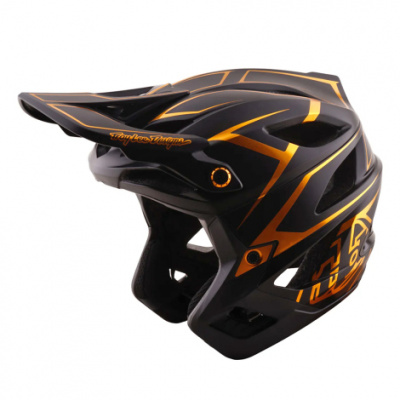
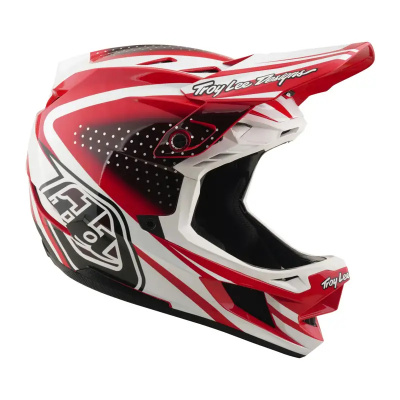
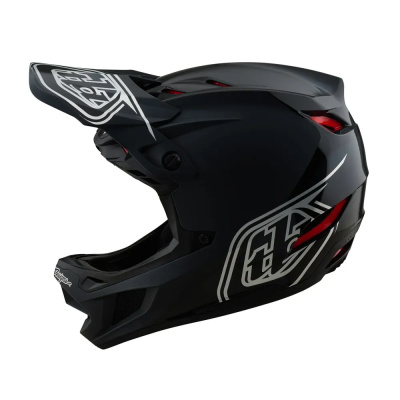
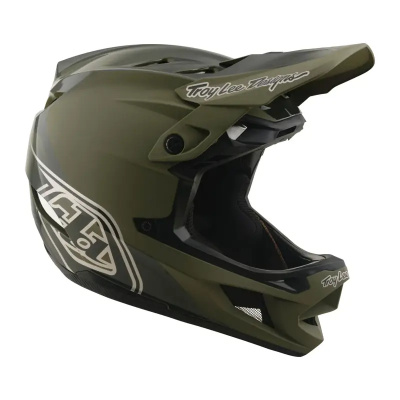
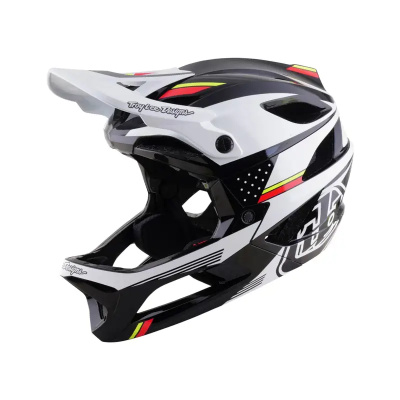
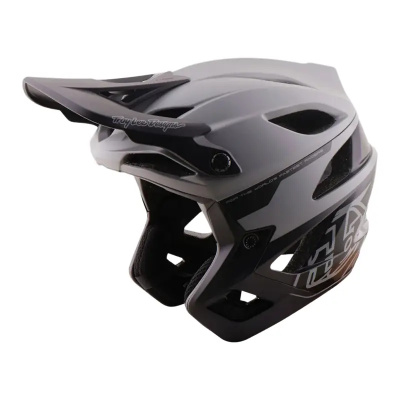
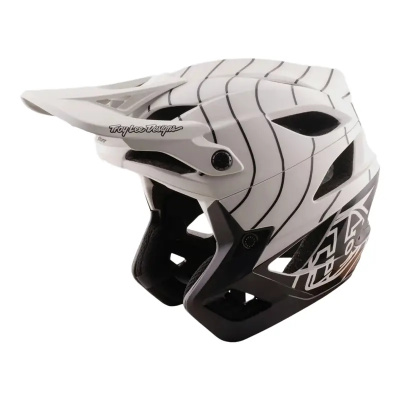
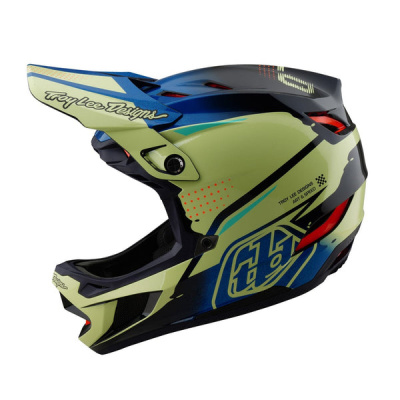
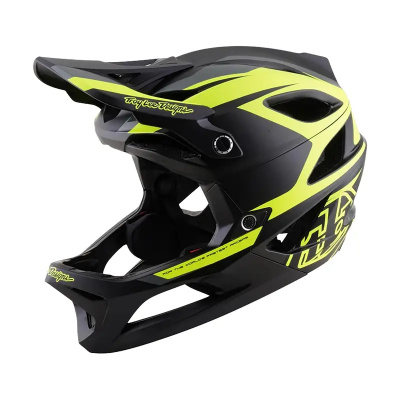
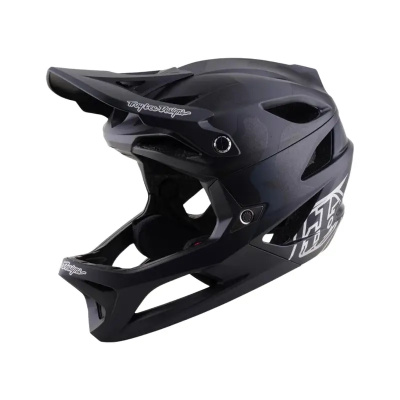
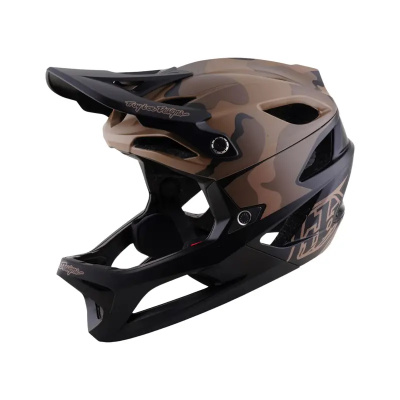
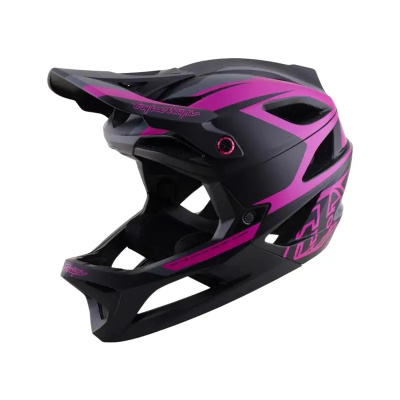
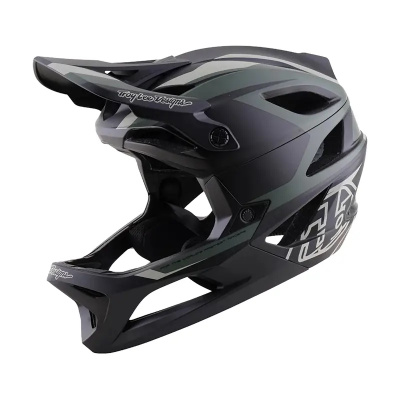
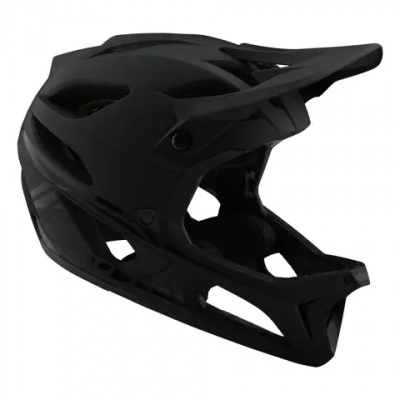
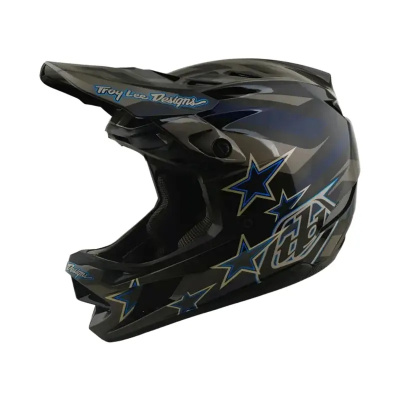
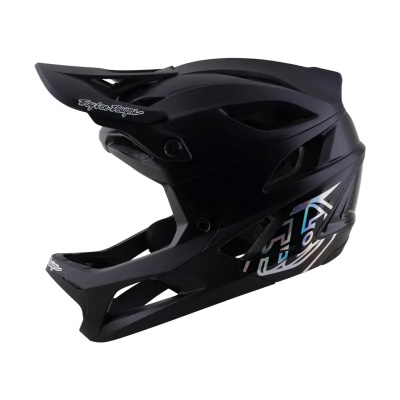
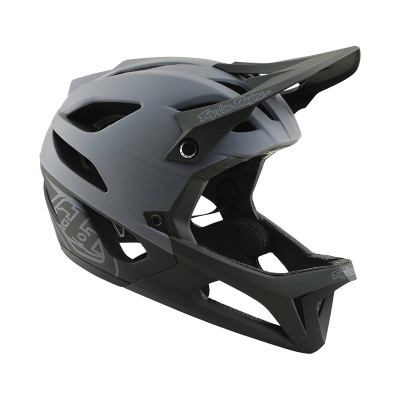
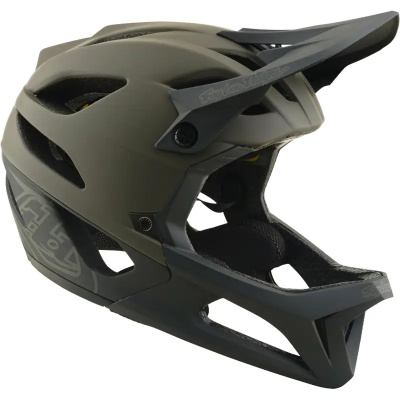
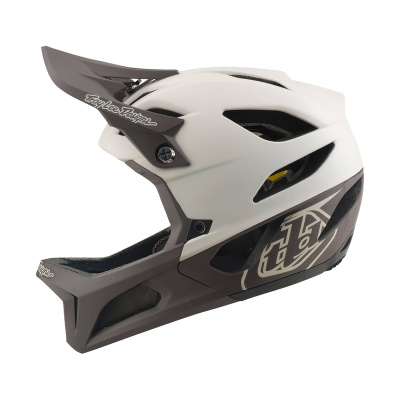
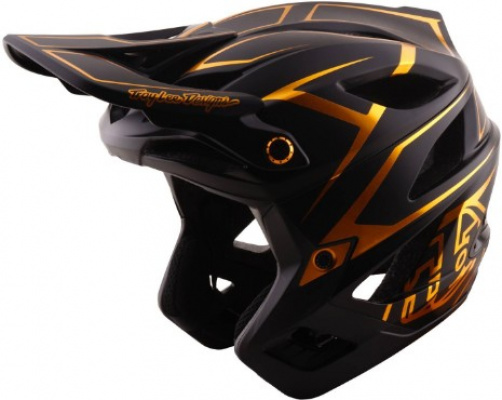
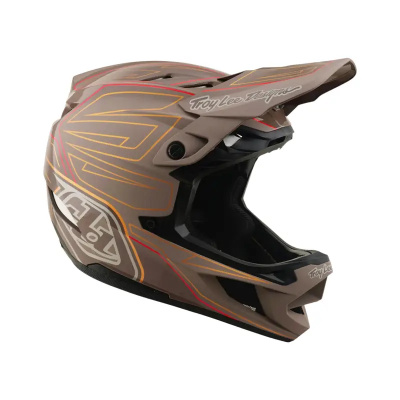
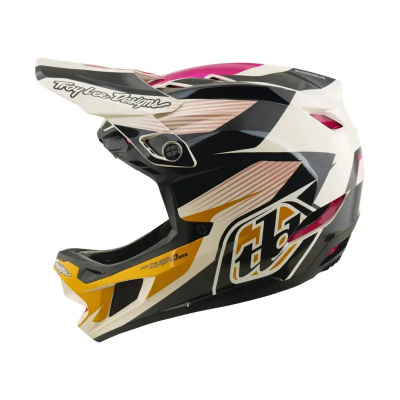
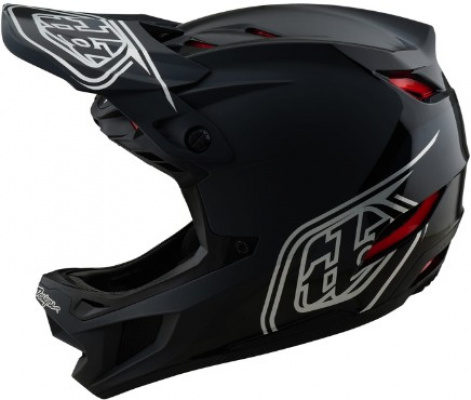
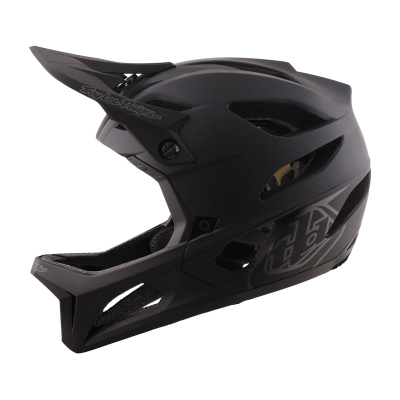
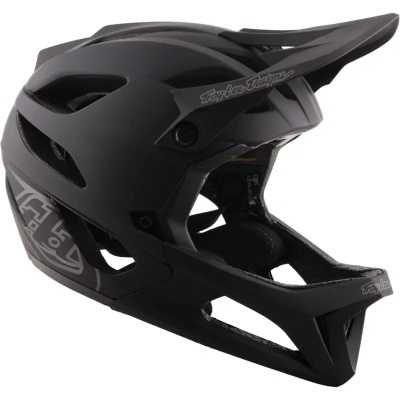
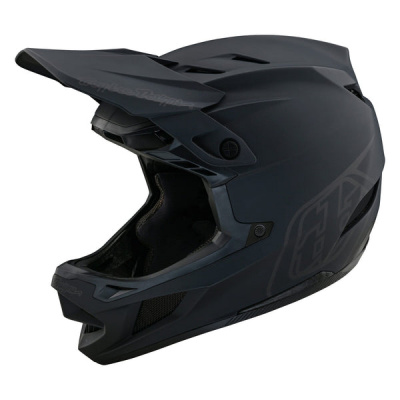
Two models do the heavy lifting here. The Stage is the lightweight, heavily vented option for riders who pedal to their descents. The D4 is the maximum-protection, race-day helmet for when speed and consequence are both high. Both are available in carbon fibre and composite shell options, and both carry the graphics work TLD is known for - sharp without being garish.
Prices and availability can change quickly. Delivery charges are not always included in listed prices.
Final price, stock status and delivery terms are set by retailer. We may receive a commission on purchases made.
Shell Materials and How They Handle UK Conditions
TLD builds its full face helmets around two distinct shell materials, and the choice between them matters more than badge snobbery. The TeXtreme Carbon Fiber shell is woven from an ultra-thin, high-tensile carbon that keeps weight remarkably low without sacrificing structural integrity - think of it as the difference between lugging a brick up a fell and carrying something that barely registers. The Polyacrylite shell is TLD's composite option: heavier than carbon but tougher against the everyday scuffs and rock strikes that come with regular riding, and considerably easier on the wallet.
Inside both shells, the dual-density EPS and EPP foam liner system does the real protective work. EPS (expanded polystyrene) manages high-speed, high-energy impacts - the kind that happen fast on a DH track. EPP (expanded polypropylene) handles the repeated, lower-energy knocks that enduro riding produces: the slow-speed wash-out on a wet root, the handlebar clip on a tight Welsh singletrack corner. Having both materials working together means the helmet isn't just tuned for one type of crash.
The MIPS technology layer sits between the shell and the foam, allowing a small rotational movement on impact to reduce the twisting forces transmitted to the brain. It adds minimal weight and you won't notice it during a ride, but it's doing meaningful work in the crashes you don't see coming.
For UK riding specifically, the X-Static moisture-wicking liners are worth calling out. After a muddy winter DH session at Ae Forest or a sweaty enduro loop in the Gower, these antimicrobial liners pull sweat away and resist bacterial build-up. Critically, they're removable and washable - pull them out, rinse under cold water with a mild detergent, reshape, and leave to air dry away from direct heat. Do that after every few rides and the liner life extends considerably. Don't, and you'll notice it.
The Range Explained: D4 vs Stage and Getting the Fit Right
The Troy Lee D4 Carbon is TLD's purest downhill racing helmet. It's heavier than the Stage, runs a more enclosed ventilation profile, and is built around maximum protection for high-speed, high-consequence riding. If your typical day involves uplift, big freeride lines, or racing DH, the D4 is the one. The carbon version trims meaningful grams compared to the composite shell, which matters over a long race run when neck fatigue is real.
The Troy Lee Stage helmet takes a different approach. Massive ventilation ports dominate the shell design - more open than almost anything else in the lightweight full face helmet enduro category - and the overall weight is kept low to make pedalling to your descents bearable rather than punishing. It's still DH certified, so you're not trading safety for airflow. You're just not roasting on the climb. For UK enduro riders who spend as much time going up as going down, that ventilation difference on a humid August day in the Brecon Beacons is not subtle.
Fit across both models follows an intermediate oval profile - not as round as some Asian-fit helmets, not as narrow as a few European race-focused options. Most UK riders find this works well straight off. Where fine-tuning is needed, TLD offers varied cheek pad thicknesses as replacements. Thicker pads tighten lateral movement; thinner ones open up space around the jaw. If the helmet feels slightly loose side-to-side but the crown fit is right, swap to thicker cheek pads before sizing down.
Looking for half-shell trail protection or youth sizing? Explore the full range of Troy Lee Designs Helmets or kit out younger riders from the Troy Lee Designs Kids Helmets collection.
Goggle Fit, Neck Brace Compatibility, and Post-Ride Care
TLD full face helmets are designed with goggle integration that goes beyond just having a wide enough port. The goggle channel sits flush with the brow, which keeps the interface gap tight and reduces the cold air ingress that causes fogging in damp, cold conditions - a genuine issue on a grey Scottish morning where the temperature drops fast on the descent. Most TLD-branded goggles clip in cleanly, and the geometry works well with other major goggle brands too, though it's worth checking fit before committing to a non-TLD pairing.
Neck brace compatibility is built in. The chin bar geometry and rear shell profile on both the D4 and Stage are designed to work with Leatt and similar brace systems without creating pressure points or restricting the brace's function. If you're running a brace, check the specific compatibility list for your brace brand - most current models pair cleanly, but older designs occasionally have chin bar clearance issues.
After a crash, inspect the EPS foam carefully before riding again. Look along the liner surface under good light for micro-cracks or deformation - the foam can absorb an impact without any visible shell damage, and a compromised liner won't protect you a second time. If there's any doubt, the helmet is done. The Fidlock magnetic buckle is also worth a quick check; the magnetic closure is fast and reliable but should click firmly and release cleanly. If it's stiff or rattling, clean the mechanism with a dry cloth and check for grit in the hinge.
Pairing a TLD full face with the rest of your gravity kit makes sense beyond brand loyalty. Well-fitted Troy Lee Designs body armour is cut to work with TLD helmet geometry without bunching at the collar, and Troy Lee Designs gloves share the same sizing logic, so if your helmet fits medium, the gloves likely will too. For layering on cooler days at Gnar Bike Park or similar, Troy Lee Designs jerseys are cut with helmet collar clearance in mind - worth knowing when you're picking base layers.
Troy Lee Designs Full Face Helmets FAQs
How should a Troy Lee Designs full face helmet fit?
Snug all the way round, with the cheek pads pressing firmly against your face so the helmet can't rotate when you shake your head. If there's movement, try thicker replacement cheek pads before dropping a shell size - that's often all it takes to dial it in.
What is the difference between the TLD Stage and D4 helmets?
The Stage is a lightweight, heavily vented full face built for enduro riding where you're pedalling as well as descending. The D4 is a maximum-protection DH racing helmet - more enclosed, heavier, and designed for high-speed consequence where airflow takes a back seat to impact performance.
Are Troy Lee Designs full face helmets true to size?
Generally yes. TLD helmets follow an intermediate oval fit and size consistently to their chart. Measure your head circumference just above the eyebrows with a soft tape, match it to the TLD size guide, and you'll usually land in the right shell first time.