
Troy Lee Designs Body Armour
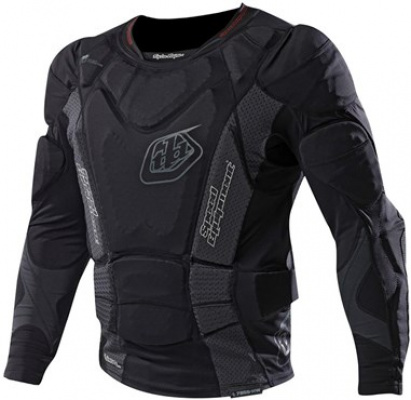
When the trail tips past vertical and the rocks start getting serious, Troy Lee Designs body armour is the kind of kit you want between you and the ground. TLD has been deep in downhill and enduro protection for years, and that focus shows in a range that spans hardshell roost deflectors to low-profile softshell suits - all built around certified impact technology rather than marketing promises.
The core of the range leans on D3O impact foam, which stays pliable while you're pedalling but stiffens instantly on impact - no rigid plates digging into your ribs on the climb. EPP foam handles the lower-speed knocks that D3O doesn't need to deal with alone. Across the range, CE EN1621 certification gives you a verifiable protection standard rather than a vague claim, which matters whether you're racing enduro or sending it at a bike park.
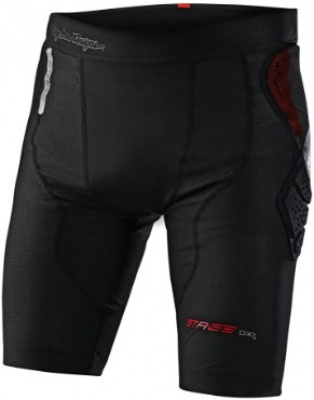
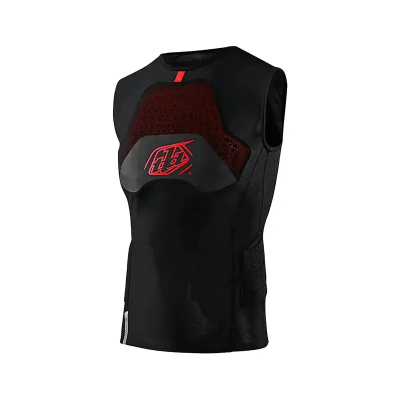
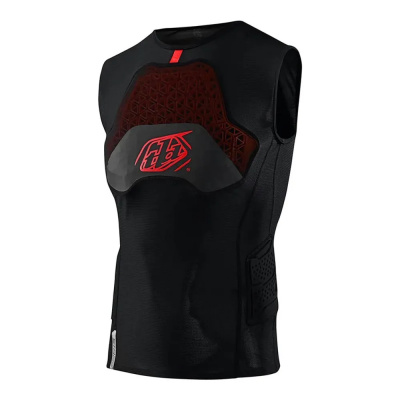
For UK riders specifically, the ventilated mesh construction keeps things bearable on those sweaty winch-and-plunge climbs, while the low-profile fit means most pieces layer cleanly under a jersey or winter jacket without bunching. This page covers chest, back, and upper-body suits. For limb protection, head to our dedicated Troy Lee Designs Knee Pads, Elbow Pads, and Neck Braces collections.
Prices and availability can change quickly. Delivery charges are not always included in listed prices.
Final price, stock status and delivery terms are set by retailer. We may receive a commission on purchases made.
Impact Tech & Trail Performance
The material story in TLD's upper body armour is worth understanding, because it directly affects how the kit feels on a five-hour enduro day versus a lift-assisted bike park session. D3O impact technology is the headline: a non-Newtonian foam that moves freely with your body during normal riding but locks up hard the moment a sharp force hits it. Think of it like cornstarch in water - soft until it isn't. That flexibility means the armour doesn't fight your pedalling stroke or restrict you when you're reaching for a tight line through roots.
Alongside D3O, EPP (Expanded Polypropylene) foam handles the slower, repetitive knocks - the kind you get from a low-speed topple onto gritty hardpack or a handlebar clipping your chest mid-bail. EPP doesn't rebound the same way D3O does, but it absorbs that sustained compression energy well. Some TLD pieces combine both materials strategically, using D3O where high-energy impacts are most likely and EPP where durability across multiple knocks matters more.
The chassis itself is built on a ventilated stretch mesh construction. On a humid summer ride in the Brecon Beacons or a slow, technical climb in the Peak District, that mesh is doing real work - moving air across your chest and back rather than trapping heat against your skin. It also has enough stretch to move with you through aggressive body positions without the armour riding up or shifting. When you're layered under a waterproof MTB jacket in winter, the low-profile construction means no uncomfortable bunching across the shoulders.
Understanding the TLD Armour Range & Fit
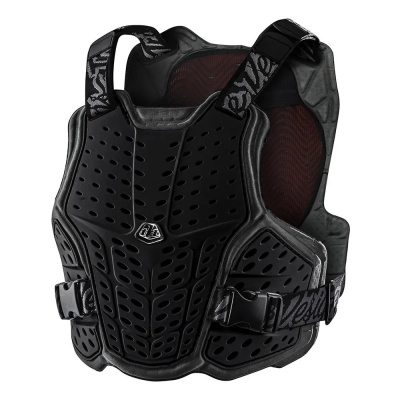
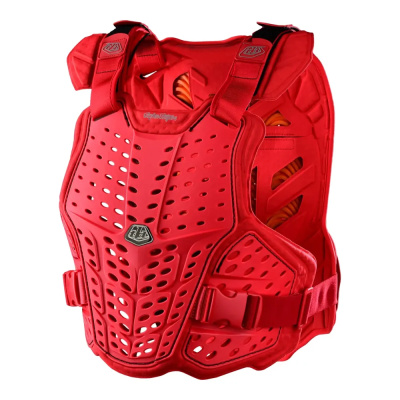
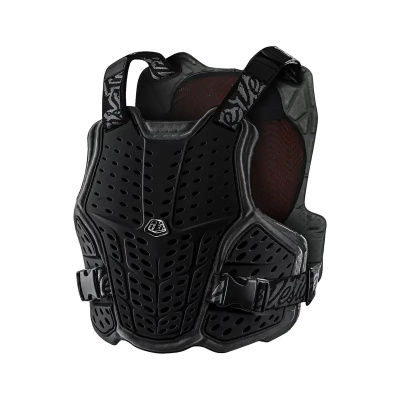
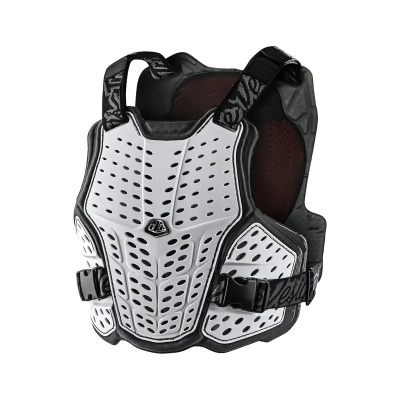
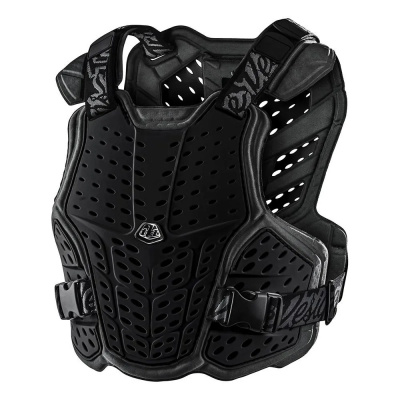
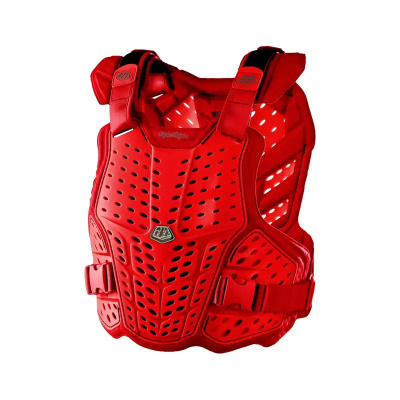
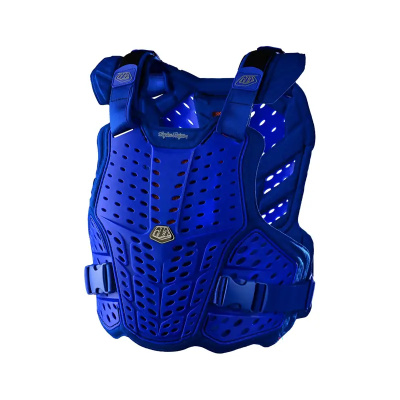
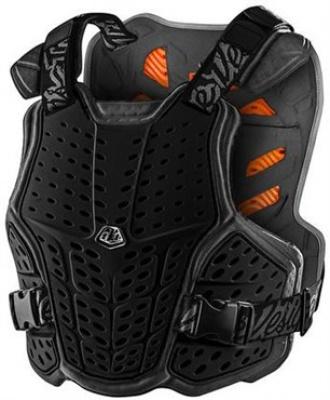
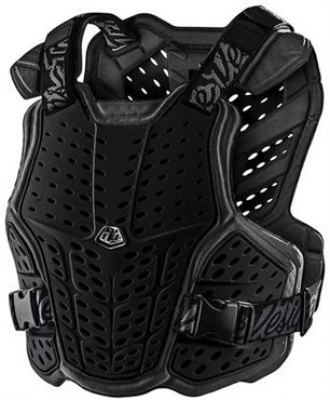
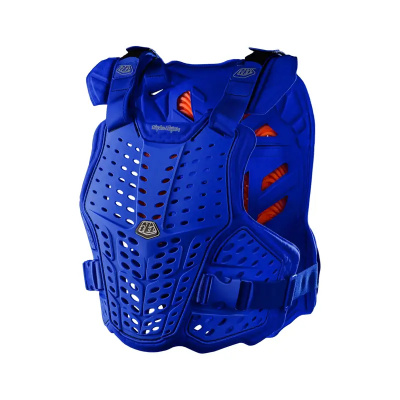
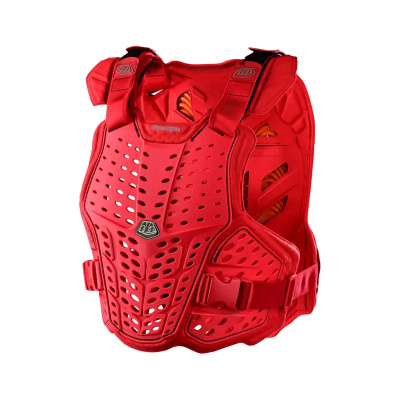
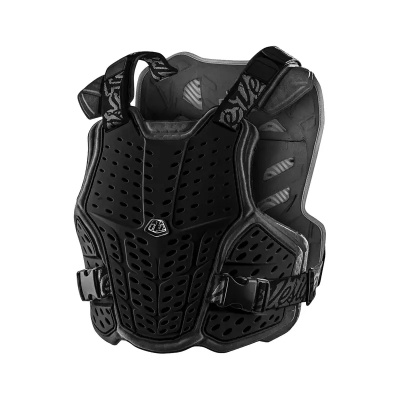
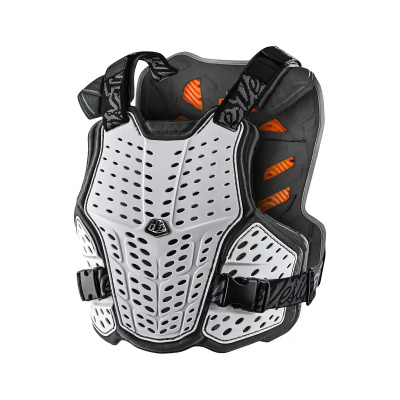
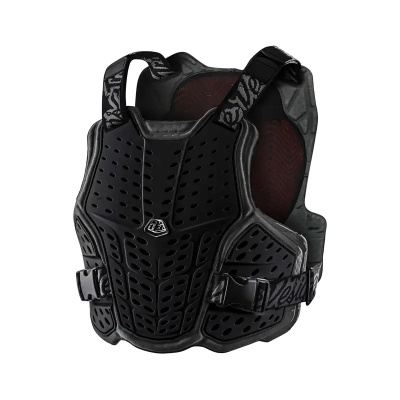
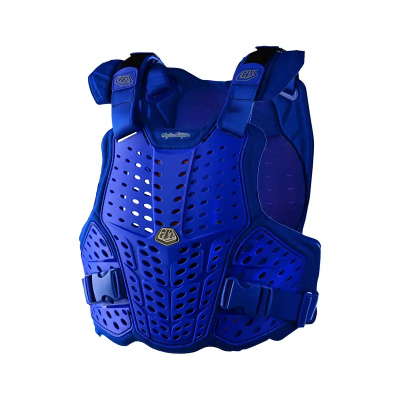
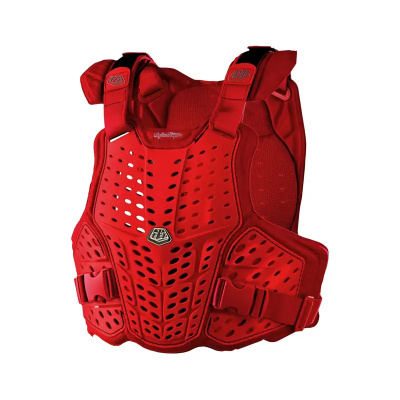
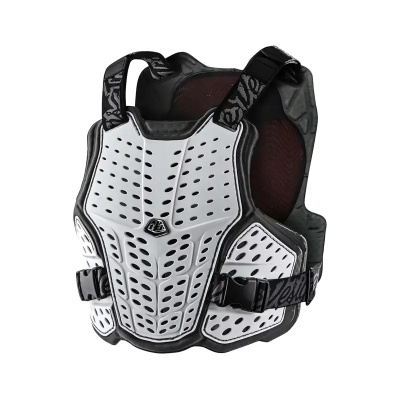
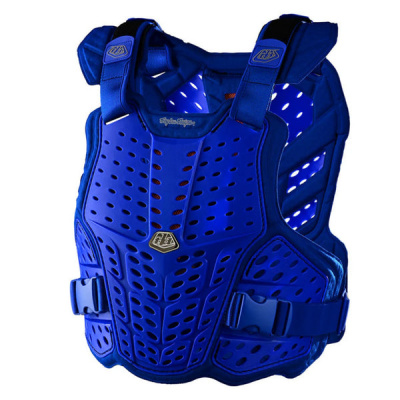
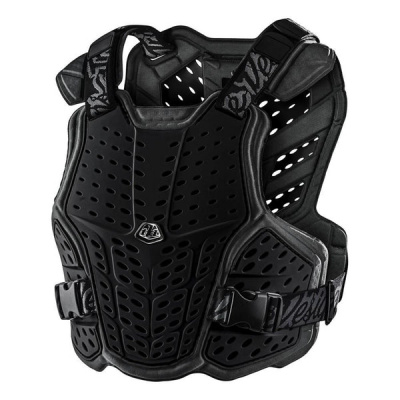
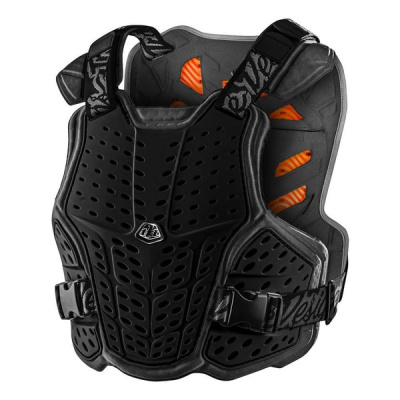
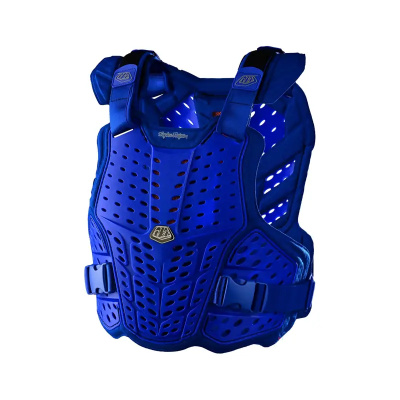
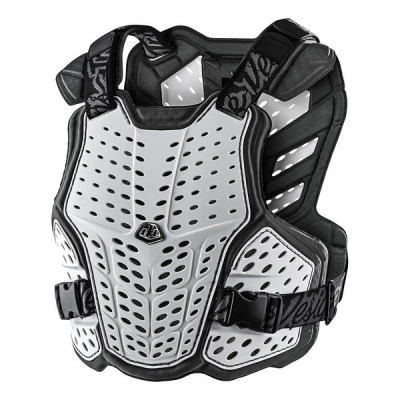
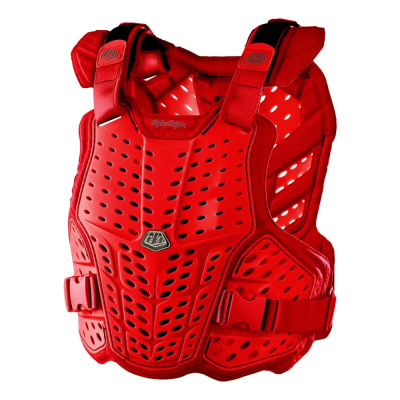
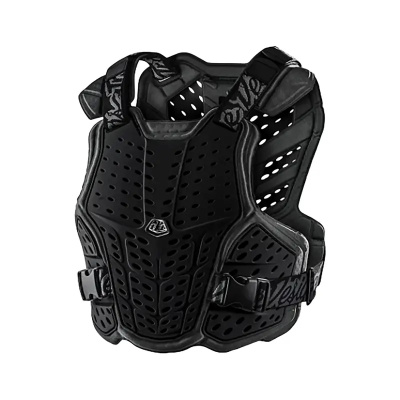
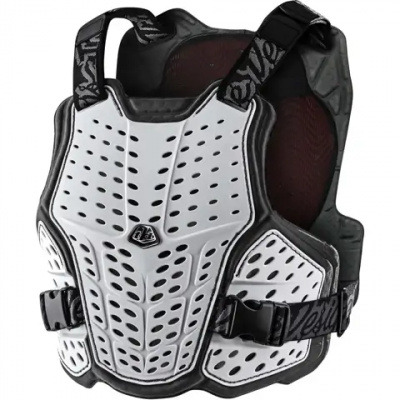
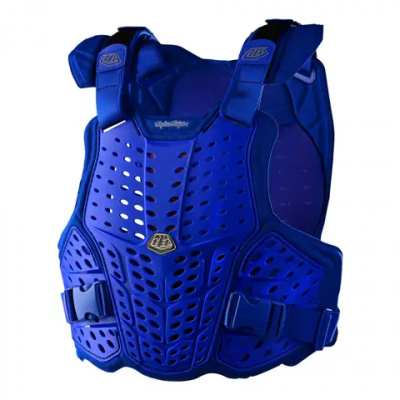
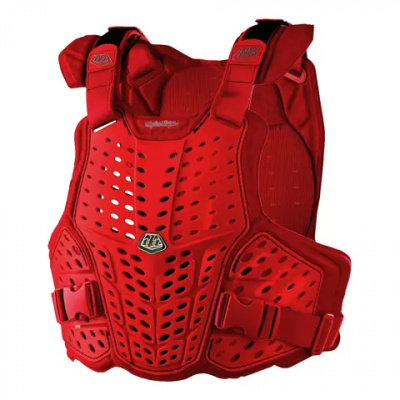
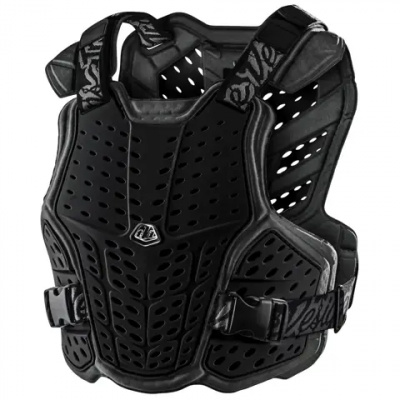
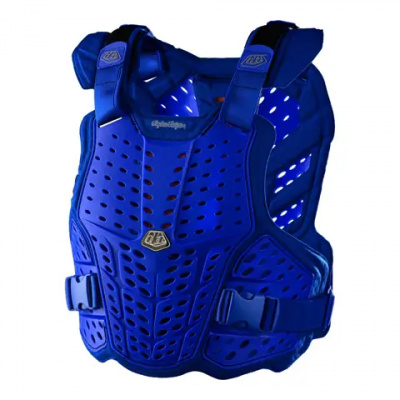
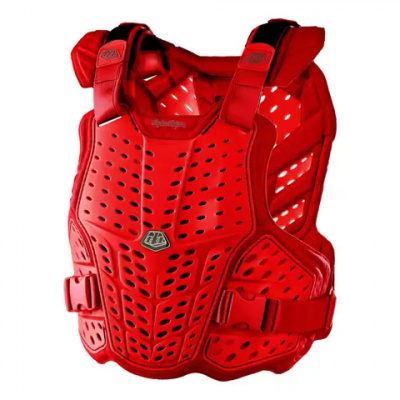
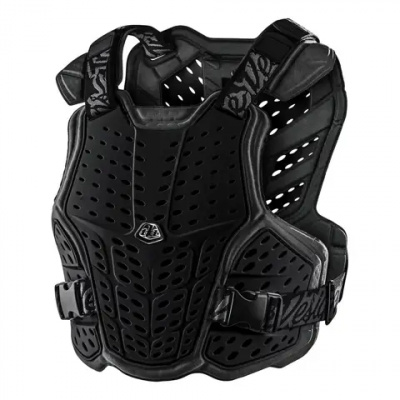
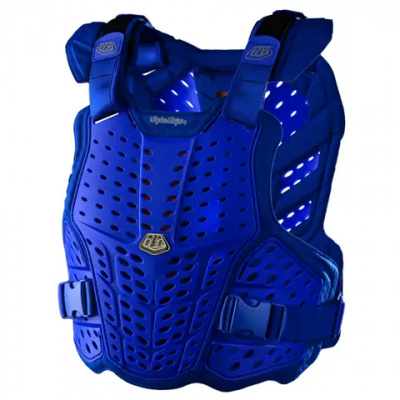
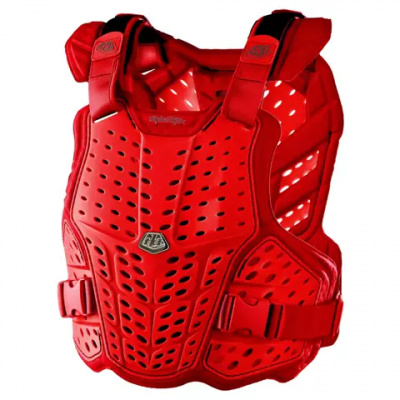
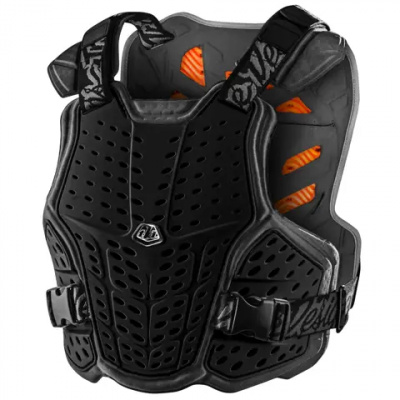
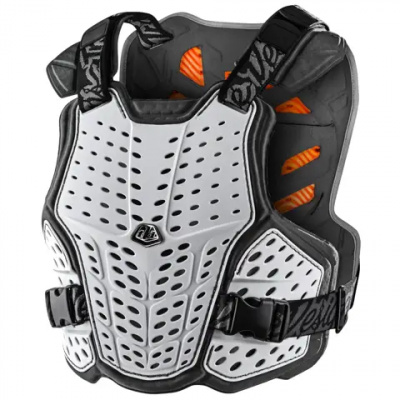
TLD splits its upper body protection into two clear camps, and picking the wrong one for your riding is a common mistake. The Rockfight series sits at the hardshell end - moulded plastic outer shells that deflect roost, branches, and the kind of impact debris you encounter at a full-on downhill track or a busy bike park. If you're lapping Bike Park Wales or sessioning a jump trail where another rider's tyre spray is a genuine hazard, the Rockfight's rigid outer layer earns its place. Specific Rockfight CE models carry CE EN1621 certification across both the chest plate and back insert, making them suitable for racing where certified protection is a requirement.
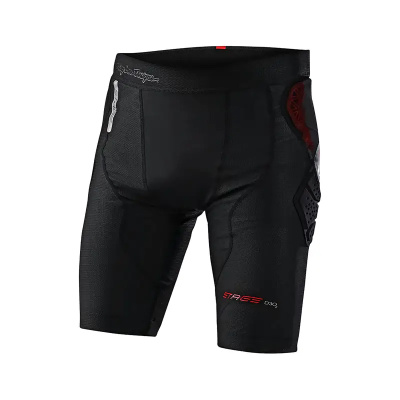
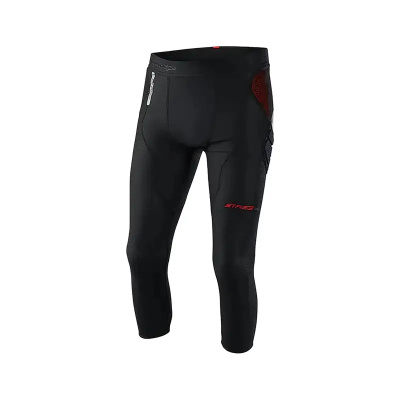
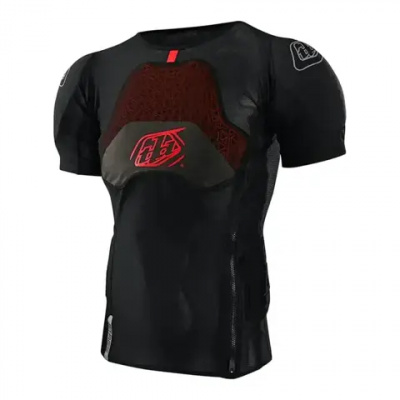
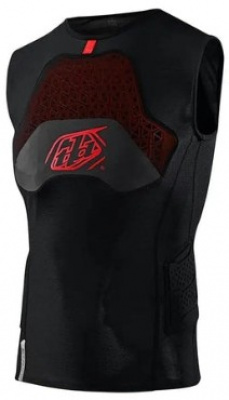
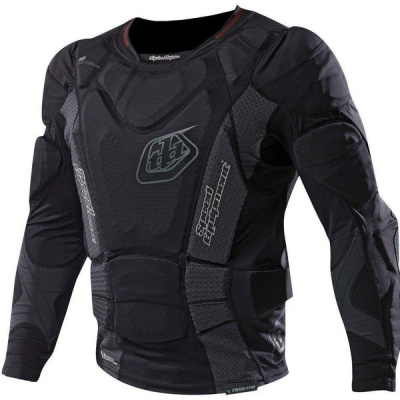
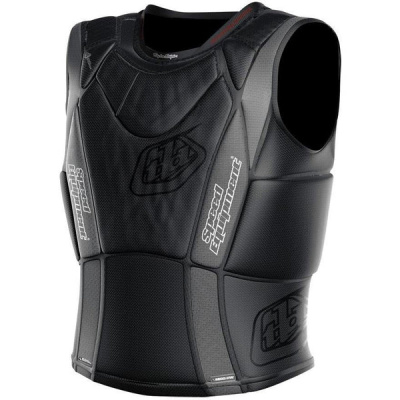
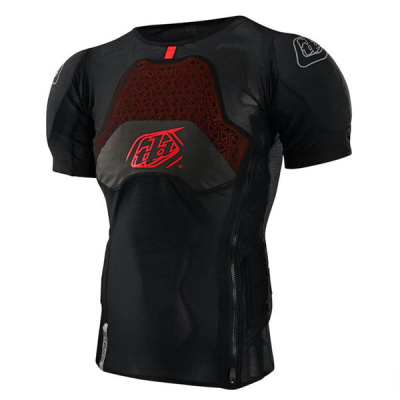
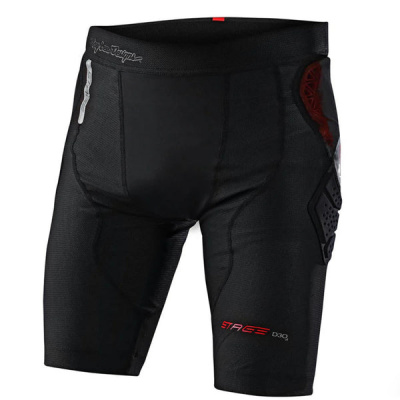
The 7850 and 3900 base layer styles take a completely different approach. These are softshell suits designed to be worn directly against your skin or over a thin base layer, sitting invisibly under your jersey without adding bulk. They're the natural choice for enduro - long days where you need to forget the armour is there on the climbs, then trust it completely on the descents. The D3O inserts are removable, which helps with washing and lets you swap protection levels if TLD releases updated pads.
Fit across the range runs snug by design. The pad placement only works if the armour stays put during a crash, so don't size up hoping for extra comfort - that extra room is what lets a chest pad drift off your sternum at the wrong moment. For neck brace users, check the specific model's neck brace integration zones; TLD designs several pieces with a cut-away collar and reinforced edges that work cleanly with a brace rather than fighting it.
Looking for limb protection to complete your setup? Our dedicated Troy Lee Designs Knee Pads and Elbow Pads pages cover the full range - we're keeping this page focused purely on upper-body protection.
Layering & Care for UK Riding
Getting the layering right makes a real difference, particularly in the UK where you might start a ride in three layers and strip down to one by the top of the climb. Softshell base layer styles from the 7850 and 3900 series sit best directly against the skin or over a lightweight wicking layer - anything thicker and you start losing that precise pad-to-body contact that keeps everything in place. They fit cleanly under a standard MTB jersey without bunching at the shoulders, and most sit slim enough to go under a packable waterproof without turning you into the Michelin Man on a fire road descent.
Hardshell pieces like the Rockfight need a bit more thought when layering for cold weather. The rigid outer shell can create pressure points under a tight-fitting jacket, so a slightly looser cut outer layer works better. Pair them with a full-face helmet and gloves for bike park days when the full protection package makes sense.
Care is straightforward but specific. Always remove D3O and EPP inserts before washing - soaking them repeatedly in detergent degrades the foam's response over time. Hand wash the mesh chassis in cold water with a mild detergent; UK trail grit works its way into every seam and a thorough rinse matters. Never tumble dry. The elastic mesh that gives these pieces their stretch loses its recovery fast with heat, so air drying away from direct sunlight or a radiator is the only sensible option. Hardshell components can be wiped down separately with a damp cloth to clear mud from the shell without saturating the inner padding.
Troy Lee Designs Body Armour FAQs
How should Troy Lee Designs body armour fit?
TLD body armour should fit snugly against your body - close enough that the D3O and EPP pads stay exactly where they're positioned, even mid-crash. You should be able to breathe freely and move your arms through a full range of motion, but resist the urge to size up. Extra room means shifting pads, which defeats the point.
Is the TLD Rockfight CE certified for downhill?
Specific Rockfight CE models carry EN1621 certification across the chest and back inserts, making them suitable for events requiring certified upper body protection. Not every Rockfight model carries full CE certification - lightweight roost deflector versions may not - so check the individual product details before racing.
Can you wash Troy Lee Designs upper body armour?
Yes, but pull the D3O or EPP inserts out first - washing them repeatedly in detergent shortens their lifespan. Hand wash the mesh chassis in cold water with a mild detergent, rinse thoroughly to shift trail grit, and air dry away from direct heat. Tumble drying will ruin the stretch mesh.