
Troy Lee Designs Base Layers
Troy Lee Designs base layers are the piece of kit most riders forget about until they're soaked through on a Peak District climb and freezing solid on the descent. Get this layer right and everything else works better. TLD builds these specifically around the demands of mountain biking - the dynamic posture, the sweat output, the constant swing between effort and exposure - rather than borrowing a template from road cycling or the gym.
The fabrics are moisture-wicking poly-spandex blends that pull sweat off your skin fast, so you're not carrying a cold, wet layer against your body when the trail tips downhill and the wind picks up. Flatlock seams sit flat against the skin, which matters the moment you're running Troy Lee Designs body armour on top - no ridge, no rub, no hot spots after two hours. Drop-tail hems add rear coverage when you're in the attack position, keeping the cold draught out where a standard-length top would ride up. Whether you're running a single layer in July or anchoring a full three-piece system through a wet Welsh winter, TLD's base layers earn their place in the kit bag quietly and consistently.
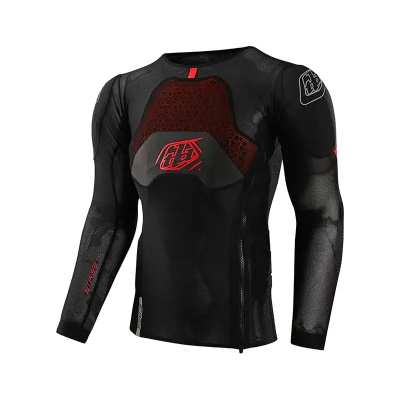
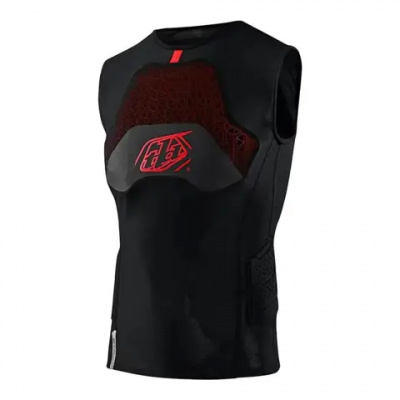
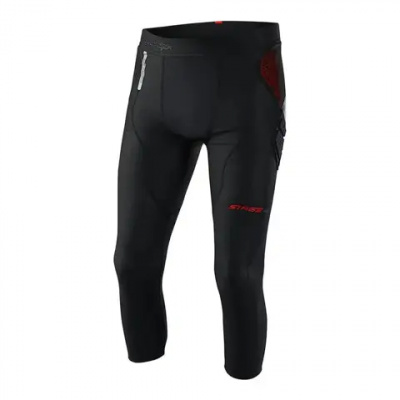
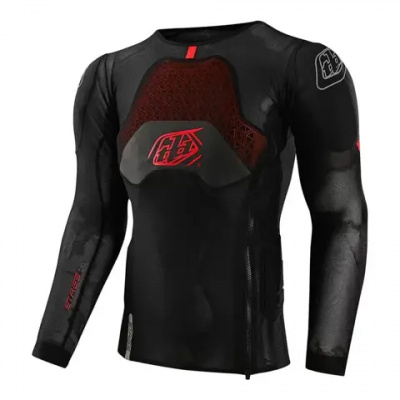
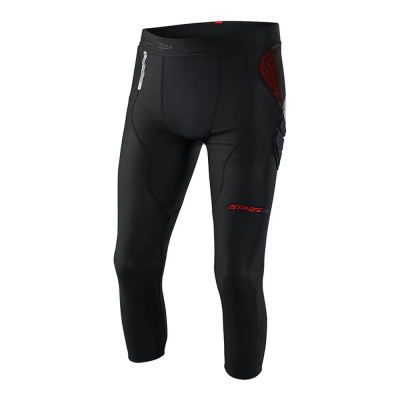
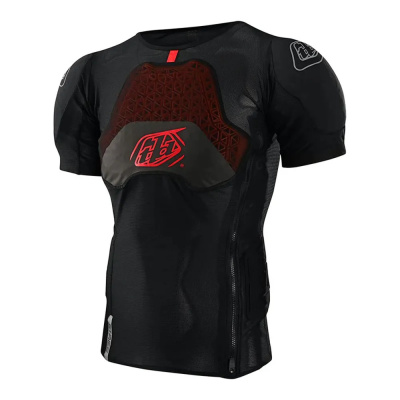
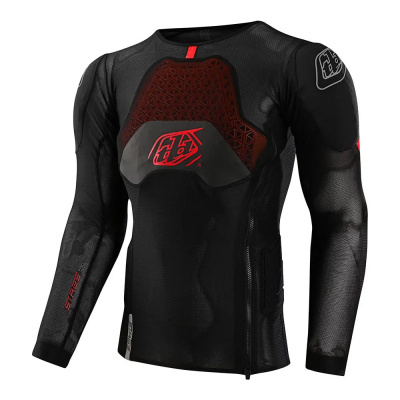
Prices and availability can change quickly. Delivery charges are not always included in listed prices.
Final price, stock status and delivery terms are set by retailer. We may receive a commission on purchases made.
Fabric Tech and Weather Performance
The core job of any base layer is simple: keep you dry. TLD's poly-spandex blends do this through active moisture-wicking - the fabric draws perspiration away from your skin and disperses it across a larger surface area so it evaporates quickly. On a sustained climb, that's the difference between a productive working heat and the suffocating, boil-in-the-bag feeling that kills your legs before the top. Breathable mesh panels, typically placed across the chest and back where heat builds fastest, add another layer of thermal regulation by letting air move through the fabric directly.
The descent is where this really pays off. Sweat sitting against your skin on a fast, exposed run creates a wind-chill effect that can drop your core temperature faster than you'd expect, especially on a Scottish moorland trail or anything north-facing in late autumn. A well-chosen TLD base layer breaks that cycle. The fabric stays drier, your skin stays warmer, and you hit the bottom of the trail feeling like a rider rather than a shivering mess. For summer riding, the lightweight mesh constructions also stop you overheating under your Troy Lee Designs jersey - airflow improves noticeably compared to wearing a jersey against bare skin.
Anti-microbial treatments woven into the fabric help manage odour on longer days out. Not glamorous, but relevant if you're doing back-to-back rides or travelling to trail centres without access to a washing machine mid-trip.
Understanding the Troy Lee Designs Fit
Fit here is functional, not fashionable. A TLD base layer should sit close to the skin - genuinely snug - because the moisture-wicking process only works when the fabric has contact with your body. A baggy base layer traps air and moisture rather than moving it. That said, four-way stretch means the fabric moves with you completely. Deep hip flexion, reaching forward over the bars, twisting through a rooted corner - none of it pulls or binds. You stop noticing it's there, which is exactly the point.
The drop-tail hem is a detail worth calling out. In a neutral standing position it looks slightly longer at the back than a standard top. In the riding position, bent forward over the bike, it sits level and keeps coverage where you need it. Short-hem base layers ride up and leave a gap at the lower back; TLD's cut accounts for how you actually ride rather than how you look in the shop. If you're also after lower-body foundation layers with built-in chamois pads, head over to our dedicated Troy Lee Designs Liner Shorts page - they're designed to work as part of the same system.
Sizing runs true across most TLD base layer options. If you're between sizes, going slightly smaller than usual is sensible - the four-way stretch accommodates it and you'll get better moisture transfer.
Layering and Care for UK Riding
A practical UK layering setup for most of the year looks something like this: TLD base layer next to skin, a TLD jersey mid-layer for insulation and style, and a TLD jacket on top when the weather turns. That three-piece stack covers the majority of British riding conditions - from dry summer spells to the kind of damp, grey days that make up most of the riding calendar from October to April. The base layer is doing active work throughout: moving sweat outward through the jersey and eventually out of the jacket, rather than letting it pool.
In summer, you'll often drop the jacket entirely and let the base layer and jersey handle everything. A lightweight mesh TLD base layer in warm conditions keeps you noticeably cooler than bare skin under a jersey, because it's actively shifting moisture rather than letting it sit.
Care matters more than people think with technical fabrics. Wash at 30 degrees - higher temperatures degrade the poly-spandex elasticity over time and can damage anti-microbial treatments. Skip fabric softener entirely; it coats the fibres and clogs the moisture-wicking pores, which essentially turns your technical base layer into a standard cotton T-shirt. Air dry rather than tumble dry to preserve the stretch and keep the fabric structure intact. Treat it right and a good TLD base layer will hold its performance for a serious number of seasons.
Frequently Asked Questions
Do I need a base layer for mountain biking?
For most UK riding, yes. A base layer actively pulls sweat away from your skin, which keeps you from overheating on long climbs and stops cold, damp fabric from chilling you on fast descents. Without one, you're relying on your jersey to manage moisture directly against your skin - and most jerseys aren't built for that job.
How tight should a cycling base layer be?
Snug, but not restrictive. It needs genuine contact with your skin to wick moisture properly - a loose fit defeats the purpose. TLD's four-way stretch means a close fit doesn't mean a constrictive one; the fabric moves freely through the full range of motion you'd use on a technical trail.
Are Troy Lee Designs base layers good for summer?
They're genuinely useful in summer, particularly the mesh-construction options. A lightweight TLD MTB base layer improves airflow and moisture management under your jersey, keeping you drier and cooler than riding with bare skin against the fabric. On a humid Surrey Hills climb in August, that's a noticeable difference.
Troy Lee Designs Base Layers FAQs
Do I need a base layer for mountain biking?
For most UK riding, yes. A base layer actively pulls sweat away from your skin, which keeps you from overheating on long climbs and stops cold, damp fabric from chilling you on fast descents. Without one, your jersey is doing a job it's not really designed for.
How tight should a cycling base layer be?
Snug, with genuine skin contact - that's how the moisture-wicking works. A loose base layer traps moisture rather than moving it. TLD's four-way stretch means a close fit doesn't restrict breathing or movement, so if you're between sizes, going slightly smaller is usually the right call.
Are Troy Lee Designs base layers good for summer?
Yes. Lightweight mesh constructions move sweat efficiently and improve airflow under your jersey, so you run cooler and drier than bare skin against fabric. On a humid climb in summer - think Peak District fire roads in August - the difference is real and worth the extra layer.