
Troy Lee Designs Kids Helmets
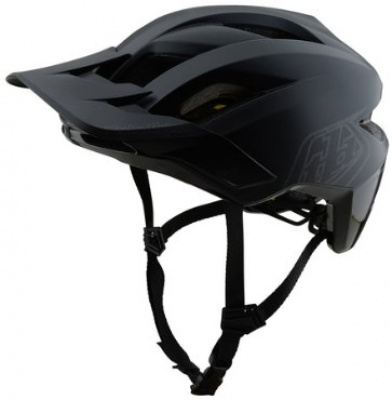
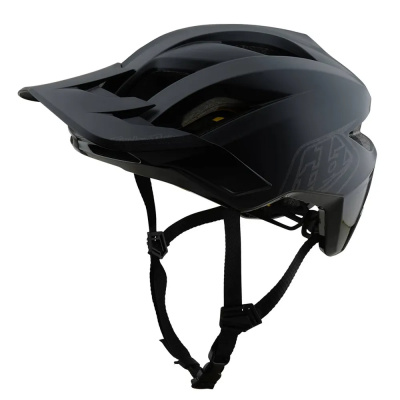
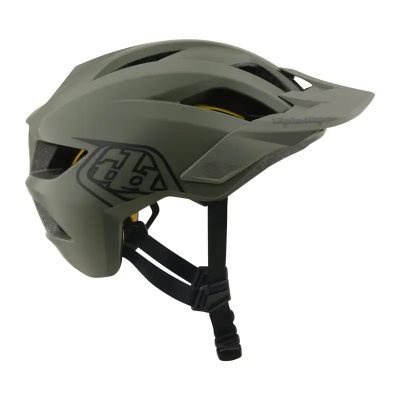
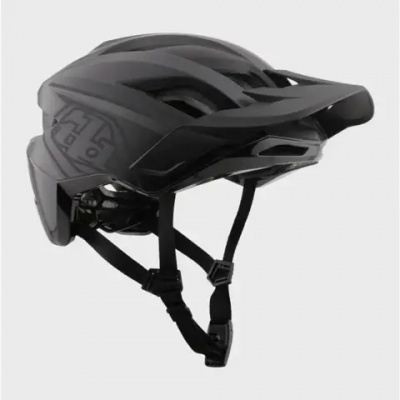
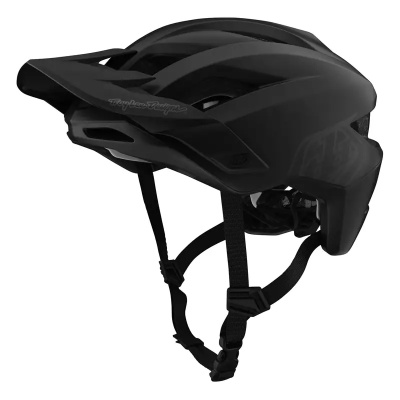
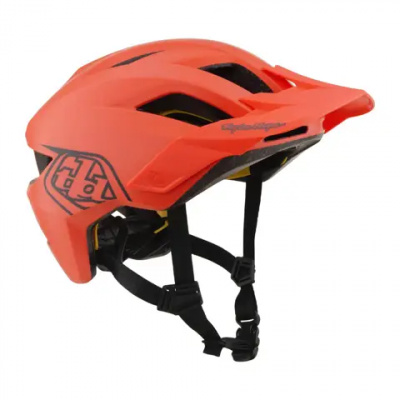
Troy Lee Designs kids helmets take the same pro-level safety engineering and bold graphics from the adult range and rebuild them around a dedicated youth fit profile - so your grom isn't just wearing a shrunken adult lid. That matters more than it sounds. A helmet designed specifically for a child's head shape sits correctly, stays put, and actually gets worn without complaint. TLD's youth range covers everything from pump track sessions to first-time red runs at trail centres like BikePark Wales, and the tech inside is genuinely serious: MIPS rotational impact protection, dual-density EPS foam, and lightweight shells that won't have younger riders complaining of a stiff neck by the second climb. The Fidlock magnetic buckle is a proper quality-of-life feature - kids can clip in and out without faffing, even with gloves on, and there's no chin-pinching to deal with. Couple that with washable antimicrobial liners and an adjustable dial retention system that keeps the fit dialled as they grow, and you've got helmets that work hard across a full UK season, wet woodland trails included.
Prices and availability can change quickly. Delivery charges are not always included in listed prices.
Final price, stock status and delivery terms are set by retailer. We may receive a commission on purchases made.
Youth-Specific Protection and Shell Technology
The protection story starts with dual-density EPS foam - two layers of expanded polystyrene at different densities, each tuned to absorb energy differently depending on the severity of the impact. The softer outer layer handles the knock-about everyday stuff; the denser inner layer manages the harder hits. It's a meaningful step up from single-density foam, and it's the kind of engineering you'd expect in adult enduro lids, not just youth helmets. Most helmets in the TLD youth range also include MIPS technology, which adds a low-friction layer inside the helmet designed to redirect rotational forces away from the brain during an angled impact - the type that happens most often in real crashes, not lab drop tests. Worth checking the individual product listing to confirm MIPS inclusion on the specific model you're looking at.
Shell weight is a genuine consideration for kids, not a spec-sheet detail. A heavy lid causes real fatigue on longer days out, and it shifts a child's centre of gravity in a way that affects confidence and handling. TLD keeps shell weight down without cutting corners on coverage, which means your rider can put in a full day on the trails without the helmet becoming the reason they want to stop. The Fidlock magnetic buckle deserves a mention here too. Clip it with one hand, even through winter gloves - it's intuitive, fast, and completely eliminates the skin-pinching that puts kids off doing their chin strap up properly. That last point isn't trivial. A helmet that's done up correctly every time is doing its job; one that's left loose because the buckle is annoying isn't.
Understanding the TLD Youth Fit and Range
TLD's youth helmets are built around a youth fit profile - a head shape that's rounder and proportionally different to an adult's. Drop an adult small on a child's head and you'll often find it sitting too far forward or rocking side-to-side, neither of which you want. The youth-specific shell geometry addresses that from the ground up. Fine-tuning from there comes via the adjustable dial retention system at the rear, which lets you tighten or loosen the internal cradle to match your child's exact head circumference. It also means the helmet doesn't become redundant the moment they have a growth spurt - there's genuine adjustment range built in, though it's not a substitute for moving up a size when the time comes.
If your young rider has outgrown youth sizing, explore our full Troy Lee Designs helmets collection for the adult range. For those stepping up to serious downhill or enduro racing and needing maximum coverage, the TLD full face helmets range is worth a look. Within the youth range itself, TLD offers open-face trail helmets suited to everything from local pump tracks and trail centre greens through to more committed red and black runs - so there's no need to over-spec a beginner or under-protect a rider who's pushing harder. Pair the helmet with TLD kids clothing and you've got a matched kit that's practical as well as sharp-looking.
UK Trail Readiness and Helmet Care
Ventilation on a kids' helmet needs to work in both directions - pulling heat away on a sweaty summer climb through Dalby Forest, and not turning into a wind tunnel on a cold, wet descent in February. TLD's vent channels are shaped to move air efficiently when the rider is moving, without creating the kind of exposed gaps that let mud splatter straight onto the liner. It's a balance, and it works well across the mixed conditions that make up a typical UK riding year. The helmets won't leave your child's head soaking in their own heat on a humid July trail day, and they won't cause brain-freeze on a damp November morning either.
Post-ride care is straightforward if you stay on top of it. The moisture-wicking antimicrobial liner is removable and washable - take it out after muddy sessions, hand wash it with mild soap, and let it air dry away from direct heat. That last part applies to the whole helmet: keep it away from radiators and car dashboards. Sustained heat degrades EPS foam faster than most people realise, reducing its ability to absorb impact without showing any visible damage. A hook in a cool shed or a bag in the hallway is fine; sitting on a warm boiler cupboard shelf is not. Check the shell and foam for cracks after any significant impact - EPS can be compromised internally even when the outer shell looks intact, and that's the point at which the helmet needs replacing, not patching. Rounding out the kit, TLD body armour and TLD gloves are worth adding to the mix for riders starting to push into rougher ground.
Troy Lee Designs Kids Helmets FAQs
How do I measure my child's head for a Troy Lee Designs helmet?
Wrap a soft tape measure around the head roughly 2cm above the eyebrows - that's the widest point and the measurement TLD uses for sizing. Get the figure in centimetres, then cross-reference it with the TLD youth sizing chart on the product page. If your child sits between two sizes, go up; a slightly larger shell you can dial in is safer than one that's too tight.
Do Troy Lee Designs kids helmets feature MIPS?
Most do. MIPS adds a thin low-friction slip layer inside the helmet that's designed to redirect rotational energy during an angled impact - the kind that happens in real crashes. It's a meaningful addition, not a marketing badge. That said, not every model in the youth range includes it, so check the individual product description before buying.
When should my child upgrade from a youth to an adult MTB helmet?
Once their head circumference pushes past the top of the youth size range - typically around 53 - 54cm - it's time to move into adult sizing. Beyond the numbers, adult helmets are shaped around a different head profile, so fit quality improves when you make the switch at the right point rather than forcing a youth lid to stretch further than it's designed to.