
Bell Full Face Helmets
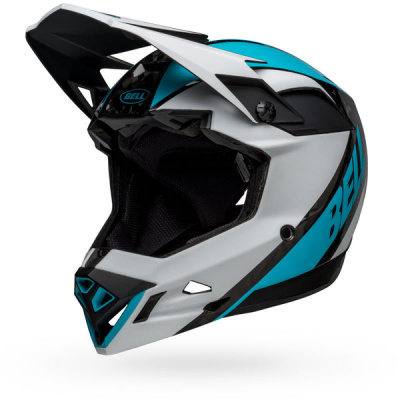
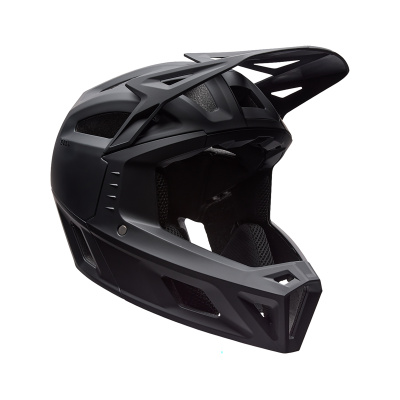
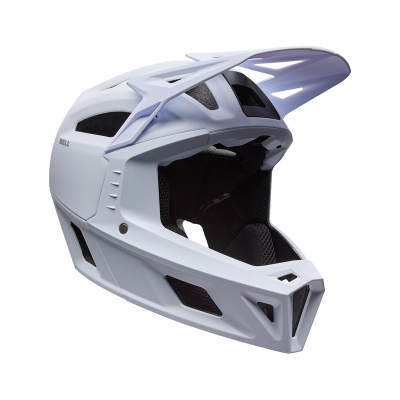
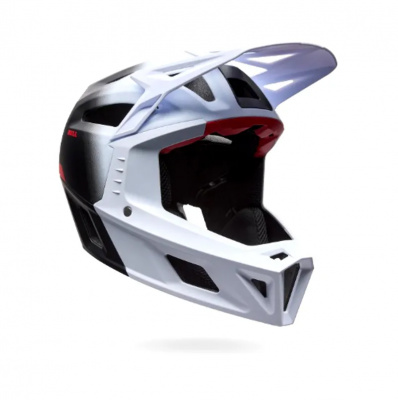
Bell full face helmets have been a fixture at the sharp end of gravity riding since long before most UK bike parks had their first uplift van - and the current range shows exactly why that reputation holds. Whether you're lapping a steep, loamy descent in the Tweed Valley or threading rooty lines on your local DH track, Bell builds lids that balance genuine impact protection with the kind of ventilation that stops your goggles turning into a sauna halfway down a humid Welsh hillside.
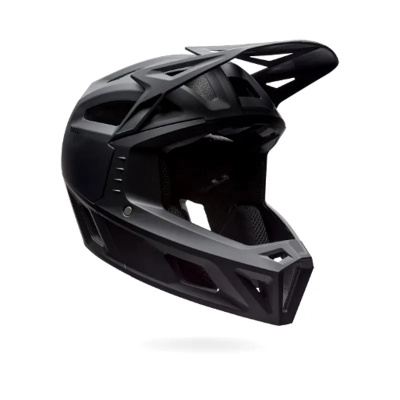
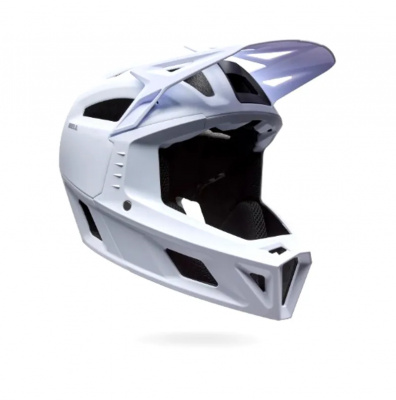
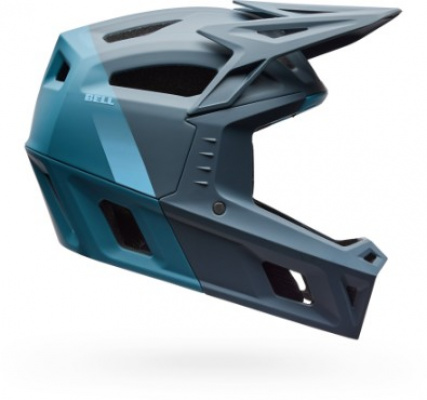
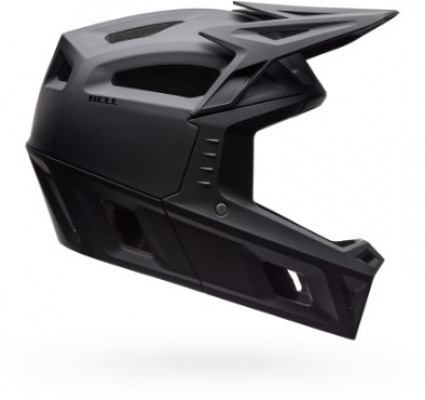
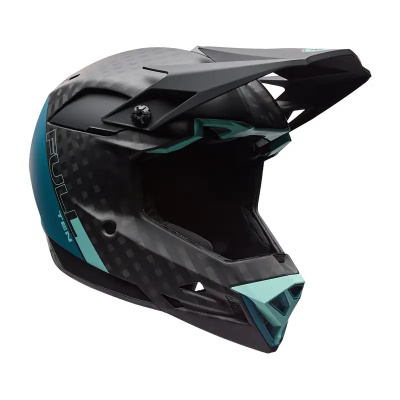
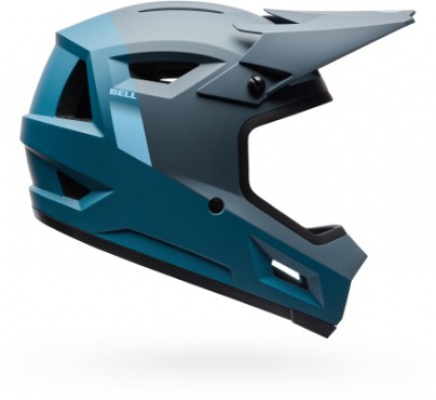
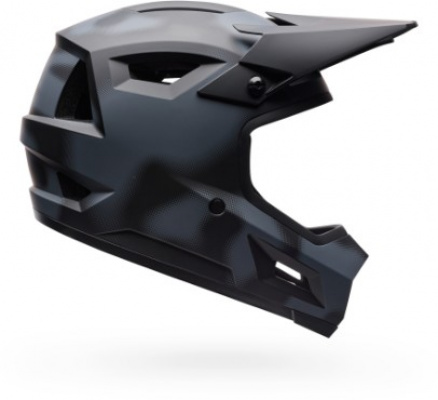
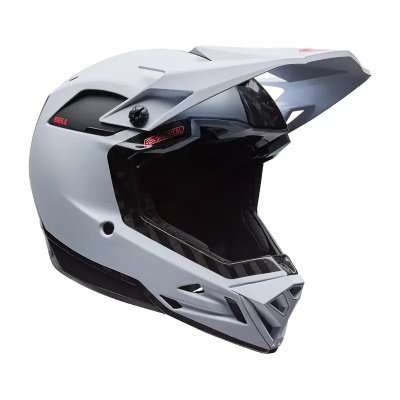
The range splits broadly into two camps: dedicated downhill helmets carrying ASTM DH certified status for bike park aggression, and lighter convertible designs that give you a removable chin bar for enduro-style riding where you're earning your descents on foot or under your own power. Both use Bell's Spherical Technology - a ball-and-socket MIPS integration that redirects rotational forces during an impact rather than just absorbing the direct hit. Add in multi-density EPS foam construction, X-Static padding with antimicrobial properties, and aggressive Overbrow ventilation, and you've got helmets that cover everything from casual trail centre days to committed race runs.
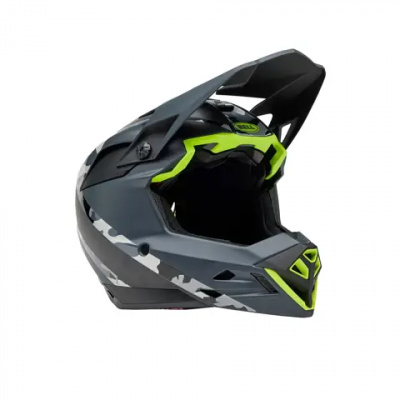
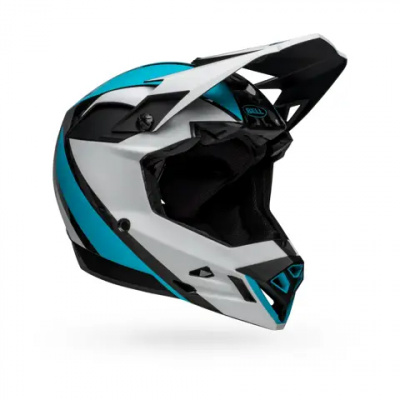
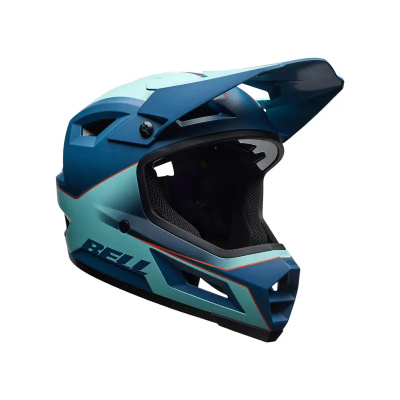
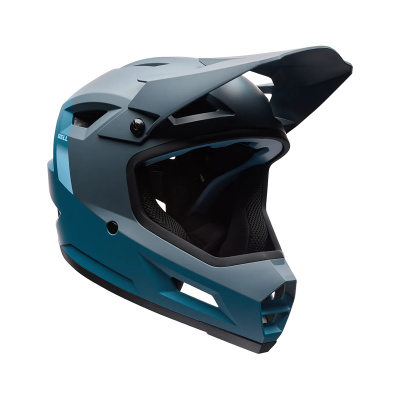
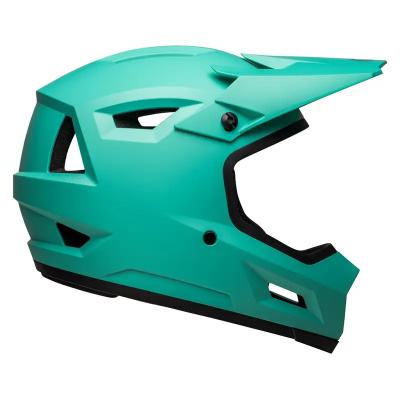
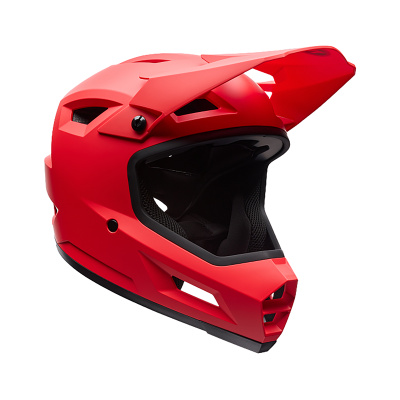
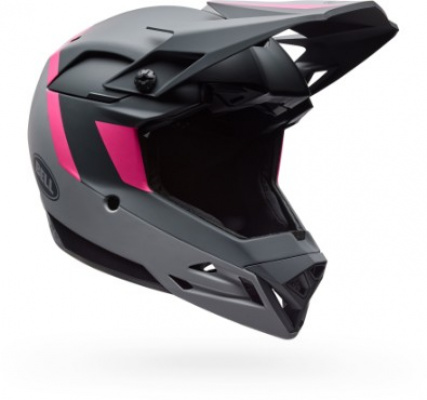
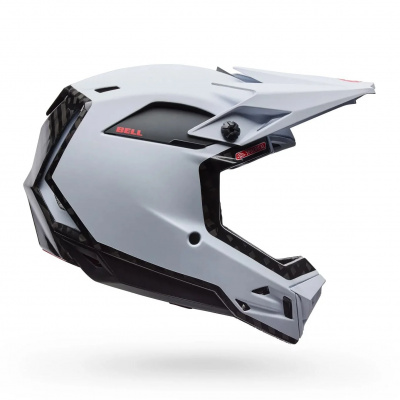
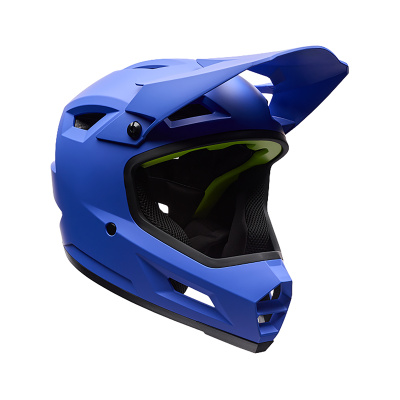
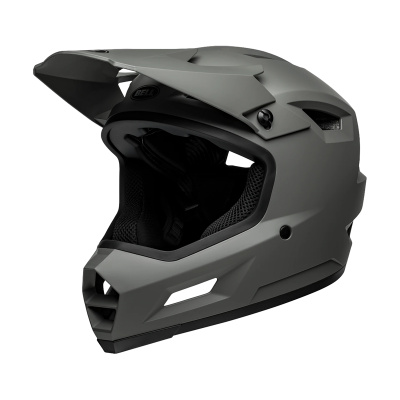
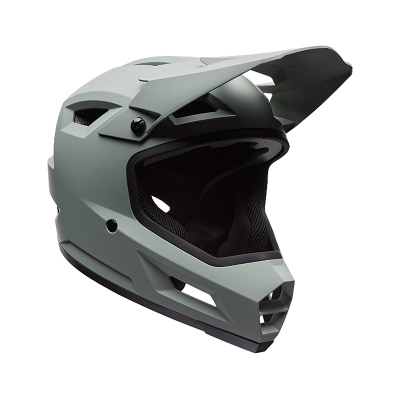
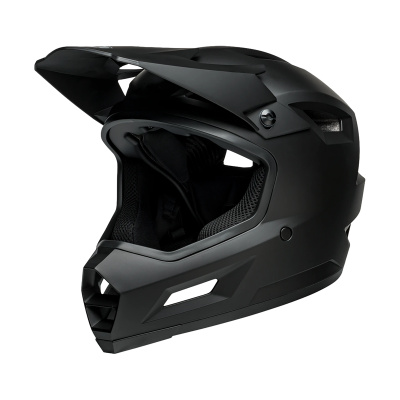
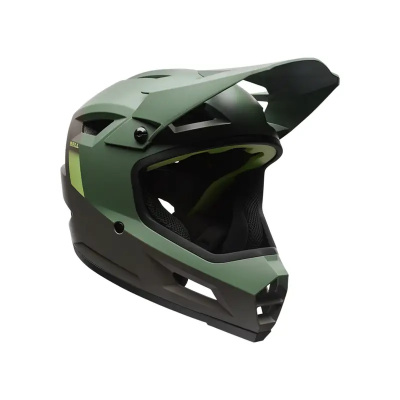
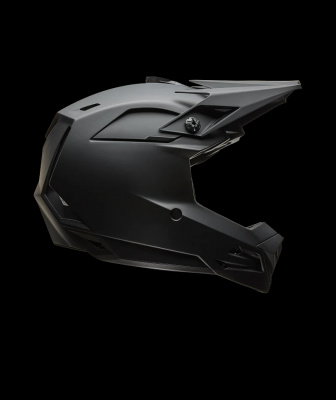
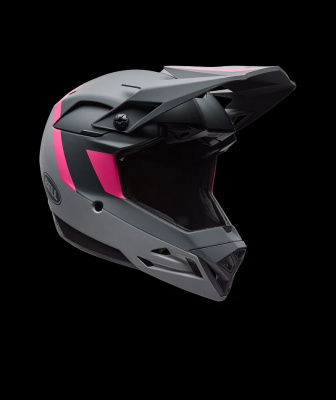
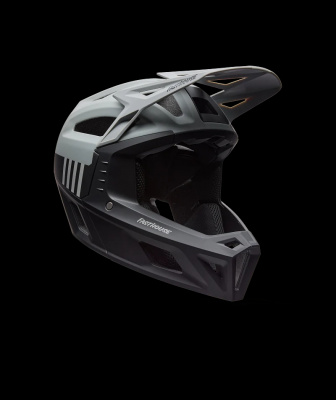
Prices and availability can change quickly. Delivery charges are not always included in listed prices.
Final price, stock status and delivery terms are set by retailer. We may receive a commission on purchases made.
Impact Tech and Shell Performance
The centrepiece of Bell's protection story is Spherical Technology powered by MIPS. Unlike a flat MIPS liner that slides passively between foam layers, Spherical uses a true ball-and-socket design - two independent EPS layers that rotate against each other on impact. The result is more controlled energy management across both direct and oblique hits, which matters most on the kind of unpredictable, high-speed compressions you find at places like BikePark Wales or Ae Forest. It's not a gimmick; it's a fundamental rethink of how the foam does its job.
Beneath that system, Bell uses dual-density EPS foam construction - harder outer foam to manage peak impact forces, softer inner foam to spread load across a wider area. The combination means the helmet can handle both a high-speed rock strike and a lower-speed tumble without either bottoming out or transmitting a brutal spike directly to your skull. Shells are available in carbon fibre on flagship models, which saves meaningful weight, and fibreglass on mid-range options where the trade-off between cost and weight sits more comfortably for most riders.
For bike park use, the key question is always certification. The Bell Full-9 and the convertible Bell Super DH both carry ASTM F1952 downhill certification - the standard required by most UK bike parks and uplift operations. If you're riding anything beyond blue-grade flow trails with any real commitment, you want that certification on the sticker inside the helmet, not just CE EN 1078. Check the individual model spec before you buy; not every Bell full face in the range is DH rated.
Getting the Fit Right Across the Range
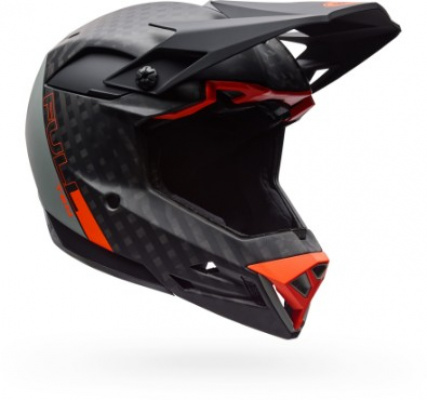
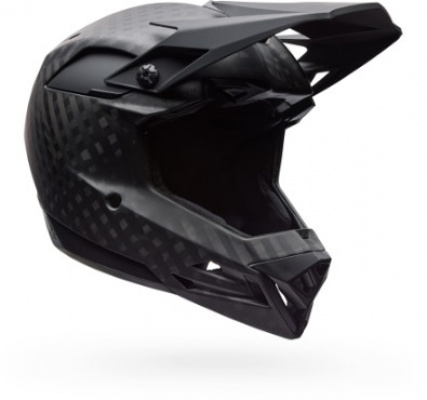
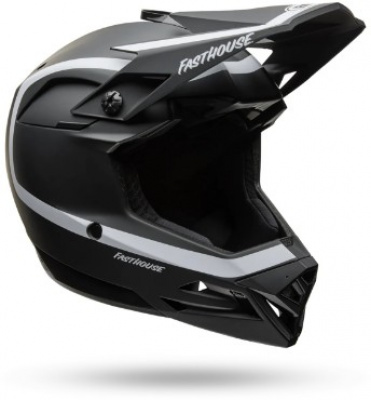
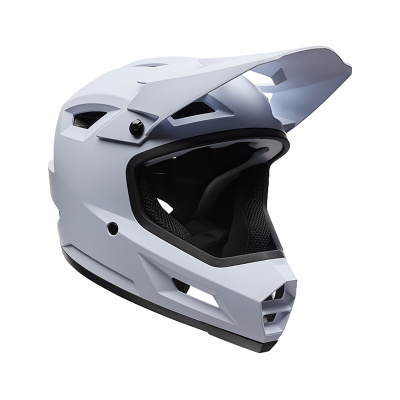
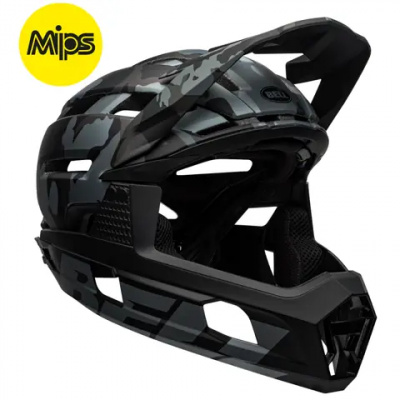
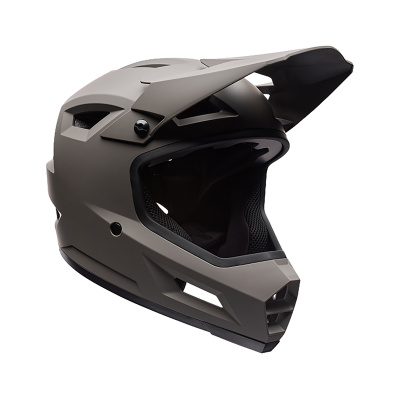
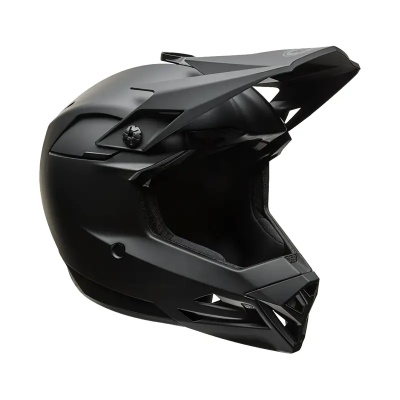
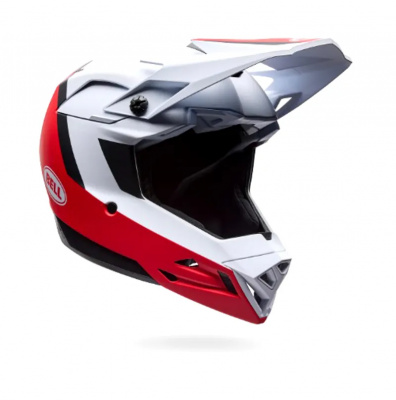
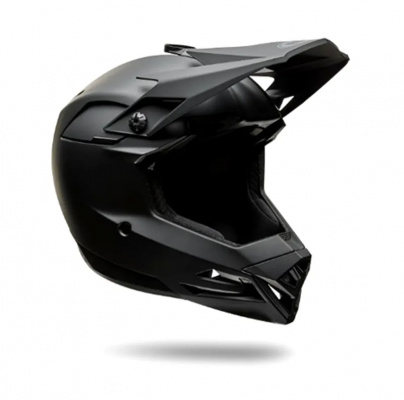
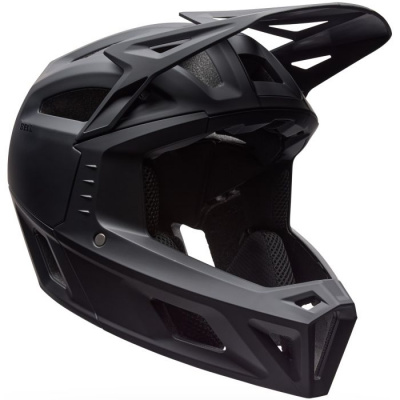
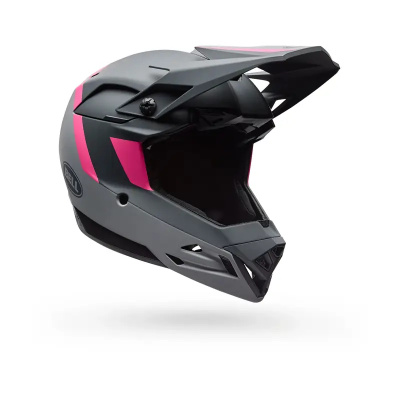
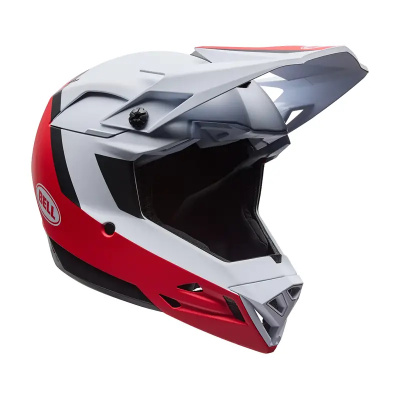
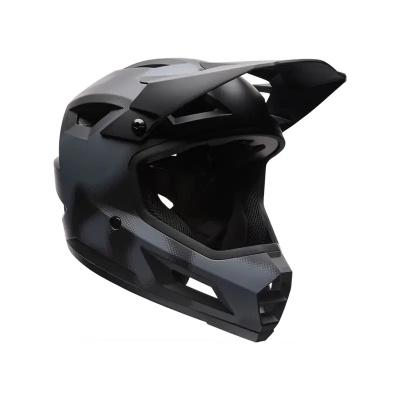
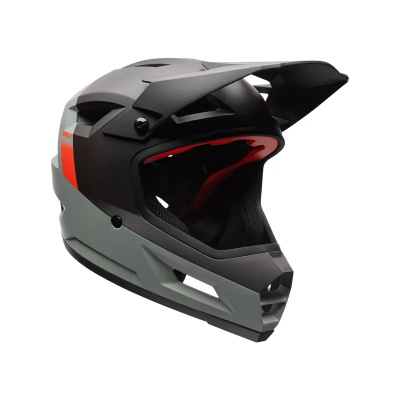
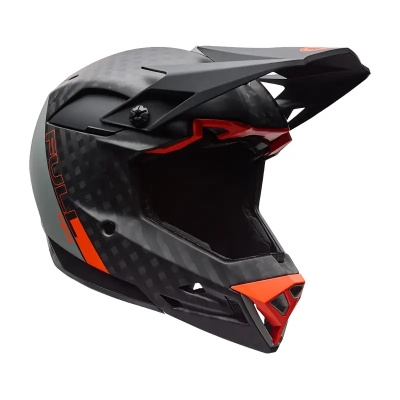
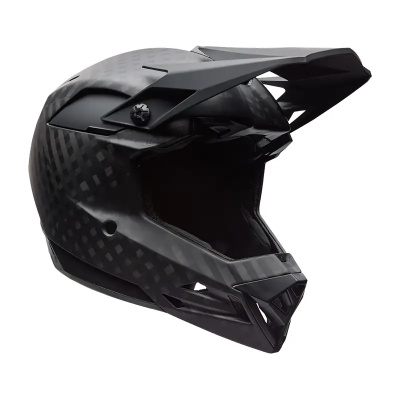
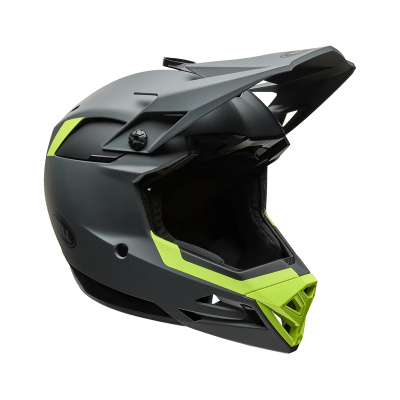
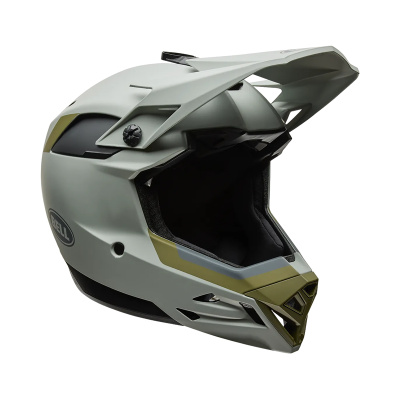
Bell's full face range covers a clear spectrum. The Bell Full-9 sits at the pure downhill end - a fixed chin bar, maximum coverage, and a fit profile optimised for goggle compatibility and stability at speed. It's not a helmet you want to hike in. The Bell Super DH and Bell Super Air R sit in convertible territory, with a wraparound chin bar that detaches cleanly so you can ride the climbs in an open-face configuration, then reattach for the descents. The Super Air R adds a carbon shell and trimmed weight for riders who spend serious time in the saddle between drops.
Fit is consistent across the range: Bell uses a mid-oval internal shape that suits most UK riders well, with a close, locked-in feel rather than the roomier fit some brands favour. The Fidlock buckle system on current models is worth a mention - it's a magnetic one-hand closure that clicks together and releases cleanly even with gloves on and mud on your fingers. Small detail, genuinely useful when you're standing at the top of a stage trying to sort your kit quickly.
Sizing runs from XS through to XL on most models. Use a soft tape measure around your head just above the eyebrows and match the circumference against Bell's size chart - full face helmets need to sit snug with no rocking, but without creating pressure points above the ears or across the forehead. If you're buying for younger riders, Bell's youth full face options sit separately - head over to our Bell kids' helmets page for youth-specific sizing and models rather than trying to size down from the adult range.
Worth comparing across brands if Bell's fit profile doesn't work for you: Fox full face helmets tend to run slightly roomier, while Troy Lee Designs full face helmets often suit narrower head shapes. Giro full face helmets are another solid comparison point if you want a different take on convertible enduro protection.
Ventilation and Keeping Things Fresh After Muddy Rides
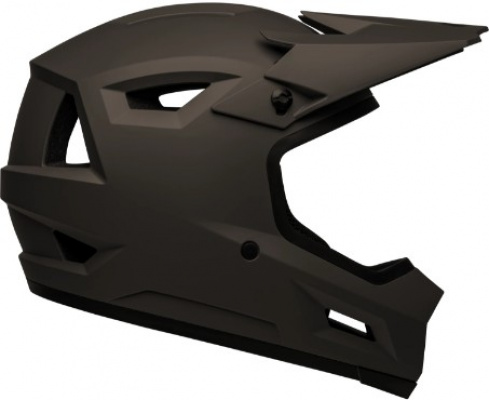
Bell's Overbrow ventilation is the detail that separates the better models from the average. Rather than relying solely on ports across the top of the shell, the Overbrow system draws air in low at the brow line and channels it up and over the EPS foam before exhausting through ports at the rear. On a humid British enduro climb - the kind where you're grinding up a greasy bridleway in October before dropping into a fast, technical descent - this matters. Hot air exits rather than pooling inside the helmet, which means your goggles fog less and you stay more alert.
Post-ride care is straightforward. The X-Static and XT2 antimicrobial padding inside Bell full face helmets is designed to pull moisture away and resist the kind of deep-set sweat smell that ruins cheaper liners after a winter of use. Crucially, the pads are removable - pop them out after a wet, muddy day, hand-wash them in cool water with a small amount of mild soap, then leave them to air dry naturally away from direct heat. Don't tumble dry them; you'll damage the antimicrobial treatment and they'll stop doing their job. Swapping them back in takes about thirty seconds.
If your visor takes a hit and cracks, or your pads are genuinely past it after a long season, check our Bell helmets spares and accessories listings for replacement visors and fresh pad kits rather than retiring the whole helmet prematurely. It's worth keeping the shell and foam in good condition too - if the helmet has taken a significant impact, replace it regardless of whether the shell shows visible damage. EPS foam doesn't recover.
If you're building out a full kit alongside your helmet, 100% full face helmets are worth a look for goggle compatibility comparisons, and pairing any Bell lid with a well-matched goggle will make the most of that ventilation system.
Bell Full Face Helmets FAQs
How do I know what size Bell full face helmet to buy?
Wrap a soft tape measure around your head just above your eyebrows and note the circumference in centimetres. Cross-reference that figure with Bell's sizing chart for the specific model you're looking at - sizing can vary slightly between the Full-9 and the Super range. The helmet should sit snug with no rocking movement and no pressure points above the ears or across the forehead.
Are Bell full face helmets DH certified?
Dedicated gravity models including the Bell Full-9 and the convertible Bell Super DH carry ASTM F1952 downhill certification, which is what most UK bike parks and uplift services require. Not every Bell full face in the range holds that standard, so check the certification listed on the individual model before buying if bike park laps are your thing.
Can you wash the pads in a Bell full face helmet?
Yes - the X-Static interior pads are removable and washable. Hand-wash them in cool water with a small amount of mild soap and leave them to air dry naturally. Avoid machine washing or tumble drying, as heat damages the antimicrobial XT2 treatment. After a muddy winter ride, getting into the habit of pulling and washing the pads regularly keeps them working properly for much longer.