
Smith Optics Goggles
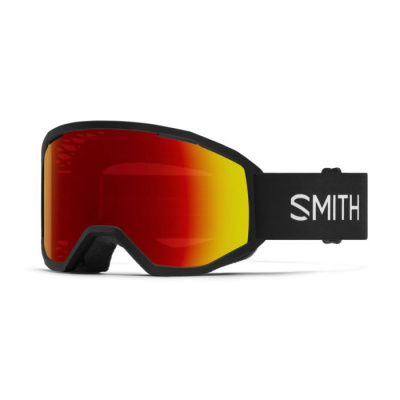
Smith Optics goggles have built a serious reputation in MTB eyewear, and the ChromaPop™ lens technology is the reason most riders reach for them first. Rather than simply tinting what you see, ChromaPop filters specific light wavelengths to sharpen contrast - roots, ruts, and embedded rocks read more clearly against the trail surface, which matters enormously when you're moving fast through technical sections. That's not marketing; it's optics, and the difference is genuinely noticeable.
For UK riders, the conditions make goggle choice a real decision rather than an afterthought. Dense woodland canopy, flat winter light, and the kind of persistent damp that makes a Scottish descent feel like riding through a pressure washer - Smith's range is built with all of that in mind. Fog-X anti-fog inner lens treatment keeps vision clear under high exertion, while the Responsive Fit™ frame flexes to follow your face rather than sitting stiffly against it. Ventilation is generous across the range, and helmet integration is properly considered rather than a footnote. Whether you're racing enduro or lapping a bike park, Smith MTB goggles are a well-engineered choice that hold up to serious scrutiny.
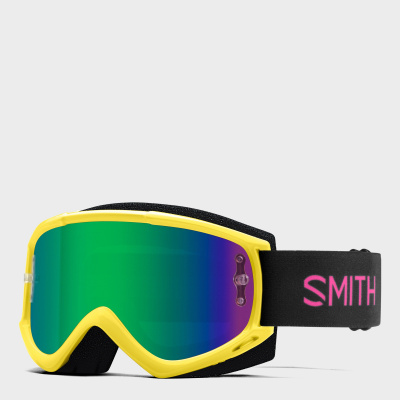
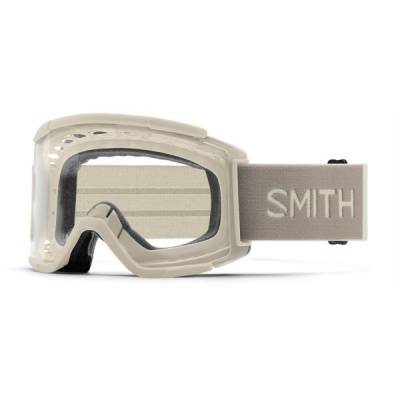
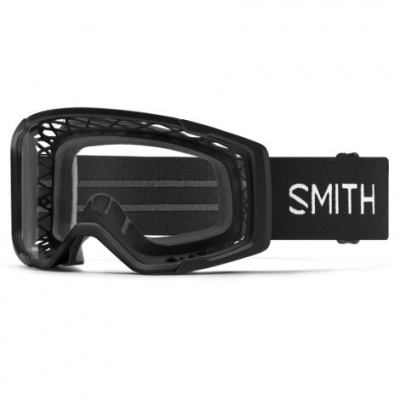
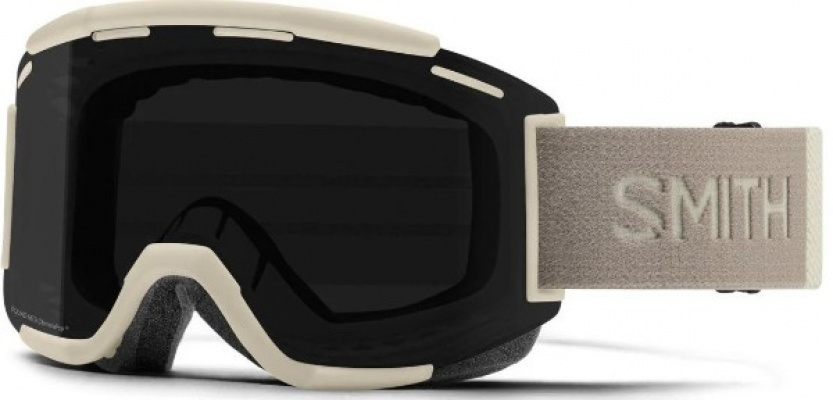
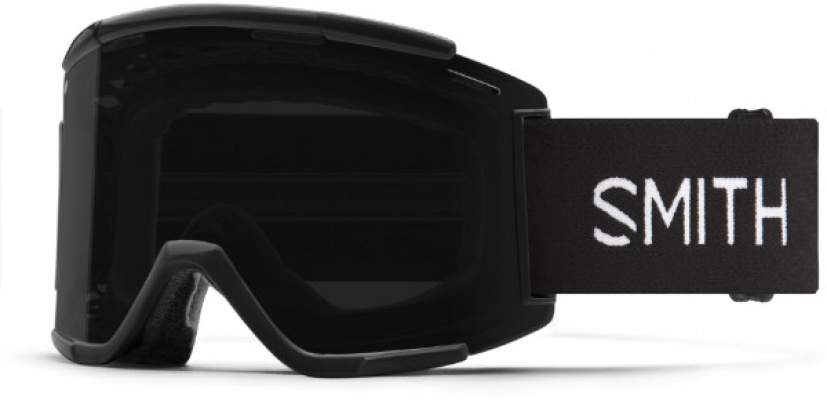
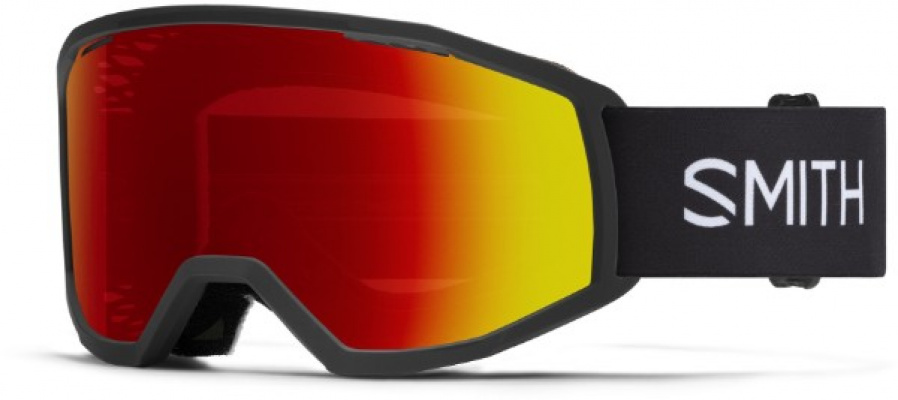
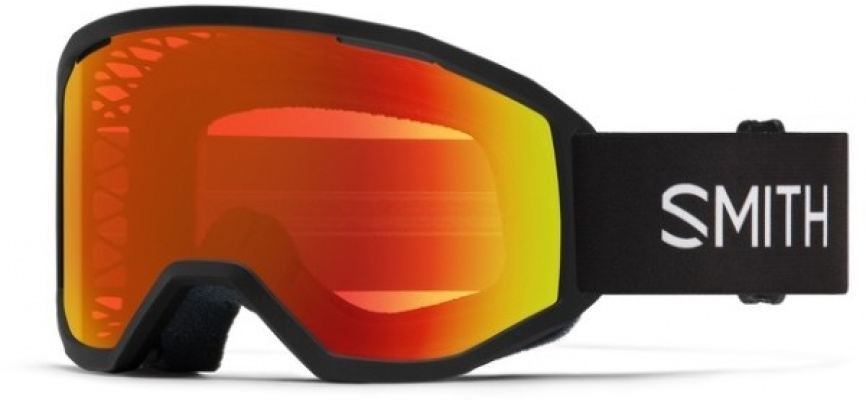
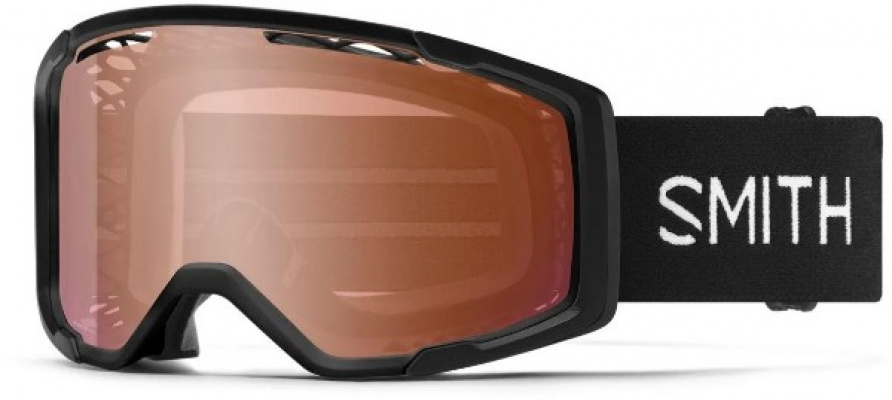
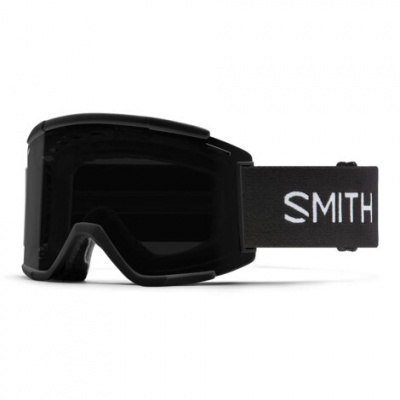
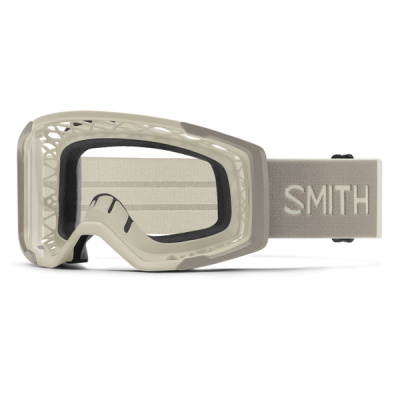
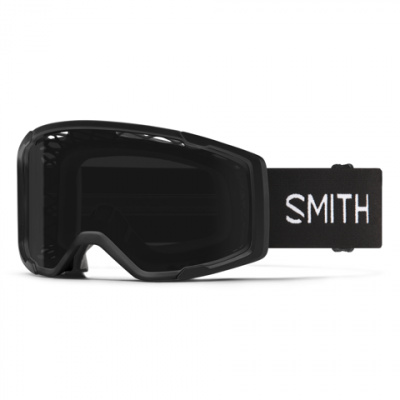
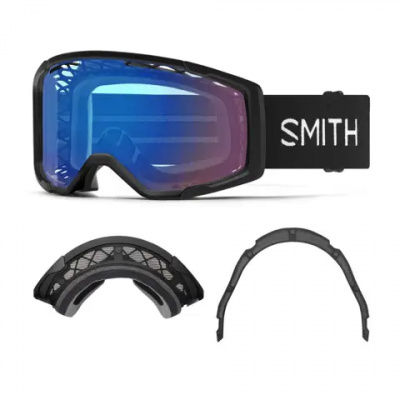
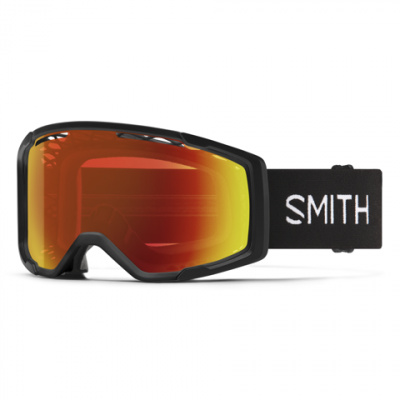
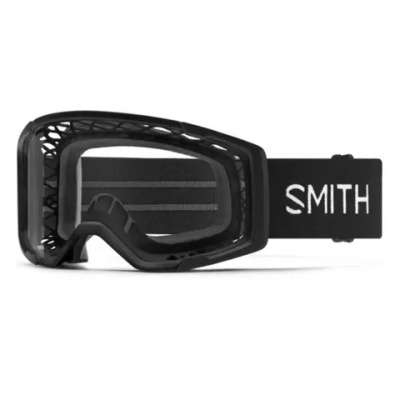
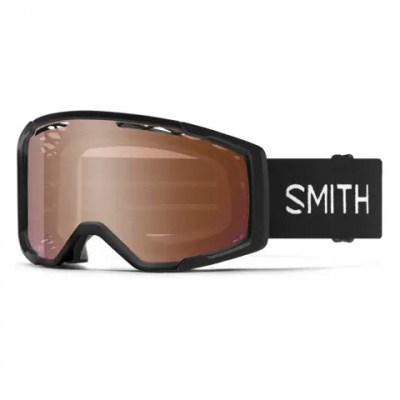
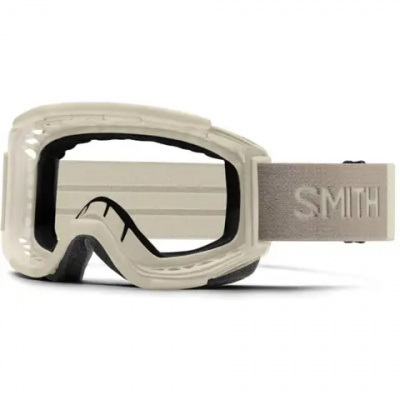
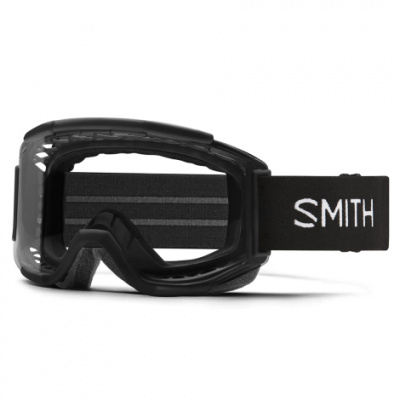
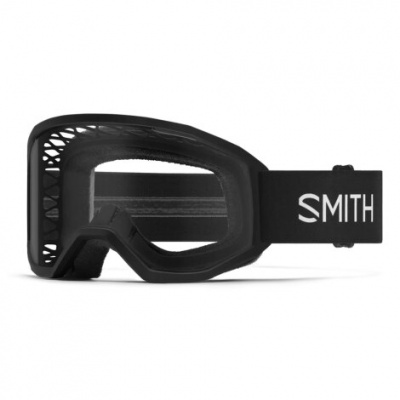
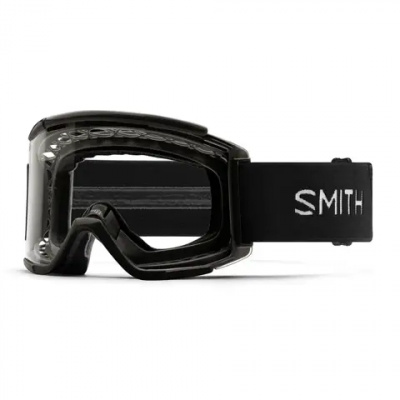
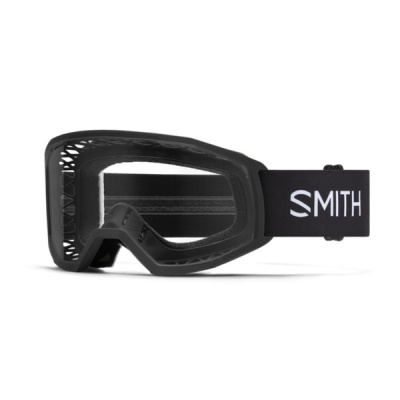
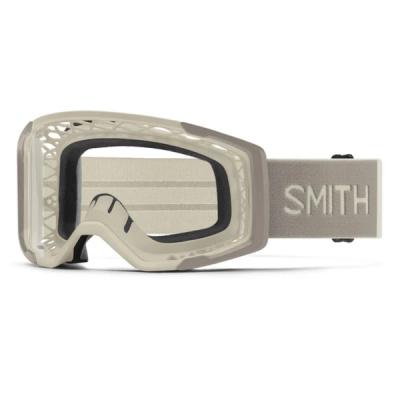
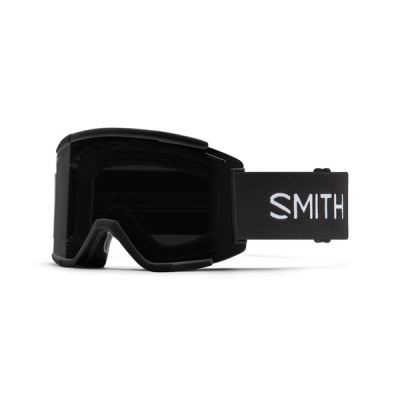
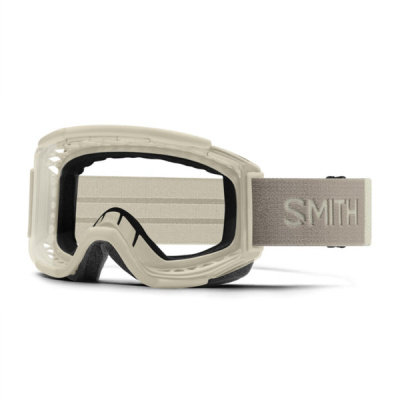
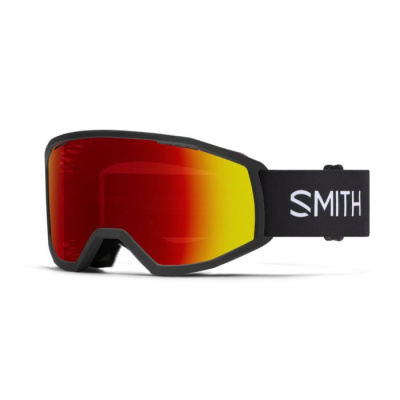
Prices and availability can change quickly. Delivery charges are not always included in listed prices.
Final price, stock status and delivery terms are set by retailer. We may receive a commission on purchases made.
Lens Tech and How It Handles UK Light
ChromaPop lenses are the core of what Smith does well. The technology works by blocking two specific wavelengths of light where colour overlap causes visual confusion - greens, blues, and reds separate cleanly, so the trail surface in front of you has more definition. On a bright alpine day that's pleasant; on a grey January ride through Ae Forest or Cannock Chase's shadier sections, it's the difference between reacting and guessing.
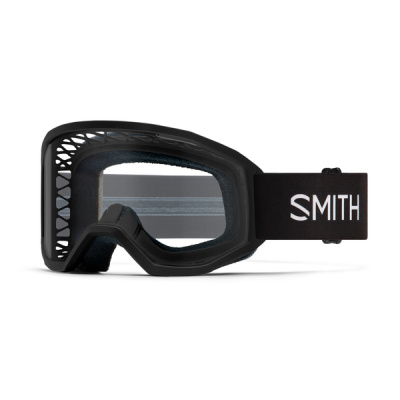
VLT - Visible Light Transmission - is the number to watch when choosing a lens for UK conditions. It tells you how much light the lens lets through, expressed as a percentage. Low VLT suits bright sunshine; high VLT suits overcast skies and deep shade. For most UK winter and woodland riding, ChromaPop Clear (around 89% VLT) or ChromaPop Rose (a warmer-tinted option that reads contrast well in dull, diffuse light) are the practical picks. Running a dark lens on a grey Pennine day is a genuine safety issue, not just a comfort one.
The Carbonic-x lens material handles impact resistance without the optical distortion you sometimes get from polycarbonate alternatives. It's a cylindrical lens format - curved on one axis - which keeps the field of view wide and peripheral vision unobstructed. That wider field is particularly useful on tight, rooty singletrack where things appear from odd angles. Carbonic-x also takes scratch punishment reasonably well on the outer surface, though like any goggle lens, it rewards gentle handling.
Fog-X is Smith's anti-fog treatment on the inner lens surface. It works by drawing moisture into the coating rather than letting it bead and cloud your vision. The important thing to know is that it's a surface treatment, not a structural property of the lens - it needs protecting. Never wipe the inside of the lens when it's wet or muddy; let it dry and use a microfiber cloth gently. Destroy the Fog-X coating and you're back to fogging up on every steep climb, which is deeply annoying mid-ride. In genuinely humid, high-exertion situations, pairing good anti-fog coating with a helmet that moves air properly makes a bigger difference than most riders expect.
The Range and How Smith's Fit System Works
The Smith MTB goggle range centres on a few key models. The Smith Squad MTB is the one most riders land on - it's a wide-view cylindrical lens goggle with generous foam layering and a strap that grips without feeling like it's trying to remove your ears. It suits medium-to-larger face shapes well and has become a familiar sight at UK trail centres for good reason. The Squad XL variant adds more frame volume for riders who find standard goggles dig in at the cheeks.
The Smith Rhythm sits slightly lower in the range but uses the same core optical approach. It's a sensible option if you want Smith's lens quality without paying for the full Squad spec - the trade-off is slightly less frame adjustment and a simpler foam package. For downhill-focused riders who want something more race-oriented, Smith's downhill goggles push ventilation and roll-off/tear-off compatibility harder.
The Responsive Fit™ frame is worth understanding properly. It's a dual-layer urethane construction that bends to follow the contours of your face under strap pressure, rather than relying on a rigid frame with cut foam. The result is even contact without pressure points, which matters on longer rides when a poorly fitting goggle starts to feel like a slow clamp. It also helps seal the goggle more consistently against different face shapes - useful when mud is being flung at your face at pace.
If you're looking to swap lenses for different conditions or add tear-offs and roll-off kits for muddy race days, that's a separate conversation. Head over to our Smith Optics sunglasses and goggle spares page for replacement ChromaPop lenses and muddy-conditions accessories.
Compared to alternatives like Oakley goggles or Fox goggles, Smith's ChromaPop lenses are consistently rated as among the more optically refined options at their respective price points. 100% goggles compete strongly on ventilation and customisation, while POC goggles prioritise protection geometry - Smith's distinction is optical clarity and the coherence of its lens ecosystem.
Helmet Fit, Mud Management, and Looking After Your Lenses
Smith goggles are designed to integrate directly with Smith full face helmets and Smith MTB helmets, aligning the goggle strap channel with the helmet's ventilation ports to eliminate the gaper gap - that stripe of exposed forehead that catches cold air and looks scruffy. When the goggle and helmet are from the same brand, the geometry is designed together rather than adapted post-fact, and it shows in how cleanly the goggle sits.
That said, the Responsive Fit frame and a well-tensioned adjustable strap mean Smith goggles work with most major full-face and open-face MTB helmets on the market. They're not exclusively a Smith helmet accessory. If you're running a different lid, check the strap width sits flat in the goggle channel - most modern MTB helmets accommodate standard strap widths without issue.
Mud care is straightforward but worth getting right before a ride, not after. If you've had a muddy session and the outer lens has dried-on grime, resist the urge to wipe it off dry - that's how you scratch the Carbonic-x surface. Rinse with clean water first, then use a microfiber cloth with light pressure. The inner lens gets the same treatment, but gentler still - the Fog-X coating on the inside is the most damage-prone surface on the goggle. A decent goggle bag for storage keeps both surfaces away from helmet buckles and car boot chaos between rides.
Tear-off compatibility varies by model - check the specific Smith Squad MTB or downhill goggle listing for tear-off post availability if that's relevant to your racing setup. For wet, muddy UK conditions like a typical British Cycling enduro round in autumn, tear-offs or a roll-off system make a more practical difference than almost any other upgrade.
Frequently Asked Questions
Are Smith ChromaPop lenses worth it for mountain biking?
For most UK riding, yes. ChromaPop lenses sharpen contrast in dappled and flat light by filtering specific wavelengths - roots, rocks, and trail texture read more clearly, which reduces eye fatigue and genuinely helps reaction times on technical ground. The difference versus a standard tinted lens is most obvious in the kind of grey, woodland conditions that make up a large chunk of British riding.
How do I stop my MTB goggles from fogging up?
Start with the Fog-X inner lens coating intact - never wipe the inside of a wet lens, as that degrades the coating faster than anything else. Beyond that, a well-ventilated helmet that moves air across the goggle makes a real difference; a sealed, poorly vented helmet traps moisture and works against even the best anti-fog treatment.
Do Smith goggles fit with other helmet brands?
Yes, broadly. The tightest integration is with Smith's own helmets, where strap channels and ventilation geometry are matched to remove the gap between goggle and lid. Outside of that, the adjustable strap and Responsive Fit frame are compatible with most major MTB helmet brands - full-face and half-shell alike - without significant issues.
Smith Optics Goggles FAQs
Are Smith ChromaPop lenses worth it for mountain biking?
For most UK riding, yes. ChromaPop lenses sharpen contrast in dappled and flat light by filtering specific wavelengths - roots, rocks, and trail texture read more clearly, which reduces eye fatigue and genuinely helps reaction times on technical ground. The difference versus a standard tinted lens is most obvious in the kind of grey, woodland conditions that make up a large chunk of British riding.
How do I stop my MTB goggles from fogging up?
Start with the Fog-X inner lens coating intact - never wipe the inside of a wet lens, as that degrades the coating faster than anything else. Beyond that, a well-ventilated helmet that moves air across the goggle makes a real difference; a sealed, poorly vented helmet traps moisture and works against even the best anti-fog treatment.
Do Smith goggles fit with other helmet brands?
Yes, broadly. The tightest integration is with Smith's own helmets, where strap channels and ventilation geometry are matched to remove the gap between goggle and lid. Outside of that, the adjustable strap and Responsive Fit frame are compatible with most major MTB helmet brands - full-face and half-shell alike - without significant issues.