
Smith Optics Kids Helmets
Smith Optics kids helmets don't water down the safety spec - they take the same protection technology found in Smith's top-end adult lids and build it into helmets sized for younger heads. We're talking genuine MIPS rotational impact protection, lightweight Koroyd energy-absorbing cylinders, and a VaporFit dial system that cinches down to a precise, comfortable fit without a fuss at the trailhead. That last point matters more than it sounds: a helmet that fits correctly is a helmet that actually gets worn.
Whether your child is threading singletrack at a trail centre, learning to corner on loose gravel, or just riding to school on a grey Tuesday morning, Smith's youth range covers the bases. The AirEvac ventilation channels keep air moving during humid summer climbs, and the high-visibility colourways make a real difference in the low-light conditions that British winter mornings serve up with depressing regularity. EPS foam shell coverage is generous enough to block cold wind on exposed descents, too. Use the range below to match the right lid to how and where your child rides.
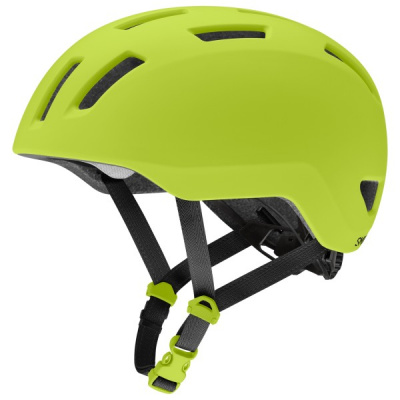
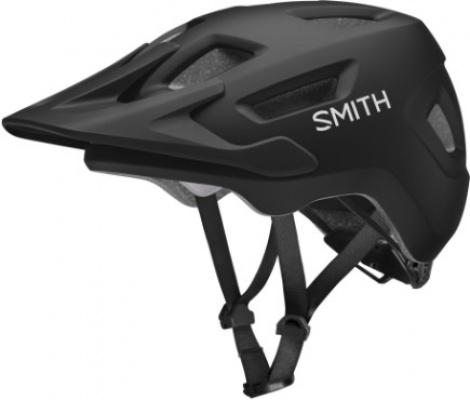
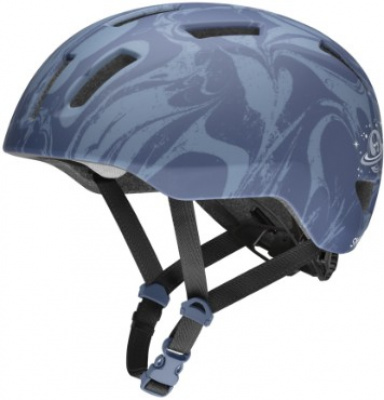
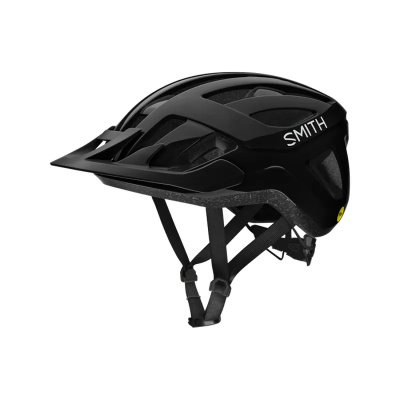
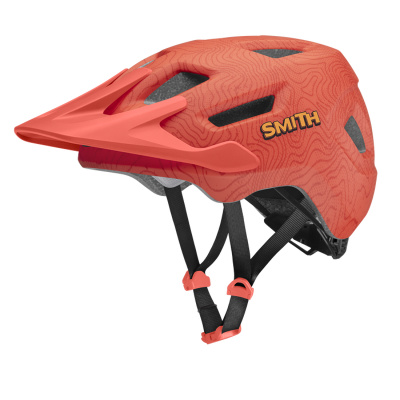
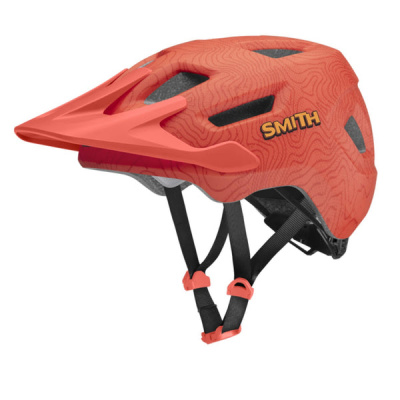
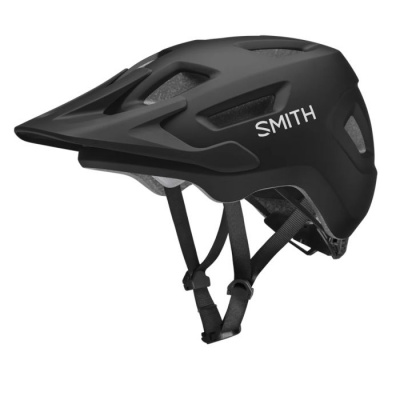
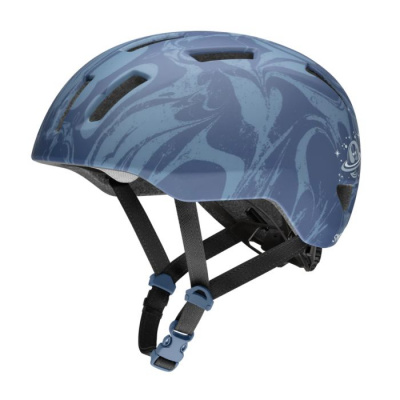
Prices and availability can change quickly. Delivery charges are not always included in listed prices.
Final price, stock status and delivery terms are set by retailer. We may receive a commission on purchases made.
Safety Tech That Doesn't Cut Corners for Smaller Riders
The foundation of every Smith youth helmet is a dual-layer system: a rigid outer shell paired with EPS foam that handles the direct, compressive force of an impact. That's standard. What sets Smith apart is what sits on top of - and inside - that foundation. Koroyd technology replaces sections of traditional foam with a grid of thermally welded co-polymer cylinders. On impact, those cylinders crumple in a controlled, consistent way, absorbing energy more efficiently than foam alone. The result is a helmet that can be noticeably lighter without sacrificing protection - useful when you're trying to persuade a reluctant eight-year-old that wearing a helmet isn't a big deal.
Then there's MIPS - the Multi-directional Impact Protection System. Most real-world crashes don't arrive straight down onto the crown; they come in at an angle, generating rotational forces that travel into the brain. MIPS adds a low-friction slip-plane layer inside the helmet that moves independently of the outer shell on impact, redirecting those rotational forces away from the head. It's the reason most serious cyclists - adult or junior - won't buy a helmet without it, and Smith includes it across the key models in their youth range.
For UK riding specifically, the AirEvac ventilation system earns its keep. British summer weather flips between warm and muggy faster than you can say 'it looked fine on the radar,' and a poorly ventilated helmet turns every climb into a sweaty misery. AirEvac uses channelled vents to pull warm, humid air away from the head and out through exhaust ports at the rear. Crucially, those channels are routed so that air draws past the goggle foam interface - preventing the fogging that ruins visibility on damp, wooded descents.
Getting the Fit Right - Models, Sizing, and the VaporFit System
Fit is the single biggest variable in helmet safety, and it's where a lot of cheaper lids fall short. Smith's VaporFit adjustable dial system is the mechanism that ties everything together. A single dial at the rear of the helmet tightens or loosens a cradle around the back and sides of the head - you can dial it in one-handed, in gloves, in a car park, in about four seconds. That ease of use means kids can adjust it themselves once they know how, which in practice means it actually gets adjusted rather than left too loose.
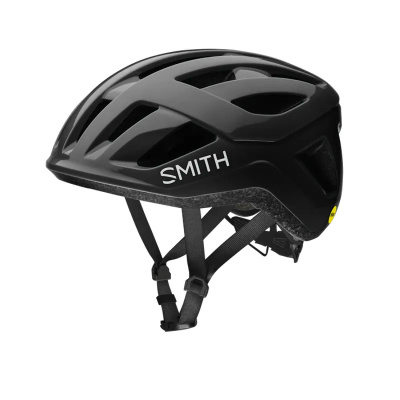
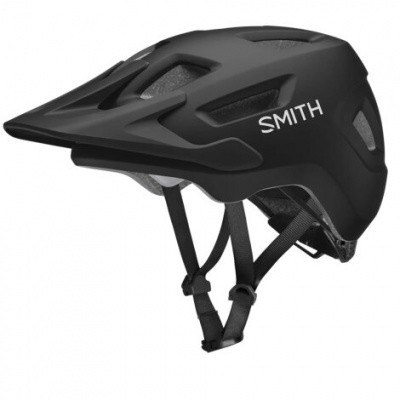
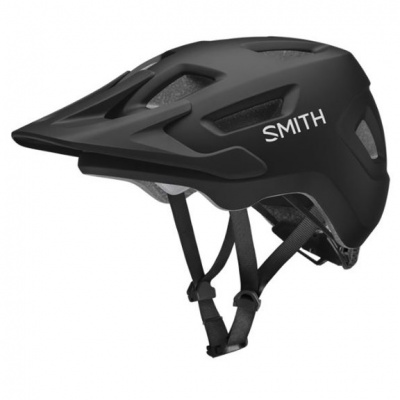
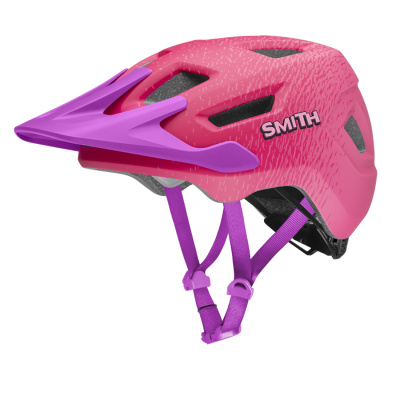
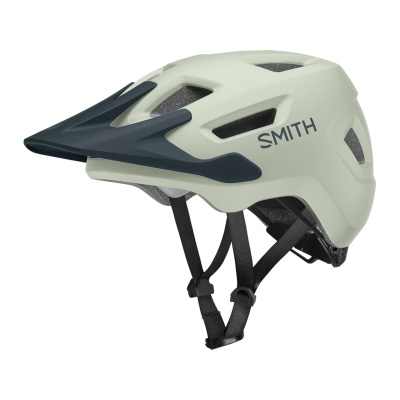
The range splits broadly into two characters. The Wilder Jr leans trail - it has an adjustable visor for blocking low sun and mud spray, deeper rear coverage for extra protection on technical descents, and the full Koroyd and MIPS package. It's the one to pick if your child is regularly riding at trail centres or venturing onto rougher ground. The Zip Jr is more versatile and urban-friendly: lighter shell coverage, a cleaner profile, and a design that works equally well for school commutes and relaxed weekend rides. Still MIPS-equipped, still well ventilated - just without the trail-specific visor architecture.
Smith's youth sizing runs across a range of head circumferences, and getting the measurement right before you buy saves a lot of hassle. A helmet that rocks side to side or sits too high on the forehead isn't providing the coverage it's designed to give. For sizing guidance, the Smith junior helmet sizing guide on each product page breaks down which circumference range maps to which size - always worth checking before adding to basket.
Looking for protection for older or more committed riders? Head over to our full Smith Optics Helmets collection, or if gravity riding is on the agenda, the Smith full face helmets range has that covered. Alternatively, if you want to compare the Smith youth range against the competition, Fox kids helmets, Giro kids helmets, and Bell kids helmets are all worth a look across similar price points.
Pairing with Eyewear and Keeping It Clean After a UK Mud Bath
Smith designs their youth helmets with eyewear integration in mind from the start - and it shows. The goggle retention channel at the rear of the Wilder Jr holds Smith youth goggles in place on the helmet when they're not being worn, so they don't end up dangling off a handlebar or getting sat on. When worn, the AirEvac venting actively manages the warm air that builds up behind goggle foam on cold mornings, which is the main cause of fogging on a British winter trail. For brighter days or road riding, Smith sunglasses sit neatly within the same vent geometry without creating pressure points on the frame.
After a session in proper UK conditions - think Peak District grit-and-mud cocktail or a soggy Welsh trail centre - the helmet needs a clean. The Koroyd tubes can trap debris, but they respond well to a soft brush and warm water. Don't go near them with a jet wash or pressure hose: the force can compromise the bonded structure of the cylinders. The anti-microbial removable pads can be taken out and hand-washed - do it regularly, because a helmet that smells like a wet labrador gets left on the shelf quickly by kids. Let everything air-dry fully before storing; damp pads packed into a bag encourage the kind of odour that lingers.
The outer shell and strap webbing can be wiped down with a damp cloth. Avoid solvent-based cleaners - they degrade both the shell finish and the MIPS slip-plane liner over time. Check the retention cradle mechanism periodically for grit ingress; a quick rinse and air-dry keeps the VaporFit dial turning smoothly.
Smith Optics Kids Helmets FAQs
How do I measure my child's head for a Smith helmet?
Use a soft tape measure and wrap it around their head roughly a centimetre above the eyebrows - that's the widest point and the measurement that matters. Take it in centimetres, then cross-reference with Smith's youth sizing chart on the product page. If they're between sizes, go larger and use the VaporFit dial to cinch it down.
Do Smith kids helmets feature MIPS technology?
Yes. The core models in the Smith youth range - including the Wilder Jr and Zip Jr - come with MIPS as standard. It adds a slip-plane layer inside the helmet that helps redirect rotational forces away from the brain during angled impacts, which is the type of impact most common in real-world crashes.
Can my child wear goggles with a Smith kids helmet?
Yes, and Smith's helmets are specifically designed for it. The AirEvac ventilation system channels warm air away from the goggle foam interface, reducing fogging on cold or humid days. The Wilder Jr also features a goggle retention clip at the rear so the goggles stay put on the helmet between runs.