
Shimano 12 Speed Rear Derailleurs
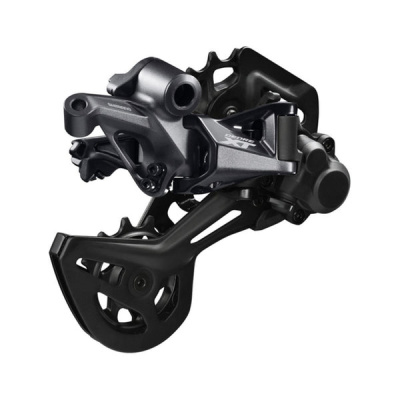
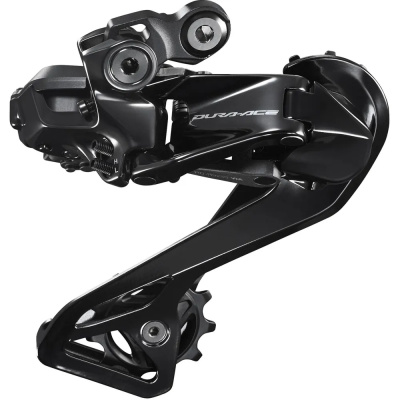
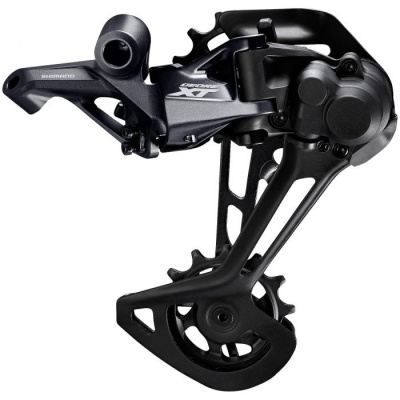
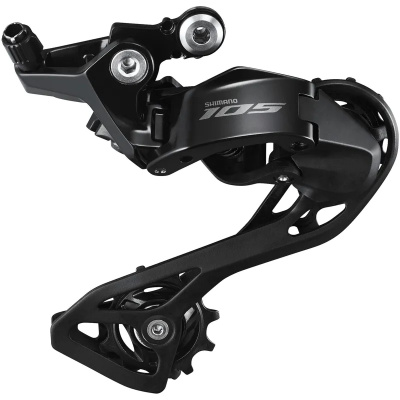
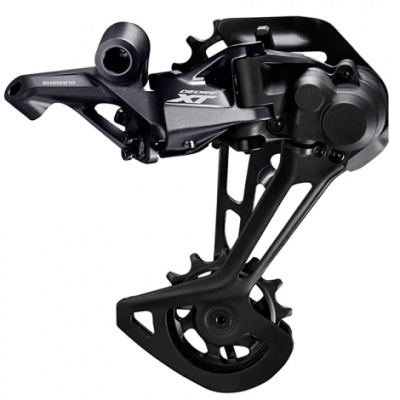
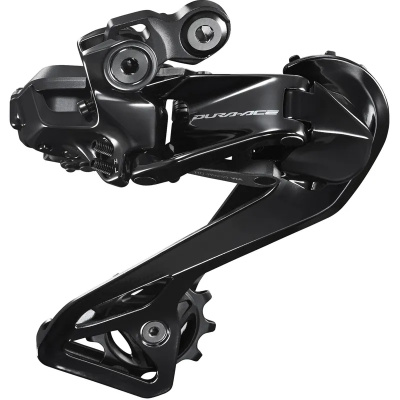
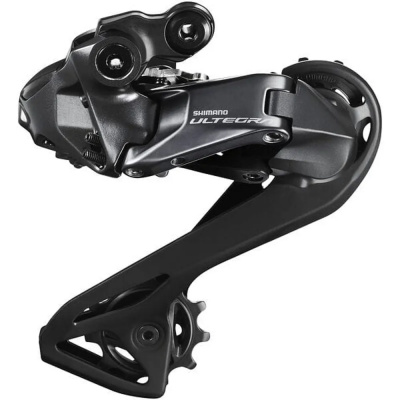
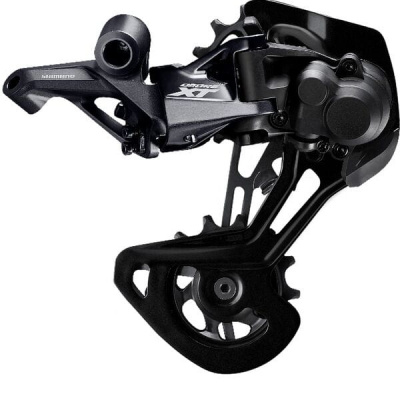
Shimano 12 speed rear derailleurs set the standard for drivetrain precision across both road and MTB - and right now, the range spans more riders and budgets than ever. Whether you're chasing clean shifts on wet Welsh singletrack or hammering long tarmac days in the Peaks, there's a mech in this lineup that fits your riding. MTB options run from the workhorse Deore through to the featherweight XTR, all using Shadow RD+ clutch technology to keep the chain planted over rough ground. Road riders get the choice between slick mechanical setups and the razor-sharp response of Di2 electronic shifting, from the accessible 105 right up to Dura-Ace. Every tier uses Hyperglide+ tooth profiling, which means the chain moves smoothly even when you're grinding up a rise and can't back off the power to shift. Low-profile Shadow designs also reduce the risk of rock strikes - useful when you're picking lines over limestone in the Yorkshire Dales. Compare prices across the UK's top retailers below, and use the guide underneath to nail your cassette capacity, cage length, and shifter compatibility before you buy.
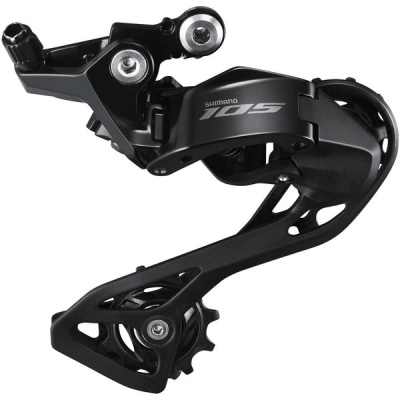
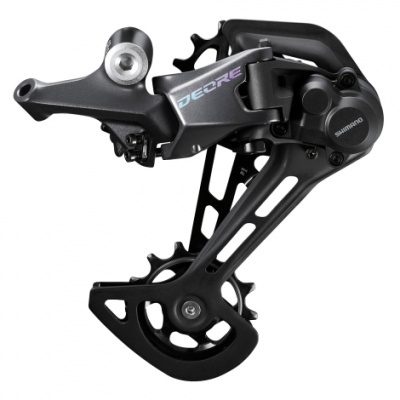
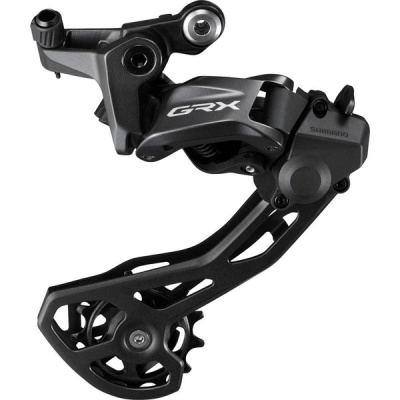
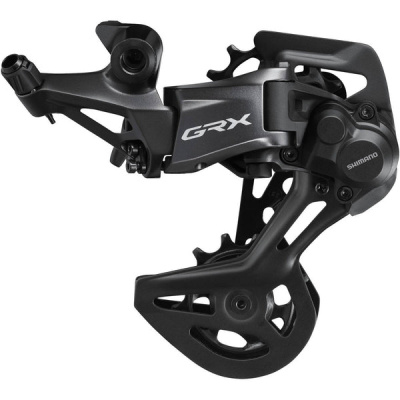
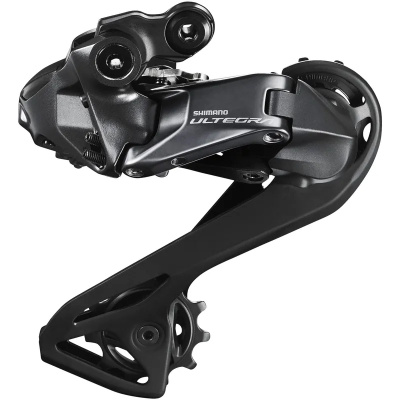
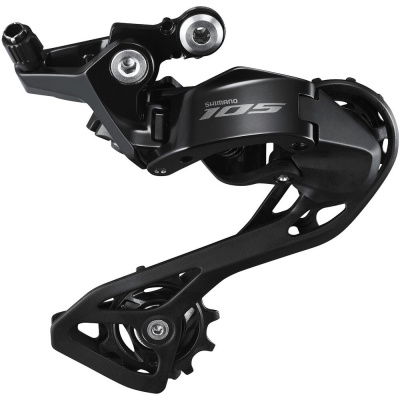
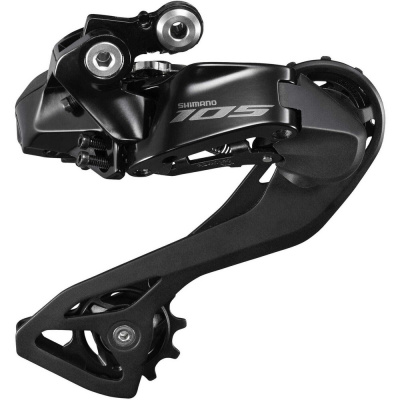
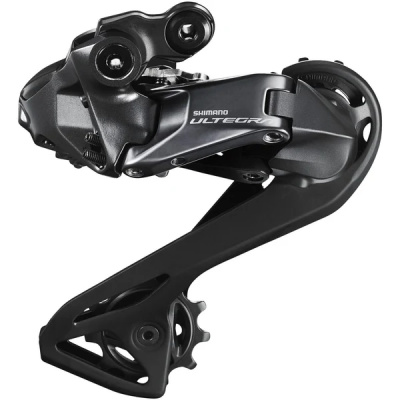
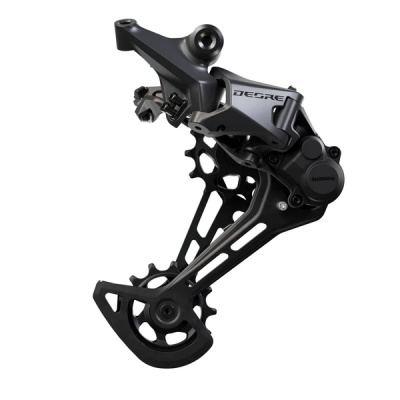
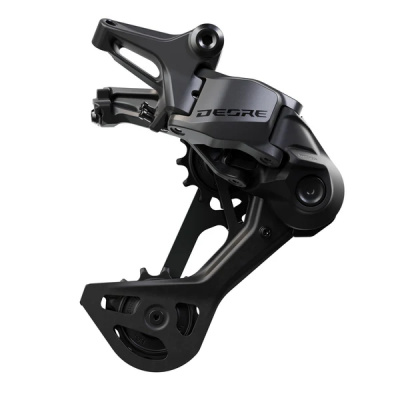
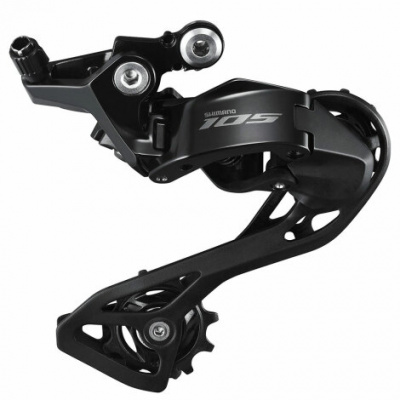
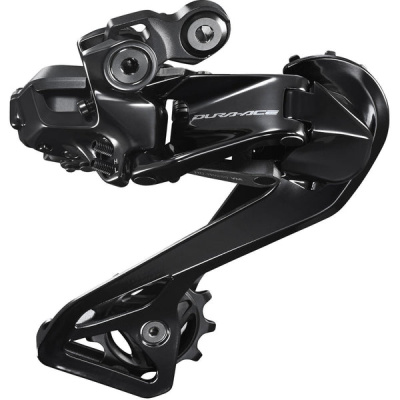
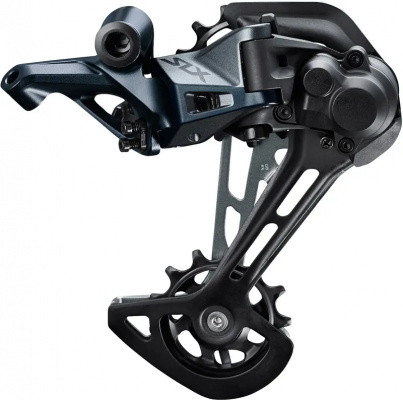
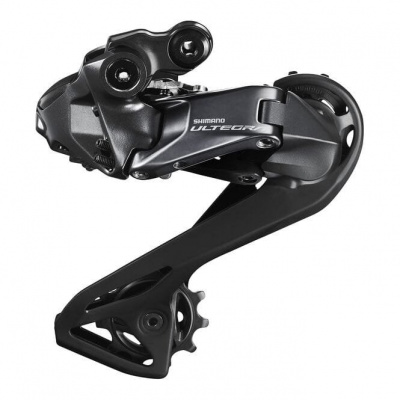
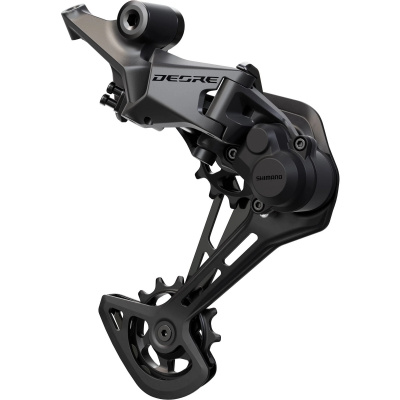
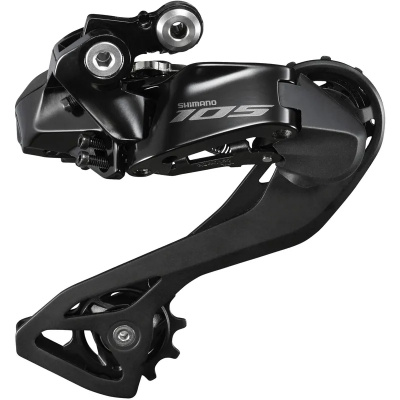
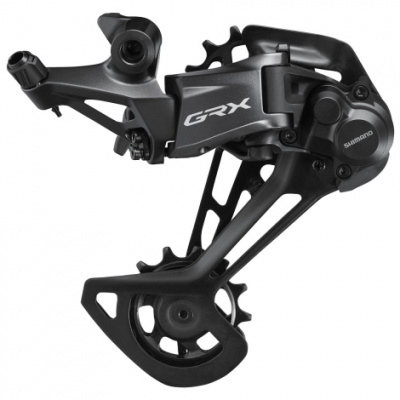
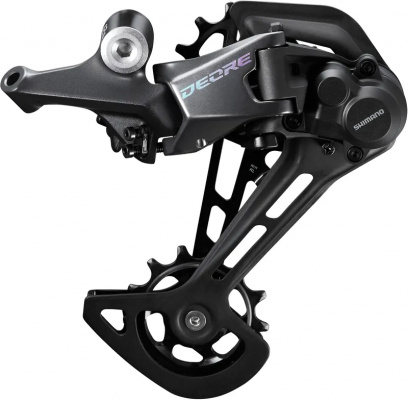
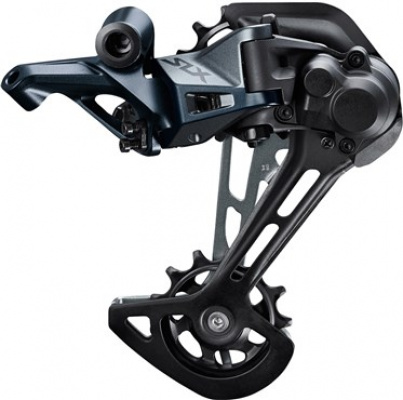
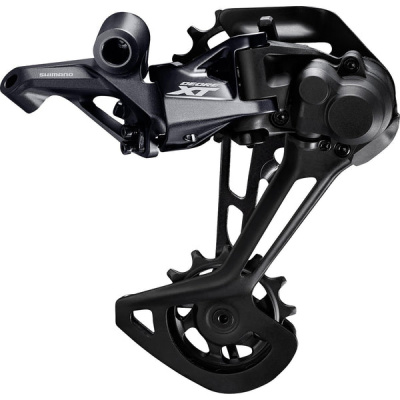
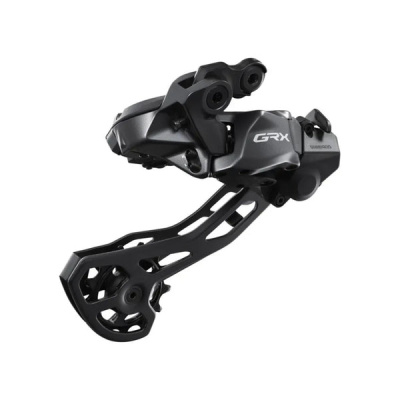
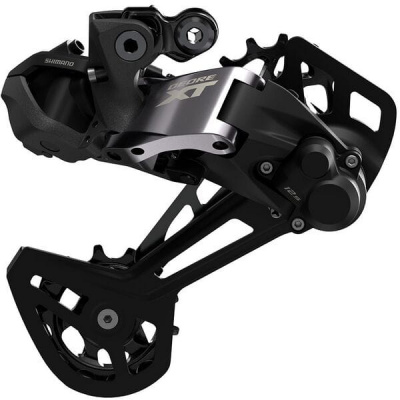
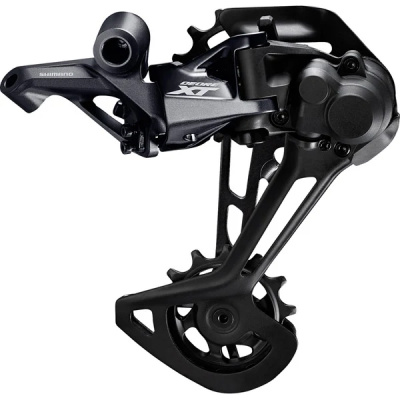
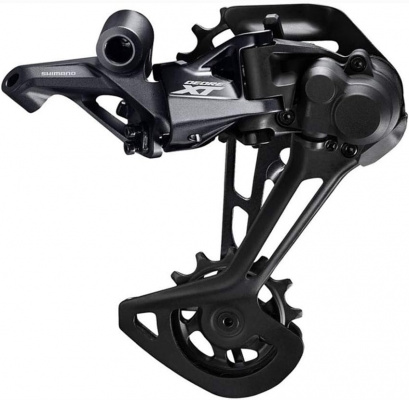
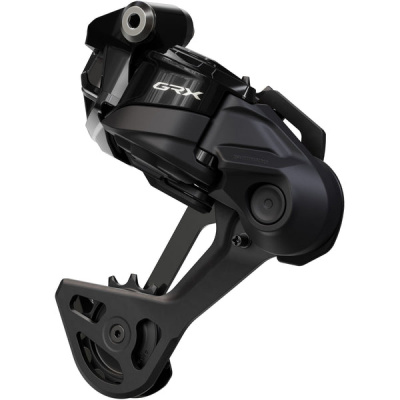
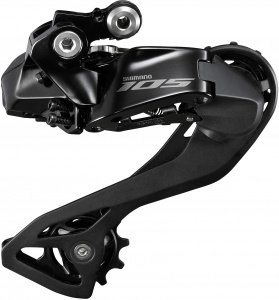
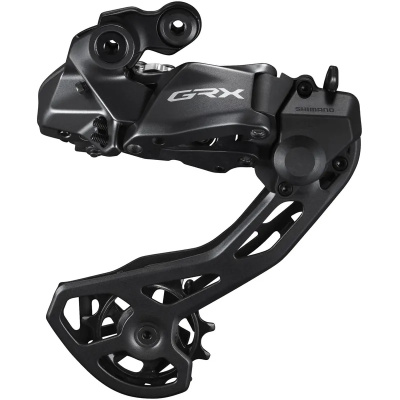
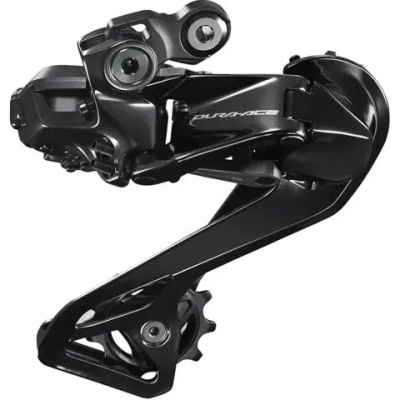
Prices and availability can change quickly. Delivery charges are not always included in listed prices.
Final price, stock status and delivery terms are set by retailer. We may receive a commission on purchases made.
Compatibility Matrix: Getting the Right Fit Before You Buy
Shimano's 12-speed ecosystem is precise, and that precision comes with strict boundaries. The most important rule: road and MTB derailleurs are not interchangeable. The two systems use fundamentally different cable pull ratios, and Di2 road and MTB units run separate electronic protocols. Plug an MTB mech onto a road shifter and you'll get vague, inconsistent shifting at best - and potentially bent hardware at worst. Match road to road, MTB to MTB. No exceptions.
Cage length is the next decision. If you're running a wide-range 10-51T cassette - standard on most trail and enduro builds - you need an SGS long cage derailleur to physically wrap enough chain around that big sprocket. Drop to a tighter 10-45T setup and a GS medium cage works cleanly, with the added benefit of slightly better ground clearance on technical lines. Check your cassette spec before ordering; it's the kind of detail that's easy to overlook and expensive to get wrong.
B-tension adjustment matters more on 12-speed than it ever did on 11-speed. The tighter tolerances mean the gap between the top jockey wheel and the cassette has to be dialled precisely - too close and the chain drags, too far and shifts go woolly. Most mechs ship with a B-tension guide printed on the derailleur body, but cross-reference with Shimano's setup app if you're unsure. And always check your derailleur hanger is straight before you start adjusting anything else; a bent hanger defeats the purpose of a high-spec mech entirely. Pair your new derailleur with a matching Shimano 12-speed cassette and a fresh Shimano 12-speed chain to get the best out of the system from day one. Need replacement pulleys, clutch covers, or electronic shifting power? Visit our dedicated Derailleur Spares, Jockey Wheels, or Wireless Shifting Batteries pages.
Shimano 12-Speed Hierarchy: What the Price Gap Actually Buys You
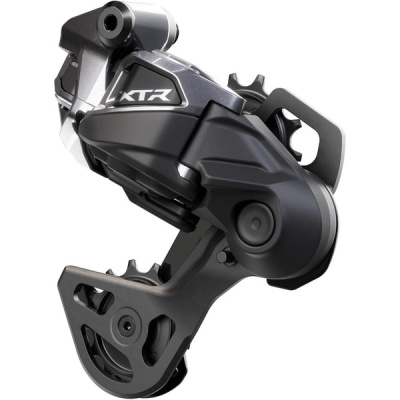
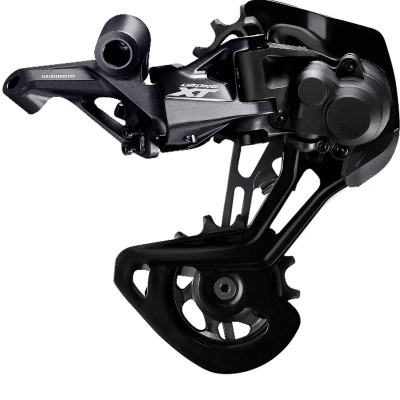
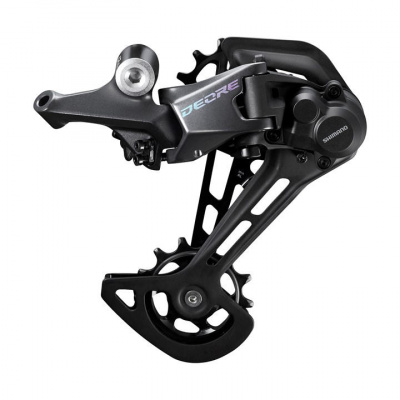
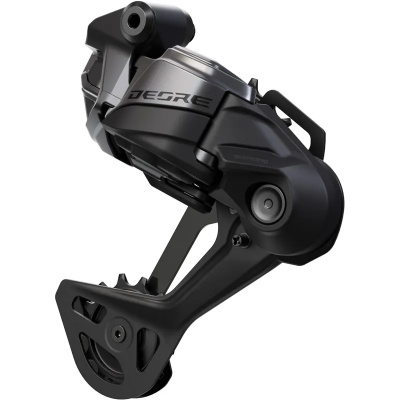
On the MTB side, Deore is the entry point - heavier steel cage, basic jockey wheel bearings, but mechanically sound and easy to live with on a budget build. It'll handle the same cassette ranges as the tier above and the Shadow RD+ clutch is present across the board. Step up to SLX and XT and you're getting sealed bearing jockey wheels that resist the mud and grit of a Cannock Chase winter, plus noticeably lighter alloy cages. XTR takes it further with a carbon cage and titanium hardware - weight savings that matter if you're racing enduro, less so if you're riding long trail days.
For most riders running mechanical MTB drivetrains, XT is the one to buy. The durability-to-weight ratio is genuinely excellent, and the sealed bearings make a real difference when you're cleaning the bike after three hours in Scottish bog. If your budget stretches further and you want electronic precision, the Shimano Di2 semi-wireless MTB system delivers consistent shifts regardless of cable stretch or contamination - because there's no cable. Shifts fire via motor, actioned by a lever signal. It's reliable in a way that mechanical systems simply can't match in serious wet conditions.
On the road side, 105 Di2 opened up electronic shifting to a much wider audience - the motor response is fast, the system is straightforward to set up, and the weight penalty over Ultegra is modest. Ultegra closes that gap further with a quicker motor and lighter construction, while Dura-Ace is for riders where every gram is a considered decision. For club riders and sportive regulars, Ultegra or 105 Di2 covers everything you'll realistically need. Considering alternatives? SRAM 12-speed rear derailleurs use a different axle path shifting design and are worth a look if you're building around a SRAM cassette, and Campagnolo 12-speed rear derailleurs remain the choice for road riders who prioritise feel and Italian engineering heritage. On a tighter budget, Microshift 12-speed options offer surprising value for commuter and gravel builds. If you're running a Shimano 12-speed front derailleur, confirm compatibility within the same groupset tier to keep shifting clean across both ends of the drivetrain.
Surviving UK Winters: Maintenance That Actually Matters
The Shadow RD+ clutch mechanism is one of the best chain retention systems going - but it is not self-maintaining. Water gets in. It always does. If you jet wash your bike or ride through standing water on the lanes outside Leeds or the ford crossings in the Brecon Beacons, moisture will work its way into the clutch band housing over time. Left long enough, the friction band seizes, and you'll either snap the clutch toggle trying to force it or find the chain slapping uncontrolled because the mechanism has locked open. Neither is a good day out.
Service the clutch every six months if you ride through autumn and winter. Strip the mechanism, clean out any grit or emulsified grease, and repack with Shimano's specific internal hub grease - not general chain lube, not WD-40. The correct grease maintains the right friction coefficient on the band. This is a thirty-minute job with the right tools and it genuinely extends clutch life by years.
While you're in there, check the jockey wheel bearings. Winter grit is abrasive and gets into bearing surfaces faster than most riders expect. On Deore units with plain bushings, you'll notice the drag before the wear becomes serious - on XT and above, the sealed bearings last longer but still need inspecting. Spin each wheel by hand; any roughness or lateral play means replacement is due.
Hanger alignment deserves repeating because it's the most commonly missed fault on poorly shifting 12-speed bikes. The tolerances are tight enough that even a minor impact - clipping a gatepost, dropping the bike on a car park kerb - can throw the hanger out of true enough to cause ghost shifts or missed indexing. A hanger alignment tool costs very little and takes two minutes to check. Do it before you start adjusting the barrel adjuster or B-tension screw. Nine times out of ten, a wonky hanger is the actual problem.
Shimano 12 Speed Rear Derailleurs FAQs
Are Shimano 12-speed road and MTB derailleurs interchangeable?
No - and this catches a lot of riders out. Shimano 12-speed road and MTB systems use different cable pull ratios, and the Di2 versions run separate electronic protocols. You need to match road derailleurs to road shifters and MTB derailleurs to MTB shifters. Mixing the two won't work, full stop.
Do I need a long cage (SGS) or medium cage (GS) 12-speed derailleur?
Check your cassette range first. If you're running a wide 10-51T MTB cassette, you need an SGS long cage - it's the only way to manage the chain wrap on that big sprocket. For tighter 10-45T setups, a GS medium cage is the better call: it shifts cleanly and sits a fraction higher off the ground, which helps on technical lines.
How often should I service my Shimano rear derailleur clutch?
For year-round UK riding, every six months is the sensible interval. Water and grit from boggy trails or jet washing work into the Shadow RD+ clutch band housing and cause it to seize. Strip it down, clean it out, and repack with Shimano's specific internal hub grease - not chain lube. It's a short job that saves a much bigger one later.