
SRAM 12 Speed Rear Derailleurs
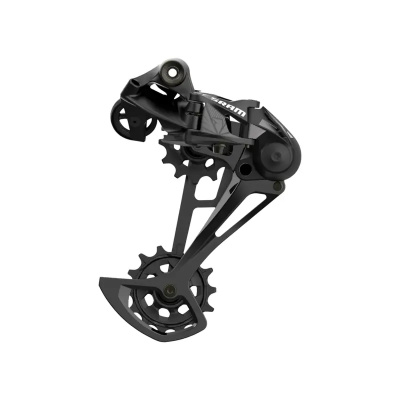
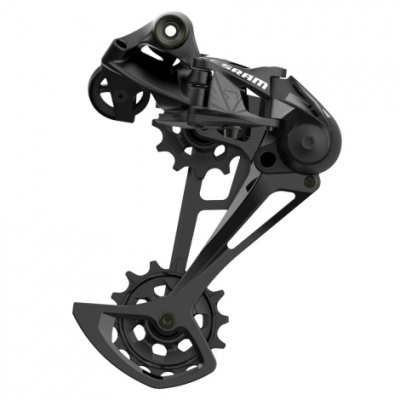
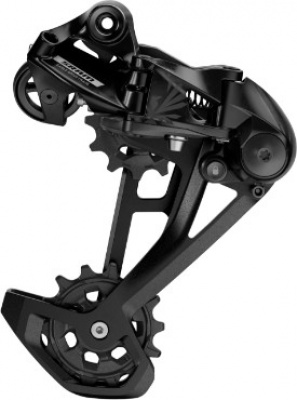
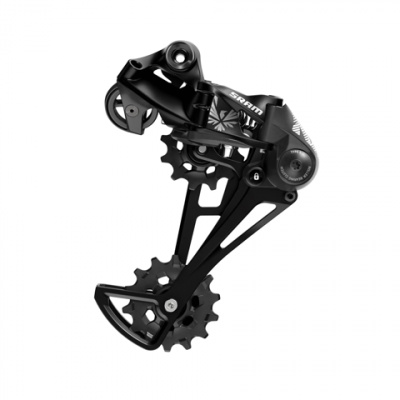
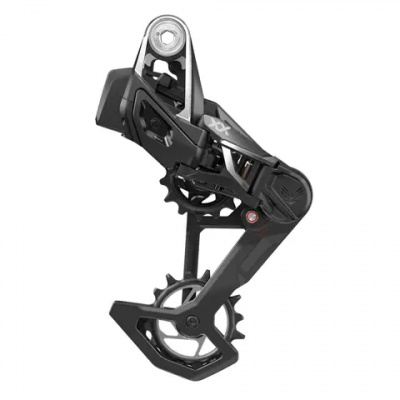
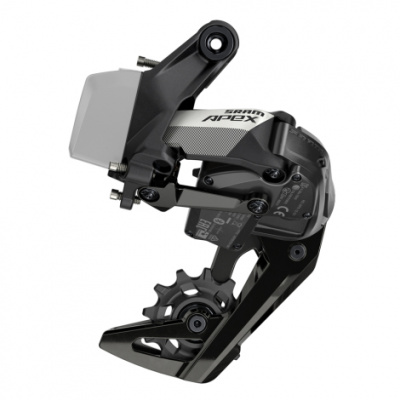
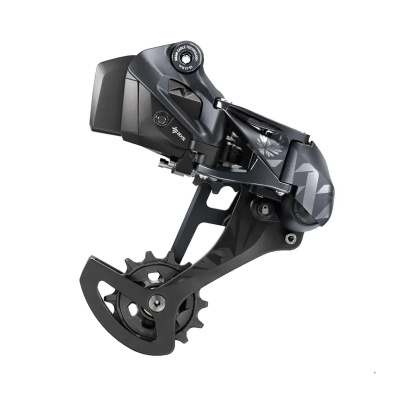
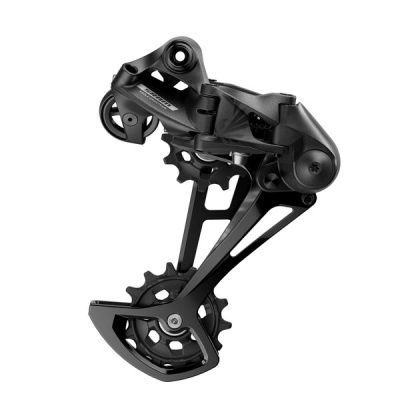
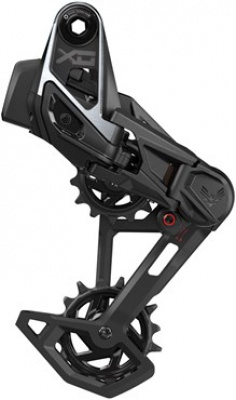
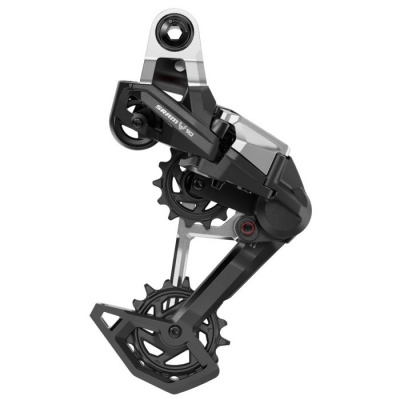
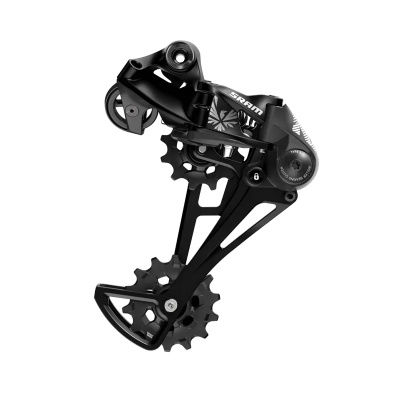
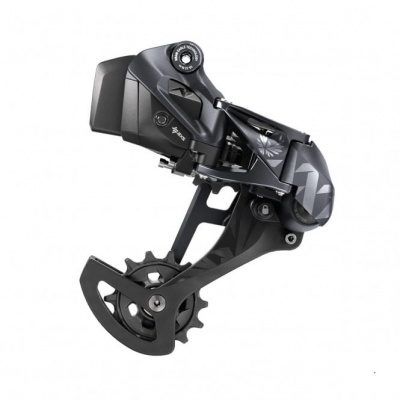
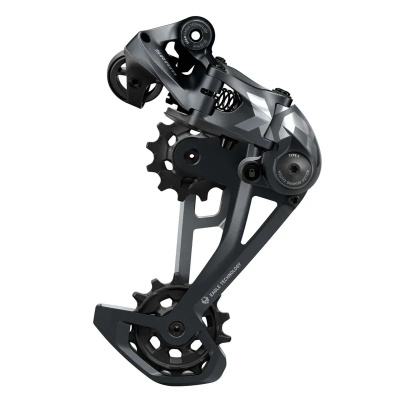
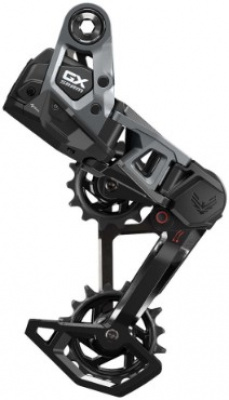
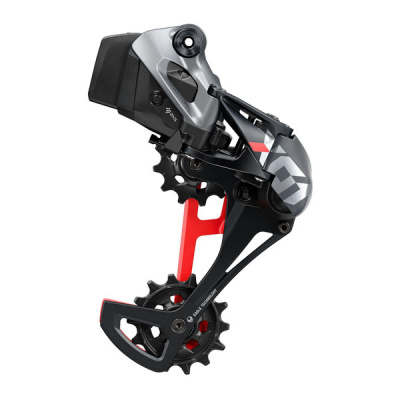
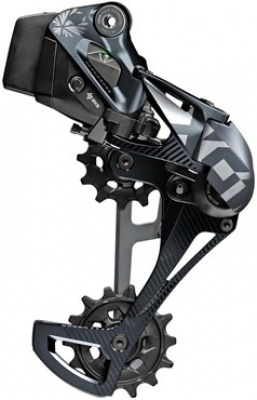
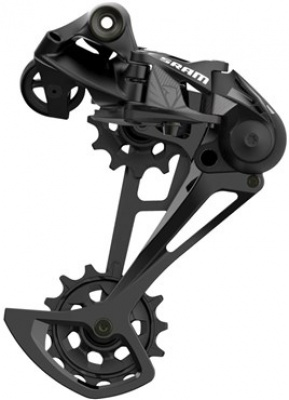
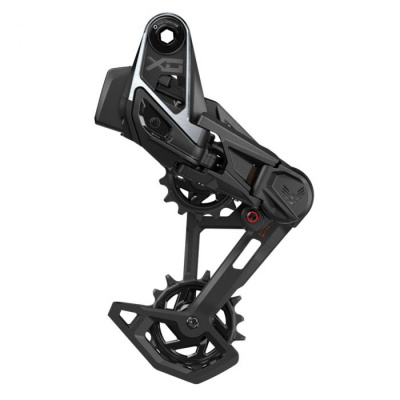
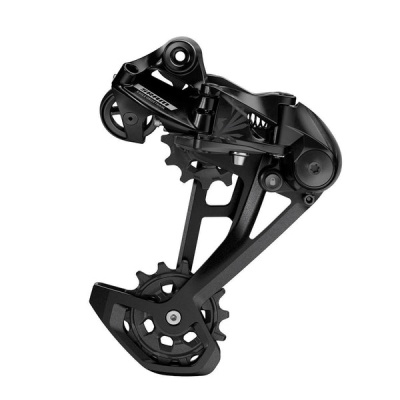
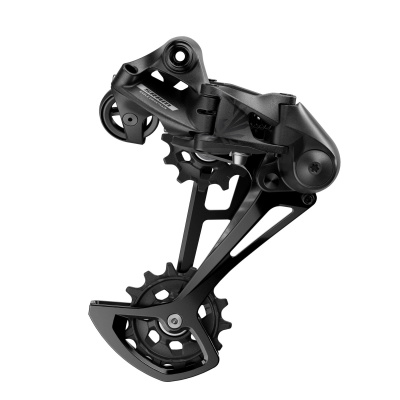
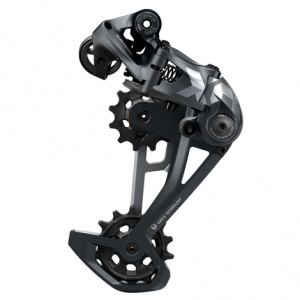
The SRAM 12 Speed Rear Derailleur range changed what a 1x drivetrain could actually do, and years on it's still the benchmark most riders measure everything else against. Whether you're running a mechanical Eagle setup on a hardtail, going wireless with AXS, or building around T-Type Transmission on a UDH-equipped frame, there's a mech in this lineup that fits your rig and your budget.
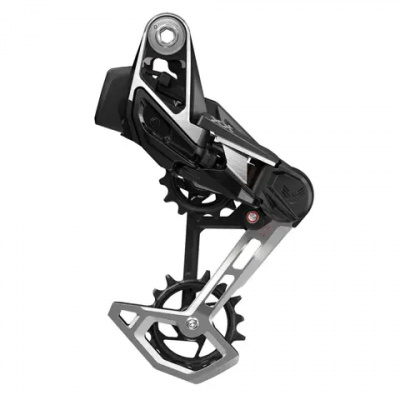
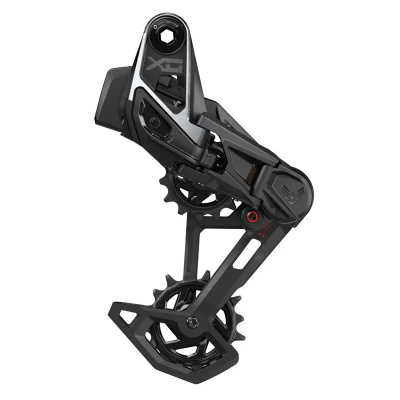
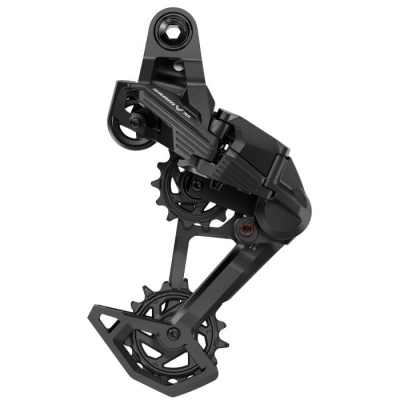
Every SRAM 12-speed derailleur shares the X-Horizon parallelogram design, which keeps movement on a single horizontal axis and kills ghost shifting dead. Add the Roller Bearing Clutch to control chain tension on rough ground, and Cage Lock for fast wheel swaps in the car park or on the trail, and you've got a system that's genuinely engineered for abuse rather than just marketing copy.
For UK riders dealing with Pennine grit, Welsh mud, and Scottish winter rides that test every component on the bike, the durability gap between tiers matters more than it might in drier climates. Use our live price comparison to find the right SRAM 12-speed mech for your build, whether that's a like-for-like replacement or a proper upgrade.
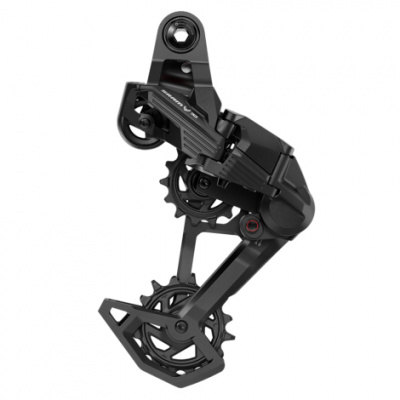
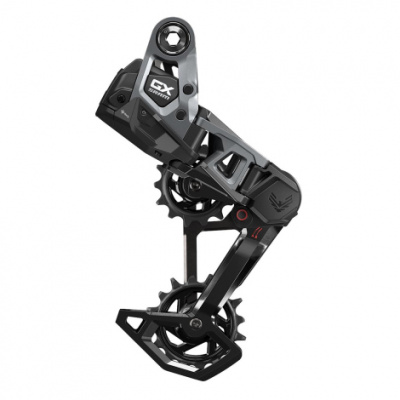
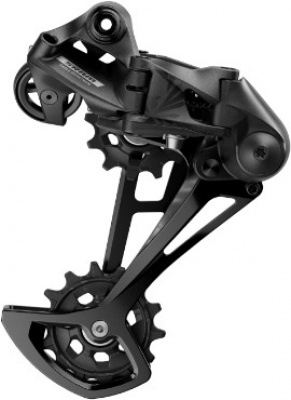
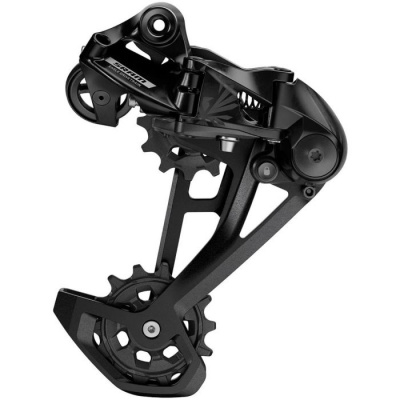
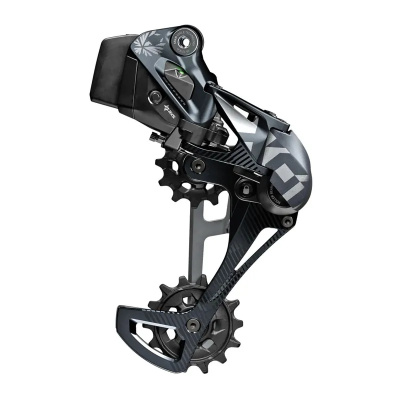
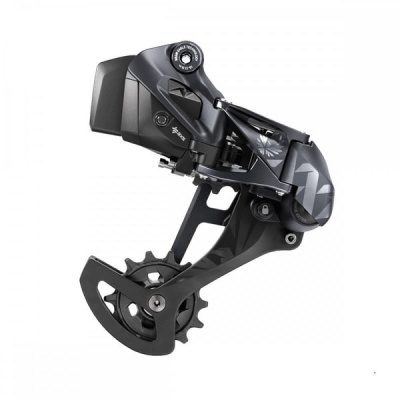
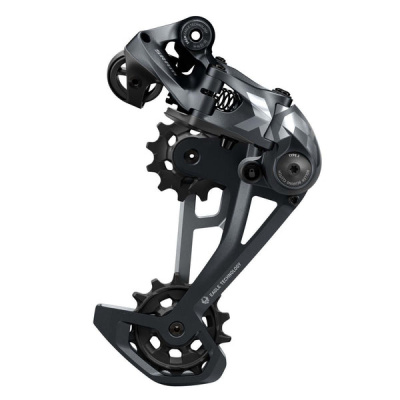
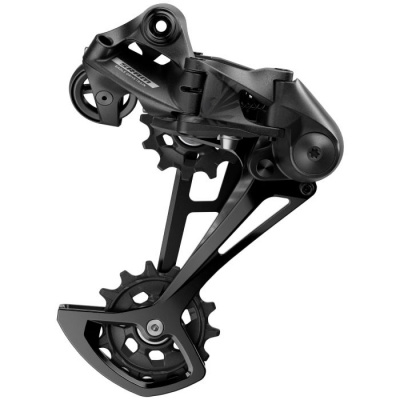
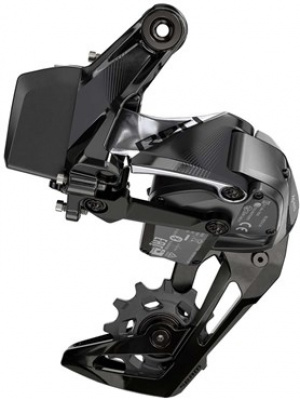
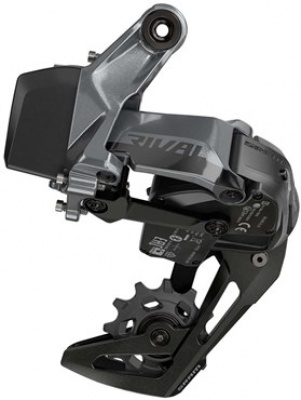
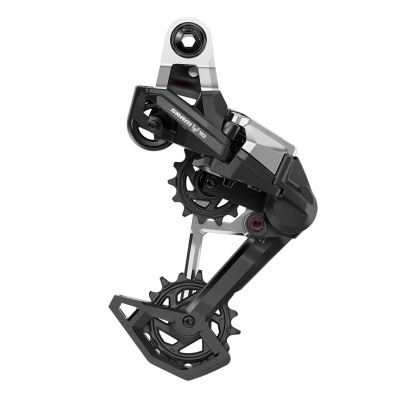
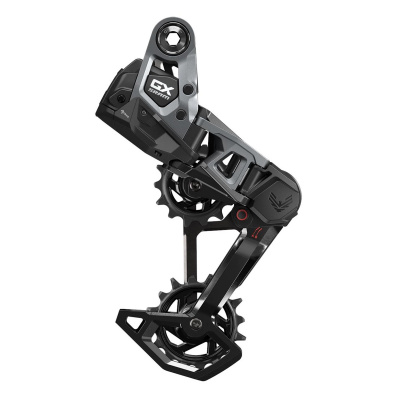
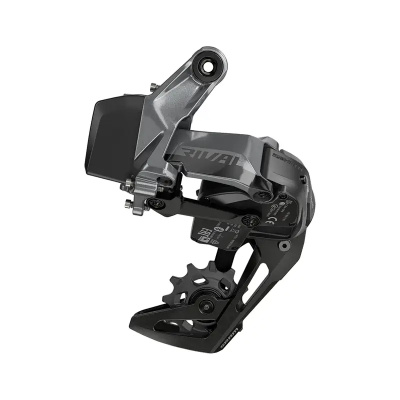
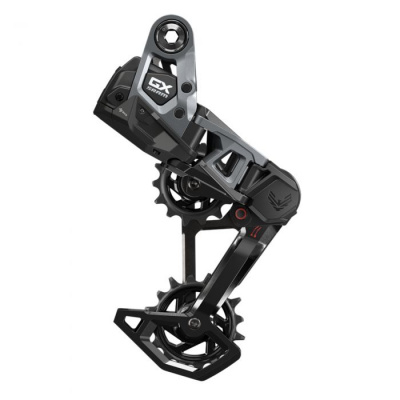
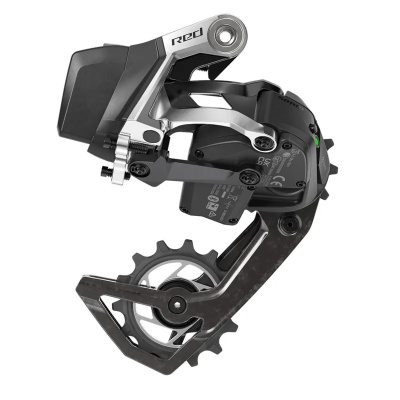
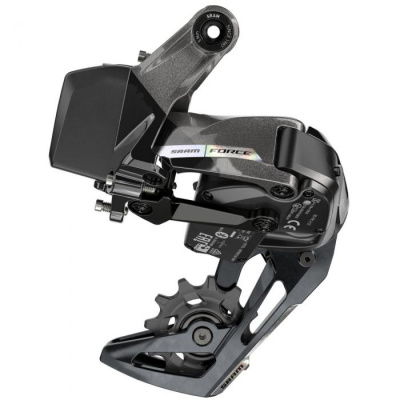
Prices and availability can change quickly. Delivery charges are not always included in listed prices.
Final price, stock status and delivery terms are set by retailer. We may receive a commission on purchases made.
Compatibility Matrix: Eagle, T-Type, and Road AXS Explained
SRAM's 12-speed world splits into three distinct families, and mixing between them isn't always straightforward. Getting this wrong before you order is the kind of mistake that costs you a return delivery and a cancelled weekend ride.
Traditional Eagle ecosystem derailleurs - everything from SX Eagle through to XX1 Eagle - use a standard derailleur hanger and support cassettes up to 52T. Within this family, mechanical and AXS wireless derailleurs, shifters, and SRAM 12 speed cassettes are fully cross-compatible. You can mix tiers freely: an X01 AXS derailleur will pair happily with a GX Eagle shifter. That flexibility is one of the Eagle system's genuine strengths.
T-Type Transmission is a different animal entirely. These derailleurs mount directly to the frame - no traditional hanger involved - and your frame must be built to the UDH compatible standard for one to fit. T-Type also demands its own flat-top chains and specific T-Type cassettes. You can't drop a T-Type mech onto a standard hanger bike and call it done. Check your frame spec carefully before adding one to your basket.
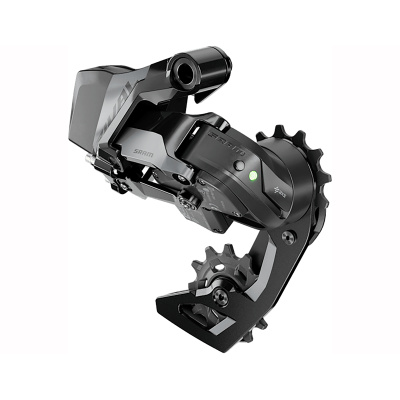
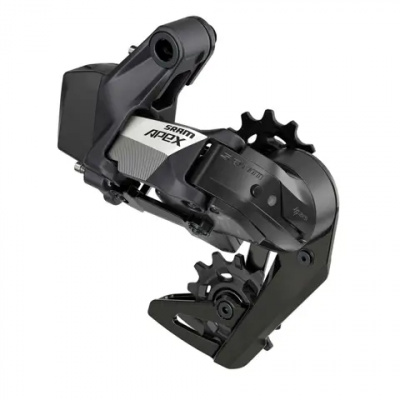
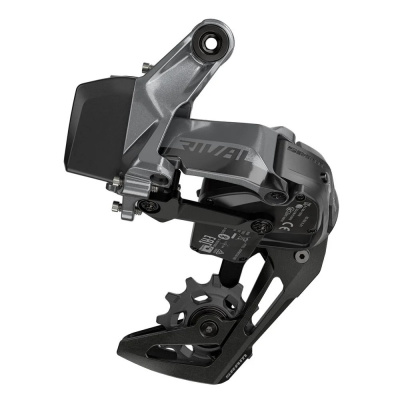
On the road and gravel side, SRAM's AXS lineup runs from Apex through Red, and these use different actuation ratios to their MTB counterparts. Mechanical road 12-speed and mechanical MTB 12-speed parts use different cable pull ratios - they are not interchangeable, full stop. Where things get interesting is with wireless: pairing an Eagle AXS rear derailleur with road AXS shifters creates what's become known as a 'mullet' drivetrain. It's genuinely popular for gravel riding where you want a wide-range cassette but prefer road-style shift levers. SRAM's XPLR groupset formalises a version of this for gravel, but you can build your own combination within the AXS wireless ecosystem. Compared to Shimano 12 speed rear derailleurs, SRAM's wireless cross-compatibility between disciplines is a notable advantage.
Tiers Decoded: What the Price Difference Actually Gets You
Here's a thing worth knowing: shifting performance is largely set by the shifter, not the derailleur. Upgrading your mech primarily buys durability, weight reduction, and better jockey wheels. That changes how you should think about where to spend.
SX Eagle sits at the entry point - plastic construction, stamped steel jockey wheels with basic bushings, riveted cage pins. It shifts accurately enough when it's clean, but it wears faster and the bushings don't love being packed with Peak District clay week after week.
NX Eagle steps up to a steel cage. More robust, but still not sealed bearings on the jockey wheels. Fine for trail riding if you're thorough with cleaning.
GX Eagle is where the arithmetic starts to make sense for most UK riders. Forged aluminium construction, a meaningfully better clutch mechanism, and sealed jockey wheel bearings that resist the grinding paste that passes for mud on a wet January ride in the Chilterns. If you're upgrading from SX or NX, this is the natural target.
X01 Eagle adds a carbon cage, titanium hardware, and a stiffer return spring. The weight saving over GX is real, the stiffness is noticeable, and the carbon cage handles rock strikes without the flex you get from alloy. For aggressive trail and enduro riding, it earns its price.
XX1 Eagle is the featherweight at the top of the pile - every gram has been interrogated. You're paying for marginal weight reduction and premium materials. Worth it for race builds or weight-obsessed riders; harder to justify for everyday trail use.
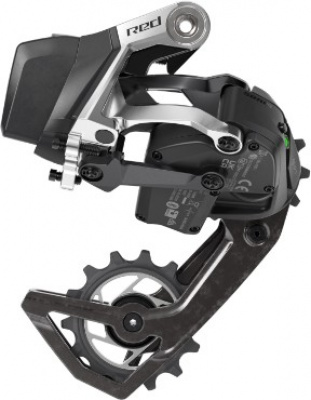
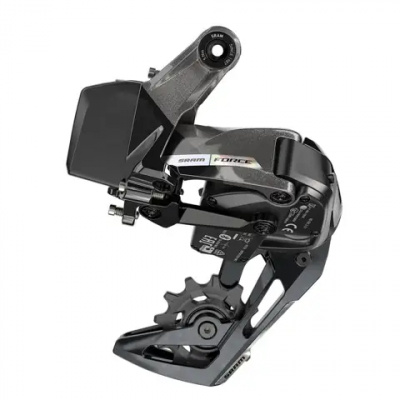
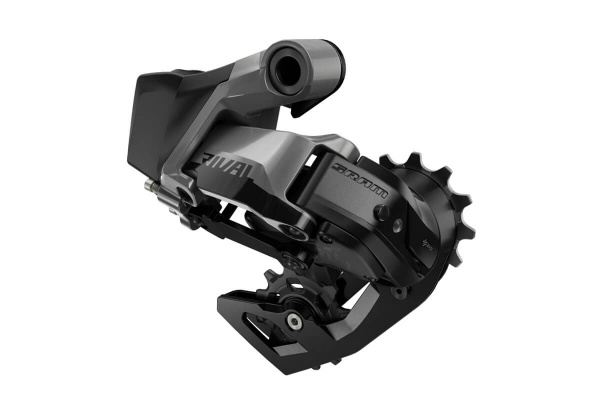
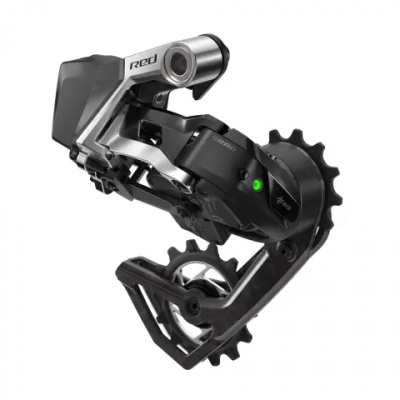
On the road side, the Apex - Rival - Force - Red progression follows the same logic: better materials, tighter tolerances, lighter hardware as you climb the range. The Overload Clutch on AXS models is worth calling out specifically - it disengages the motor on impact to protect the internals, then snaps straight back. That's not just clever engineering; it's the reason AXS derailleurs survive rock strikes that would write off a lesser unit. Browse the full SRAM groupsets range if you're building from scratch rather than replacing a single component. And don't overlook Campagnolo 12 speed rear derailleurs or Microshift 12 speed rear derailleurs if you're open to alternatives at specific price points.
Keeping It Working Through a UK Winter
A SRAM derailleur is a precision component living in an increasingly hostile environment the moment you head out on a British autumn trail. A bit of forward thinking makes a significant difference to how long it lasts.
Lower-tier jockey wheels with unsealed bushings turn UK mud into grinding paste faster than most riders expect. The abrasive silt from moorland trails and forest tracks works into the bushing gaps and accelerates wear dramatically. If you're riding through winter regularly, the sealed cartridge bearings in GX Eagle and above aren't a luxury - they're the reason your drivetrain is still running smoothly in March when your mate's NX setup is howling. Pairing any derailleur with quality SRAM 12 speed chains and replacing them on schedule is equally important; a worn chain destroys cassette teeth and puts extra stress on the derailleur's jockey wheels.
The Roller Bearing Clutch needs the pivot area kept clean to function properly. Type 3 clutches aren't user-adjustable for tension, but the pivot point will stiffen up with ingressed grit if you don't flush it out periodically. A splash of light suspension oil into the pivot after a proper clean keeps it moving freely.
For AXS users, water ingress at the battery contacts is the most common cause of connectivity issues during winter riding. A small amount of dielectric grease on the contacts before the season starts - and reapplied every few months - keeps corrosion out and the connection solid. Charging your AXS battery before a long wet ride rather than leaving it partially depleted also reduces the chance of a dead mech mid-loop on the South Downs. The b-tension adjustment is also worth revisiting after a deep clean; mud can shift the derailleur's position relative to the cassette, and a quick check of the gap between the upper jockey wheel and the largest sprocket keeps shifting crisp.
SRAM 12 Speed Rear Derailleurs FAQs
Are all SRAM 12-speed derailleurs compatible with each other?
Within the traditional Eagle ecosystem - mechanical and AXS - derailleurs, cassettes, and shifters are fully cross-compatible across tiers. T-Type Transmission is the exception: those derailleurs require a UDH-compatible frame and must be used with T-Type specific chains and cassettes. Don't mix T-Type components into a standard Eagle build without checking your frame first.
Can I use a SRAM 12-speed mountain bike derailleur with road shifters?
With wireless AXS components, yes. Pairing an Eagle AXS rear derailleur with road AXS shifters is a well-established 'mullet' setup that works seamlessly and is particularly popular for gravel riding. Mechanical MTB and mechanical road 12-speed parts use different cable pull ratios, so those cannot be mixed.
How do I know if my bike can fit a SRAM T-Type derailleur?
Your frame needs to be built to the Universal Derailleur Hanger (UDH) standard. T-Type derailleurs mount directly to the frame with no traditional hanger in between. Check your frame's specification sheet or contact the manufacturer directly - if UDH isn't listed, a T-Type mech won't fit.