
Microshift 12 Speed Rear Derailleurs
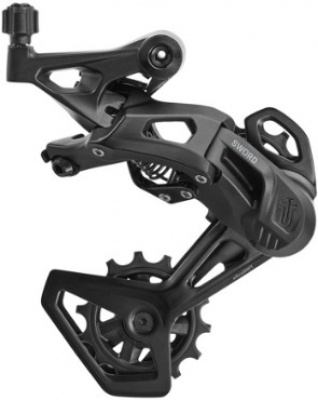
Microshift 12 speed rear derailleurs have quietly built a reputation for doing the unglamorous work well - all-metal construction, a proper clutch mechanism, and consistent indexing at a price that doesn't require a rethink of your bike budget. These aren't consolation-prize components. Microshift's 12-speed mechs, particularly the XCD series, are engineered around forged aluminium and sealed internals that genuinely hold up when the conditions turn nasty.
For UK riders, that matters. A mech that can handle Peak District grit one weekend and a muddy Welsh descent the next needs more than a promising spec sheet. Microshift leans hard into durability - the Active Motion+ clutch keeps chain tension consistent over rough ground, and the direct cable routing path means the system stays responsive even when the cables are caked in muck.
Whether you're replacing a bent mech after a rock strike, speccing a bombproof winter rig, or simply want a Microshift 12s rear mech upgrade without paying flagship money, you're in the right place. Compare UK prices across the range below, and read on to nail compatibility before you buy - because with 12-speed, the tolerances are tight and the wrong combination will cost you more than just shifting performance.
Prices and availability can change quickly. Delivery charges are not always included in listed prices.
Final price, stock status and delivery terms are set by retailer. We may receive a commission on purchases made.
Getting the Right Fit: Compatibility and Standards Explained
Microshift 12 speed derailleur compatibility is the first thing to nail, and it's where a lot of riders come unstuck. Microshift's 12-speed mountain mechs use their own proprietary cable pull ratio - it is not the same as Shimano's 12-speed Microspline or Hyperglide+ pull ratio, and it doesn't play nicely with SRAM Eagle either. Run a Microshift mech with a non-Microshift shifter and you'll get ghost shifts, sluggish indexing, and accelerated wear on your cassette. The pairing needs to be like-for-like. Check the Microshift levers and shifters range to guarantee a matched system from the outset.
Max sprocket capacity is another number worth checking before you order. Most Microshift 12-speed MTB mechs accommodate up to a 51T or 52T largest cog, which covers the wide-range cassettes that trail and enduro riders typically run. Pair that with a correct chain length - too long and you'll get sag under load; too short and you risk snapping the mech clean off on a big-ring, small-cog combination. The B-tension screw is your final adjustment: set it so the upper jockey wheel sits at the manufacturer's recommended clearance from the largest cog, usually around 5 - 6mm. Get that wrong and the chain will either skip or grind. It's a small screw with a surprisingly large say in how the whole drivetrain behaves.
If you're building a complete 12-speed setup from scratch, the Microshift groupsets page is a sensible starting point - buying within the same ecosystem removes most of the compatibility guesswork. Riders looking at alternatives can compare against Shimano 12 speed rear derailleurs or SRAM 12 speed rear derailleurs, though both sit at considerably higher price points once you factor in equivalent clutch performance.
The XCD Range: What You Actually Get for the Money
The XCD series is where Microshift's 12-speed story gets interesting. These mechs are built from full forged aluminium - not stamped steel pressed into shape, but properly formed alloy that handles impact significantly better and sheds weight in the process. That distinction matters when you're bouncing over rooty Dartmoor singletrack or clipping rocks on a Snowdonia descent. A stamped cage bends; a forged one is more likely to walk away from the same knock.
The jockey wheels run on sealed cartridge bearings, which is a detail that separates the XCD from cheaper 12-speed options. Open bushing jockey wheels fill with grit and slow down; sealed bearings keep spinning cleanly for far longer between services, and when they do eventually wear, they're straightforward to replace. Combined with the direct cable routing path - which reduces friction points in the cable run compared to traditional housing stops - the XCD delivers a crisp, predictable shift action that doesn't degrade as quickly as you'd expect at this price.
Then there's the Active Motion+ clutch mechanism. The clutch applies resistance to the lower jockey wheel arm, stopping the chain from bouncing off the chainring on rough ground. On a long, rocky descent, the difference between a clutch mech and a non-clutch one is the difference between a quiet drivetrain and a constant, chain-slapping distraction. Microshift's implementation is firm without being stiff to the point of awkwardness when you need to remove the rear wheel. It's a practical balance.
For context, a privateer racer building a reliable race rig on a real-world budget - or a club rider who wants something better than entry-level without the Campagnolo-tier outlay - the XCD sits in a genuinely useful gap. You're not compromising on the parts that matter for trail riding. The best Microshift 12 speed derailleur for MTB is the one you can afford to replace if it takes a direct hit, and the XCD makes that calculation a lot less painful. Worth comparing against TRP 12 speed rear derailleurs if you're weighing options at a similar level.
UK Durability and Keeping It Running Through Winter
British riding chews through drivetrains. The grinding paste that forms when Peak District grit mixes with wet lube isn't kind to jockey wheel bearings, and a Welsh winter can turn a perfectly adjusted clutch into a stiff, reluctant lever in a matter of weeks if you ignore it. This isn't a Microshift-specific problem - it's the reality of riding here - but it does mean a simple service routine pays dividends.
Strip and re-grease the clutch mechanism every six to eight weeks through winter. If you leave it, the mechanism starts to drag inconsistently, which you'll first notice as hesitant upshifts under load. A seized clutch pivot is fixable, but it's more work than a ten-minute preventive service. Pull the mech off, flush the clutch pivot with degreaser, dry it, and pack it with a mid-weight grease. While you're there, check the jockey wheels spin freely and replace them if there's any sideways play - worn jockey wheels have a disproportionate effect on 12-speed indexing precision.
Derailleur hanger alignment is the other thing to stay on top of. Twelve-speed systems run tighter tolerances than older ten or eleven-speed drivetrains, which means a hanger that's only very slightly bent - from a topple in the car park, say - can cause persistent indexing issues that no amount of barrel adjuster tweaking will fix. A hanger alignment tool is worth borrowing from your local workshop if shifts become erratic after any kind of impact. Keep a spare hanger in your trail pack too; they're designed to be the sacrificial part, and on rocky ground they do exactly that job.
For riders running Microshift chainrings as part of a matched setup, check the Microshift chainrings page - running a compatible narrow-wide ring will reduce chain drop incidents and take some load off the clutch mechanism on rougher ground.
Microshift 12 Speed Rear Derailleurs FAQs
Is Microshift 12 speed compatible with Shimano?
No, not reliably. Microshift's 12-speed MTB mechs use a proprietary cable pull ratio that differs from Shimano's 12-speed setup. Mixing the two produces poor indexing and accelerates drivetrain wear. For a system that actually works, pair your Microshift mech with Microshift shifters - the compatibility is built around that combination.
How do you adjust a Microshift 12 speed rear derailleur?
Start with the limit screws set before the cable is attached - High to stop the chain overrunning into the frame, Low to keep it off the spokes. Clamp the cable with light tension, then use the barrel adjuster to fine-tune indexing. Finally, dial in the B-tension screw until the upper jockey wheel sits at the correct clearance from your largest cassette cog, typically around 5 - 6mm.
Does Microshift make a 12 speed groupset?
Yes. The XCD mountain bike series is Microshift's main 12-speed offering and includes derailleurs, shifters, and cassettes designed to work as a matched ecosystem. Buying within the range is the simplest way to guarantee compatibility and consistent shifting performance across the whole drivetrain.