
TRP 12 Speed Rear Derailleurs
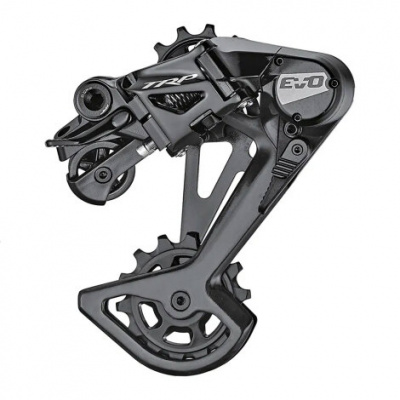
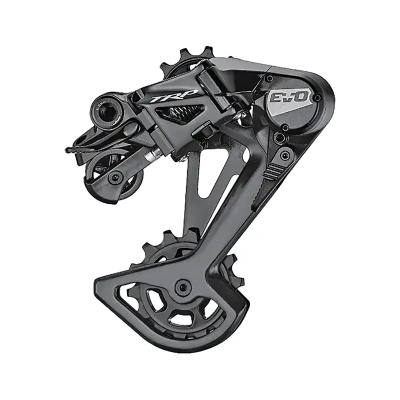
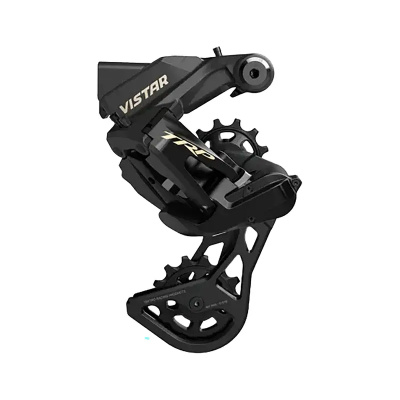
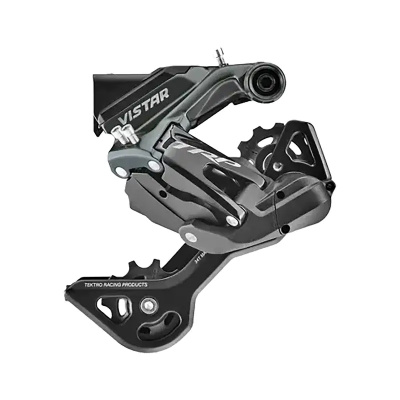
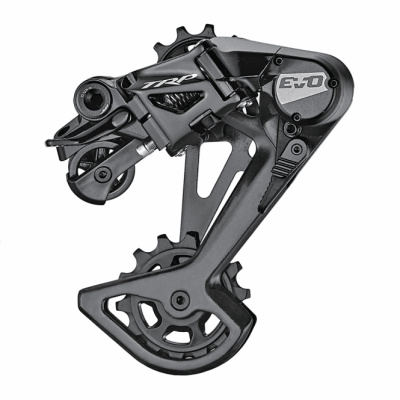
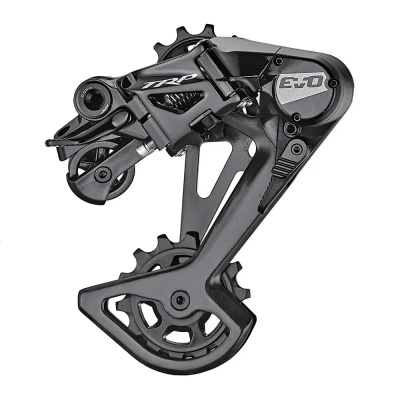
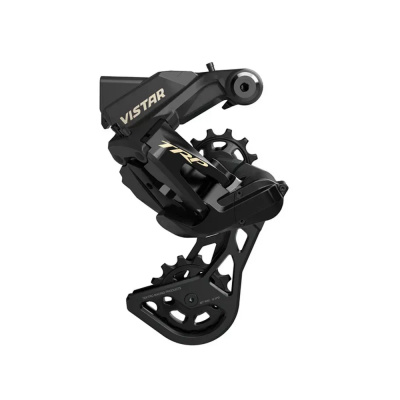
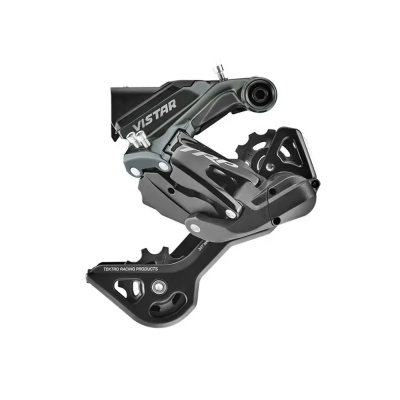
The TRP 12 speed rear derailleur range was developed with World Cup Downhill and Enduro racing squarely in mind - these aren't mechs tuned for smooth tarmac and gentle gradients. Developed in collaboration with Aaron Gwin, TRP's TR12 and EVO12 were built to take punishment that would leave lesser drivetrains rattling into the undergrowth. The headline feature is Hall Lock: a proprietary mechanism that physically clamps the derailleur's B-knuckle to your frame's hanger, stopping any rotation under load and killing chain slap dead on rough, rooty descents. Pair that with an adjustable ratchet clutch and a horizontal parallelogram design that keeps chain gap consistent across all 12 sprockets, and you've got a mech that shifts cleanly even when you're asking it to work hard mid-descent. On wet Welsh trails or greasy Peak District singletrack - where chain slap is basically the soundtrack to every ride - that matters more than most spec sheets suggest. TRP sit outside the big two, but that's a deliberate choice: they offer a genuinely robust alternative for riders whose drivetrains take a regular beating.
Prices and availability can change quickly. Delivery charges are not always included in listed prices.
Final price, stock status and delivery terms are set by retailer. We may receive a commission on purchases made.
Will TRP Fit Your Drivetrain? Compatibility Explained
This is worth getting straight before anything else. TRP 12 speed derailleur compatibility hinges on one key detail: the cable pull ratio is proprietary, which means you need TRP 12-speed shifters to get accurate indexing. Drop in a Shimano or SRAM lever and the indexing will be off - full stop. That said, once you've got TRP shifters in the mix, the rest of the drivetrain is more flexible. TRP 12-speed mechs work with both Shimano and SRAM 12-speed cassettes and chains, handling max cogs up to 52 teeth, which covers the wide-range setups most trail and enduro riders are running. So if you're already on a mixed drivetrain or looking to build one, TRP slots in cleanly on the cassette and chain side - it's the shifter pairing that's non-negotiable. Worth checking your derailleur hanger standard too; TRP uses a UDH-compatible interface on current models, so older proprietary hangers may need an adaptor. To round out your drivetrain build, take a look at our TRP 12 speed cassettes and TRP 12 speed chains pages - running matched components keeps everything dialled and simplifies future servicing.
EVO12 vs TR12: What the Extra Money Actually Gets You
TRP's 12-speed lineup splits into two distinct options, and the difference isn't just cosmetic. The EVO12 is the flagship - it runs a carbon fibre cage that's notably stiffer than the forged aluminium unit on the TR12, which translates to more precise jockey wheel tracking under lateral load. That cage stiffness matters when you're hammering a fast, rocky descent and the drivetrain is taking hits from all angles. The weight saving is real too: the EVO12 trims meaningful grams compared to the TR12, which is relevant if you're building a competition-weight enduro rig or obsessing over overall bike weight.
The TR12, though, is no poor relation. Forged aluminium is genuinely durable - arguably more resistant to impact damage than carbon in a crash scenario - and the TR12 carries all the same core technology: Hall Lock, the adjustable ratchet clutch, and the horizontal parallelogram geometry. Think of it as the workhorse option. It's the one you'd spec on a bike that's going to get used hard all year, potentially chucked in the back of a van every weekend, and not babied. If you're weighing up TRP TR12 vs EVO12, the honest answer is: EVO12 for a dedicated enduro race build or a premium trail bike where weight and stiffness are priorities; TR12 for the rider who wants the same fundamental performance in a tougher, more pragmatic package. Both beat a standard derailleur on chain retention. Neither needs to be treated with kid gloves. For context on how TRP's pricing and spec sits relative to the mainstream, it's worth a look at Shimano 12 speed rear derailleurs and SRAM 12 speed rear derailleurs - TRP competes directly with both at the upper end. Microshift 12 speed rear derailleurs are worth a glance if budget is tight, though the feature set is quite different.
Keeping It Running Through UK Winter: Maintenance That Actually Helps
UK riding is hard on drivetrains. Peak District grit turns jockey wheel bearings into grinding paste by February, and months of wet, muddy riding will gradually reduce clutch tension on any mech - TRP included. The good news is the adjustable ratchet clutch gives you a way to compensate. Two small set screws sit on the clutch cover; turning them clockwise increases friction tension, so as the mechanism wears in you can dial it back up rather than waiting for chain retention to degrade. Do this gradually - a quarter turn at a time - and check how the chain behaves on rough ground before adding more tension.
One thing to do every single time you remove the rear wheel: release the Hall Lock first. It's a simple lever action, but if you forget and try to pull the wheel with the B-knuckle locked to the hanger, you're putting stress through the hanger and potentially bending it. That's an avoidable problem. Get into the habit and it becomes second nature. After muddy rides, rinse the clutch area and the jockey wheels before the mud dries and works its way into the bearings - a quick blast with a low-pressure hose and a re-lube is enough most of the time. When the stock pulleys do eventually wear - and on gritty UK trails they will - replacing them with quality aftermarket options makes a noticeable difference to shifting feel. Check our jockey wheels section for compatible replacements. B-tension is also worth revisiting after any hanger replacement or cassette swap; a couple of millimetres off and shifting on the largest cog becomes sluggish, which gets blamed on the mech when it's actually a setup issue.
TRP 12 Speed Rear Derailleurs FAQs
Is TRP 12-speed compatible with Shimano or SRAM?
TRP 12-speed derailleurs use a proprietary cable pull ratio, so they need TRP 12-speed shifters to index correctly - Shimano or SRAM levers won't give you accurate shifting. On the cassette and chain side, you're fine: TRP mechs run happily with both Shimano and SRAM 12-speed cassettes and chains, up to a 52-tooth maximum cog.
What is the TRP Hall Lock feature on rear derailleurs?
Hall Lock is a lever on the derailleur that physically clamps the B-knuckle to your frame's derailleur hanger. This stops the derailleur body rotating under impact or chain load, which eliminates the chain slap and drivetrain noise you'd otherwise get on rough, rooty descents. Crucially, always release it before removing your rear wheel.
How do you adjust the clutch on a TRP 12-speed derailleur?
There are two small set screws on the clutch cover. Turning them clockwise increases ratchet friction, which is useful as the clutch wears down from regular use in muddy conditions. Work in small increments - a quarter turn at a time - and test chain behaviour on rough ground before adding more tension. It's a straightforward adjustment that extends the working life of the mechanism considerably.