
TRP 12 Speed Chains
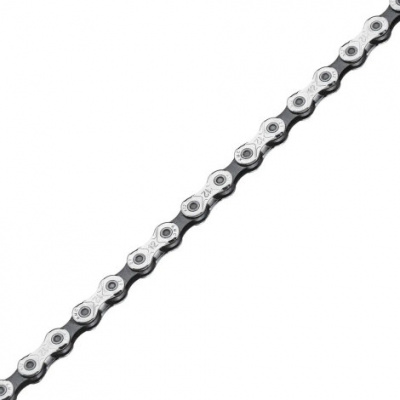
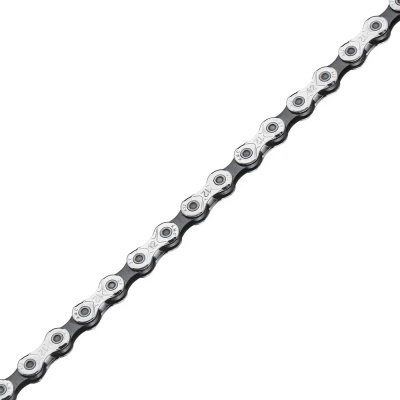
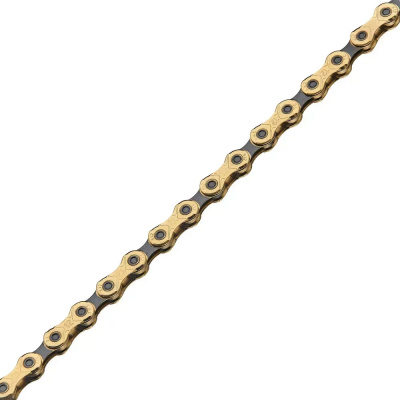
TRP 12 Speed Chains represent the brand's move into a fully integrated drivetrain ecosystem - and if you're running TRP's EVO12 or TR12 groupset, the chain is not the place to cut corners. TRP engineered these chains specifically around the shifting ramps and tooth profiles of their own cassettes and chainrings. Fit a generic alternative and you're leaving performance on the table before you've even clipped in.
The pin riveting process here is built to handle real punishment. We're talking sustained high-torque loads from e-bike motors and the kind of chainslap-and-tension abuse that enduro riding dishes out on every steep, rocky descent. The outer plates use asymmetrical chamfering tuned to TRP's own cassette ramps, so each shift engages cleanly rather than hunting for purchase. These aren't chains that happen to fit - they're chains designed to work as part of a system.
Both the TR12 and EVO12 options come with 126 links as standard, and each uses a directional quick-link that's matched to TRP's Hall Lock derailleur cage geometry. Get the orientation right on installation and the rest looks after itself. Whether you're rebuilding after a muddy Welsh winter or just staying ahead of drivetrain wear, this is where a TRP drivetrain rebuild starts.
Prices and availability can change quickly. Delivery charges are not always included in listed prices.
Final price, stock status and delivery terms are set by retailer. We may receive a commission on purchases made.
What Fits What: Compatibility and Standards Explained
TRP 12-speed chains share the same internal width as other 12-speed standards, so they'll physically seat on most 12-speed cassettes. That's not the same as being optimised for them. The asymmetrical outer plate chamfering on TRP's chains is shaped around the specific ramp geometry of EVO12 and TR12 cassettes. Run one on a Shimano Hyperglide+ cassette or a SRAM Eagle setup and you'll notice hesitant upshifts, increased wear on the ramp teeth, and a drivetrain that never quite sounds or feels settled. The chamfer angles simply don't align.
The chain is also directional - fit it backwards and the shifting pins face the wrong way. That means slower, sloppier gear changes and accelerated wear on your TRP cassette. Check the side plate markings before threading it through the drivetrain. It takes ten seconds and saves a lot of grief later.
The directional quick-link is also specific to TRP's Hall Lock derailleur cage geometry. It's designed to clear the cage without fouling, which matters on compact rear-end designs where clearance is tight. If you're mixing in a KMC quick-link as a spare, be aware it may not seat the same way - carry a genuine TRP link if you're heading out on a longer ride.
TR12 vs EVO12: What the Extra Spend Actually Gets You
TRP's chain range sits across two tiers, and the differences aren't just cosmetic. The TR12 is the workhorse option - solid outer plates and inner plates, standard pin construction, and designed to run reliably across a wide range of conditions. It's the sensible choice for everyday trail riding or for riders who swap chains regularly and don't want to wince at the cost each time.
Step up to the EVO12 and you're getting a more refined package. Surface treatments improve corrosion resistance, which matters on a bike that sees the Brecon Beacons in November. The pins are processed differently - the proprietary pin riveting process used on EVO12 is specifically reinforced for high-torque applications, including e-bike motors and the sustained chain tension that comes from aggressive enduro riding. You also get a modest weight saving through refined tolerances and material selection.
Is the EVO12 worth it? If you're running a full EVO12 groupset, yes - the surface treatments genuinely extend service life in wet, gritty conditions, and the extra pin strength is meaningful if you're on a full-power e-MTB or hammering steep, technical descents on your TRP rear derailleur. If you're building a capable trail bike on a tighter budget, the TR12 does the job and won't let you down. Just check your chain wear more often.
Worth noting: both tiers use the same 126-link count as standard, so the cutting process is identical regardless of which you choose. The roller width is consistent across both - it's the material quality and finishing that separates them.
Keeping a TRP Chain Alive Through a UK Winter
British riding conditions are hard on chains. Peak District grit mixes with water and acts like valve-grinding paste on your inner plate faces and rollers. Welsh mud packs into the links and causes chain suck at the worst possible moment - usually mid-climb on a root-covered trail. You can't avoid the conditions, but you can manage them properly.
First thing to do with a new TRP chain is flush the factory grease. It's a protective coating for transit, not a long-term lubricant, and it picks up grit quickly. A proper degreaser, a rinse, and a dry before applying your chosen lube makes a real difference to how long the chain lasts.
For UK winters, hot wax immersion is the most effective option if you've got the time and patience - it sheds mud well and doesn't attract grit the way wet lubes can. If waxing isn't your thing, a good wet lube applied sparingly to each roller is perfectly fine, but wipe the excess off the outer plates. A chain caked in lube is just a chain caked in mud.
On drivetrain wear: check with a proper chain checker, not by feel. Replace the chain at 0.5% wear. Push past that point and the worn rollers start filing into your TRP chainring teeth and cassette sprockets. A chain costs a fraction of a cassette - catching it early is just basic maths. If you're on an e-MTB or riding high-mileage weeks, check every 200 - 300km rather than waiting for a monthly service.
One practical note: if you're riding in genuinely deep mud, a quick rinse after the ride - even just a hosepipe on a low setting - stops the worst of the grit grinding in while the bike sits in the garage overnight. Takes two minutes and extends chain life noticeably over a winter season.
TRP 12 Speed Chains FAQs
Are TRP 12-speed chains compatible with Shimano or SRAM drivetrains?
Technically they'll fit, but they're not optimised for it. The asymmetrical outer plate chamfering is shaped around TRP EVO12 and TR12 cassette ramps specifically. Mix them with Shimano Hyperglide+ or SRAM Eagle cassettes and you'll see slower shifts and faster wear on both the chain and cassette teeth. Keep it within the TRP ecosystem for the performance the system is designed to deliver.
Are TRP 12-speed chain quick links reusable?
No - TRP 12-speed quick links are single-use only. The locking mechanism is designed to set once under load, and reopening it compromises the retention. Reusing one risks a chain separation under hard pedalling, which is not a situation you want mid-descent. Always fit a fresh link when rejoining the chain, and carry a spare on longer rides.
When should I replace my TRP 12-speed chain?
Replace it as soon as a chain checker reads 0.5% wear - don't wait for 0.75%. Once you're past that point, worn rollers start accelerating wear on the cassette sprockets and chainring teeth. Replacing a chain is cheap; replacing a full TRP drivetrain because the chain ran too long is not. Check more frequently in winter or if you're riding high mileage weeks.