
Shimano 12 Speed Chains
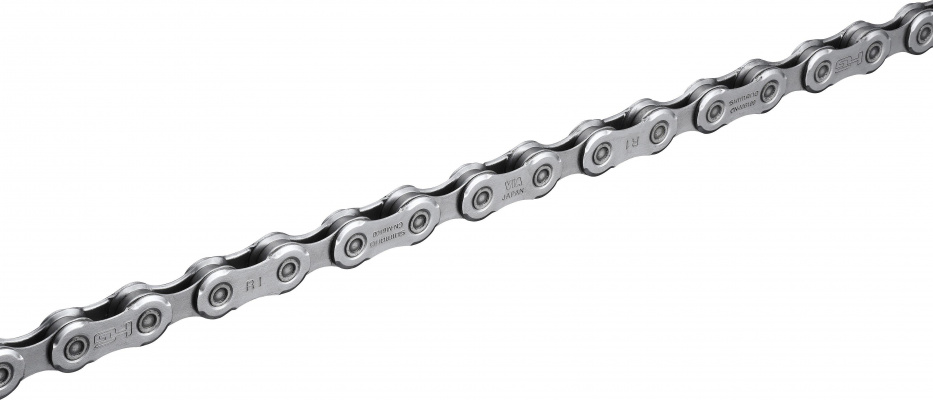
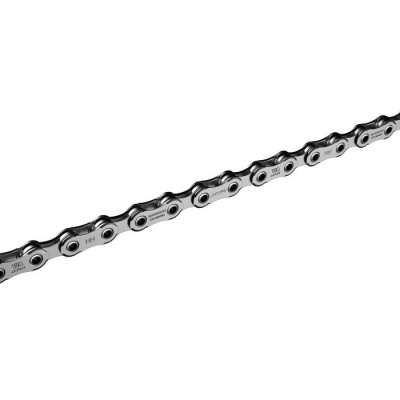
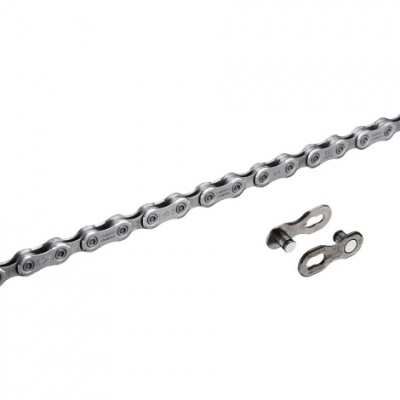
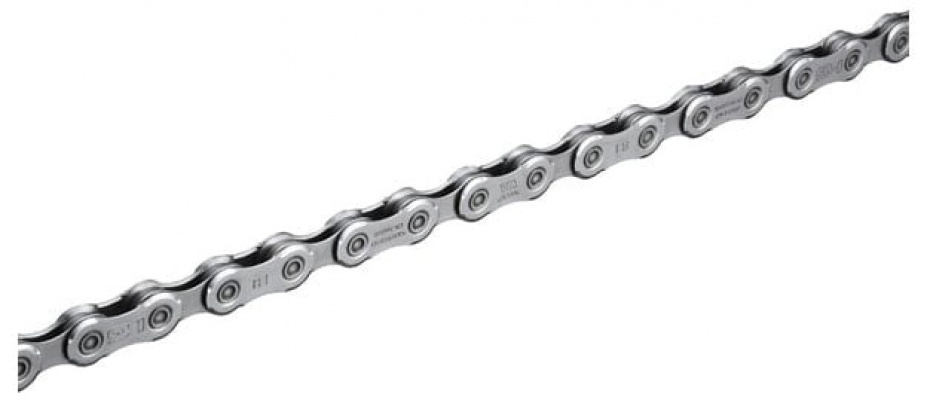
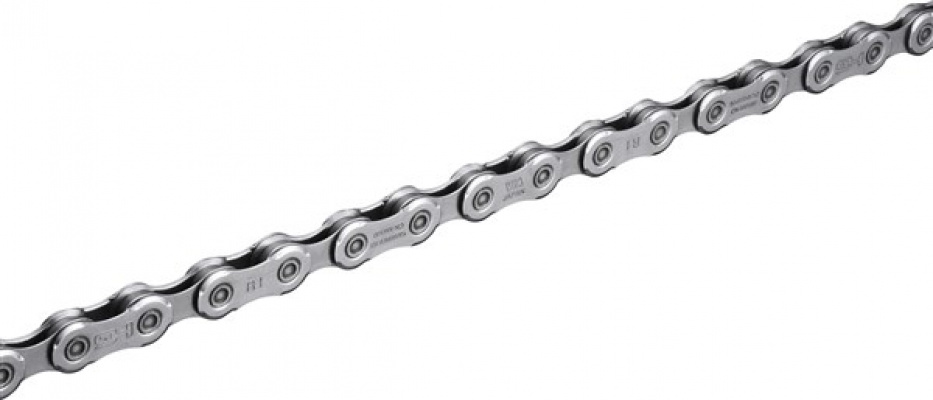
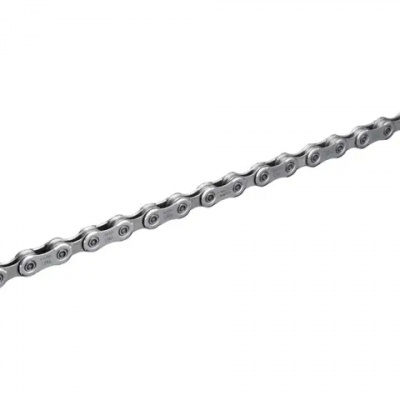
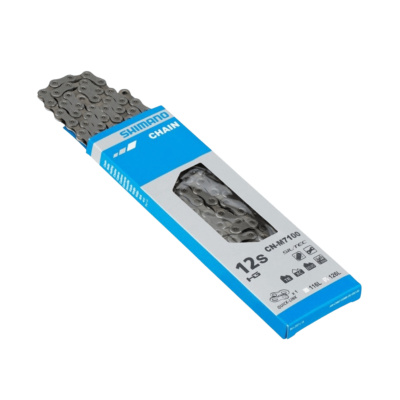
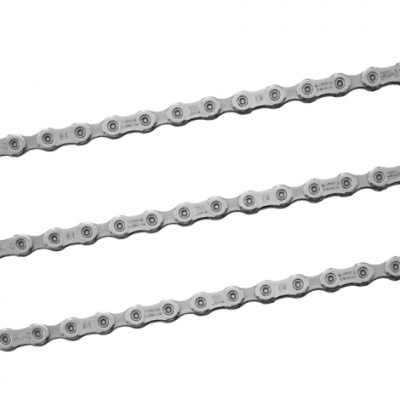
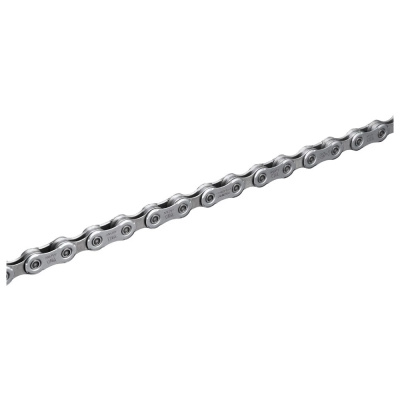
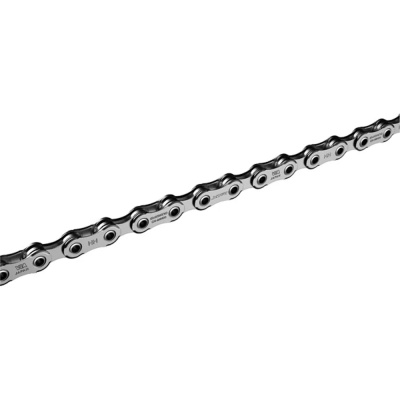
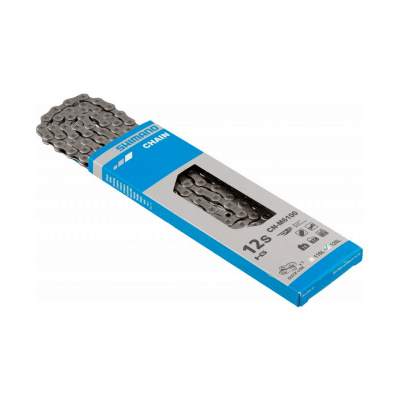
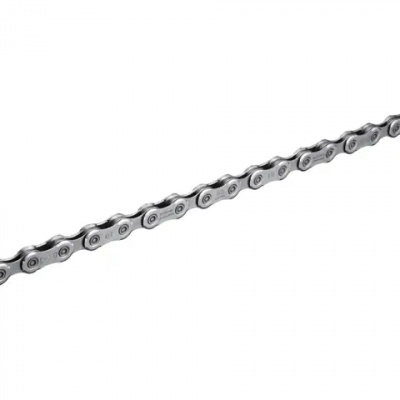
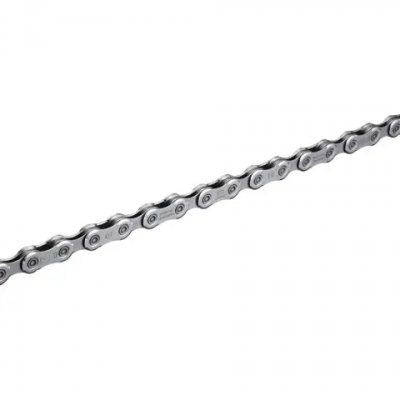
A Shimano 12 speed chain isn't just a consumable you swap out when things get crunchy - it's a precision component engineered to work hand-in-glove with Shimano's Hyperglide+ system. The inner and outer plates are chamfered to exact tolerances so the chain picks up cassette and chainring teeth cleanly, even when you're grinding up a steep Welsh climb with no intention of easing off the pedals. Get this link wrong and the rest of your drivetrain suffers for it.
Shimano produces 12-speed chains across road and MTB groupsets - from Deore and 105 at entry level through to XTR and Dura-Ace at the top. Each tier adds meaningful technology: SIL-TEC PTFE coating for lower friction and longer life, hollow pins for weight reduction, and a chromizing treatment on top-end rollers that resists wear in the kind of gritty, wet conditions that UK riding dishes out week after week. Choosing the right chain protects a cassette that costs considerably more to replace.
Whether you're running a road bike on the Surrey Hills or an MTB through the Peak District in January, the chain you pick matters more than most riders give it credit for. Here's what you need to know before you buy.
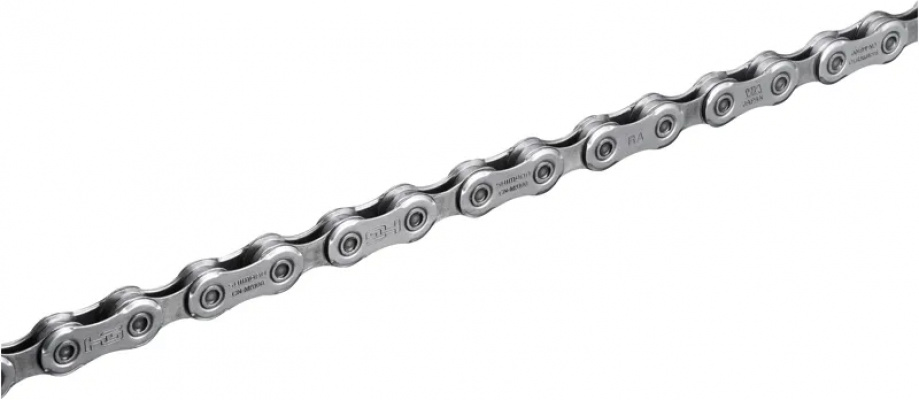
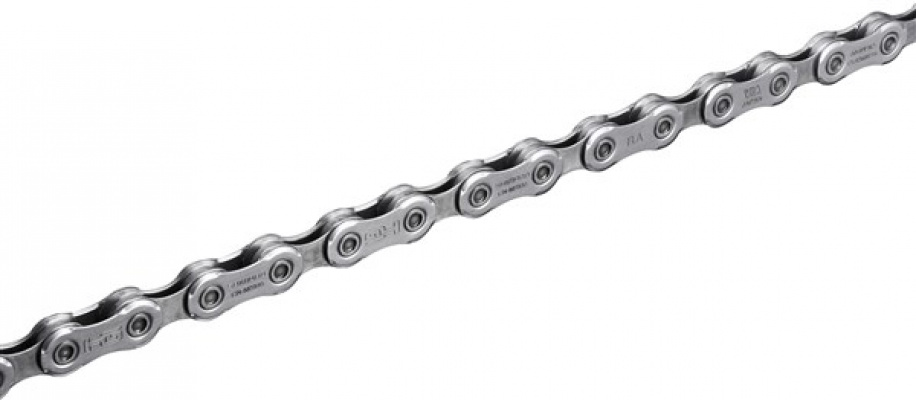
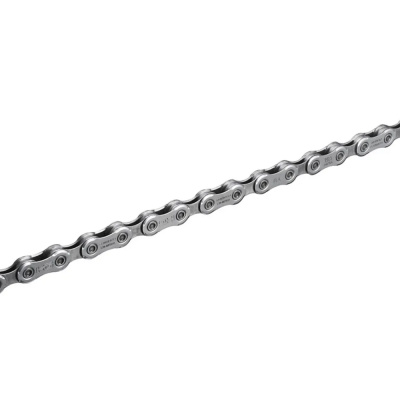
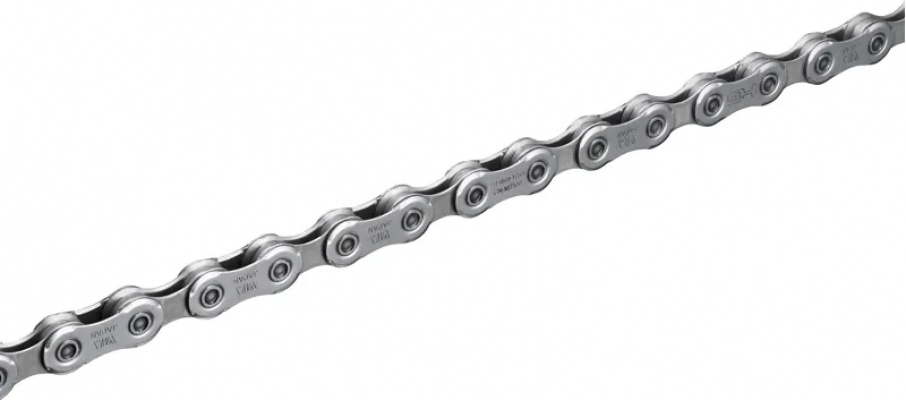
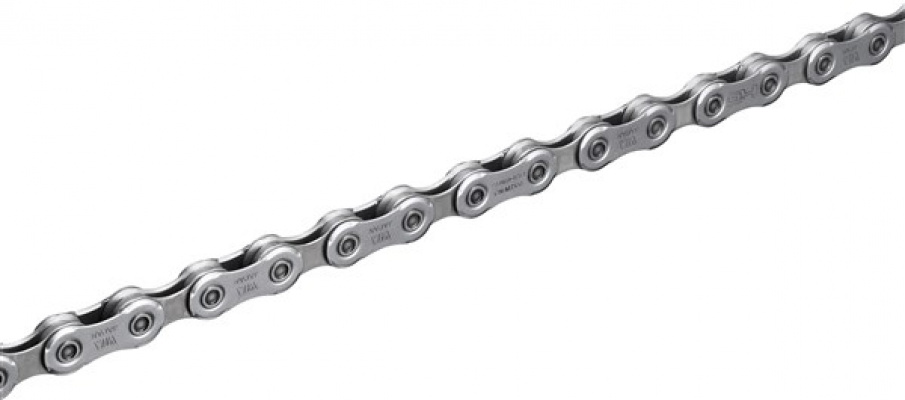
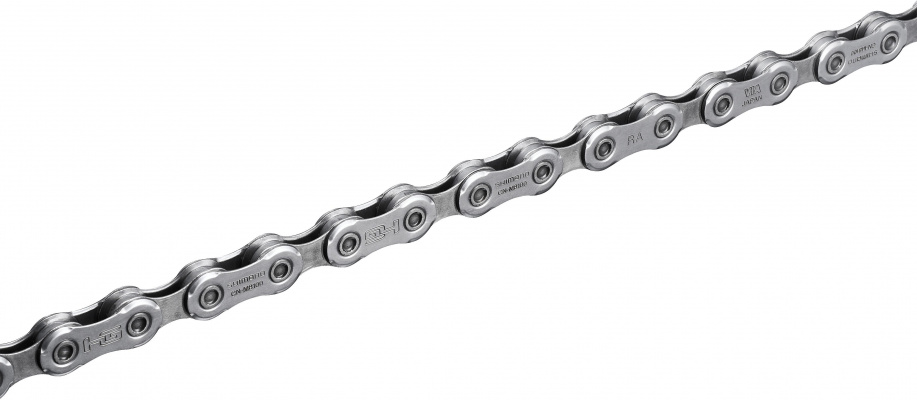
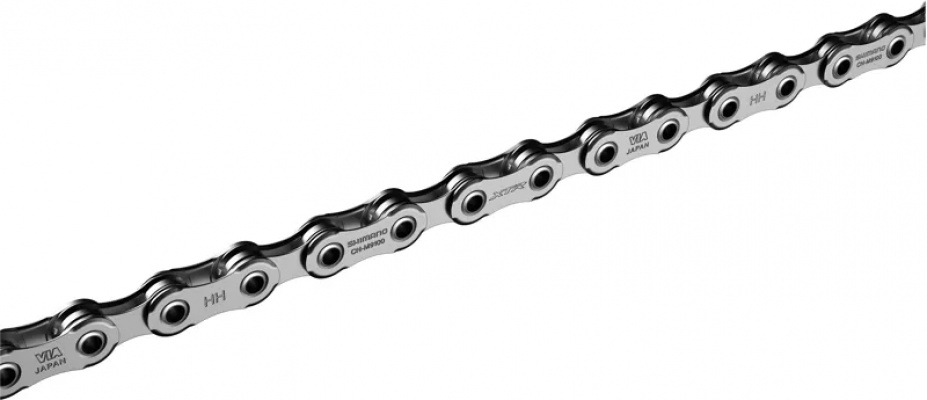
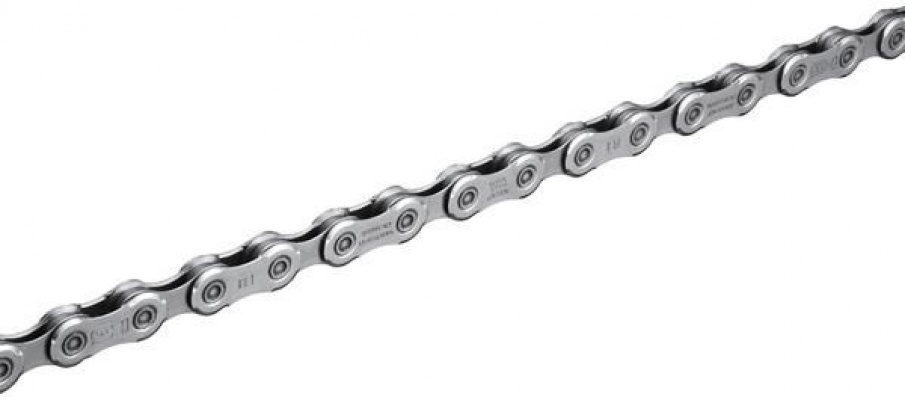
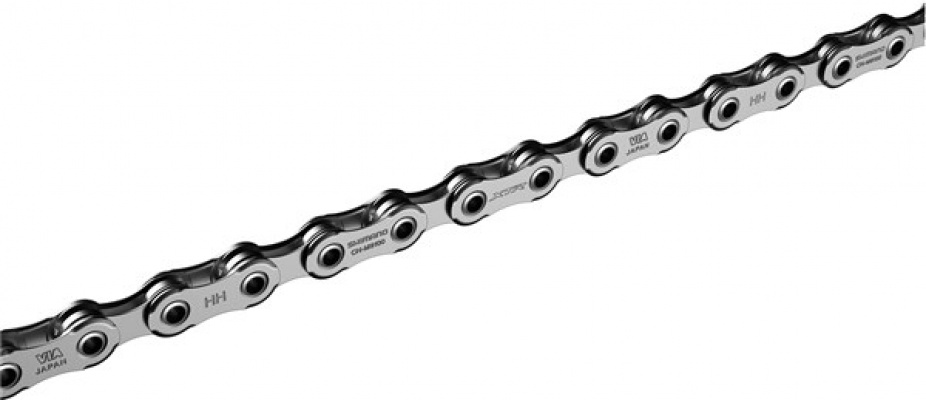
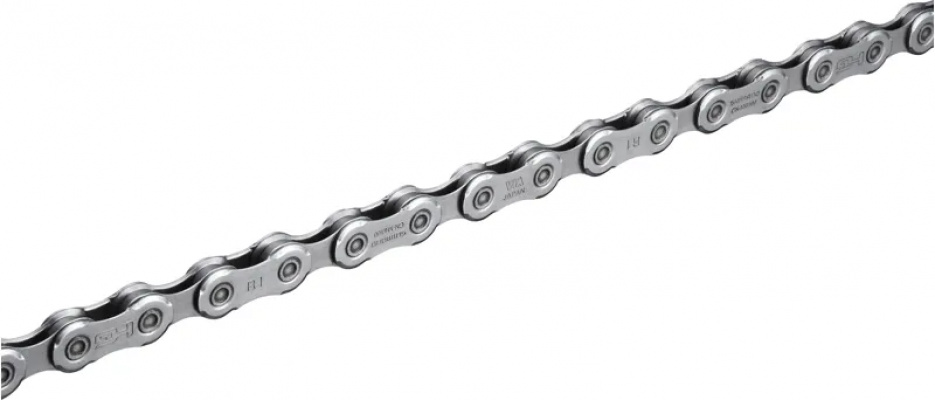
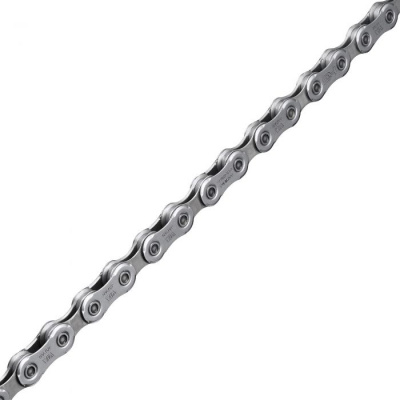
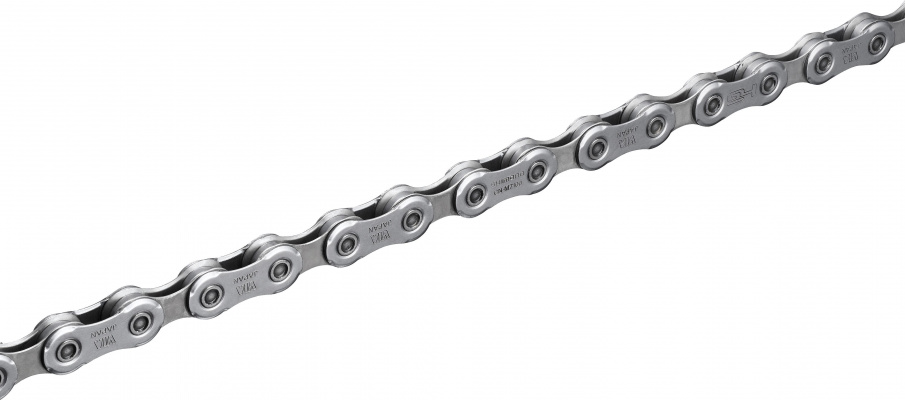
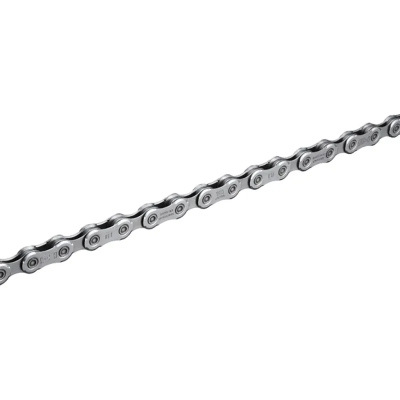
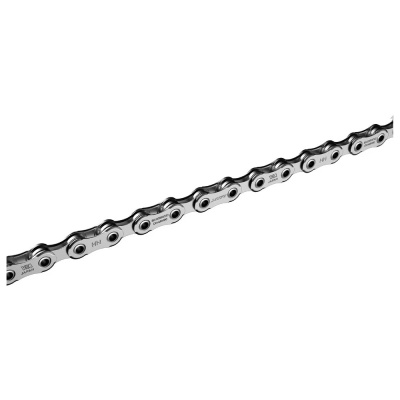
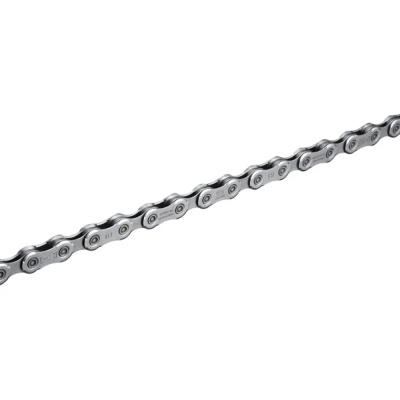
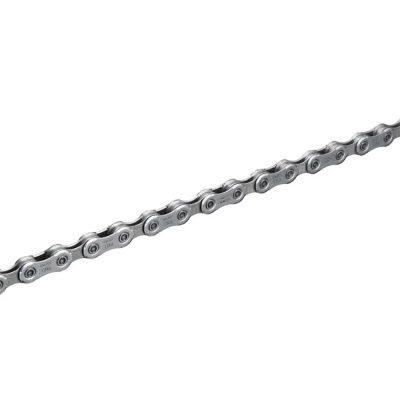
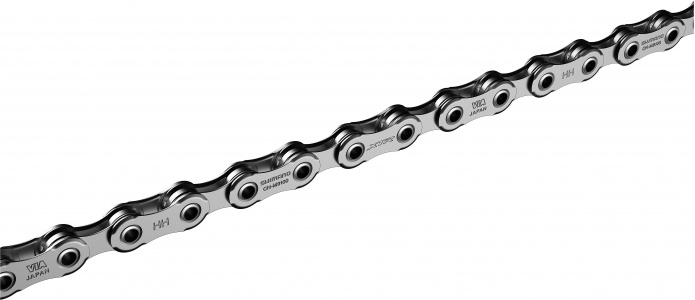
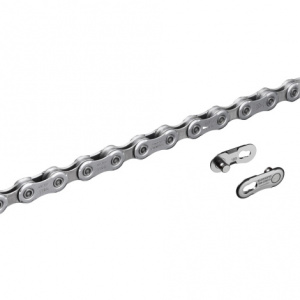
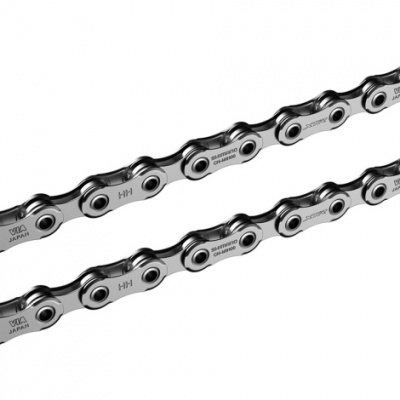
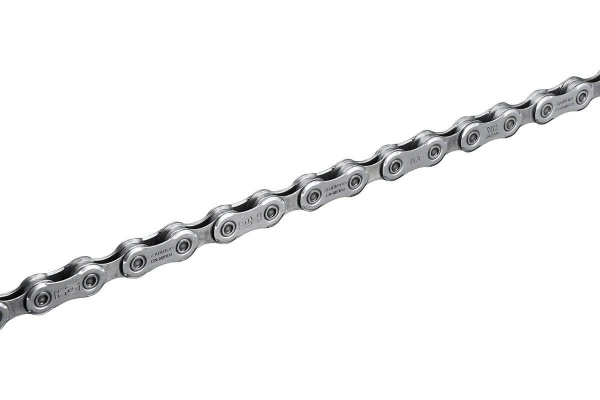
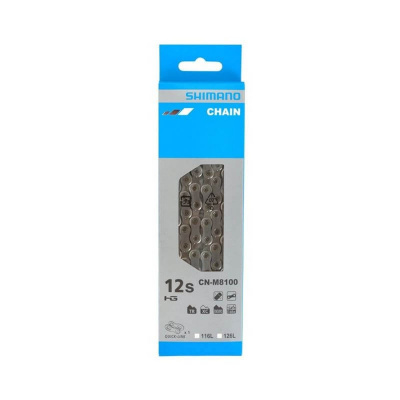
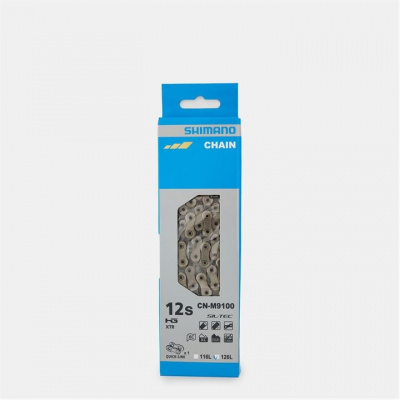
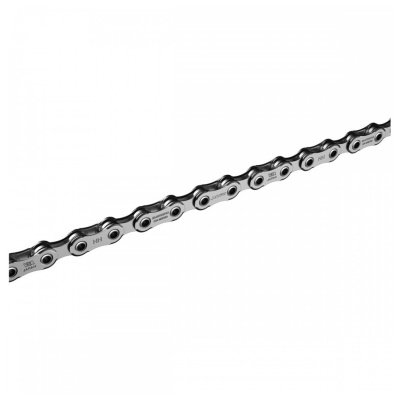
Prices and availability can change quickly. Delivery charges are not always included in listed prices.
Final price, stock status and delivery terms are set by retailer. We may receive a commission on purchases made.
Compatibility and Standards: Getting the Right Fit
One of the most useful things to know about Shimano 12 speed chain compatibility is that road and MTB variants are dimensionally identical. The same chain pitch and inner plate width runs across Dura-Ace, Ultegra, 105, XTR, XT, SLX, and Deore. Fit an XTR chain to an Ultegra road groupset and it'll work perfectly - the Hyperglide+ plate profiling is shared across the entire 12-speed family. That's genuinely useful if you're mid-build and have a spare chain knocking about.
What isn't flexible is direction. All Shimano 12-speed chains are directional chains - the stamped logos on the outer plate must face away from the bike on installation. Fit one backwards and you'll notice it immediately in your shifting. It's one of those things that's easy to miss in a dimly lit garage, so check before you close the Quick-Link. Speaking of which, Shimano specifies a new Quick-Link for each installation - reusing the old one isn't advised.
The compatibility question that causes more confusion is third-party chains. Alternatives from KMC 12 speed chains will fit physically, but they lack Shimano's proprietary Hyperglide+ inner and outer plate profiling. Under load - the exact moment you're sprinting or grinding - that profiling is what keeps shifts crisp. A non-Shimano chain won't break your drivetrain, but you'll feel the difference when it matters. Similarly, SRAM 12 speed chains use a different standard entirely and aren't compatible with Shimano's HG+ cassettes.
One more note: don't run a Shimano 12-speed chain on an 11-speed groupset and expect smooth results. The narrower outer width creates clearance issues with Shimano 11 speed cassettes and the plate profiling simply doesn't match. Stick to the correct generation.
What the Price Tiers Actually Buy You
There's a clear logic to how Shimano structures its 12-speed chain range, and it's worth understanding what each step up the ladder actually adds - rather than just paying more because the groupset demands it.
Deore (M6100) and entry-level 105 chains use standard zinc-nickel plating. Functional, perfectly adequate for fair-weather use, but they'll wear quicker in gritty conditions and friction is higher than the coated tiers. Fine for summer miles, less ideal if your bike lives outside from October to March.
Step up to SLX or mid-range 105 and you get SIL-TEC coating on the inner plates. That's Shimano's PTFE-based surface treatment - think of it as a factory-applied friction reducer that's far more effective than standard plating. The chain runs quieter, picks up lube more efficiently, and the inner plates resist wear for noticeably longer.
XT and Ultegra chains extend SIL-TEC to both the inner and outer plates. That's the point where you start getting meaningful gains in drivetrain efficiency and longevity across the whole chain, not just the inner contact surfaces. For most riders - road or MTB - this is the tier that makes the most sense. The price jump from here to the top isn't trivial.
XTR and Dura-Ace chains add two things the lower tiers don't have: hollow pins for marginal weight savings, and a chromizing treatment on the link pins and rollers. Chromizing is a genuine hardening process, not just a surface coat - it significantly increases resistance to abrasive wear. If you're racing or riding high mileage in hostile conditions, it's worth it. For most club riders, XT or Ultegra is the more honest choice. Spend the difference on a quality wet lube and a spare chain.
Surviving UK Grit: Chain Wear in the Real World
UK B-roads and trail riding create a particularly hostile environment for narrow 12-speed chains. Water mixes with silica grit to form an abrasive slurry that gets into the rollers and pins and starts grinding from the inside out. Because 12-speed chains run to tighter tolerances than older 10 or 11-speed designs, the wear threshold is correspondingly less forgiving.
The standard advice of replacing a chain at 0.75% wear was designed around older, wider chains. For 12-speed, check at 0.5% stretch and replace at that point. It feels early - and it is, compared to what you might be used to - but catching it there means your cassette survives. A worn cassette costs several times more than a chain. It's not a difficult call once you've replaced a cassette prematurely and felt the financial sting.
Factory grease also washes out faster than most riders expect in UK winters. A freshly unboxed chain that goes straight onto a wet ride in the Peaks will lose most of its factory lubricant within an hour. Strip and re-lube before the first ride if you're heading out in wet weather - a proper wet lube or hot-wax treatment will outlast factory grease significantly in those conditions.
For everything you need to keep your chain running properly - lube, wear indicators, and replacement quick links - head to our Shimano tools category for chain measurement tools and installation kit. We'd also point you toward our oil and lube and chain quick links sections for maintenance consumables - getting those right is just as important as the chain itself.
The Dynamic Chain Engagement+ system that underpins Shimano's 12-speed shifting is only as good as the chain feeding into it. Keep the chain clean, measure it regularly, and replace it on schedule - that's the cheapest way to protect a drivetrain that cost real money.
Shimano 12 Speed Chains FAQs
Are Shimano 12-speed road and MTB chains the same?
Yes - dimensionally and functionally identical. Shimano 12-speed road and MTB chains share the same chain pitch, inner plate width, and Hyperglide+ plate profiling, so you can run an XTR chain on a Dura-Ace groupset or an Ultegra chain on an XT drivetrain without any compromise in performance.
Do Shimano 12-speed chains have a direction?
They do, and it matters. All Shimano 12-speed chains are directional - the stamped logos on the outer plates must face away from the bike. Installing one backwards produces noticeably degraded shifting, particularly under load, so it's worth double-checking before you close the Quick-Link.
Can I use a KMC 12-speed chain on a Shimano drivetrain?
Physically it'll fit, but KMC chains don't replicate Shimano's Hyperglide+ inner and outer plate profiling. Day-to-day riding will feel reasonable, but shifting under hard pedalling load - the situation where that profiling does its job - will be noticeably less precise than a genuine Shimano chain.