
SRAM 12 Speed Cassettes
SRAM 12 speed cassettes sit at the heart of one of cycling's most complete drivetrain ecosystems - whether you're wrestling a 10-52t Eagle setup up a boggy Peak District climb or trying to hold a wheel on a fast road sportive with tightly spaced AXS gearing. SRAM pushed 1x drivetrains into the mainstream, and their 12-speed range is the reason most riders stopped worrying about a front mech.
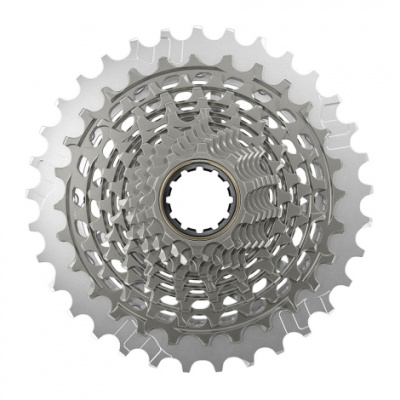
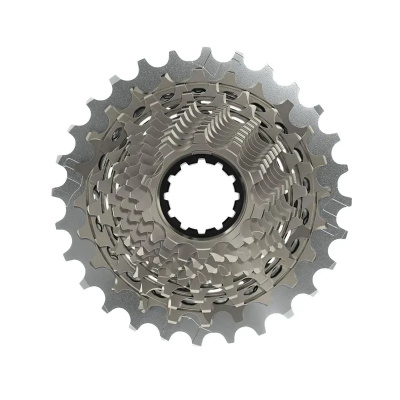
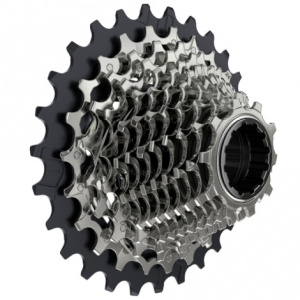
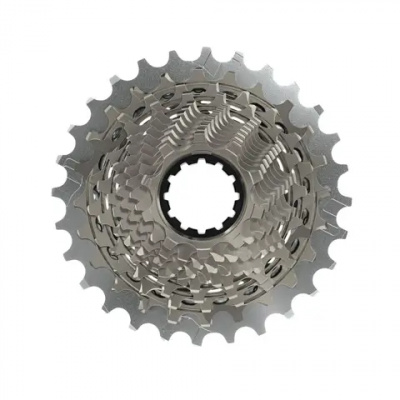
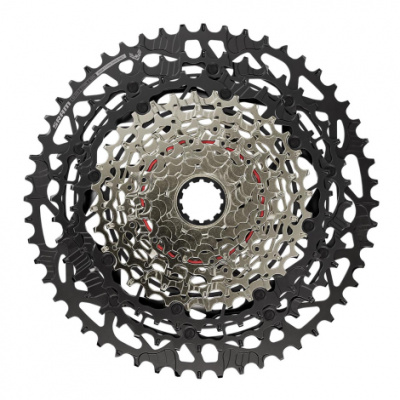
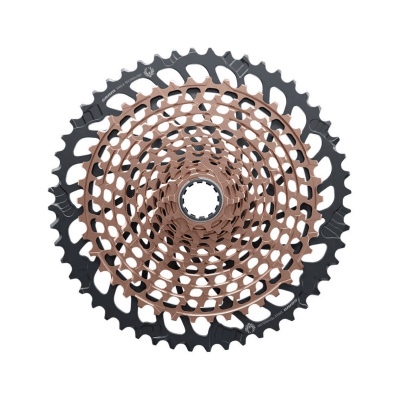
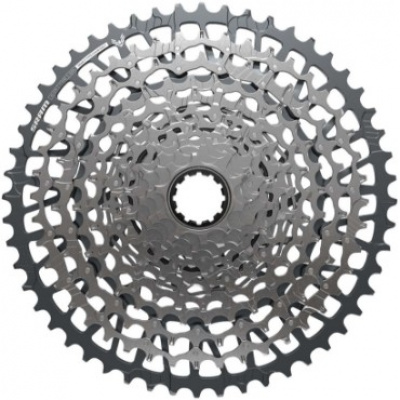
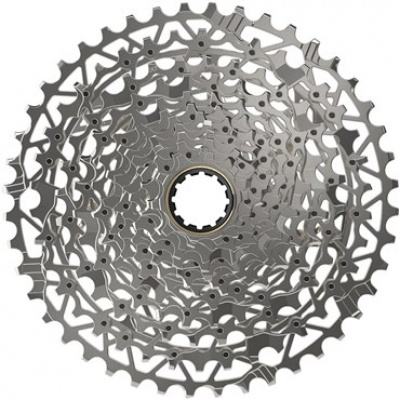
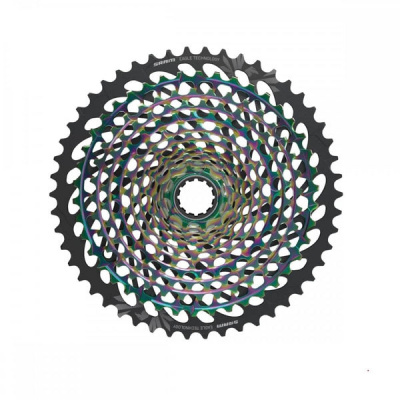
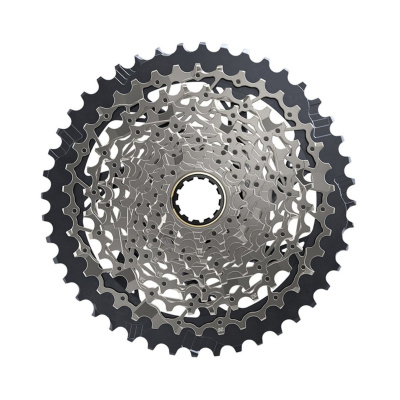
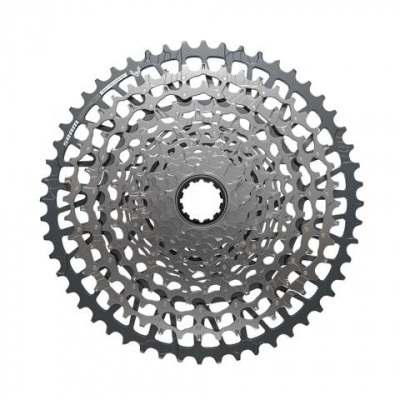
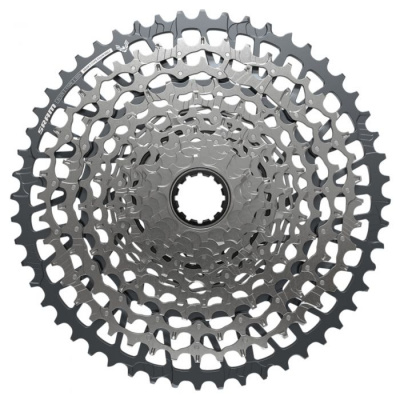
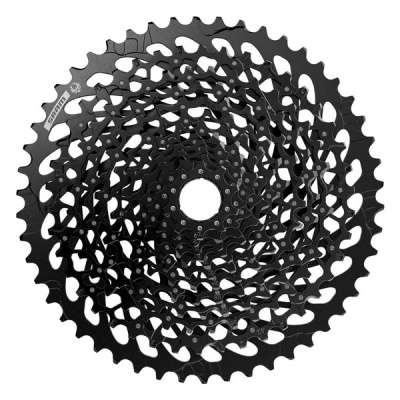
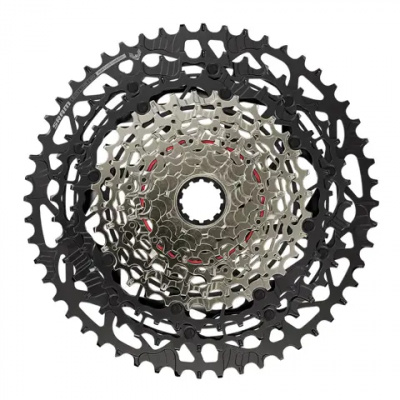
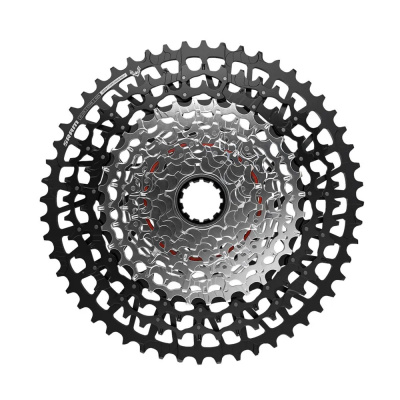
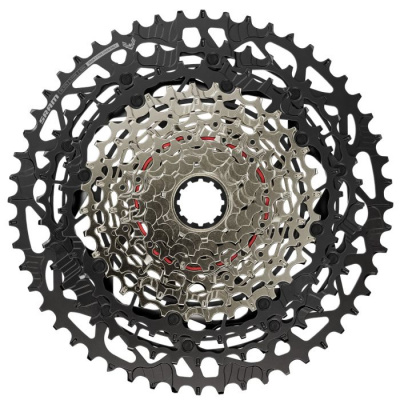
The cassette lineup spans everything from affordable stamped-steel options that bolt straight onto a standard freehub, through to featherweight X-Dome units machined from a single block of billet steel. Full Pin construction at the mid tiers drops serious grams over the entry-level stuff. On T-Type Transmission builds, X-Sync tooth profiling lets the system shift cleanly even when you're grinding hard out of the saddle - no feathering the pedals needed.
Before you buy, the single most important thing to check is your freehub standard. Get that wrong and the cassette simply won't fit. The ecosystem split between Eagle MTB, T-Type Transmission, and Road AXS also matters - each uses a different chain profile, so mixing them up causes problems fast. We'll walk you through all of it below.


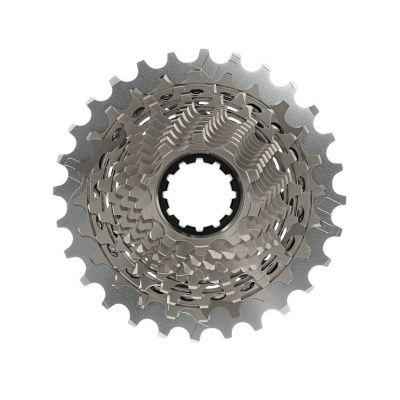
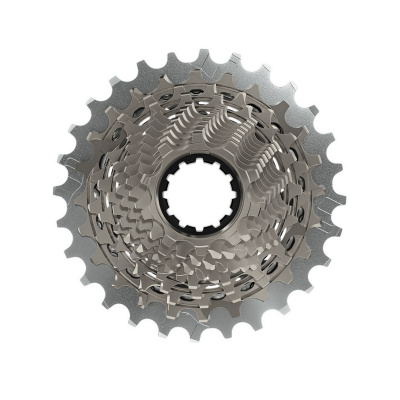
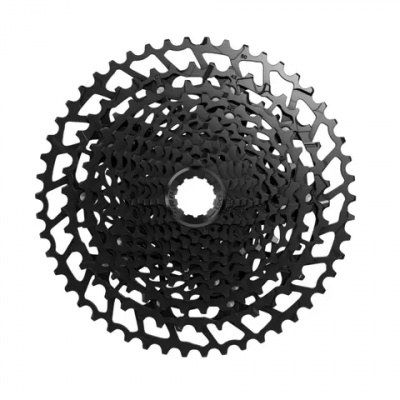
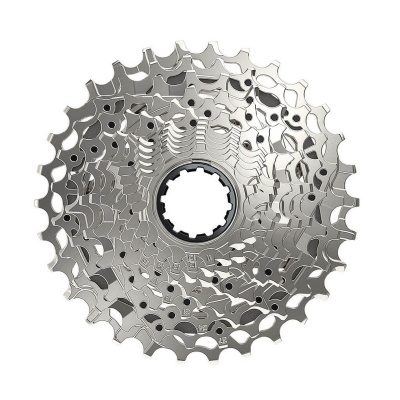


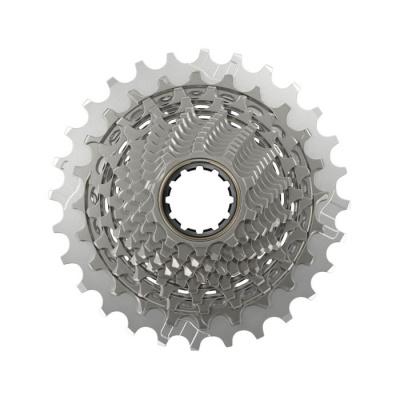
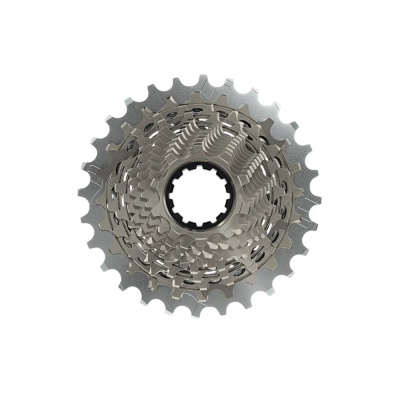
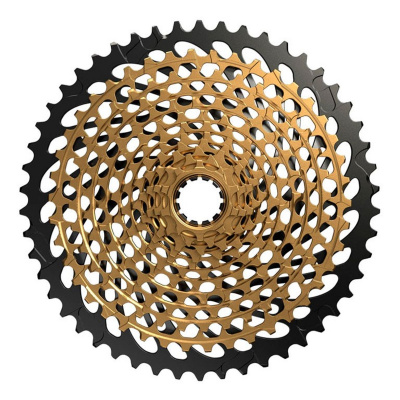
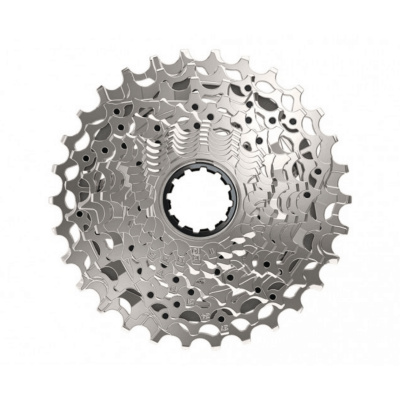
Prices and availability can change quickly. Delivery charges are not always included in listed prices.
Final price, stock status and delivery terms are set by retailer. We may receive a commission on purchases made.
Freehub Standards and What Fits Where
This is where most upgrade mistakes happen, so it's worth being methodical. The majority of mid-to-high-end SRAM 12-speed cassettes - everything from GX Eagle upwards - require either an XD driver (MTB) or an XDR freehub (road) to work. Both standards exist specifically to accommodate a 10-tooth small cog, which isn't possible on a traditional Shimano HG splined freehub. If your hub is currently running a Shimano-pattern freehub body, you'll likely need to swap it before fitting a GX cassette or above.
The XD and XDR bodies look similar but aren't identical. XDR is 1.85mm longer to suit road dropout spacing, so if you're fitting an XD cassette onto an XDR body you'll need a spacer - SRAM supplies one, but don't lose it. Going the other direction won't work without modification.
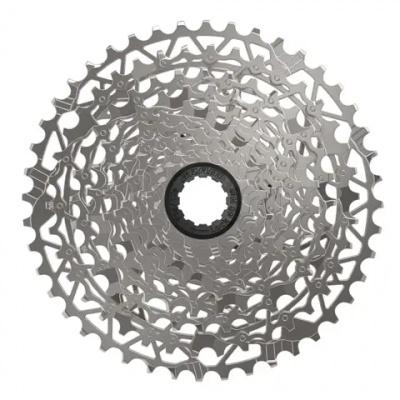
The good news for riders on older wheels: NX Eagle and SX Eagle cassettes are deliberately designed around the Shimano HG spline standard. They run an 11-tooth small cog rather than 10-tooth, and while that's a marginal difference in top-end speed, it means you can run Eagle-width gearing on a hub you already own. Useful if you're upgrading a budget hardtail without replacing the wheelset. Need to swap your freehub body to fit a higher-end SRAM cassette? Check our SRAM tools section for the correct cassette lockring tools while you're at it.
On the road side, the Eagle Transmission and Road AXS ecosystems are entirely separate. T-Type cassettes require T-Type-specific chains with a different roller profile - fitting a standard Eagle chain will cause poor indexing and accelerated wear. Road AXS runs a Flattop chain with a flatter outer link profile optimised for tight cog spacing. These are not interchangeable with MTB chains, regardless of speed count.
Picking Your Tier: What the Price Difference Actually Buys You
SRAM's cassette range climbs through four meaningful tiers, and the jumps between them aren't just about bragging rights.
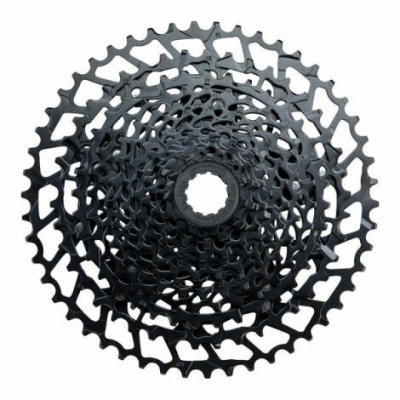
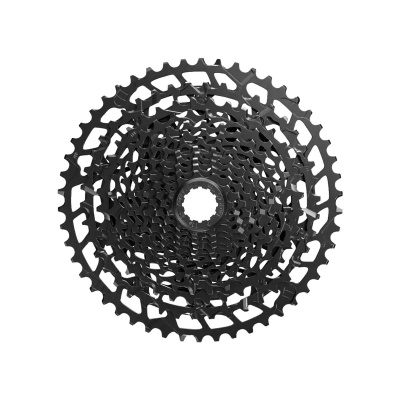
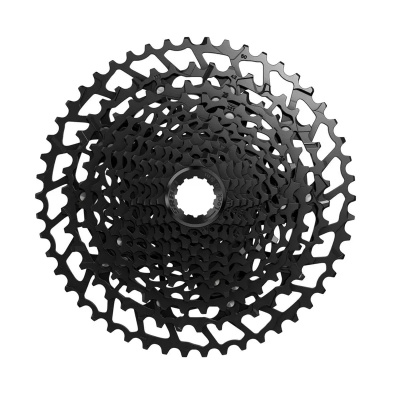
SX and NX Eagle sit at the bottom. Stamped steel throughout, heavier than the tiers above, and fitted to standard HG freehubs. They work, they're tough enough, and for a first 1x build or a winter bike you want to batter, they make sense. Don't expect them to shed clay particularly quickly - the pinned construction traps mud - but a firm brush-down after a ride sorts it.
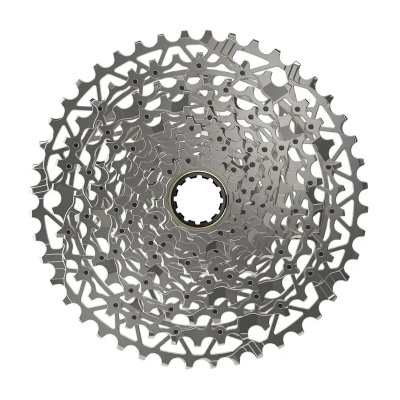
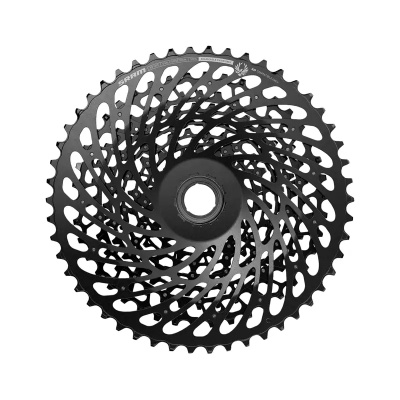
GX Eagle is where Full Pin construction arrives. Instead of separate cog carriers, high-strength stainless steel pins hold the cogs together in a more open structure. The weight drop over NX is substantial, and the cassette clears grime more readily. Requires an XD driver, which is the nudge to upgrade your freehub if you haven't already. For most riders doing regular trail riding - Afan, Glentress, or your local bridleway loop - GX represents the most sensible spending.
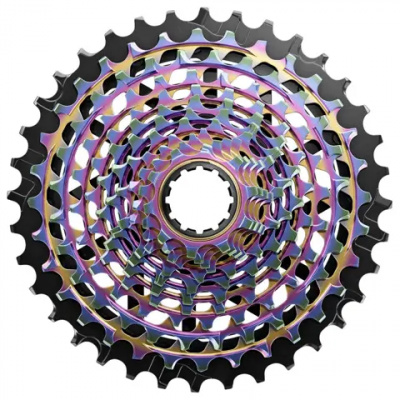
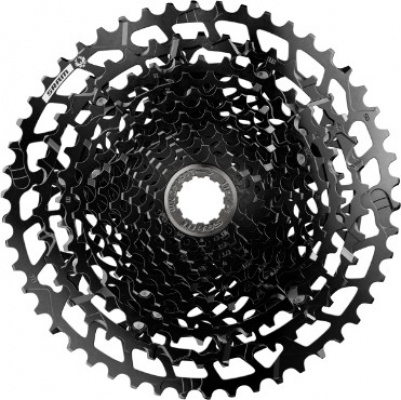
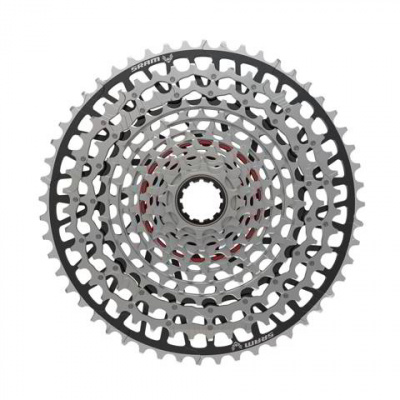
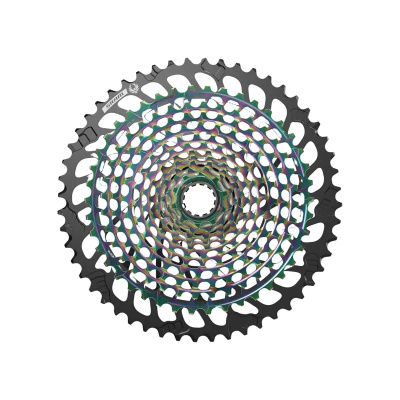
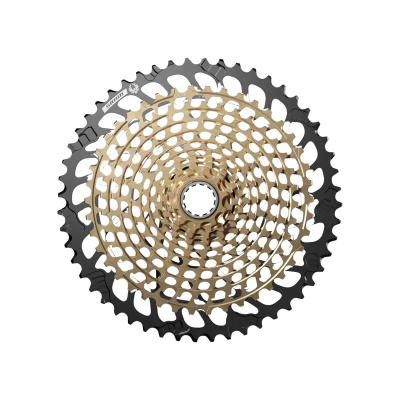
X01 and XX1 Eagle use X-Dome architecture: the upper cog cluster is machined from a single billet steel block rather than assembled from individual cogs. That process removes material in a way stamping can't, which means more mud clearance, less rotational weight, and a stiffer assembly that resists flex under hard pedalling loads. XX1 adds titanium nitride coating on the steel cogs, which hardens the surface and extends wear life noticeably. If you're running a high-end SRAM groupset already, the cassette should match - mismatching tiers doesn't break anything, but you're leaving shifting performance on the table.
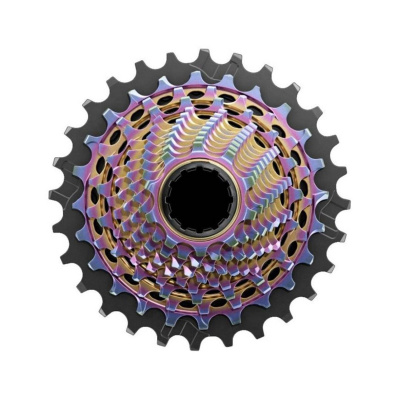
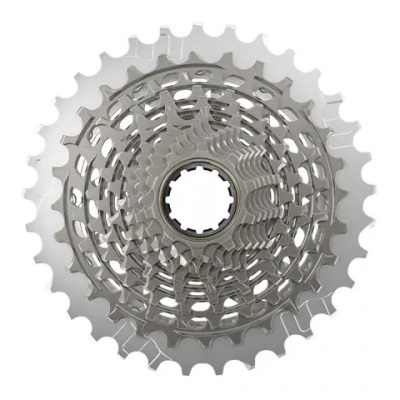
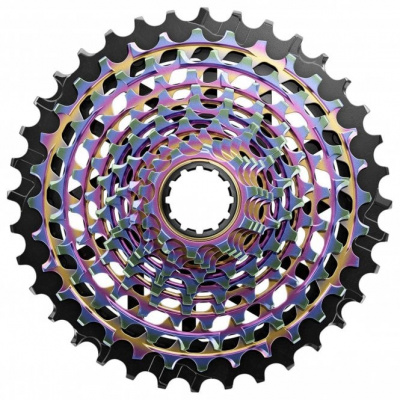
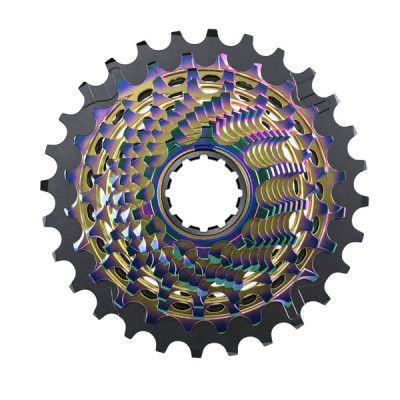
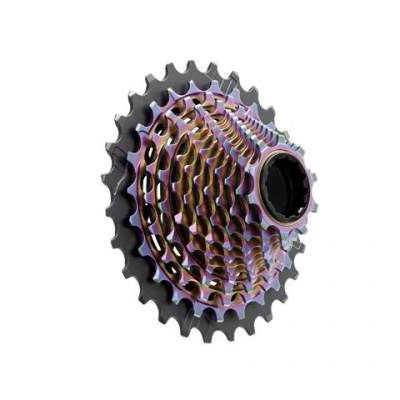
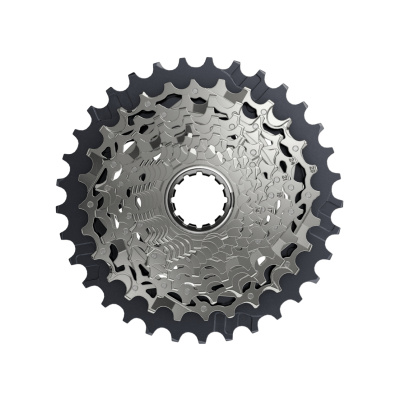
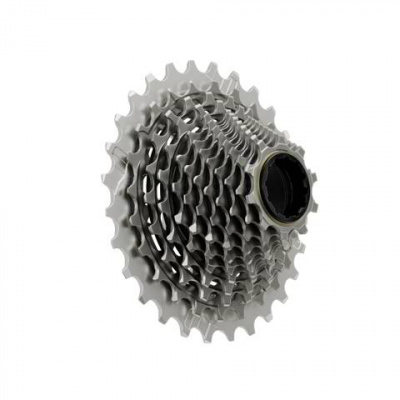
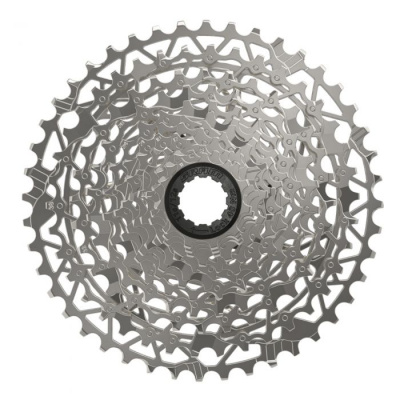
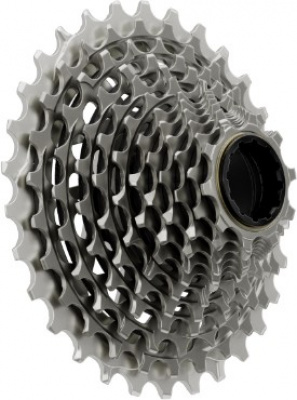
On the road, Rival AXS cassettes use nickel-chrome plated steel throughout - heavier, but durable. Force and Red AXS step up to Mini Cluster and X-Dome construction, mirroring the MTB hierarchy. The road range is worth comparing against Campagnolo 12-speed cassettes and Shimano 12-speed cassettes if you're building a road bike from scratch and aren't committed to SRAM's ecosystem.
For riders wanting wider range without SRAM's price points, Garbaruk 12-speed cassettes offer aftermarket XD-compatible options worth considering, particularly if you want an unusual range combination.
Keeping Your Cassette Alive Through a UK Winter
A quality SRAM cassette is a significant investment - the kind of thing you want to last more than one muddy season. The biggest enemy isn't the mud itself; it's chain wear running unchecked against expensive cogs.
Replace your SRAM 12-speed chain at 0.5% wear, not 0.75% or 1.0%. By the time a 12-speed chain reads 0.75% on a checker, it's already begun accelerating cassette wear. On an X01 or XX1 cassette that cost three figures, a cheap chain replacement every few months is a straightforward calculation. Riding through Peak District grit paste - that brown, abrasive slurry that coats everything from November to March - compresses the timeline further. Grit acts as lapping compound between chain and cog, and you'll feel the results as skipping under hard pedalling effort long before the teeth look visibly worn.
The largest cogs on high-end SRAM cassettes are often aluminium for weight, and they wear faster than the steel cogs lower in the cluster. Cross-chaining - running the big cog with the chainring in a line that creates lateral chain angle - concentrates that wear. Use your rear derailleur's range properly and avoid the extremes.
X-Dome cassettes genuinely are easier to clean than Full Pin units in heavy clay. The open machined structure lets water and a brush get between the cogs properly. With a pinned cassette, particularly if you ride Welsh trails where the clay is dense and sticky, you'll want to soak and agitate rather than just spray. Either way, dry and re-lube before the cassette sits overnight.
If you run a T-Type Transmission build, the system's tolerance for chain tension variation is tighter than standard Eagle - keep your chainring bolts torqued and the chainring free of bent teeth, otherwise the X-Sync profiling can't do its job cleanly.
SRAM 12 Speed Cassettes FAQs
Are all SRAM 12-speed cassettes interchangeable?
No - and it matters more than you'd think. Eagle MTB, T-Type Transmission, and Road AXS cassettes all use different chain profiles, roller dimensions, and cog spacing. Fitting the wrong chain to a cassette doesn't just shift badly; it can damage the drivetrain quickly. Always match cassette, chain, and derailleur within the same SRAM ecosystem.
Do I need an XD or XDR freehub for a SRAM 12-speed cassette?
For GX Eagle and above, yes - these cassettes require an XD driver (MTB) or XDR freehub (road) to fit the 10-tooth small cog. NX and SX Eagle are the exceptions: they're built around the standard Shimano HG spline with an 11-tooth small cog, so they'll fit most existing hubs without modification.
When should I replace my SRAM 12-speed cassette?
Replace it when a fresh chain skips under load, or when the teeth look pointed and hooked rather than square. To avoid reaching that point on an expensive cassette, swap your chain at 0.5% wear - that's the number that preserves the cogs. Leave it to 0.75% or beyond and you're borrowing time against a much pricier replacement.