
Shimano 12 Speed Front Derailleurs
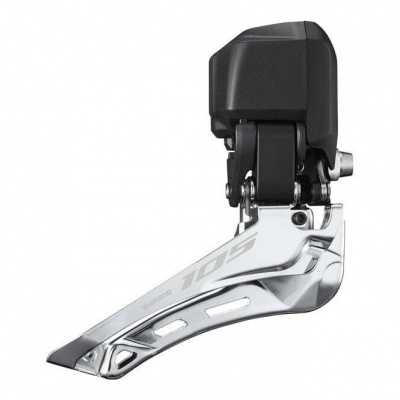
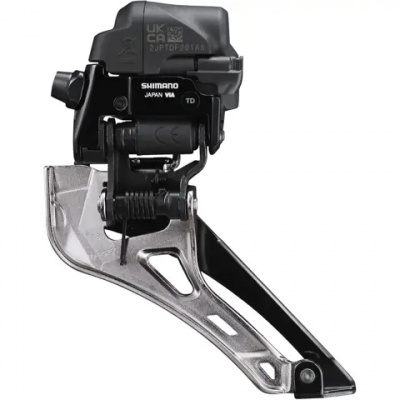
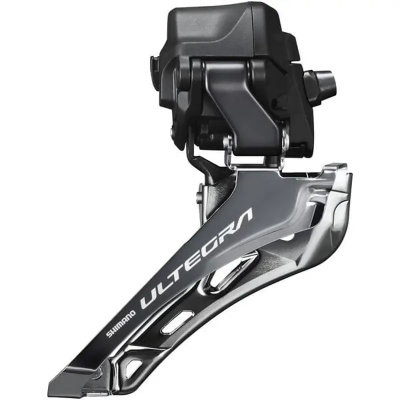
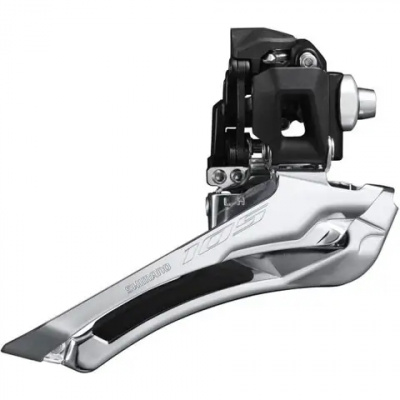
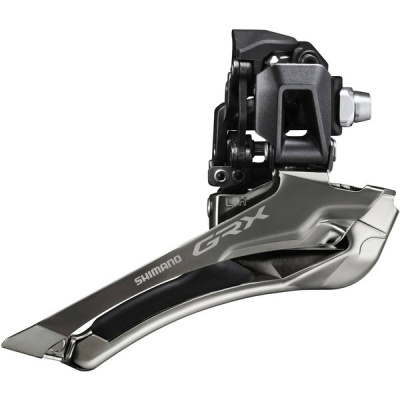
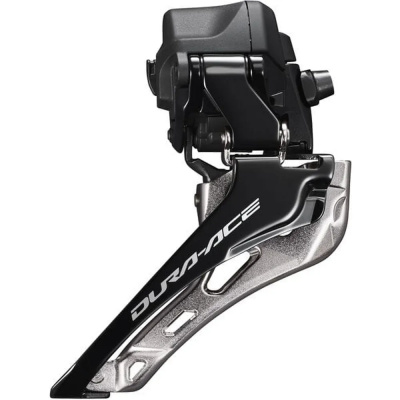
Getting clean, rub-free front shifts on a 12-speed drivetrain starts with the right mech, and the Shimano 12 speed front derailleur range covers everything from electronically trimmed road racing to claggy winter trail riding. Whether you're running Di2 on a road bike or a mechanical 2x12 setup on an MTB, Shimano's engineering is tight: narrower cages matched to 12-speed chain width, Hyperglide+ shifting profiles that handle under-load transitions without drama, and auto-trim on electronic models that quietly kills chain rub without you lifting a finger.
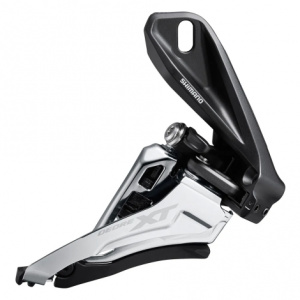
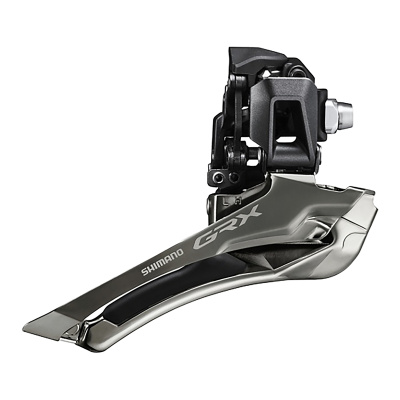
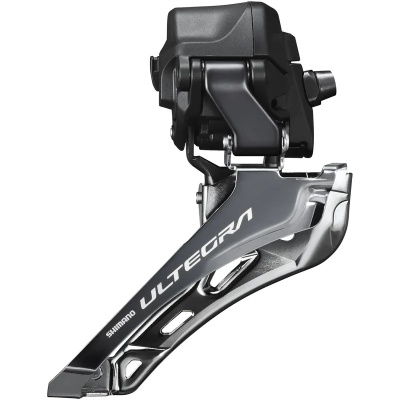
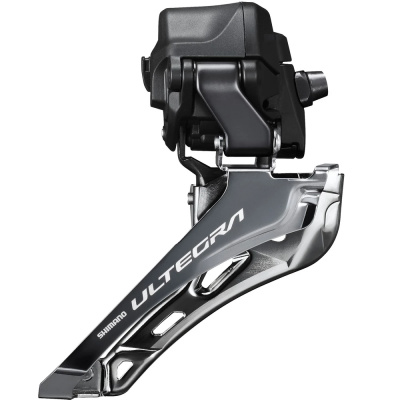
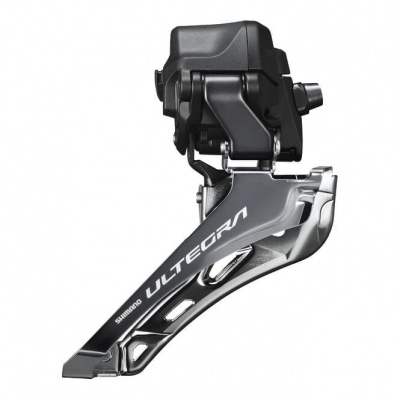
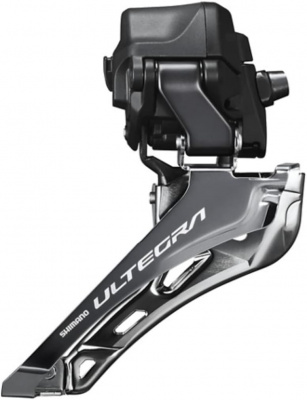
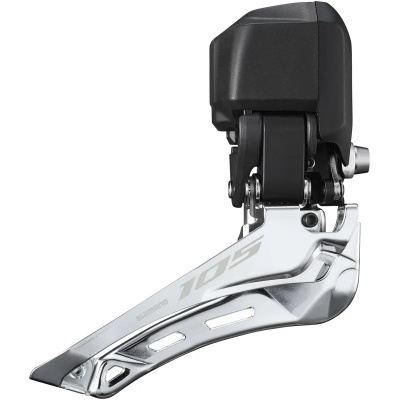
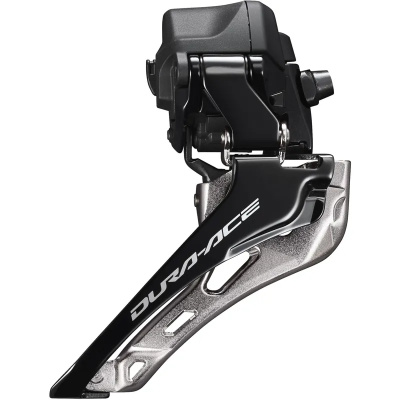
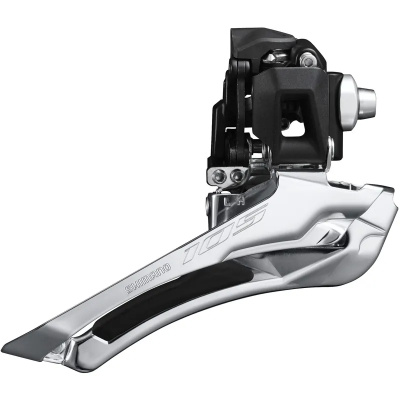
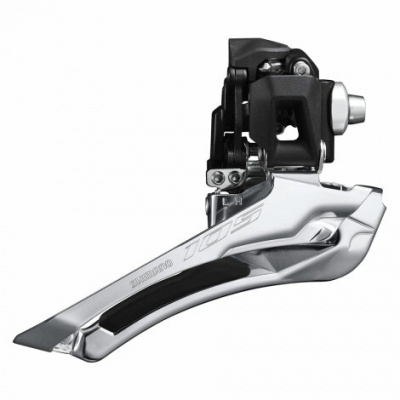
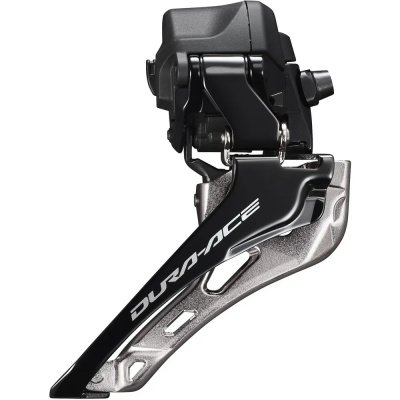
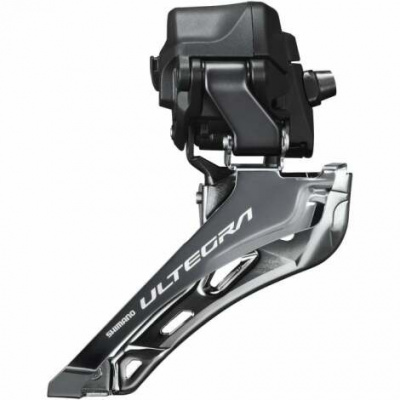
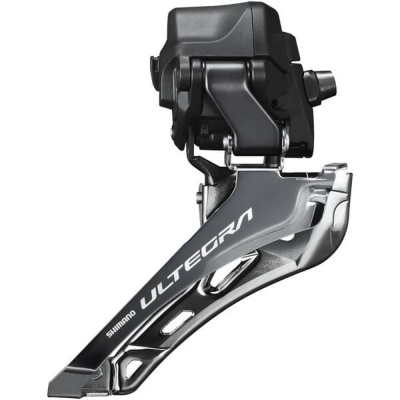
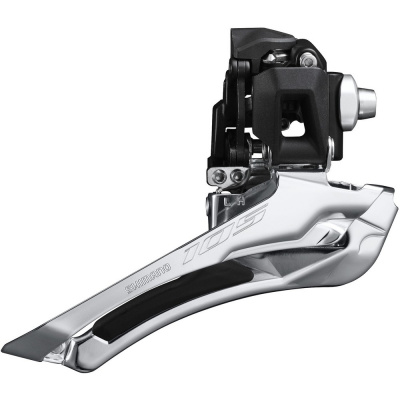
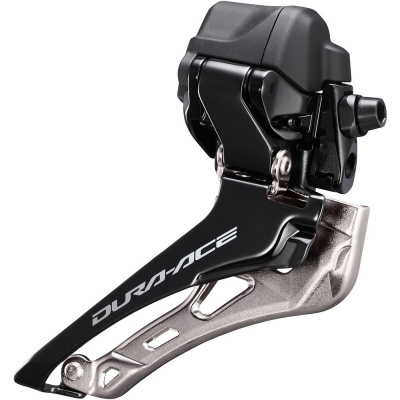
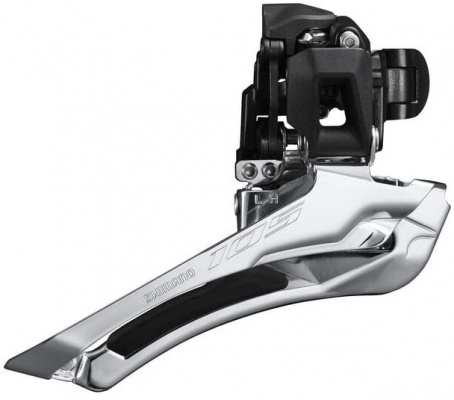
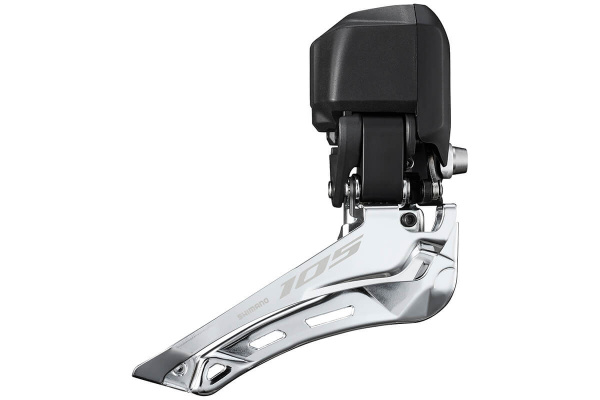
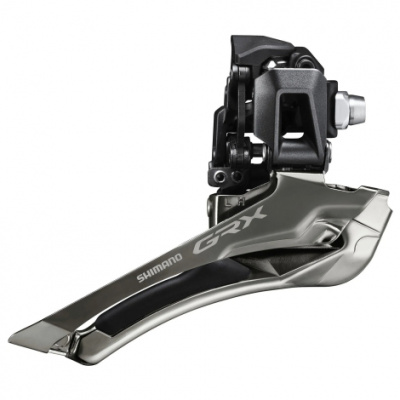
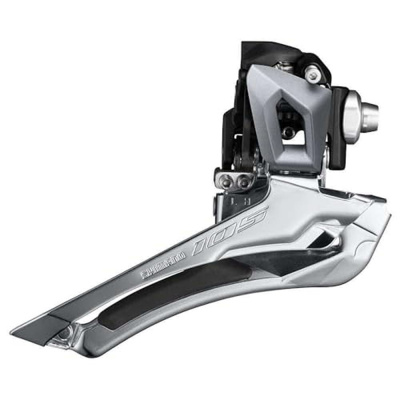
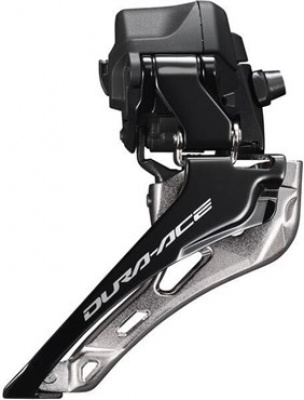
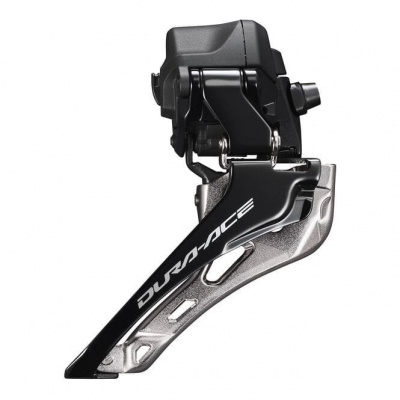
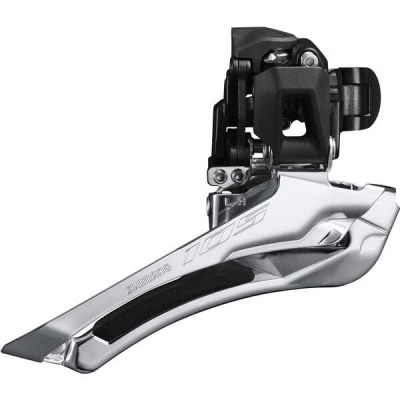
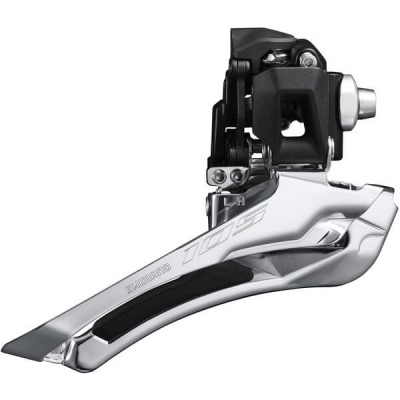
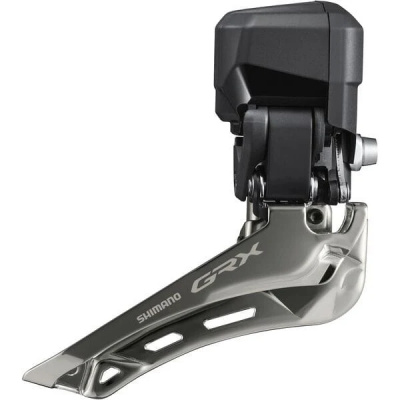
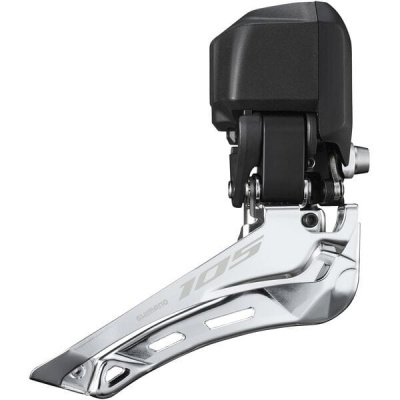
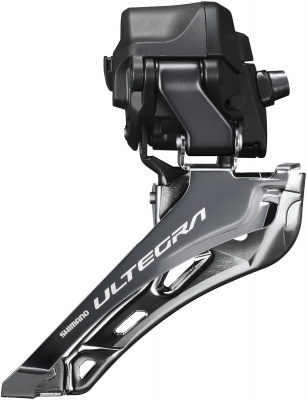
On the road side, that means Dura-Ace, Ultegra, and 105 - all sharing the same Di2 motor speed, just with progressively heavier materials as you step down. On the MTB side, XTR, XT, and SLX use Side Swing designs that keep the mech clear of thick mud and give you a lighter lever action at the shifter. Mount types vary by frame - braze-on is standard on road, while mountain bikes span Direct Mount, E-type, and clamp band options. Get the fitment wrong and you'll never dial in the chainline. Use the comparison grid below to match the right mech to your frame, groupset, and budget.
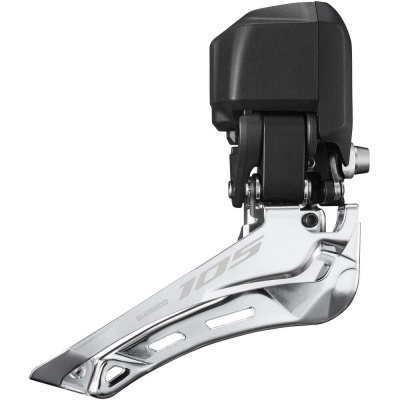
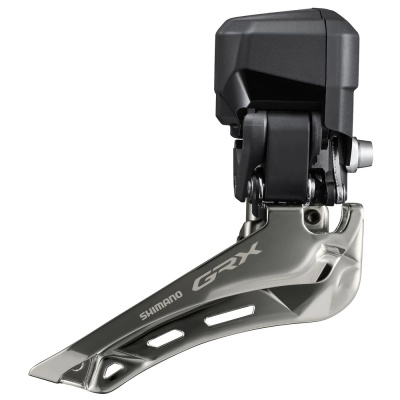
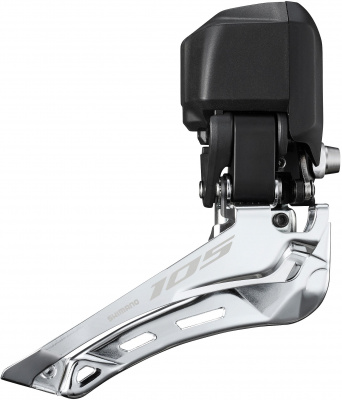
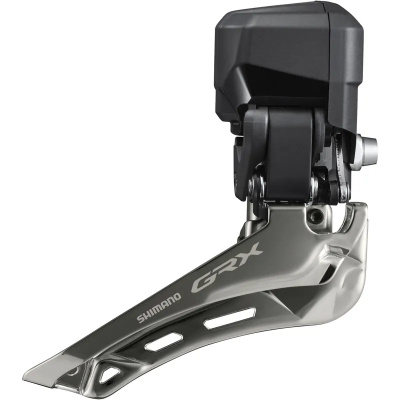
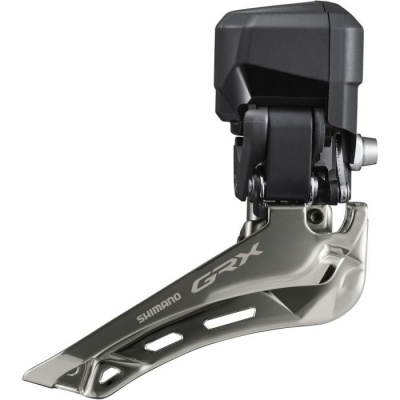
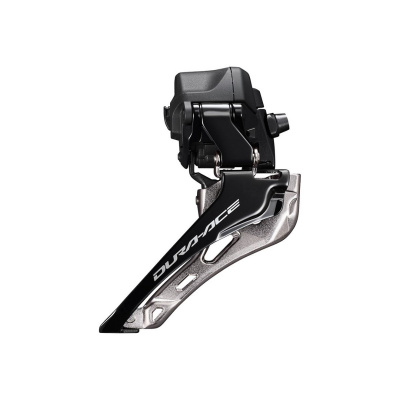
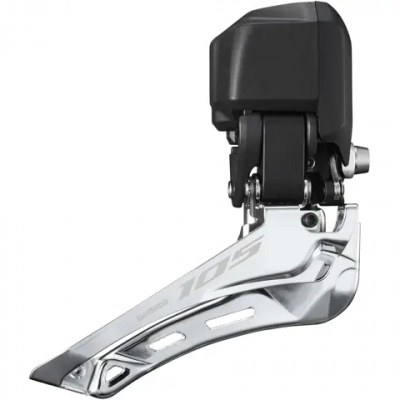
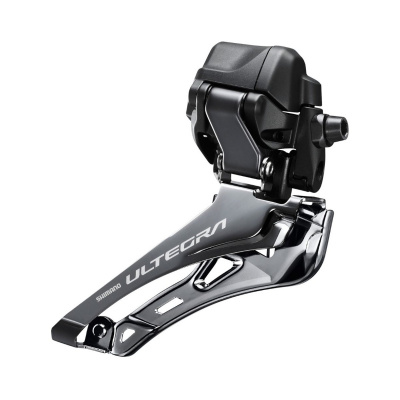
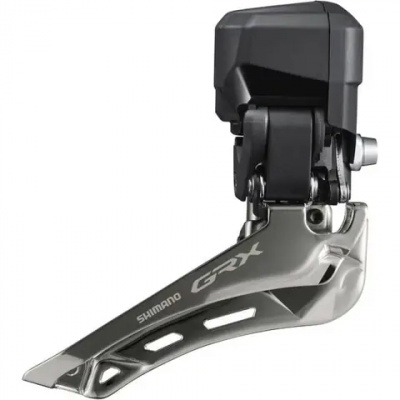
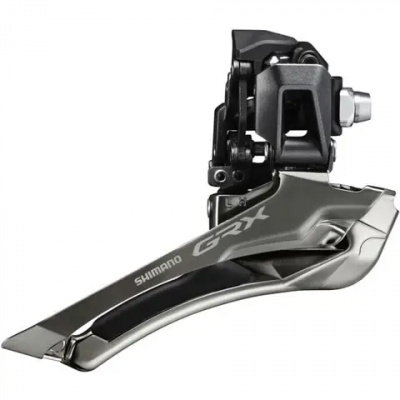
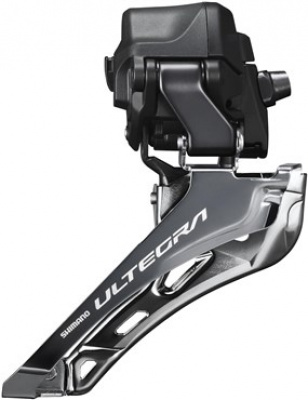
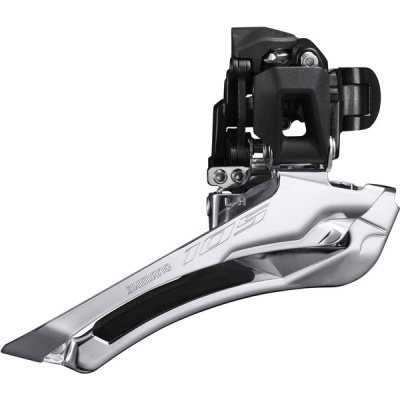
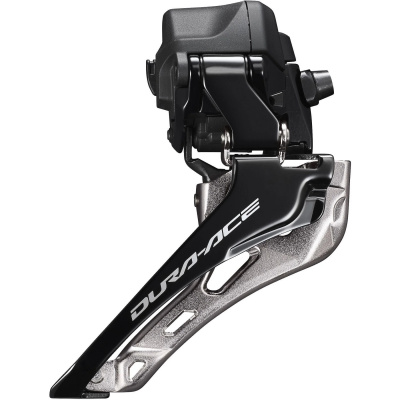
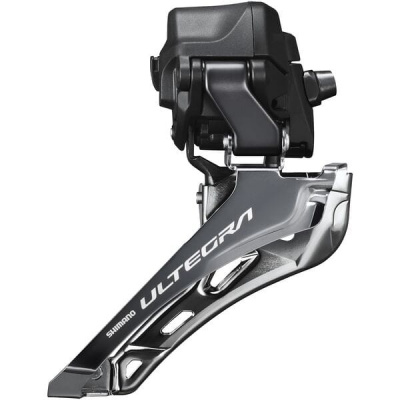
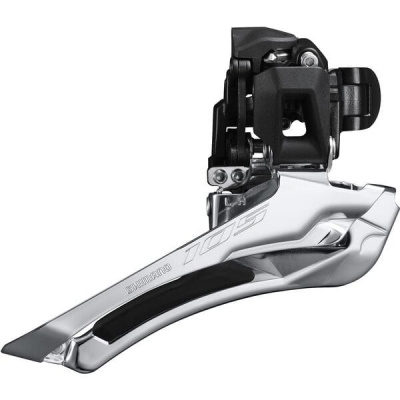
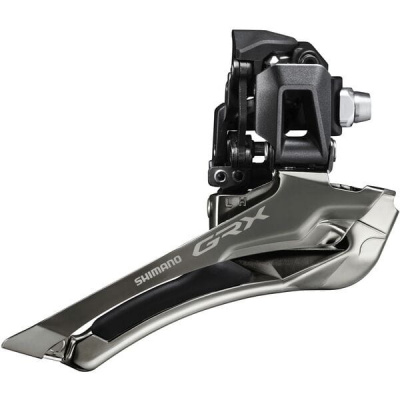
Prices and availability can change quickly. Delivery charges are not always included in listed prices.
Final price, stock status and delivery terms are set by retailer. We may receive a commission on purchases made.
Compatibility, Mounting Standards, and Chainline
Fitting a Shimano 12 speed front derailleur correctly depends on three things: mount type, chainline, and wiring if you're going electronic. Get any one of those wrong and even the best mech will shift badly.
Road frames nearly always use a braze-on tab, which is the tidy, direct fixing you'll find on most aluminium and carbon bikes. If your frame pre-dates that standard or is a repurposed older build, band-on adapters can bridge the gap - visit our Shimano derailleur clamps page to find the right adapter for your seat tube diameter. Don't assume 34.9mm; measure it.
MTB frames use Side Swing mechs, which orient the cage movement differently to traditional front derailleurs. This matters in the UK because Side Swing designs sit further from the tyre and clear mud significantly better. Depending on your frame, you'll need Direct Mount (a dedicated tab on the BB shell), E-type (which sandwiches between the BB cup and shell), or a clamp band. Boost frames running a 51.8mm chainline need mechs confirmed as Boost-compatible - check the spec sheet before buying, because fitting a standard-chainline mech to a Boost frame shifts the cage inward and introduces persistent rub on the inner plate.
For Di2 models, the system runs on EW-SD300 wiring. Older EW-SD50 cables from 11-speed Di2 won't connect to 12-speed junction units, so factor in new wire runs if you're upgrading a converted frame. Maximum chainring capacity also varies by tier - XTR M9100 handles up to a 38t outer, XT M8100 and SLX M7100 match that, while road mechs are spec'd for 50/34t to 53/39t double combinations depending on the model. Check your top gear teeth against Shimano's published limits, not just the groupset name. If you're weighing up Shimano against the alternatives, SRAM 12-speed front derailleurs use a completely different cable pull and aren't cross-compatible.
Road vs MTB: What You Actually Get at Each Price Point
The Shimano 12-speed road mech hierarchy is less about shifting speed and more about weight and materials. Dura-Ace R9250 sits at the top with a titanium cage and the lightest overall build in the range - it's a meaningful saving on a bike where every gram is deliberate. Ultegra R8150 uses a steel cage and costs less, but the Di2 motor runs at identical speed to Dura-Ace; you won't feel the difference mid-descent. 105 R7150 adds a little more weight again but brings the same auto-trim function and electronic precision to a wider audience. If you're a sportive rider or club racer, R7150 Di2 is a strong case for spending the savings elsewhere.
On the MTB side, XTR M9100 uses carbon fibre in the construction and shaves weight aggressively - relevant if you're racing enduro or XC where every climb compounds. XT M8100 is the pragmatist's pick: ally construction, nearly as stiff, and durable enough to handle regular Peak District or Afan trail use without fuss. SLX M7100 gives up a little refinement at the pivot but shifts cleanly and takes a beating. For most riders doing weekend trail riding with the odd muddier winter outing, SLX represents the point where the returns start diminishing as you spend upward.
All three MTB tiers use Side Swing technology, which means the cage swings outward from the bottom rather than top-pivoting like older designs. The practical result is better mud clearance and a lighter pull at the lever - noticeable on a long Welsh climb when your hands are tired. It's also why these mechs look different from what you might have run five years ago; the geometry isn't a styling choice.
Hyperglide+ shifting profiles are built into the chainrings and chain working together with the mech, not a mech-only feature - but the front derailleur cage geometry is designed to complement those shift ramps. That means front shifts under load, something 11-speed riders will remember as requiring patience, happen faster and with less chain tension required. Worth noting if you ride technical ground where you can't always choose the ideal moment to shift. Campagnolo's 12-speed front mechs take a different approach to under-load shifting, so cross-brand comparisons aren't straightforward.
Keeping a UK-Ridden Mech Working Through Winter
A front derailleur takes punishment quietly. It sits low, catches spray from both wheels, and rarely gets the attention a rear mech does - until it seizes or starts rubbing and you're halfway up a lane in the dark.
Road salt is the main villain for Di2 users. The EW-SD300 port connections on 12-speed Di2 mechs should be covered with dummy plugs if any port isn't in use, and a thin application of dielectric grease on the connector pins before winter is cheap insurance against the corrosion that creeps in after months of salted road spray. It's the sort of thing worth doing in October rather than diagnosing in February. If you need the right tools for the job, our Shimano tools page covers the relevant installation and service kit.
For mechanical mechs - road or MTB - the pivot pins are the first thing to stiffen up after repeated wet rides. A drop of low-viscosity oil on each pivot every few rides keeps the cage moving freely. If the cage has already started to drag, clean the pivot area thoroughly before lubricating; grinding grit into a stiff joint makes it worse. Wet grit accelerating wear on the inner cage plates is a real issue on MTB mechs, and it's worth inspecting the inner plate surface periodically - a grooved or thinned plate changes the chain path subtly and causes the rub you'd otherwise spend time chasing with limit screw adjustments.
Side Swing mechs handle UK mud better structurally, but they still need clearing after a proper ride. Dried mud packed around the pivot locks movement just as effectively as corrosion. A rinse and a spin of the cage by hand after a wet ride takes thirty seconds and saves a lot of faff later.
Shimano 12 Speed Front Derailleurs FAQs
Are Shimano 12-speed front derailleurs backwards compatible with 11-speed?
No. Shimano 12-speed front derailleurs use a narrower cage sized for 12-speed chain, and running one on an 11-speed system will give you persistent chain rub and poor shifting performance. The cage geometry simply isn't designed for the wider chain. You need to match the mech to the chain and chainrings from the same speed generation.
How do I adjust a Shimano 12-speed Di2 front derailleur?
Di2 12-speed adjustments are made electronically, not with a barrel adjuster. Use the Shimano E-Tube Project app or the function button on the rear derailleur to set your high and low limit positions. Once those are correctly set, the auto-trim function handles fine cage position adjustments automatically as you shift across the cassette - you shouldn't need to touch it again unless something changes mechanically.
What mount type do I need for a Shimano 12-speed front mech?
Road bikes almost always use a braze-on mount; if your frame lacks a braze-on tab, a band-on adapter matched to your seat tube diameter will sort it. MTB frames use Side Swing mechs in Direct Mount, E-type, or clamp band configurations depending on the frame design. Check your frame's specific mount standard before ordering - they're not interchangeable.