
Shimano 12 Speed Cassettes
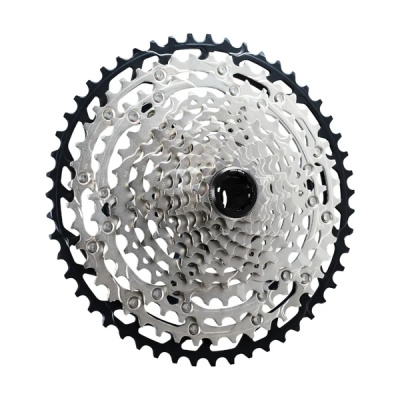
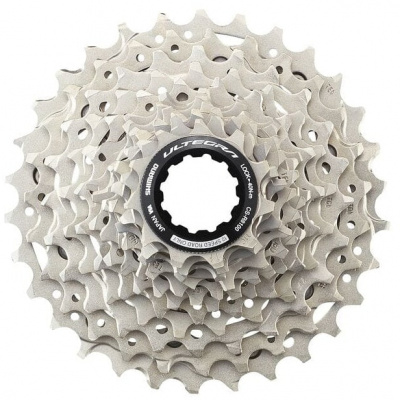
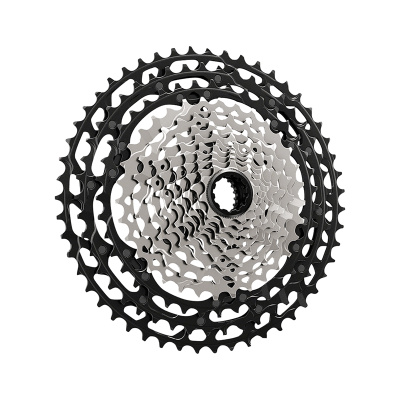
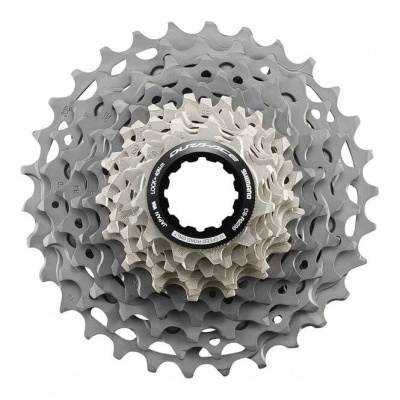
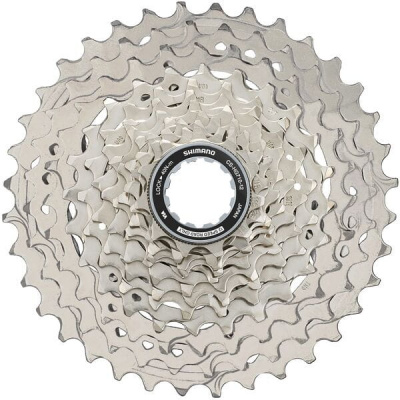
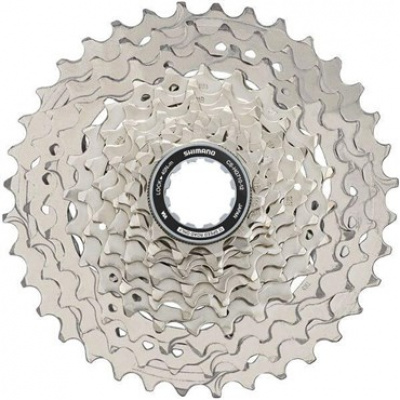
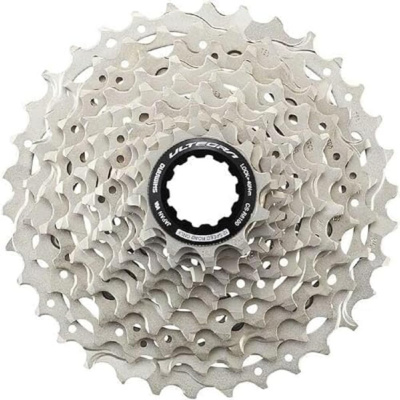
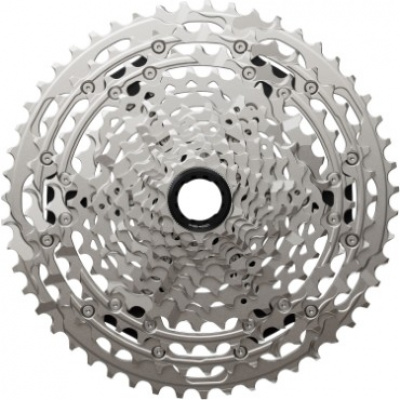
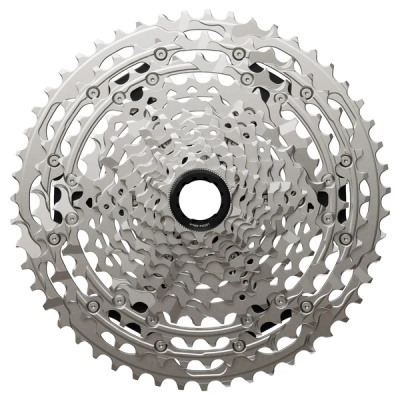
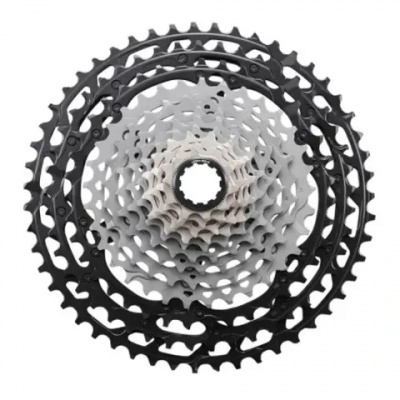
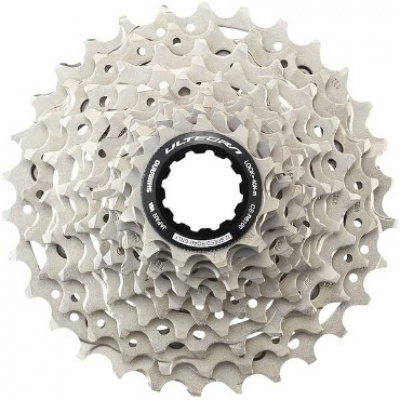
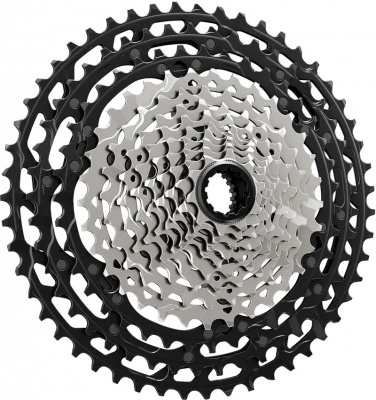
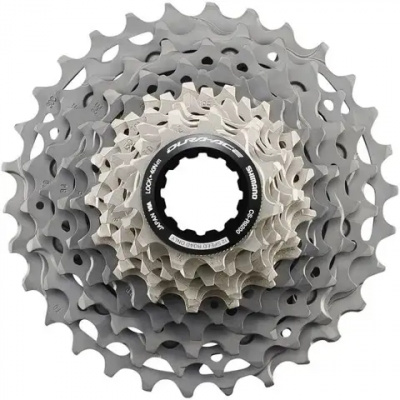
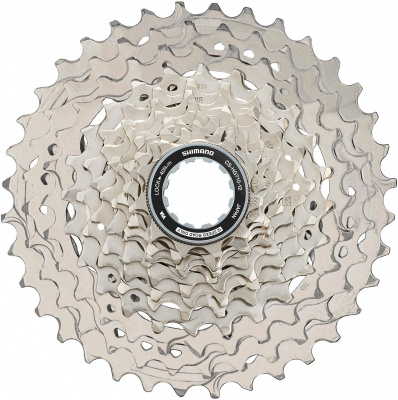
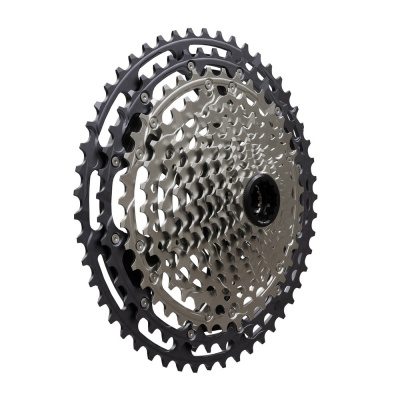
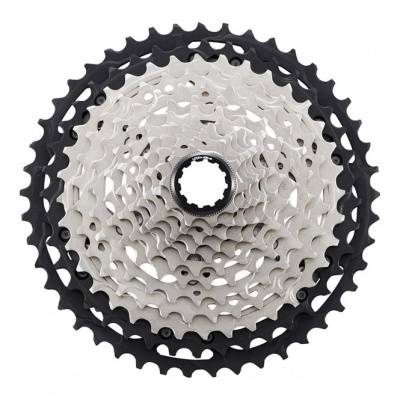
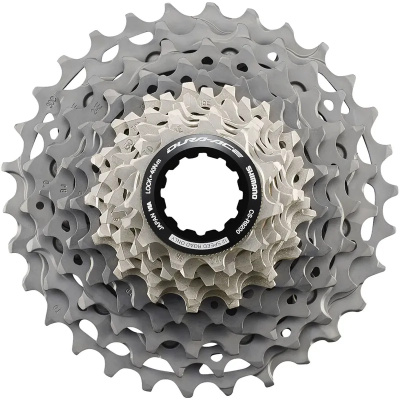
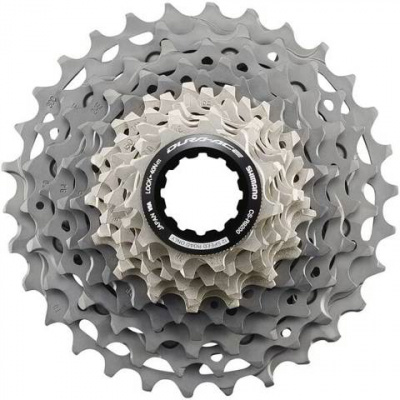
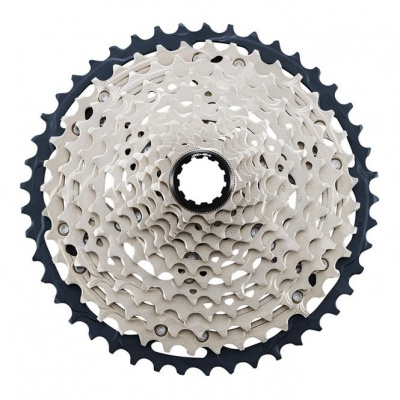
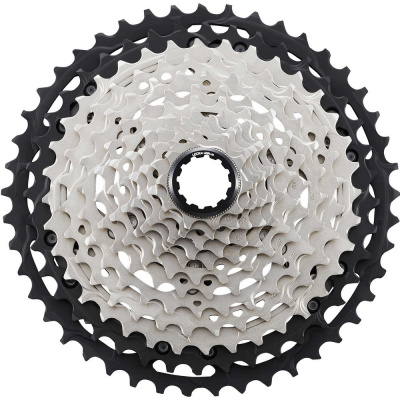
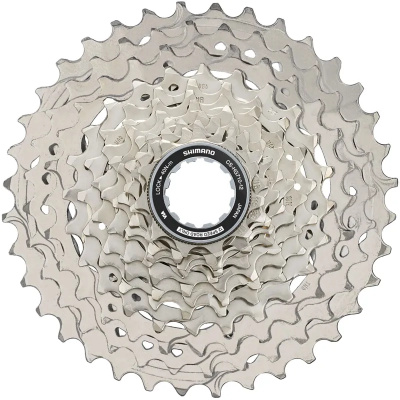
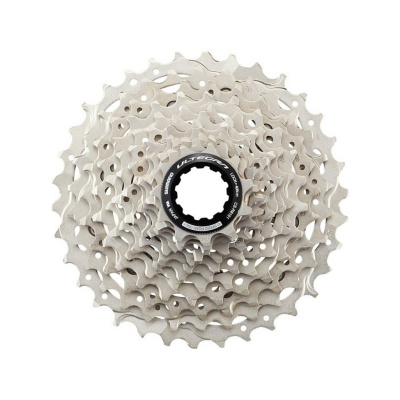
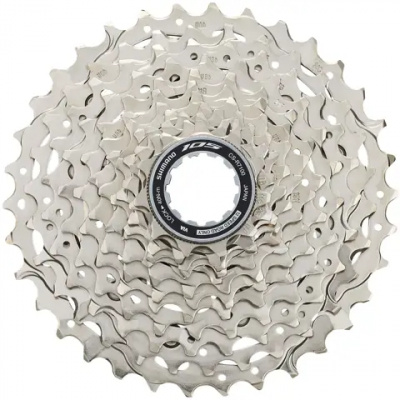
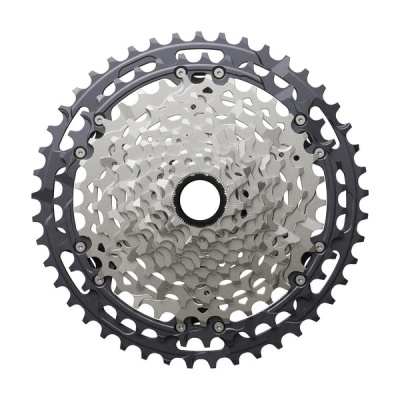
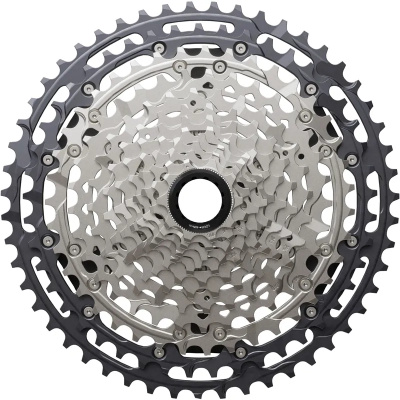
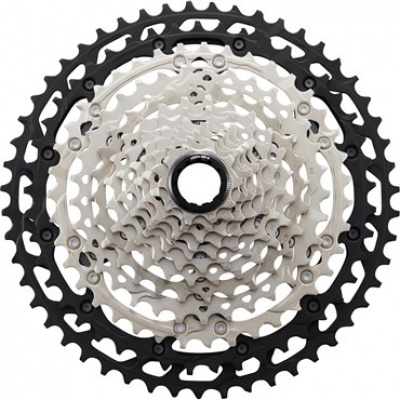
Shimano 12 speed cassettes cover more ground than almost anything else in the drivetrain market - from bomber steel blocks built for grinding through Peak District mud to featherweight titanium units that exist purely to shed grams on race day. Whether you're chasing a 10-51T range for steep, loose UK trail climbs or dialling in an 11-34T spread for road riding with more punch on the false flats, Shimano's 12-speed ecosystem is one of the most coherent in cycling. It's not just the range of ratios that makes these cassettes worth attention - it's the consistency of the shifting feel across the whole lineup.
At the heart of it is Hyperglide+ tooth profiling, which lets you shift cleanly even when you're grinding hard out of the saddle, rather than waiting for a lull in your pedal stroke. That matters on a sudden steep section of trail or a short, nasty road ramp where you can't afford to soft-pedal. MTB cassettes in the range require a Micro Spline freehub to seat the 10T small cog, while 12-speed road cassettes slot onto existing 11-speed HG spline hubs - so the compatibility picture isn't one-size-fits-all. Get the freehub question right before you buy, and everything else falls into place neatly.
Prices and availability can change quickly. Delivery charges are not always included in listed prices.
Final price, stock status and delivery terms are set by retailer. We may receive a commission on purchases made.
Micro Spline vs HG: Getting the Freehub Question Right
This is the compatibility detail that catches more riders out than any other. Shimano's 12-speed MTB cassettes - covering Deore, SLX, XT, and XTR - are built around the Micro Spline freehub standard. The reason is straightforward: fitting a 10T small cog onto a traditional HG freehub body simply isn't possible without redesigning the interface, so Shimano created a narrower, deeper splined body to make it work. If your wheel is running a standard Shimano HG freehub, a 12-speed MTB cassette won't fit, full stop. Check the freehub before you order.
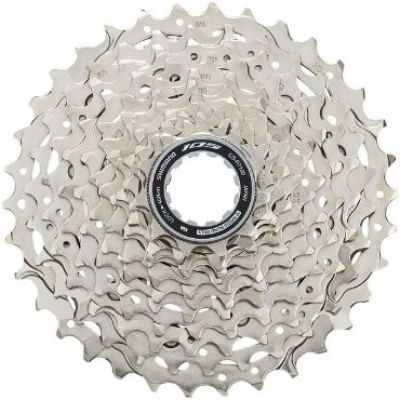
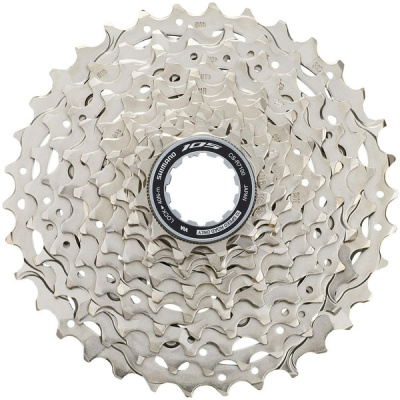
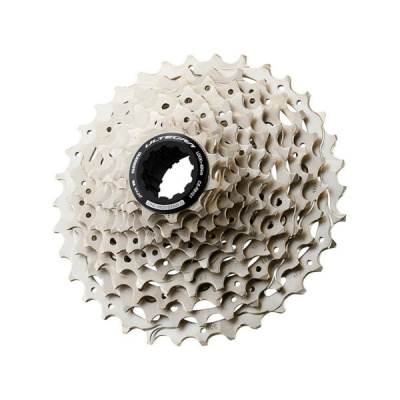
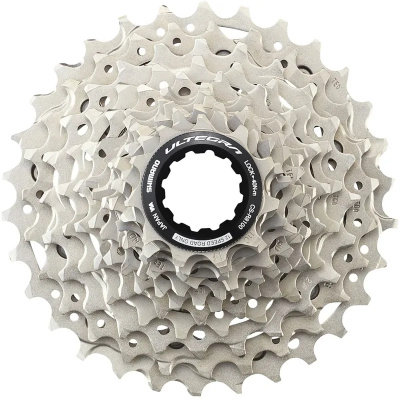
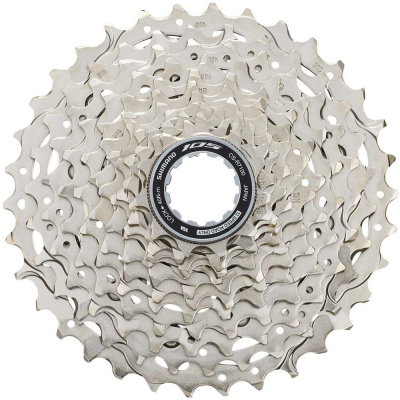
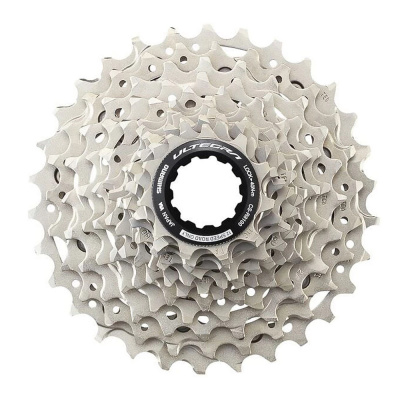
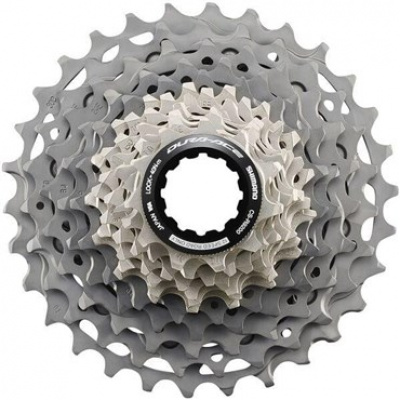
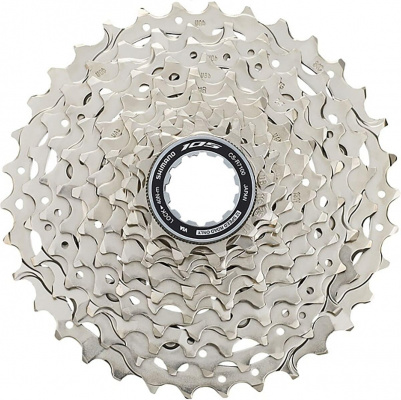
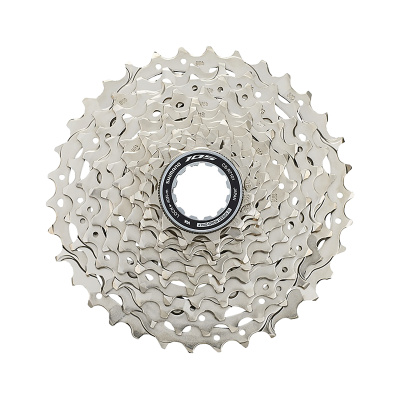
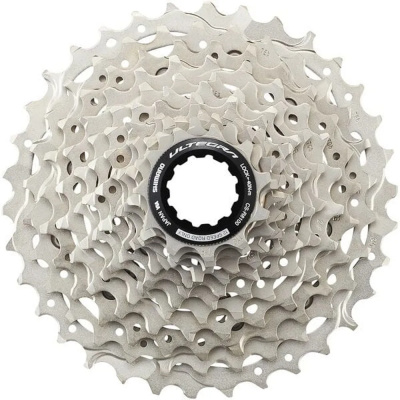
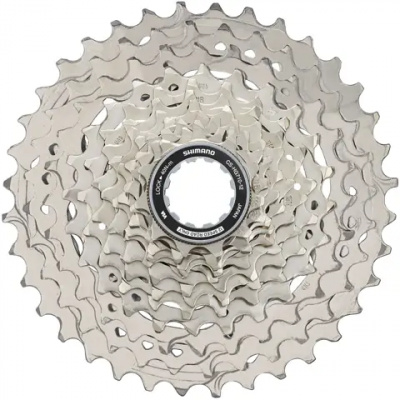
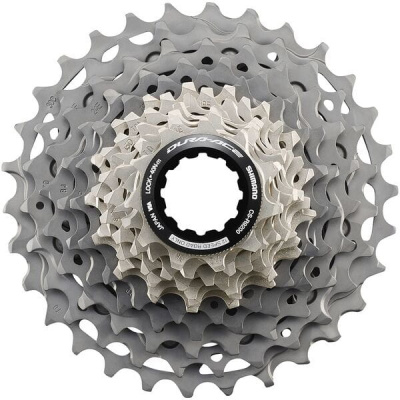
Road is a different story. Shimano's 12-speed road cassettes - 105, Ultegra, and Dura-Ace - are backwards compatible with 11-speed HG road freehub bodies. The smallest cog on road setups is 11T rather than 10T, which means the original HG interface still works. Dedicated 12-speed road freehubs do exist and are worth considering if you're building a new wheel, but if you're upgrading an existing road bike you're unlikely to need a new hub. That's a meaningful cost saving compared to switching to a rival groupset that mandates a full hub change.
If you're sourcing replacement parts alongside a new cassette, our Shimano Tools page covers lockring tools and fitting kit - worth having the right tool rather than improvising with a chain whip that slips. Getting the lockring torqued correctly matters more on 12-speed than it did on older standards.
Choosing the Right Tier: Weight, Durability, and What You Actually Get
Shimano's hierarchy is cleaner than it sometimes appears from the outside. The short version: shifting performance via Hyperglide+ is functionally very similar across every tier. What changes as you spend more is material quality, weight, and - to varying degrees - how long the cassette holds up under hard use.
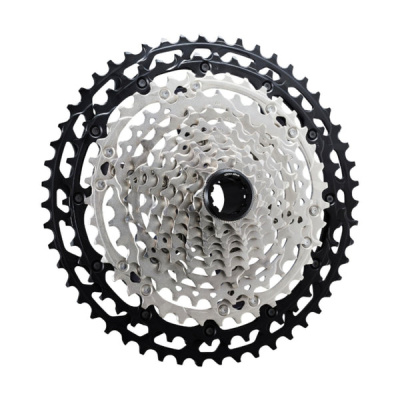
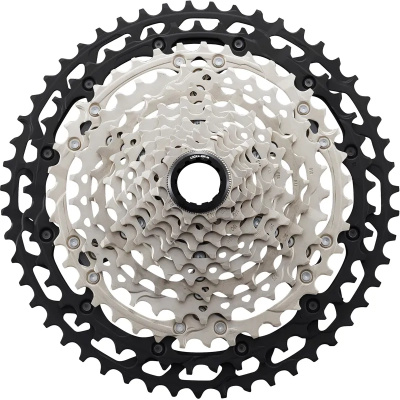
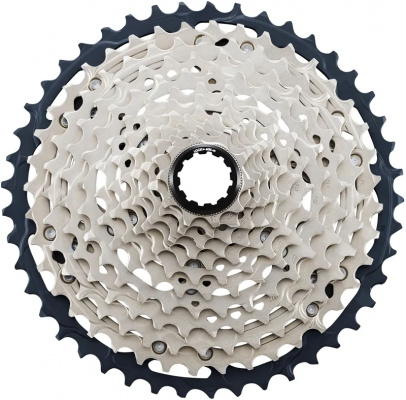
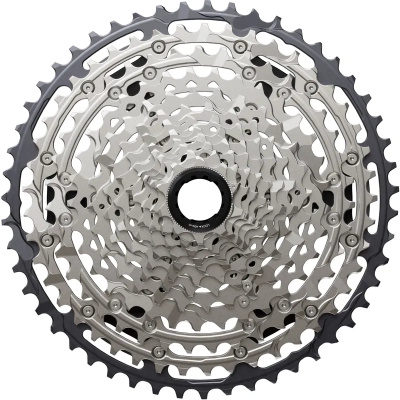
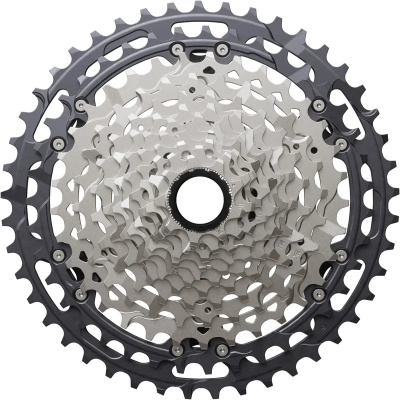
On the MTB side, Deore is the workhorse. All-steel sprockets mean it's heavier, but steel wears slower than alloy and takes UK winter abuse far better than the exotic stuff. If you're doing big muddy days on the South Downs or wet singletrack in the Tyne Valley and you're not obsessing over grams, Deore is the honest choice. Step up to SLX and you gain an alloy carrier with one aluminium cog, dropping weight noticeably without a dramatic jump in cost. XT uses a Beam Spider construction with two aluminium cogs on an alloy spider - lighter still and more rigid, which you'll feel in the crispness of shifts under load. XTR goes further with titanium cogs, which is where the weight savings become genuinely impressive, though titanium wears faster than steel, particularly if your chain sees a lot of grit.
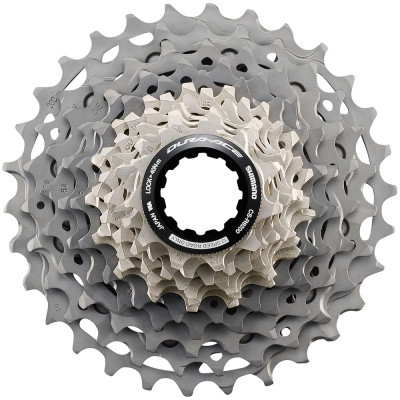
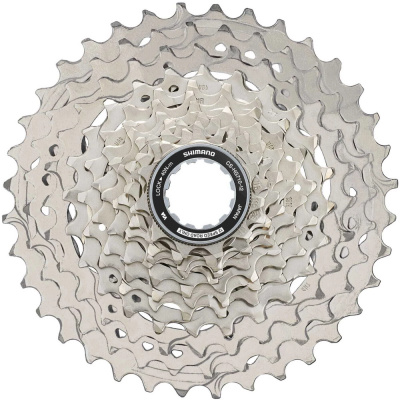
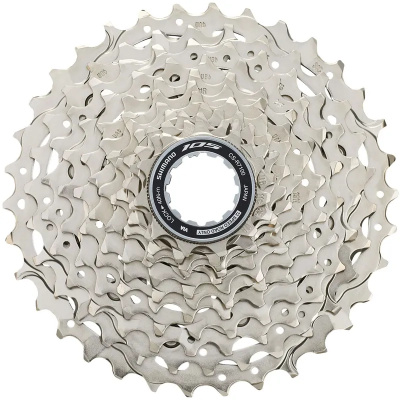
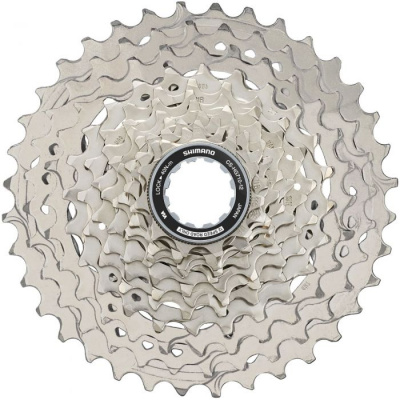
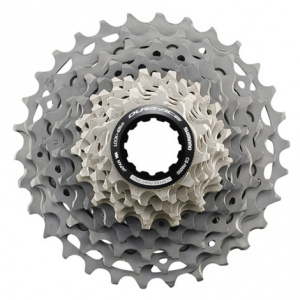
For road, 105 is the gear ratio workhorse that most riders genuinely don't need to go beyond. It's Di2 compatible in its electronic form and delivers the same Hyperglide+ shift quality as the tiers above. Ultegra saves meaningful weight over 105 with more alloy in the construction, while Dura-Ace uses carbon and titanium at the very top end - a cassette that earns its weight figure on paper, but one where the return on investment depends entirely on how seriously you're racing. Compared to alternatives from SRAM or SunRace, Shimano's mid-tier options tend to offer strong durability per pound spent, particularly if you're pairing the cassette with a matched Shimano chain.
One comparison worth flagging: if you're looking at aftermarket options, Garbaruk produces lightweight cassettes that fit Micro Spline freehubs - useful if you want to mix and match, though you'll want to verify chain compatibility carefully before committing.
Keeping a 12-Speed Cassette Alive Through a UK Winter
Twelve-speed drivetrains are narrower than their predecessors, and that closer cog spacing means there's less tolerance for worn chains dragging muck through the cassette. In UK winters - proper ones, with grit-laden puddles and chain lube that turns brown before you've finished the climb - cassette wear accelerates fast if you're not disciplined about chain replacement.
Replace your chain at 0.5% wear, not the 0.75% figure you might have used on older drivetrains. It sounds conservative, but a worn chain on a 12-speed cassette acts like a file on the sprocket teeth, and a cassette replacement costs considerably more than an early chain swap. Keep a chain wear indicator in your back pocket on longer rides if you're running steel-cog cassettes through winter - it takes ten seconds to check and saves real money.
Wet mud is essentially grinding paste. Rinse the drivetrain after every muddy ride, dry the chain, and relube before the next one. Wax-based lubes can be excellent in summer but often need replacing more frequently in wet winter conditions - a quality wet lube applied sparingly does better work across a full season of Welsh trail centre riding or boggy Pennine bridleways.
Pairing your cassette with a genuine compatible Shimano cassette from the same generation and the correct 12-speed chain is the simplest way to protect shifting performance. Shimano's chains are engineered to work with Hyperglide+ tooth profiling specifically - substituting a mismatched chain blunts the system's strengths before you've even left the car park. Our range of Shimano Tools includes chain wear checkers and cassette lockring sockets if you prefer doing your own servicing.
Shimano 12 Speed Cassettes FAQs
Do I need a Micro Spline freehub for a Shimano 12-speed cassette?
For Shimano's 12-speed MTB cassettes - Deore, SLX, XT, and XTR - yes, a Micro Spline freehub is required. The 10T small cog physically won't seat on a standard HG freehub body. Road is different: Shimano 12-speed road cassettes (105, Ultegra, Dura-Ace) are backwards compatible with 11-speed HG road freehubs, so most existing road wheels don't need a hub change.
Can I use a Shimano 12-speed cassette with a SRAM derailleur?
It's not recommended. While cog spacing is broadly similar, SRAM and Shimano use different chain roller dimensions and derailleur cable pull ratios at 12-speed. You'll likely get clunky, imprecise shifts, and you won't get the benefit of Hyperglide+ tooth profiling. Keep the drivetrain within one brand ecosystem for consistent, reliable performance.
What is the difference between Shimano XT and SLX 12-speed cassettes?
Both run identical gear ratios and the same Hyperglide+ shifting system, so the on-bike feel is very close. The XT cassette uses Beam Spider construction with two aluminium cogs on an alloy spider, making it lighter than SLX, which uses just one aluminium cog. SLX holds up slightly better over time on the larger cogs - XT is the better call if grams matter; SLX if longevity is the priority.