
Shimano 10 Speed Rear Derailleurs
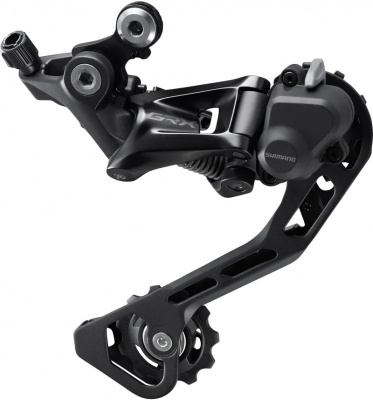
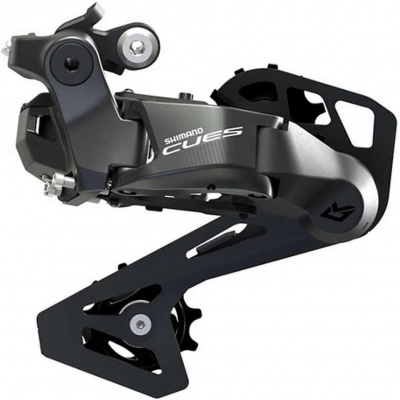
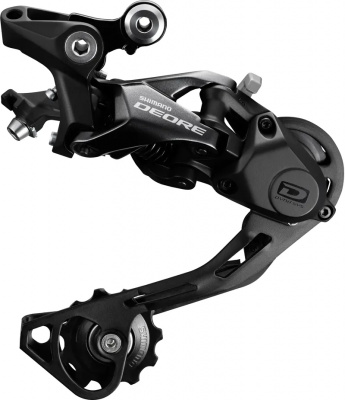
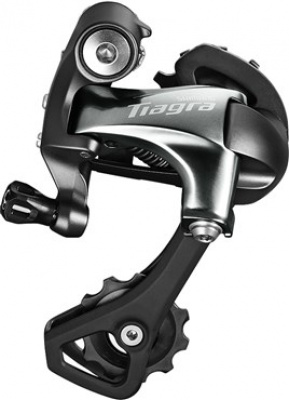
Shimano 10 speed rear derailleurs cover more ground than most riders realise - from long-distance road bikes and gravel rigs to trail-bashing MTBs - but getting the wrong one is an easy and frustrating mistake to make. Reviving a trusted road bike with Tiagra shifting, or sorting the drivetrain on a Deore-equipped hardtail? Shimano has a mech for it. The catch is that 10-speed is the point where Shimano's road and mountain ecosystems split decisively, with different cable pull ratios that make cross-discipline mixing a dead end. It's not just road versus MTB either - modern Tiagra 4700 and GRX RX400 units use an 11-speed pull ratio under the bonnet, which means they won't pair correctly with older 10-speed road shifters like 105 5700 or Ultegra 6700. Knowing your existing shifter generation before you buy saves a wasted return. The range runs from the robust, clutch-equipped Deore line - built for gritty Peak District trails and Scottish winter descents - through to the precise, road-focused Tiagra for tarmac miles and the GRX RX400 for gravel work. Browse the live price comparison below, and use our compatibility notes to make sure you're getting the exact replacement your drivetrain needs.
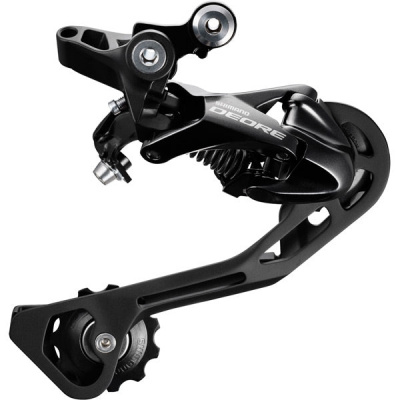
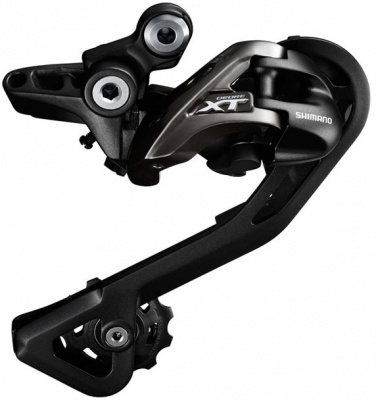
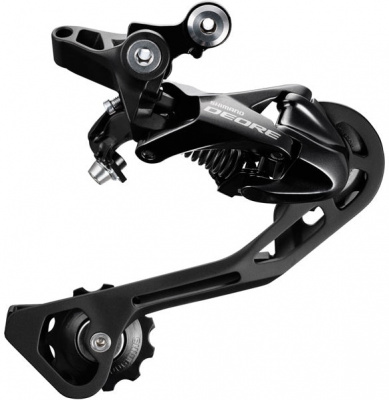
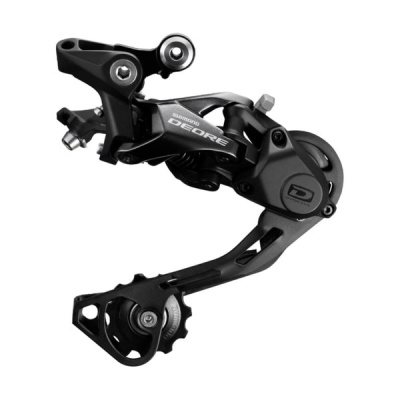
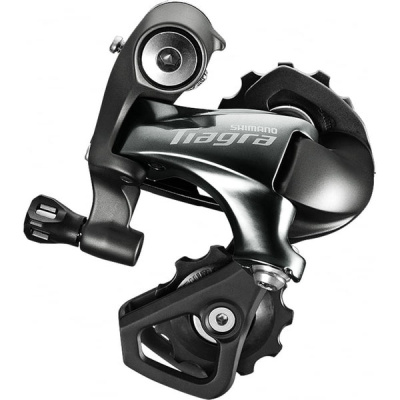
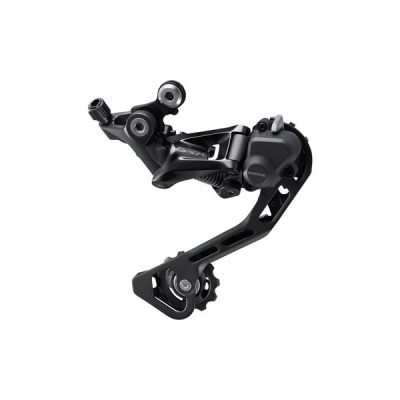
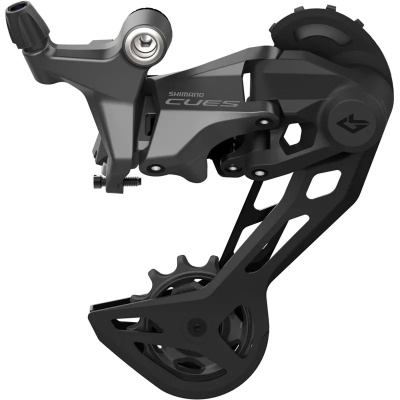
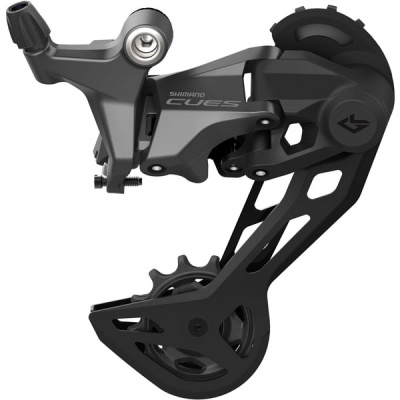
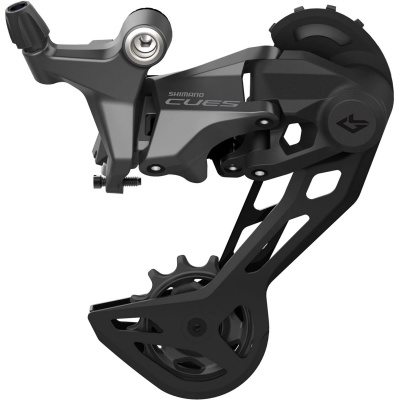
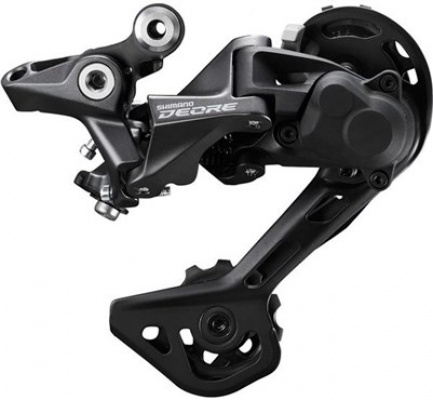
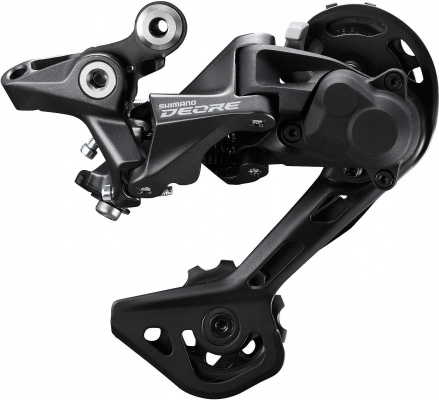
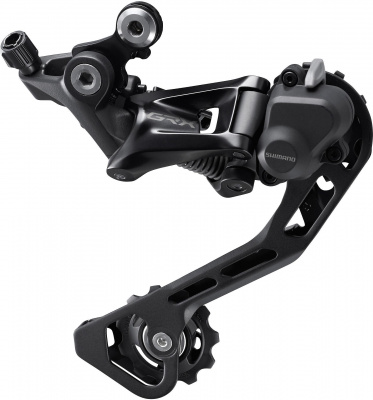
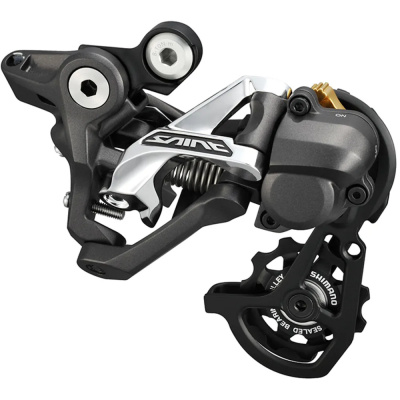
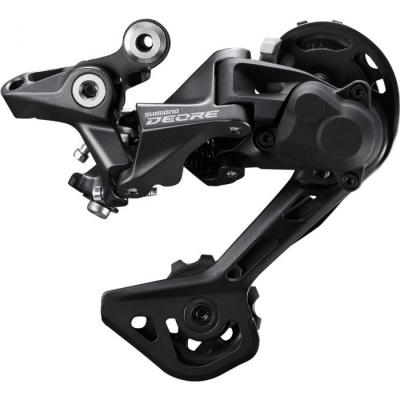
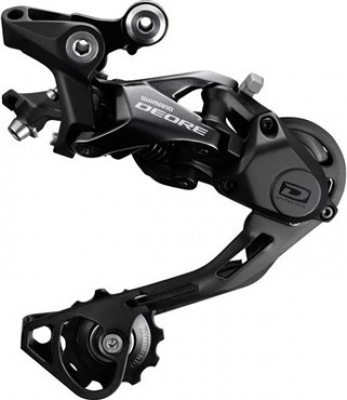
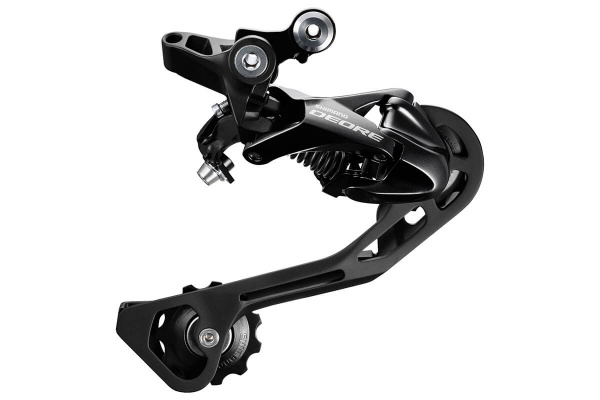
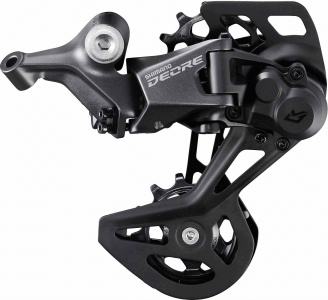
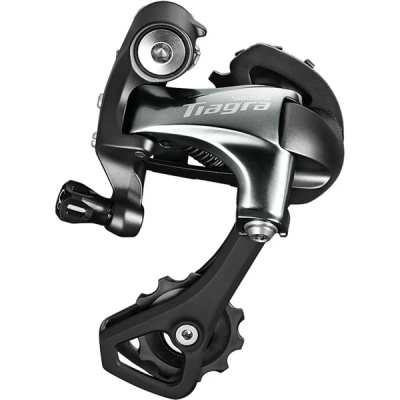
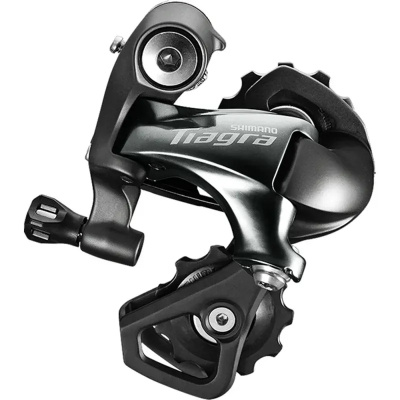
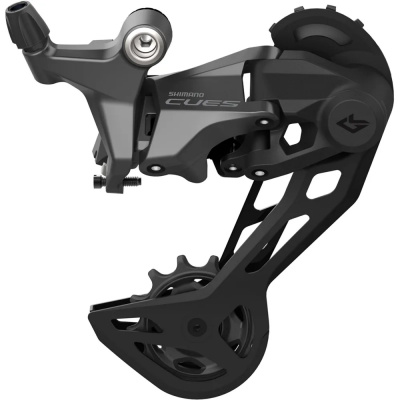
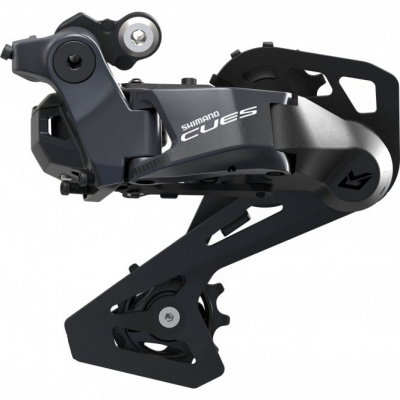
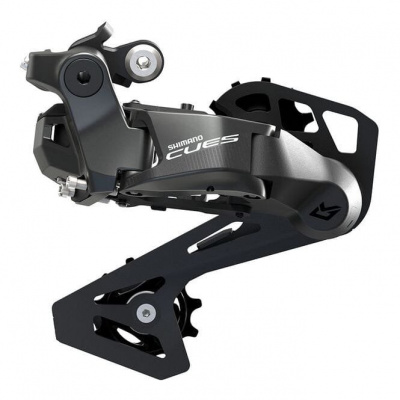
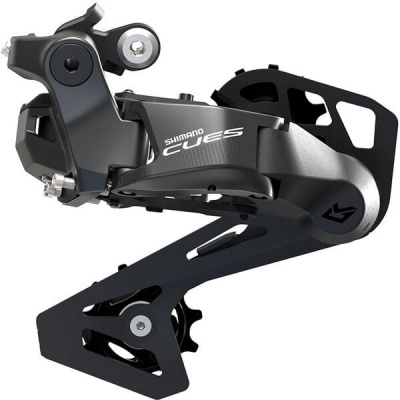
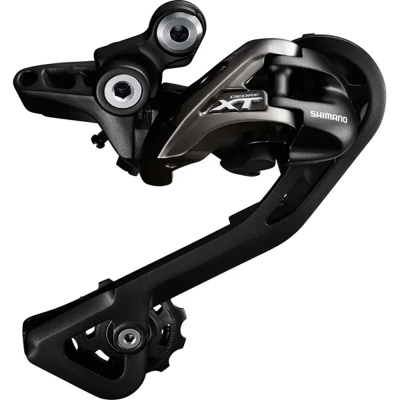
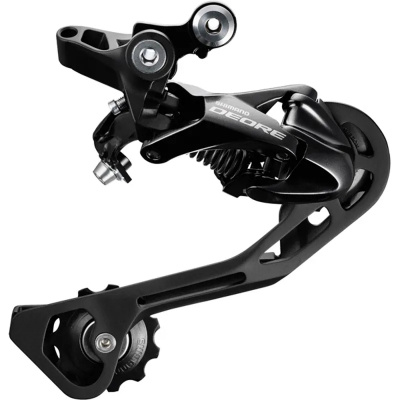
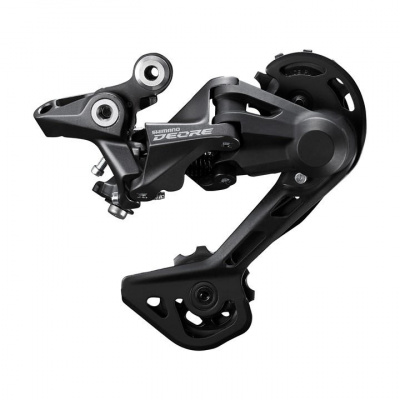
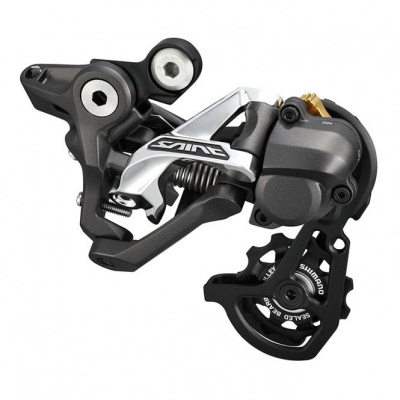
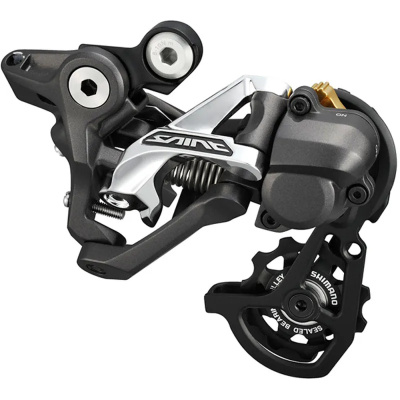
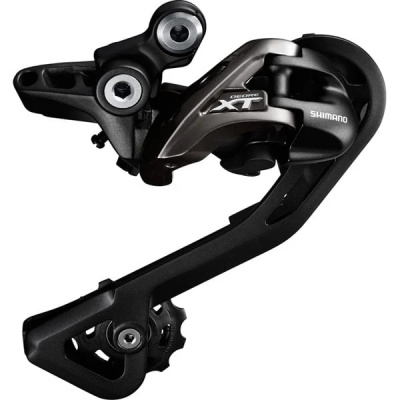
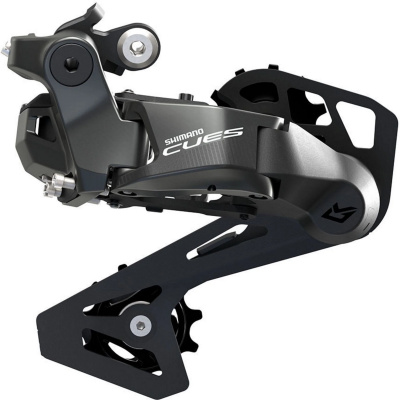
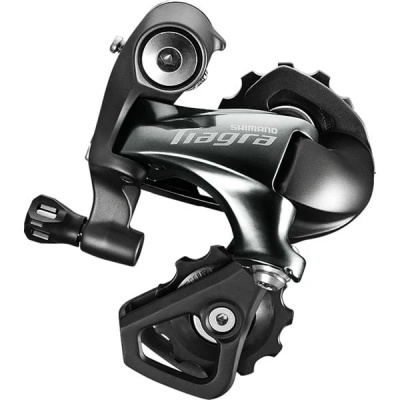
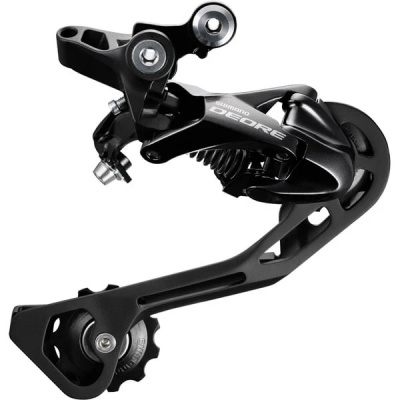
Prices and availability can change quickly. Delivery charges are not always included in listed prices.
Final price, stock status and delivery terms are set by retailer. We may receive a commission on purchases made.
Compatibility Matrix: The 10-Speed Pull Ratio Trap
This is where a lot of riders come unstuck, so it's worth being direct. Shimano 10 speed derailleur compatibility is not universal - the MTB and road families do not talk to each other. Shimano's MTB 10-speed system runs under the Dyna-Sys banner, which uses a cable pull ratio specific to mountain bike shifters. Pair a Dyna-Sys derailleur with a road shifter and the indexing will be hopelessly off; every click will land somewhere between gears. Full stop.
Road 10-speed adds another layer. Older groupsets - 105 5700, Ultegra 6700, and their Tiagra equivalents of the same era - use the traditional 10-speed road pull ratio. But the current Shimano Tiagra 10 speed rear derailleur (the 4700 series) and the GRX RX400 were redesigned around an 11-speed cable pull ratio. So if you're replacing a mech on a bike with 5700-era shifters, a brand-new Tiagra 4700 derailleur is the wrong answer, even though both are badged as 10-speed. Check the shifter generation first - it's printed on the shifter body.
If you're building a fresh 10-speed drivetrain from scratch and want to avoid the pull ratio minefield entirely, it's worth knowing that SRAM 10 speed rear derailleurs and Microshift 10 speed rear derailleurs operate on their own pull ratios, so they're not cross-compatible with Shimano shifters either. Keep the ecosystem consistent. Once you've confirmed the correct mech, pair it with a matching Shimano 10 speed cassette and a fresh Shimano 10 speed chain for a drivetrain that actually performs.
Product Tiers, Cage Lengths, and Picking the Right Capacity
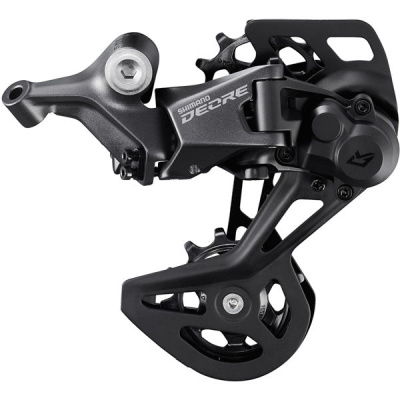
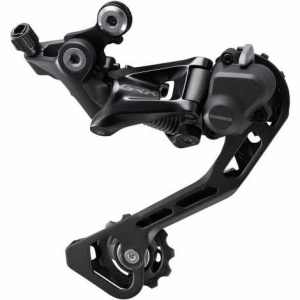
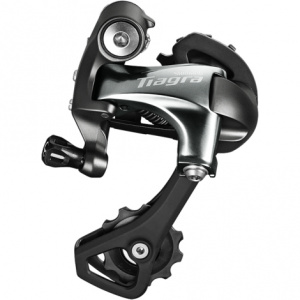
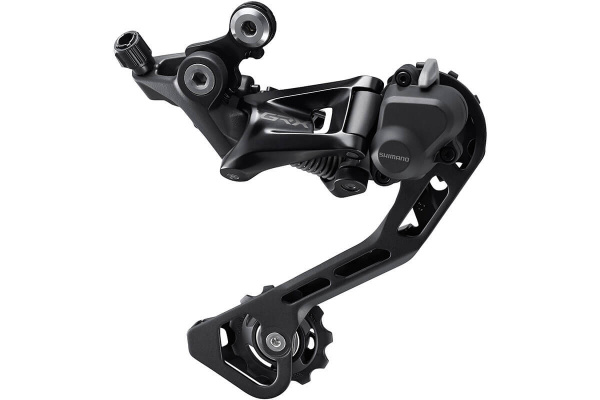
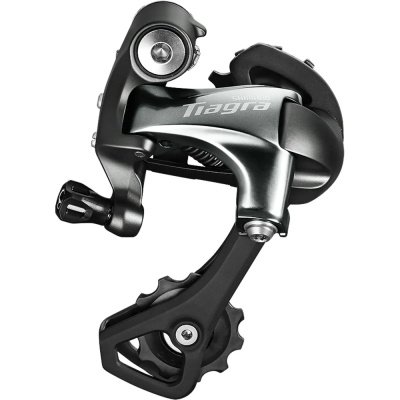
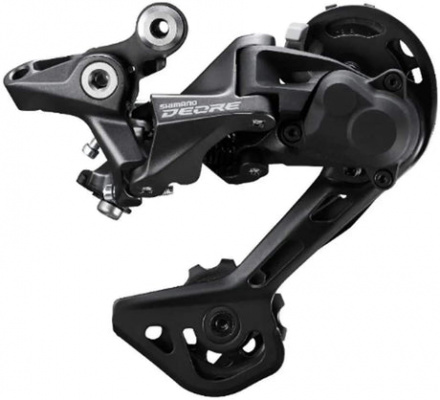
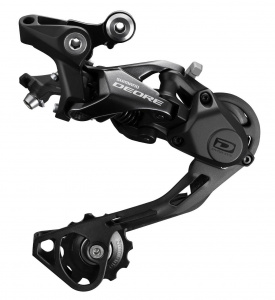
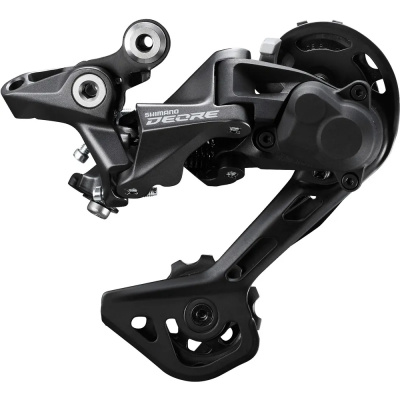
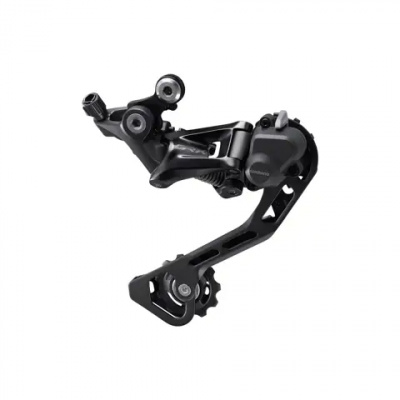
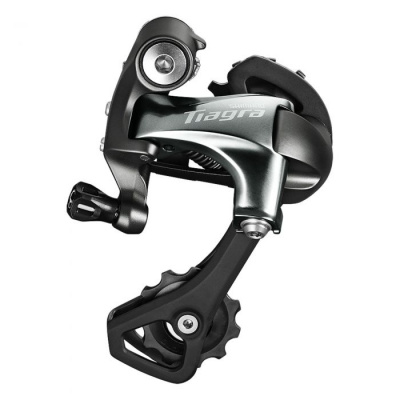
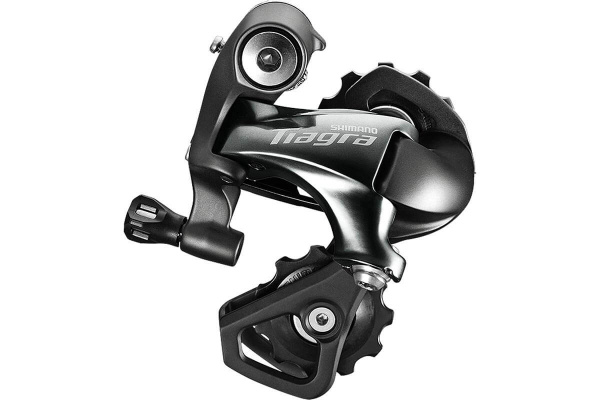
Shimano's current 10-speed offering breaks into three clear disciplines. The Shimano Deore 10 speed rear mech - covering the M4100 and M5120 - sits at the MTB end, offering the Shadow RD+ clutch mechanism and Dyna-Sys compatibility for trail and commuter use. It's the sensible workhorse for anyone riding UK bridleways or doing loaded bikepacking. The Tiagra 4700 handles road duties, with a smooth-shifting action and tidy aesthetics that suit sportive bikes and commuters with drop bars. The GRX RX400 slots in for gravel, sharing the 4700's 11-speed pull ratio but adding a wider cage option and a slightly more robust finish for mixed-surface days.
Cage length matters more than most people give it credit for. GS denotes a medium cage - suited to 1x drivetrains or road setups with relatively tight cassette spreads (think an 11-28t or 11-32t). SGS is the long cage, and you'll need it on a 2x or 3x drivetrain, or any wide-range cassette where there's significant chain slack to manage when you drop to the smallest chainring and largest sprocket simultaneously. Getting this wrong means the derailleur can't take up the chain properly, and you'll either have a floppy, slapping chain or a derailleur that physically can't reach.
The quick rule of thumb for total capacity: subtract the smallest chainring from the largest, then subtract the smallest sprocket from the largest, and add the two figures together. A GS cage typically handles up to 33 - 35t total capacity; SGS goes to 43 - 45t or beyond depending on the model. Run the numbers before you order. It takes thirty seconds and saves a return trip. You might also want to cross-reference a Shimano 10 speed front derailleur at the same time if you're running a 2x setup - keeping front and rear from the same generation avoids any further compatibility headaches.
If budget is a constraint and you're open to alternatives, Campagnolo 10 speed rear derailleurs offer a different take for road riders, though again they're not cross-compatible with Shimano shifters.
UK Conditions and Keeping the Shadow RD+ Clutch Alive
British winters are particularly hard on rear mechs. Grit from country lanes works its way into jockey wheels and accelerates wear on the bushings faster than dry-climate riding would ever suggest. The B-tension screw adjustment can also creep over a season as the derailleur hanger flexes slightly under repeated impacts - worth checking every few months rather than waiting until shifts feel sloppy.
The Shadow RD+ clutch mechanism - Shimano's adjustable friction clutch that reduces chain slap and improves retention on rough ground - is genuinely useful on UK trails. The problem is that water ingress and road salt cause the clutch band inside to corrode and seize if it's left unchecked. When the clutch feels notchy to toggle, or the cage drags noticeably, that's the signal to open it up. Remove the clutch cover with a 3mm hex key, locate the small friction band and adjustment screw, and clean the band with a dry cloth before applying a small amount of Shimano's internal hub grease - not standard chain lube, which is too thin and will wash out quickly. Work the clutch lever a few times to distribute the grease, refit the cover, and you'll typically restore smooth operation without replacing anything.
Heavy mud riding - proper Welsh winter stuff - can also demand higher spring tension to keep shifts crisp when the pulleys are clogged. If the rear mech is sluggish returning to smaller sprockets, check the spring tension adjuster on the back of the derailleur body before assuming the mech is worn out. Often it just needs a turn or two. For worn jockey wheels or seized pivot bolts, replacing individual components is far more cost-effective than a whole new mech - check the derailleur spares and jockey wheels categories on Bikesy for direct replacements rather than writing off an otherwise sound derailleur.
Shimano 10 Speed Rear Derailleurs FAQs
Are all Shimano 10-speed rear derailleurs compatible with each other?
No - and this catches a lot of riders out. MTB 10-speed (Dyna-Sys) uses a different cable pull ratio to road 10-speed, so the two won't index correctly with each other's shifters. On top of that, the current Tiagra 4700 and GRX RX400 use an 11-speed pull ratio internally, making them incompatible with older 10-speed road shifters like 105 5700 or Ultegra 6700. Always confirm your shifter generation before buying.
What is the difference between GS and SGS rear derailleurs?
GS is a medium cage, suited to 1x setups or road drivetrains with tighter cassette ranges - typically up to around 33 - 35t total capacity. SGS is a long cage, needed for 2x or 3x drivetrains and wide-range cassettes where there's more chain slack to absorb. Fit a GS where an SGS is required and the derailleur won't be able to take up the chain - it's a simple calculation before you buy.
How do I adjust the clutch on a Shimano 10-speed derailleur?
Pop the clutch cover off with a 3mm hex key and you'll find a small adjustment screw on the friction band - turning it increases or decreases resistance. If the clutch feels sticky or the cage drags, the band likely needs cleaning and re-greasing with Shimano internal hub grease rather than fiddling with the adjuster. Standard chain lube washes out too quickly to be useful here.