
Shimano 10 Speed Chains
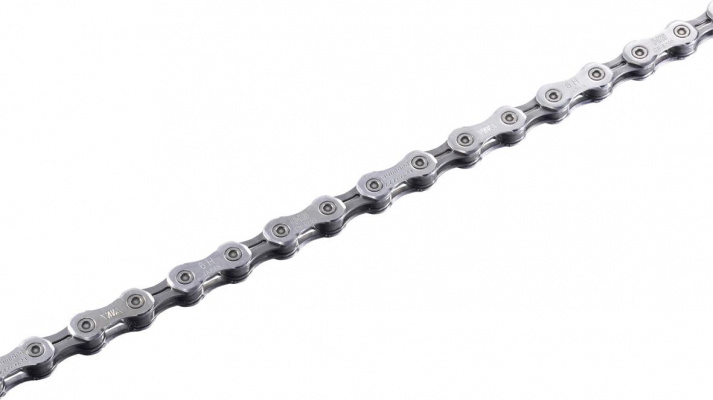
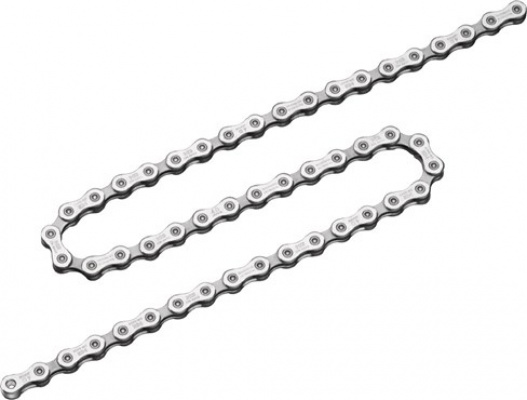
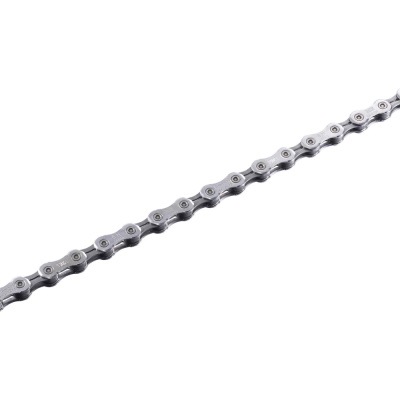
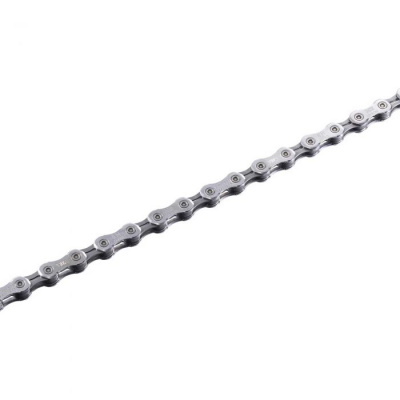
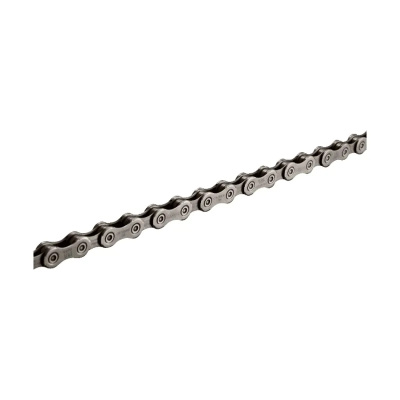
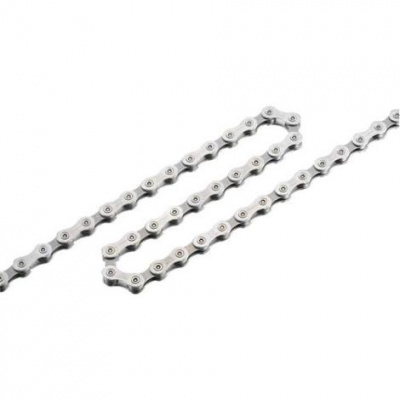
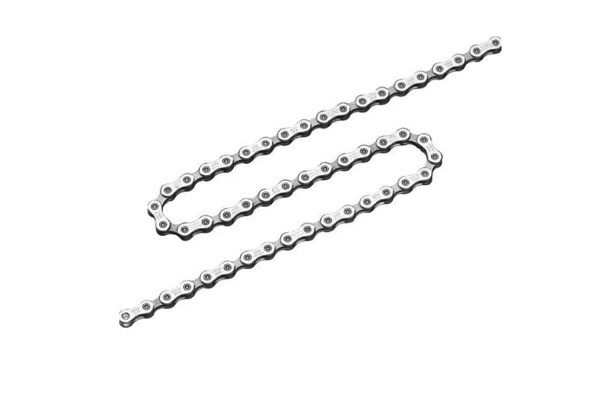
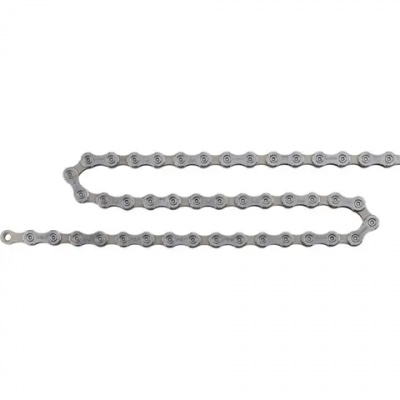
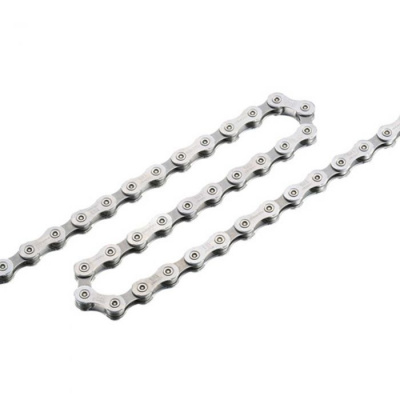
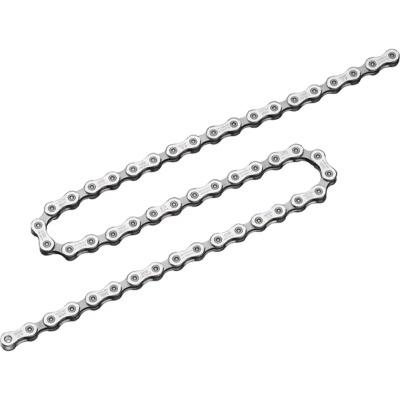
A genuine Shimano 10 speed chain is one of the cheapest ways to restore crisp, confident shifting - and one of the most overlooked. Whether you're running a Tiagra 4700 road groupset or a Deore XT mountain bike drivetrain, Shimano's 10-speed chains are built around precise plate geometry and proprietary surface treatments that cheaper alternatives simply don't replicate. Get this part wrong and you're not just chasing sluggish gear changes - you're grinding through a cassette that costs five times as much to replace.
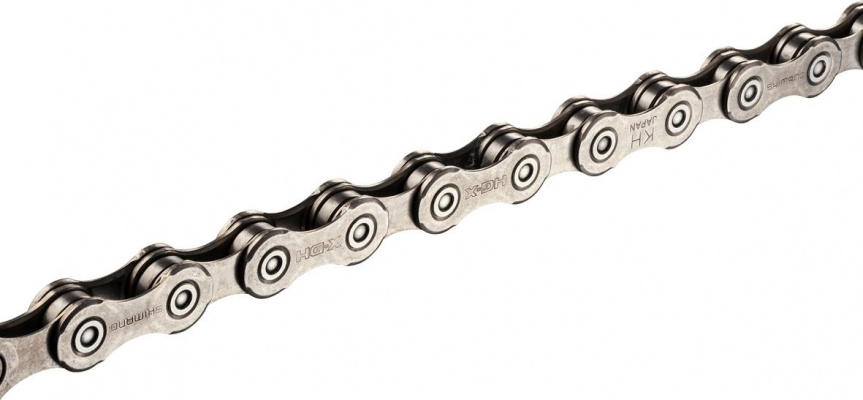
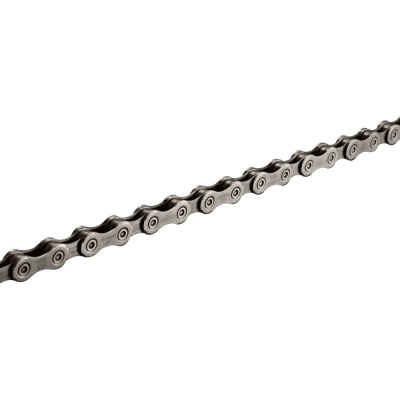
Shimano's 10-speed chain range splits broadly into road and MTB families, and they're not freely swappable. The HG-X directional plate design - where specific inner and outer plate chamfering guides the chain onto cassette teeth cleanly under load - is calibrated differently for road pull ratios versus the demands of Dyna-Sys mountain bike drivetrains. Match the chain to the drivetrain family. That's the single most important decision here.
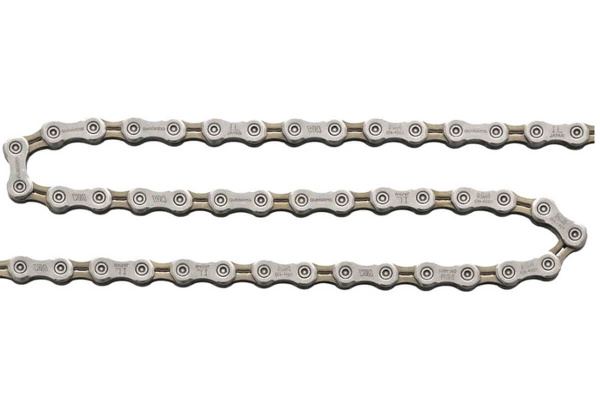
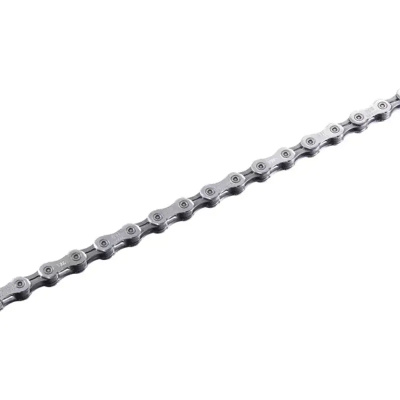
SIL-TEC-coated chains add a PTFE treatment across the plates and rollers that reduces friction noticeably and resists the wet-grit grinding paste that UK roads and trails serve up through autumn and winter. If you ride year-round, it's worth the extra outlay. Standard chains are fine for fair-weather miles, but they won't last as long once the lanes turn filthy.
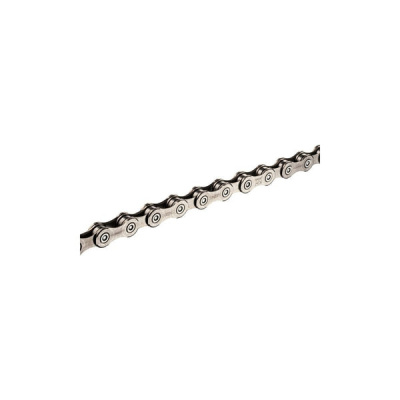
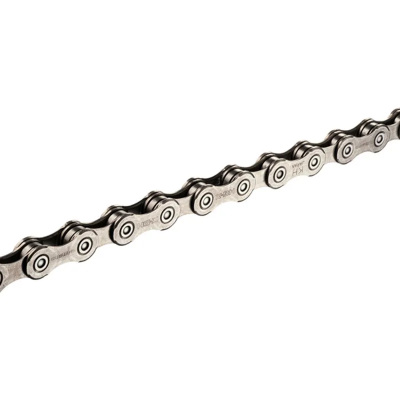
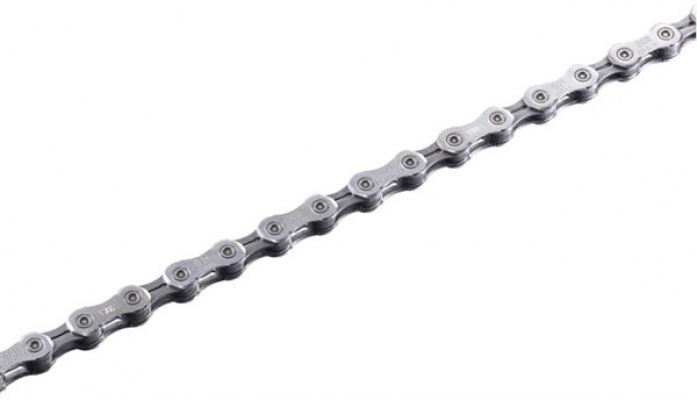
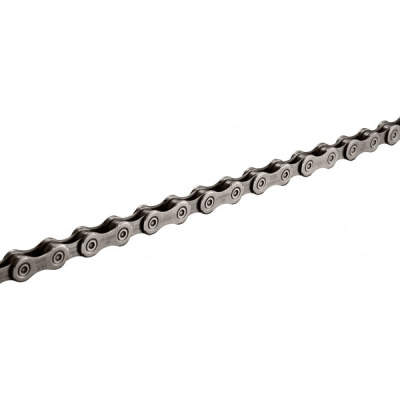
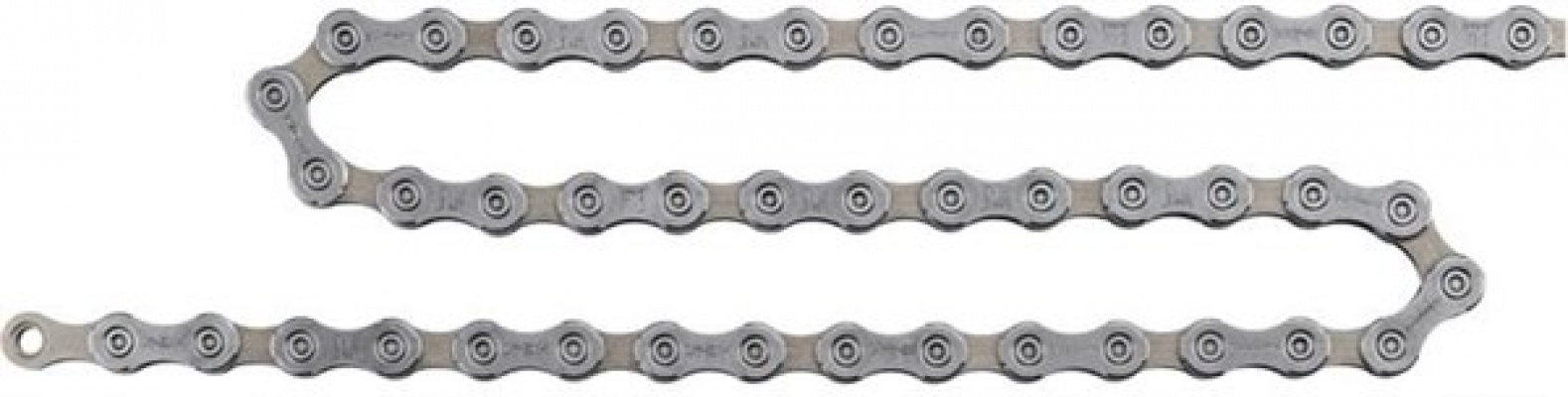
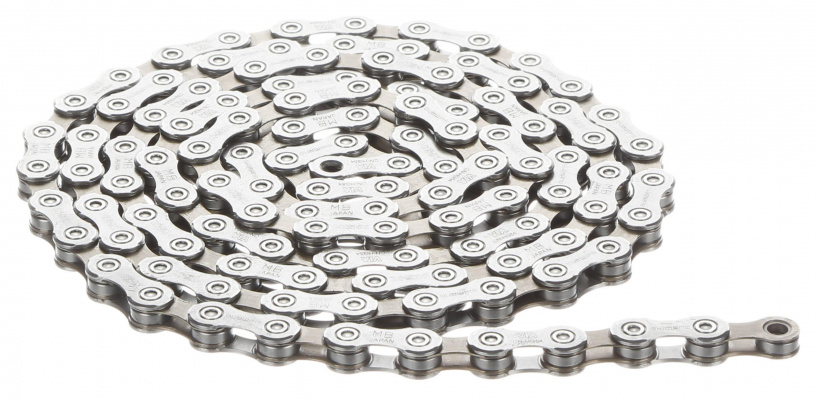
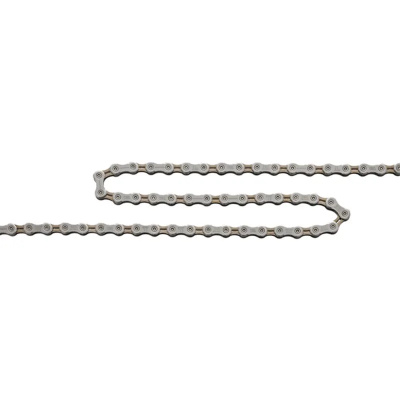
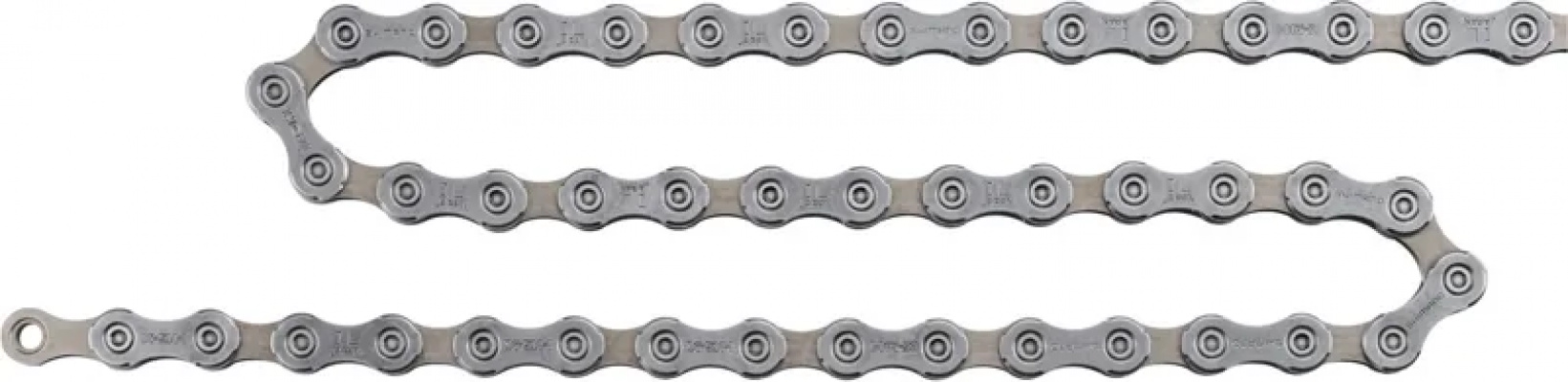

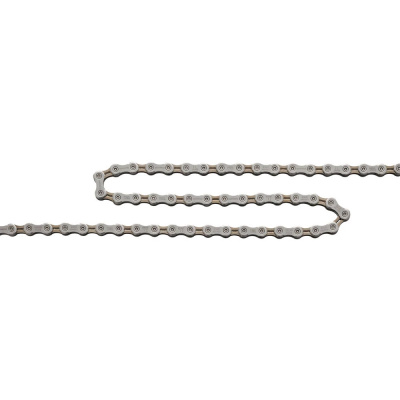
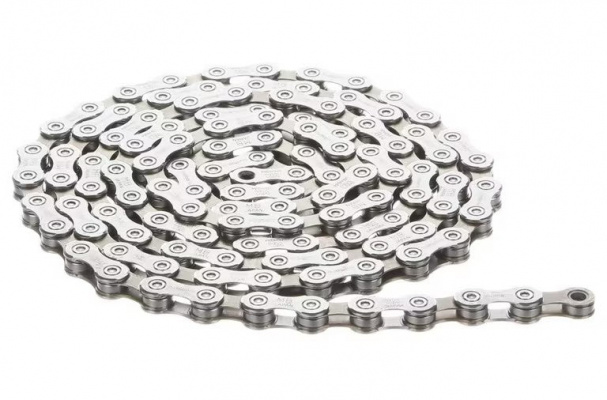
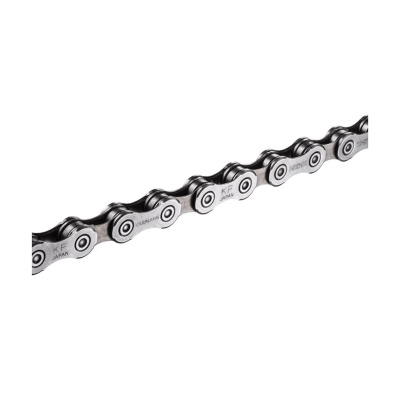
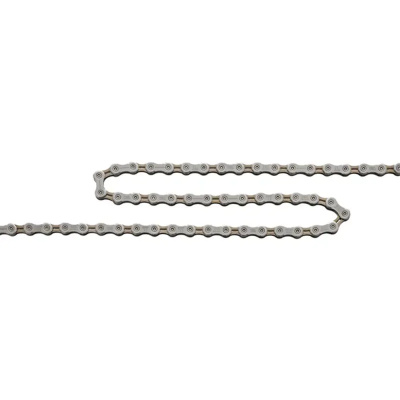
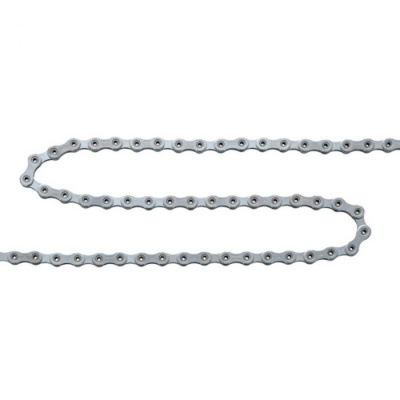
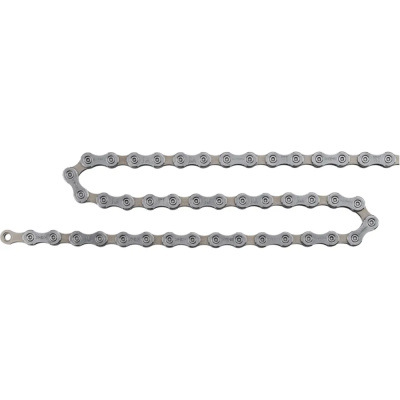
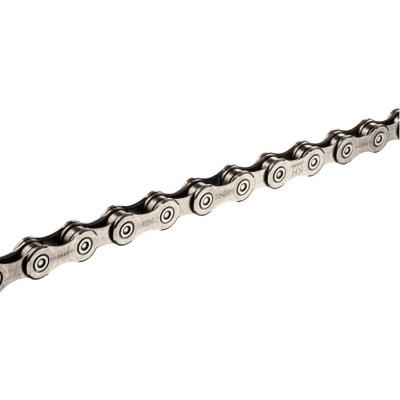
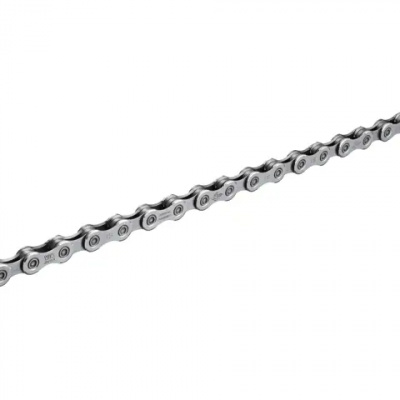
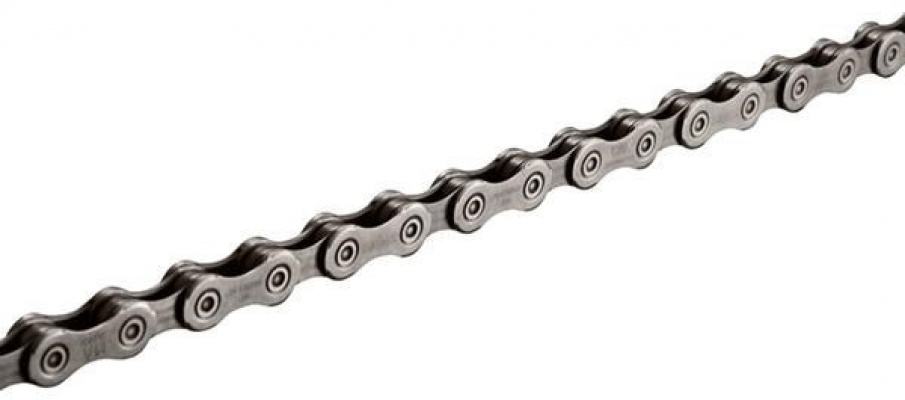
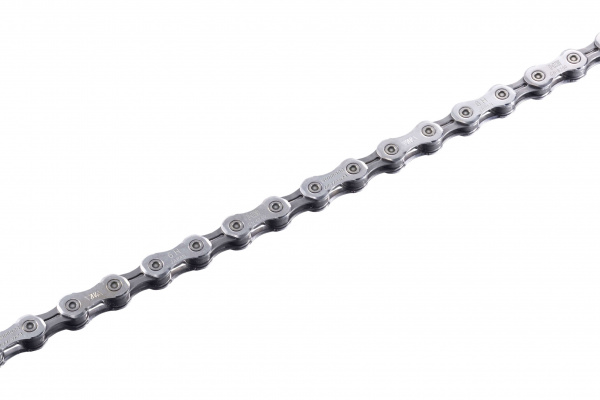
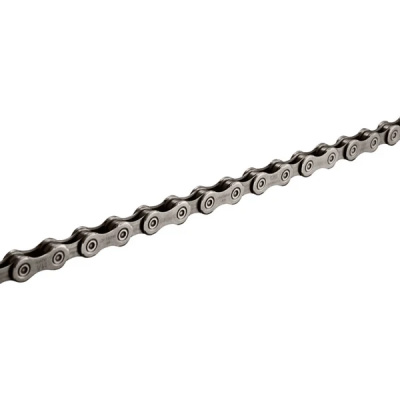
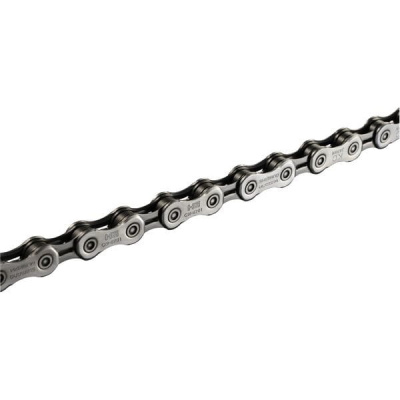
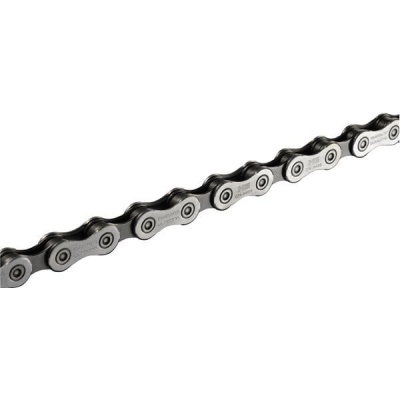
Prices and availability can change quickly. Delivery charges are not always included in listed prices.
Final price, stock status and delivery terms are set by retailer. We may receive a commission on purchases made.
Road vs MTB: Getting Compatibility Right First
This is where most drivetrain headaches start. Shimano's 10-speed road chains - the CN-4601 for Tiagra being a typical example - are designed around the narrower cassette spacing and cable pull ratios of road groupsets. The 10-speed MTB chains, such as the CN-HG54 for Deore, are built for Dyna-Sys: Shimano's MTB-specific drivetrain platform with wider spacing, different chainring profiles, and the expectation that you'll be smashing through gear changes under load on a Welsh winter trail rather than spinning smoothly along a sportive route.
The plate chamfering on HG-X chains is tuned for each application. Fit an MTB chain to a road groupset (or vice versa) and you'll likely get away with it for a while - but shifting will feel vague, and wear accelerates on both the chain and cassette teeth. It's not worth the gamble. Check your groupset family first, then choose accordingly.
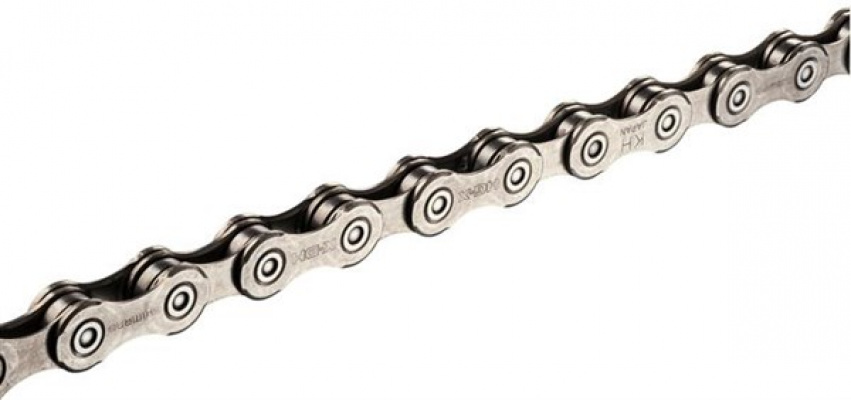
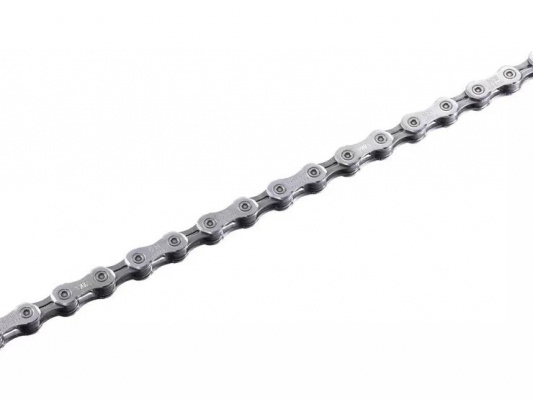
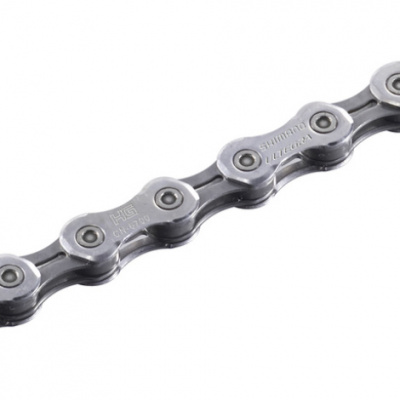
One more thing on installation: HG-X chains are directional. The side stamped with the Shimano logo faces outward - towards you - when the bike is in its normal riding position. Fit it backwards and the chamfered plates can't engage the cassette teeth as intended. It takes ten seconds to check and it matters.
If you need to replace just a link rather than the full chain, our Shimano tools category covers chain checker tools and related workshop kit. Riders who find their chain is worn beyond saving should also take a look at Shimano 10 speed cassettes before refitting - a new chain on a worn block will skip under load from day one.
What You Actually Get as You Move Up the Range
At entry level, the CN-HG54 (Deore, MTB) and CN-4601 (Tiagra, road) do the job without drama. Both run to the standard 116 links, use a standard connecting pin for joining, and shift accurately when matched to their intended drivetrain. They're the sensible choice if you're replacing a worn chain on a workhorse bike that lives in the shed between wet rides.
Step up to the premium end - chains like the CN-HG95 used across XT and Ultegra - and what you're paying for is primarily the SIL-TEC coating. Shimano applies a PTFE-based treatment to the inner plates, outer plates, and rollers. Friction drops, mud releases more cleanly rather than packing around the rollers, and the chain resists corrosion better in persistent wet conditions. On a long sportive day in the Lakes or a multi-hour trail ride in the Brecon Beacons, a smoother-running chain genuinely reduces drivetrain fatigue across the whole system.
The Quick-Link connector - available as an add-on for Shimano 10-speed chains - is worth considering if you do regular chain cleans. It lets you drop the chain off the bike without a chain tool, wash it properly, and refit it in under a minute. Shimano's official position is that connecting pins are single-use, so if you're likely to remove the chain repeatedly, factor in a Quick-Link from the start.
For riders eyeing alternatives, KMC 10 speed chains offer a competitive option at the mid-tier, and SRAM 10 speed chains are worth a look if you're running a mixed-brand drivetrain - though for a pure Shimano groupset, staying within the family is the path of least resistance. Connex 10 speed chains are a niche but well-regarded option for riders who prioritise easy removal and refit.
Surviving UK Conditions: Wear, Lube, and When to Replace
UK riding does specific things to chains that a dry-climate maintenance schedule doesn't account for. The combination of rain, road salt, and fine grit - especially on Peak District lanes or the kind of forest doubletrack that turns to soup in November - creates an abrasive paste that gets into the rollers and pins and starts grinding from the inside. A chain that might last 3,000 miles in dry conditions can be half that in a British winter.
The most important tool you can own is a chain wear indicator. Check at 0.5% stretch, not 0.75%. On a 10-speed system, the cassette teeth are narrower and more precisely profiled than on older 8 or 9-speed setups - they wear faster once a stretched chain starts riding over them incorrectly. Catching wear at 0.5% and replacing the chain typically means the cassette survives two or three chain changes. Wait until 0.75% and you're often replacing both at the same time. The right chain checker tool costs very little against a new cassette.
On lubrication: bikes fresh out of the box come with a factory grease that's fine for storage but not optimised for riding. For UK winter use - wet roads, puddles, persistent damp - leave the factory coating in place or top up with a quality wet lube. Stripping it out for a dry wax lube makes sense in summer dust, but it's counterproductive through the colder months when water ingress is the enemy. A SIL-TEC-coated chain buys you more resistance to rust and friction buildup before your next service, which matters if your mid-week ride ends in the dark and the chain doesn't get cleaned until the weekend.
One practical note: if you're fitting a new chain to a drivetrain that's seen a full season's riding, check the rear derailleur jockey wheels too. Worn jockey wheels create slop in the system that a new chain can't compensate for, and they're cheap to replace while you've got the bike on the stand.
Shimano 10 Speed Chains FAQs
Are Shimano 10-speed road and mountain bike chains interchangeable?
Not reliably. Shimano's 10-speed MTB chains - built for Dyna-Sys drivetrains, like the CN-HG54 - use different plate chamfering and are optimised for different cable pull ratios than road chains like the Tiagra CN-4601. You might get away with cross-fitting short term, but shifting will suffer and wear accelerates. Match the chain to your drivetrain family.
Which direction should a Shimano 10-speed chain be installed?
HG-X Shimano chains are directional. The side with the stamped Shimano logo should face outward - towards you - when the bike is positioned normally. This ensures the chamfered inner and outer plates sit correctly against the cassette teeth. Fitting it backwards degrades shifting performance and increases wear.
When should I replace my Shimano 10-speed chain?
Replace at 0.5% stretch - earlier than many general guides suggest. On 10-speed systems, the cassette teeth are finely profiled and wear quickly once a stretched chain starts riding over them incorrectly. A chain checker tool is the only reliable way to measure this. Catching it at 0.5% protects a cassette that costs significantly more to replace.
Do I need a specific pin or quick link for a Shimano 10-speed chain?
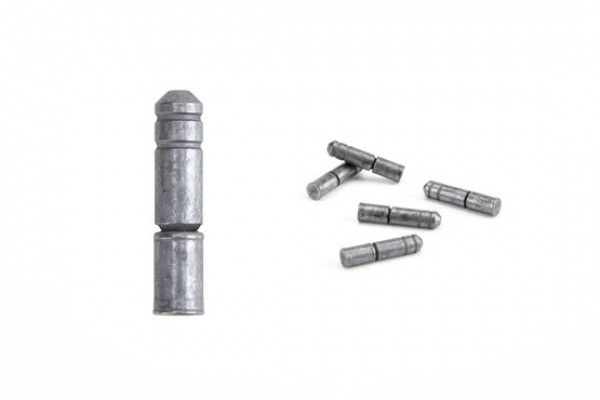
Yes. Use only a Shimano 10-speed connecting pin - the pin is sized specifically for 10-speed chain pitch and is designed as a single-use item. Alternatively, a Shimano-compatible Quick-Link for 10-speed chains allows tool-free removal and refitting, which is useful if you clean your chain off the bike regularly.