
SRAM 10 Speed Chains
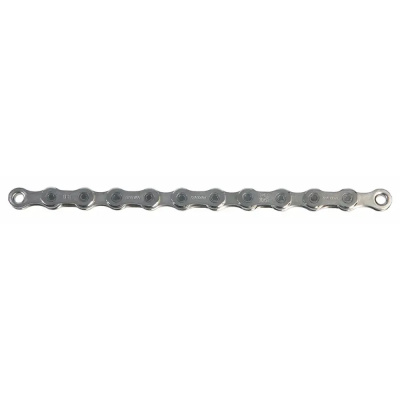
SRAM 10 Speed Chains sit at the heart of a well-sorted drivetrain, and choosing the right one is simpler than most riders think. SRAM builds their 10-speed range around Exact Actuation geometry - inner and outer plates are shaped to produce a consistent 3mm lateral shift every time you click the lever. That means crisp, reliable indexing whether you're on a road bike doing winter miles or an MTB ploughing through Peak District mud.
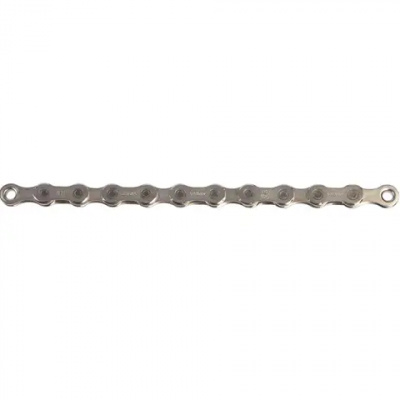
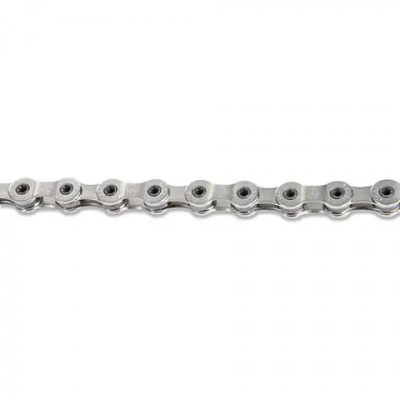
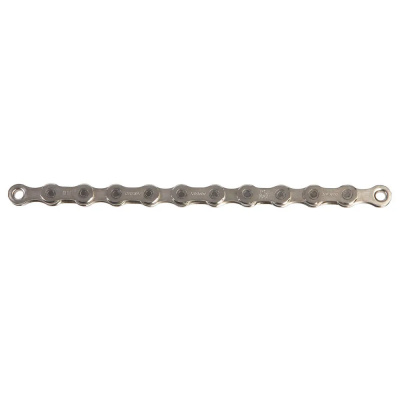
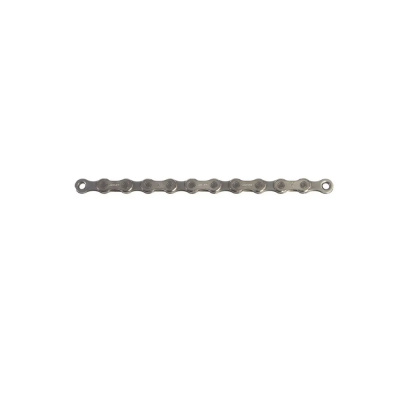
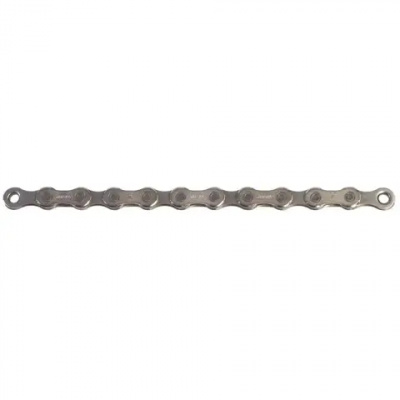
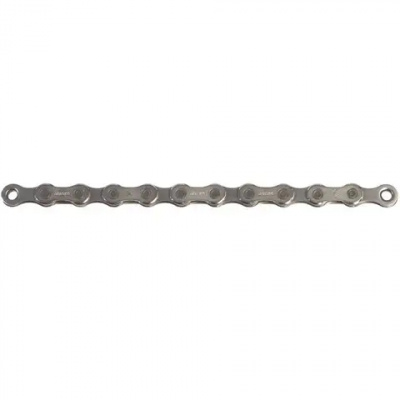
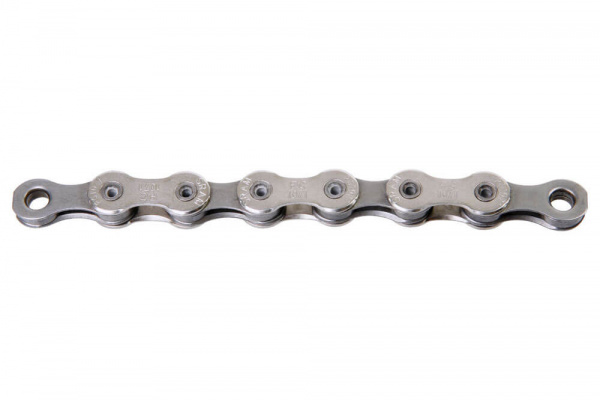
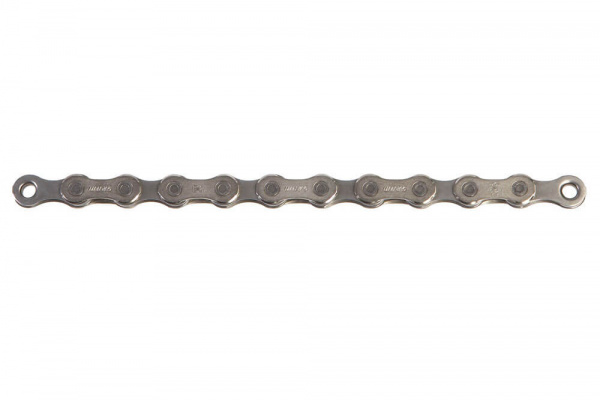
All SRAM 10-speed chains come standard at 114 links and ship with a PowerLock connector, so there's no chain tool needed for installation - you snap it together by hand and tension does the rest. Step up the range and you gain HollowPin construction for meaningful weight savings, plus nickel plating and chrome hardened pins that resist the grinding paste UK winters are so good at producing. The PC-1031 is a solid budget workhorse; the PC-1091R is built for riders who want the lightest, most corrosion-resistant option on the market. We've compared prices across the full range below so you can find the right chain without overspending.
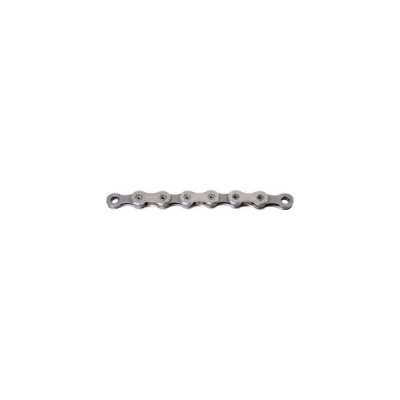
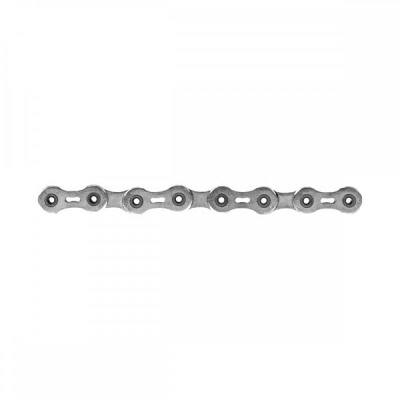
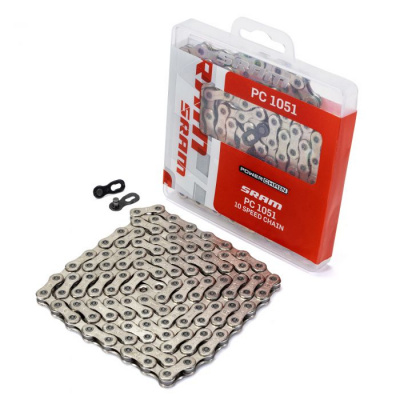
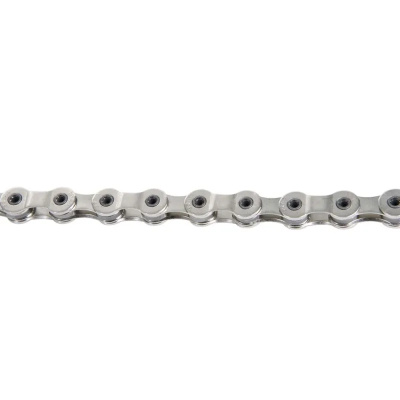
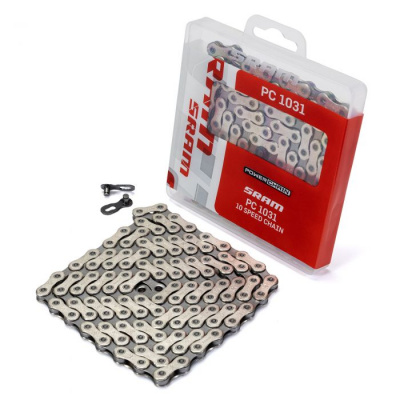




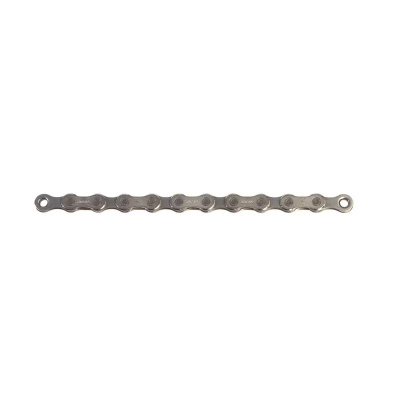
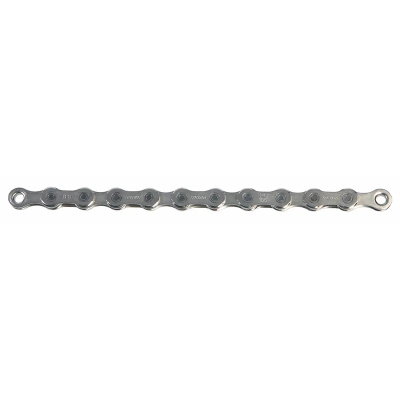
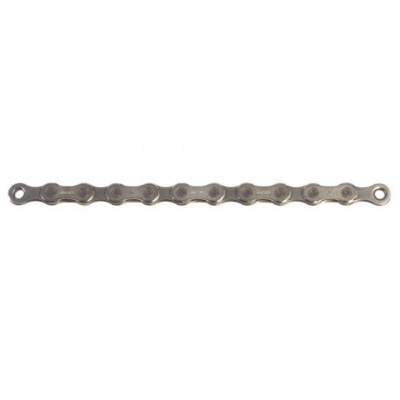

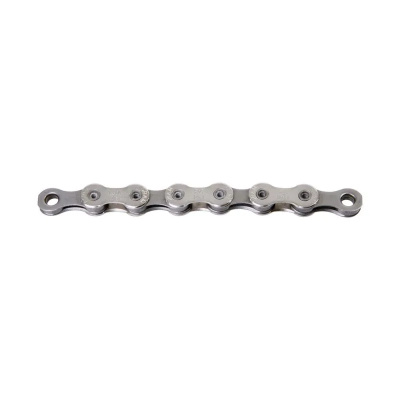






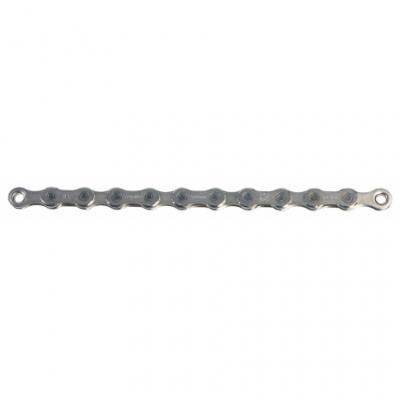

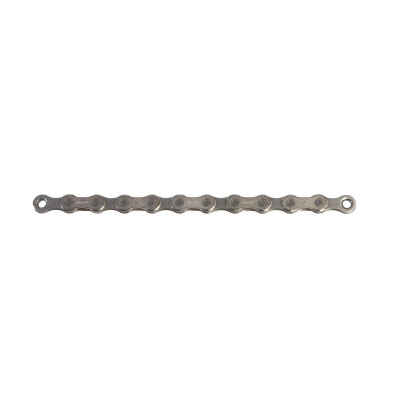

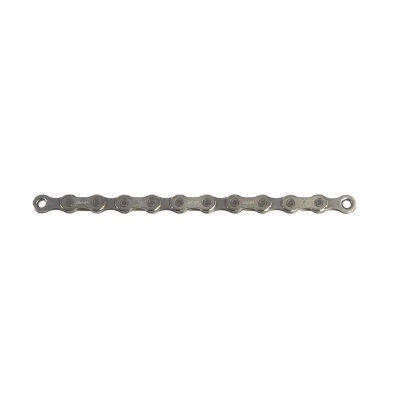
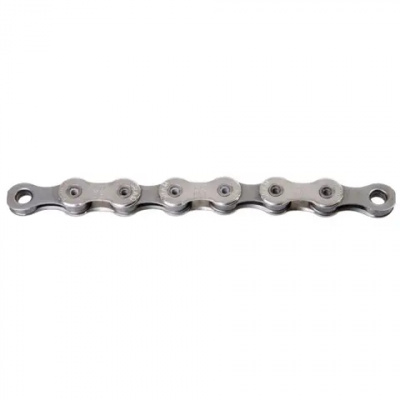
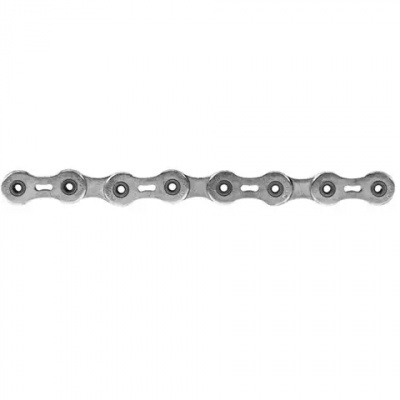
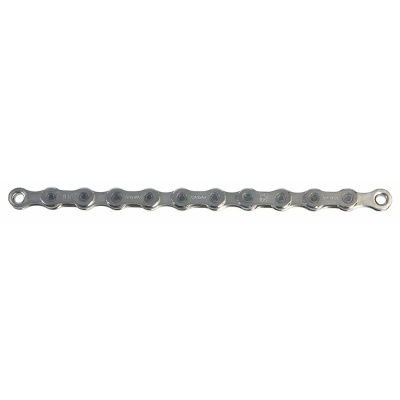
Prices and availability can change quickly. Delivery charges are not always included in listed prices.
Final price, stock status and delivery terms are set by retailer. We may receive a commission on purchases made.
Compatibility: What Works With What
Every SRAM 10-speed chain shares the same internal width and pitch as Shimano 10-speed chains, which means you can run one on a Shimano cassette without any compromise in shifting quality. That cross-compatibility extends across both road and MTB drivetrains - SRAM 10-speed road groupsets, Shimano Tiagra, Shimano Deore, the lot. It's genuinely plug-and-play between the two brands at this speed count.
All chains arrive at 114 links, which suits most standard setups straight out of the box, but you'll need to size it correctly for your specific rig. On a hardtail or road bike, standard sizing rules apply - run the chain around the big-big combination without going through the derailleur, add two links, done. On a full-suspension MTB, factor in suspension growth: as the rear end compresses, the effective chainstay length increases, so err on the side of slightly more chain rather than less. A chain that's marginally too short will slam your derailleur into the spokes on a big hit. Worth checking twice. SRAM groupsets and their derailleur cage lengths vary across the range too, so double-check against your specific mech if you're running a long-cage setup with a wide-range cassette.
Alternatives from KMC and Connex follow the same width standards, so if you're cross-shopping, compatibility isn't a deciding factor - it comes down to tech spec and price.
The Chain Hierarchy: PC-1031 Through to PC-1091R
The shifting performance across the SRAM 10-speed range is effectively identical. Exact Actuation geometry runs through every model, so your lever feel and indexing precision don't change as you spend more. What you're actually buying as you climb the range is corrosion resistance, weight reduction, and longevity under punishment.
PC-1031 is the entry point - a solid, unpretentious chain that shifts cleanly and won't embarrass itself. No frills on the finish, so if you're riding in grim UK conditions regularly, you'll need to stay on top of cleaning and lubing. For a summer road bike or a bike that lives indoors between rides, it's a sensible, cost-effective choice.
PC-1051 adds nickel-plated outer links. That matters more than it sounds. Road salt eats bare steel surprisingly fast, and the surface oxidation isn't just cosmetic - it accelerates wear at the side plates and makes the chain feel gritty sooner. The nickel plating acts as a barrier. If you commute or ride through autumn and winter, the PC-1051 is worth the step up.
PC-1071 introduces HollowPin construction. The pins are drilled out to remove material from the centre, saving weight without compromising tensile strength - the outer shell of the pin still handles the load. It's a meaningful saving over a full chain length and it's the point where you start to notice the difference on the scales.
PC-1091 and the PC-1091R sit at the top. Full nickel plating across all links, aggressive chamfering on the inner plates to help the chain pick up and release teeth cleanly, HollowPin throughout, and chrome hardened pins for maximum wear resistance. The PC-1091R designation typically indicates a road-optimised version. If you're running a high-end groupset and want the chain to match it - or if drivetrain wear costs are something you're actively managing - this is where the investment makes sense.
To put it plainly: don't agonise over shifting differences between models. Buy the PC-1031 if budget is tight, step to the PC-1051 if you ride through winter, and only go further if weight or long-term wear resistance genuinely matter to your riding.
Keeping a SRAM Chain Alive in UK Conditions
A SRAM 10-speed chain in good condition will last between 1,500 and 2,000 miles under typical UK riding. That range shrinks fast if you're grinding through Dartmoor clay or riding exposed tarmac that's been salted. The combination of fine grit and water forms an abrasive paste inside the chain that accelerates internal wear - what we measure as chain stretch - far quicker than dry mileage alone.
The practical response is straightforward: clean the chain after muddy rides, not before the next one. A degreased and re-lubed chain picks up less contamination than one that's already carrying old lube loaded with grit. Use a wet lube for autumn and winter riding - it stays put in the rain rather than washing off. Swap to a dry or wax-based lube for summer to reduce dirt pickup on dusty descents.
Replace the chain at 0.5% wear, not 1%. That's the key number. Most riders wait until 1% - by which point the cassette and chainrings have already started to wear to the stretched chain's profile. Replacing at 0.5% means you'll go through more chains, but you'll get two or three times the life from your cassette and chainrings. A chain wear indicator tool costs next to nothing and takes ten seconds to use. Keep one in your workshop kit.
For the actual joining and splitting process, a proper chain tool makes sizing clean and accurate - check our range of SRAM tools for compatible options. And if you need replacement PowerLock connector links rather than a full new chain, head to our dedicated SRAM Chain Quick Links page for those specifically.
SRAM 10 Speed Chains FAQs
Are SRAM 10-speed chains directional?
The chain itself isn't directional - you can fit it either way round without affecting shifting. The PowerLock connector link is a different matter: it has a directional arrow stamped on it that should point in the direction of chain travel. Get that the wrong way round and the link won't release cleanly when you need to remove it.
Can I use a SRAM 10-speed chain on a Shimano cassette?
Yes, fully compatible. SRAM and Shimano 10-speed chains share the same internal width and pitch, so a SRAM chain will index cleanly on a Shimano 10-speed cassette across both road and MTB setups. No adjustment needed - just fit, size, and ride.
How long does a SRAM 10-speed chain last?
Roughly 1,500 to 2,000 miles under typical UK conditions, though that drops quickly if you're riding through winter grit without cleaning regularly. Check wear with a chain tool and replace at 0.5% stretch - not 1%. Catching it early protects your cassette and chainrings from wearing to a stretched chain's profile, which saves money long-term.