
KMC 10 Speed Chains
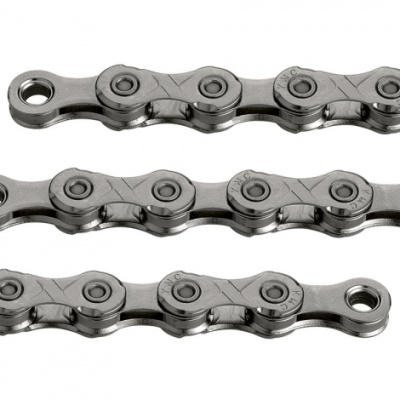
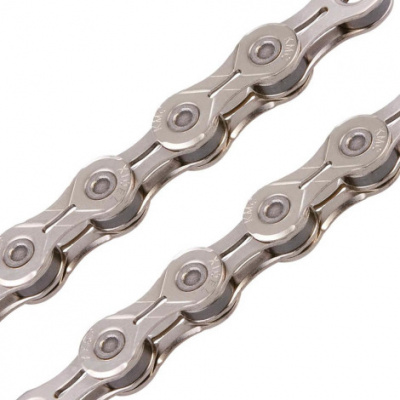
KMC 10 speed chains have become the go-to replacement chain for mechanics and home wrenchers alike - and it's not hard to see why. Whether you're running Shimano, SRAM, or Campagnolo across a 10-speed system, KMC's chains drop straight in without faff. That universal fit alone makes them worth a look, but the engineering underneath is what keeps them on so many bikes.
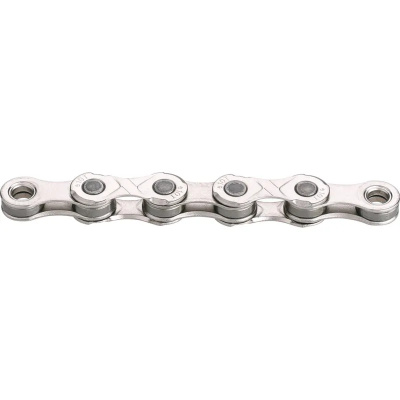
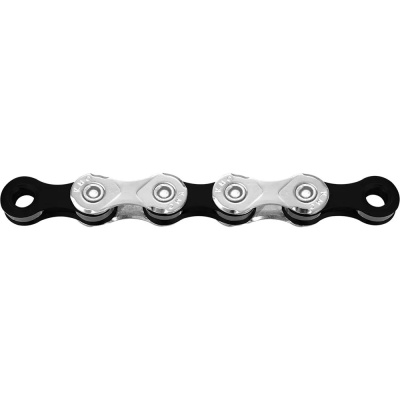
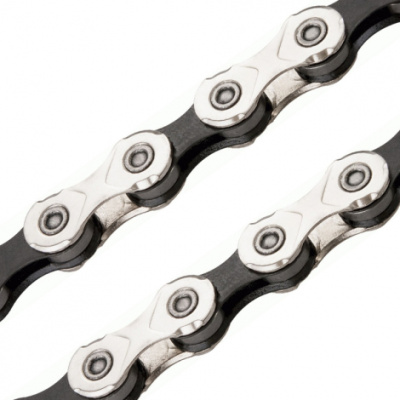
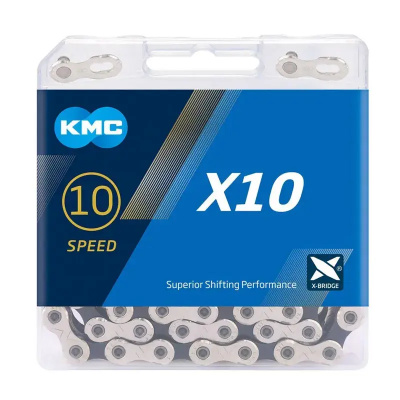
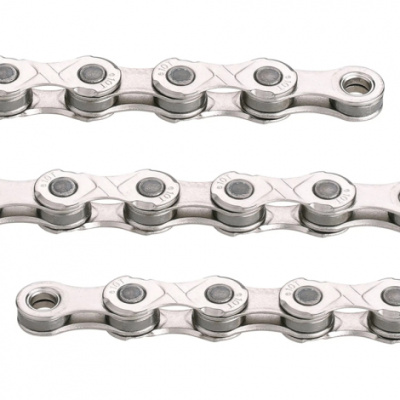
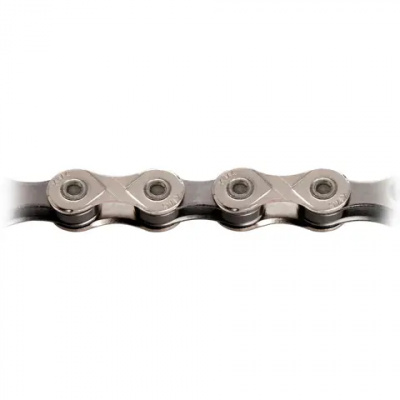
KMC's X-Bridge technology reshapes the outer plates to guide the chain onto sprockets faster and with less noise - you'll notice the difference on a cold morning when a stiff drivetrain is the last thing you need. Step up to an EPT (EcoProTeQ) model and you're getting an anti-rust treatment that roughly doubles the corrosion resistance of a standard chain. For anyone riding through a British winter - gritty lane, sodden trail, or daily commute - that matters more than most spec sheets admit.
The range runs from dependable everyday options right through to featherlight competition chains and purpose-built e-bike variants. Standard lengths come in 114 links or 116 links to suit most setups. There's a KMC 10 speed chain for virtually every rider here, and we've pulled together the full picture to help you pick the right one.
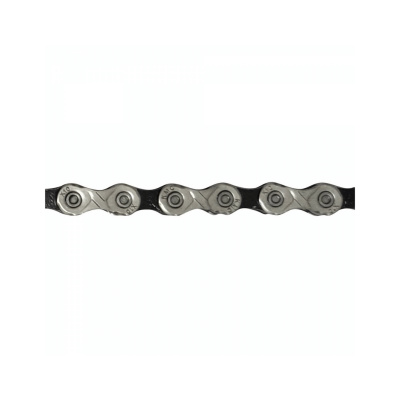
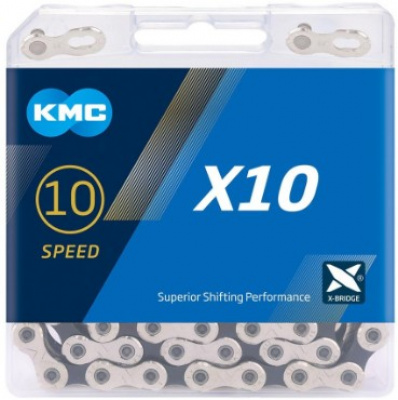
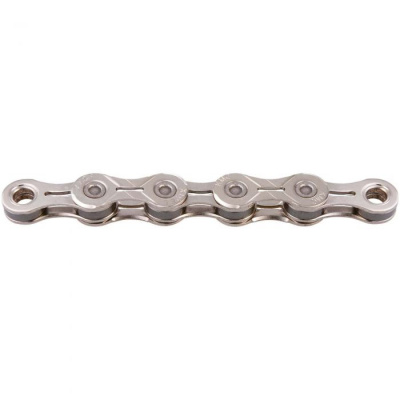
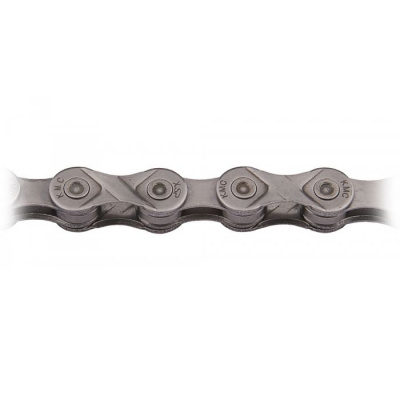


Prices and availability can change quickly. Delivery charges are not always included in listed prices.
Final price, stock status and delivery terms are set by retailer. We may receive a commission on purchases made.
Compatibility and Chain Sizing
KMC 10 speed chains are compatible with Shimano, SRAM, and Campagnolo 10-speed drivetrains as a direct replacement. The chain width is standardised across those platforms, so you're not gambling on fitment. Most chains ship in either 114 links or 116 links - 116 is the more common starting length and suits the majority of road and MTB builds, with the expectation that you'll size it down to fit your specific setup.
The reliable method for getting chain length right is the large-chainring to large-cog approach: route the chain through both without going through the derailleur, then add two links. It's a simple check that saves you the headache of a chain that's too short to shift into the big-big combination or so long it sags through the derailleur cage on the small-small. Get it wrong and you'll know about it the first time you grab a handful of gear on a descent.
KMC's Missing Link system is their tool-free quick link for installation and removal - no chain tool required once you know the knack. For a full breakdown of which Missing Link suits which chain and how to fit them correctly, head to our dedicated KMC tools and quick links page where we cover the specifics in detail.
KMC 10 Speed Range: Which Chain for Which Rider
KMC structures their 10-speed lineup in tiers, and understanding the differences keeps you from either overspending or under-speccing.
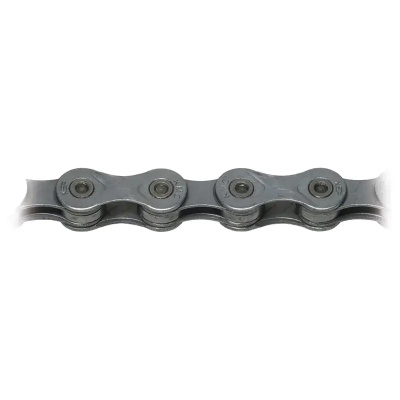
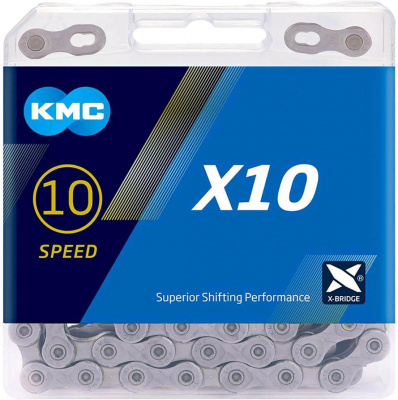
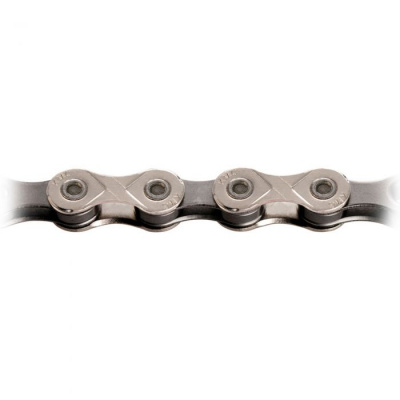
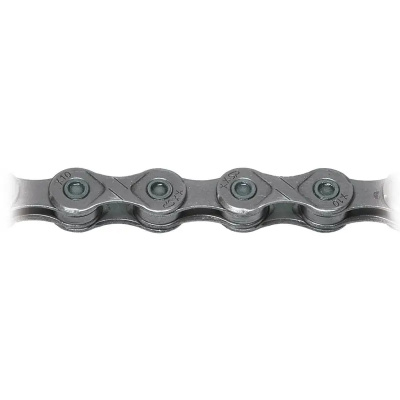
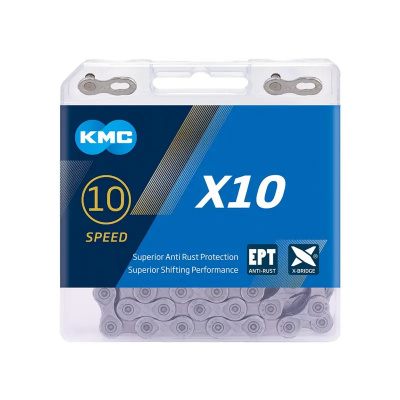
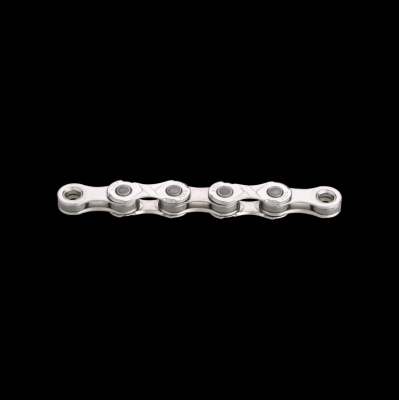
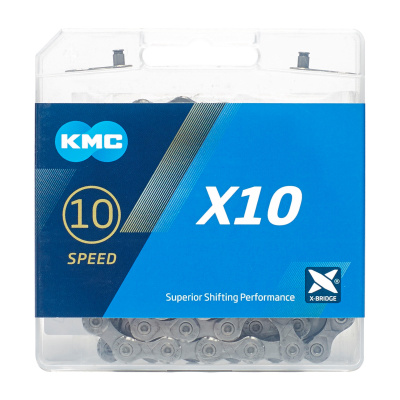
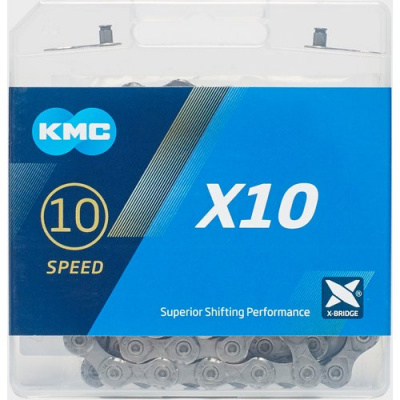
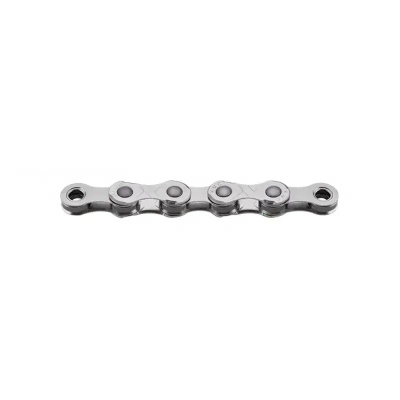
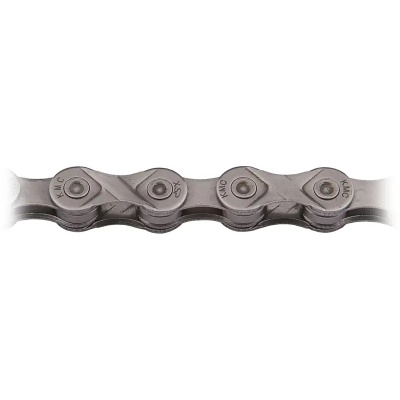
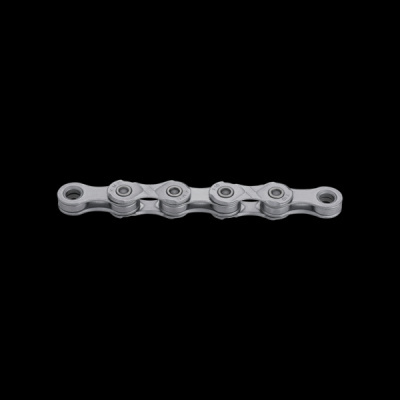
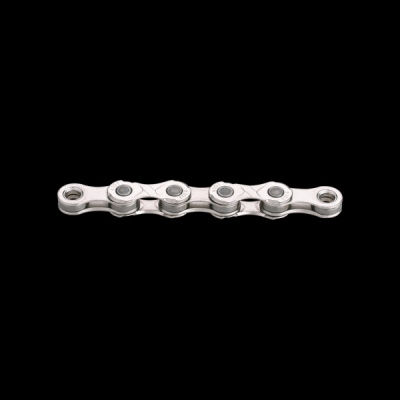
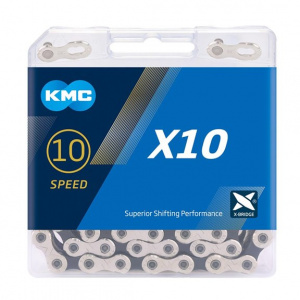
The X10 is the workhorse. Solid nickel plating, conventional solid plates, and the X-Bridge outer plate profile for smooth shifting. It's heavier than the upper tiers but it takes a beating, and for a winter training bike or a commuter that sees daily use, it's exactly what you want. Reliability over grams.
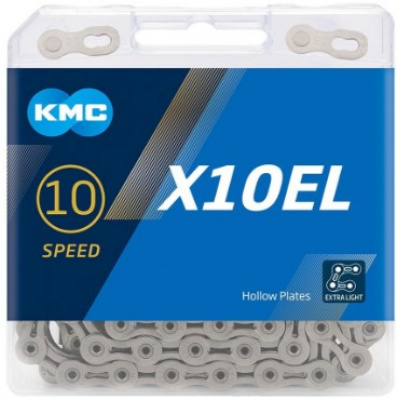
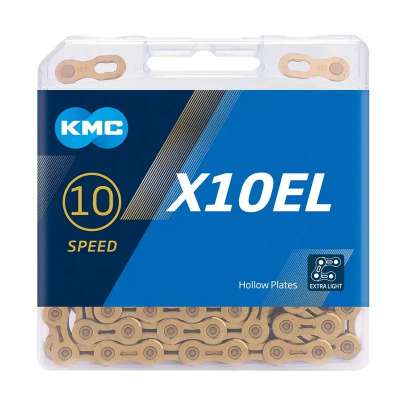
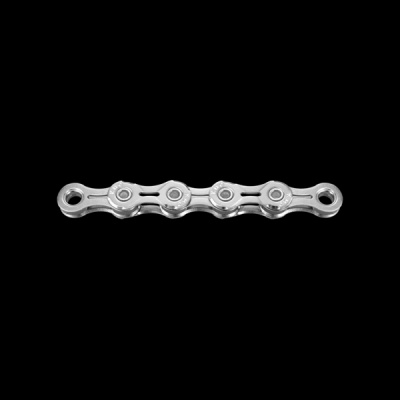
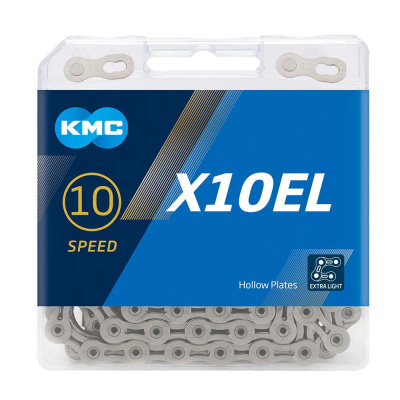
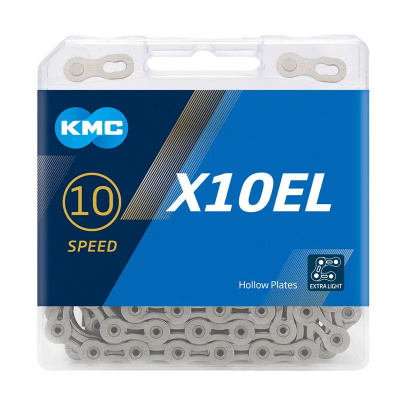
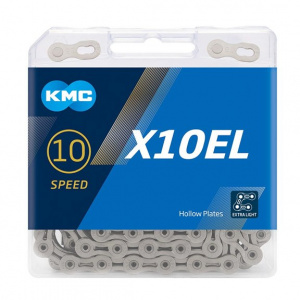
The X10EL (Extra Light) introduces hollow outer plates to trim weight without compromising the core X-Bridge geometry. A reasonable middle ground if you want a lighter chain for your race or sportive bike but don't want to pay super-light money.
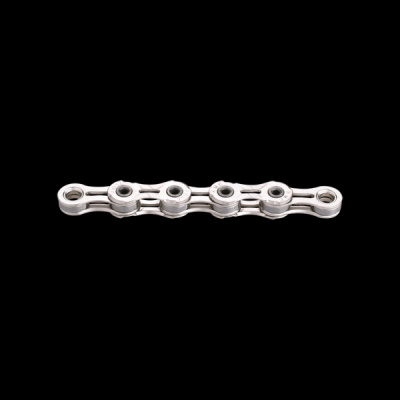
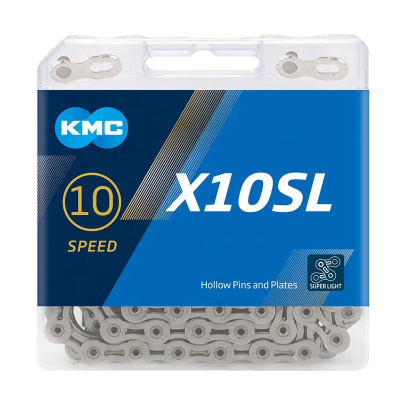
The X10SL (Super Light) goes further - hollow pins and hollow plates. This is the chain for a dedicated race build where every gram is accounted for. It's not fragile, but it will wear faster under heavy use and mud, so save it for the season you're actually trying to go fast rather than everyday grinding.
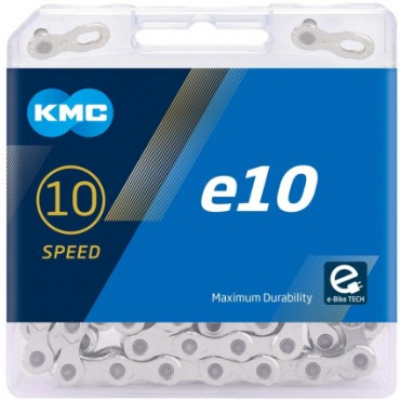
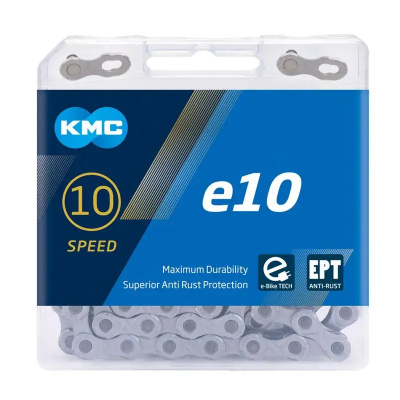
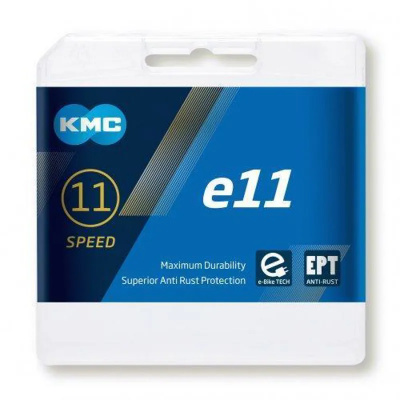
Then there's the e10 series, and this one deserves a separate mention. Mid-drive e-bikes - particularly the kind of e-MTBs doing lap after lap at trail centres - generate torque loads that standard chains aren't designed for. The e10 uses higher pin power construction to handle that stress. If you're riding a 10-speed e-MTB and you keep snapping chains or seeing accelerated wear, swapping to the e10 is the straightforward fix. KMC also offers the best KMC 10 speed chain for MTB use in this segment, and the e10 is a strong answer for powered off-road work.
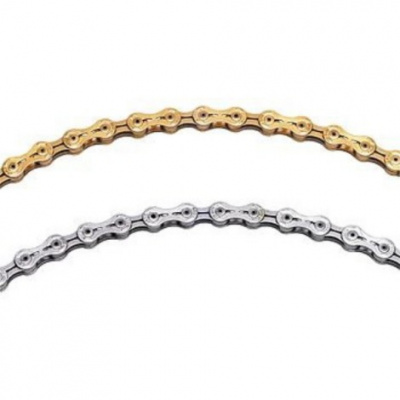
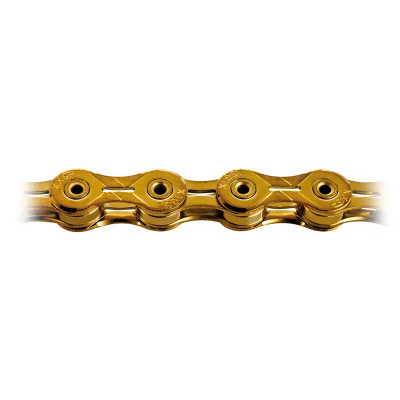
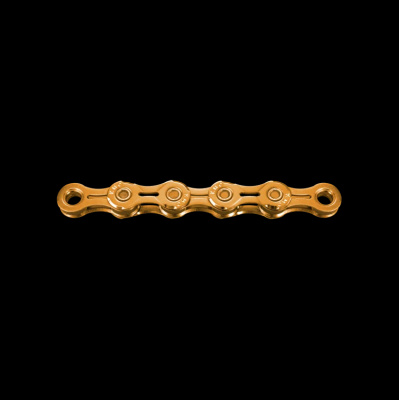
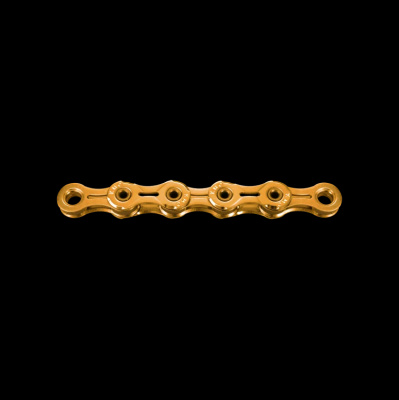
On coatings: the Ti-N (Titanium Nitride) finish - recognisable by its gold colour - reduces friction between the chain and drivetrain components and meaningfully extends chain life. It's worth the premium if you're meticulous about drivetrain longevity. Standard nickel plating does the job for most, but the Ti-N option is there when you want the chain to last as long as possible before it hits the 0.5% wear threshold. You can also pair KMC chains with KMC chainrings for a matched drivetrain that wears evenly across components.
If you're comparing options beyond KMC, Connex and Wippermann are the other chains worth considering at this speed - both offer their own takes on coatings and quick-link systems, and they're worth a look if you're curious what sits alongside KMC in this category.
Keeping a KMC Chain Alive Through a UK Winter
Here's the thing about riding in Britain: the mud and grit don't just coat your chain, they mix with your lube and turn it into an abrasive paste that grinds through metal faster than dry conditions ever would. The EPT (EcoProTeQ) anti-rust treatment on KMC's wet-weather variants is specifically worth seeking out if you're commuting through winter or riding muddy MTB trails. It's not a marketing tick - EPT genuinely doubles corrosion resistance compared to standard chain treatments, and on a bike that lives outside or gets hosed down weekly, that translates directly into longer service intervals before you're reaching for a new chain.
The practical drill: clean and re-lube after every wet ride. It sounds obvious, but leaving a gritty chain overnight is where the real damage accumulates. A good degreaser, a chain cleaning tool, and a fresh application of a wet lube suited to UK conditions is the routine that keeps a chain in spec. A KMC 10 speed chain EPT model gives you more margin, but it's not an excuse to skip cleaning.
Use a chain checker tool regularly - this is non-negotiable. Check at around 500 - 750 miles depending on conditions, and replace the chain before it hits 0.75% wear. A stretched chain starts filing down the teeth on your cassette and chainrings, and by the time you replace the chain at that point you'll often need to replace the cassette too. Check out KMC's chain checker tools to keep on top of wear, and if you're already at the stage of replacing both chain and cassette, the KMC 10 speed cassettes page is the logical next stop - a new chain on a worn cassette will skip under load almost immediately.
KMC X10 compatibility extends across the full range of 10-speed groupsets, so whether you're on an older Shimano XT build, a SRAM GX setup, or a vintage Campagnolo Centaur groupset, the chain selection process is the same. That's genuinely useful when you're maintaining a mixed fleet of bikes or keeping older drivetrains rolling without hunting down manufacturer-specific parts.
KMC 10 Speed Chains FAQs
Are KMC 10 speed chains compatible with Shimano and SRAM?
Yes. KMC 10 speed chains work directly with Shimano, SRAM, and Campagnolo 10-speed drivetrains - no adapters, no faffing. They're designed as a straight swap, and shifting performance is equal to or better than many OEM chains. KMC X10 chain compatibility covers the full spread of 10-speed groupsets from budget to high-end.
Are KMC 10 speed chains directional?
Most KMC 10-speed chains, including the X10 series, are non-directional - you can fit them either way round without affecting performance. That said, always check the specific model's packaging before you install it, as some variants in the range do have a preferred orientation marked on the outer plates.
When should I replace my KMC 10 speed chain?
Replace when a chain checker tool reads 0.5% to 0.75% wear. At 0.5% you're still protecting your cassette and chainrings; push past 0.75% and the stretched chain starts accelerating wear on both. In UK winter conditions - mud, grit, constant wet - expect to hit that threshold sooner than the mileage figures on the packaging suggest.