
Shimano 10 Speed Cassettes
A worn cassette is quietly ruining your ride - and a fresh Shimano 10-speed cassette is the most direct fix you can make to a drivetrain that's started skipping, hesitating, or just feeling dead under load. Shimano's Hyperglide tooth profiling is the reason their cassettes shift so cleanly: each sprocket is shaped and ramped to guide the chain across under load, not just when you're spinning easy. You feel the difference immediately.
Whether you're running a Tiagra-equipped winter road bike through the Peak District grit or a Deore mountain bike in the Brecon Beacons, the HG freehub standard means the cassette slots straight onto your existing hub. No adapters, no faff - provided you've got the right spacers sorted, which we cover below.
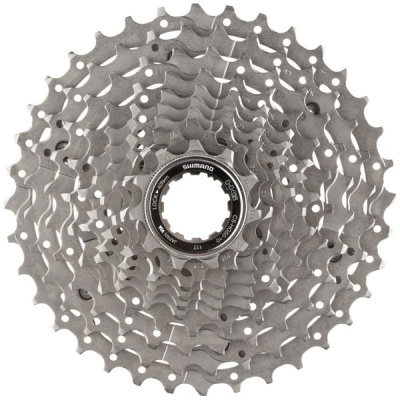
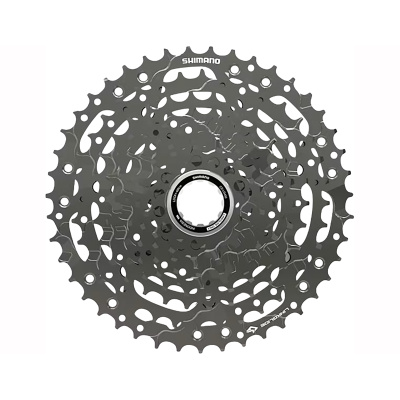
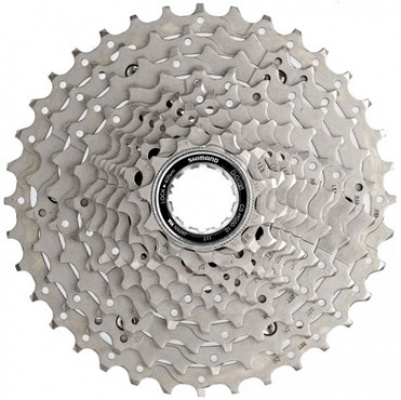
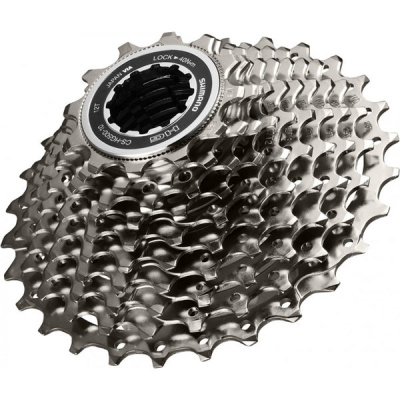
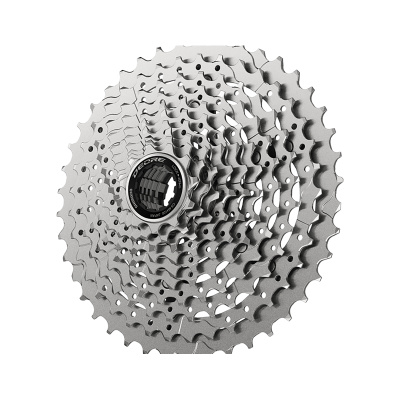
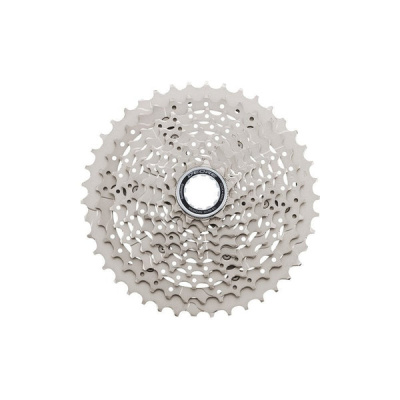
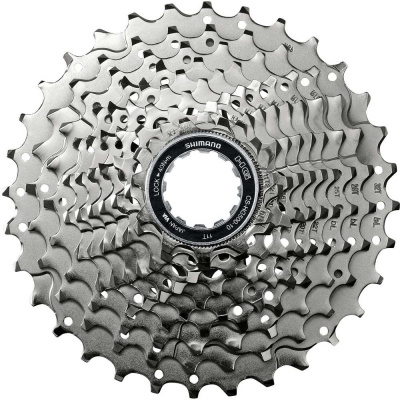
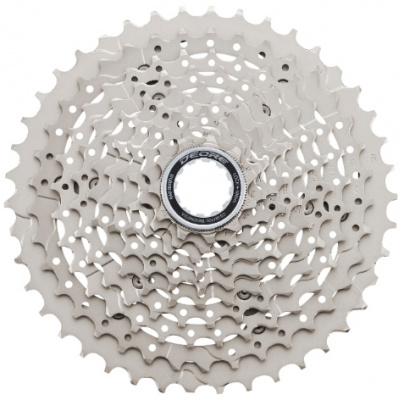
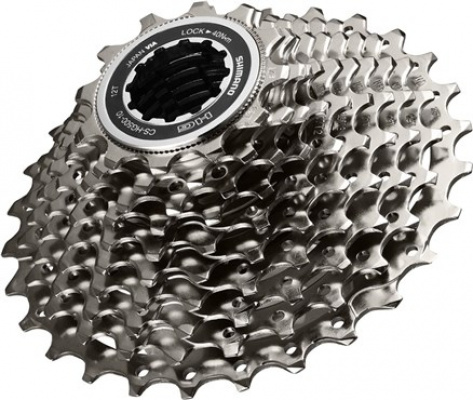
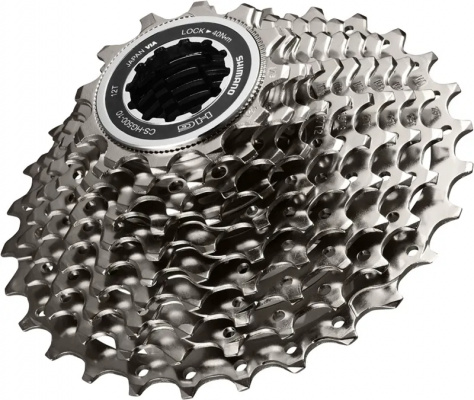
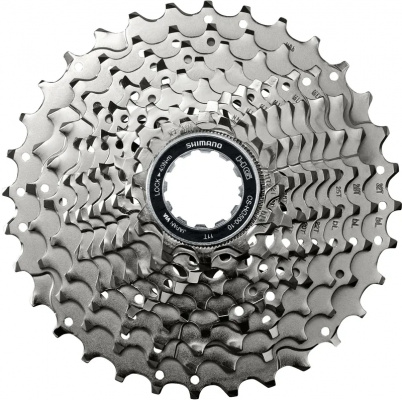
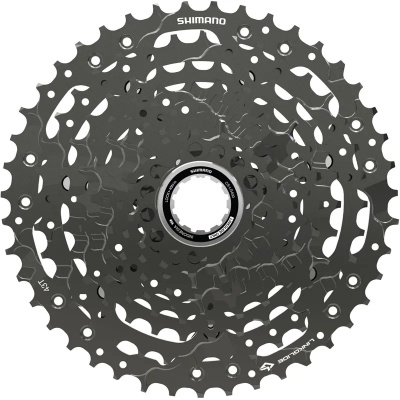
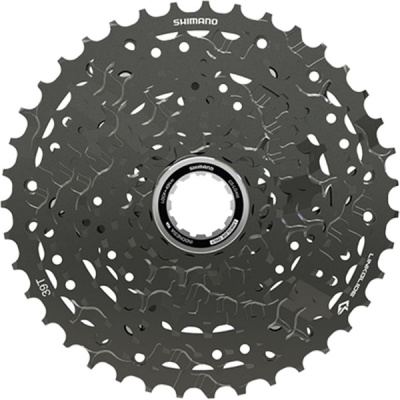
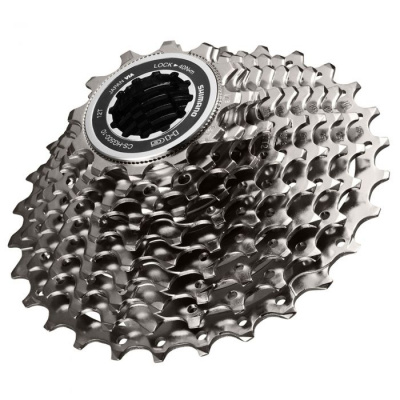
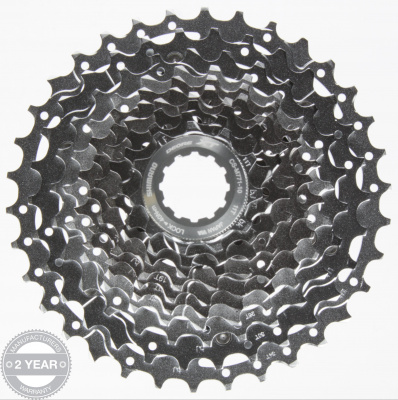
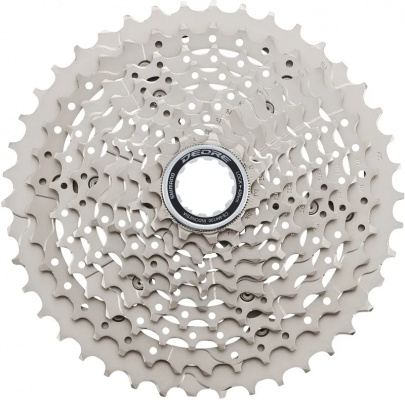
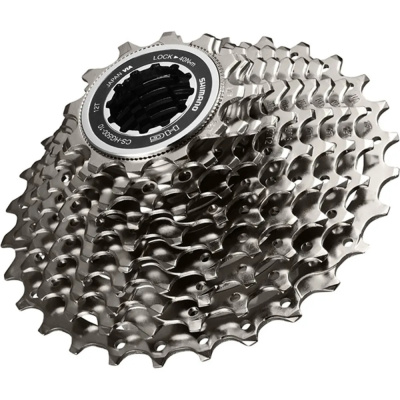
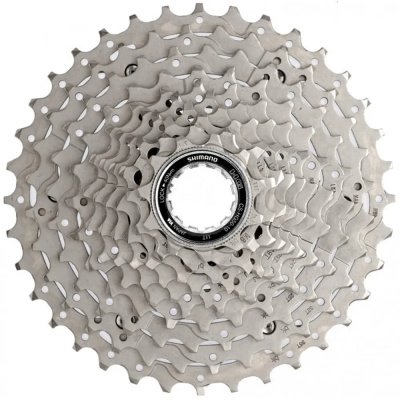
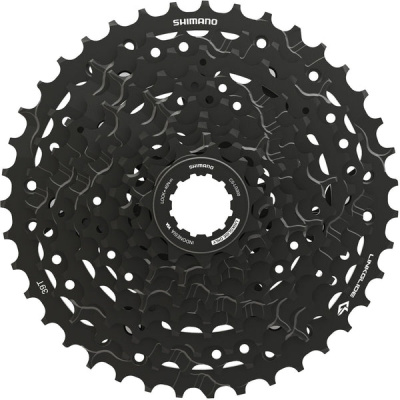
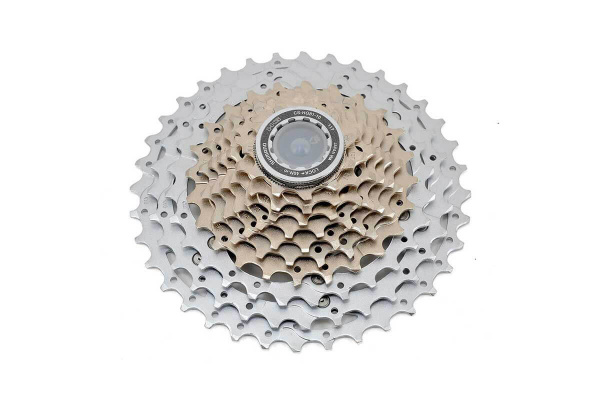
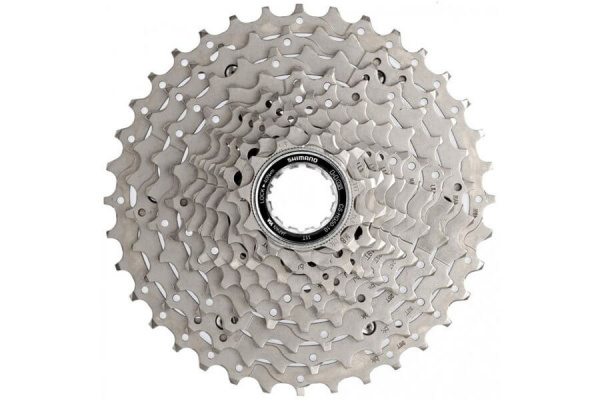
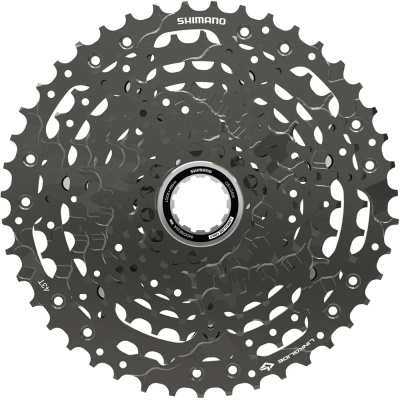
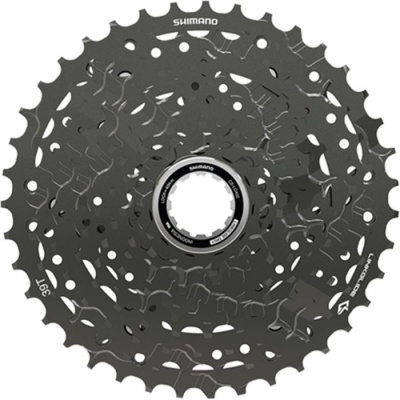
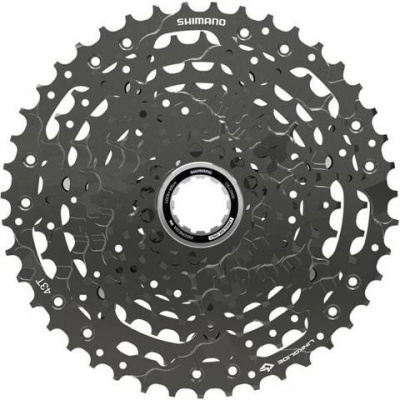
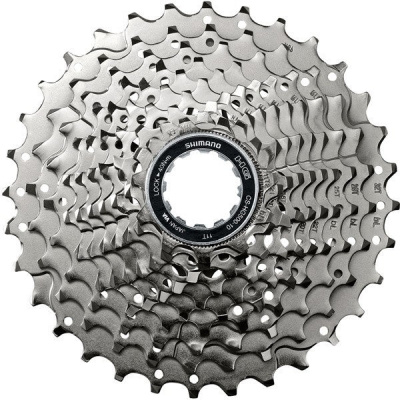
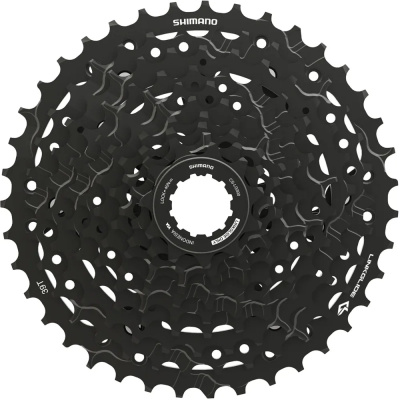
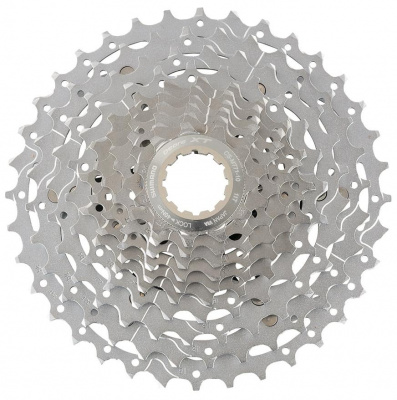
The range covers road cassettes from tight 11-25 climbing ratios up to 11-34 compact options, and MTB cassettes stretching to 11-42 for serious climbing. Shimano's Dyna-Sys technology on the MTB side tightens up the gear steps so you're never left hunting for a ratio on a steep singletrack climb. Pick your gear ratio, check your derailleur capacity, and browse the price-compared selection below. If you need individual lockrings or sprockets, head to our Cassette Spares page instead.
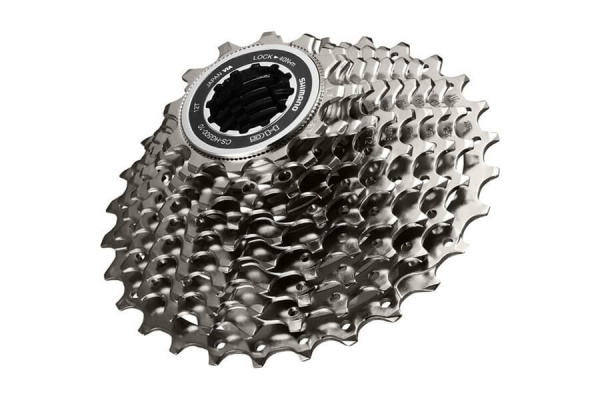
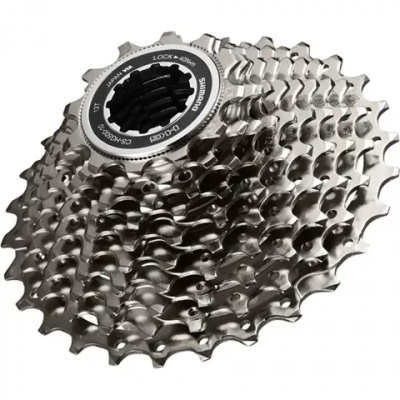
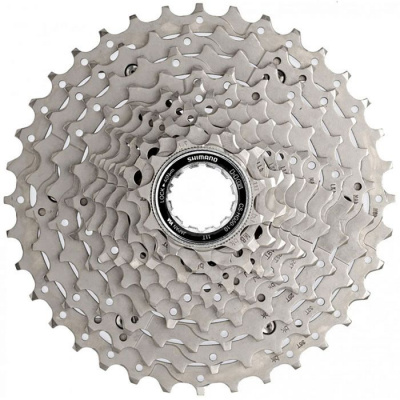
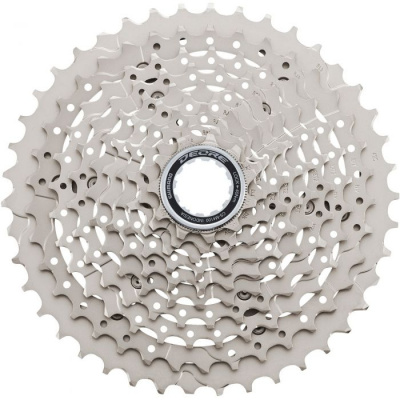
Prices and availability can change quickly. Delivery charges are not always included in listed prices.
Final price, stock status and delivery terms are set by retailer. We may receive a commission on purchases made.
Will It Fit? Freehub Standards and Spacer Rules
Every Shimano 10-speed cassette - road or MTB - is built around the HG freehub body standard. That's the splined interface on your rear hub, and virtually every Shimano-compatible wheel from the last two decades uses it. Physically, a 10-speed cassette will slot onto any standard HG freehub. The complication comes when you're mixing cassette generations with different-width freehubs.
Fitting a 10-speed road cassette onto a newer 11-speed road freehub? You'll need a 1.85mm spacer behind the cassette, on top of the 1mm spacer that ships with the cassette itself. Skip either one and your indexing will be off, or the cassette will sit too far inboard entirely. MTB cassettes going onto an 11-speed road freehub typically only need the 1.85mm spacer - the wider MTB freehub body accounts for the rest. Get the spacers wrong and you'll spend an afternoon chasing a ghost indexing problem.
The other thing to nail before you order is derailleur capacity. A short-cage road derailleur handles cassettes up to around 28 or 30 teeth. Push it onto an 11-36 and the lower cage will foul the wheel on the big sprocket. Wider-range MTB cassettes - anything running to 36, 40, or 42 teeth - need a medium or long-cage derailleur to take up the slack. If your current derailleur can't handle the range you want, check out Shimano's 10-speed rear derailleurs before you commit to a cassette upgrade.
The Shimano Range: What Each Tier Actually Gives You
Shimano's 10-speed cassette lineup spans four main tiers, and the differences are more practical than you might think.
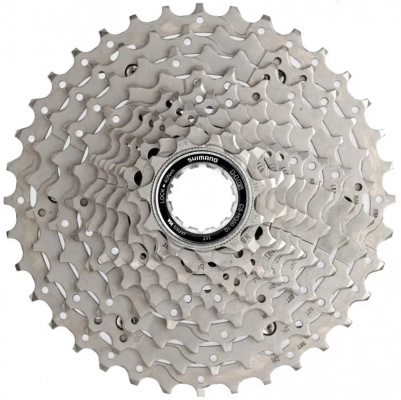
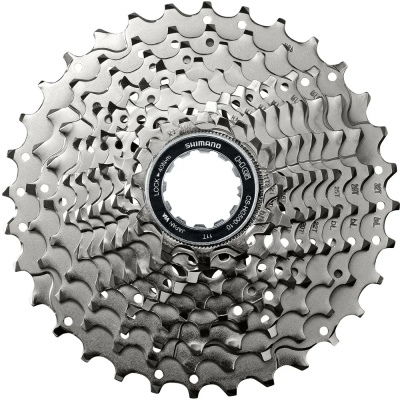
Tiagra sits at the road entry point. It's all-steel construction throughout - heavier than the tiers above, but genuinely durable and the most affordable way to get proper Hyperglide shifting. If you're doing high-mileage winter training and you're replacing cassettes regularly anyway, Tiagra makes complete sense. The nickel-plated steel sprockets resist corrosion reasonably well, though UK winters will still work on them.
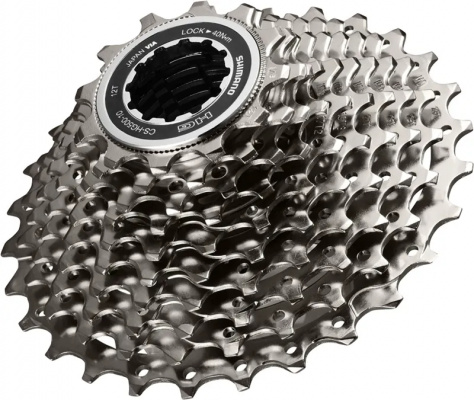
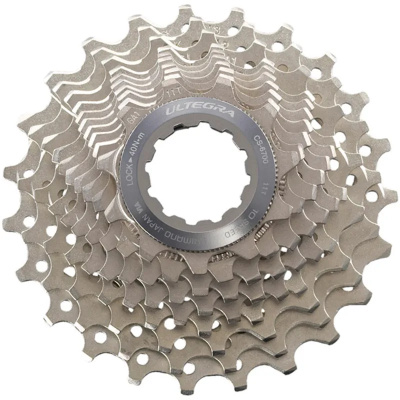
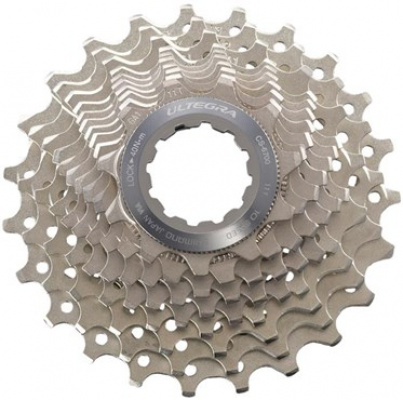
Legacy 105 and Ultegra road cassettes use alloy spider carriers on the larger sprockets. That's what shaves the weight - and it has a secondary benefit that's easy to overlook: alloy carriers spread the load across the freehub body rather than concentrating it on individual sprocket tangs. Soft aluminium freehub bodies, common on mid-range wheels, can get gouged over time by all-steel cassettes. The alloy spider distributes that force more evenly. Worth knowing if you've got a decent set of wheels you want to keep in good shape.
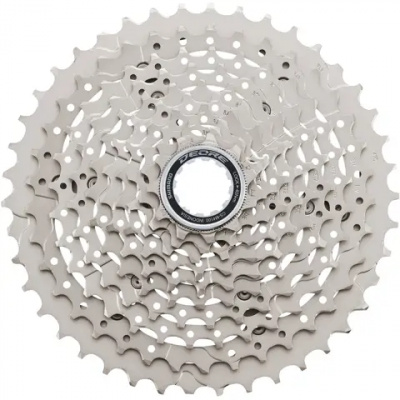
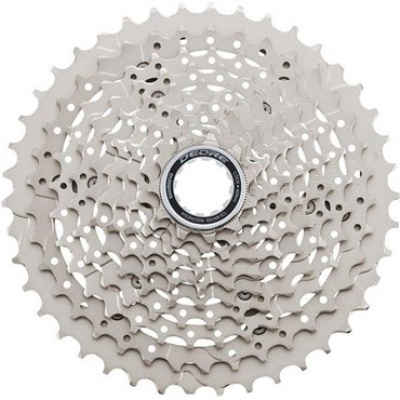
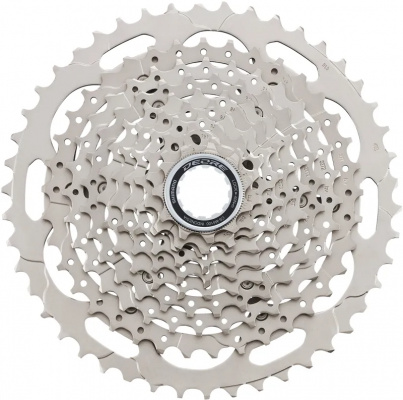
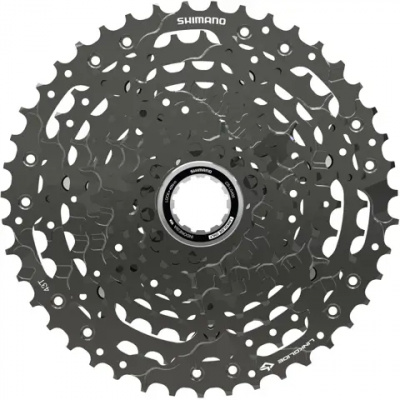
On the MTB side, Deore is the workhorse. Solid, heavier than the tiers above, and built to take a beating on muddy UK trails. The wider gear ratio options - particularly the Shimano Deore 10-speed cassette 11-42 - make it popular for steep, technical riding where you need a genuine bailout gear. Dyna-Sys technology runs through the MTB range from Deore upward: the tooth profiles and shifting ramps are engineered specifically for the chain angles and derailleur geometry of MTB drivetrains, which means faster, more positive shifts between sprockets even when there's trail grit in the equation.
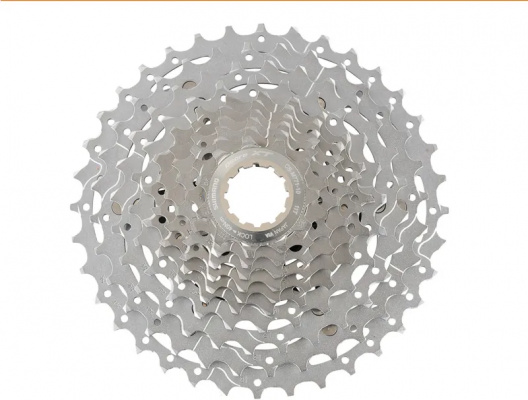
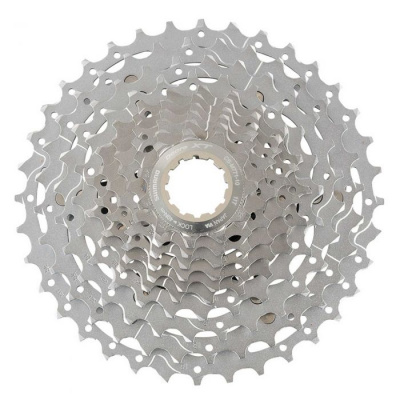
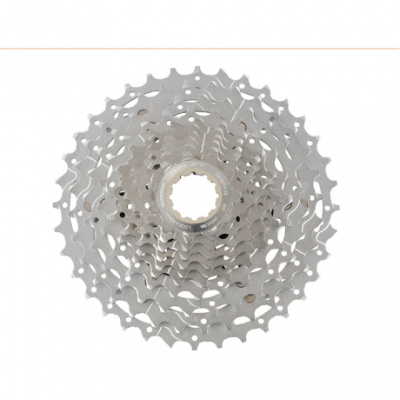
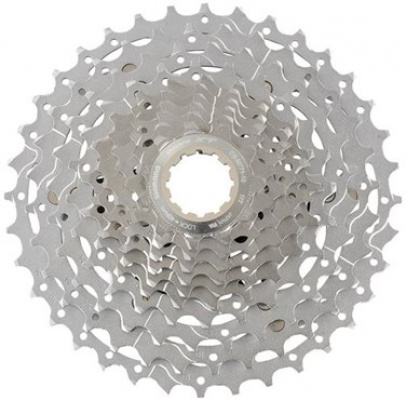
SLX and XT add alloy carriers and tighter manufacturing tolerances. The weight saving over Deore is real but modest - the bigger gain is mud shedding. The open construction around the alloy spider lets thick Pennine or Welsh Borders clay clear more freely, rather than packing solid between sprockets and forcing the chain to skip. If you ride through winter and you're tired of re-indexing after every muddy descent, the step up to SLX or XT is worth considering. If budget is tight and weight doesn't matter much, Deore does the job. Not on the Shimano ladder? SRAM's 10-speed cassettes and options from SunRace are worth a look for wider-range budget alternatives, and Campagnolo's 10-speed cassettes suit Campag-specific drivetrains - they're not cross-compatible with HG freehubs.
Keeping It Running Through a UK Winter
The honest reality of riding in Britain is that road salt and trail grit combine into something close to grinding paste. It gets into the gaps between sprockets, coats the chain, and quietly files down your drivetrain every time you pedal. A cassette that looks fine can be significantly worn after one hard winter if you're not cleaning it properly.
A stiff brush and a proper degreaser after muddy or salty rides makes a real difference. Spray degreasers that penetrate between the sprockets work well; just rinse thoroughly so you're not leaving a lubricant-stripping residue behind. Dry the cassette and re-lube the chain before it goes back in the garage.
The single most important maintenance rule with cassettes is this: never fit a new cassette onto a worn chain. A stretched chain has adapted to the worn profile of your old sprockets - it'll skip on a new cassette's sharp teeth almost immediately, and you'll have destroyed a brand new cassette within a few rides. Use a chain checker to measure wear at 0.5% stretch and replace the chain then. Do that consistently and a cassette will last three or four chain cycles easily. Check out Shimano's workshop tools - a chain checker and a cassette lockring removal tool are the two items worth having in the shed. And when you do need a new chain, pair it with the right Shimano 10-speed chain to keep the Hyperglide system working as it's designed to. Mixing chain brands with Shimano cassettes can work, but the shifting ramp geometry is optimised for the matched chain - it's not marketing, it's geometry.
One more practical note: if your shifting has gradually deteriorated and cable stretch or barrel adjuster tweaks aren't fixing it, check the cassette before you blame the derailleur. A worn cassette produces exactly the same symptoms as a mis-indexed derailleur. Swap the cassette first - it's the cheaper fix.
Shimano 10 Speed Cassettes FAQs
Are all Shimano 10-speed cassettes interchangeable?
Any Shimano 10-speed cassette will fit a standard HG freehub body, so physically yes - they're interchangeable. The catch is derailleur capacity. Your rear derailleur needs a cage long enough to handle the largest sprocket on the cassette you're fitting. A short-cage road derailleur won't cope with a wide-range MTB cassette. Check your derailleur's max sprocket spec before ordering.
Do I need a spacer for a 10-speed Shimano cassette?
If you're fitting a 10-speed road cassette onto an 11-speed road freehub, you need a 1.85mm spacer behind the cassette plus the 1mm spacer included with the cassette - both are required. For a 10-speed MTB cassette on an 11-speed road freehub, typically just the 1.85mm spacer is needed. Get this wrong and your indexing won't sit right no matter how much you adjust.
When should I replace my Shimano 10-speed cassette?
Replace it when a new chain skips under load - that's a clear sign the sprocket teeth are too worn to engage properly. As a maintenance habit, swap the cassette every three or four chain replacements. Catching chain wear at 0.5% stretch with a chain checker is the best way to protect the cassette and avoid that expensive double replacement.